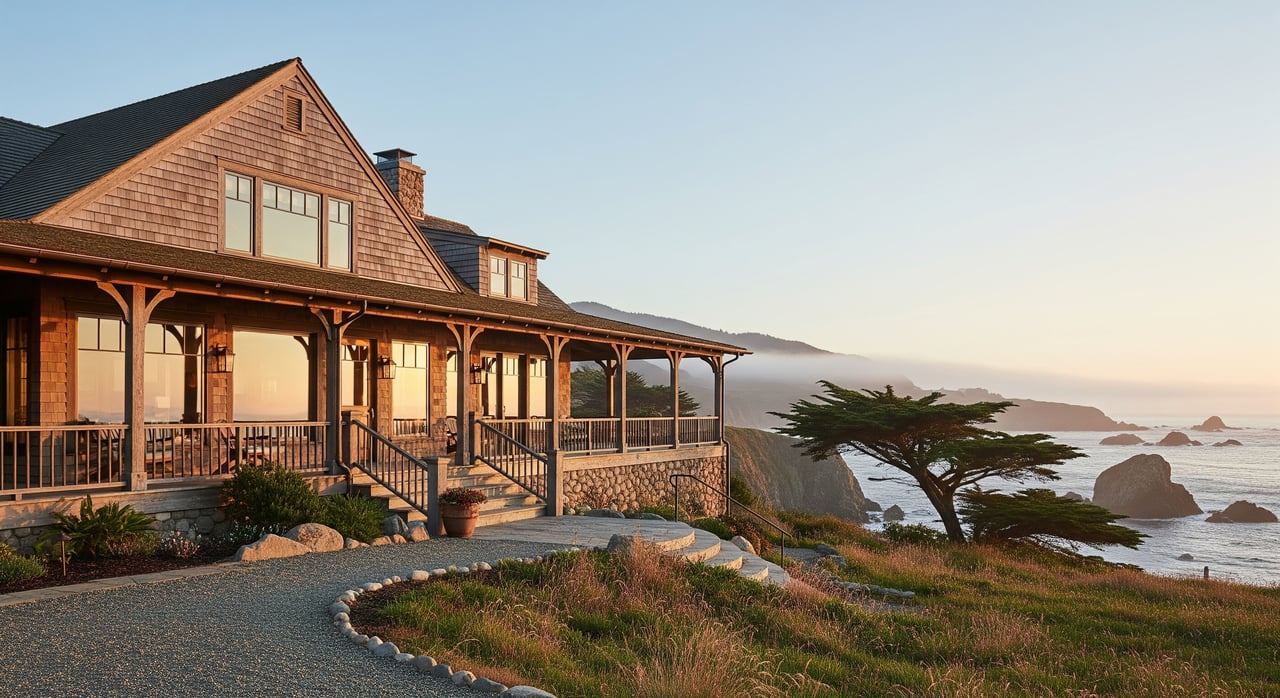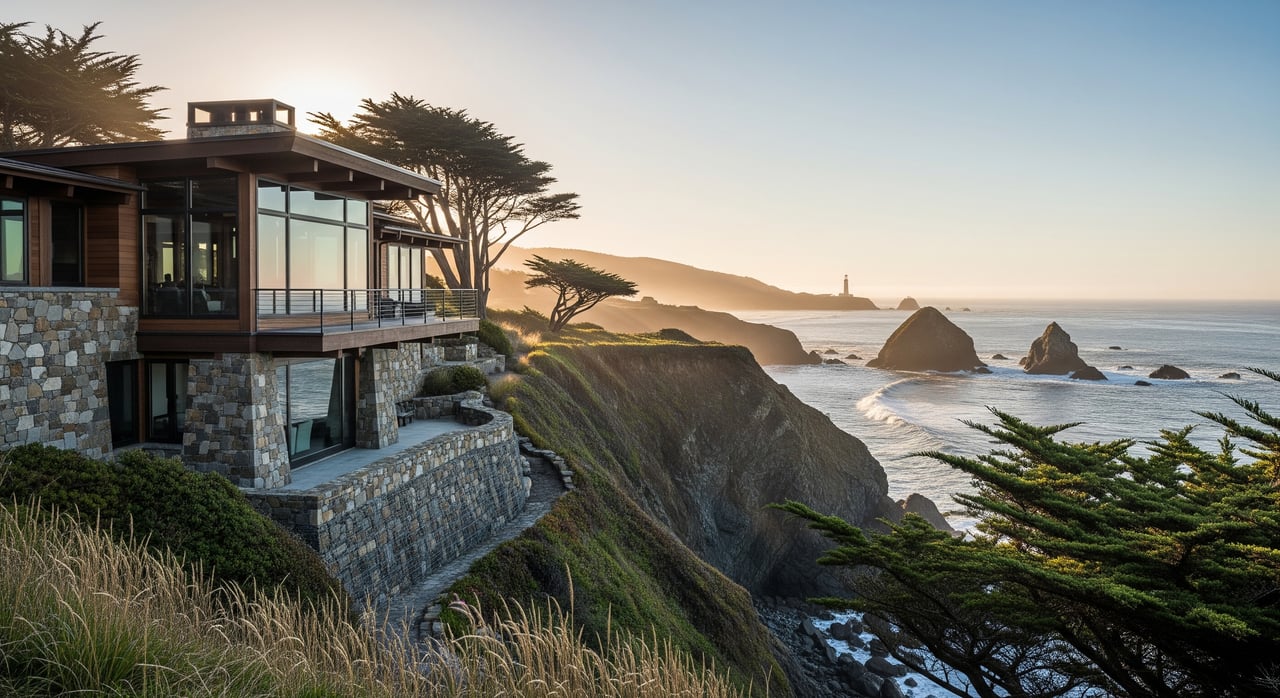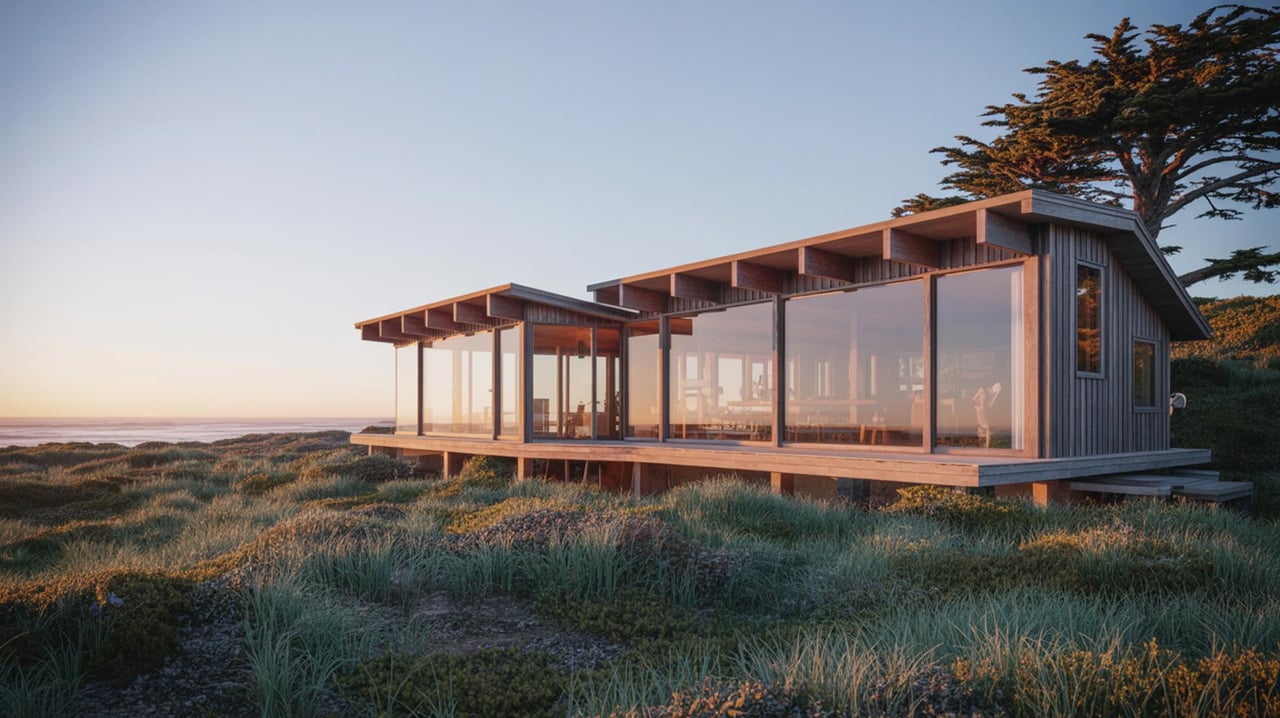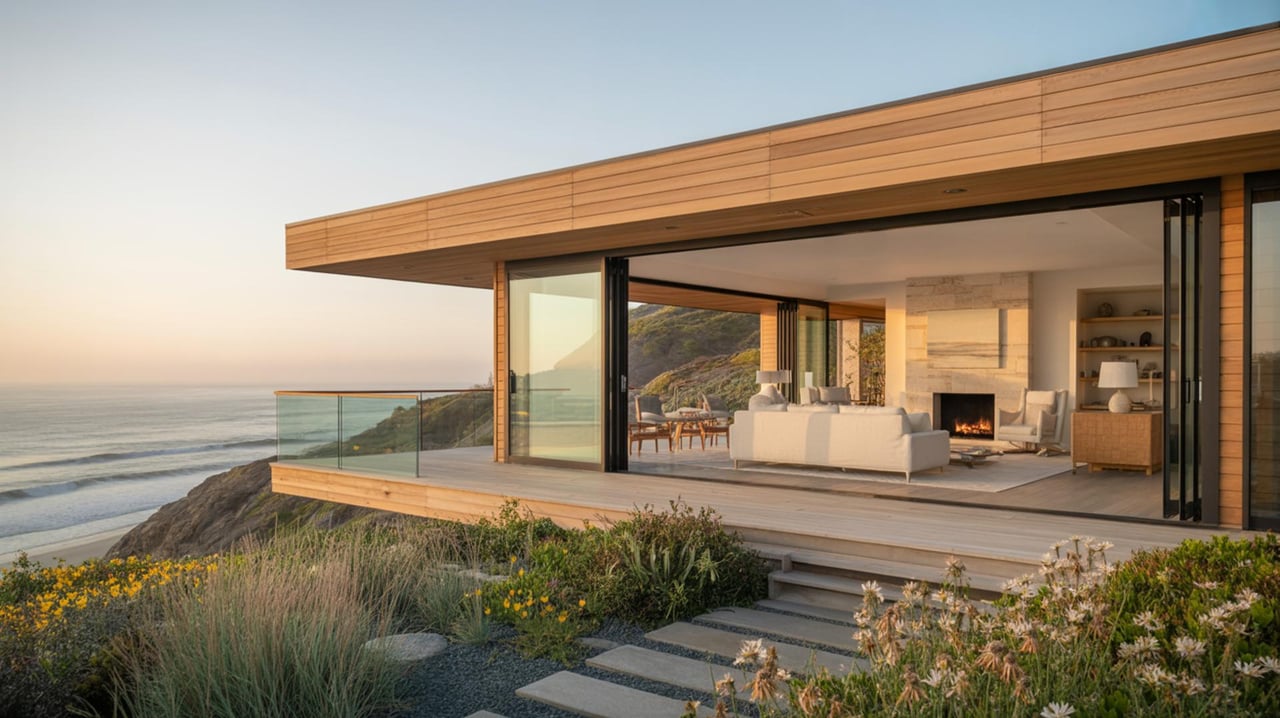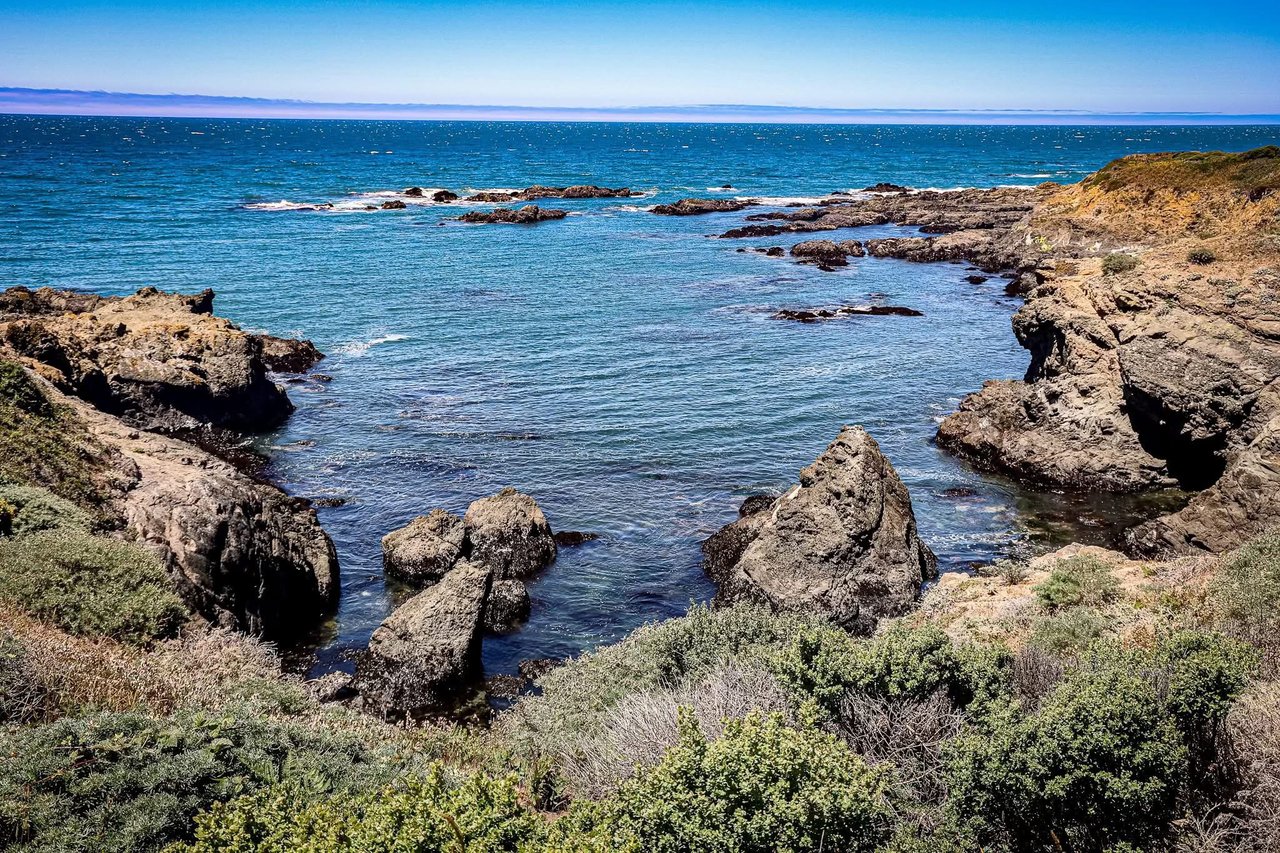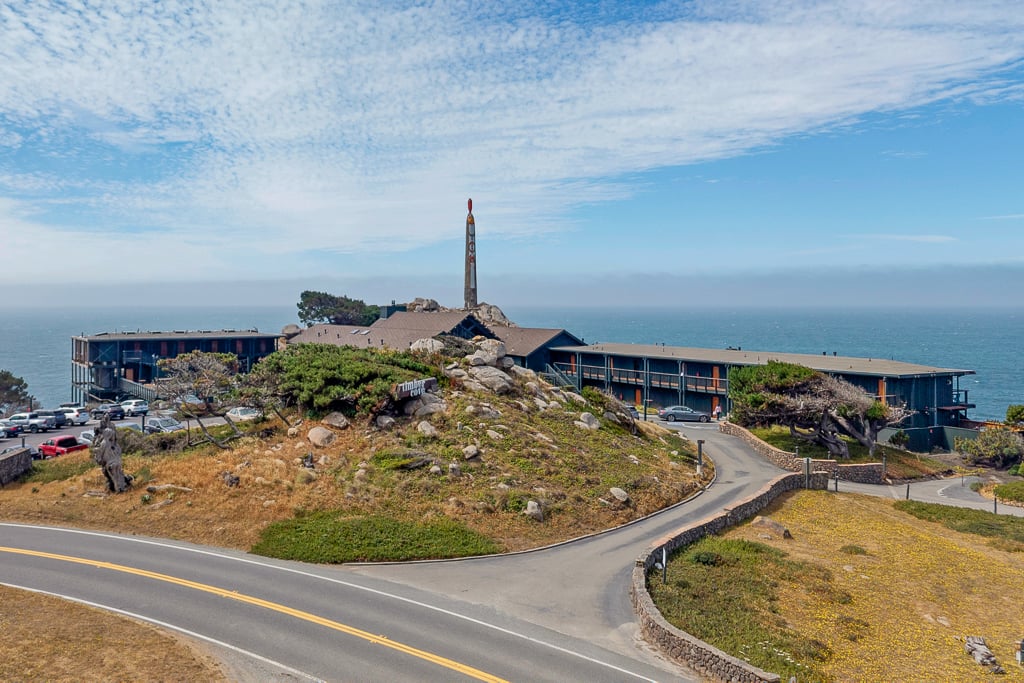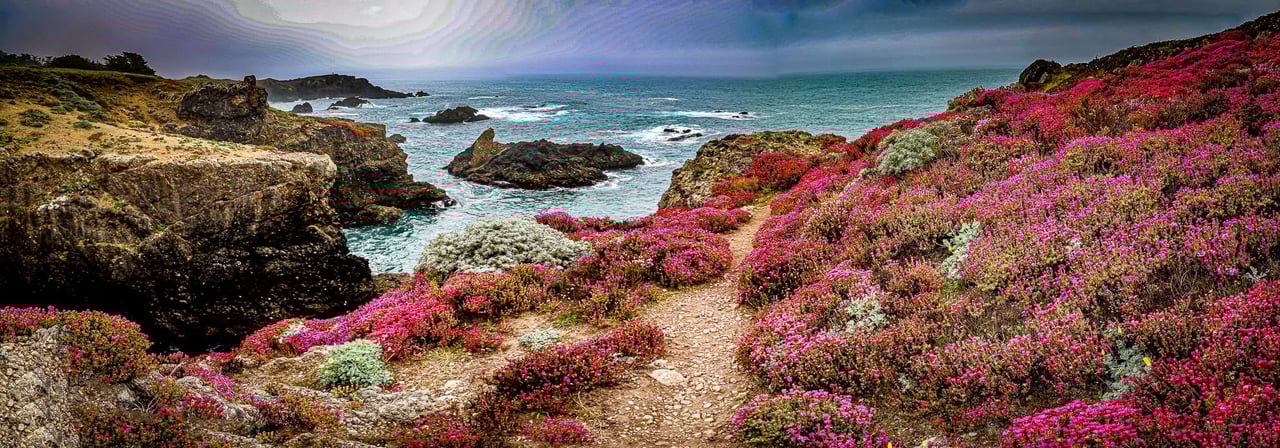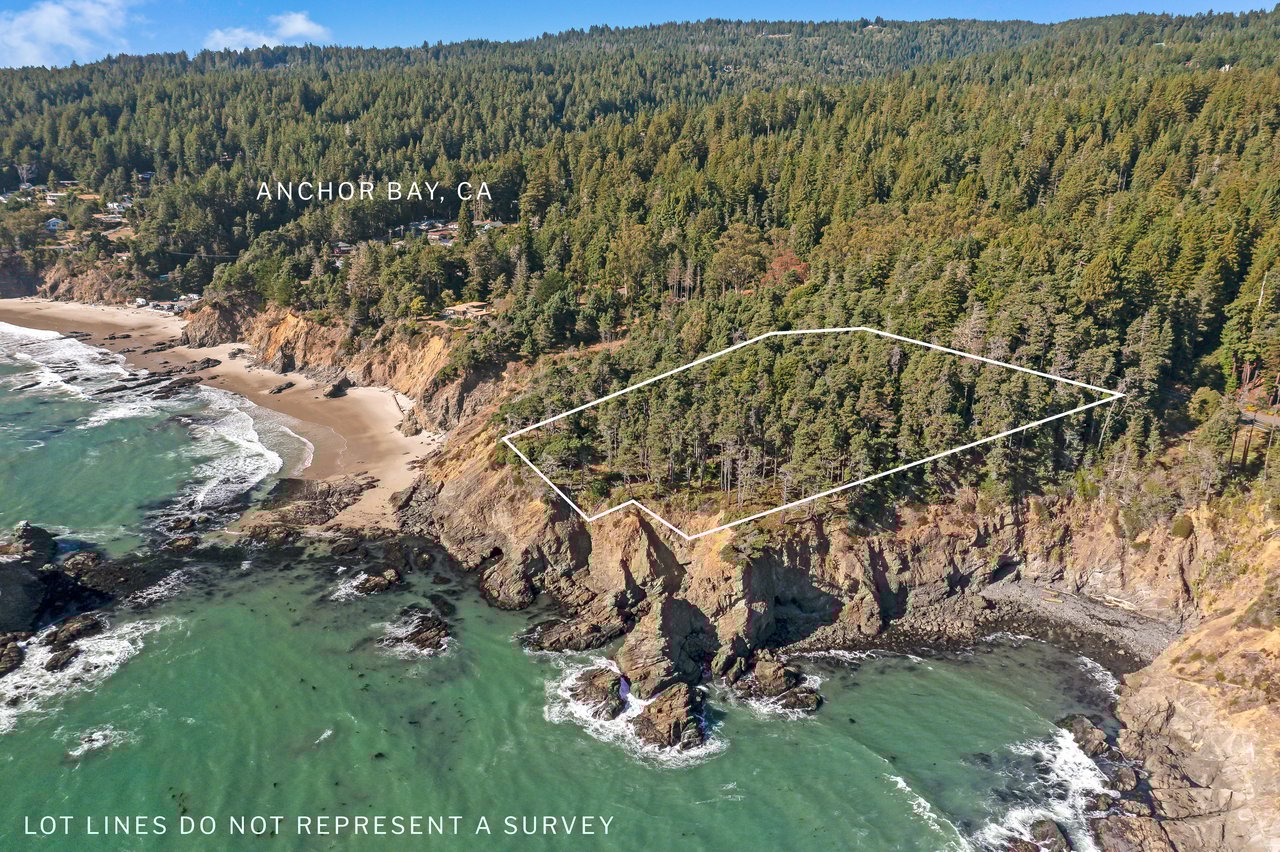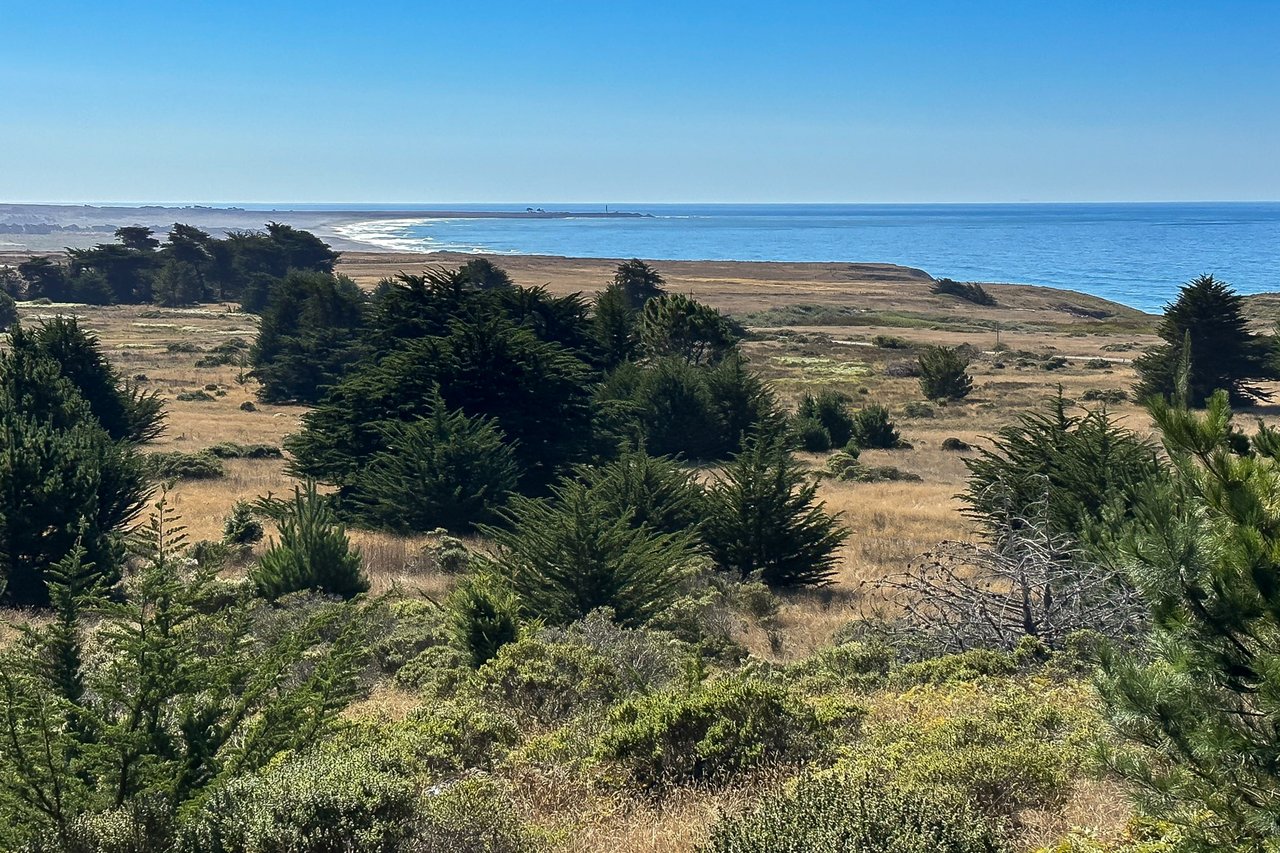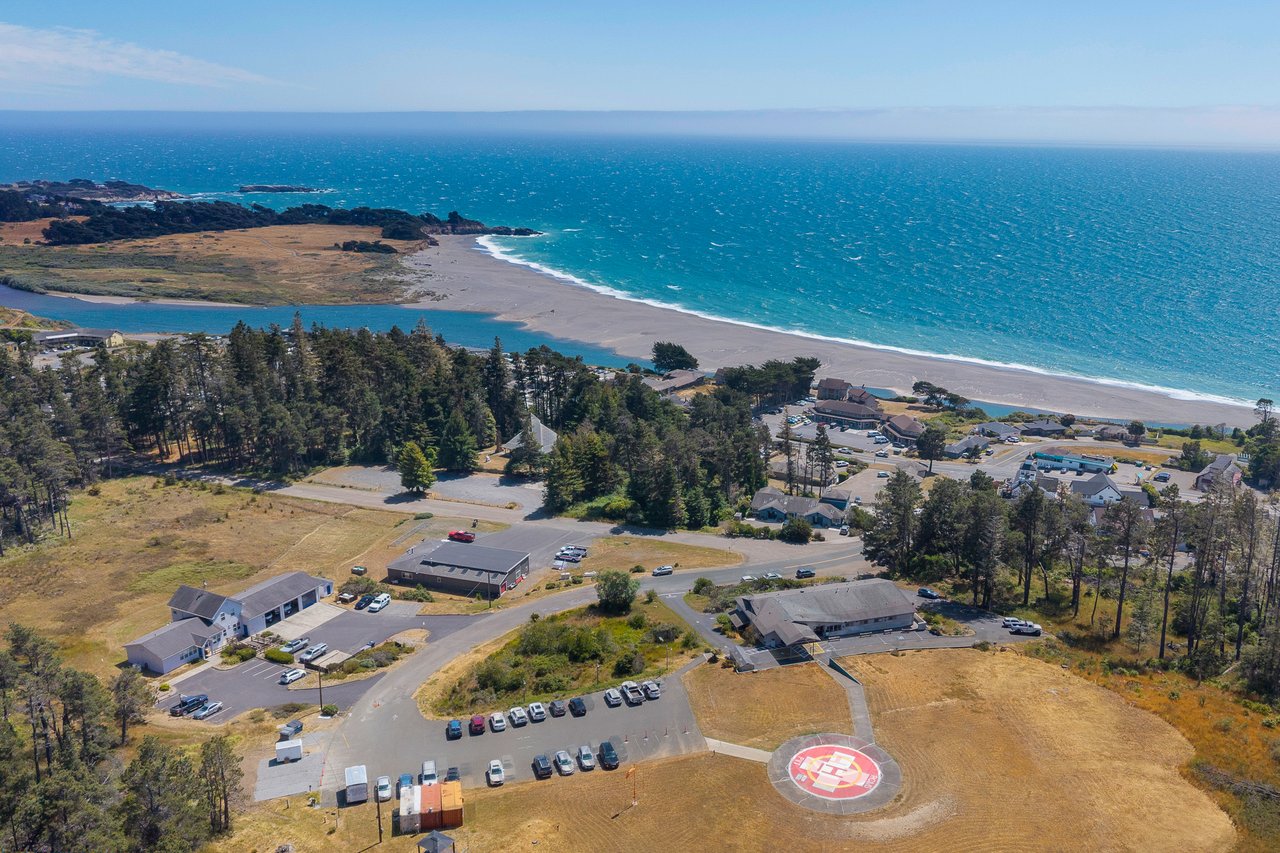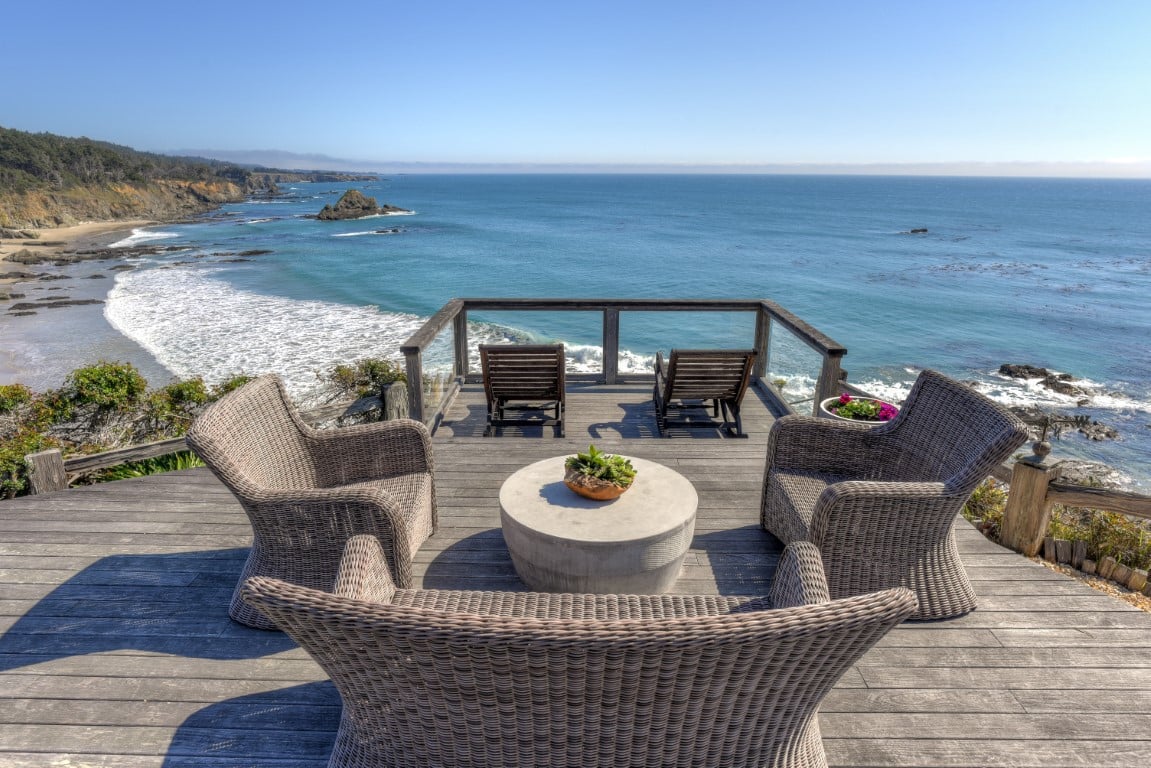
Walk the loop from the gazebo park down to Pomo Lake Park on a clear morning in January and you'll likely see a spout a half mile out, moving fast, gone before you can point it out to whoever's walking with you. Take the same path in March and the animal doing the spouting might be forty feet off the rocks, moving so slowly you have time to watch it twice.
Most people who live here talk about "whale season" as one long stretch from December into April. It isn't. It's two seasons wearing the same name, and they ask you to walk the loop differently.
The Loop Itself
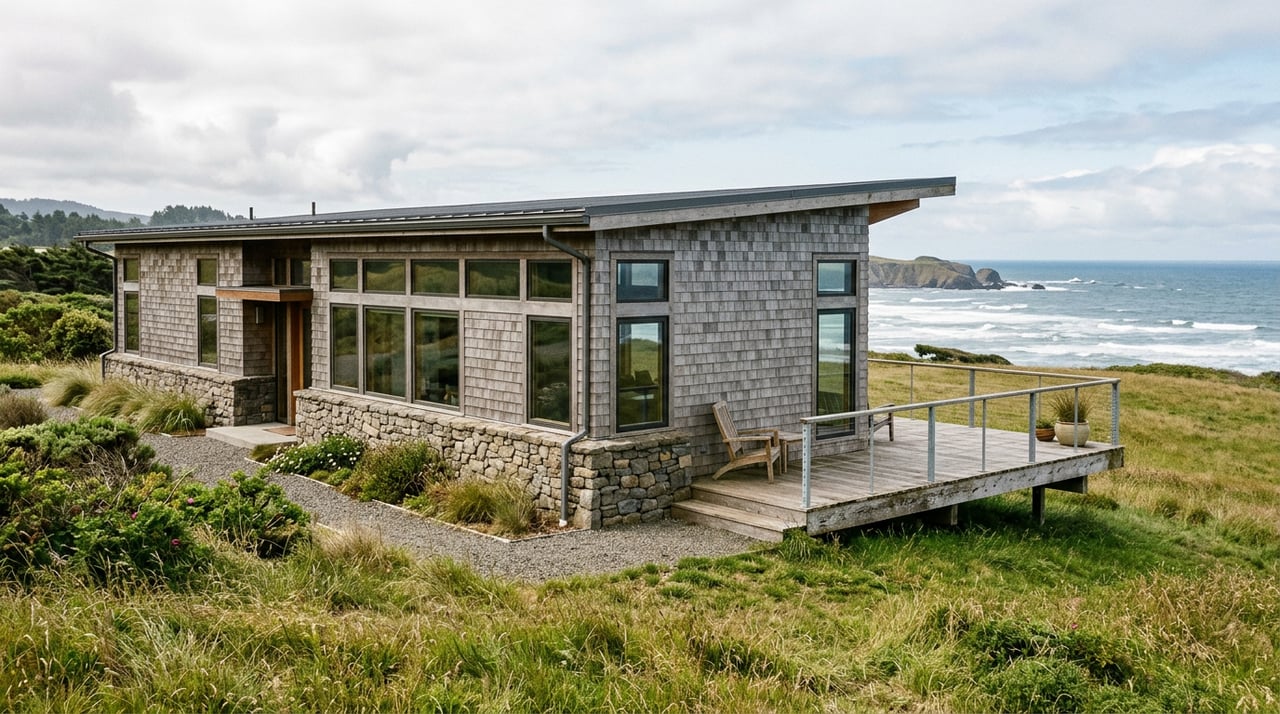
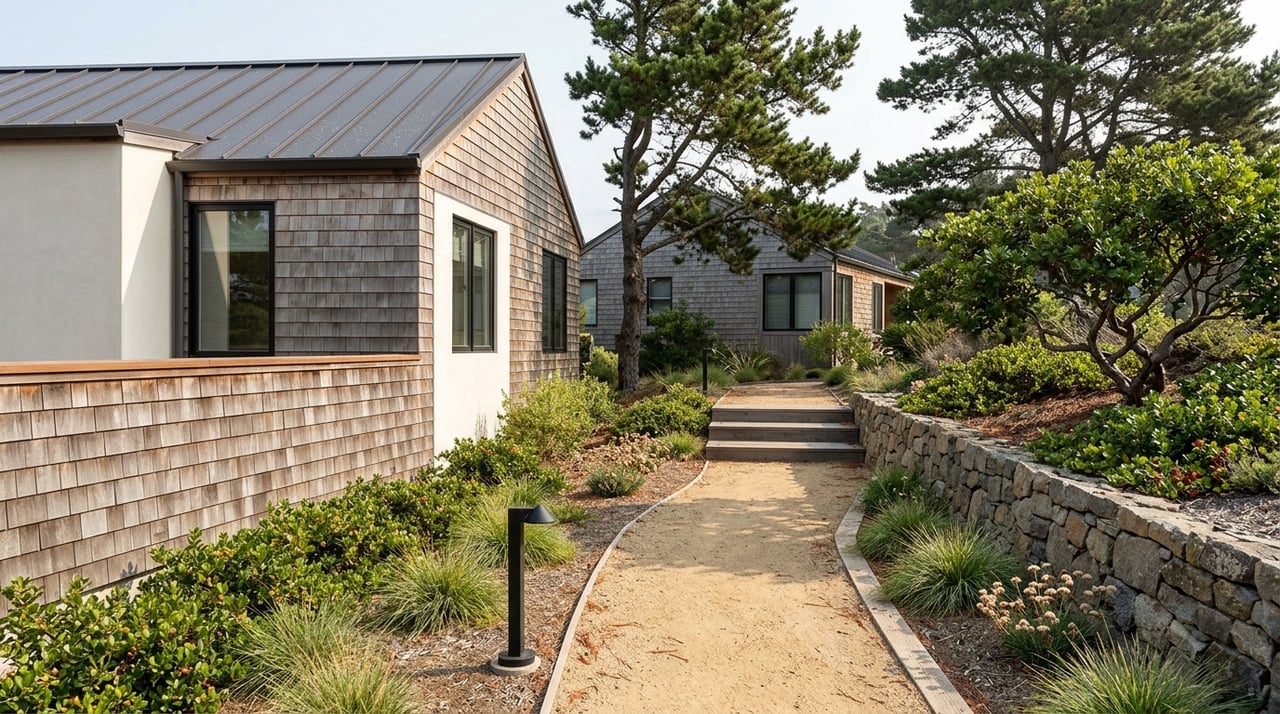
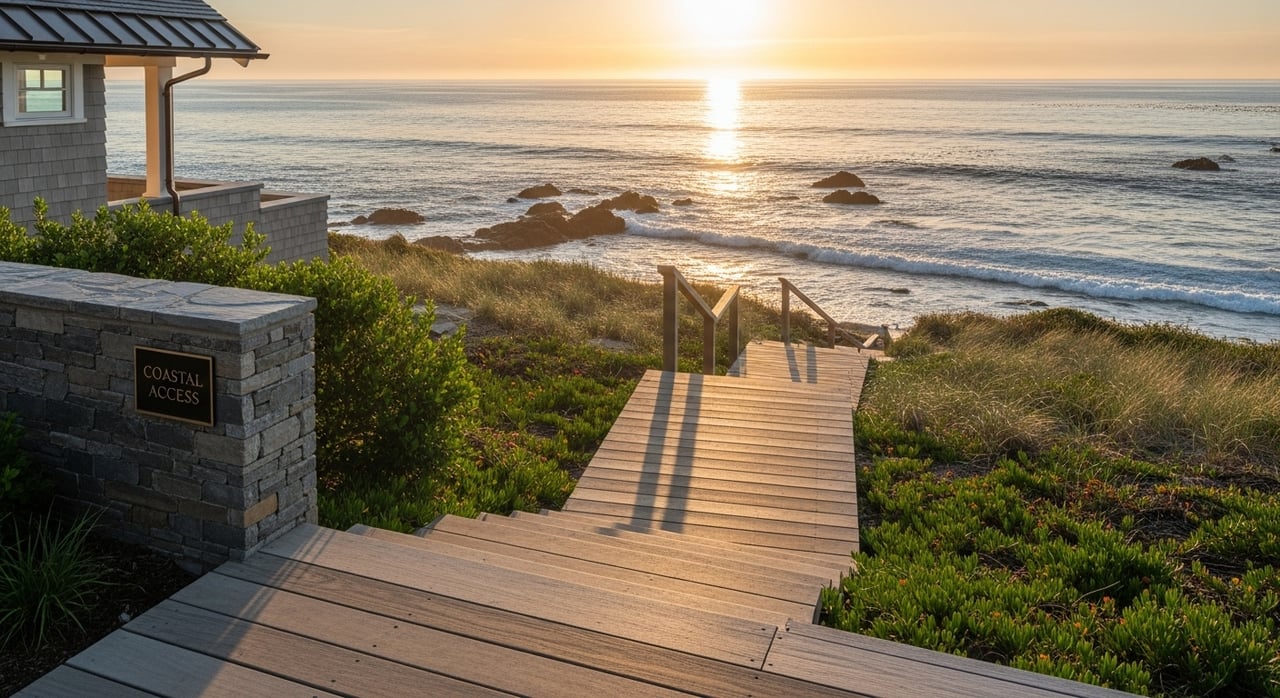
If you've lived in Irish Beach for any length of time, you know the route without thinking about it: out past the gazebo park, along to Pomo Lake Park, then down the gated footpath to the sand. It's not a trail system in the way Mendocino Headlands or Point Arena's bluff paths are. It's three stops, all maintained by the Irish Beach Improvement Club, funded by the same member dues that keep the beach access road passable and the gate working.
That's worth sitting with for a second. Most gated coastal subdivisions build out a clubhouse, a pool, maybe a tennis court. Irish Beach put its money into a lake, a gazebo, and a path to the water. The amenity package here was never about programming. It was about getting people to the sand with as little in between as possible.
The Four-Mile Difference
Here's the part that doesn't show up when you're just living your daily routine but matters the moment a friend wants to visit without going through the gate process: the same stretch of beach you reach in a short walk from your house is a four-mile round trip for anyone coming in from outside the community. The public route starts at the Alder Creek access point at Manchester State Beach, roughly a mile in on a trail from the highway, then another mile north along the sand to reach Irish Beach, which means visitors without a gate key or a homeowner escort are looking at two miles each way, split between trail and sand, just to stand where you stand most mornings before coffee.
That gap didn't happen by accident. Irish Beach was carved out of a former sheep ranch in the early 1960s and built into a subdivision of roughly 500 parcels, laid out with private access to the shoreline as the organizing idea rather than an afterthought. The gate isn't really about privacy in the abstract. It's a proxy for distance. Owning here collapses a four-mile round trip into a stroll, and that's the actual asset the Irish Beach Improvement Club has been maintaining since the roads were first cut.
Two Migrations, Not One
Back to the whales, because this is where the loop tells you something the calendar alone won't.
Gray whales migrate along this stretch of coast twice a year, and the two legs of the trip look almost nothing alike from a bluff. The southbound migration runs roughly December into January, when whales are moving from Alaska toward the calving lagoons of Baja California. The northbound leg, when mothers travel back up the coast with their calves, runs from February into April.
| Southbound (Dec–Jan) | Northbound (Feb–April) | |
|---|---|---|
| Who's traveling | Adults heading to Baja | Mothers and newborn calves heading north |
| Distance from shore | Farther out, often a half mile or more | Much closer, sometimes just past the surf line |
| Pace | Fast, direct swimming | Slow, with frequent pauses |
| What you'll see from the loop | Quick spouts on the horizon | Extended surfacing, sometimes visible for minutes at a time |
The reason for the difference is behavioral, not just seasonal. Whales heading south are simply making the trip. Mothers heading north with calves hug the coastline to stay in shallower, calmer water and away from predators, which is exactly why the northbound season is the one that rewards patience on the Irish Beach loop rather than luck.
If you've only ever walked the loop in December expecting the same show you got in April, or vice versa, that mismatch is probably why one trip felt like a letdown and the other felt like a gift. They're not the same event.
What Changes About the Walk
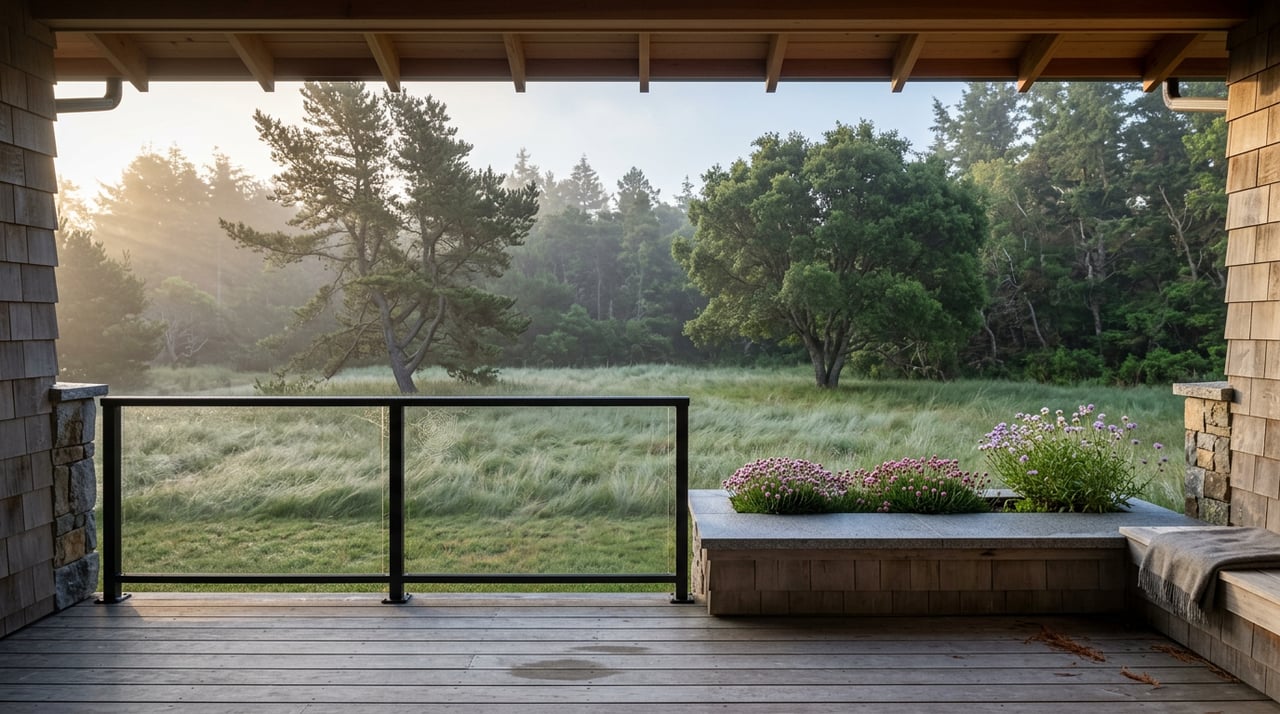
In the December and January window, the gazebo park's elevated vantage point does more work than the beach itself. You're scanning a wider stretch of horizon, and the extra few feet of height above the bluff line matters more than proximity to the water. Bring binoculars if you have them. The spouts are real but brief.
By February, especially once you're into March and April, the footpath down to the sand becomes the better spot. Mother-calf pairs moving north stay close enough that you don't need magnification to watch a whale surface, breathe, and go back down. This is also the stretch where patience pays off in a way it doesn't in January. A whale moving quickly south might pass your entire field of view in under a minute. A mother and calf resting just offshore can stay visible on and off for the better part of a walk.
None of this requires a boat or a booked tour out of Noyo Harbor, though those exist if you want a closer look. It requires knowing which two months you're in and adjusting where you stand.
The Quiet Season Between
Outside the migration windows, the loop doesn't go quiet so much as it changes register. Harbor seals and seabirds are part of the daily backdrop here regardless of month, and the same stretch of bluff that hosts whale watchers in the winter and spring settles into something plainer and slower the rest of the year. If you want the fuller rundown on what day-to-day life around here actually involves beyond the walk itself, from water service to permitting to the practical mechanics of owning a place in this particular subdivision, that's covered in more detail in our guide to owning a home in Irish Beach.
Governance You Don't Notice Until You Do
Part of why the loop stays maintained and the gate keeps working is a layer of governance most residents interact with rarely but benefit from constantly. The Irish Beach Architectural Design Committee, which reviews new construction and exterior changes under the community's CC&Rs, holds its meetings at the Irish Beach Firehouse on Forest View. Fire and medical response for the area comes through the Redwood Coast Fire Protection District. Water service is handled separately by the Irish Beach Water District, a distinct public agency from the Improvement Club that funds the parks and the path.
None of this is dramatic. It's the quiet infrastructure that makes it possible to walk the same loop in January and April and have it be a completely different experience both times, without ever thinking about who's keeping the lights on behind it.
If you're already living the walk and want a low-key way to know what's come up nearby when it does, whether that's a listing worth a look or just an update on the neighborhood, Kennedy & Associates keeps a short, unhurried list for people on this stretch of coast. You can ask to Receive Exclusive Listings whenever it makes sense for you.