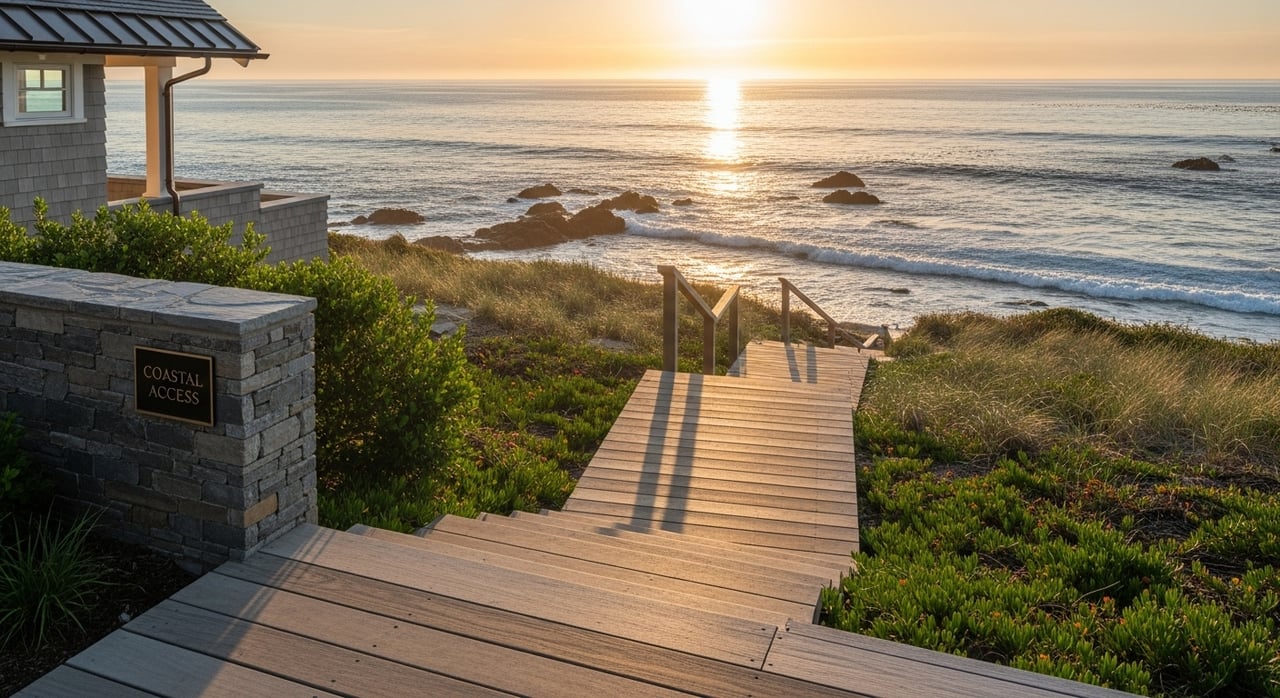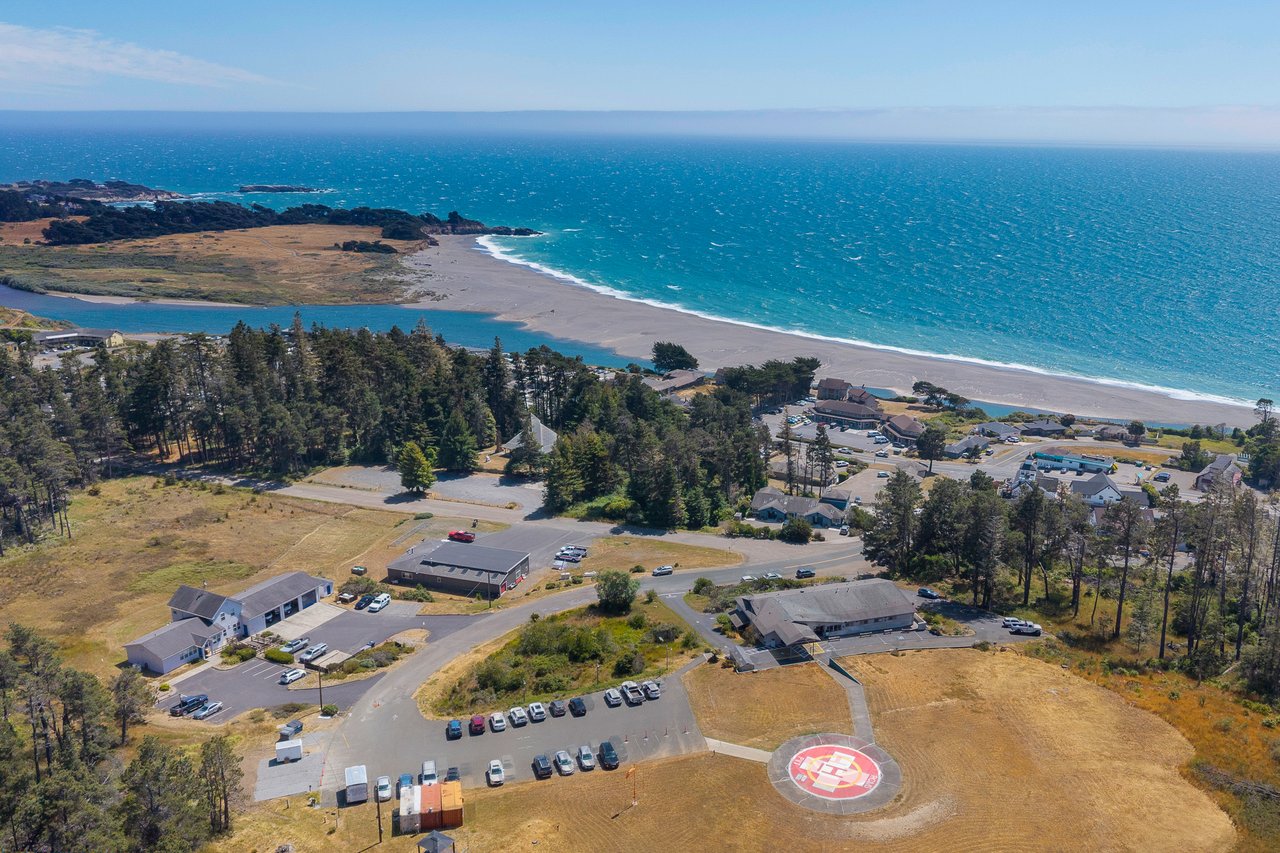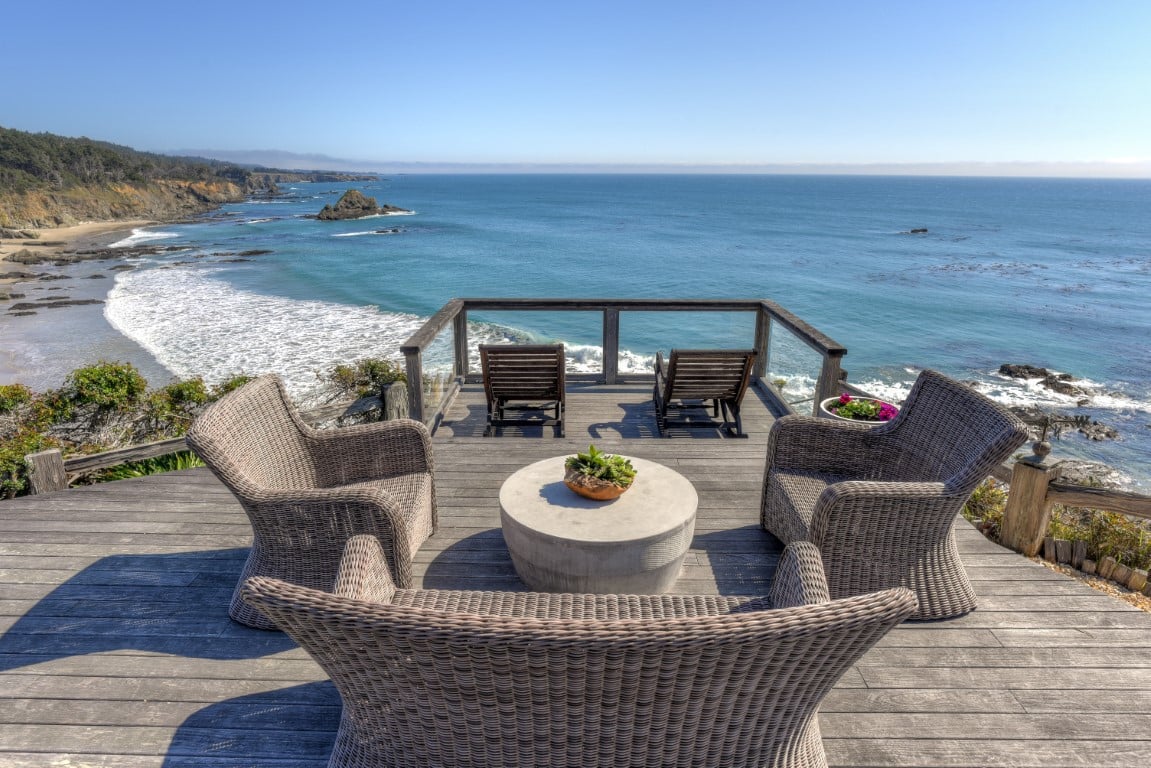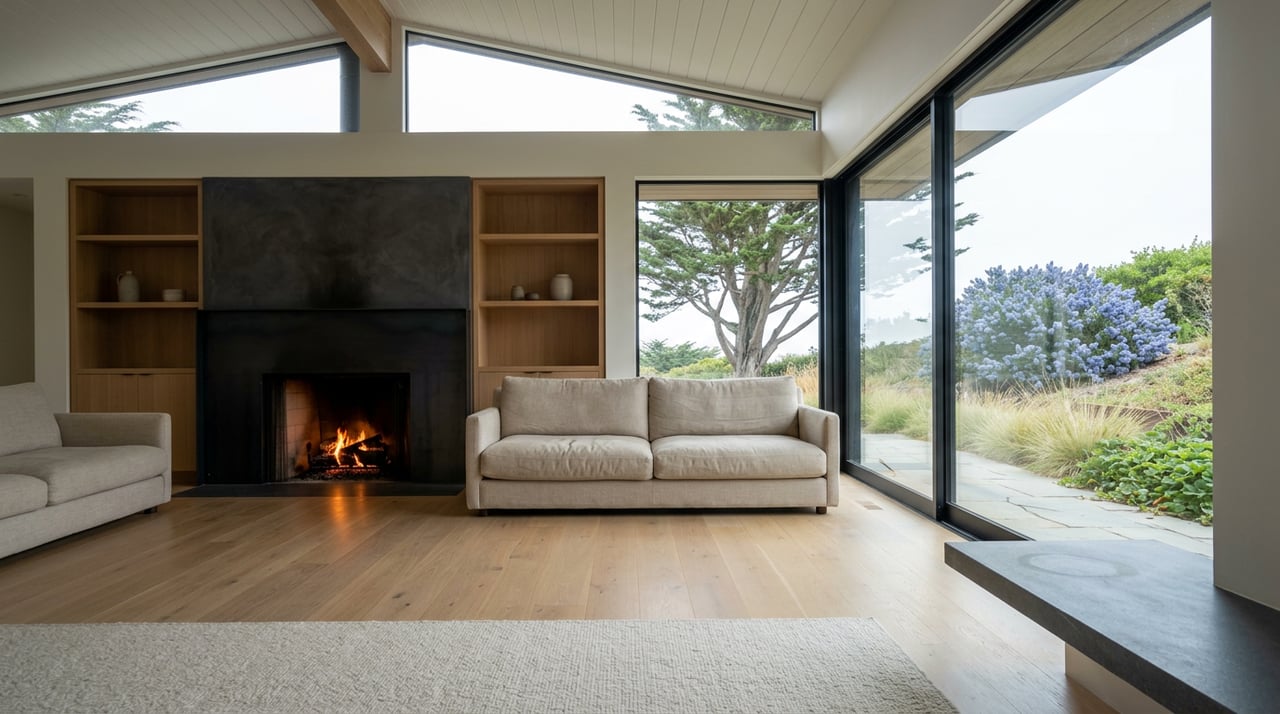
Pull up three real estate sites for Point Arena on the same afternoon and you will get three different pictures of the market. One shows a typical home value hovering around $505,000, down more than 10 percent from a year earlier. Another, working from May 2026 listing data, shows a median list price of $2.29 million with homes running $951 a square foot. Neither number is wrong. Both are describing the same small town wrapped around Arena Cove and the Point Arena Light, the tallest lighthouse on the West Coast. The gap between them is not a data error. It is the honest result of trying to compute a median from a handful of sales in a market where the properties themselves have almost nothing in common.
If you are comparing Point Arena to Manchester, Gualala, or Anchor Bay while shopping the Mendocino coast, that gap matters more than any single number on the page. Here is what is actually happening underneath it, and what to look at instead.
Two Very Different Markets Sharing One Zip Code
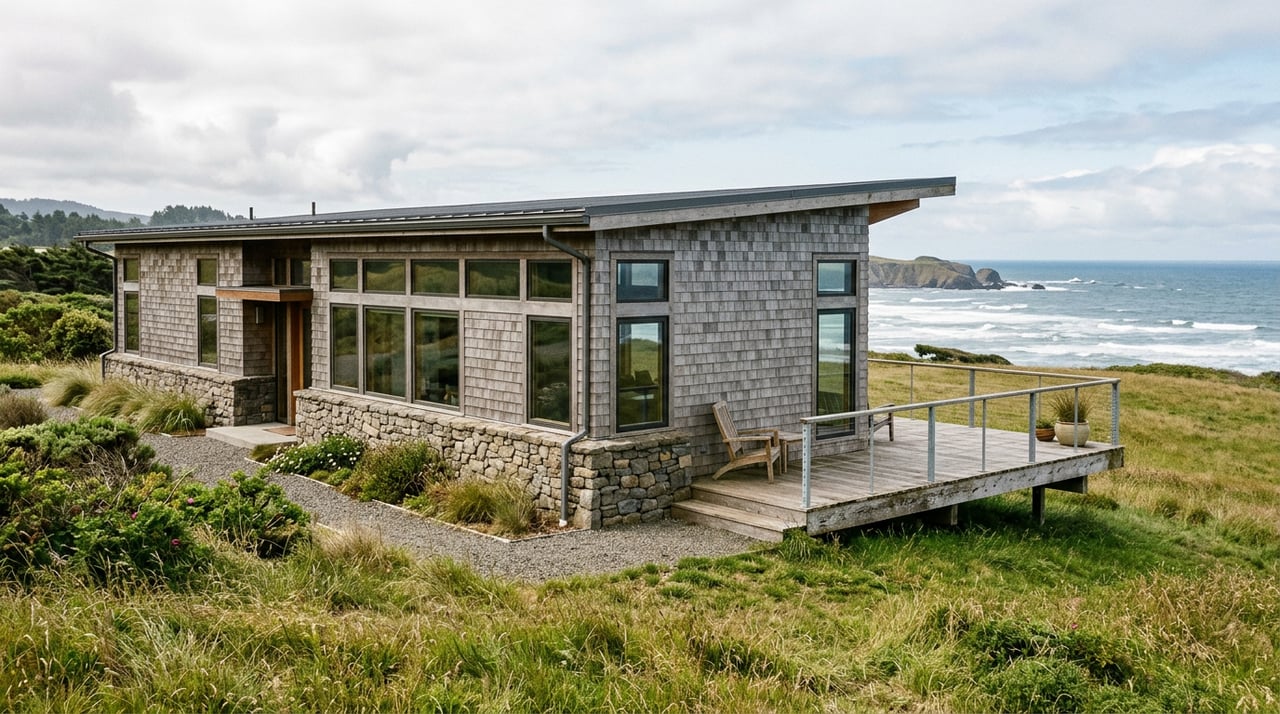
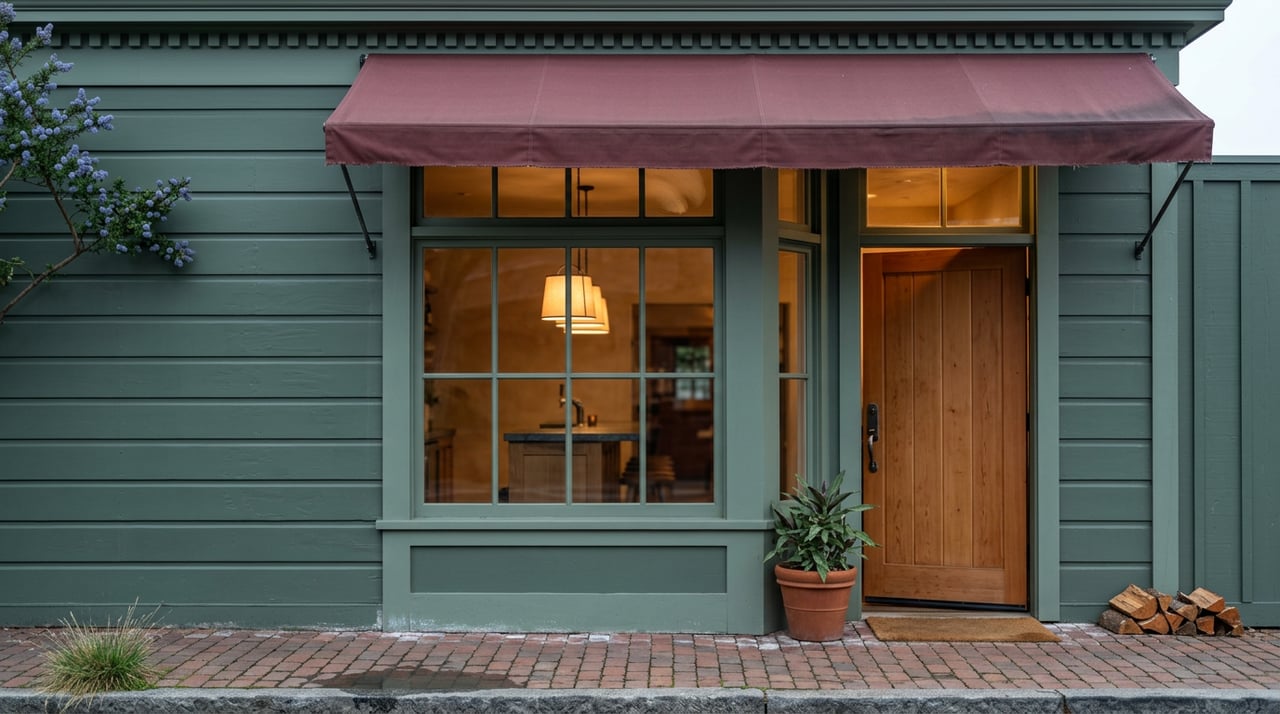
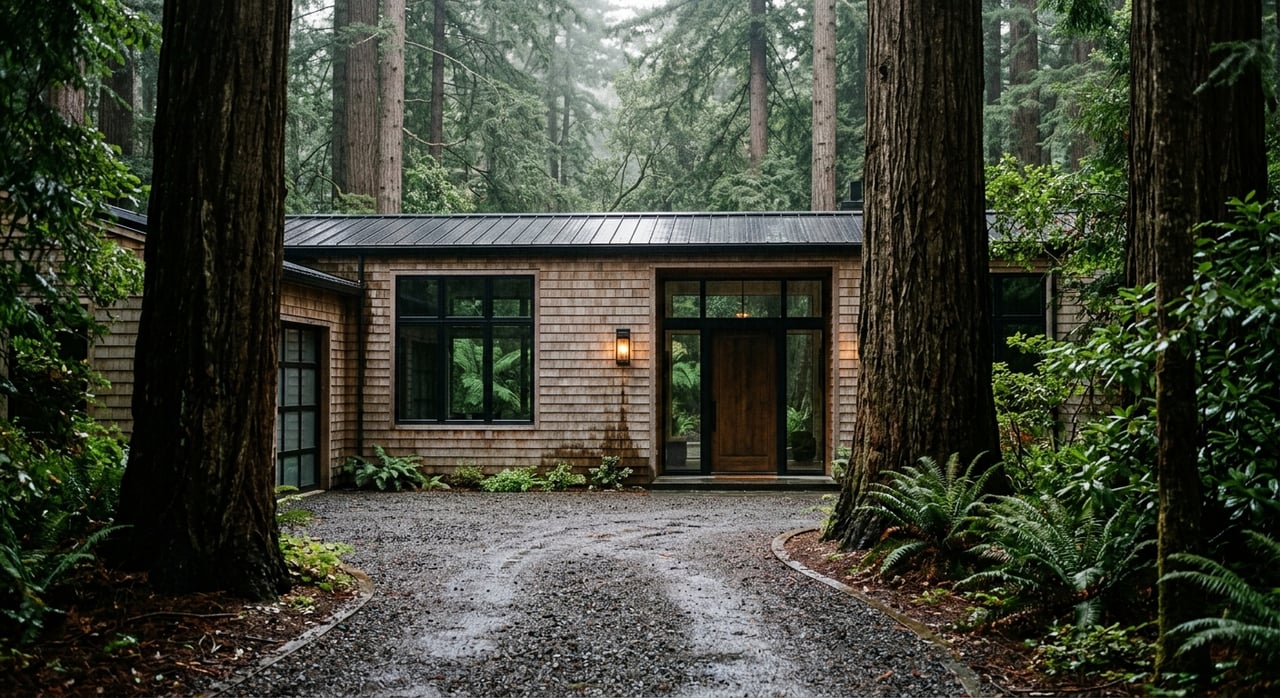
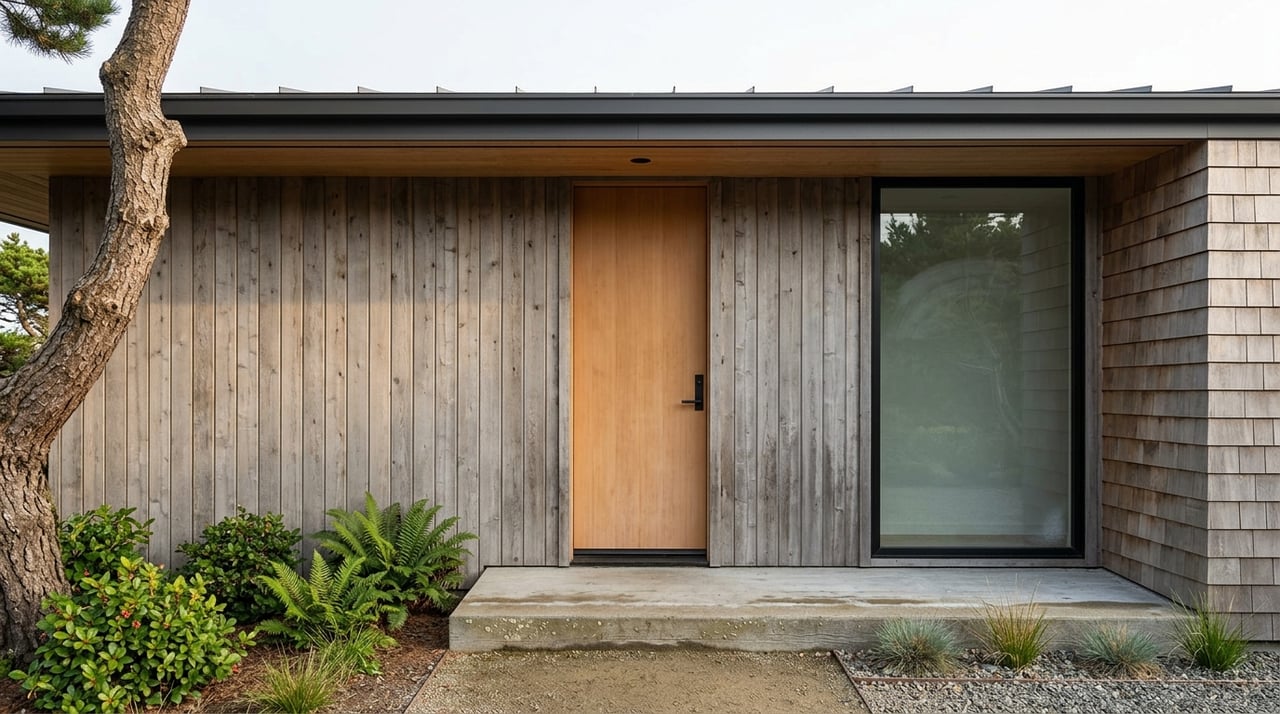
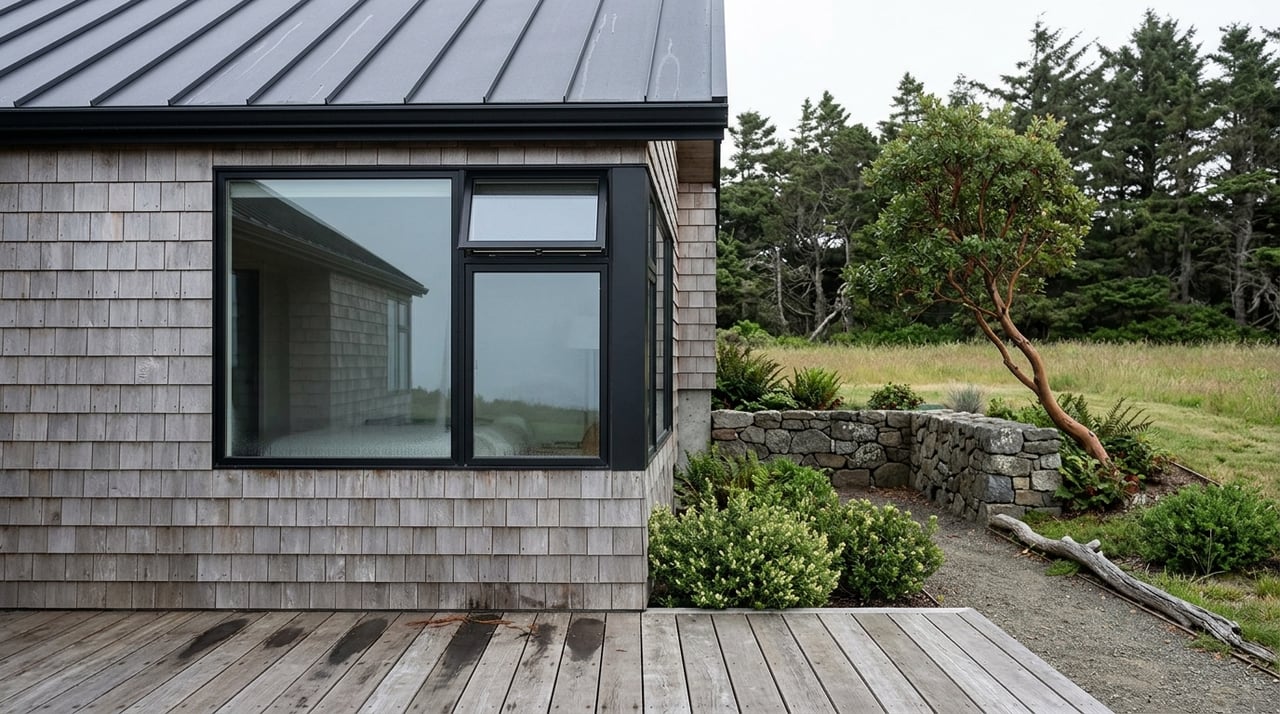
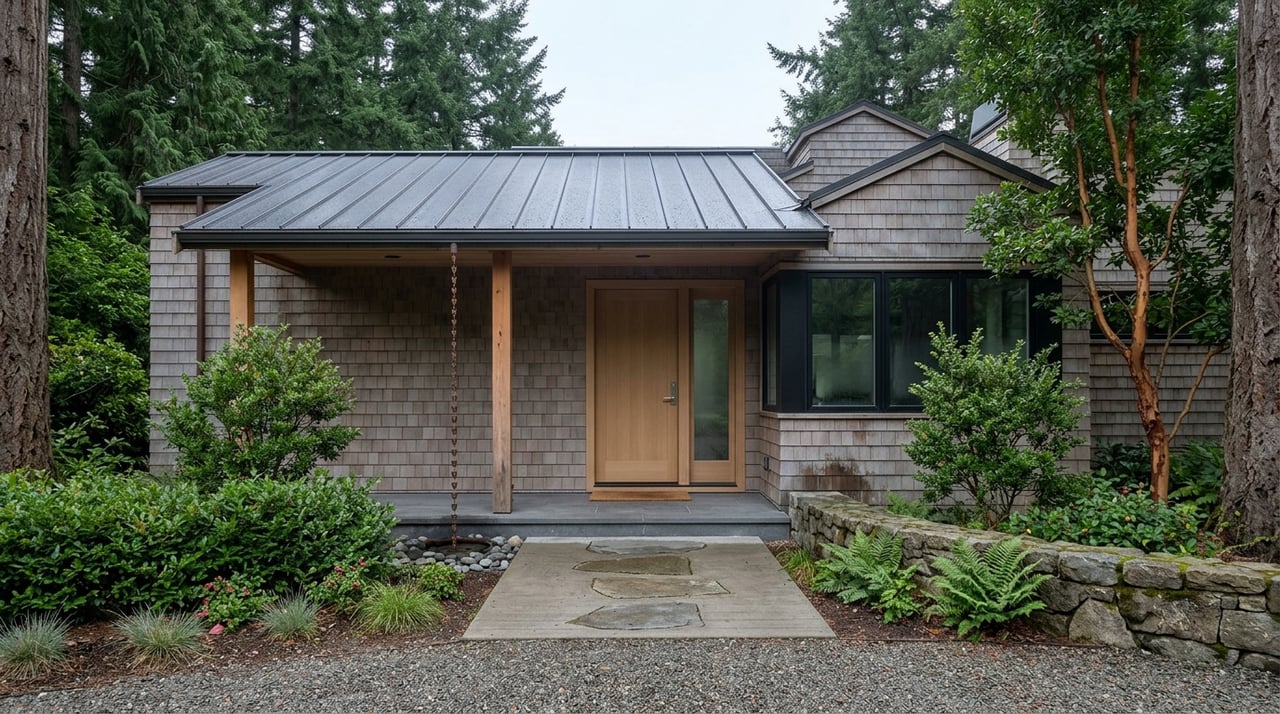
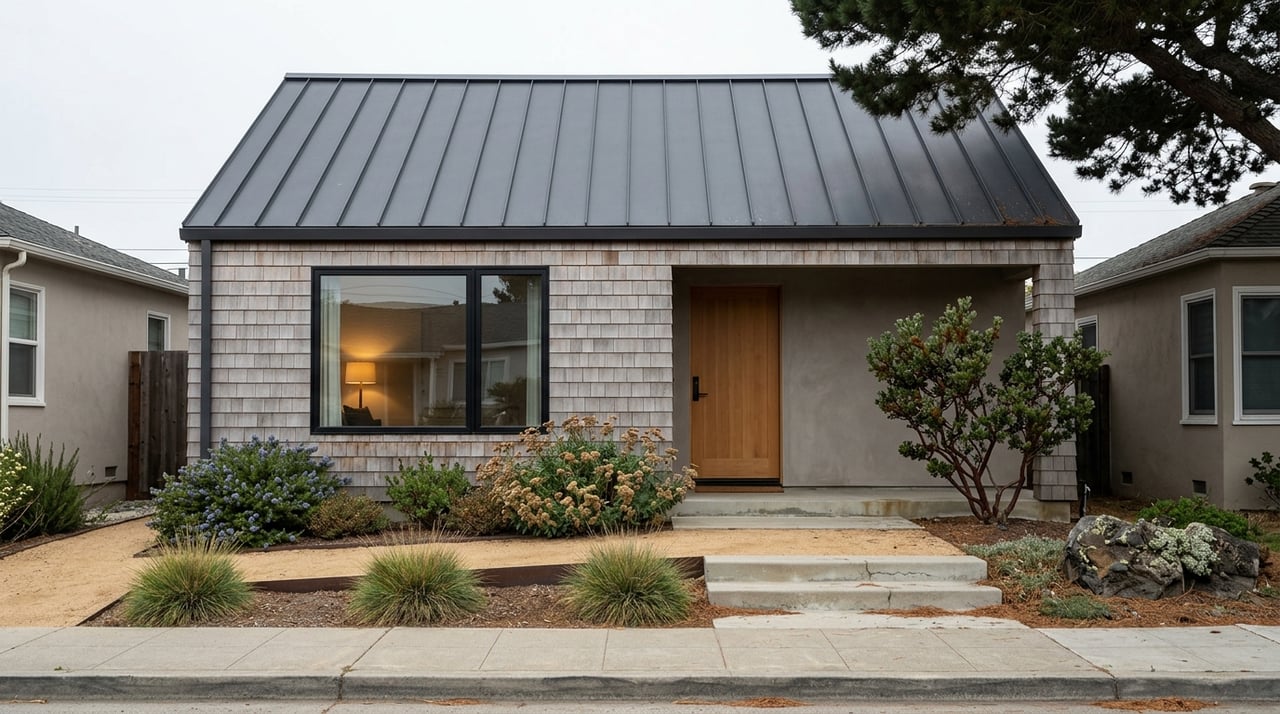
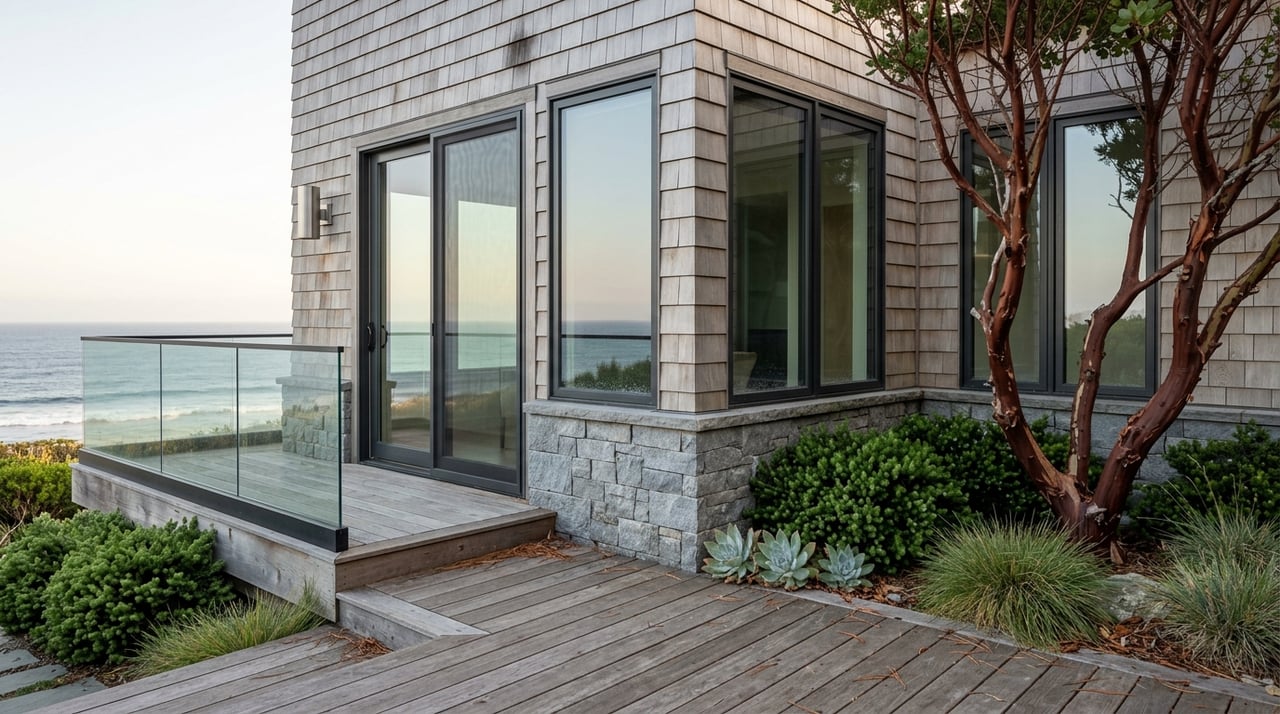
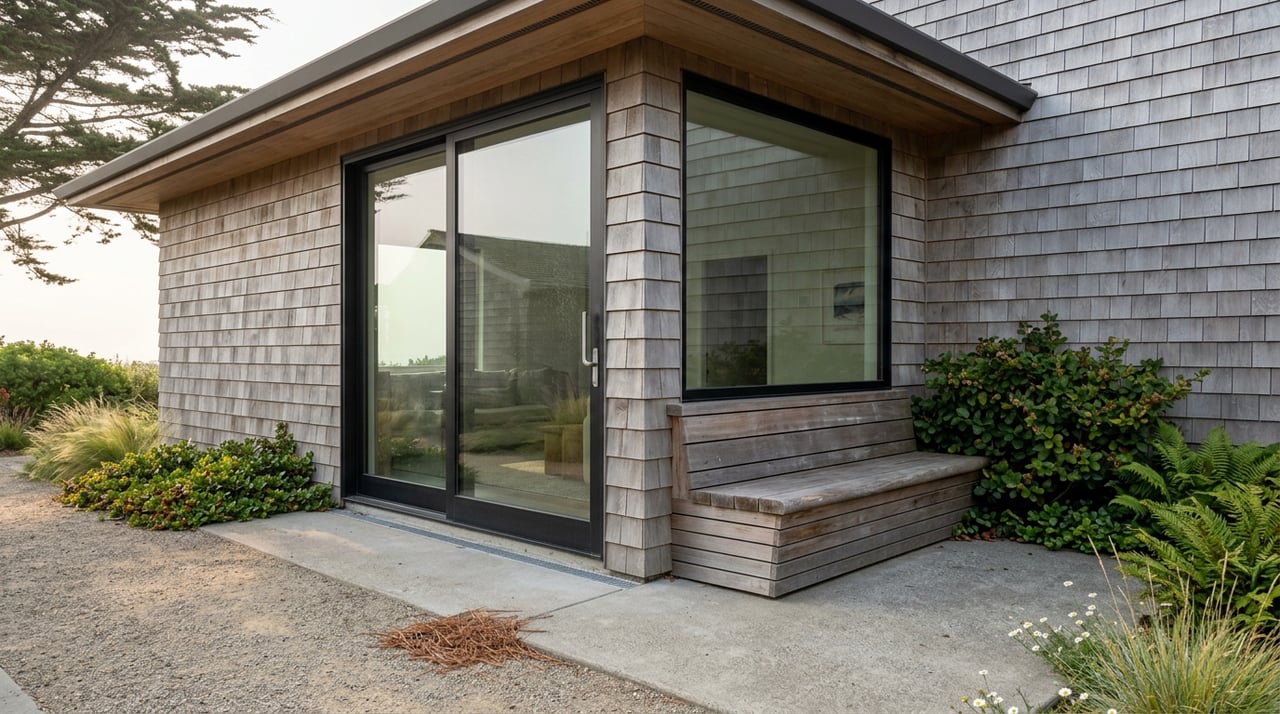
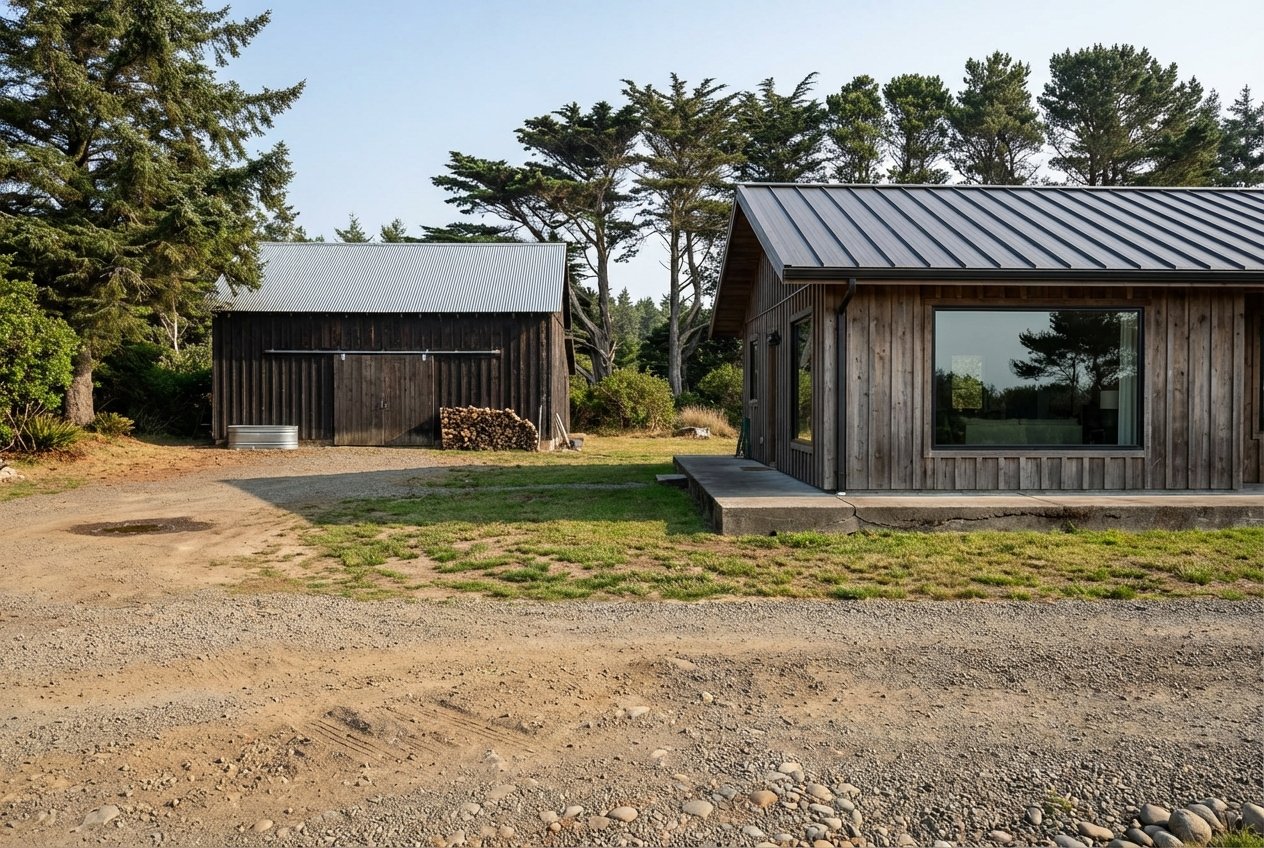
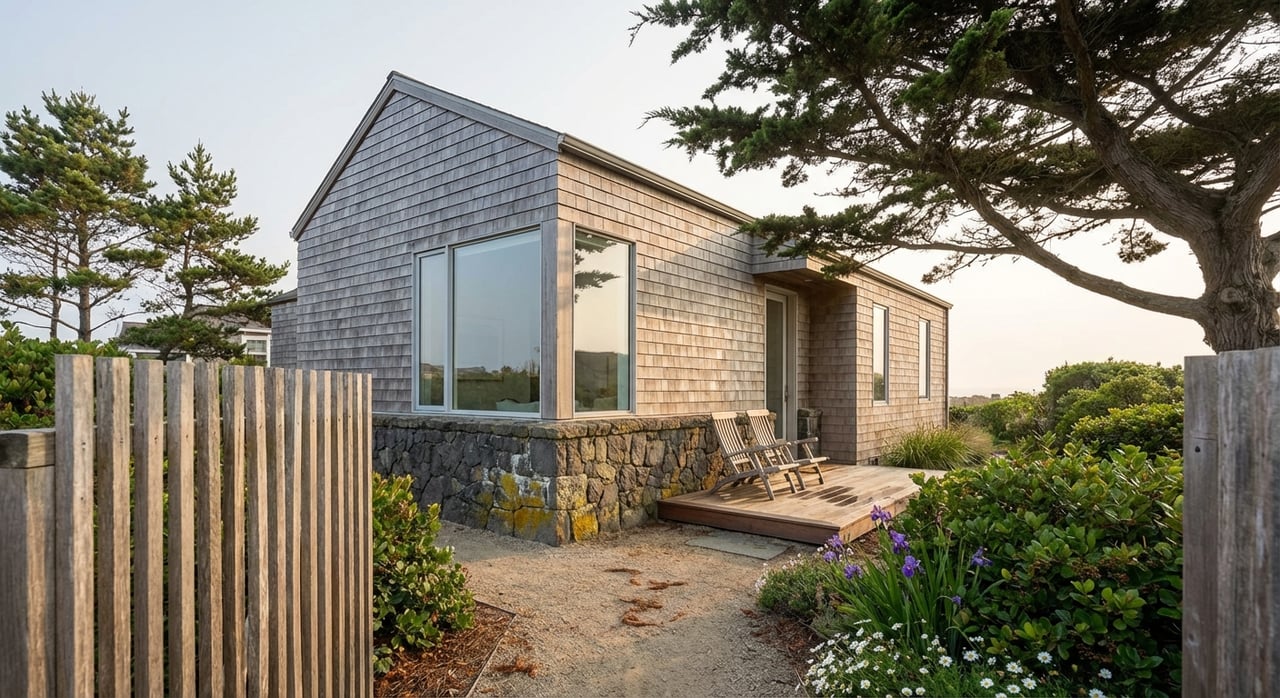
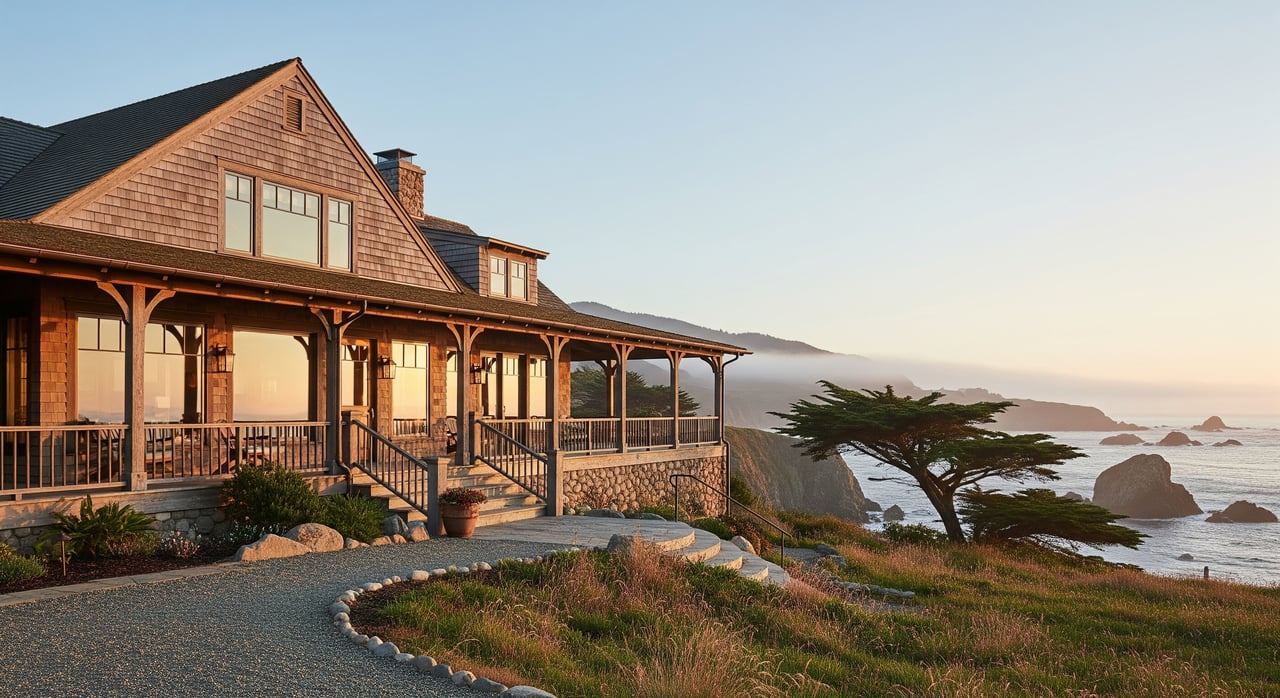
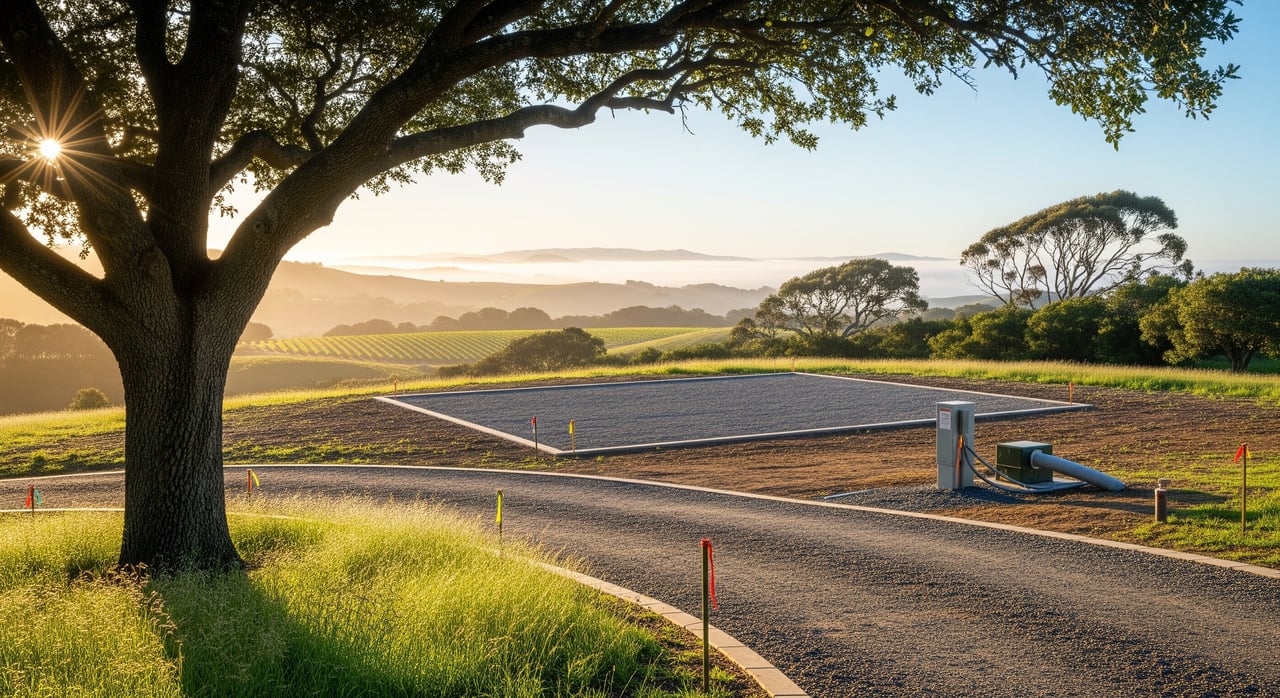
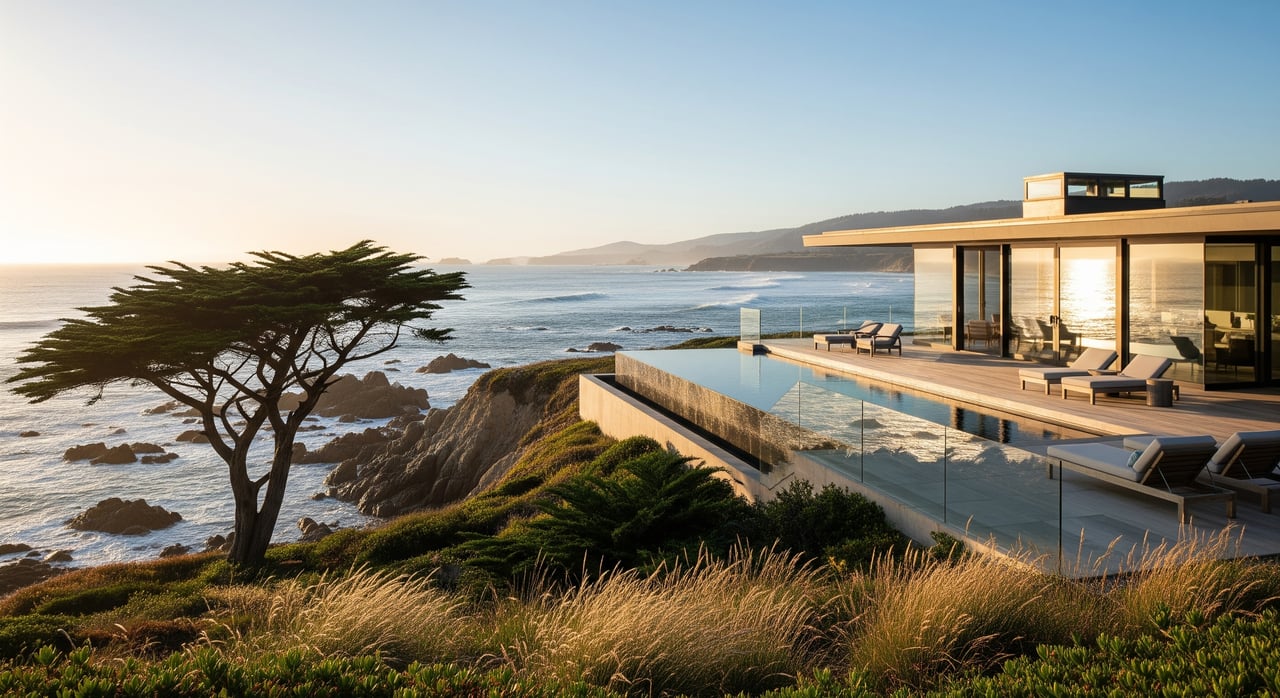
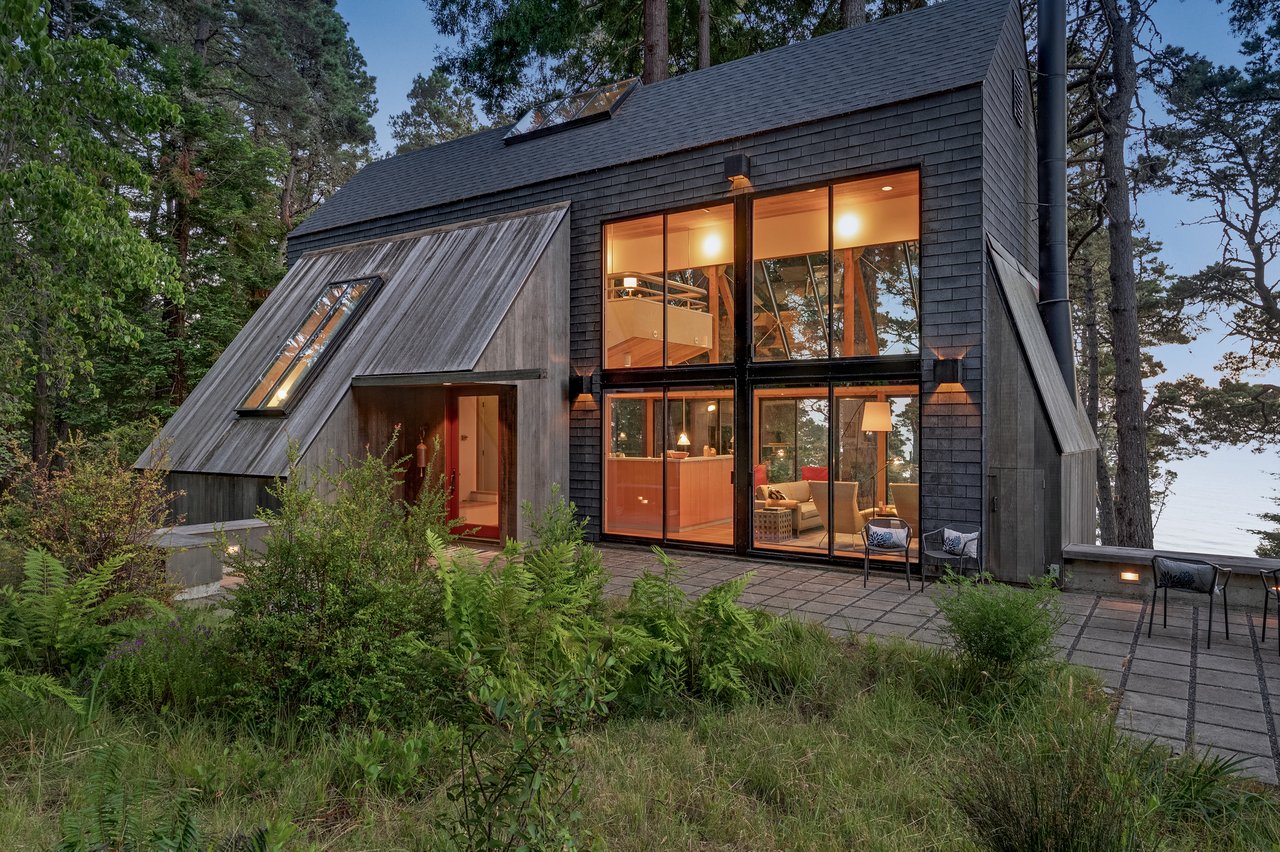
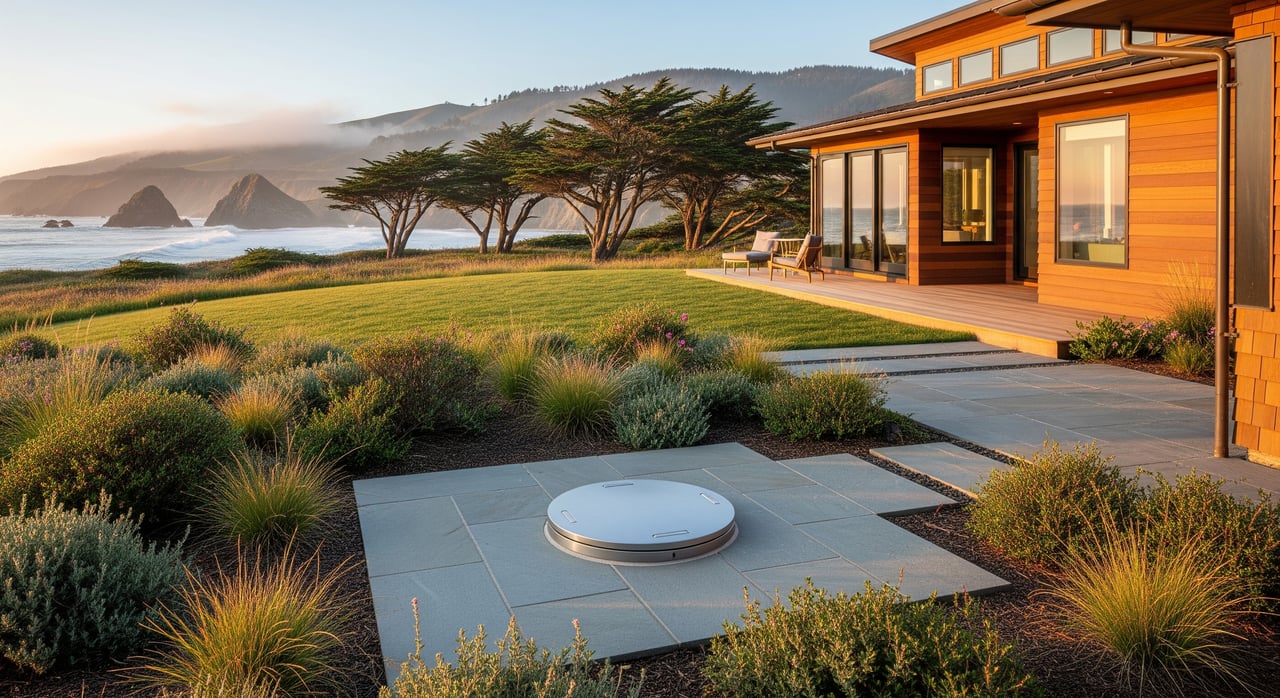
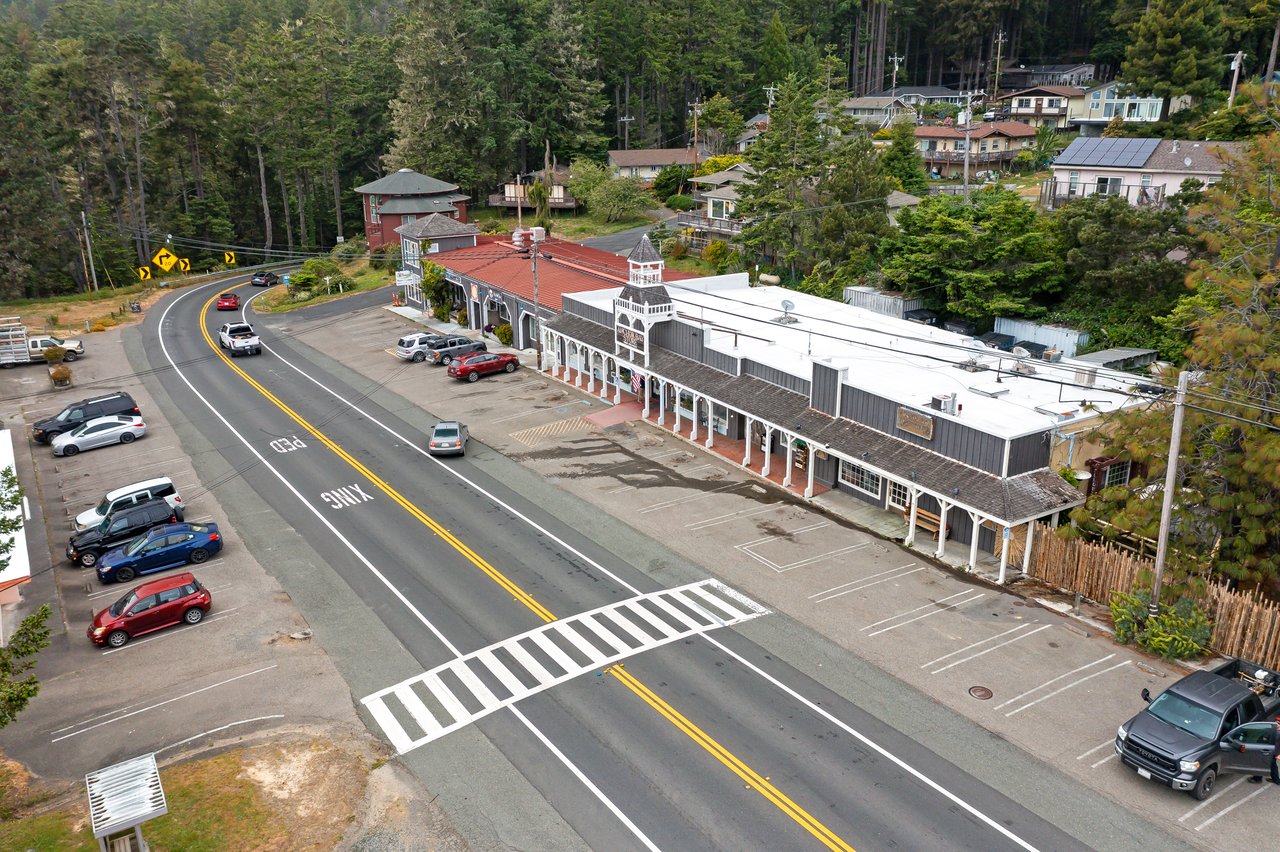
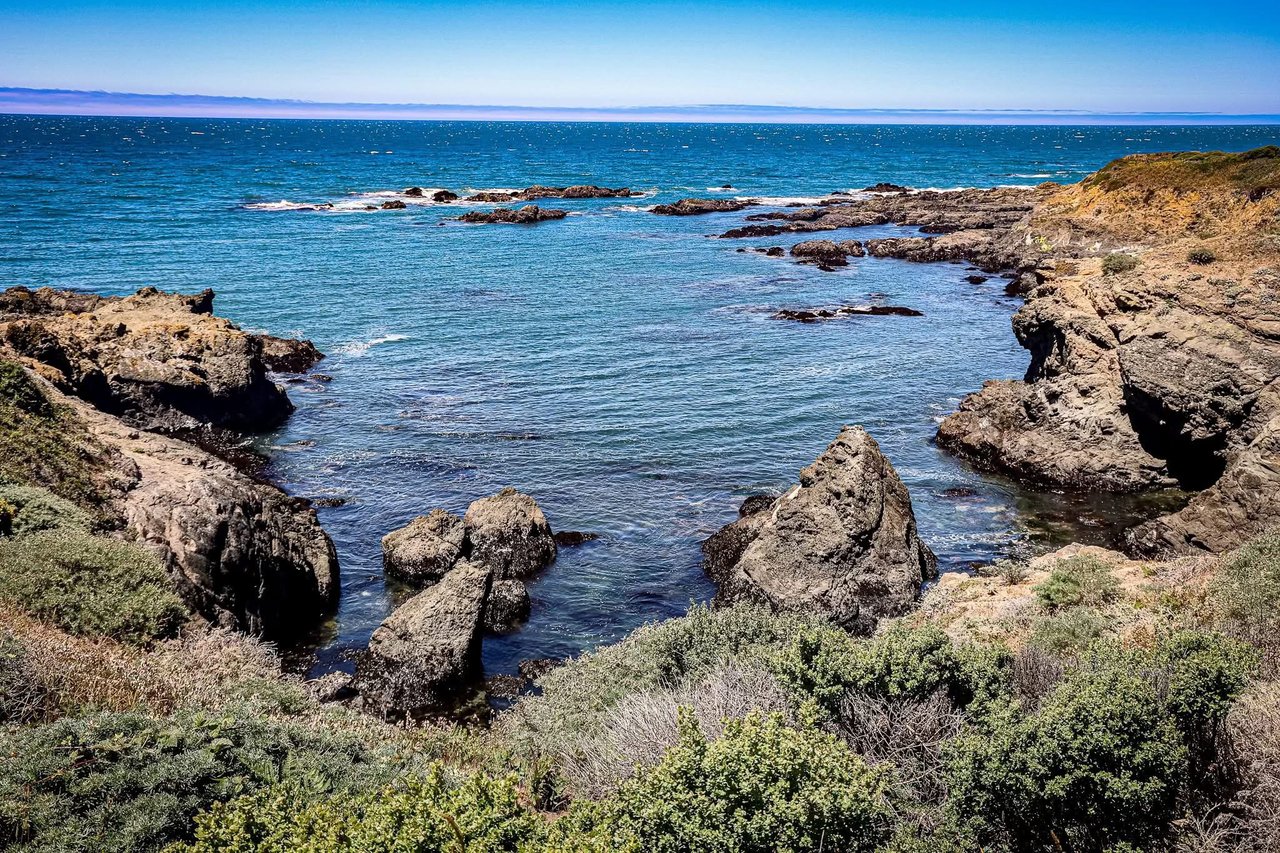
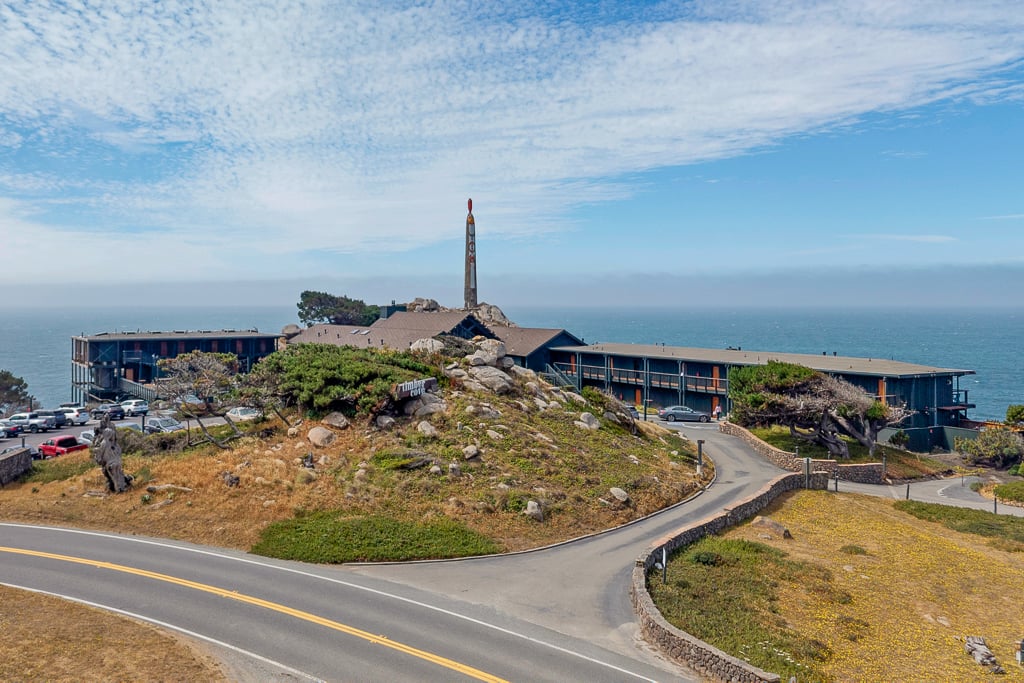
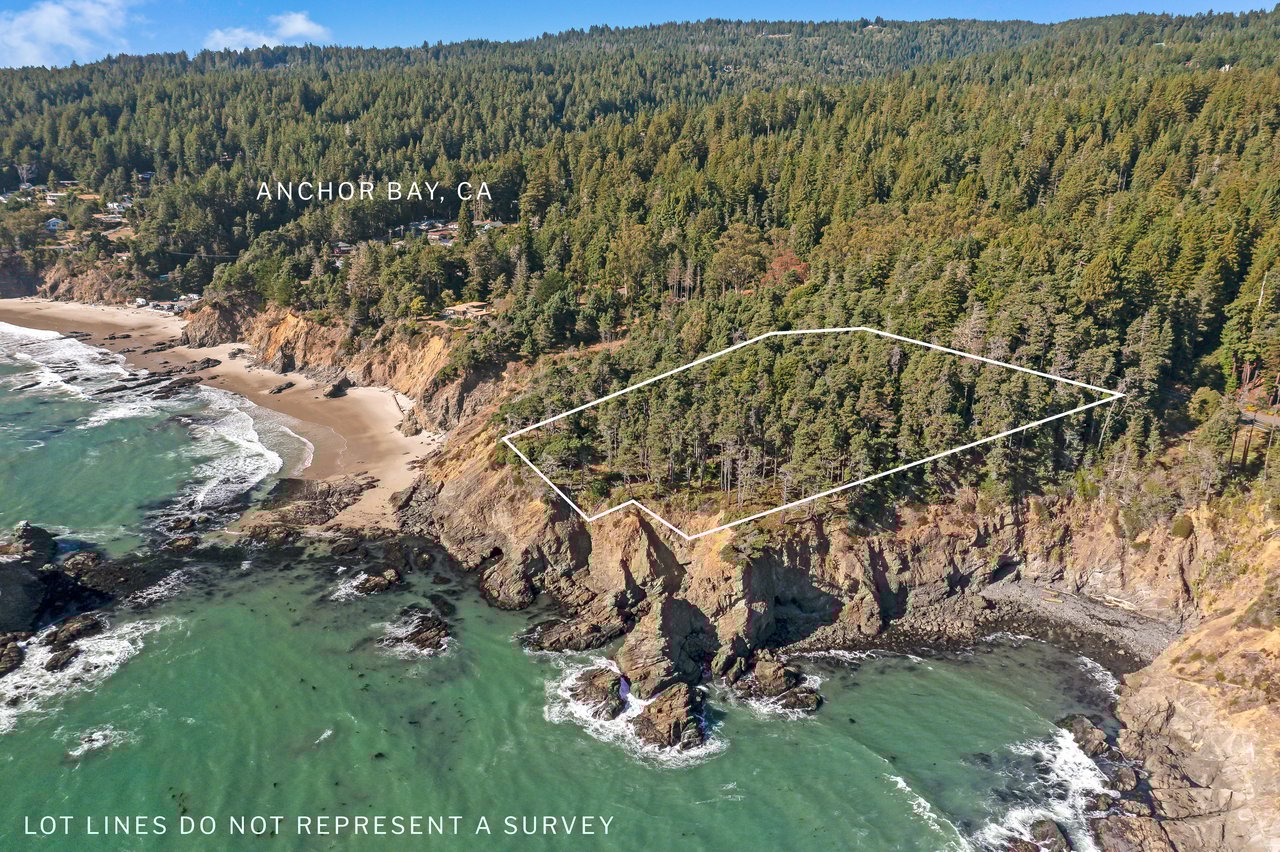
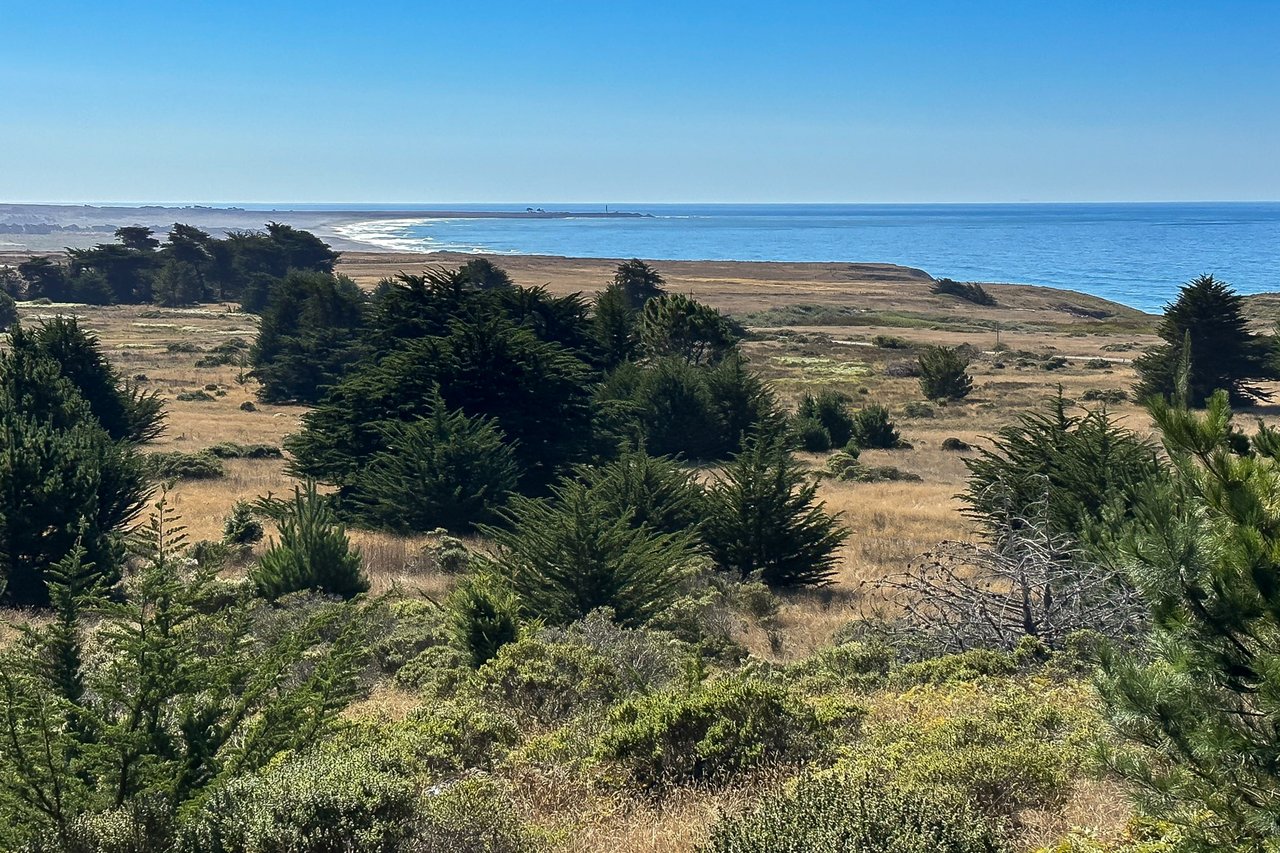
Point Arena's housing stock splits into two groups that barely resemble each other. The first is the walkable in-town submarket: modest homes and cottages within a few blocks of Main Street's historic storefronts, the restored 1928 theater, and the harbor at Arena Cove. The second is the rural acreage submarket strung along Highway 1 north and south of town, where listings routinely run into dozens or even hundreds of acres of oceanfront pasture and forest.
A median calculated across both groups is a statistical average of two things that were never meant to be averaged. When a small in-town fixer closes in the same window as a large land parcel with a house on it, the "median home price" for Point Arena swings by hundreds of thousands of dollars, not because the market moved, but because the sample changed shape.
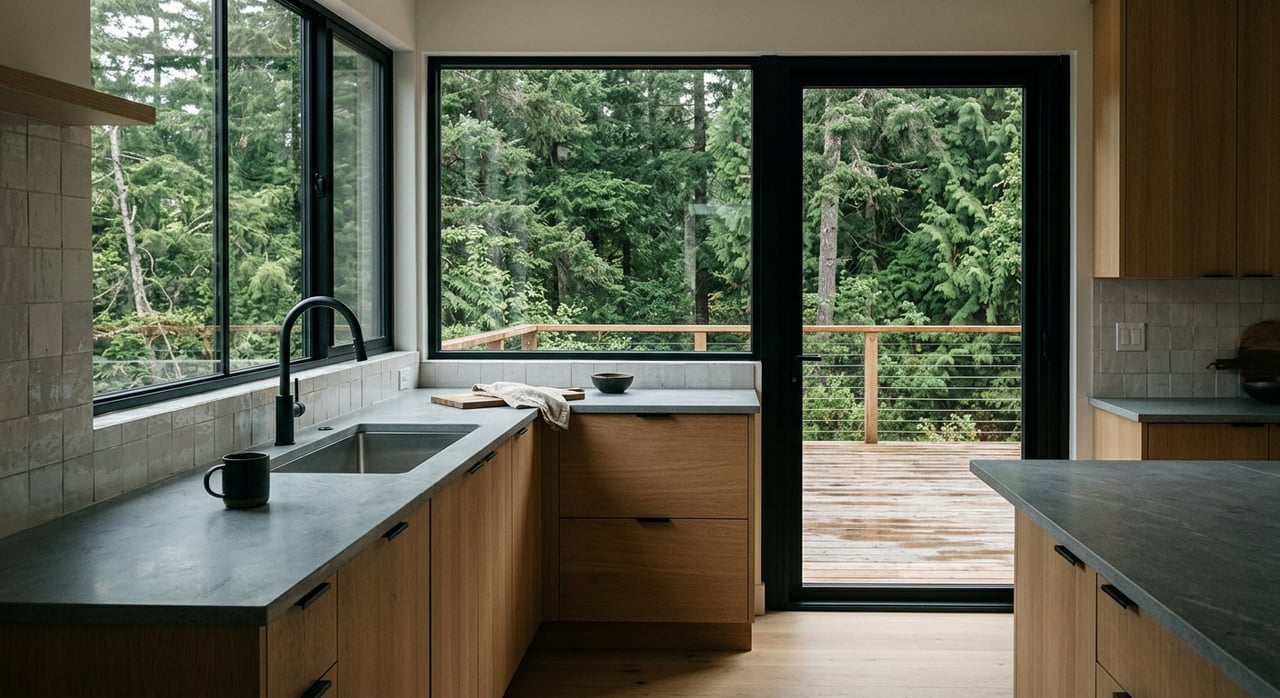
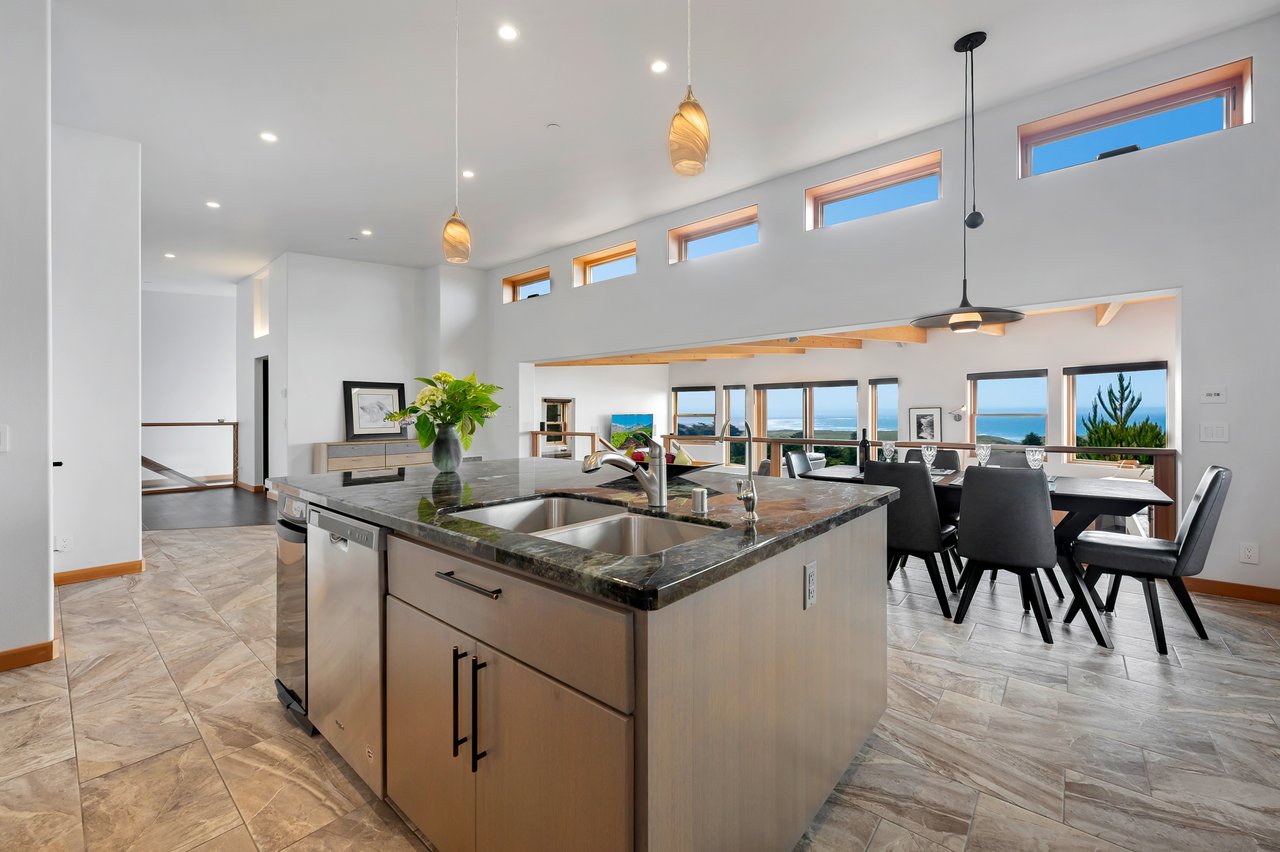
You can see the mechanism directly in recent closed sales. A four-bedroom, 3,306-square-foot home at 42795 Curley Ln listed for $1,199,000 and sat on the market for 241 days before closing at $1,000,000, seventeen percent under its original list price. That single transaction, in a town with only a handful of closings in any given month, has outsized power to move whatever median gets reported next. Widen the window to include one of the area's larger acreage listings, such as an oceanfront parcel running into the tens of acres along Highway 1, and the reported median jumps again, this time upward, for reasons that have nothing to do with what a typical buyer's dollar is actually worth in town.
This is why one site's automated valuation model can land at roughly $505,000 for a "typical" home while another site's median list price for the same month sits above $2 million. Both are technically accurate readings of a very small, very lopsided data set. Neither is a reliable stand-in for what your specific budget will buy.
For scale, Mendocino County as a whole reported a median listing price of $646,250 in June 2026, according to Realtor.com data hosted by the Federal Reserve Bank of St. Louis. Point Arena's own numbers bounce well outside that county-wide baseline in both directions depending on the month, which is a tell that the town-level figure is noise-heavy rather than trend-driven.
The Fault Line Underneath the Acreage Math
There is a second layer to this that specifically affects the rural half of the market, and it runs literally underground.
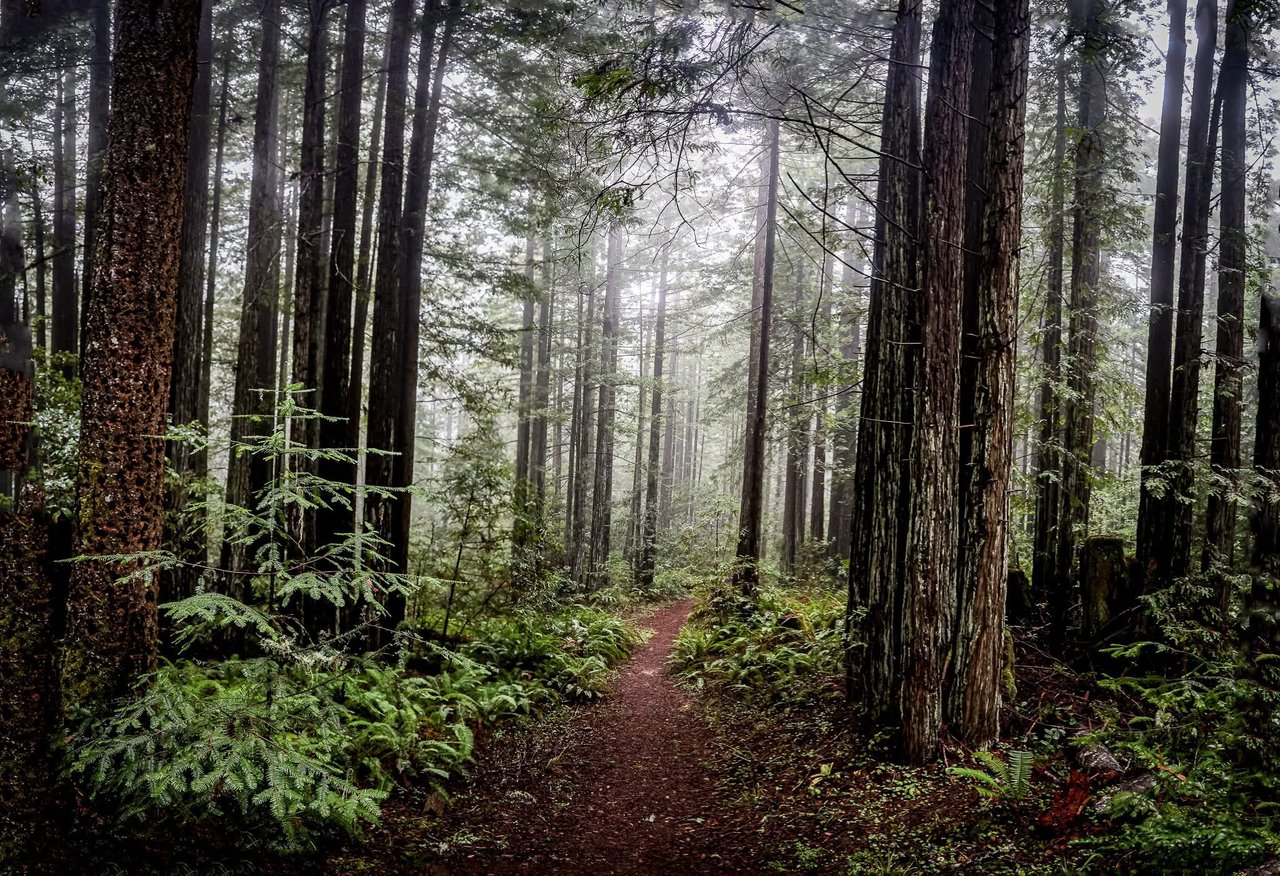
The San Andreas Fault comes ashore at Alder Creek just north of Point Arena and follows the canyons of the Garcia and Gualala rivers inland before angling back offshore near town. That path cuts directly through the belt of large, forested, ocean-view parcels that make up much of Point Arena's acreage inventory.
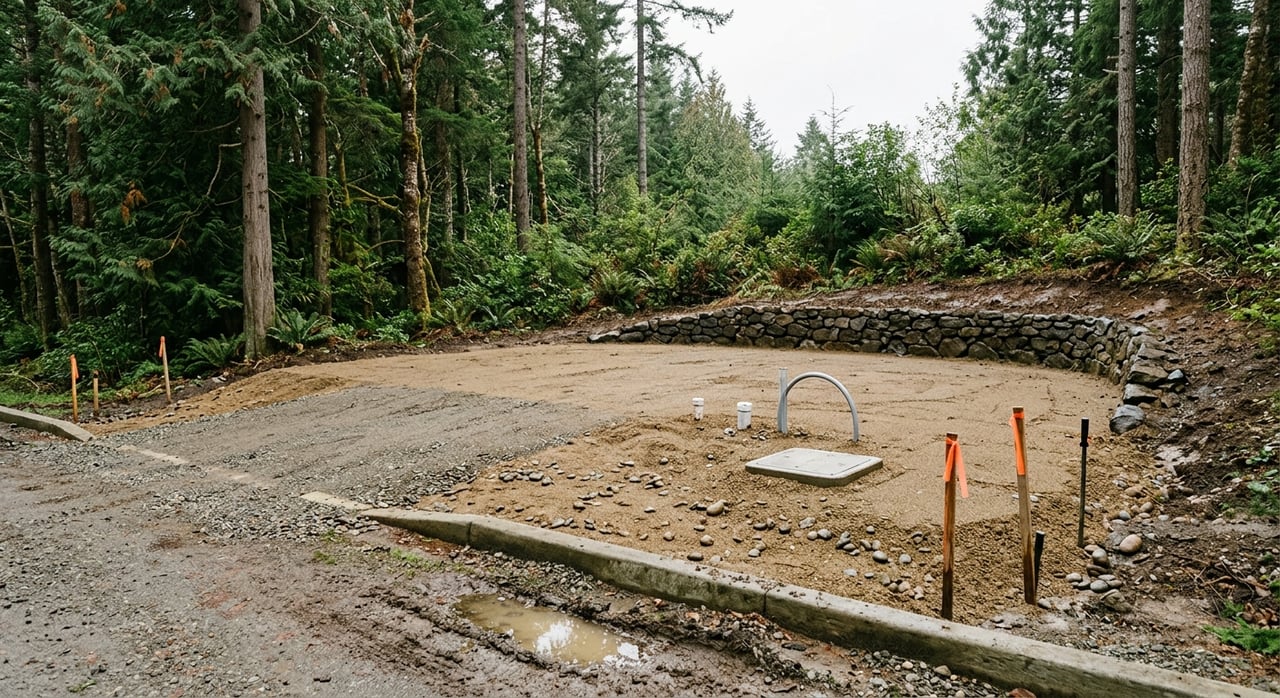
Under California's Alquist-Priolo Earthquake Fault Zoning Act, land within a mapped Earthquake Fault Zone requires a site-specific geologic investigation before a structure for human occupancy can be built, and sellers must disclose that a property falls within one of these zones. In practice, this means the raw acreage figure on a rural listing tells you very little about buildable value. Two forty-acre parcels can carry identical acreage on paper and completely different development math depending on where the mapped fault trace runs relative to the building envelope.
That is a second reason price-per-acre comparisons across Point Arena's rural listings are shakier than they look. The number on the sign does not tell you where you are allowed to put a foundation.
What to Track Instead of the Median
None of this means Point Arena is a bad place to buy. It means the headline median is the wrong tool for evaluating it. A few substitutes work better for a buyer actually comparing this stretch of coast to its neighbors.
Days on market, tracked as a trend rather than a single figure. One recent report put Point Arena's median days on market at 164 for homes listed in May 2026, flat compared with the same month a year earlier. That kind of stability is more informative than a single median price, because it reflects buyer behavior across a longer stretch of time rather than the identity of whichever few homes happened to close last month.
Price per square foot, but only within the in-town submarket. Comparing a walkable cottage near Arena Cove to a home on ten acres north of town on a per-square-foot basis mixes two different products. Keep the comparison inside the same submarket and it becomes meaningful again.
Price per buildable acre, not price per total acre, for rural land. Before comparing two acreage listings, find out how much of each parcel actually sits outside any mapped fault zone or other development constraint. The California Geological Survey maintains a public mapping tool called EQ Zapp that lets you check whether a specific parcel falls within a designated earthquake fault zone, which is a reasonable first step before treating two land listings as comparable.
Submarket-to-submarket comparisons across towns, not town-to-town medians. If you are weighing Point Arena against Manchester's larger parcels, Gualala's denser in-town options, or Anchor Bay's mix of both, compare like to like. An in-town Point Arena cottage tells you more about an in-town Gualala home than either town's blended median tells you about the other.
The Read
Point Arena's market is small enough that its own reported numbers argue with each other from one site to the next, and that disagreement is the most honest signal the town's data offers. It is telling you the sample is too thin and too mixed for a single median to mean much. Treat the town as two markets, ask where the fault trace runs before pricing raw acreage, and lean on days-on-market trends over any single price figure, and the coast starts to make a lot more sense than the headline number ever did.
If you are comparing Point Arena to other stretches of this coast and want a read on what a specific parcel or property is actually worth once you account for its submarket and its buildable footprint, Kennedy & Associates has spent decades working these particular blocks and back roads. Reach out to receive exclusive listings before they show up on the portals that are still averaging lighthouse cottages with hundred-acre ranches.
A Few Questions Before You Call
Does the fault zone mean I shouldn't buy acreage near Point Arena? No. It means you should confirm where the mapped Earthquake Fault Zone sits relative to any parcel you are considering before you value it on a per-acre basis, since that determines where you can actually build.
Is a 164-day median days-on-market normal for this part of the coast? It reflects a market where buyers take their time and inventory is limited rather than one that is stalling out. Compare it against the same figure over several quarters rather than reading a single month in isolation.
Why does the in-town submarket matter more than the town-wide number? Because it is the group of properties most comparable to what you would find in Gualala or Anchor Bay's denser pockets, and it strips out the distortion that a single large land sale introduces to a town-wide median.