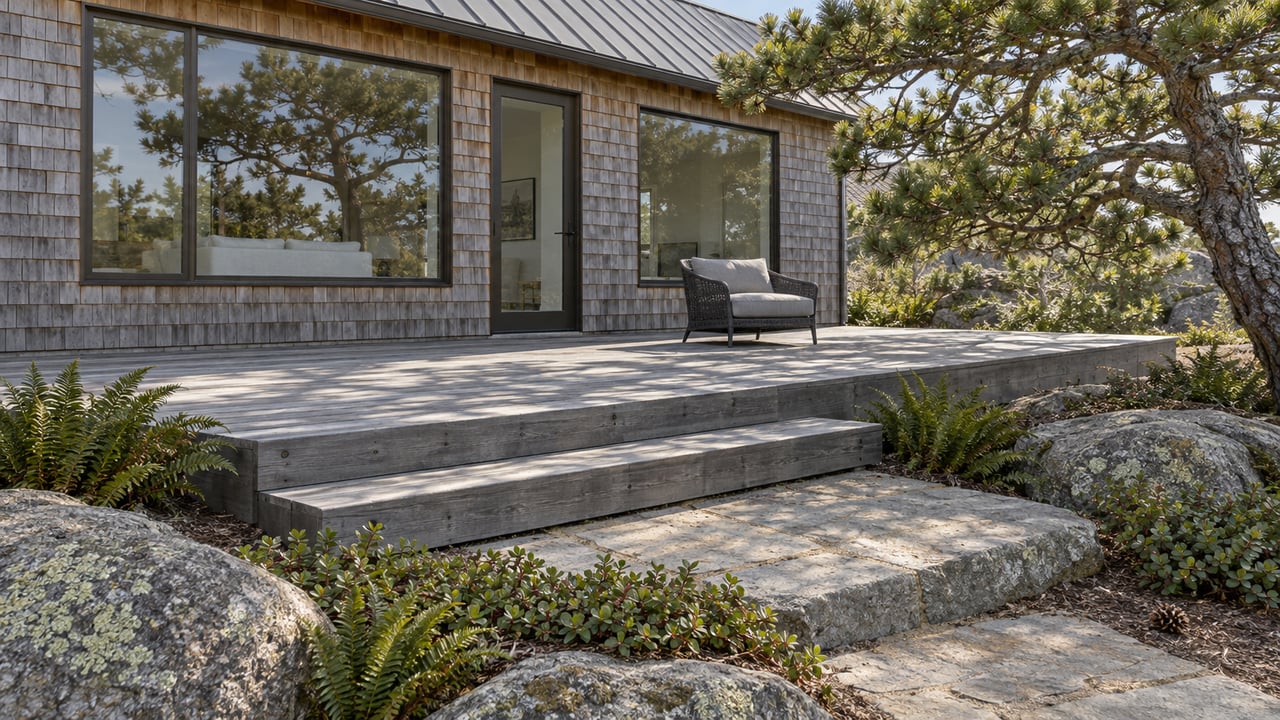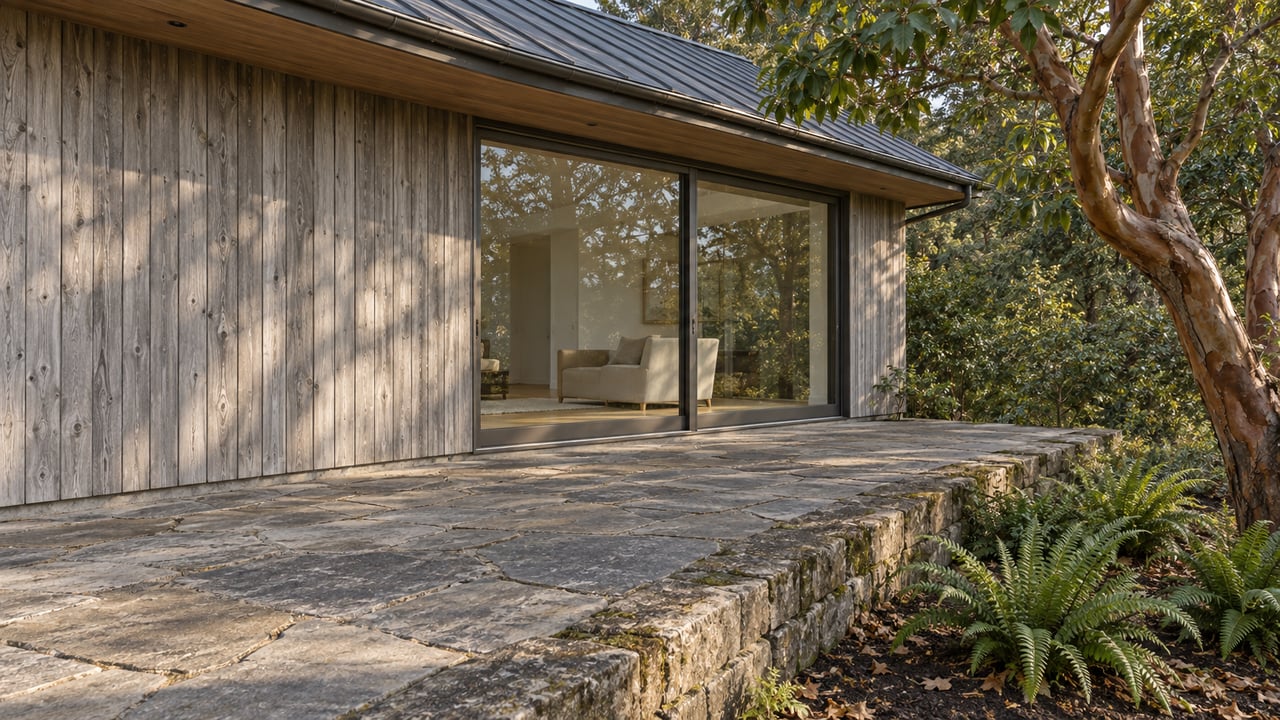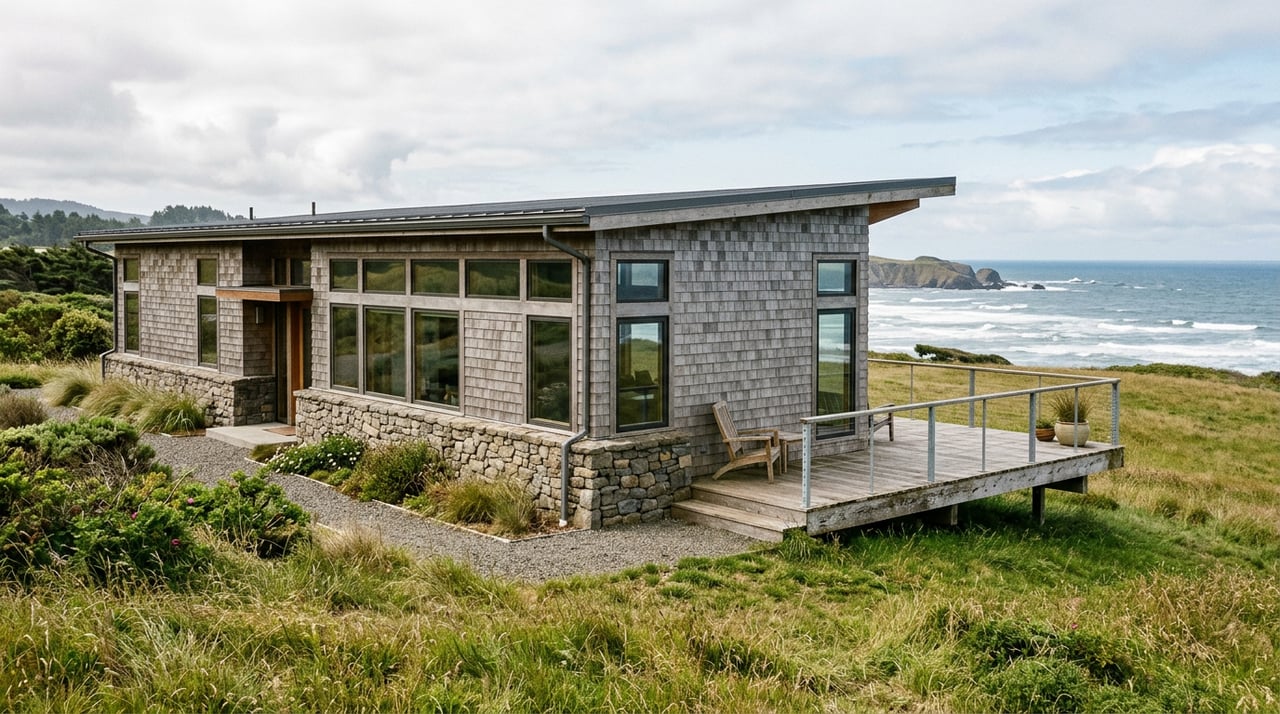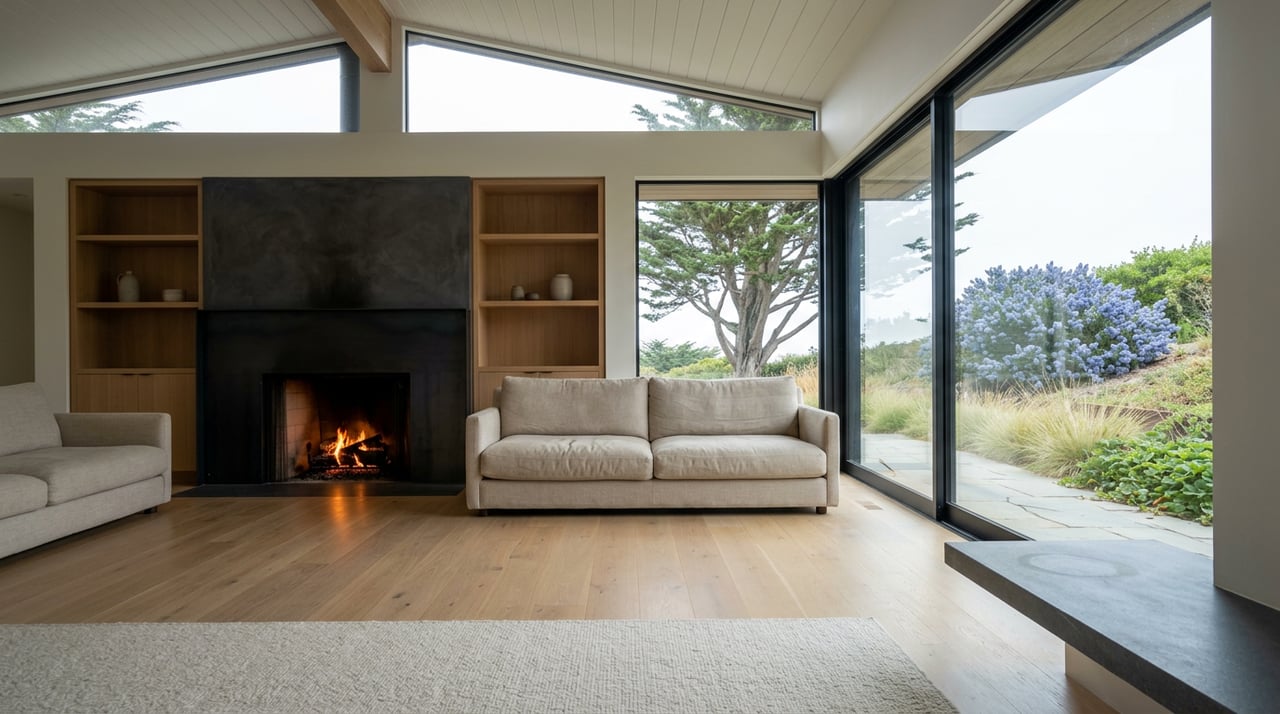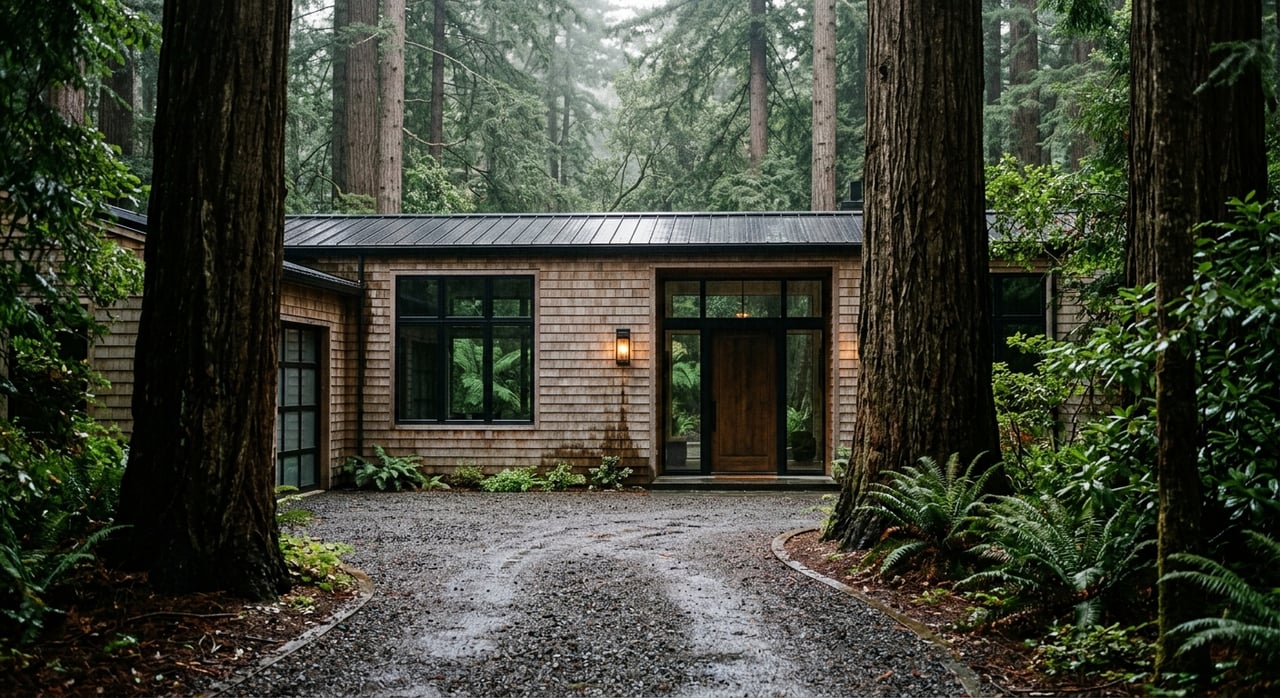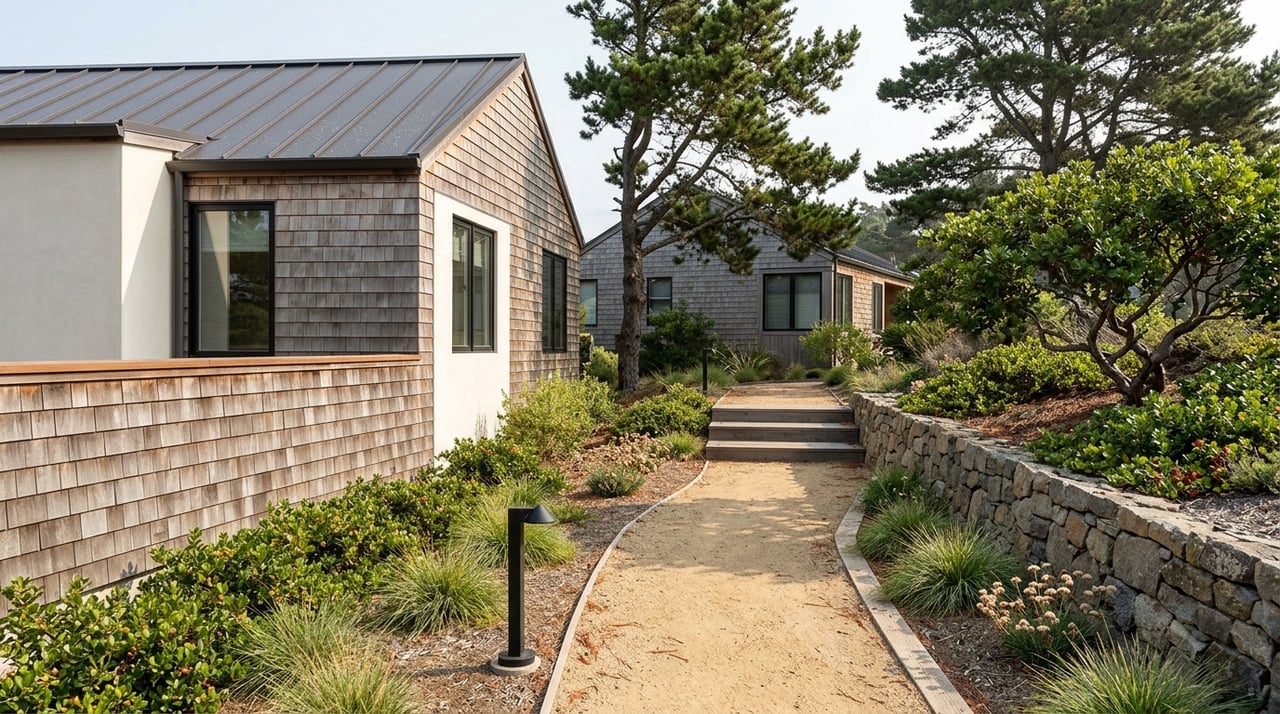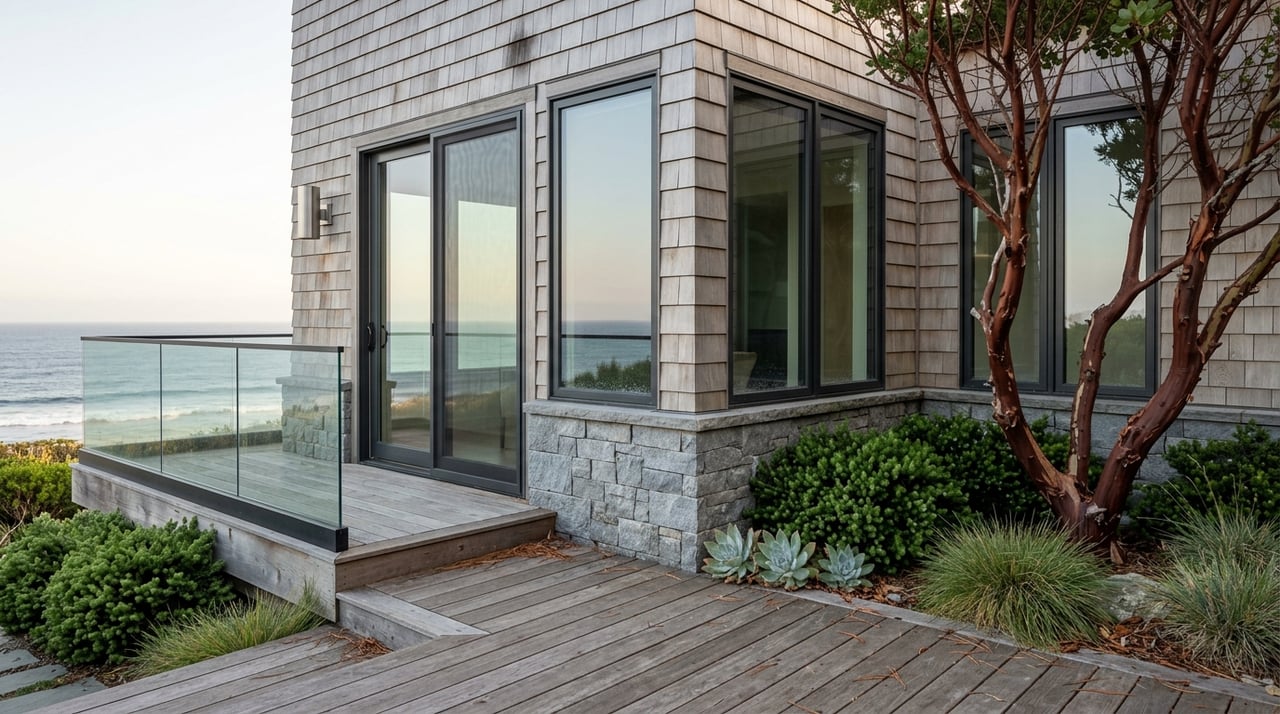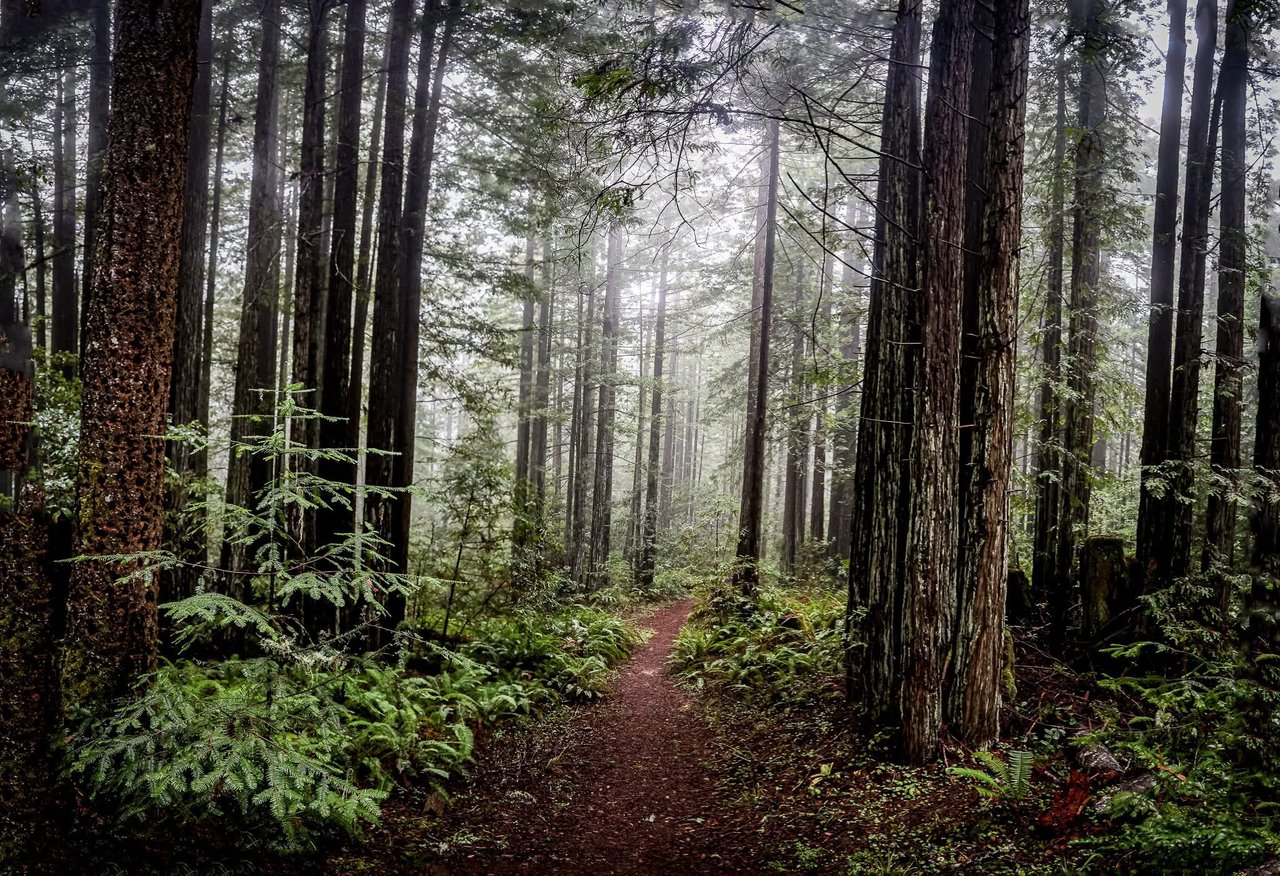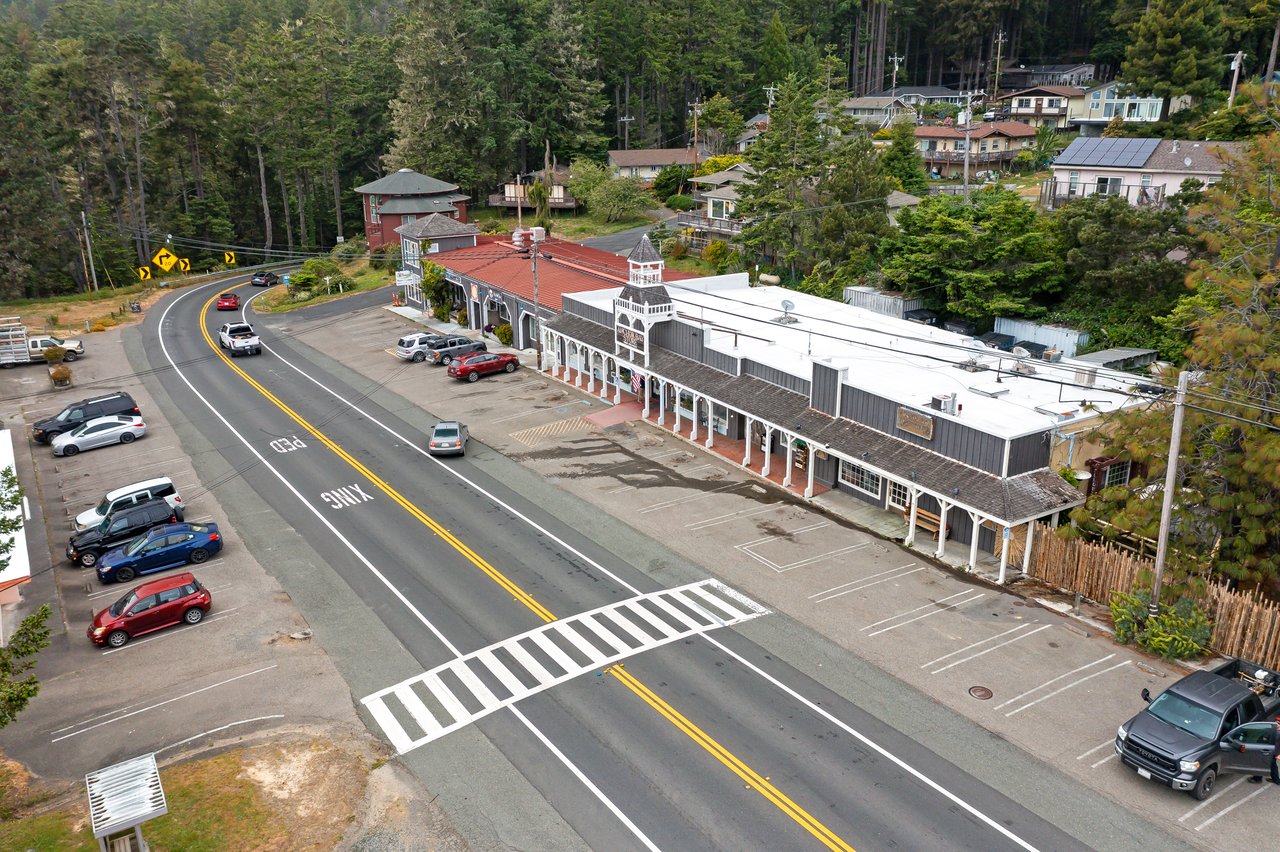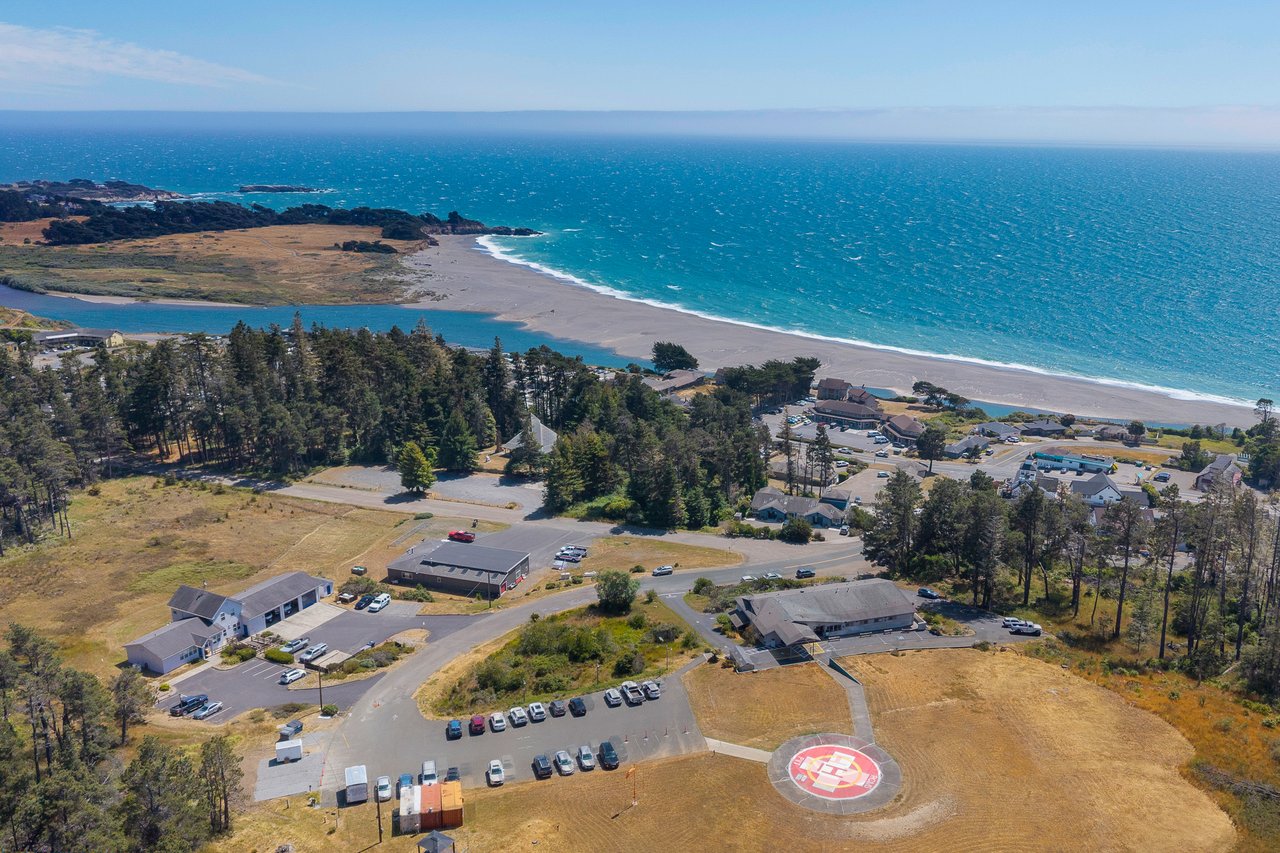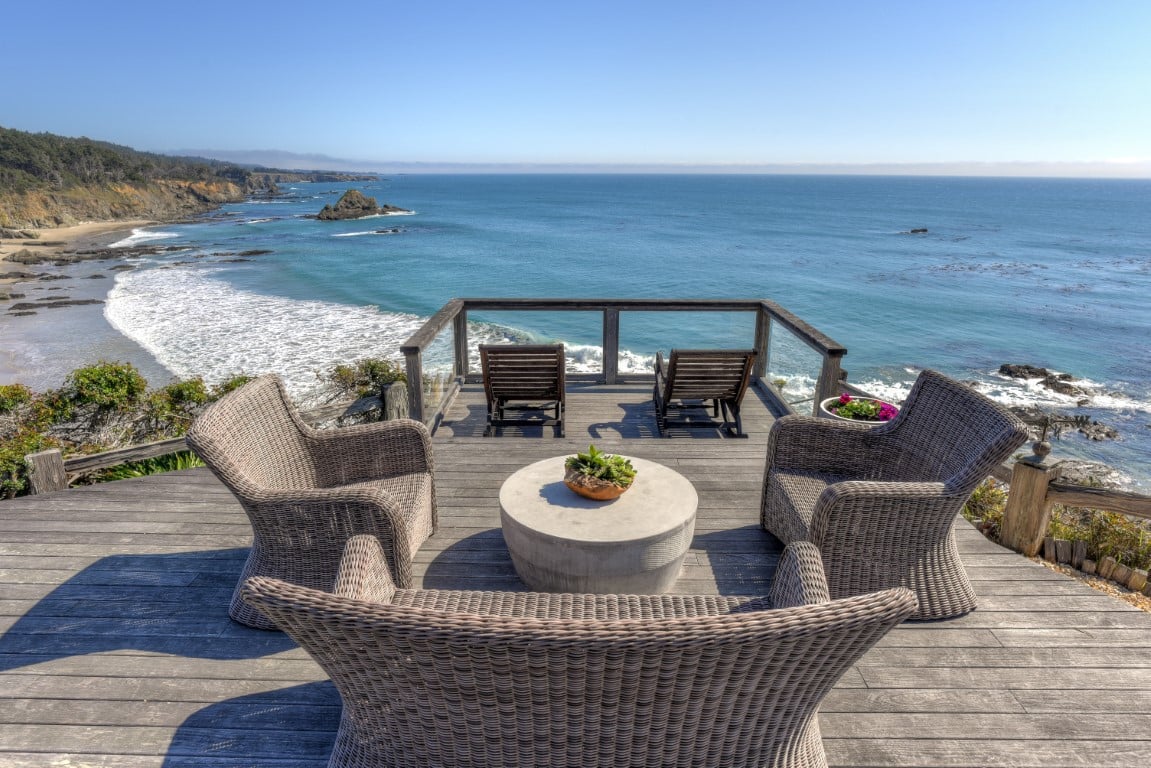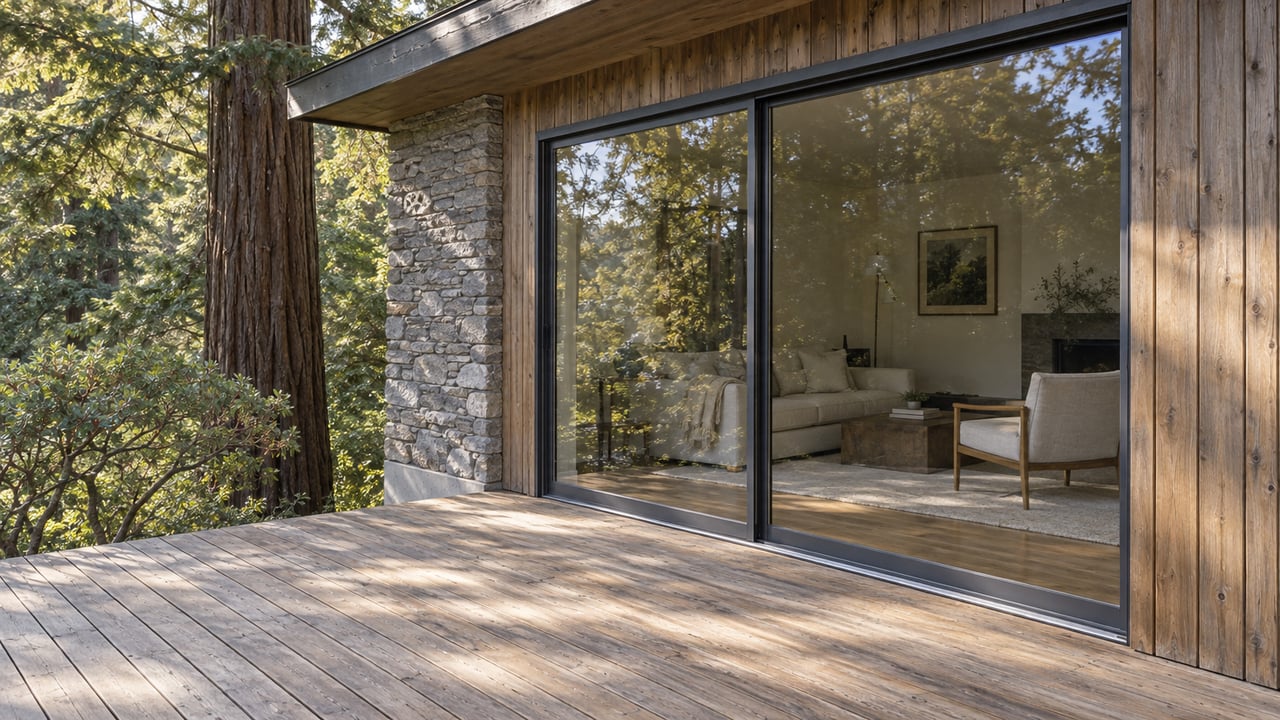
Twenty-six thousand and fifty-five Soda Springs Road sits about a thousand feet up, deep enough into the redwoods that the fog banks along the coast rarely make the climb. Picnic tables sit under trees planted before most of the county's newer plantings existed. On a clear afternoon you can taste a Pinot Noir or a Cabernet Sauvignon made a few dozen yards from where the grapes grew, poured by the same family that has run this property since Gerald Ford was in the White House.
Basil and Barbara Scalabrini left Marin County for Annapolis in 1976. What they found on Soda Springs Road was an old apple orchard, not a vineyard. They spent two years learning the ground before they pulled the apple trees and put vines in their place in 1978. It took another eight years before the operation produced anything worth bottling under its own name: a Cabernet Sauvignon in 1986. The wine turned out well enough that the family kept going, vintage after vintage, and Annapolis Winery has been putting out a bottling every year since.
Half a century later, the winery is still family-run, and the Scalabrinis are still involved in every part of it, from pruning the vines to corking the finished wine. That kind of continuity is rare in a business where a lot of North Coast operations have changed hands, gone corporate, or folded entirely since the 1970s. It is also, this year in particular, turning out to matter more than it might have a decade ago.
What a Thousand Feet of Elevation Actually Buys
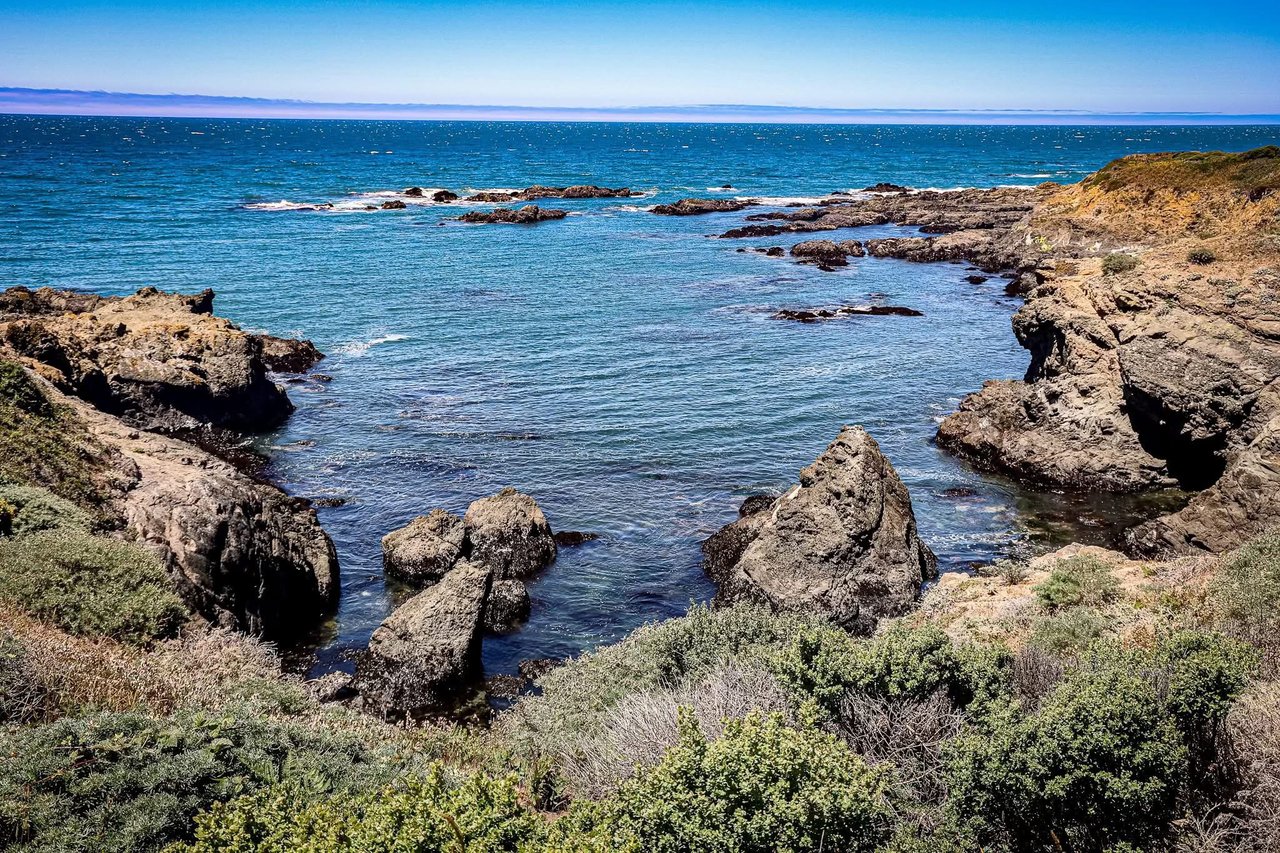
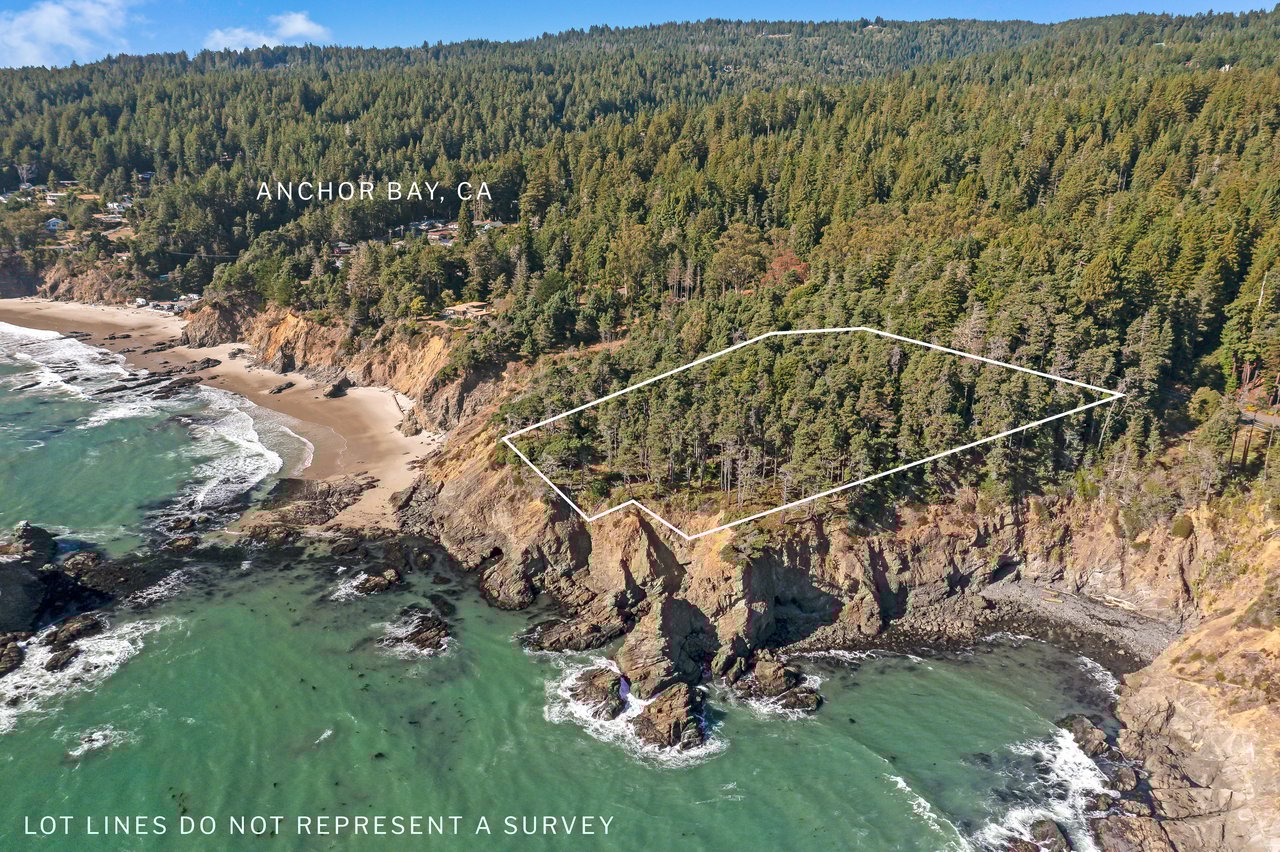
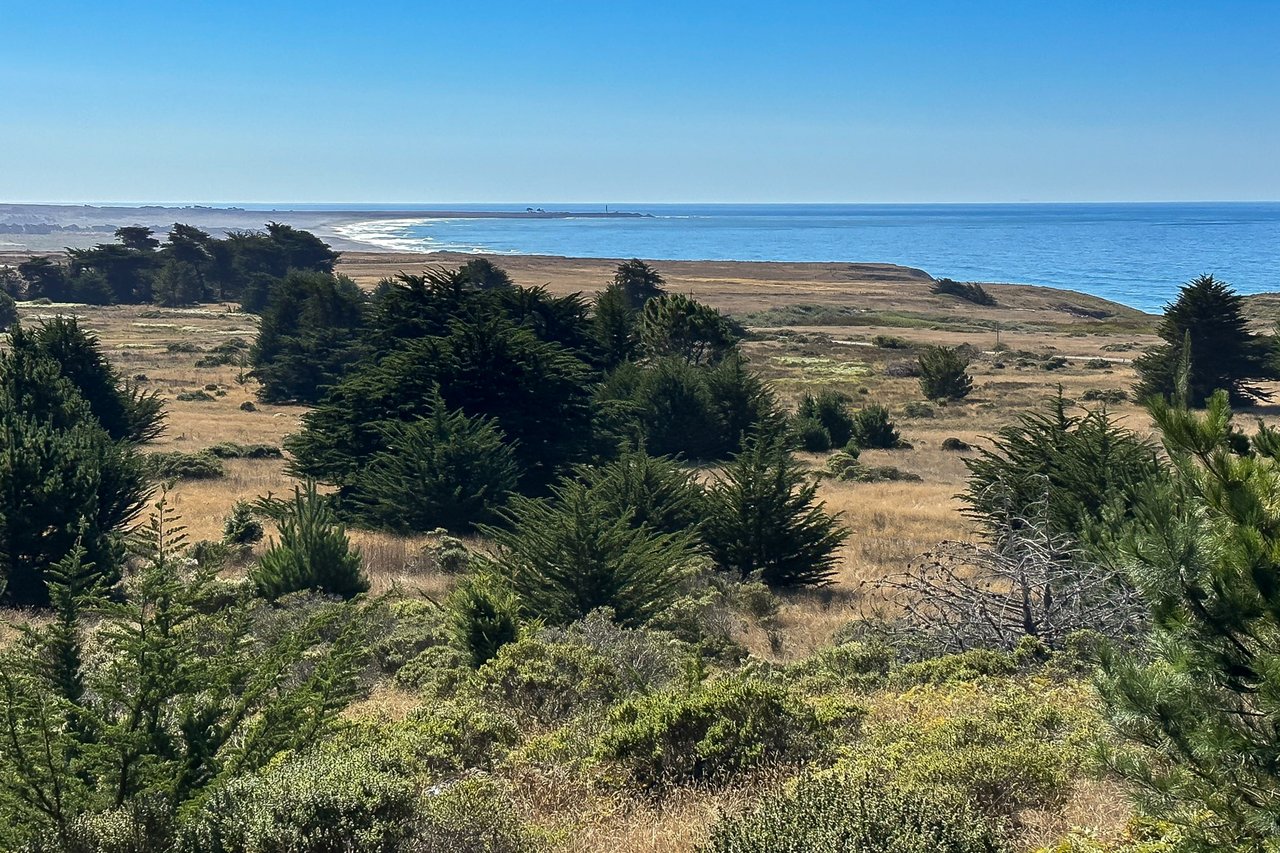
Annapolis sits within the West Sonoma Coast AVA, and Sonoma County's tourism authority identifies the community as one of the AVA's named subregions. That designation exists because the growing conditions up here genuinely differ from the fog-drenched vineyards closer to the Pacific. The winery's own site describes low-vigor soils and a hilltop position that catches more direct sun than the coastal strip a few miles away, even though the property is only about eight miles from Highway 1 and the ocean at Sea Ranch.
That combination, elevation, sun exposure, and distance from the marine layer, is not a marketing detail. It is the reason a small family operation could plant Cabernet Sauvignon here in the first place, a grape that struggles in the cooler, foggier vineyards nearer the coastline. The site picked the grape as much as the family picked the site.
The Rest of the Industry Is Having a Harder Year
None of that history would be worth revisiting right now if the broader wine business were having an ordinary year. It is not. At the 26th Annual Wine Industry Conference in Rohnert Park on April 29, 2026, speakers described a North Coast wine industry facing softer sales, shifting consumer tastes, and rising costs all at once. The Press Democrat's coverage of the event put it plainly: adaptation is "no longer optional." Keynote speaker Cathy Huyghe, cofounder of the wine data firm Enolytics, framed the split in the industry as one between producers who use their sales and customer data well and those who don't, and asked the room what worried them most about the year ahead.
The same coverage noted that low- and no-alcohol wine categories are cooling off locally, and that skepticism is building around wines marketed as "natural," a positioning a lot of smaller producers leaned on over the past several years. Neither trend is abstract. Both point to categories where wineries built entire business plans around a specific consumer story, only to watch that story lose some of its pull in 2026.
The pressure shows up again later this year. The 14th Annual North Coast Wine Industry Expo, set for December 3, 2026 at the Sonoma County Fairgrounds, is built around a session from the Turrentine Group breaking down bulk wine trends and grape market dynamics coming out of the 2026 harvest, aimed at helping producers plan for 2027. An entire industry conference track exists because the bulk grape and bulk wine market, the mechanism by which a lot of mid-size and large operations move excess inventory, has enough uncertainty in it to need its own briefing.
Why the Hilltop Is Less Exposed
Annapolis Winery was never built on any of the things that conference is trying to fix. It does not sell into the bulk market, because it produces small amounts of wine under its own label rather than growing grapes to sell off in volume. It does not depend on a low- or no-alcohol line, or on a "natural wine" story, because its positioning has been the same since the 1980s: small-batch, hand-crafted, family-made, sold mostly to people who drive up the hill and taste it themselves. The tasting room and the picnic tables are not an add-on to a distribution business. For this winery, they are the business.
That is the part of the fifty-year history that reads differently in September 2026 than it would have in a calmer year. A winery whose customer relationship has always been direct, one visitor and one picnic table at a time, has less exposure to a bulk market correction or a shift in how national retailers stock "natural" wine than a producer who spent the last decade building a brand around either of those trends. The Scalabrinis were not hedging against a 2026 downturn when they decided in 1978 not to scale up. They were just building the kind of winery that fit an apple orchard's worth of hilltop acreage and a family that wanted to do the work themselves. The insulation from this year's pressures is a side effect of that decision, not the point of it.
A Redwood Season on Its Own Calendar
Life on this hilltop still runs on the rhythms of the surrounding forest as much as the wine calendar. The North Sonoma Coast Fire Protection District, which covers Annapolis along with The Sea Ranch and Stewarts Point, is marking its own milestone this year: ten years as an independent fire district. The district suspended residential burn permits as of June 15, 2026, a routine seasonal step in redwood country where dry months call for extra caution, and one more small sign of how much local life here still answers to the forest rather than the calendar most people keep.
None of that changes what happens on Soda Springs Road most afternoons. The tasting room stays open. The picnic tables stay under the trees. A wine that started as an experiment on an old apple orchard in 1978 keeps getting poured by the same family that planted it, one visitor at a time, in a year when a lot of the rest of the industry is being told that isn't enough anymore.
If a fifty-year hilltop story like this is part of what draws you to this corner of Sonoma County, Kennedy & Associates has spent decades working this same stretch of coast from a Gualala office and can help you get to know the redwood highlands the way people who actually live here do. Reach out to receive exclusive listings and local context for Annapolis and the surrounding coast.
This article is general information, not legal, tax or financial advice. Consult a qualified professional about your situation.