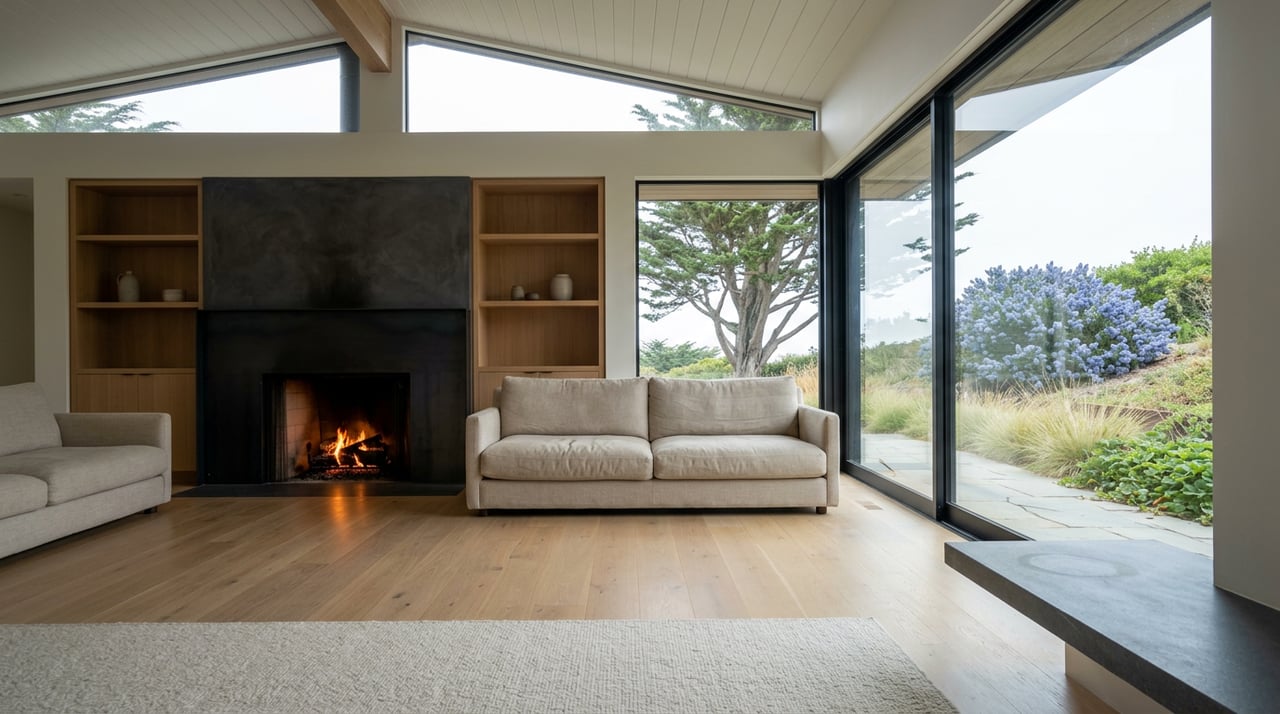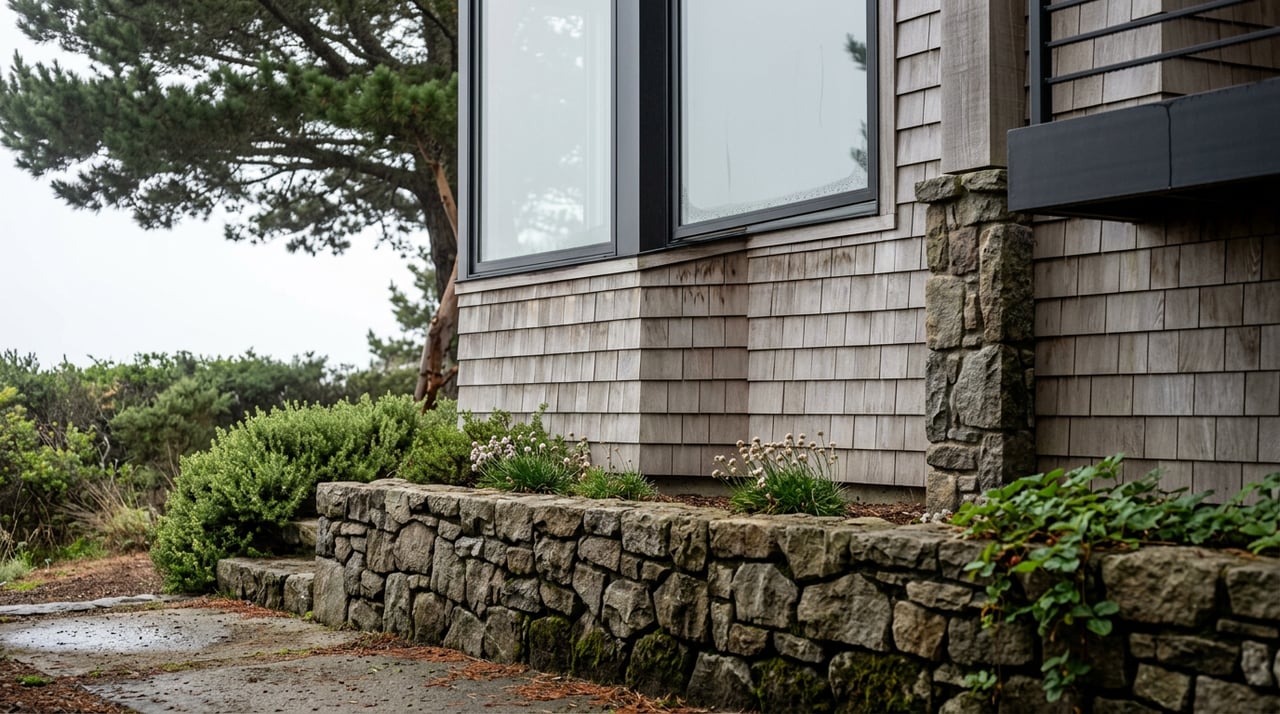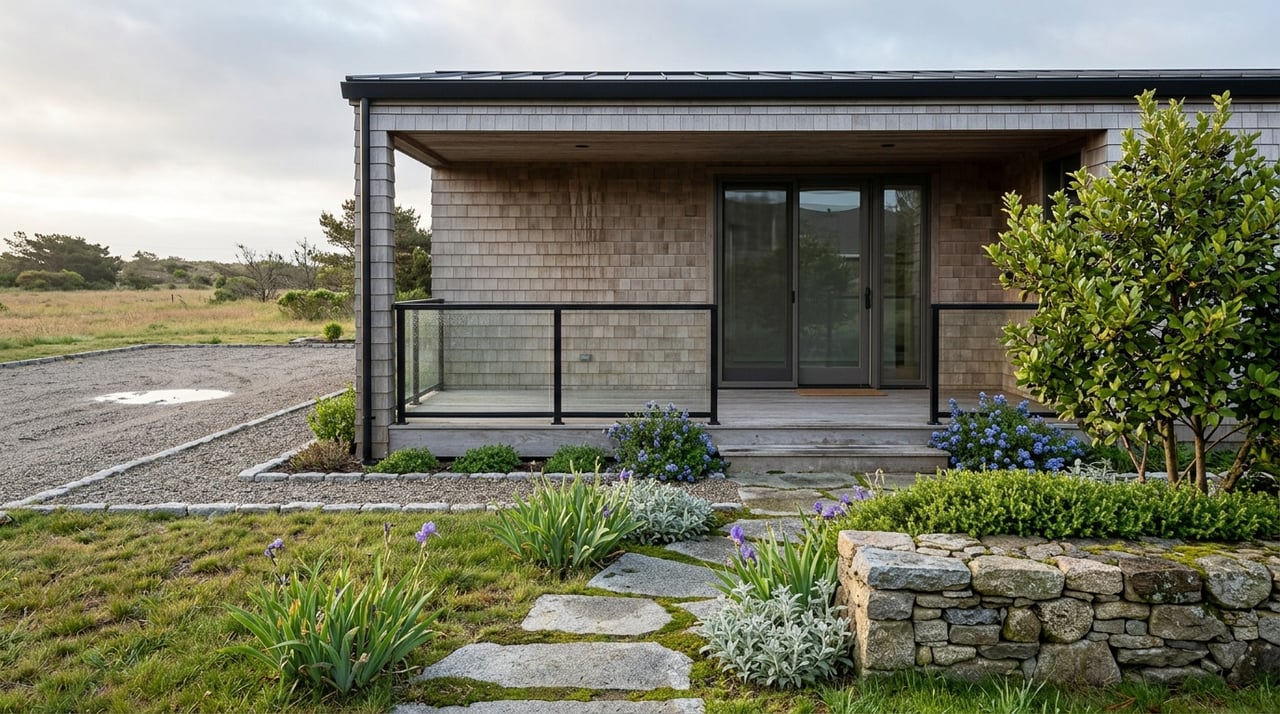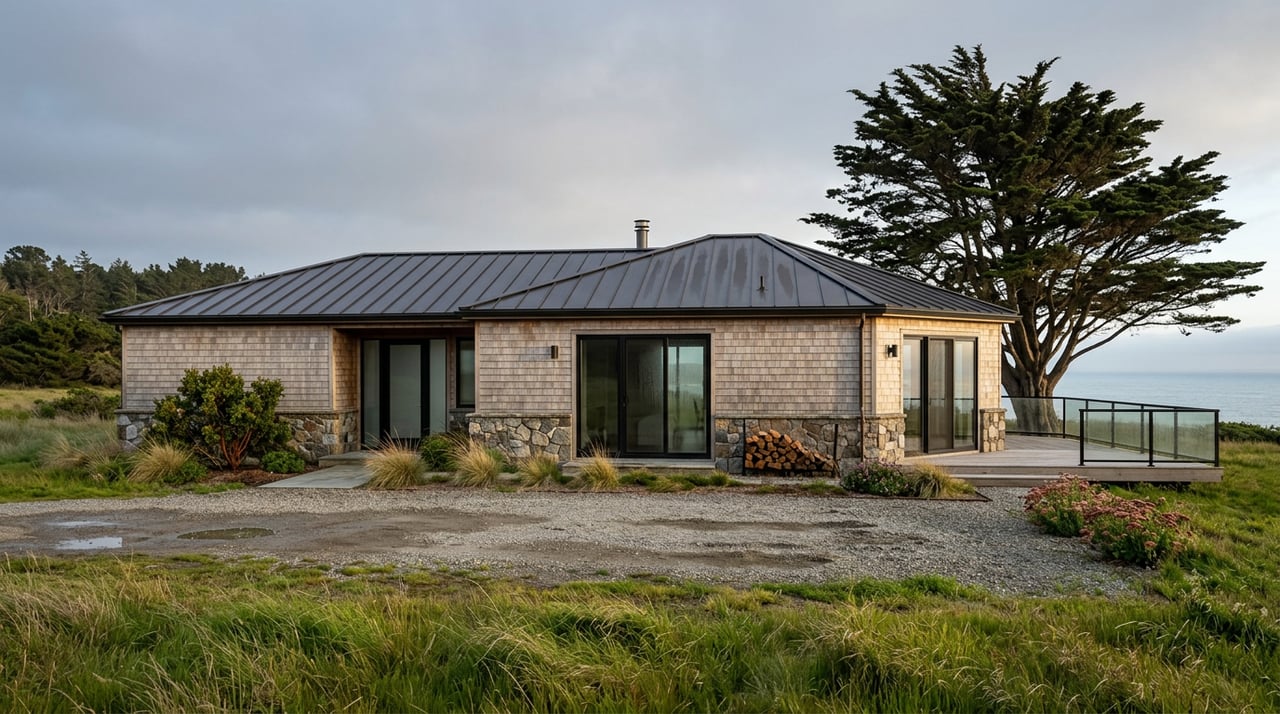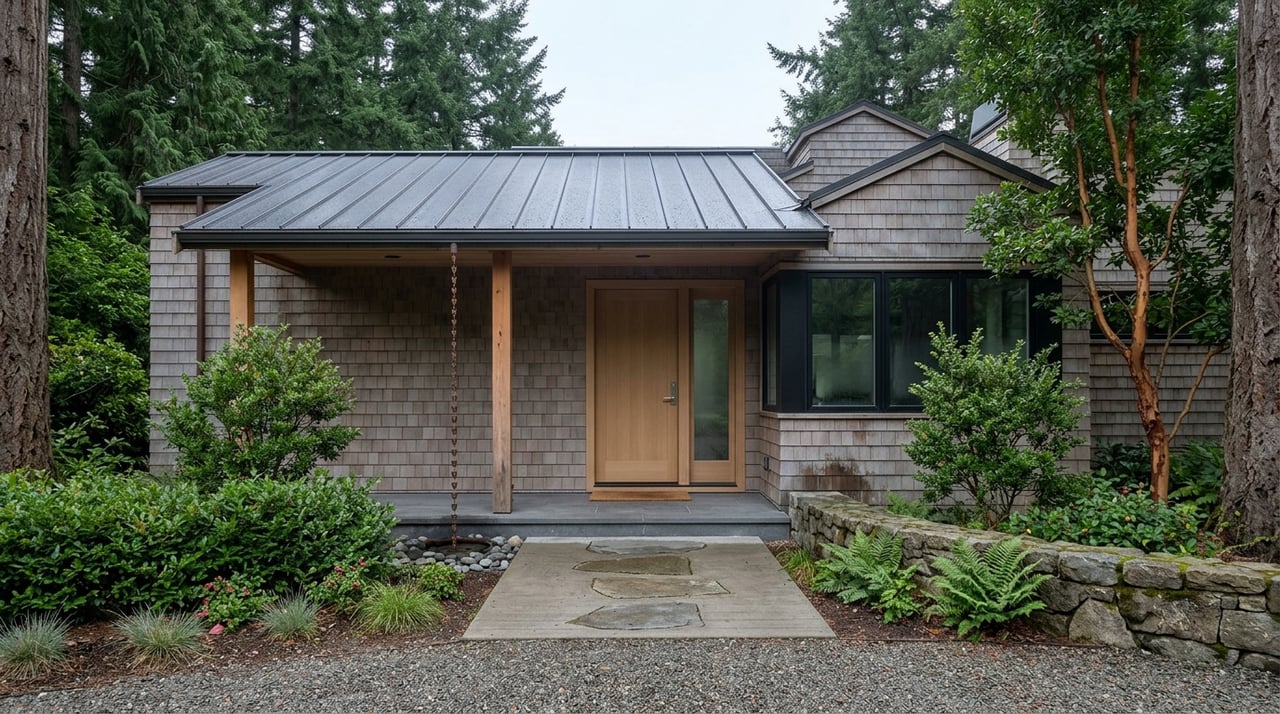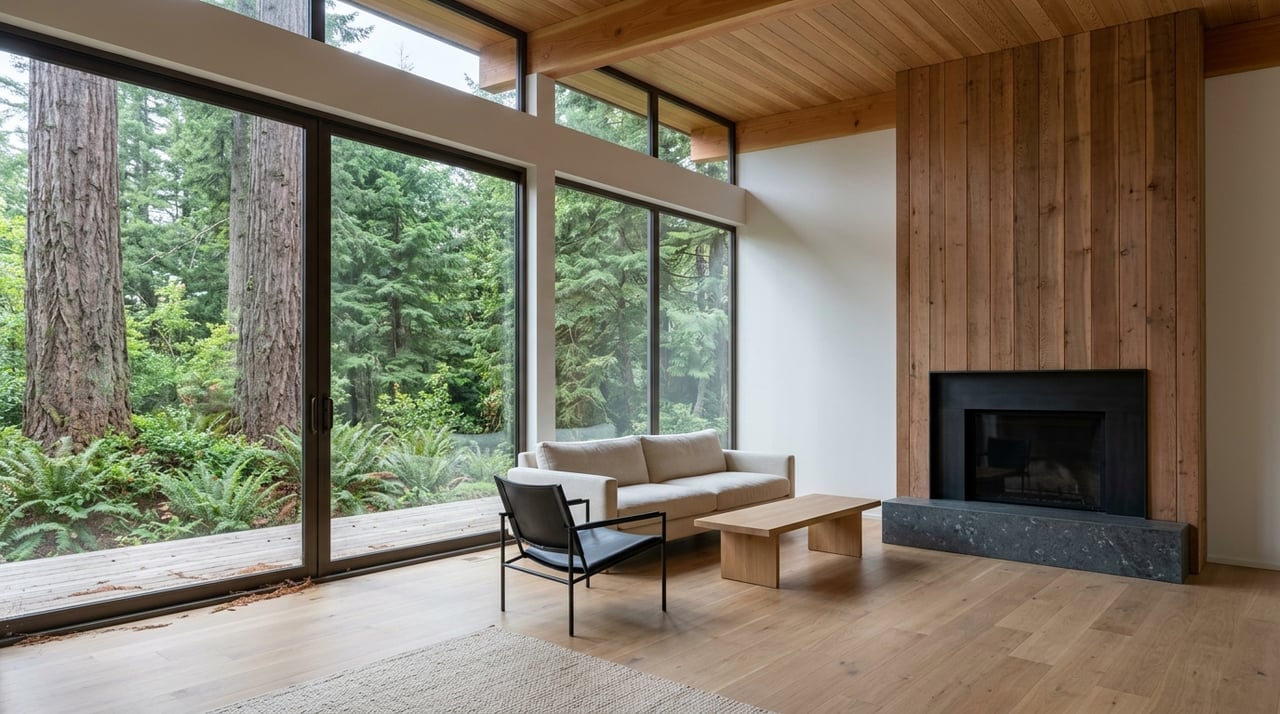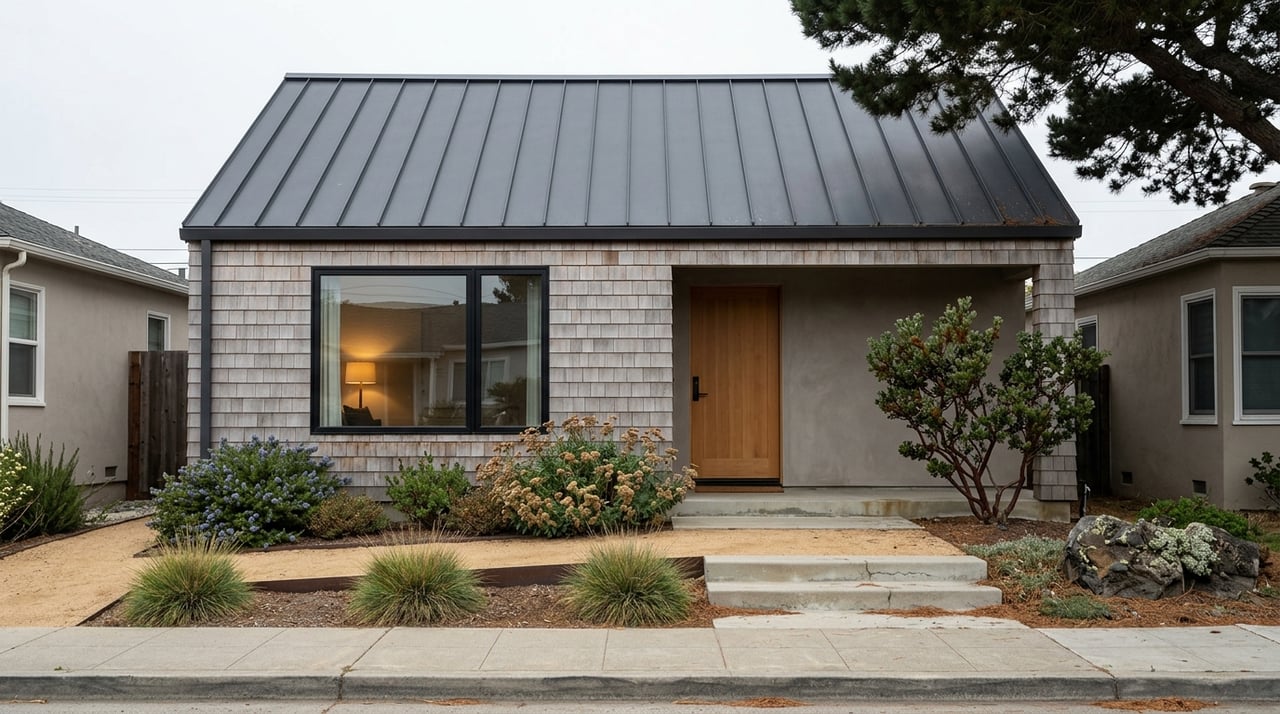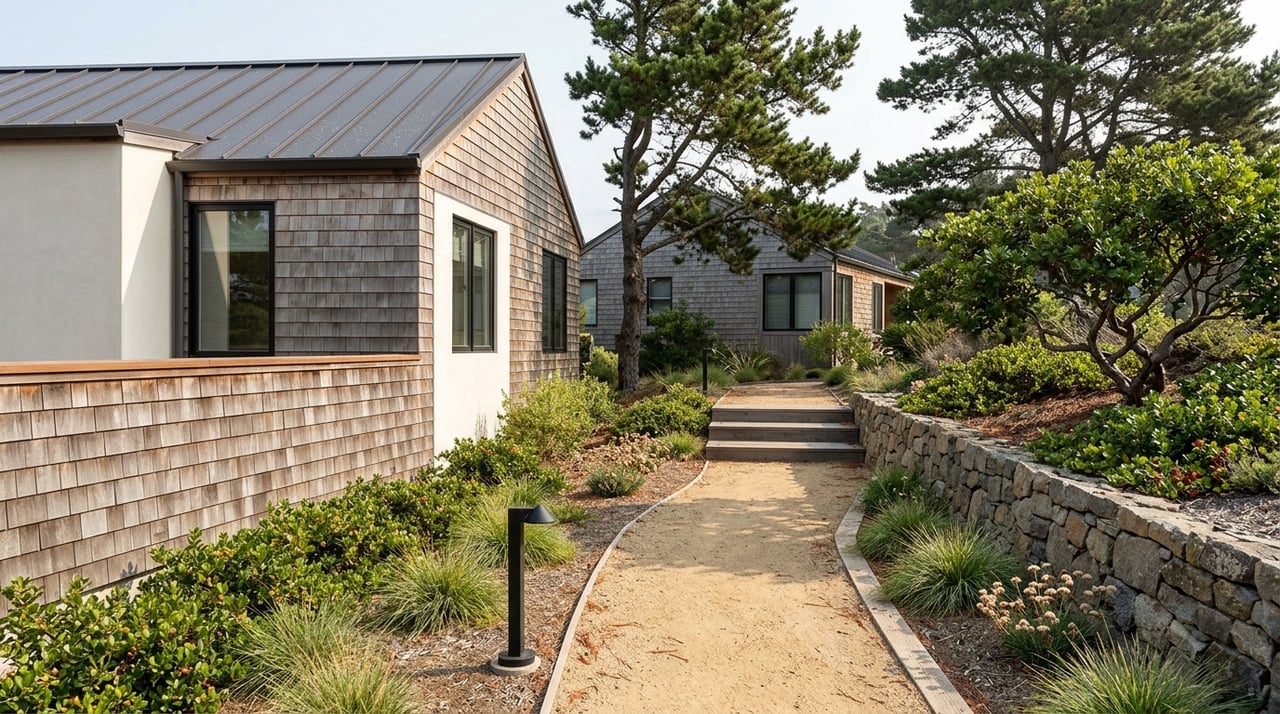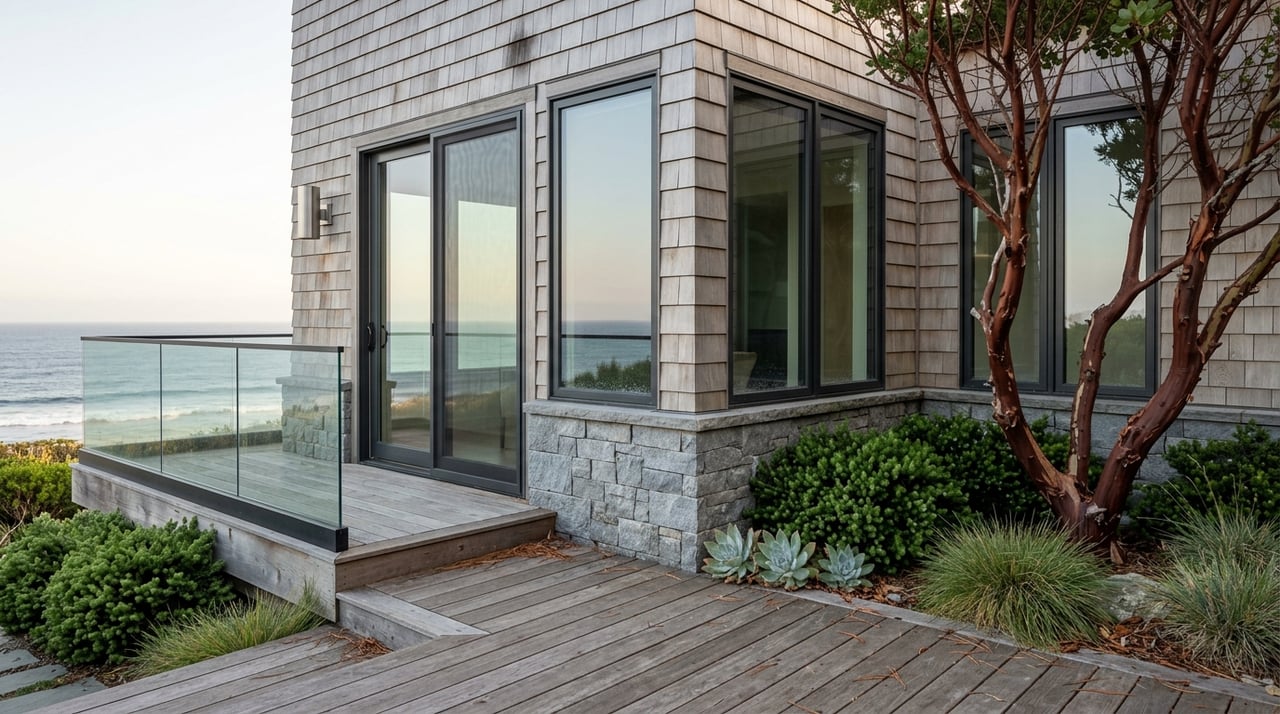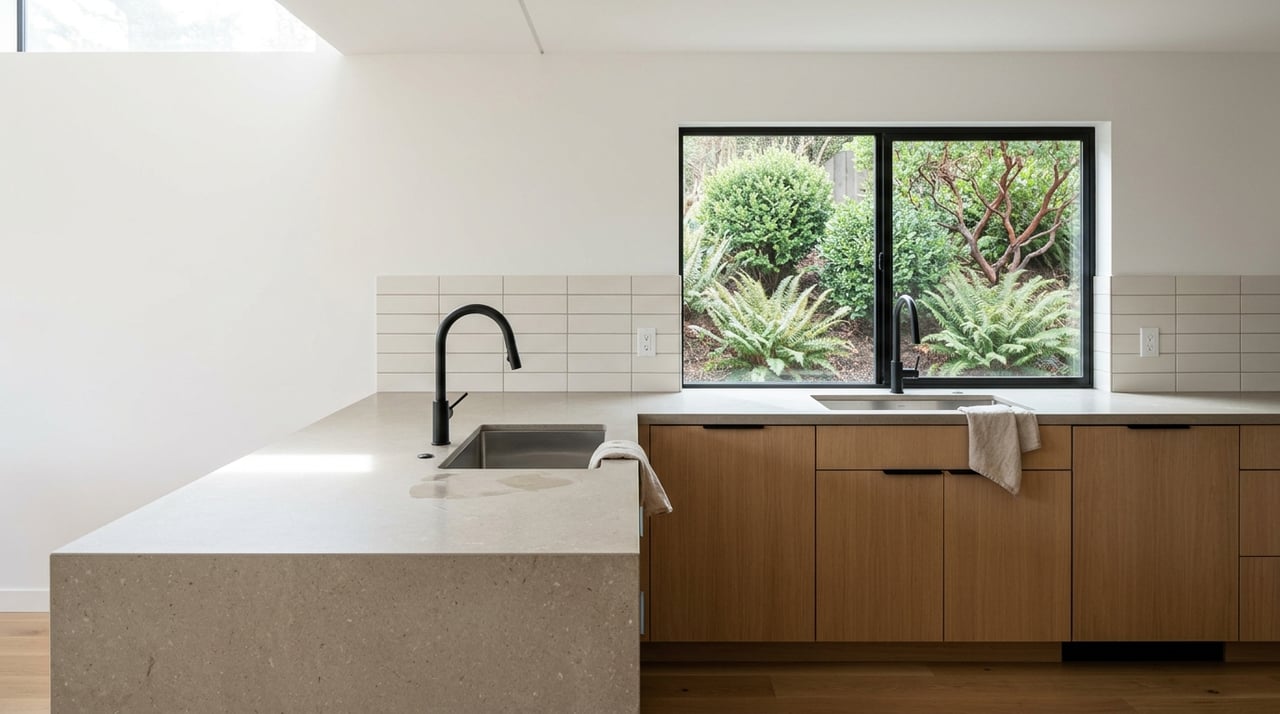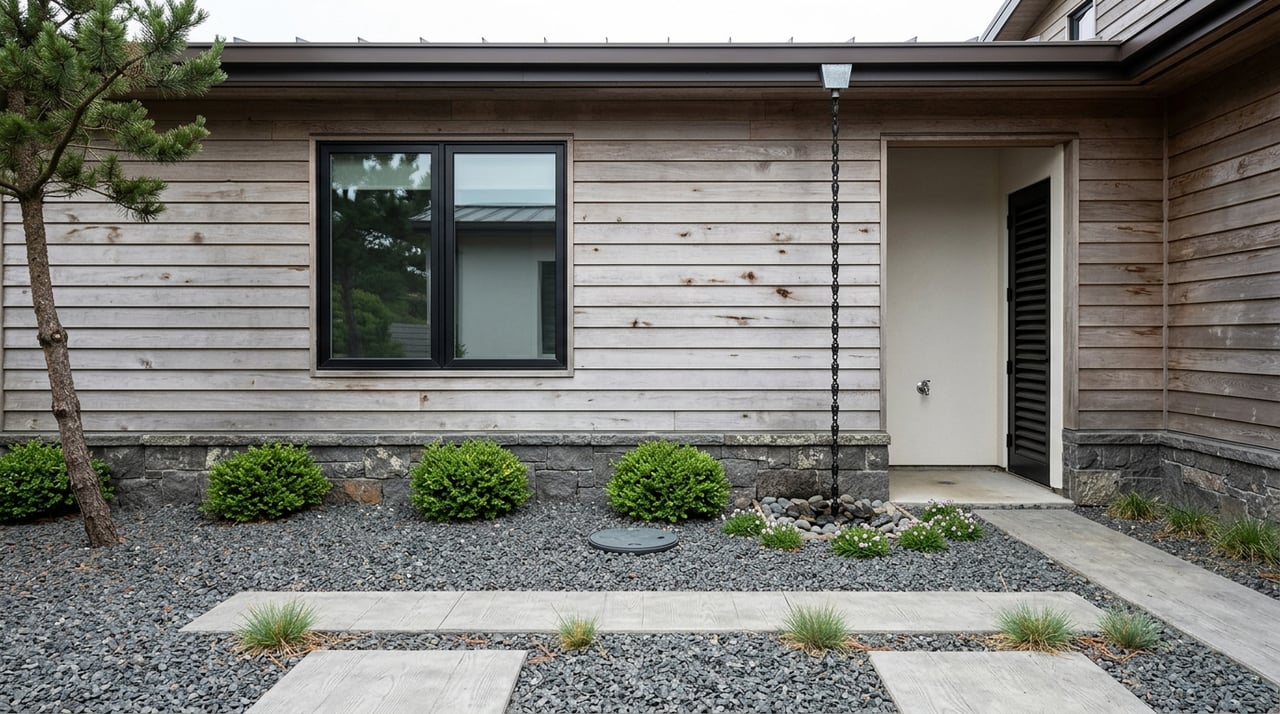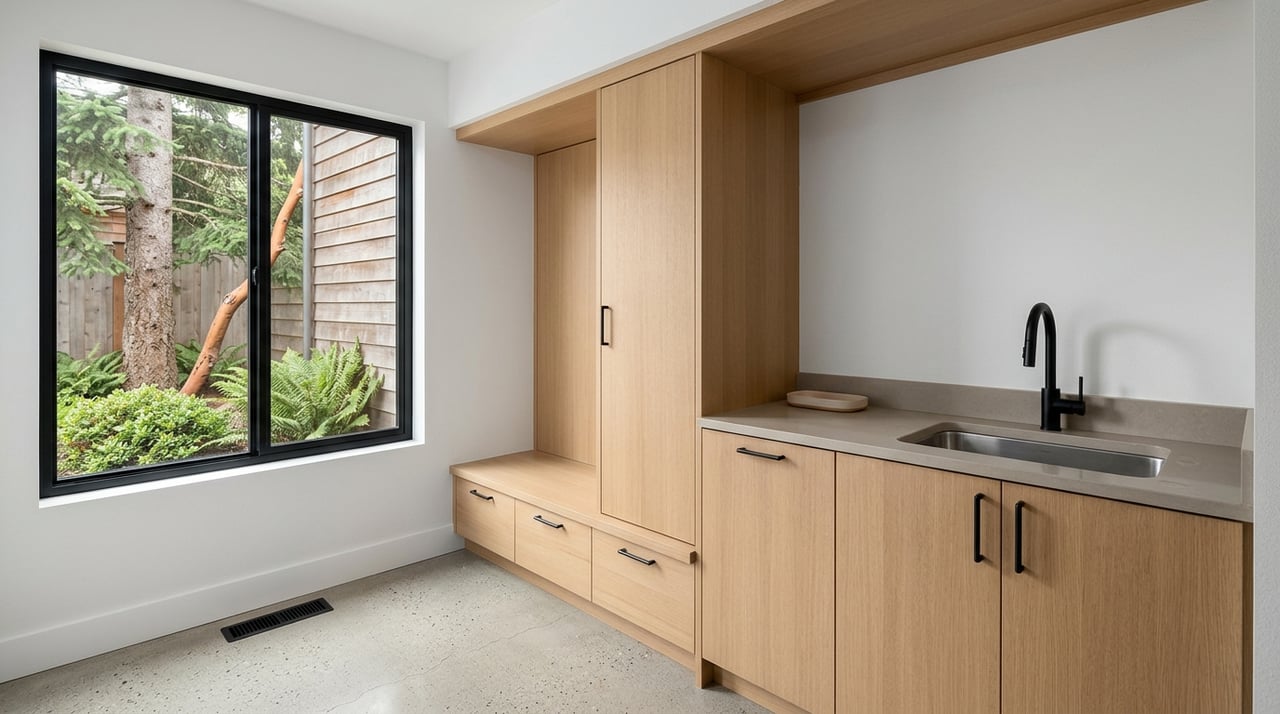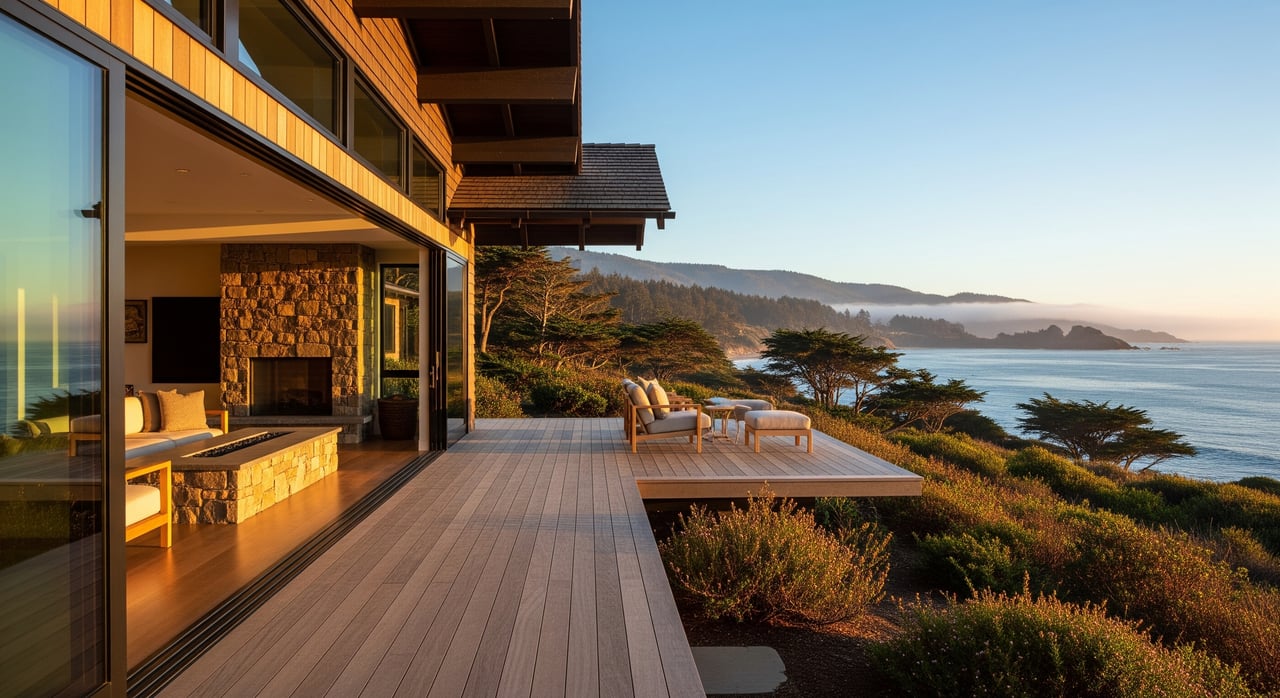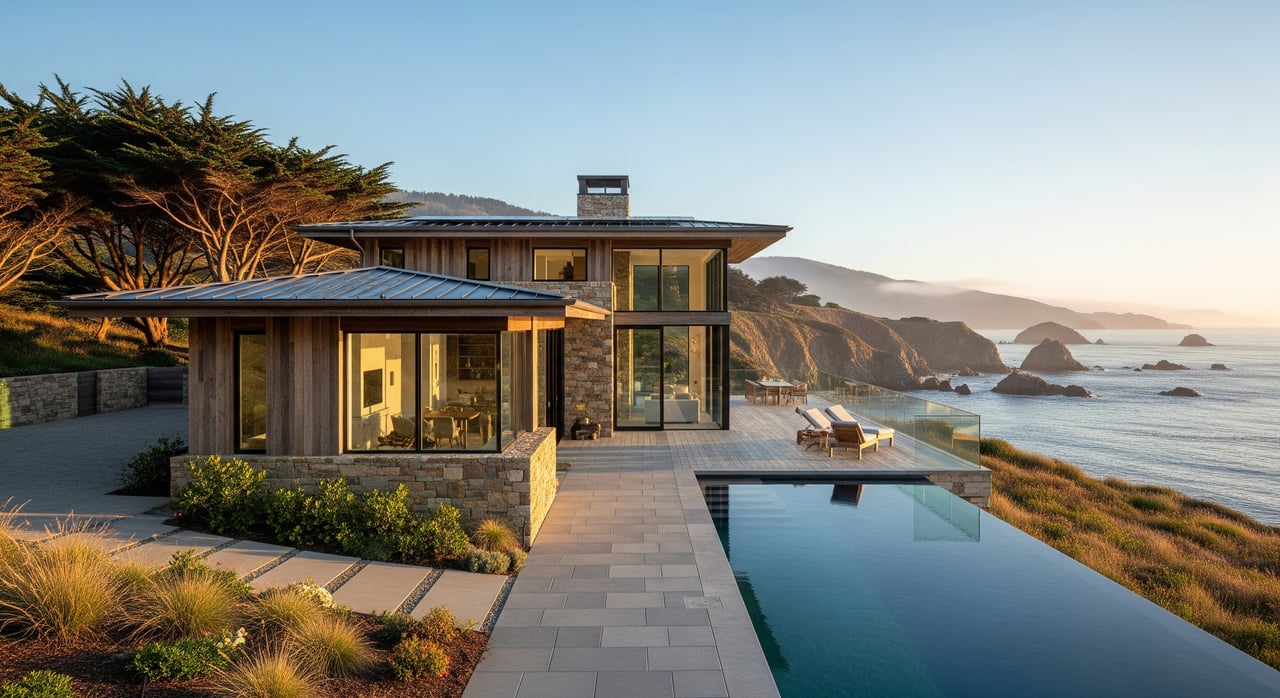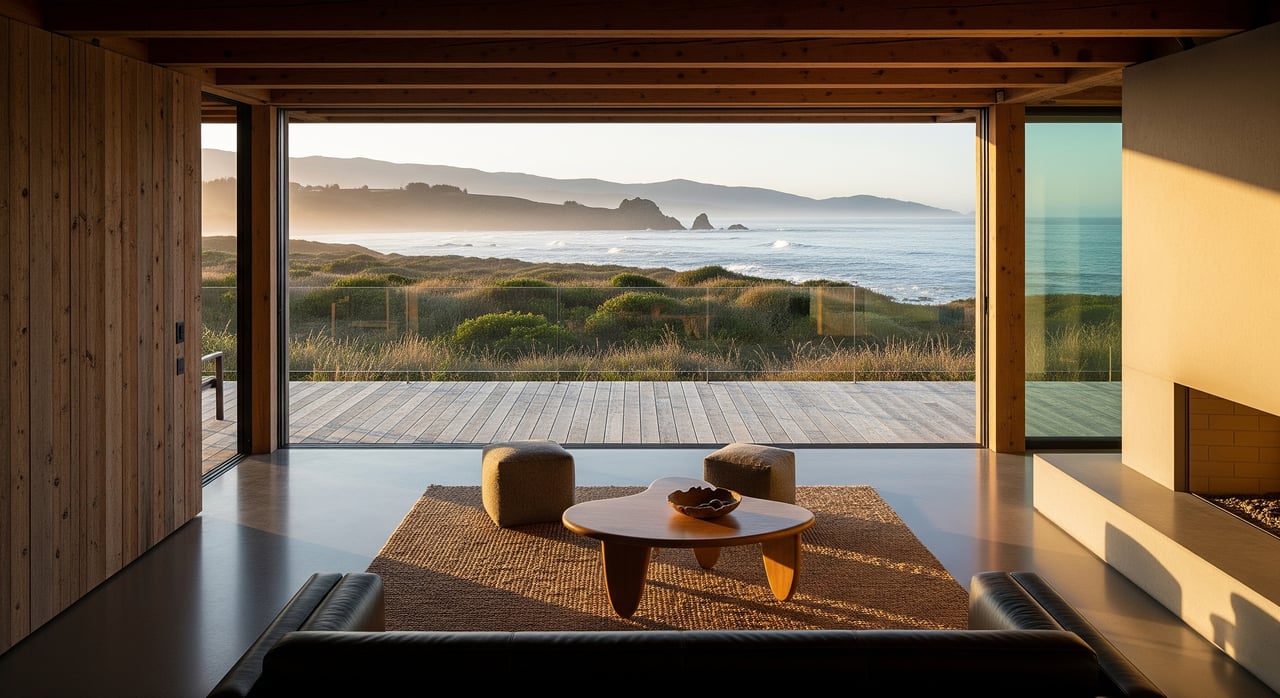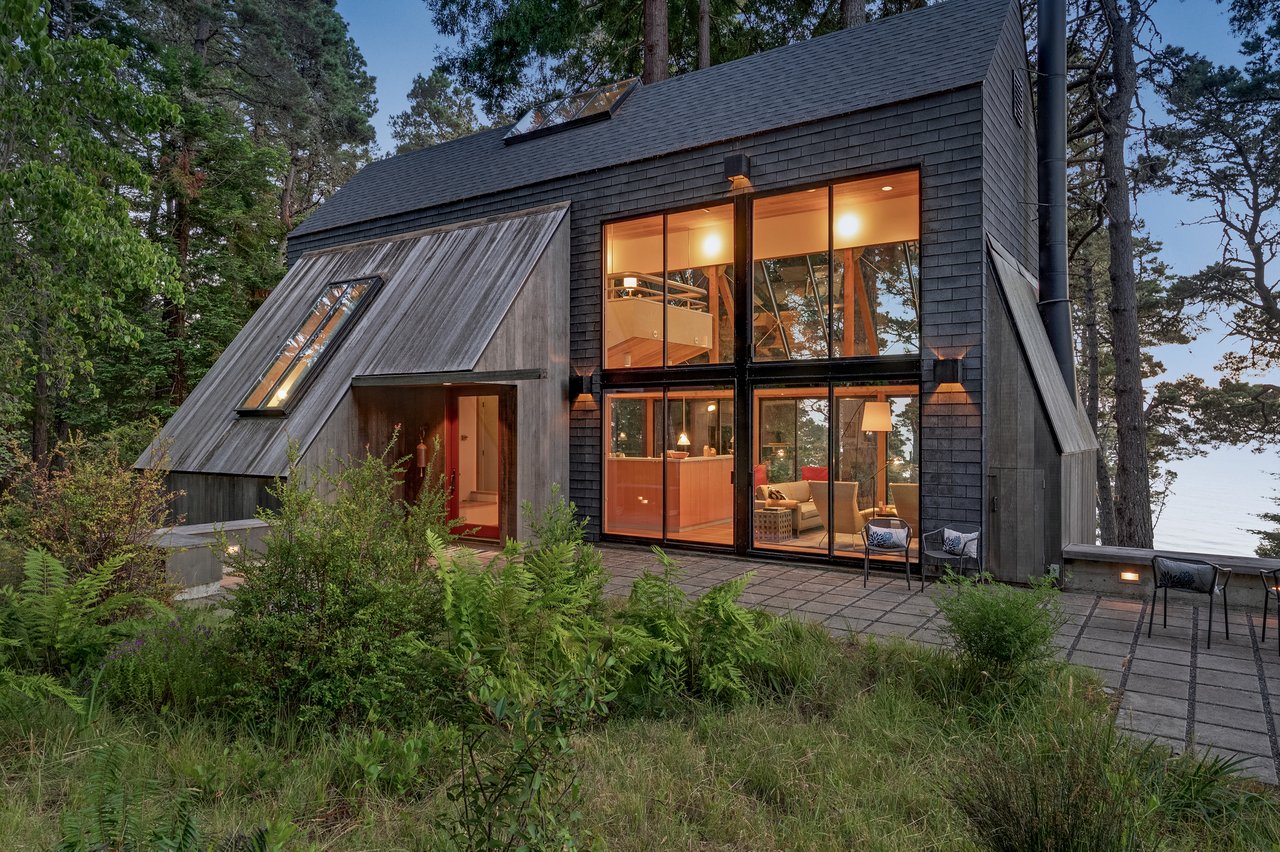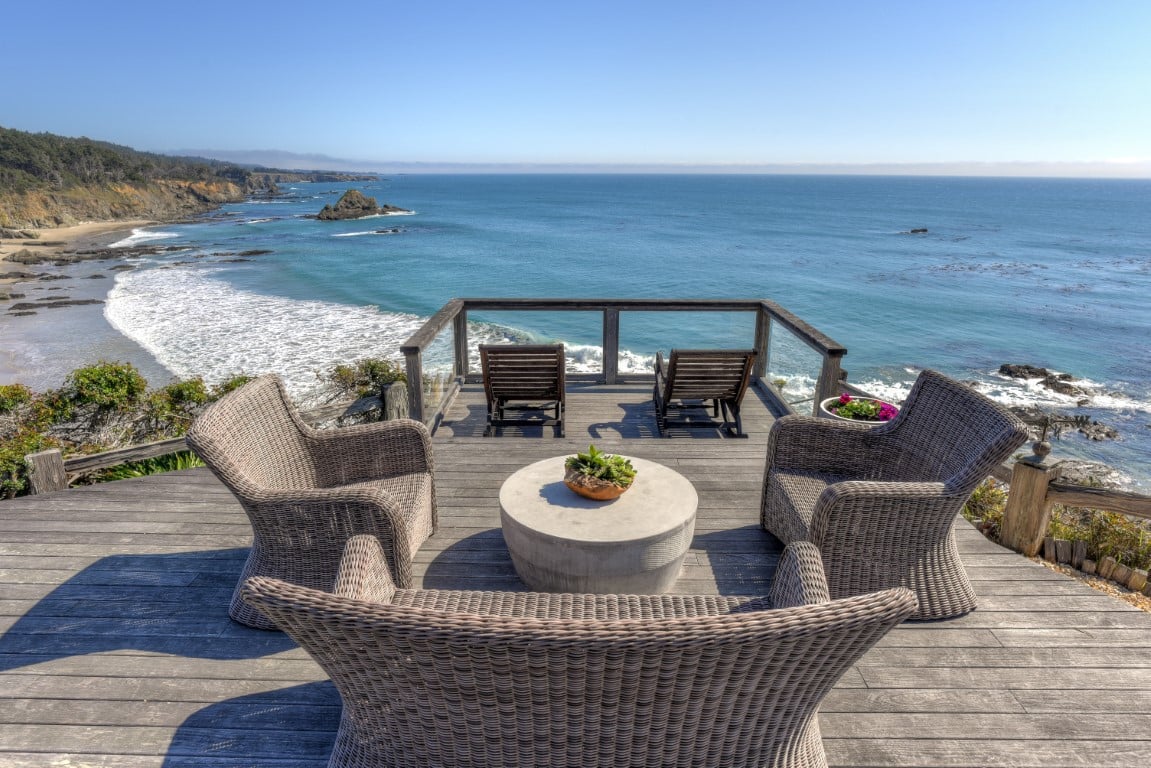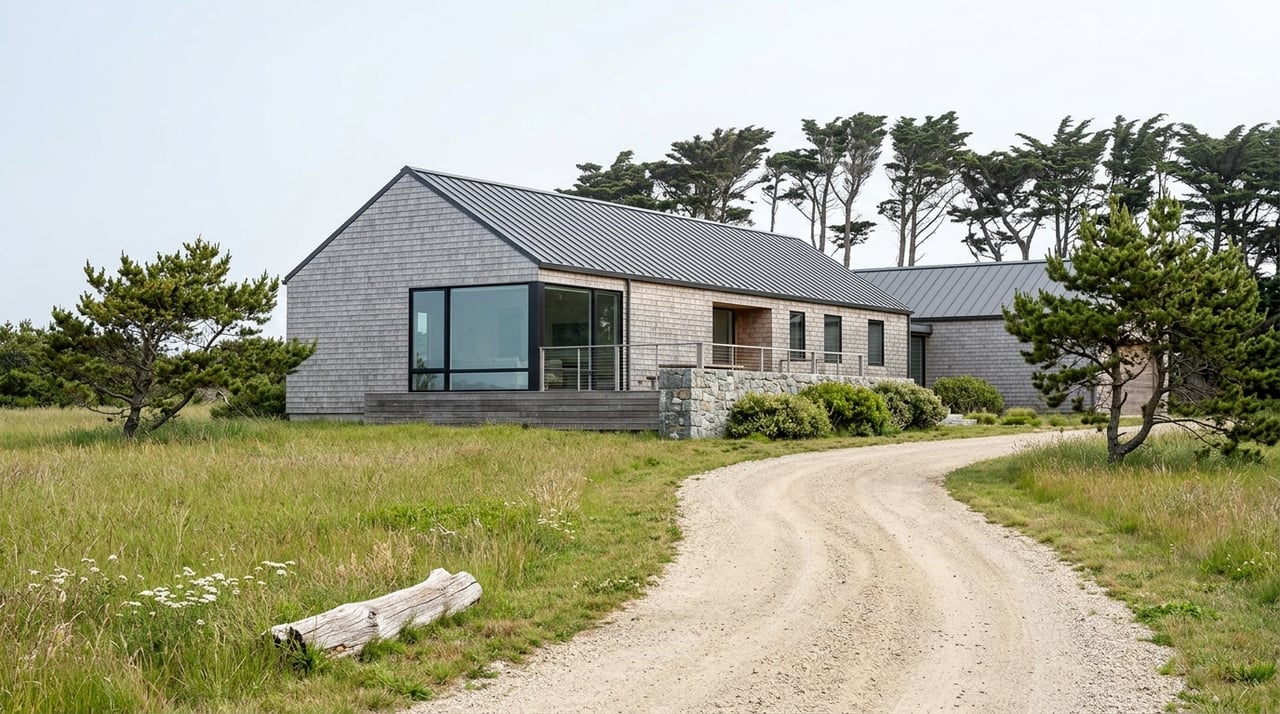
If you picture Mendocino Coast living as tightly packed cottages on small lots, Manchester may surprise you. This stretch of coast offers a different kind of setting, one defined by open land, rural character, and the kind of privacy that draws buyers who want room to breathe. If you are exploring a primary home, second home, or larger coastal holding, understanding how Manchester actually lives on the ground can help you make a smarter move. Let’s dive in.
Why Manchester Feels Different
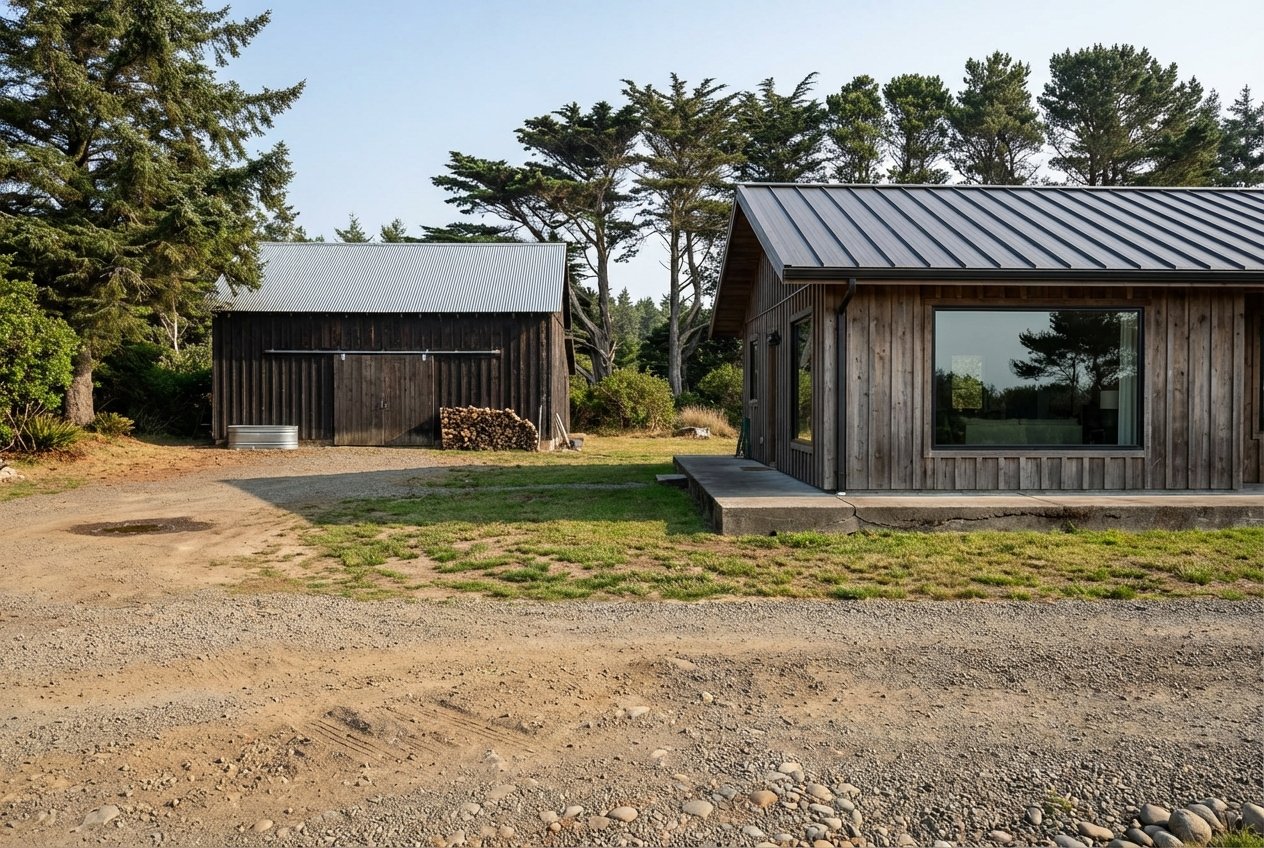
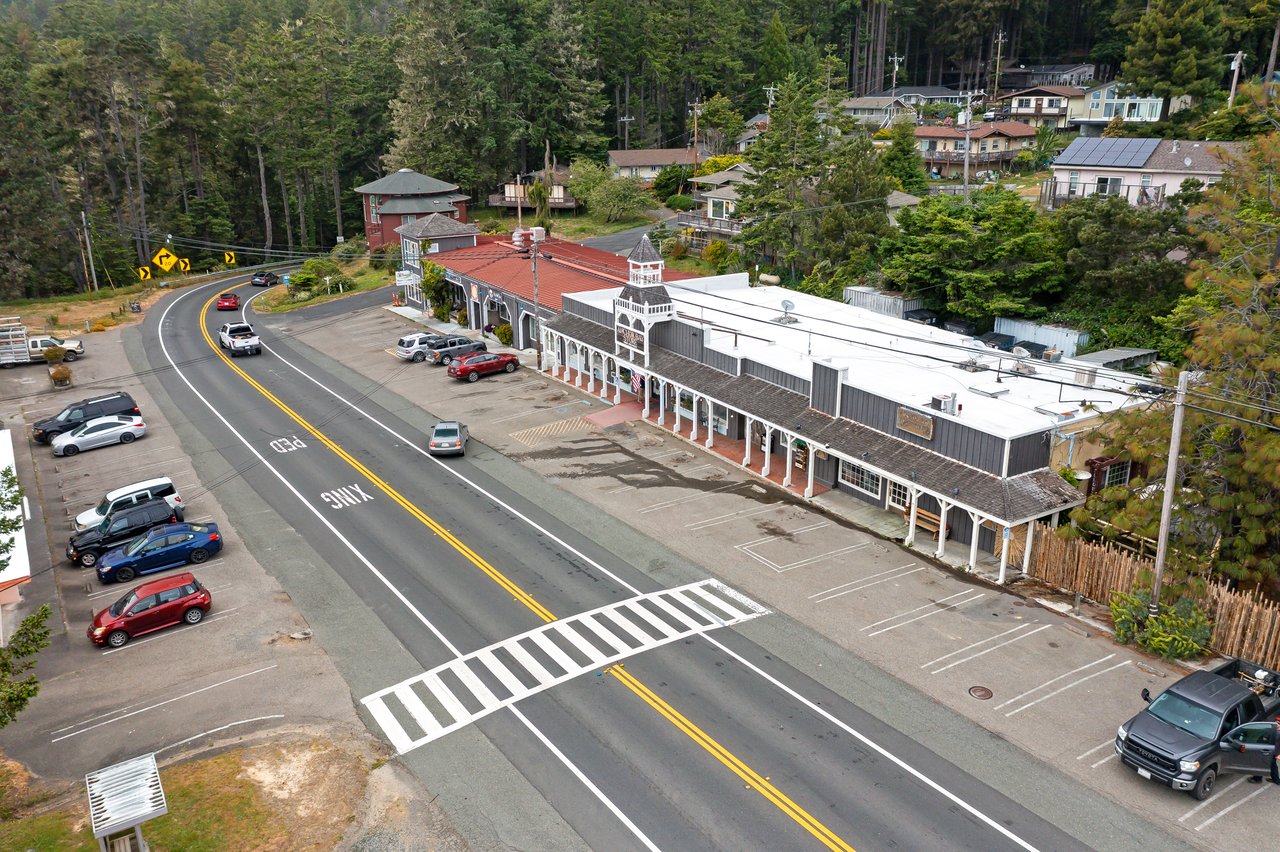
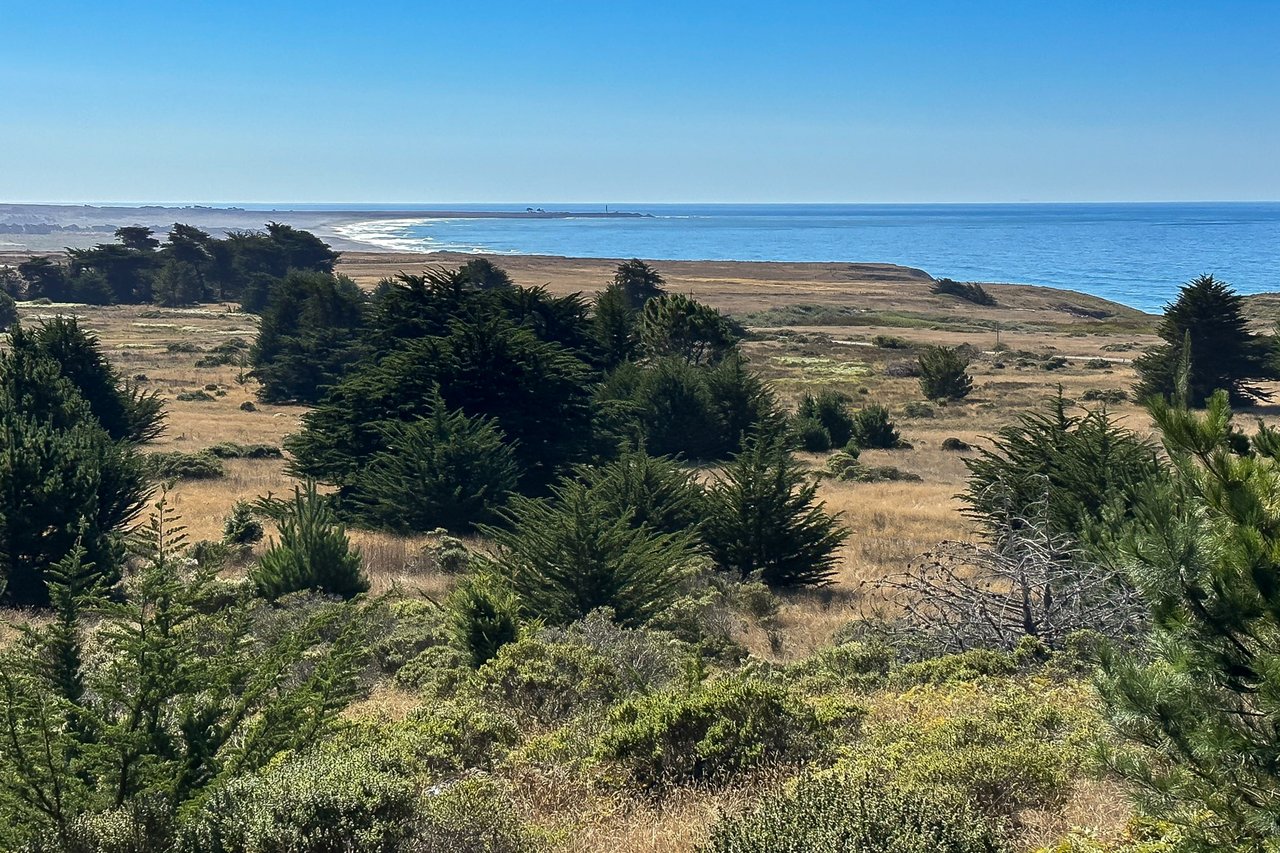
Manchester is best understood as a rural coastal area, not a dense beach town. Mendocino County describes the land in this planning area as flat or gently rolling, with agricultural roots and a long history tied to dairy country.
That backdrop shapes the experience of owning property here. Instead of a tightly built village feel, you are more likely to find open landscapes, broader parcel patterns, and a quieter sense of separation from your neighbors.
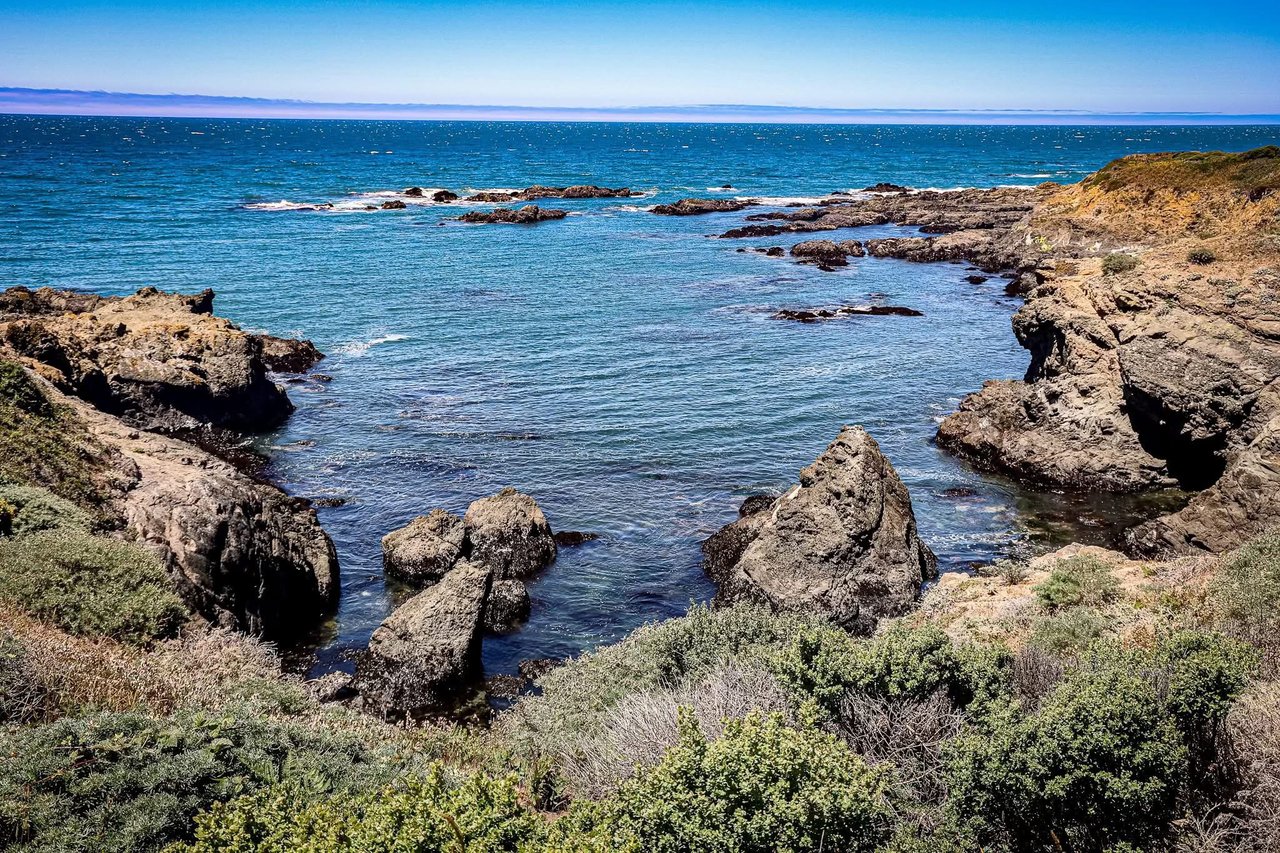
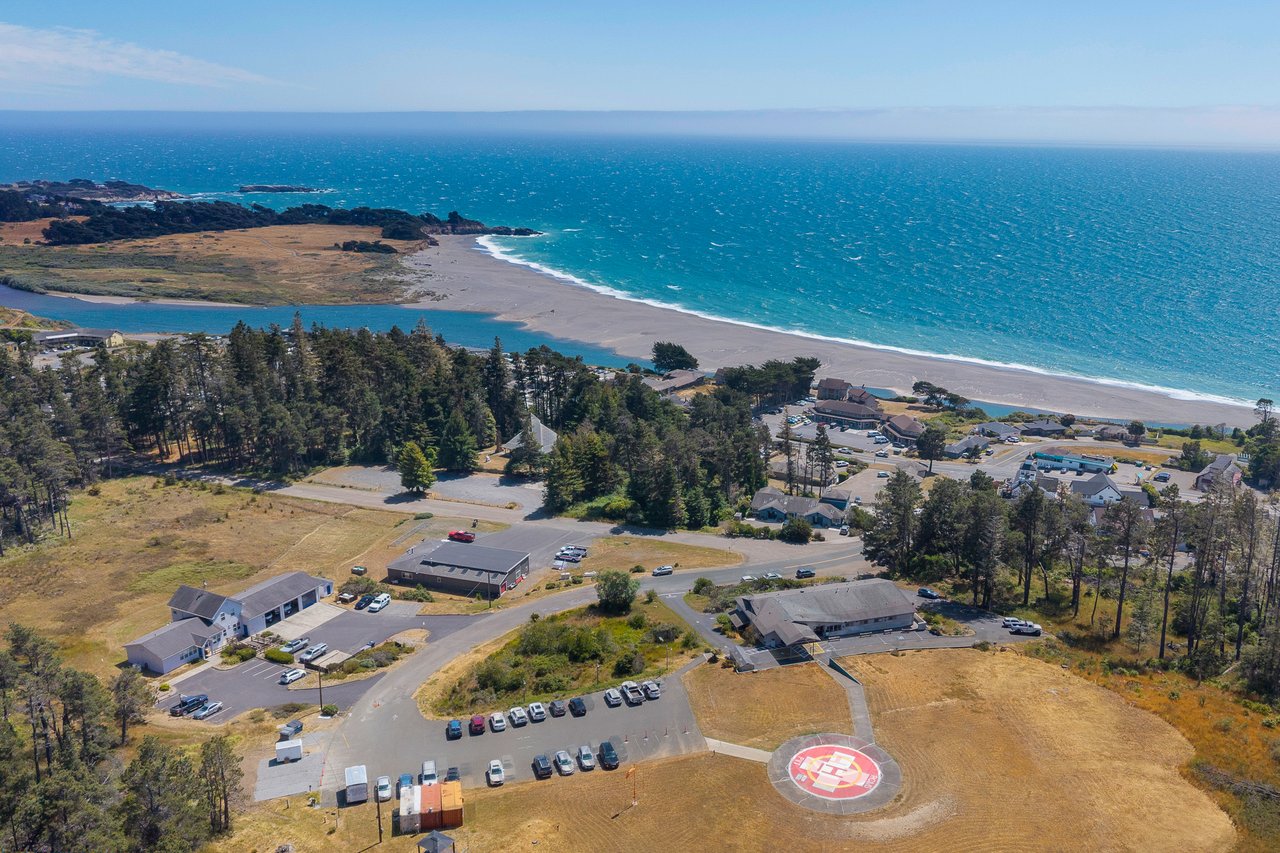
Manchester State Park also plays a major role in the area’s identity. The park places the village about seven miles north of Point Arena and notes a landscape of beach, dunes, flat grasslands, and nearly 18,000 feet of ocean frontage with about five miles of sandy beach.
The setting is coastal, but not in a polished or overly developed way. Frequent summer fog, strong year-round winds, grazing lands, cattle, and sheep all contribute to a place that feels both pastoral and oceanfront at the same time.
Space Is a Real Part of the Appeal
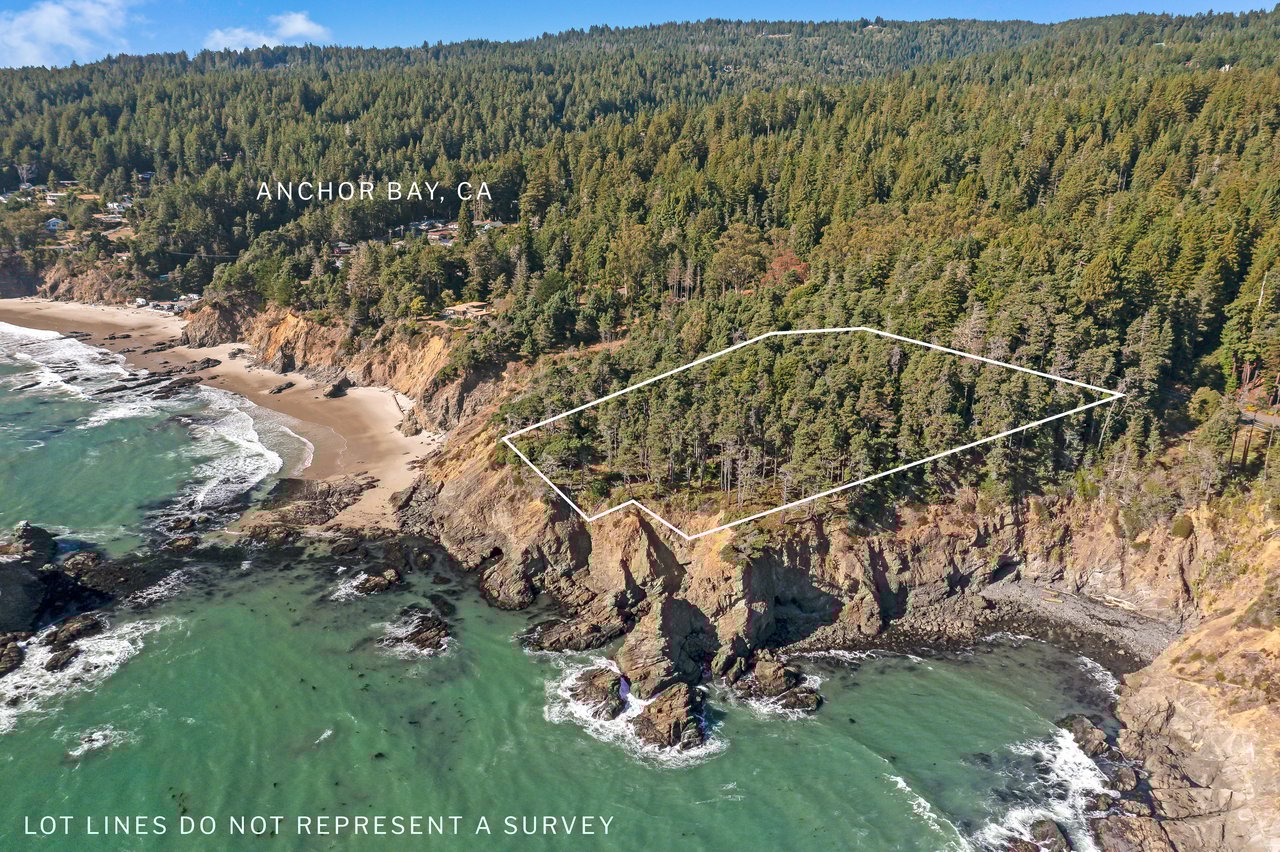
In Manchester, “estate living” often starts with land. Recent county coastal permit files near Manchester show that nearby properties can include large acreage parcels, including examples around 61.21 acres and 12 acres on Highway 1.
That does not mean every property is a large ranch, but it does show the range buyers may encounter. Compared with more subdivision-oriented coastal pockets, Manchester can offer a very different scale and a stronger sense of privacy.
For context, Mendocino County describes Irish Beach lots as typically around 15,000 square feet, with about 100 homes completed. That comparison helps explain why Manchester often feels more open and less neighborhood-dense than some nearby coastal communities.
Privacy Comes With Rural Ownership
Privacy is one of Manchester’s biggest draws, but it comes with practical considerations. The same features that create space and seclusion also mean buyers need to pay close attention to infrastructure, access, and property readiness.
Mendocino County states that Manchester has no community sewage treatment or water systems at this time. The county also notes that the only sewer and water systems in the planning area that can accommodate growth are in Point Arena, and Point Arena has no plans to extend service beyond its limits.
For many buyers, that means rural ownership basics matter just as much as views or acreage. Before you fall in love with a parcel, it is important to understand how water, wastewater, and future improvements may work on that specific property.
What Buyers Should Verify First
When you look at property in Manchester, size alone does not tell the full story. Buildability and infrastructure often matter more than raw acreage.
Mendocino County’s coastal rules treat wells, water tanks, grading, and vegetation removal as development that may require Coastal Development Permit review. The county also says new development must demonstrate an adequate water supply.
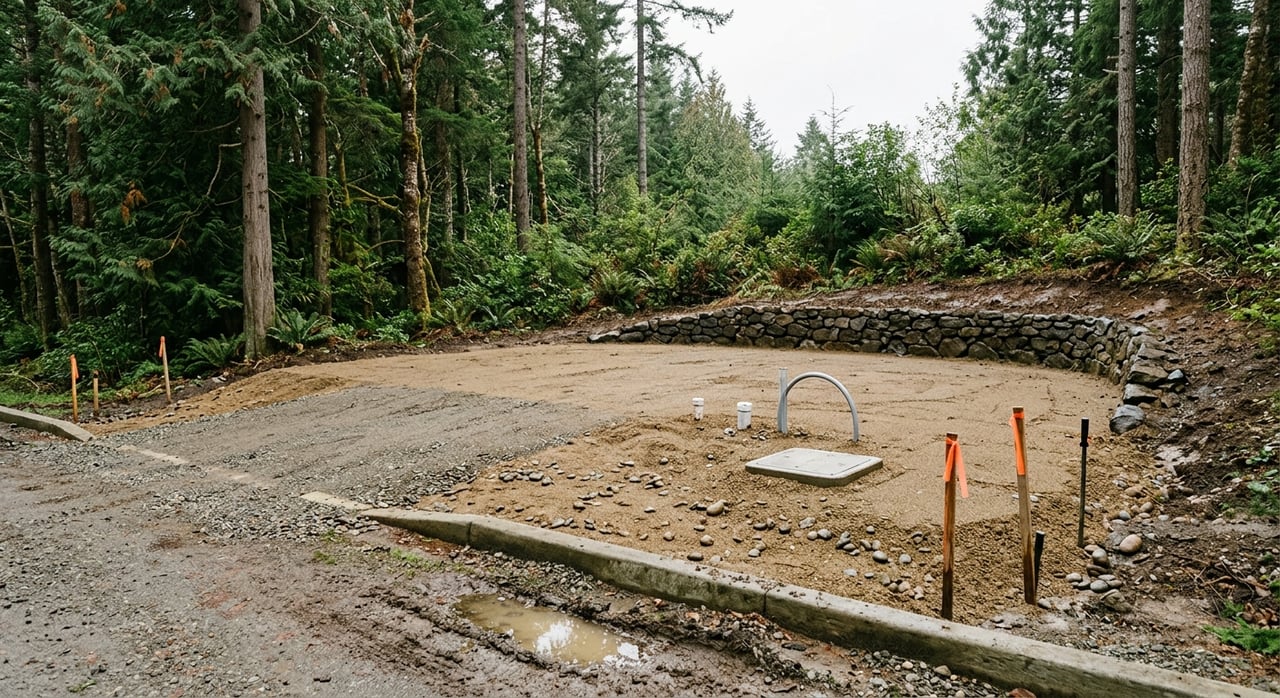
If a property is not served by a public water district, the owner will generally need a private well along with either a Coastal Development Permit or a CDP exclusion. County Environmental Health also maintains separate programs for on-site sewage systems and water wells, which shows how normal septic and well due diligence is in this part of the coast.
A simple Manchester due diligence checklist
- Confirm whether the property has public water access or relies on a private well
- Verify septic status and whether an on-site sewage system is in place or needed
- Ask whether any planned work may trigger Coastal Development Permit review
- Review whether grading, water tanks, vegetation removal, or similar work is part of your plan
- Understand the expected permit timeline before making improvement assumptions
- Look closely at maintenance and risk factors tied to coastal and rural ownership
Ocean Views Here Are Part of a Bigger Landscape
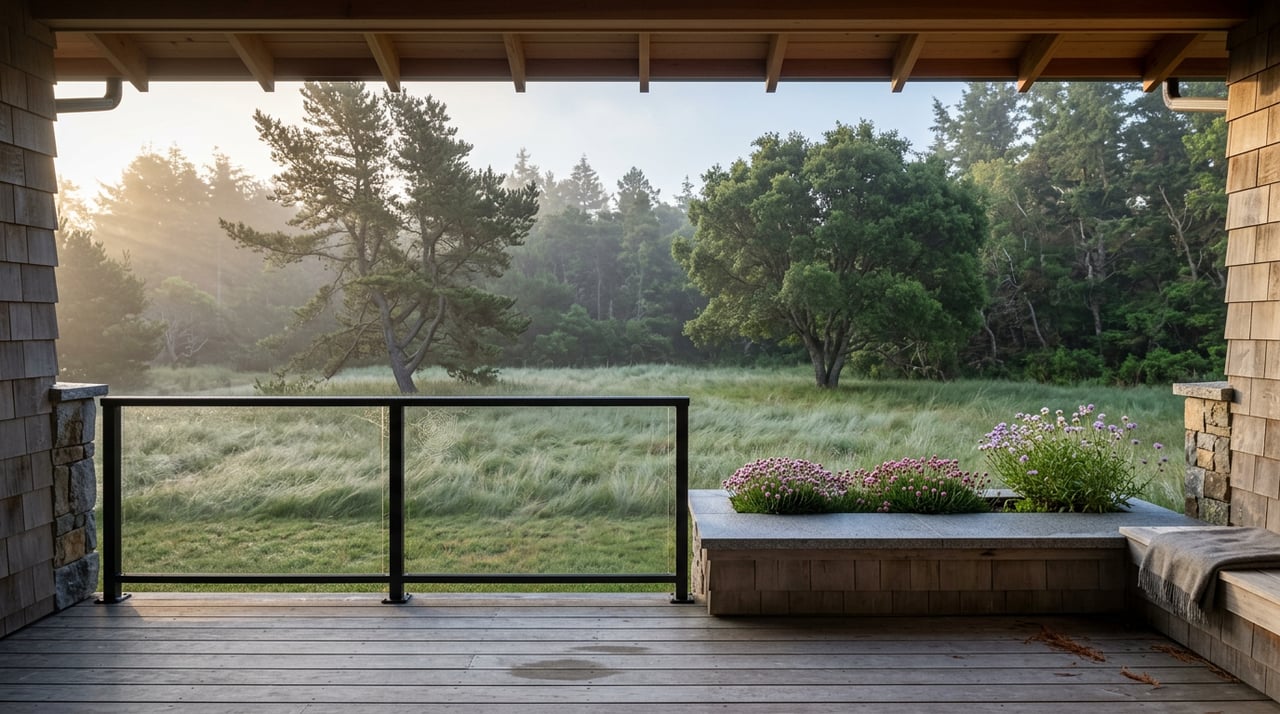
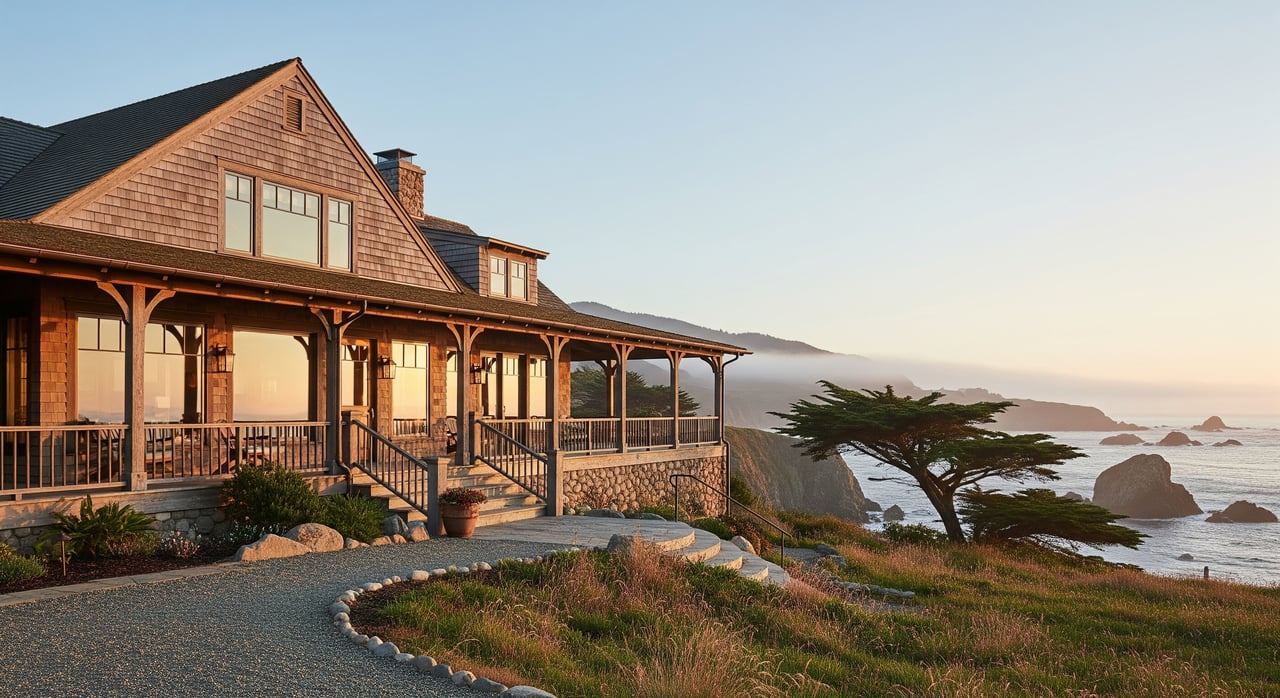
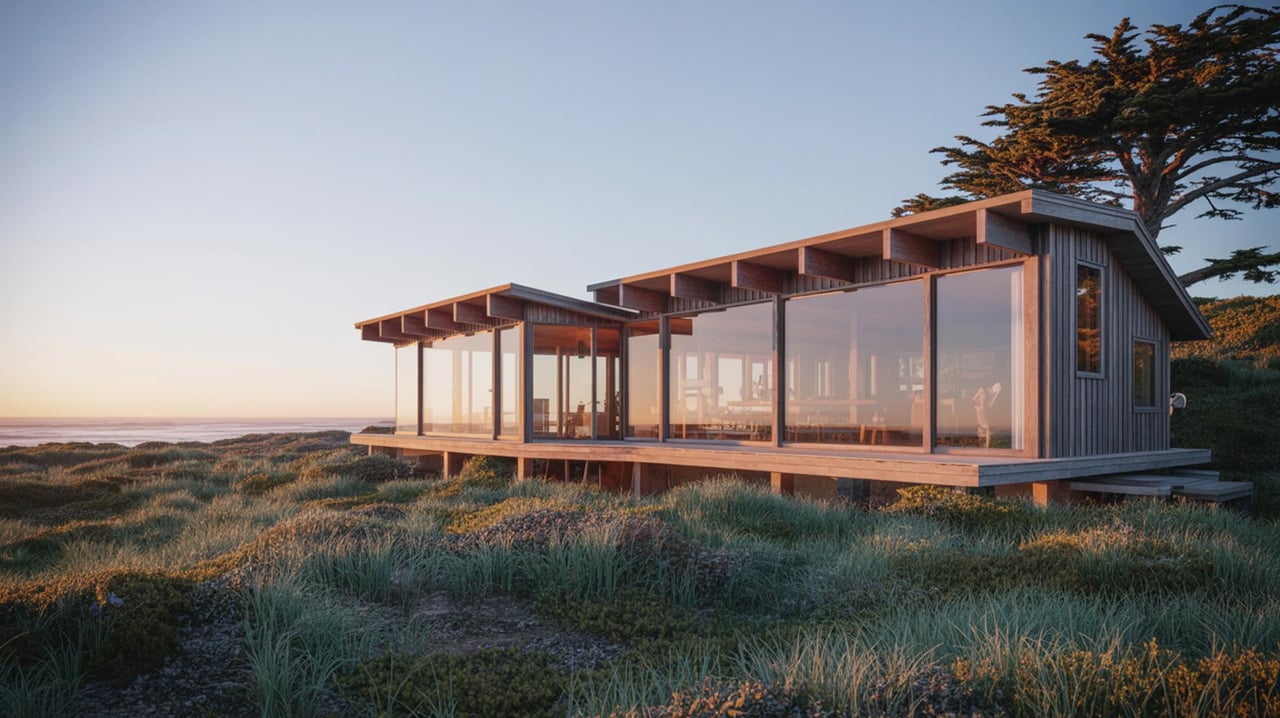
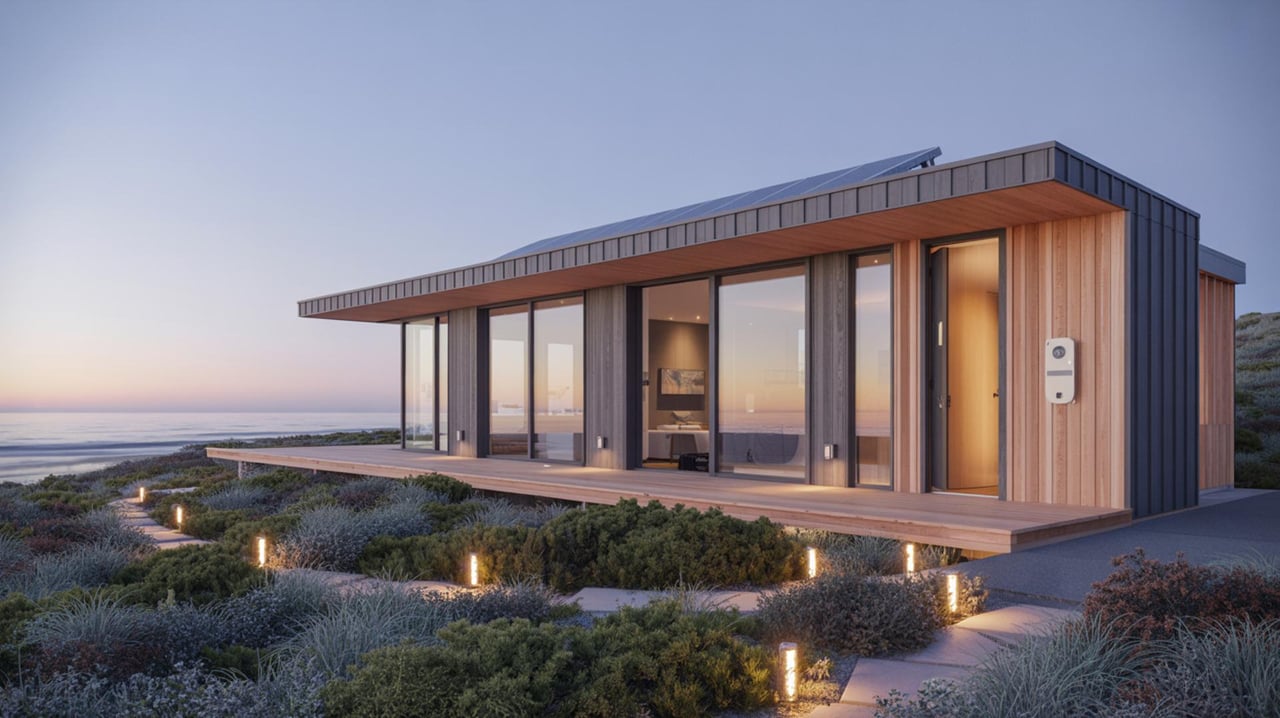
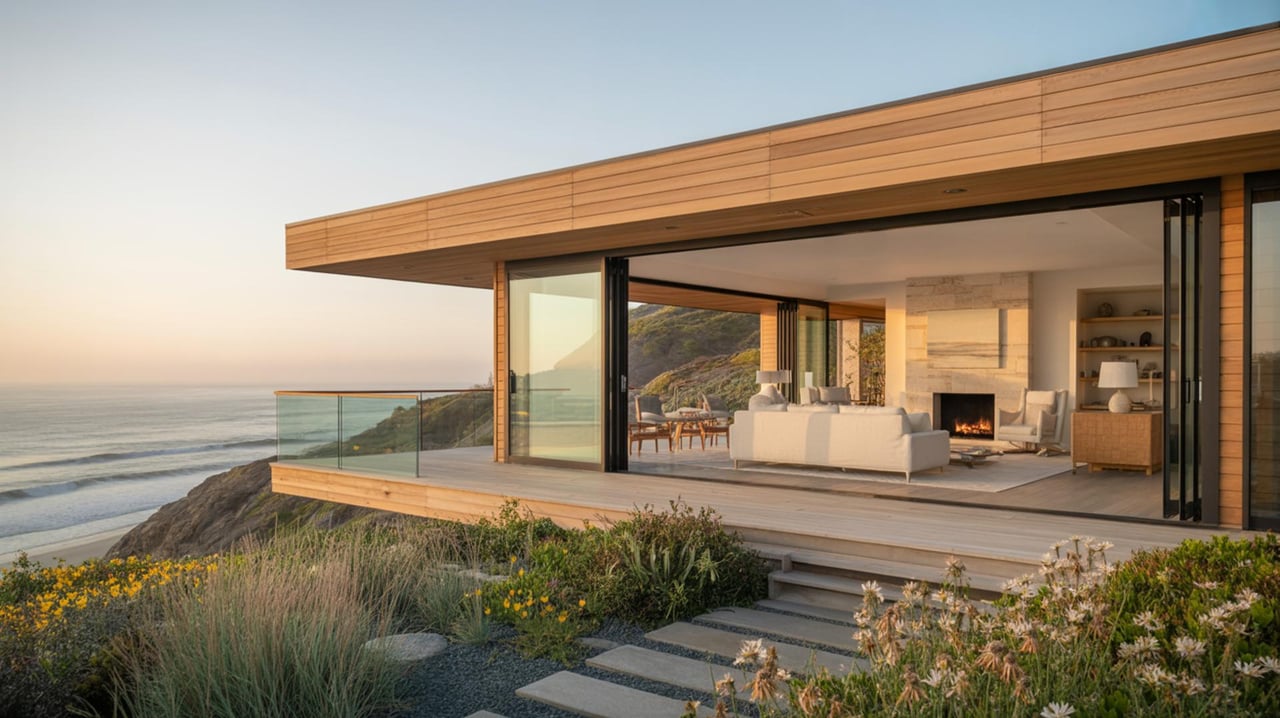
Manchester’s views are not only about dramatic water frontage. In many cases, the visual appeal comes from the blend of open pasture, gently rolling land, dunes, grasslands, and the nearby Pacific.
That creates a broad, layered landscape that feels different from more compact bluff-top communities. You may find that the sense of openness is just as important as the view itself.
Manchester State Park adds to that feeling. With sandy beach, dunes, and grasslands wrapping around the village area, the setting can feel expansive and protected, even when weather and wind remind you that this is a working, natural coast.
What Day-to-Day Life Can Look Like
Living in Manchester often means trading convenience for space and quiet. Mendocino County notes that major shopping trips tend to go to Manchester, Point Arena, or the supermarket in Gualala.
That rhythm will feel natural to some buyers and less ideal to others. If you want a more independent, lower-density coastal lifestyle, this pattern may feel like part of the appeal rather than a drawback.
It also helps explain why Manchester often attracts buyers who are comfortable planning ahead. Whether you are buying a second home, relocating for retirement, or considering a larger coastal holding, the ownership experience tends to reward patience and preparation.
Permits and Timelines Matter
In Manchester, future plans for a property should always be matched with the local approval process. Mendocino County says Coastal Development Permit processing usually takes about six to twelve months.
That timeline matters if you are thinking about building, expanding, or making site improvements soon after closing. A property that looks simple on paper may involve more review than expected once wells, grading, tanks, or vegetation work are involved.
For that reason, Manchester buyers often benefit from approaching a purchase with two questions in mind: what does the property offer today, and what will it realistically take to achieve your long-term plans?
Risk and Maintenance Are Part of Coastal Stewardship
Owning rural coastal property also means understanding ongoing responsibility. Mendocino County says many areas face wildland fire risk and may require CAL FIRE clearance.
The county’s Sea Level Rise Resilience Strategy also highlights future flooding, erosion, storm events, bluff and beach erosion, and possible saltwater intrusion into groundwater. Those factors do not define every parcel in the same way, but they are part of the broader ownership picture in this coastal environment.
For buyers, this is not a reason to avoid Manchester. It is a reason to evaluate property with care, think long term, and work with professionals who understand the realities of coastal ownership in southern Mendocino County.
Who Manchester Often Suits Best
Manchester tends to appeal to buyers who want the coast to feel open and quiet rather than busy and built out. Based on the county’s descriptions of the area’s agricultural history, second-home traffic in the planning area, and the absence of local sewer and water systems, it is often a strong fit for those seeking space, privacy, and a more rural pace.
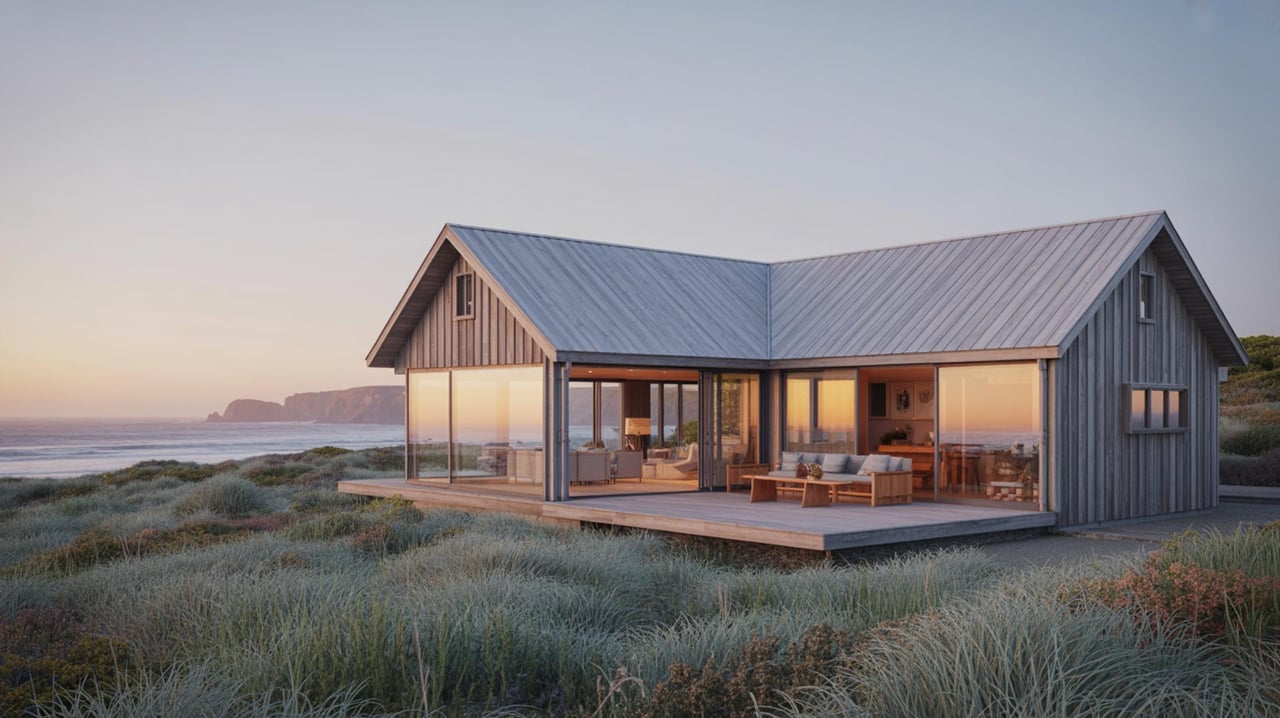
That may include second-home buyers looking for a retreat, retirees who want low-density coastal living, or buyers searching for ranch, land, or estate-style property. The common thread is usually the same: you value landscape, separation, and a setting that feels grounded in the land.
If that sounds like your vision of coastal ownership, Manchester deserves a closer look. And if you want help evaluating acreage, permitting questions, or the practical side of buying along this stretch of coast, Kennedy & Associates Real Estate brings decades of local market knowledge to distinctive coastal properties throughout the Gualala and southern Mendocino Coast corridor.
FAQs
What makes Manchester, California feel more estate-oriented?
- Manchester is known for its rural coastal character, larger parcel possibilities, agricultural landscape, and lower-density development pattern compared with more compact coastal subdivisions nearby.
What should buyers verify about water in Manchester?
- Buyers should confirm whether a property is served by public water or relies on a private well, because Mendocino County says many properties in the area are not served by a public water district and new development must show adequate water supply.
What should buyers know about sewer and septic in Manchester?
- Manchester has no community sewage treatment system, so on-site sewage system due diligence is a normal part of buying rural property in the area.
How long can coastal permits take in Manchester?
- Mendocino County says Coastal Development Permit processing usually takes about six to twelve months.
What kind of coastal risks should buyers consider in Manchester?
- Buyers should evaluate property-specific exposure to wildland fire risk, flooding, erosion, storm impacts, bluff and beach erosion, and possible saltwater intrusion into groundwater.
How does Manchester compare with denser nearby coastal communities?
- Manchester generally feels more open and less neighborhood-dense, while nearby subdivision-style areas can have smaller lots and a more compact residential pattern.