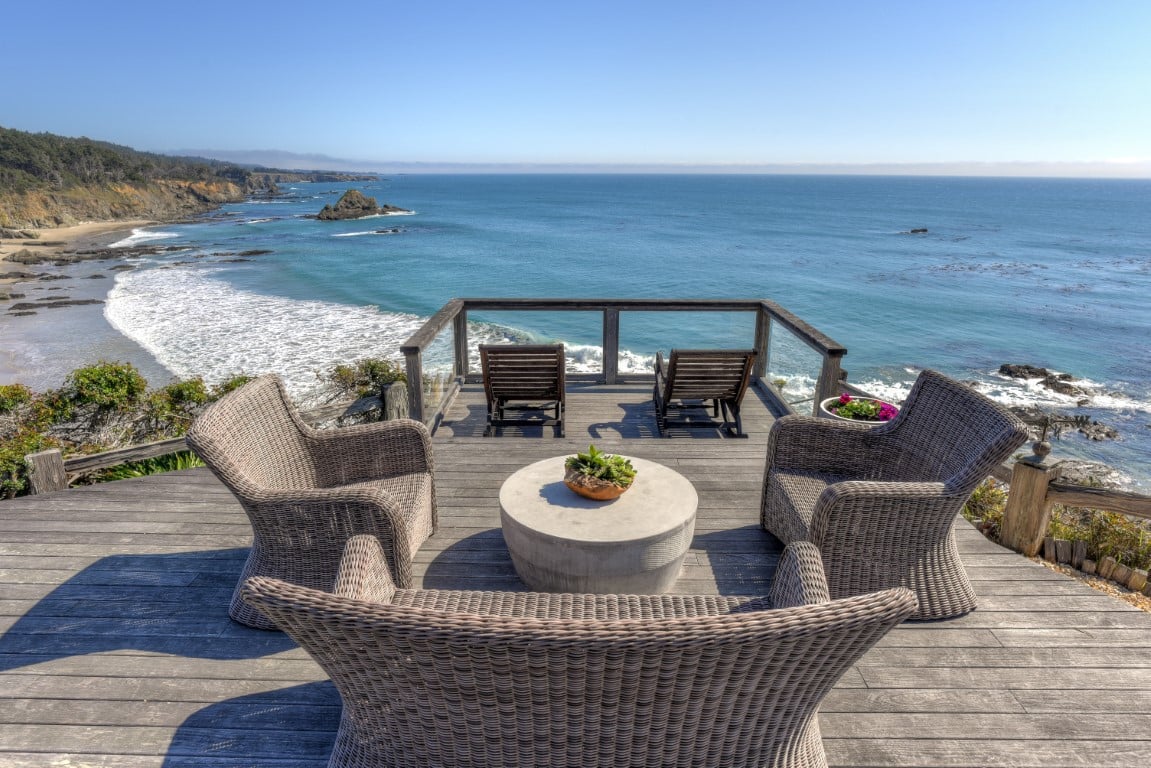
Thinking about buying at Sea Ranch and wondering what it really costs to own here? The coastline, trails, and design-forward architecture come with a unique cost profile that looks different from inland homes. If you plan ahead, you can protect your budget and enjoy the lifestyle with fewer surprises.
In this guide, you’ll learn how association fees work, what to expect from utilities, how coastal and wildfire conditions affect maintenance, and which due diligence steps give you clarity before you close. Let’s dive in.
What drives costs at Sea Ranch
Sea Ranch is a planned coastal community where private homeownership sits alongside organized community entities. That structure is part of the appeal, and it also shapes ongoing costs.
- The community association manages common land, trails, some road standards, and design review. You will pay an association assessment for these services.
- Local utilities and service districts handle electricity, water, trash and more. You will receive separate utility bills.
- Fire protection agencies and county regulations influence defensible-space rules, inspections, and potential fees or grants.
Because multiple entities are involved, owners may encounter regular assessments, occasional special assessments for major projects, and standard household expenses like insurance and property taxes. Careful review of association financials, reserves, and meeting minutes helps you gauge risk for future costs.
HOA dues and what they cover
Association fees support the upkeep and standards that make Sea Ranch distinctive. What is included can vary by location and by the association’s current budget.
Typical services covered by dues:
- Maintenance of common areas such as trails, open space, signage, and landscaping on community land.
- Road-related services in areas with private roads, including maintenance and drainage work. Confirm which roads near your parcel are private versus public.
- Architectural review and compliance with design guidelines, including exterior finishes and vegetation management standards.
- Administrative, legal, and insurance costs related to common areas and governance.
What to review before you buy:
- Current assessment amount and billing schedule, plus when fees last changed.
- Reserve study that shows savings levels, projected capital needs, and any deferred maintenance.
- Meeting minutes and the current budget for insight into upcoming projects or potential special assessments.
- Special assessment history, loans, or liens that may affect owners.
- CC&Rs and rules that clarify what you maintain versus what the association handles.
Common cost drivers:
- Coastal erosion and storm damage can create unpredictable repair needs.
- Road and drainage work can spike after severe weather seasons.
- Limited staffing or volunteer boards can delay long-term planning if reserves are underfunded.
Key questions to ask the association or seller:
- What are the current dues, and are increases planned?
- When was the latest reserve study completed, and what does it recommend?
- Are there any approved or proposed special assessments?
- Are there transfer or processing fees at sale? How long does design approval typically take for exterior work?
Utilities to expect and verify
You will generally pay utilities separately from association dues. Exact providers can vary by parcel, so verify during your contingency period.
Electricity and backup power
Electricity service across most of Sonoma County is provided by PG&E. Rates use residential schedules and vary seasonally. Public Safety Power Shutoffs and wildfire mitigation policies can lead some owners to install backup power. If you plan to add a generator or battery storage, include acquisition and maintenance costs in your budget.
Propane and heating
Natural gas infrastructure is limited along this stretch of coast. Many homes use propane or electric heat pumps, and some have wood stoves. If a property has propane, plan for deliveries, tank maintenance, and seasonal usage that may fluctuate with coastal fog and wind exposure.
Water and wastewater
Water service may come from a community or mutual water system, or from a well depending on the parcel. Billing often includes a base service fee plus usage charges. If the property is tied to a community system, ask about connection fees or capital contributions for new owners.
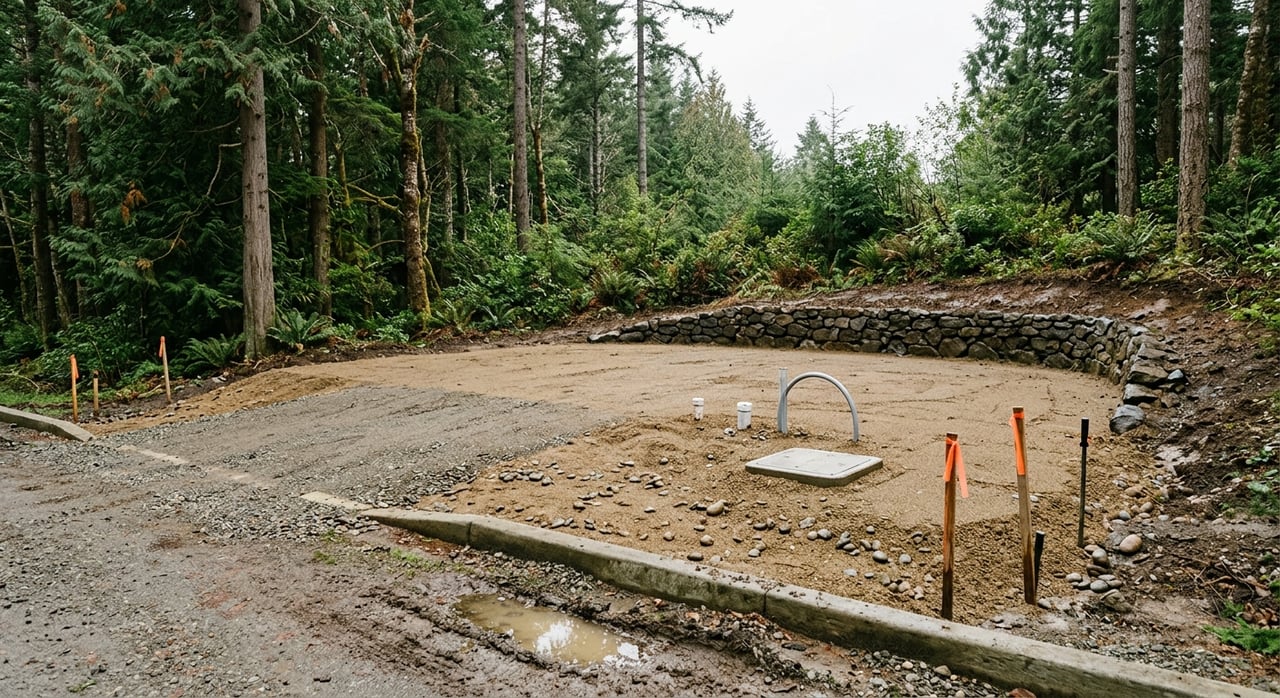
Many coastal homes use on-site septic systems. You should review inspection results, pumping records, and any past repairs. Budget for routine pumping every 3 to 5 years and be aware that full system replacements are significant, multi-year planning events.
Trash and recycling
A local hauler provides curbside pickup in most areas. Costs depend on container size and service frequency. In some remote pockets, centralized collection points may be used. Verify the service model for your address.
Broadband and phone
Internet speeds and service options can vary on the coast. Some locations use satellite or fixed wireless. Confirm available speeds and costs for your specific home if you rely on remote work or streaming.
Coastal and wildfire maintenance
Sea Ranch’s beauty comes with a harsher coastal environment and wildfire risk. Both factors influence how you care for a home and how often you perform maintenance.
Coastal wear and exterior care
Salt spray, fog, and strong winds accelerate corrosion and weathering.
- Metal hardware and mechanical equipment corrode faster, so plan for inspection and replacement more often than inland.
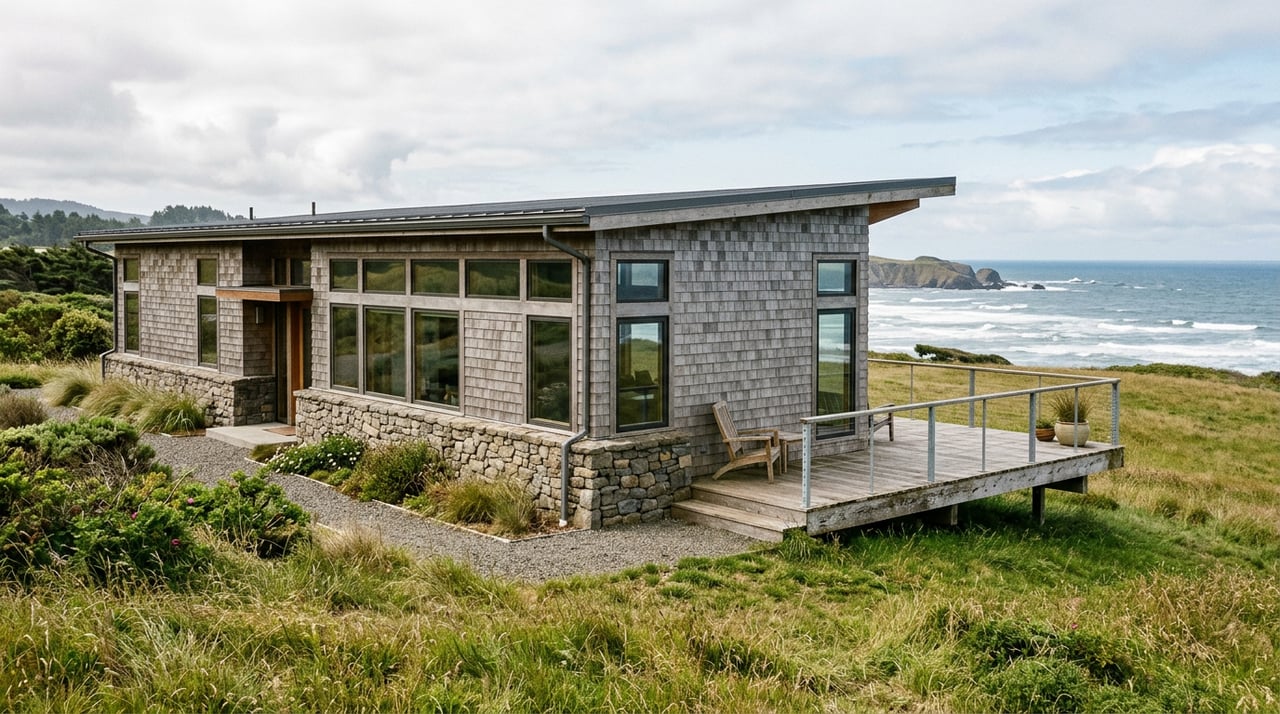
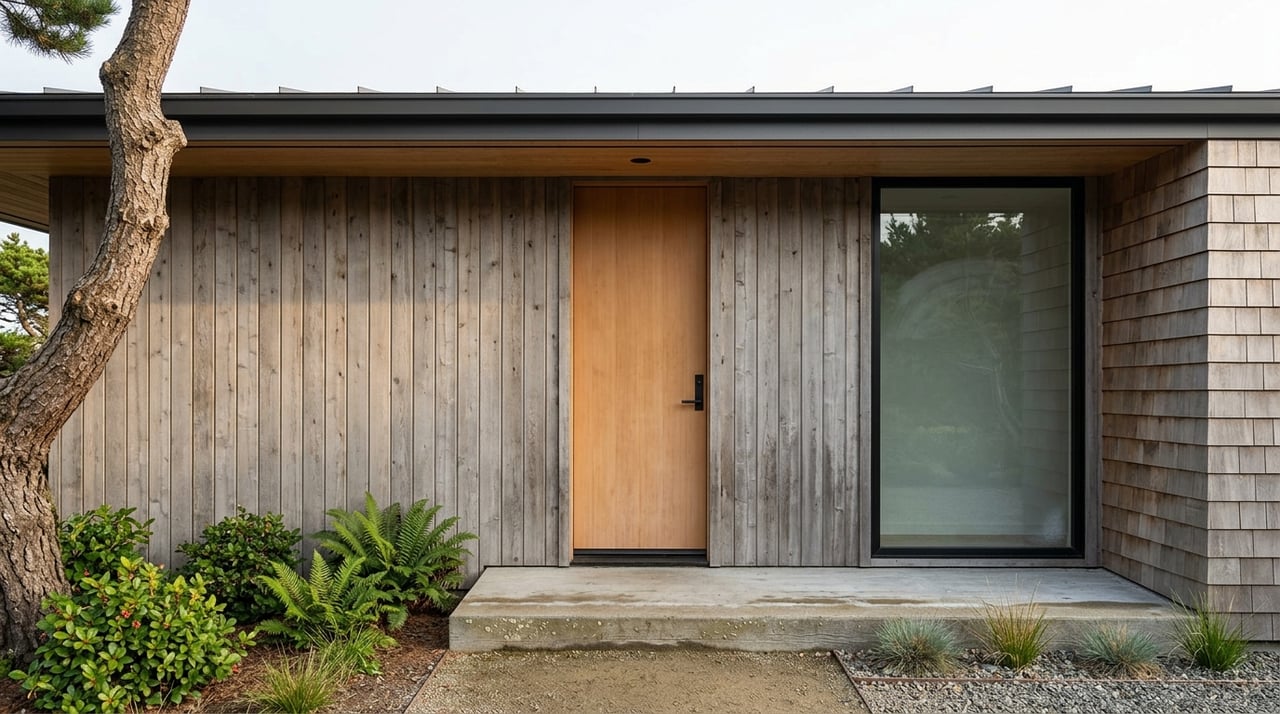
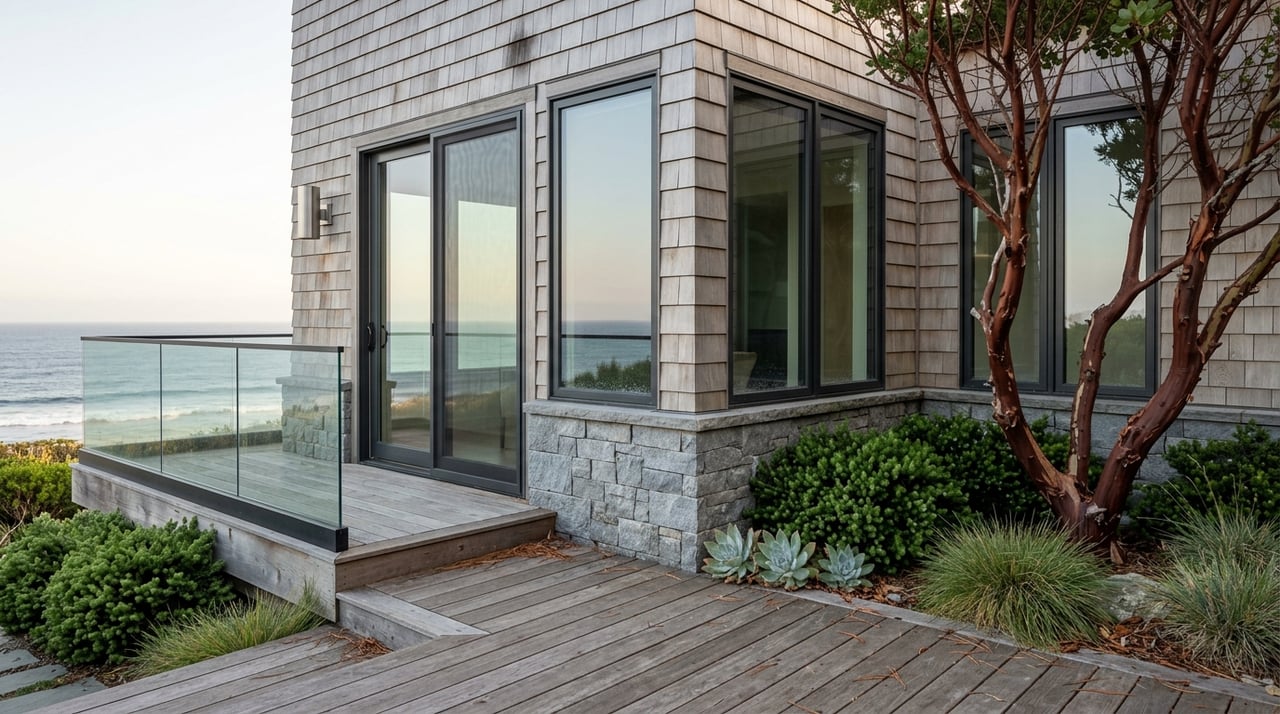
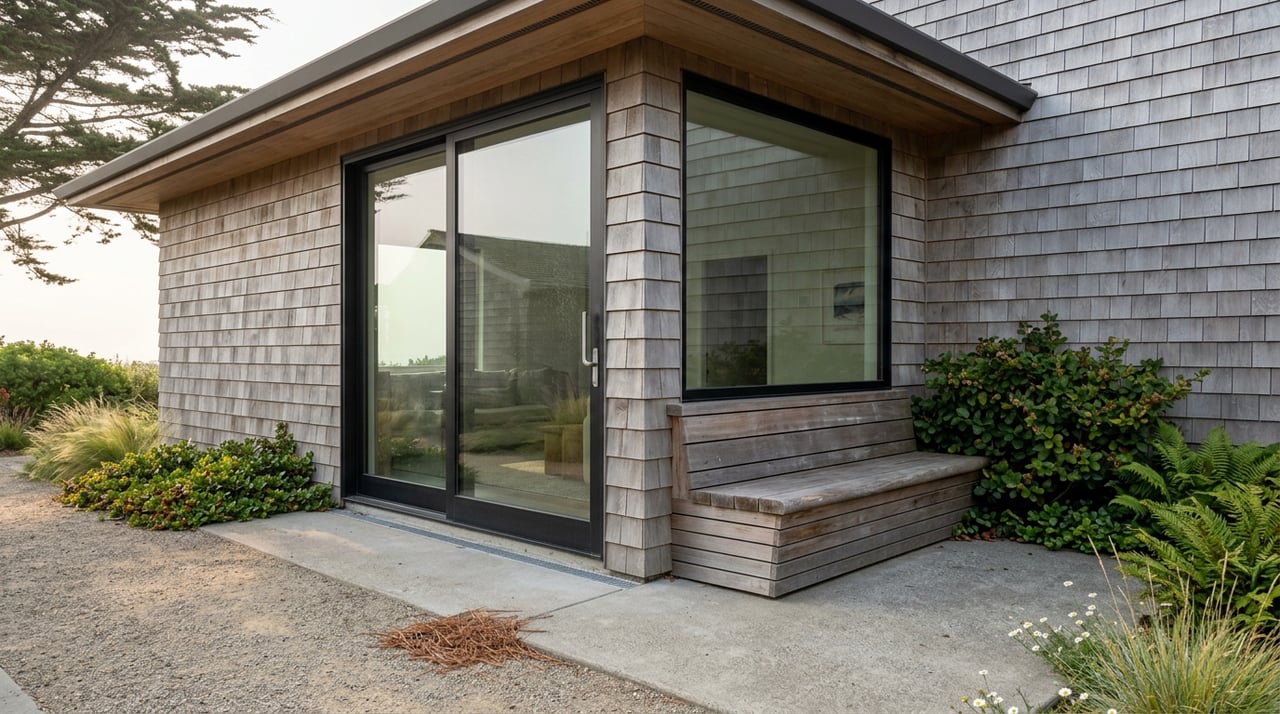
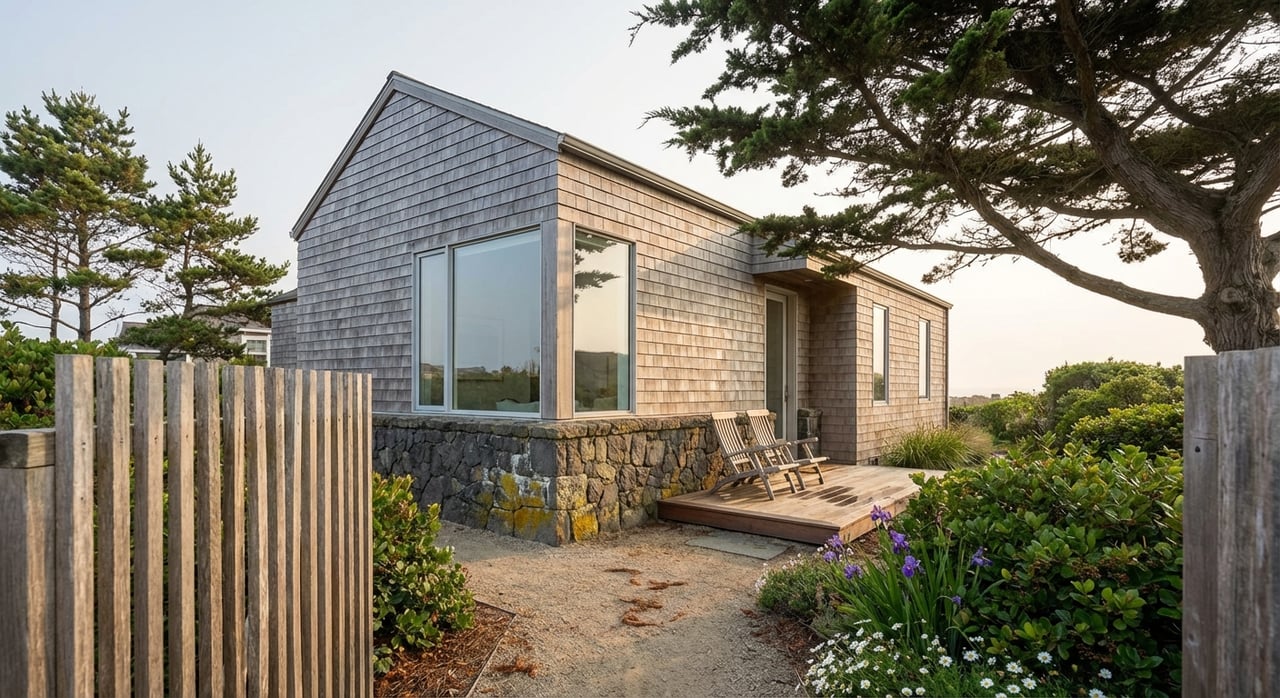
- Wood siding, decks, and cedar shakes need more frequent staining or sealing. Exposure matters, so ocean-facing elevations typically require shorter cycles.
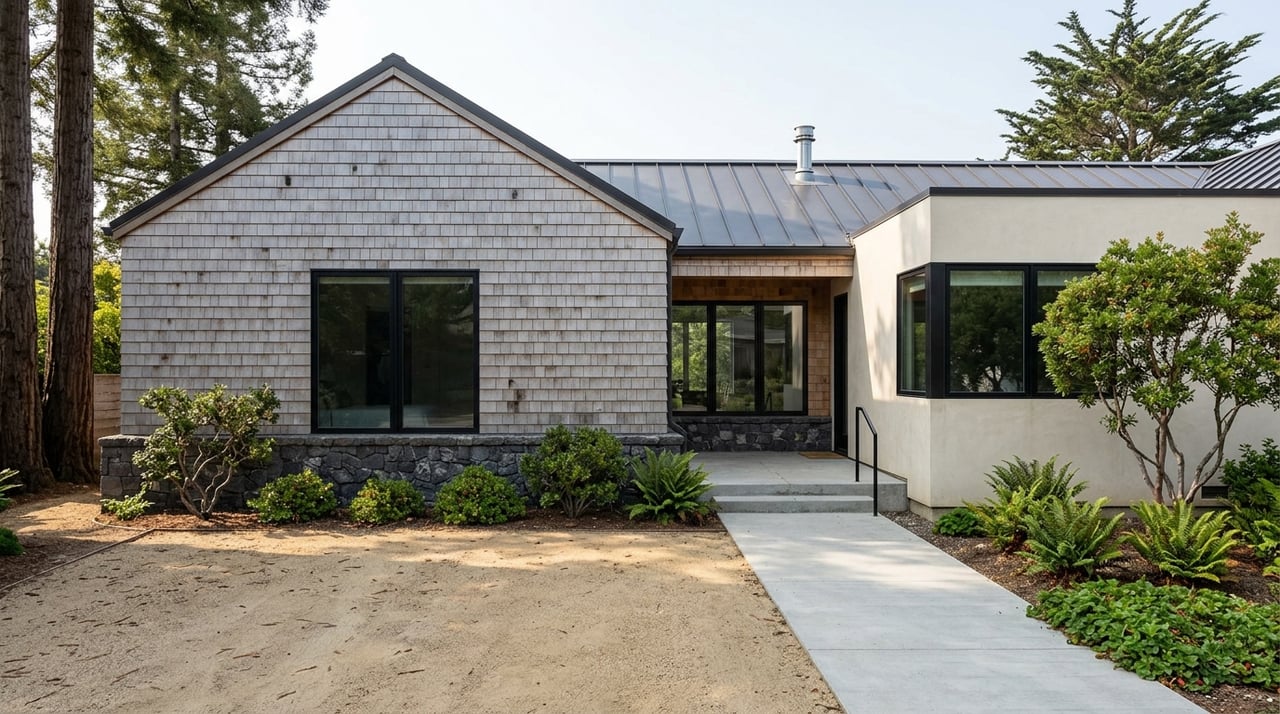
- Roofs have variable lifespans by material. Coastal conditions can shorten the effective life of certain products like untreated cedar shakes.
- Windows and doors may develop hardware corrosion or glazing seal failures. Keep an eye on weather stripping and water intrusion points.
Drainage, erosion, and storms
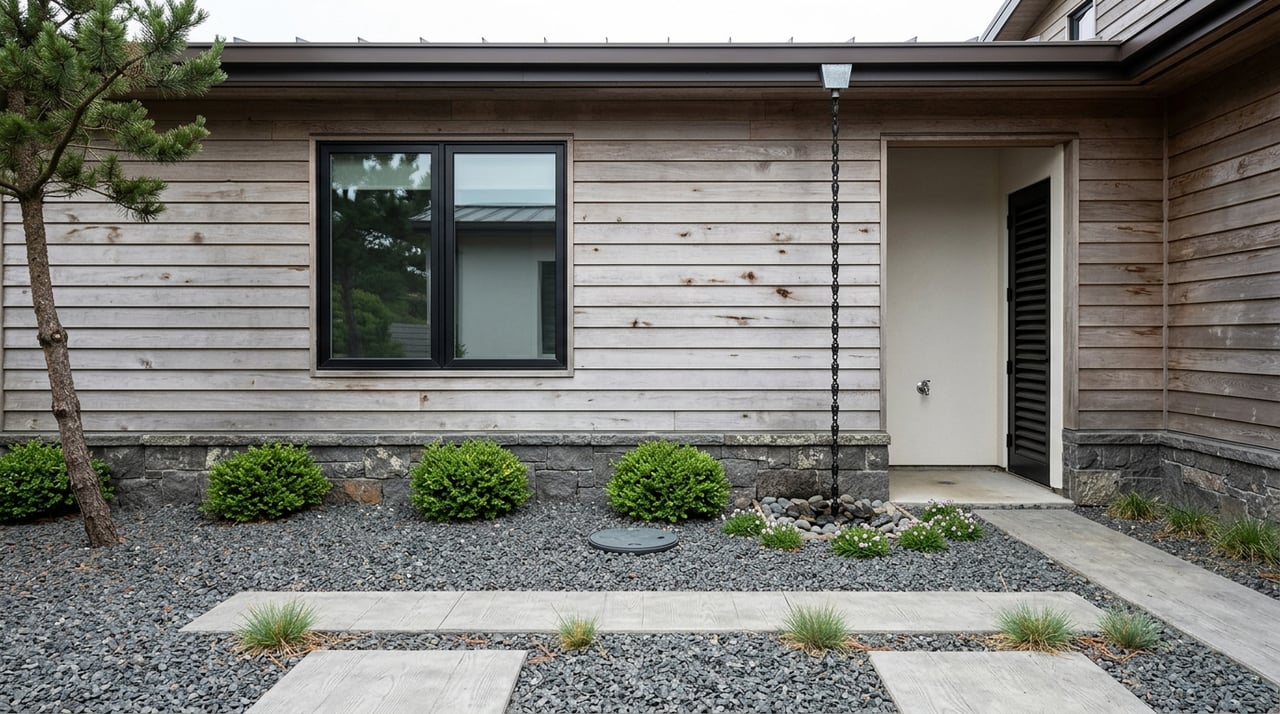
Bluff erosion and stormwater runoff can affect access, foundations, and septic areas in some locations. Inspect drainage paths and verify how stormwater is handled on and off the parcel. After major weather events, budget for tree removal, emergency repairs, and debris cleanup.
Wildfire defensible space
Sonoma County has substantial wildfire risk, and maintaining defensible space is an ongoing responsibility.
- Expect recurring brush clearing, pruning, and chipping, especially in spring and summer.
- Consider hardening projects like ember-resistant vents, noncombustible siding or roofing, and upgraded decks.
- If grants or inspections are available through local fire agencies, note timelines and requirements when planning work.
Insurance, taxes, and permits
Insurance
- Homeowners insurance in coastal, wildfire-prone areas can be costlier and may involve higher deductibles or home-hardening requirements. Confirm carrier availability and quotes before you waive contingencies.
- Flood insurance may be advisable or required by a lender depending on FEMA flood map status. Verify the parcel’s zone designation.
- Earthquake insurance is optional in California but common. Premiums and deductibles can be substantial, so weigh risk tolerance and coverage limits.
Taxes and assessments
- Property taxes follow Sonoma County practices. Under Proposition 13, assessed value generally resets at sale subject to annual caps, so ask the county for the parcel’s current assessed value and review any special assessments on the tax bill.
- Some local services, including water or fire, may be funded partly through parcel taxes that appear on the tax statement.
Regulatory compliance
- Sea Ranch is in the coastal zone. Many exterior projects require review for county and coastal compliance, which can extend timelines and add costs.
- Septic repairs and new systems must meet county health standards. Factor permitting, inspection, and potential system upgrades into project budgets.
Budgeting framework to use
Costs vary by parcel, exposure, and home design, but you can create a reliable framework to plan ahead.
Recurring annual categories
- Association assessments and any routine community fees
- Utilities, including electricity, water, trash, broadband, and propane or backup fuel
- Insurance premiums, including wildfire endorsements, and flood or earthquake if chosen
- Property taxes and any special parcel assessments
- Routine maintenance contracts for landscaping, brush management, pest control, and septic pumping as needed
Periodic multi-year planning
- Roof replacement and exterior siding replacement or restaining
- Deck and railing replacement
- Septic system replacement or major repairs when needed
- Larger storm or erosion remediation projects
Occasional or one-time costs
- Special association assessments for roads, drainage, erosion, or other capital needs
- Wildfire hardening projects such as vents, roofing, or deck upgrades
- Major coastal erosion mitigation or structural repairs after severe weather
Due diligence checklist for buyers
Documents to request
- Association CC&Rs, bylaws, recent meeting minutes, current budget, reserve study, and audited financials
- Seller disclosures, including maintenance records, insurance claim history, and recent work on roofs, decks, and siding
- Utility records, including recent electric, water, and trash bills, plus confirmation of water source and septic documentation
- Insurance quotes for the property, including wildfire and flood options when relevant
- Permit records for any significant remodels to confirm final sign-offs
Inspections to schedule
- General home inspection with attention to corrosion, water intrusion, and coastal wear
- Specialist inspections for septic, roof, and drainage or erosion, plus a defensible-space evaluation for wildfire risk
- Association financial review, including a direct conversation with management about pending capital projects or assessments
Key questions to ask
- Has the property had wildfire-related repairs, bluff or erosion work, or storm damage?
- Are any special assessments pending or under discussion?
- Who supplies potable water, how are rates billed, and are there connection or capital fees?
- Who maintains the adjacent road and drainage features near the parcel?
- Are there known restrictions or review timelines for exterior changes under the architectural process?
Tips for second-home owners
If you will not be onsite full-time, a little planning goes a long way.
- Line up seasonal services early, including brush clearing and deck maintenance, to avoid seasonal backlogs.
- Set reminders for exterior stain or seal cycles, roof checks, and septic pumping intervals.
- If power reliability is important, evaluate generator or battery options and confirm propane capacity if applicable.
- Keep a simple property log that tracks inspections, maintenance, and invoices. It helps with resale and insurance.
Work with a local guide
Owning at Sea Ranch is rewarding, and it is also different from owning inland. Clear due diligence, realistic maintenance planning, and local vendor connections will help you enjoy the coast with confidence. If you would like help deciphering association documents, lining up inspections, or benchmarking insurance and utility considerations for a specific home, reach out to our team at Kennedy & Associates Real Estate. We live and work on this coastline and can connect you with the right resources at each step.
FAQs
How do HOA dues work at Sea Ranch?
- Association dues support common-area maintenance, road standards in certain areas, design review, and administration. Amounts vary by property, so request the current fee schedule, budget, and reserve study during due diligence.
Are utilities included in Sea Ranch HOA dues?
- Utilities are generally billed separately. Electricity, water, trash, and broadband are typically paid by the owner, although water arrangements can vary by parcel, so verify for the specific property.
Do Sea Ranch homes use septic systems?
- Many coastal homes rely on on-site septic. Review inspection and pumping records, schedule a current inspection, and budget for routine pumping every 3 to 5 years plus eventual replacement.
Will I need wildfire or flood insurance at Sea Ranch?
- Wildfire coverage is a major consideration in Sonoma County, and flood insurance may be required if the parcel lies in a mapped flood zone. Obtain quotes early and confirm carrier availability and coverage terms.
How does the coast affect maintenance at Sea Ranch?
- Salt, fog, and wind accelerate corrosion and weathering. Expect more frequent staining or sealing of wood, closer roof monitoring, regular deck care, and attention to hardware, glazing, and drainage.
Can the association levy special assessments at Sea Ranch?
- Yes, special assessments can occur for items such as roads, drainage, or erosion work. Review meeting minutes, reserve studies, and financials to gauge potential exposure before you purchase.