If you have ever wondered why Sea Ranch feels so different from other coastal communities, the answer is not just the ocean views. It is the careful relationship between architecture, land, and shared open space. When you understand how design works here, you can better appreciate what ownership means and what makes this stretch of Sonoma Coast so distinctive. Let’s dive in.
Why Sea Ranch Feels Different
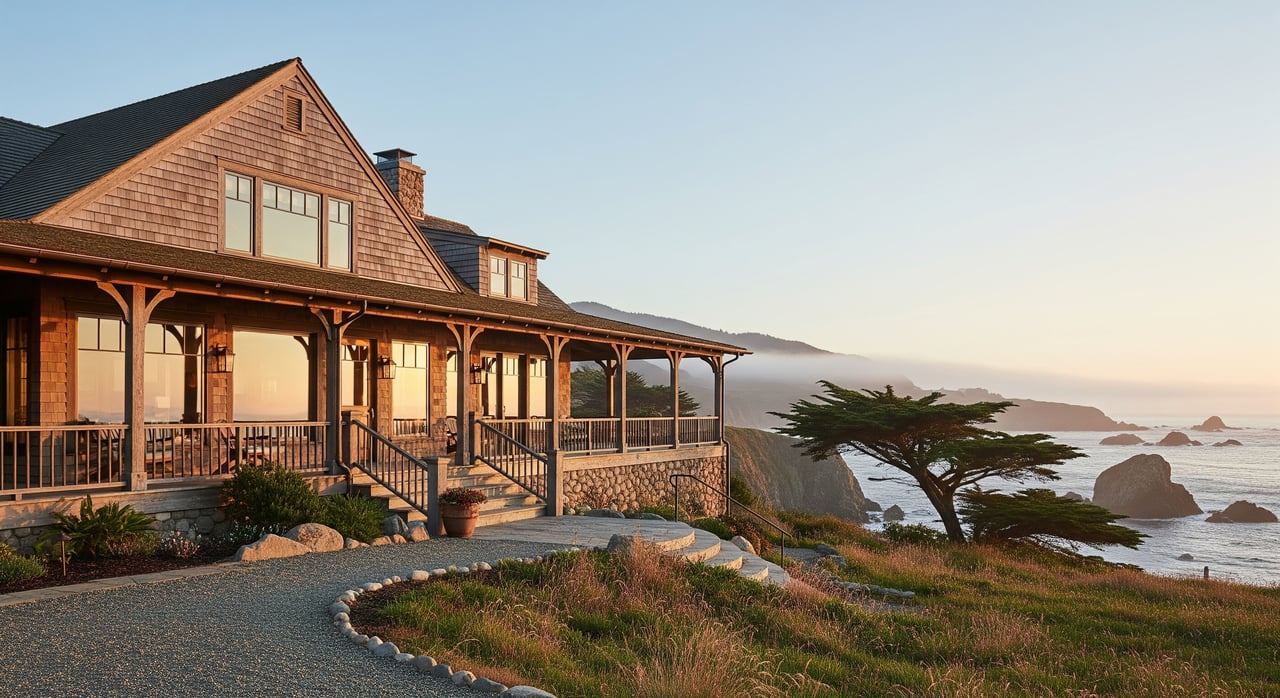
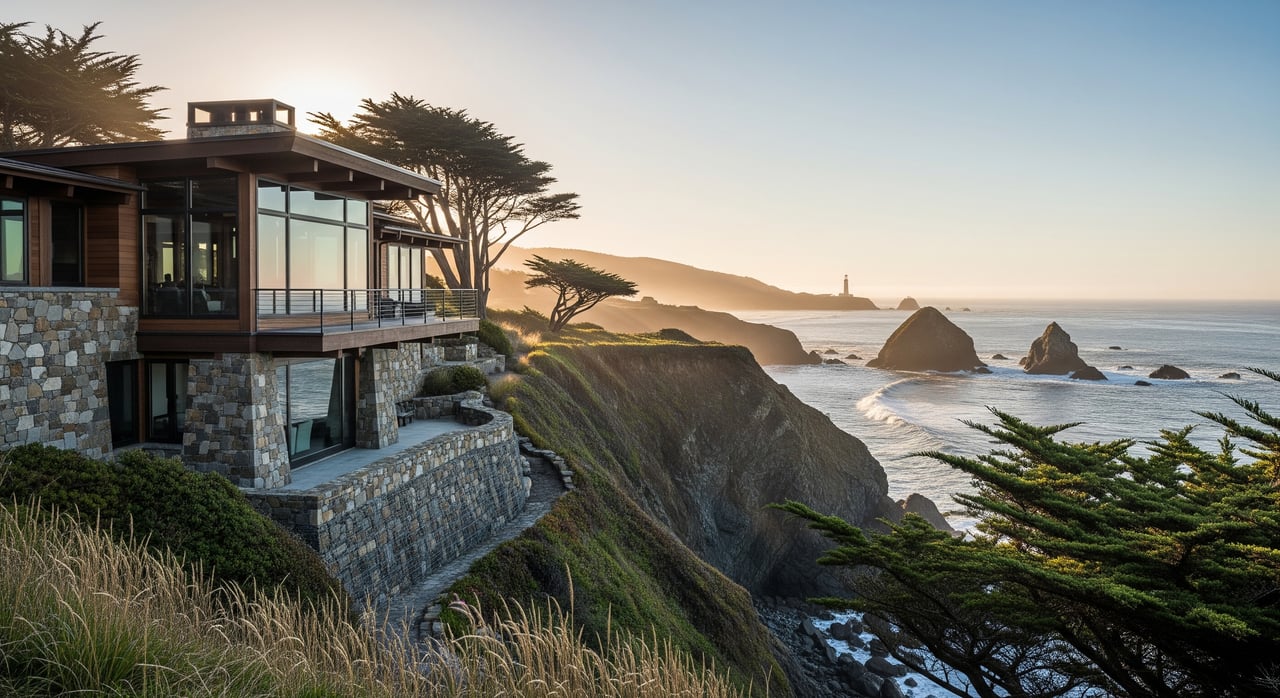
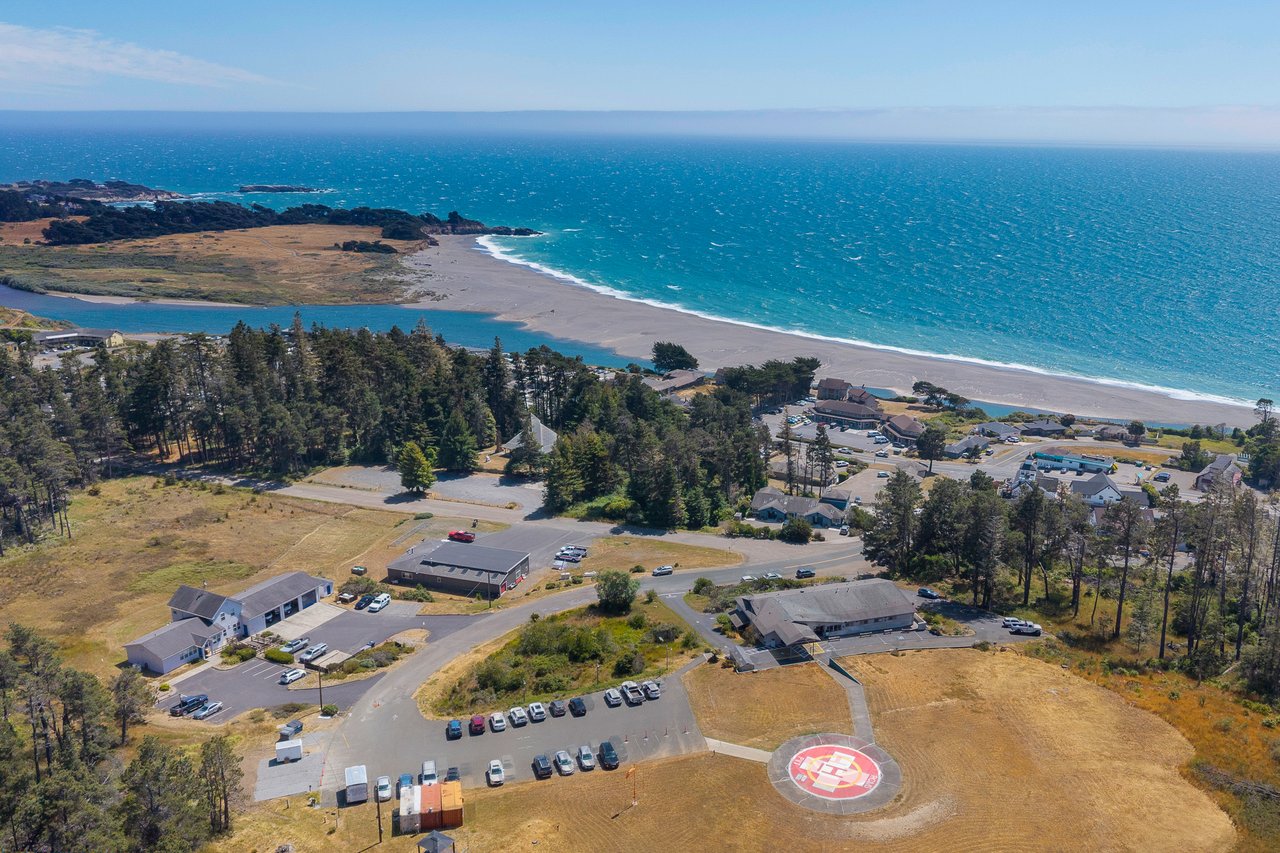
Sea Ranch began in the mid-1960s on a 10-mile stretch of former sheep ranch along the Sonoma County coast. From the start, the vision was clear: buildings should fit the land rather than compete with it. That founding idea still shapes the community today.
The Sea Ranch Association describes the area as internationally known for its architecture, land planning, and community stewardship. That reputation comes from a long-standing commitment to restraint. Instead of treating each home as a separate statement, Sea Ranch emphasizes a cohesive landscape where homes, trails, and commons work together.
Architecture Rooted in the Landscape
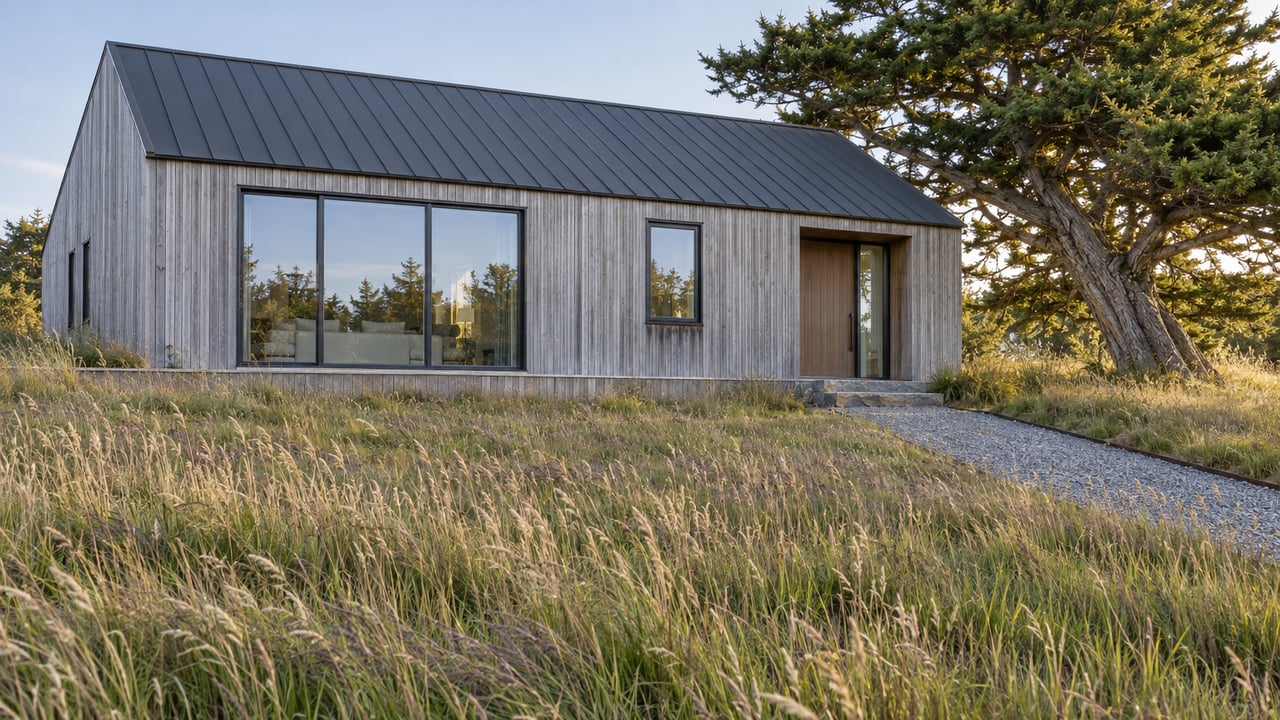
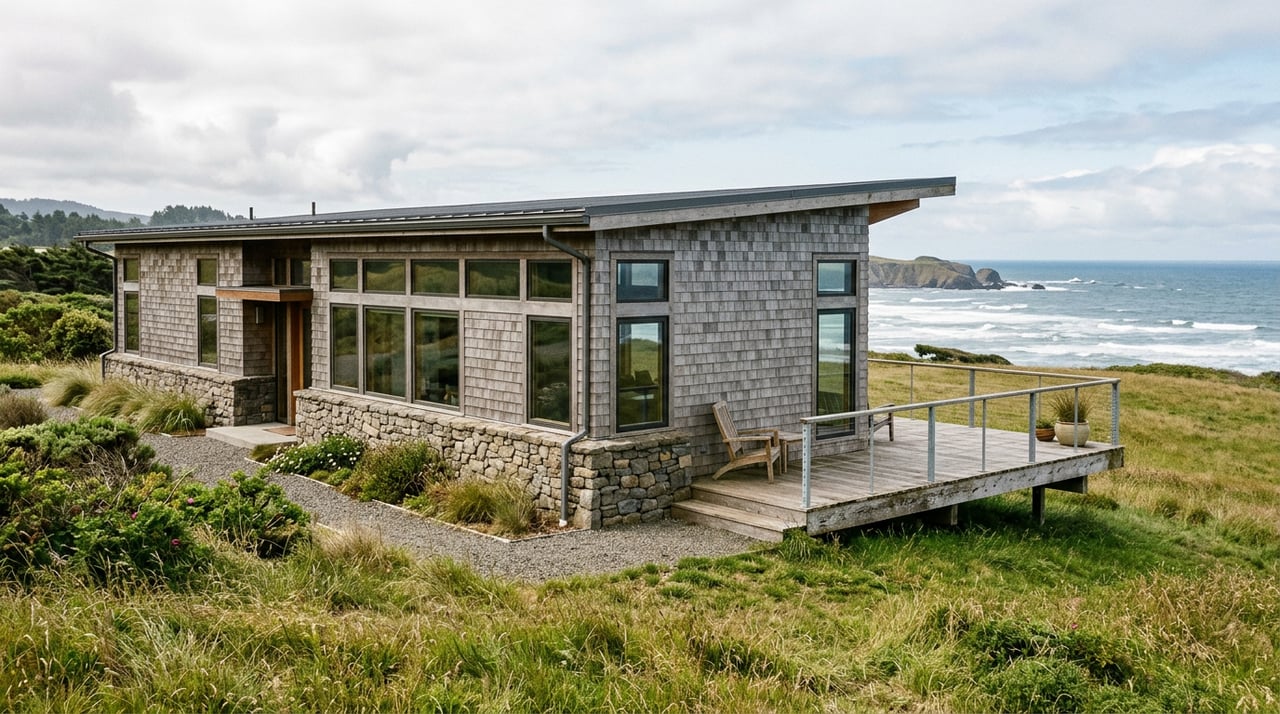
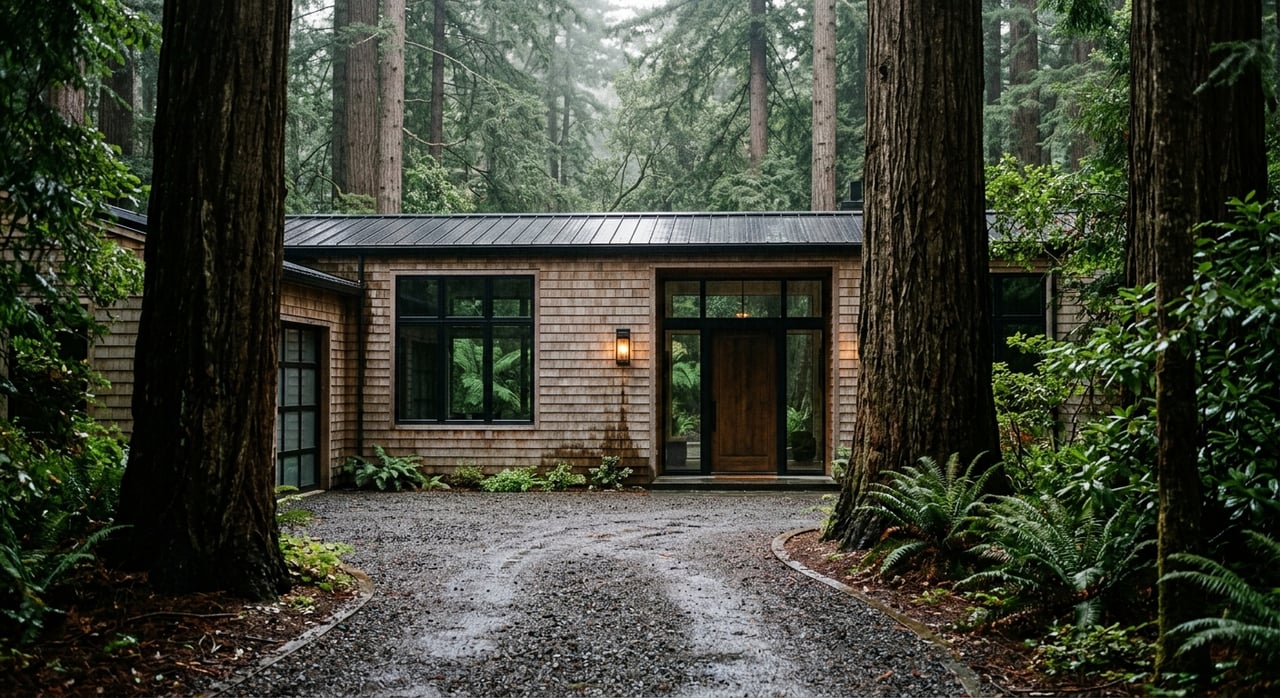
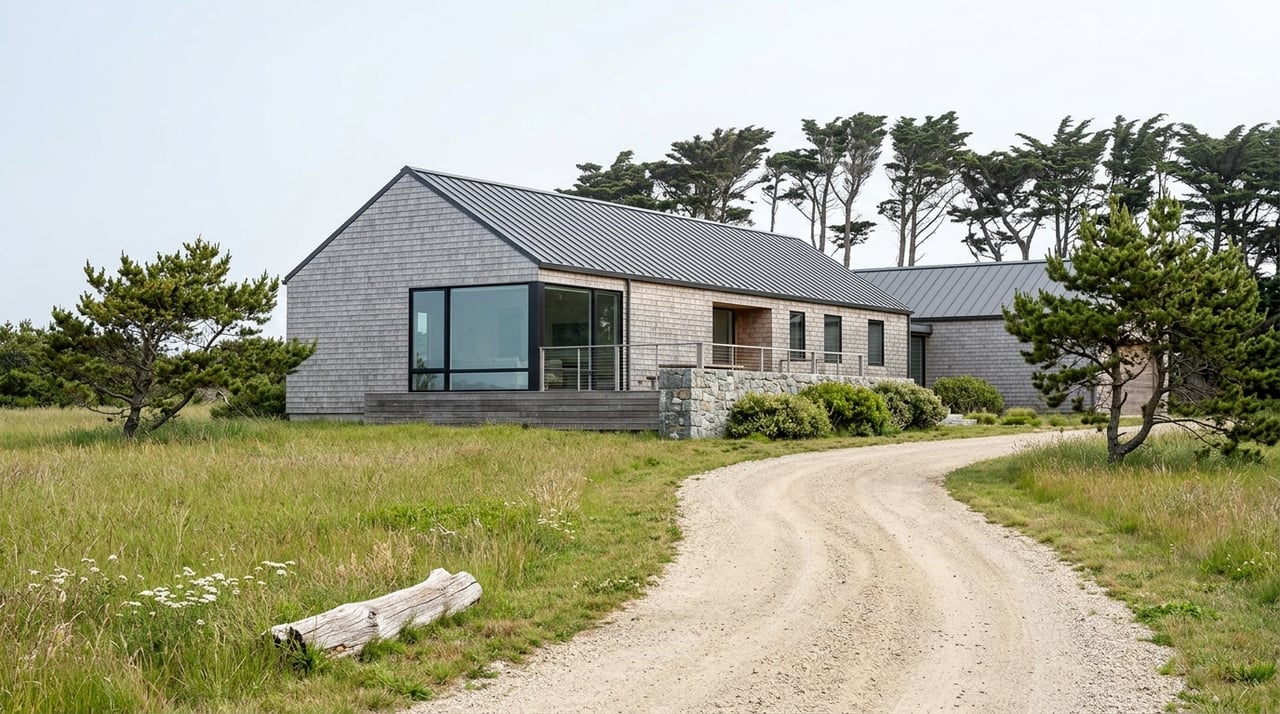
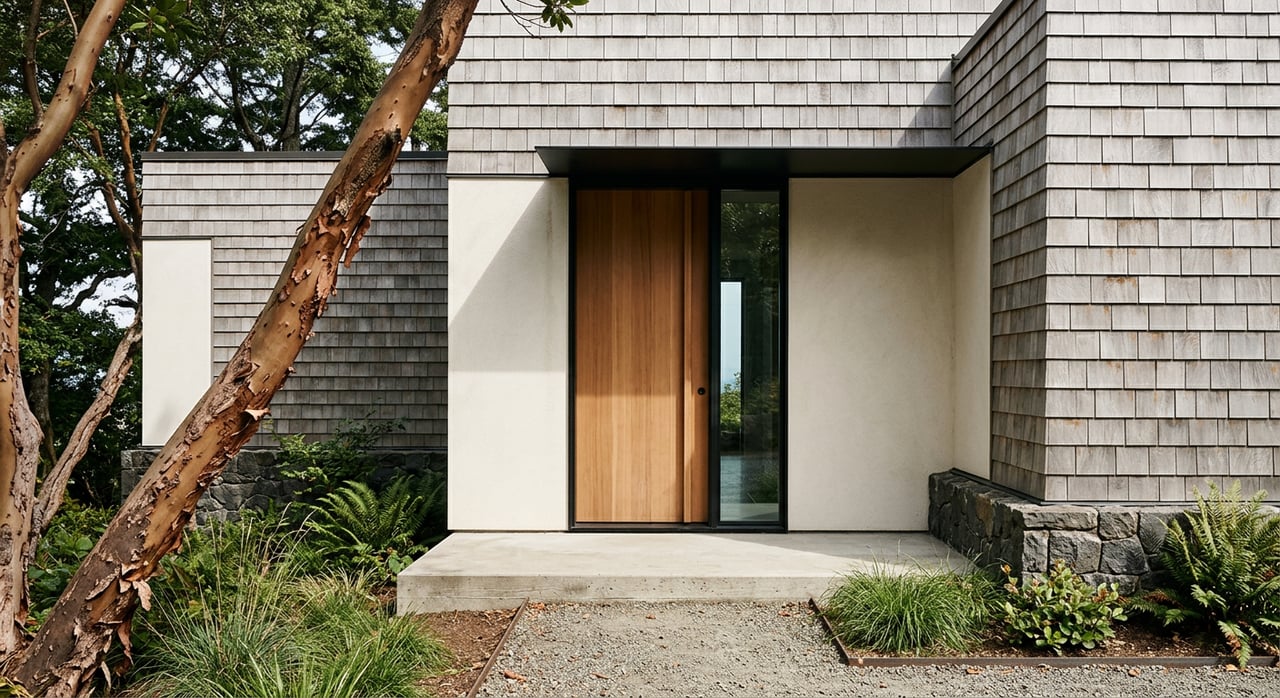
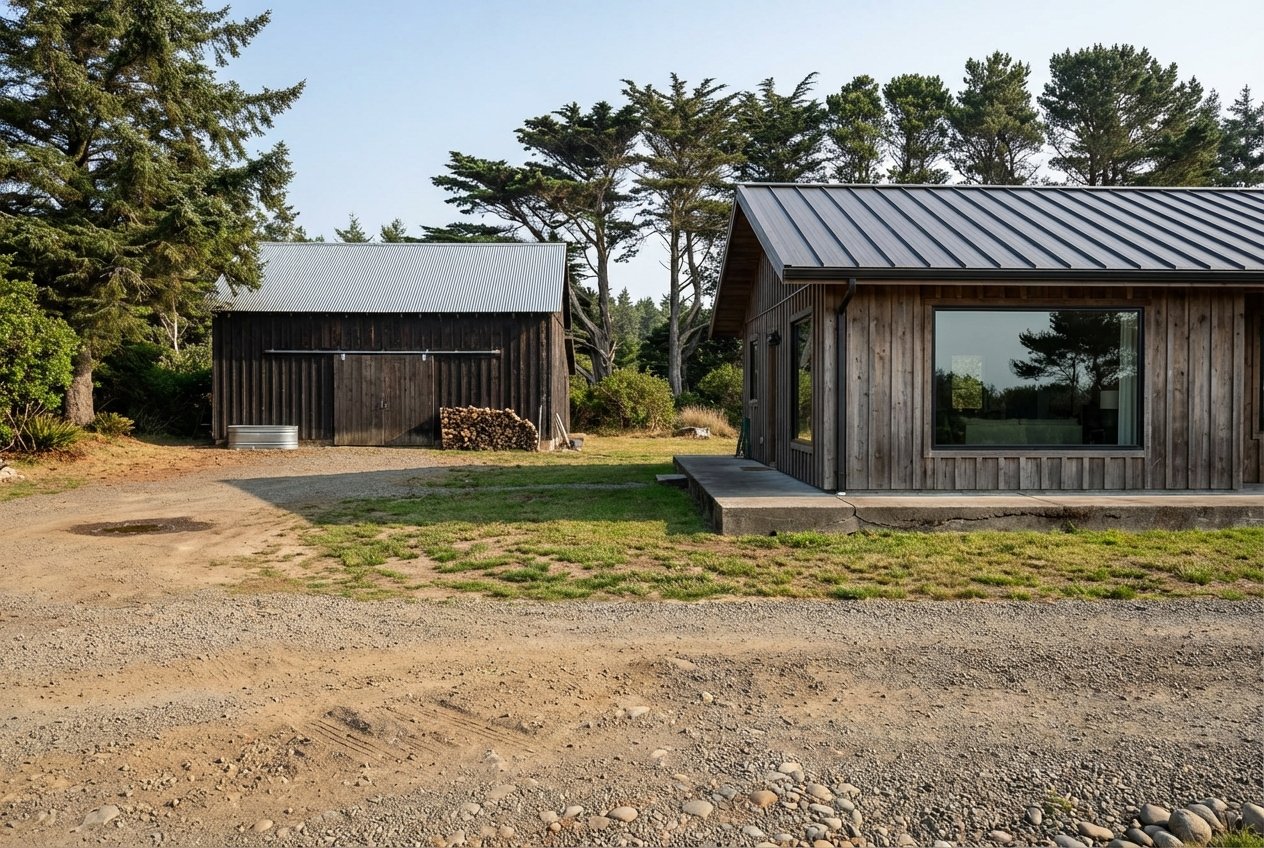
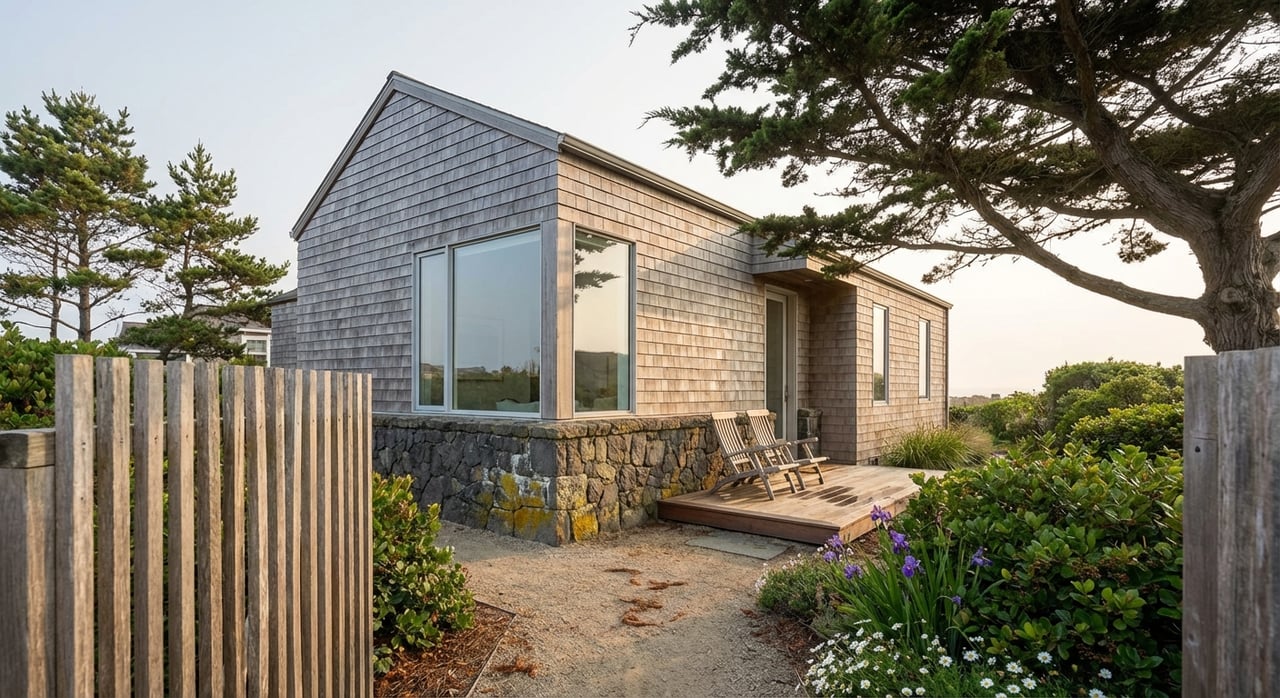
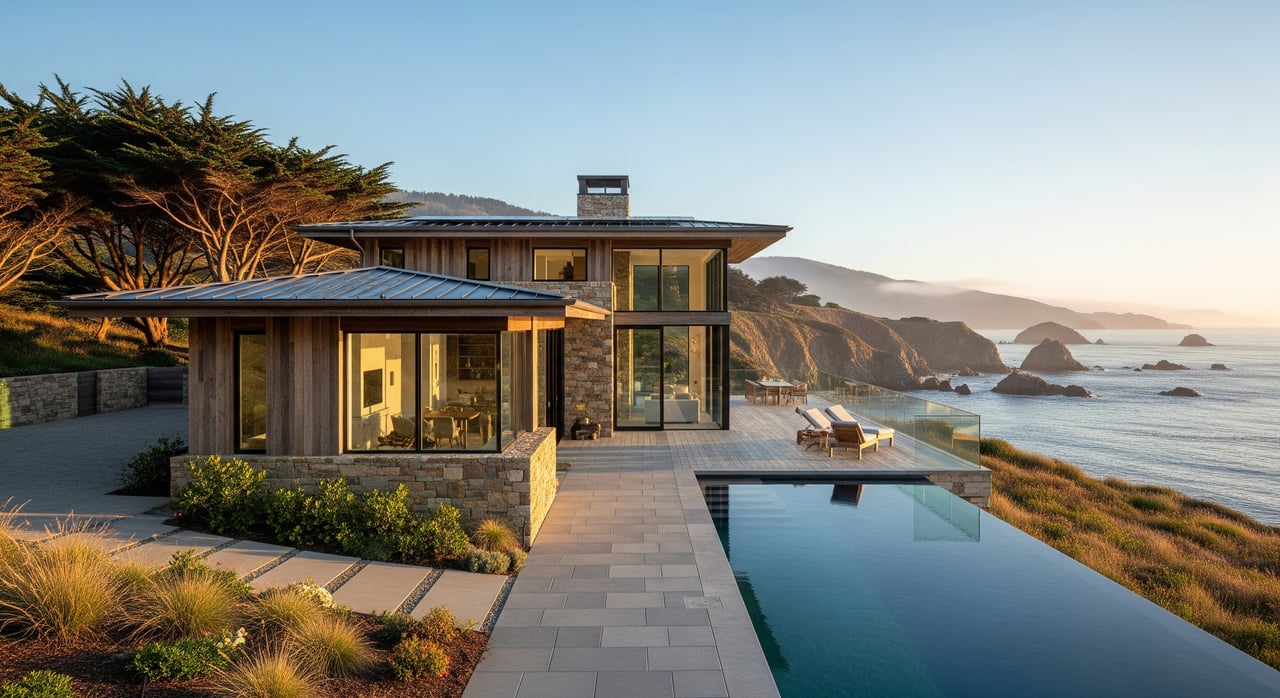
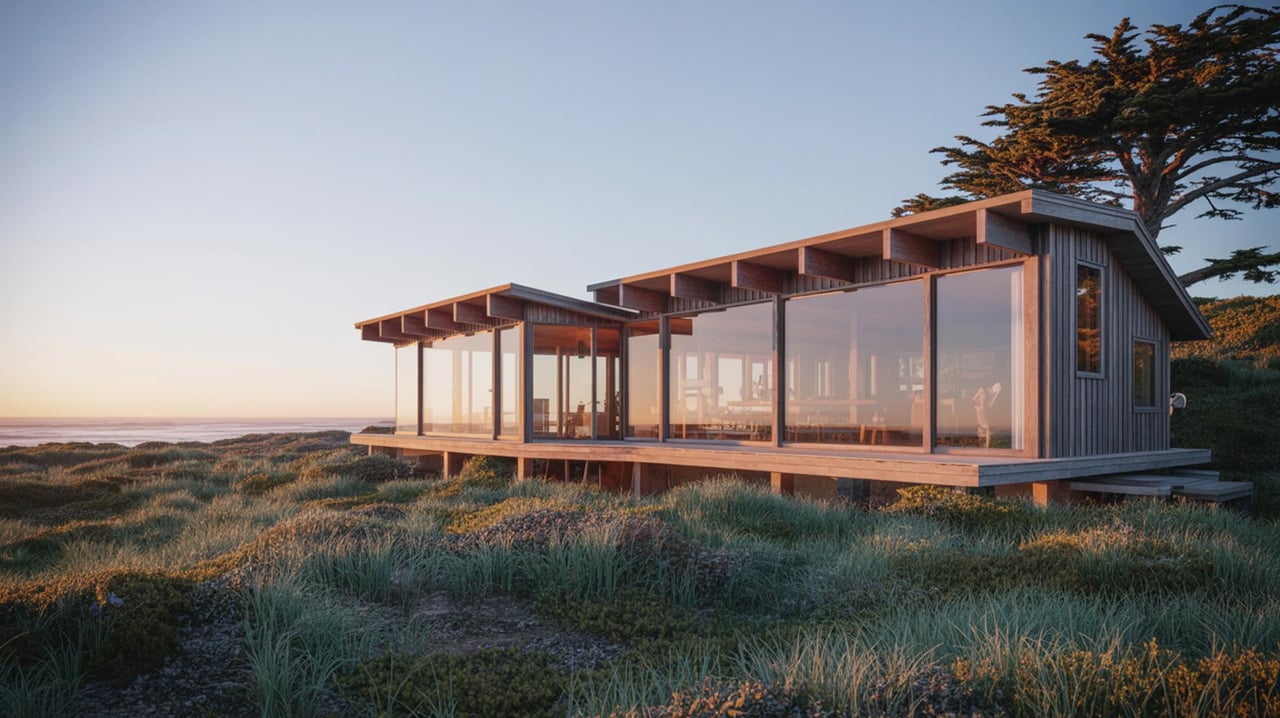
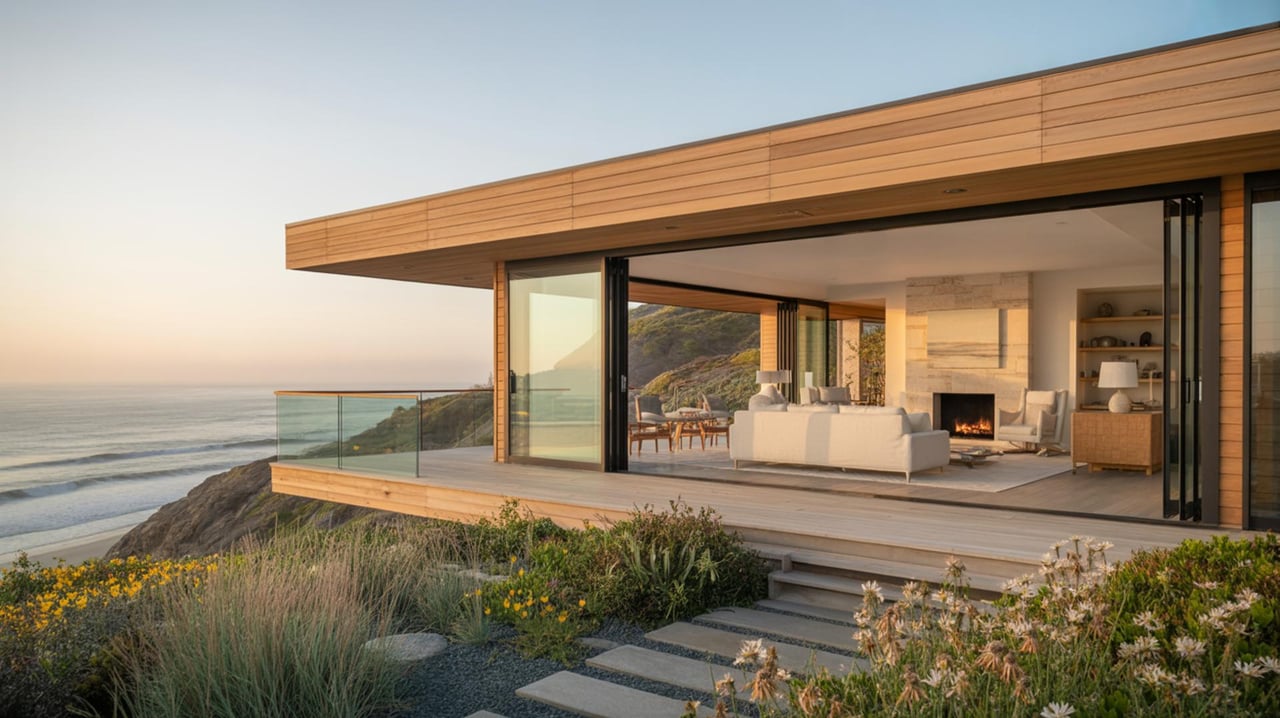
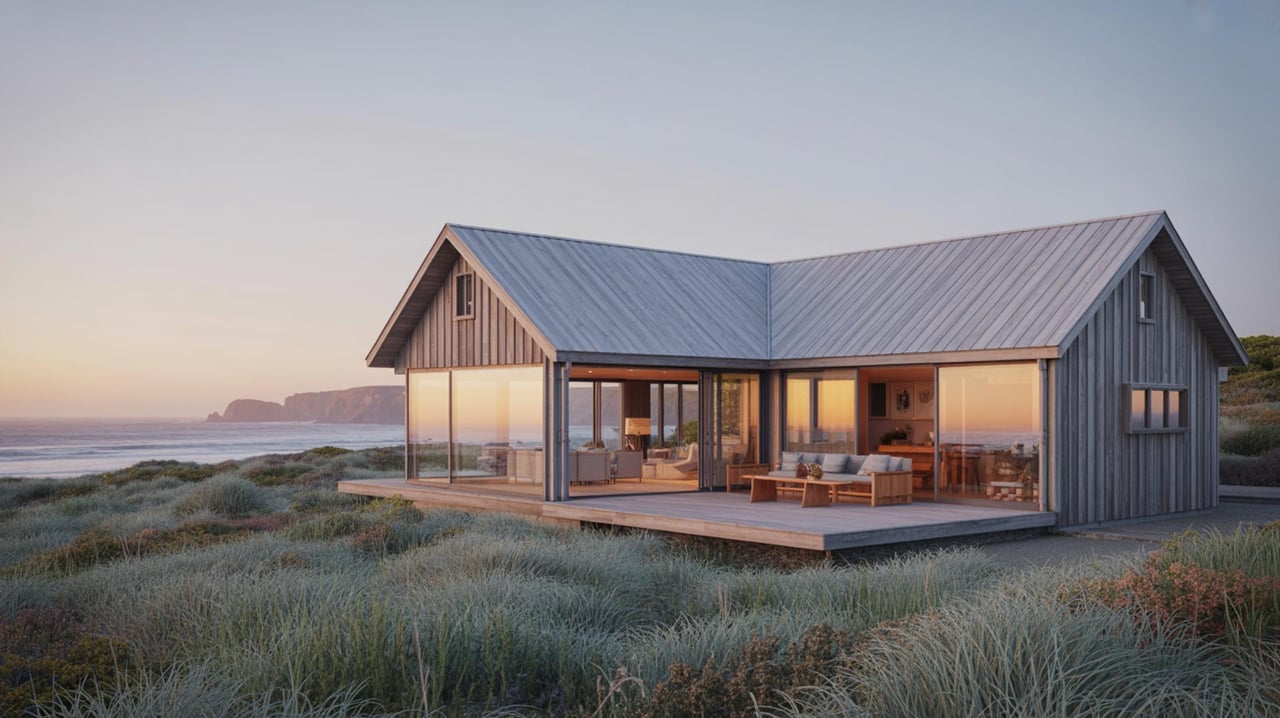
The early planning and design work by Lawrence Halprin and Bay Area architects such as MLTW and Joseph Esherick established the language people now associate with Sea Ranch. Their approach drew inspiration from the North Coast’s barns, sheds, and other agricultural buildings. The result is architecture that feels simple, durable, and grounded.
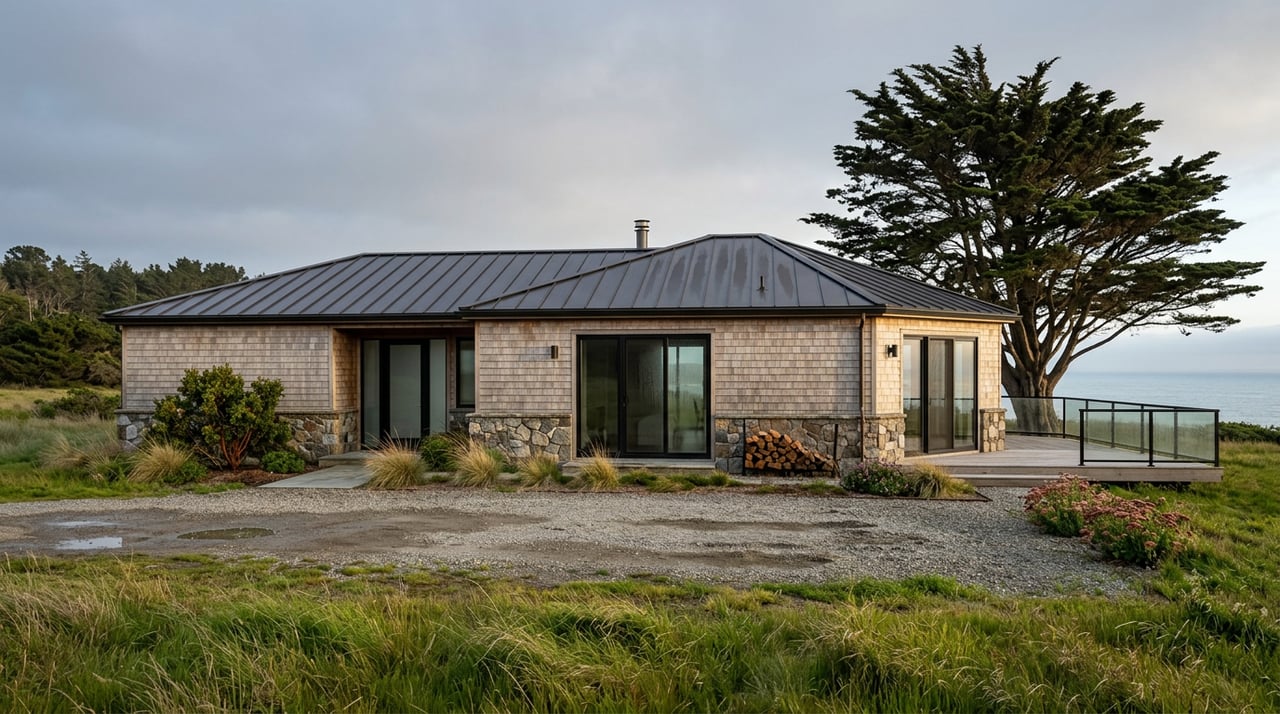
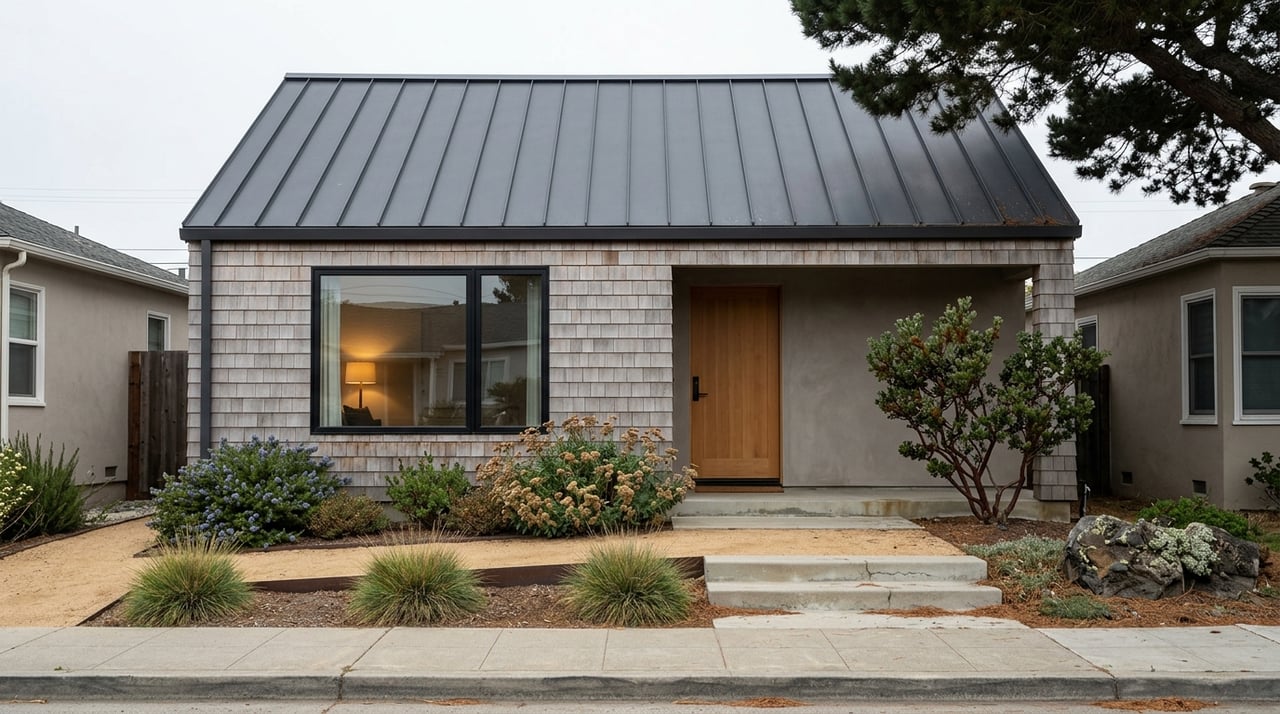
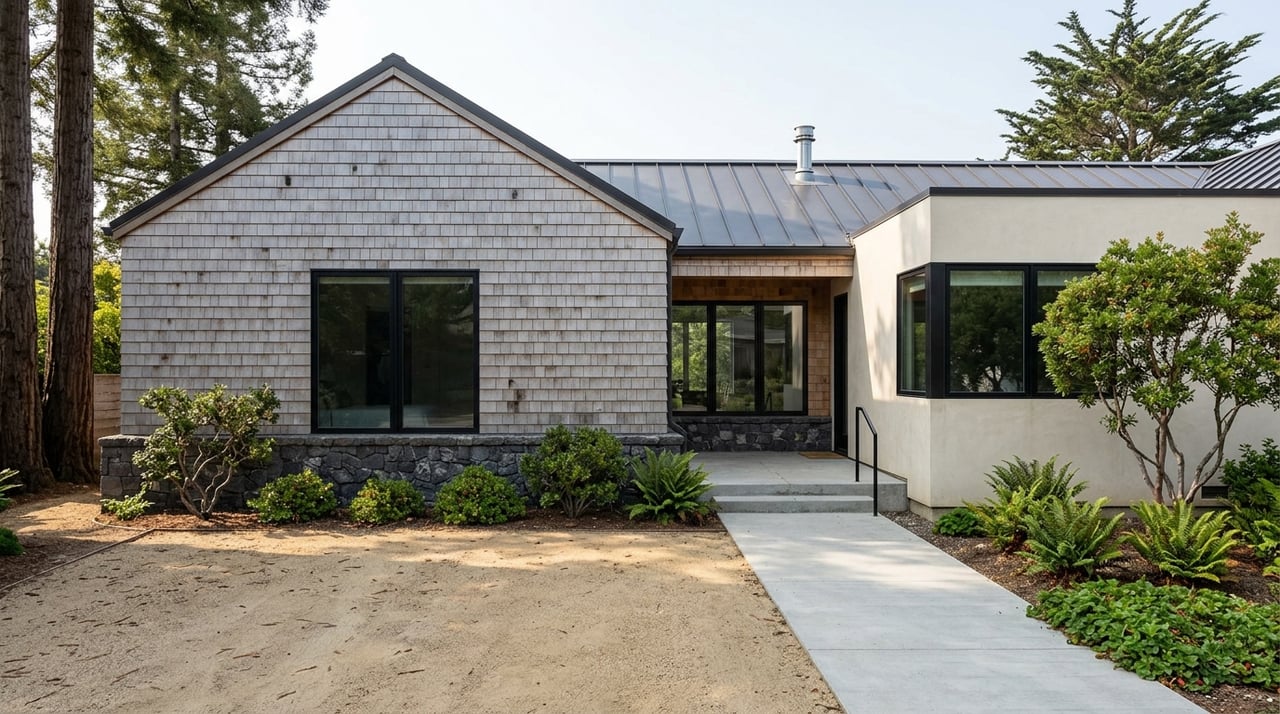
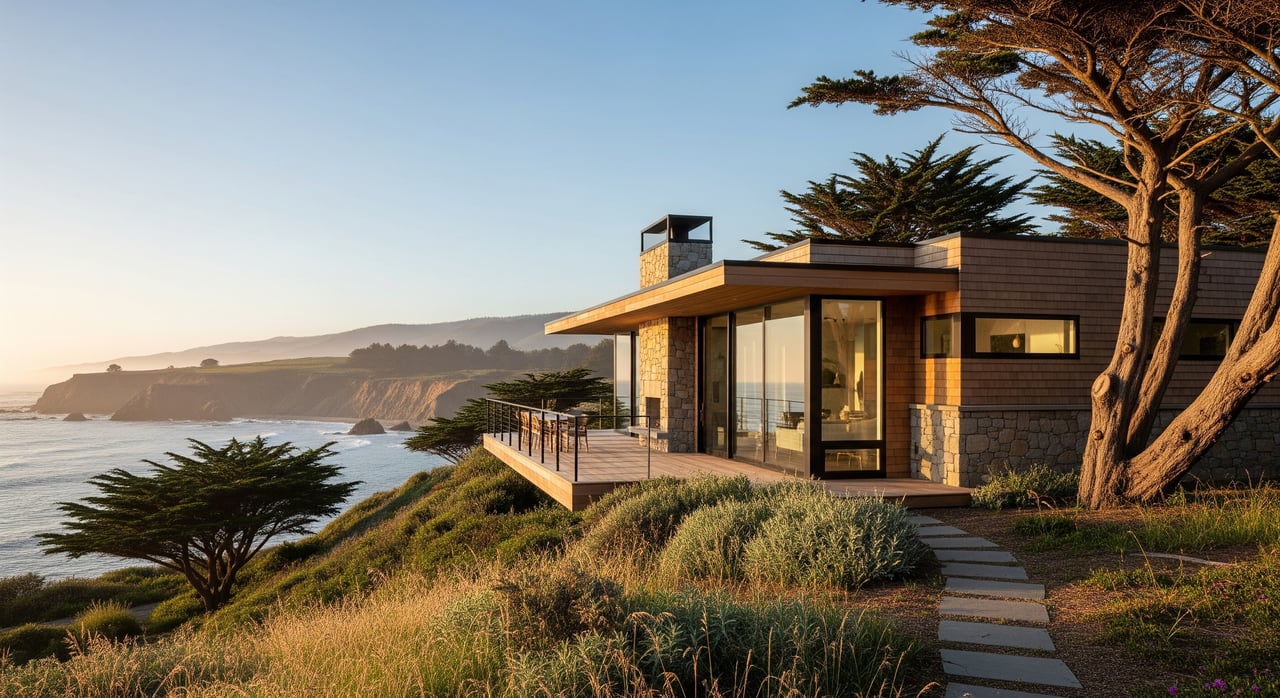
You will often see compact forms, straightforward volumes, and low or broken-up massing. These choices help reduce visual clutter and respond to the strong coastal environment. In Sea Ranch, the goal is not ornament for its own sake. The goal is fit.
Forms That Respond to Climate
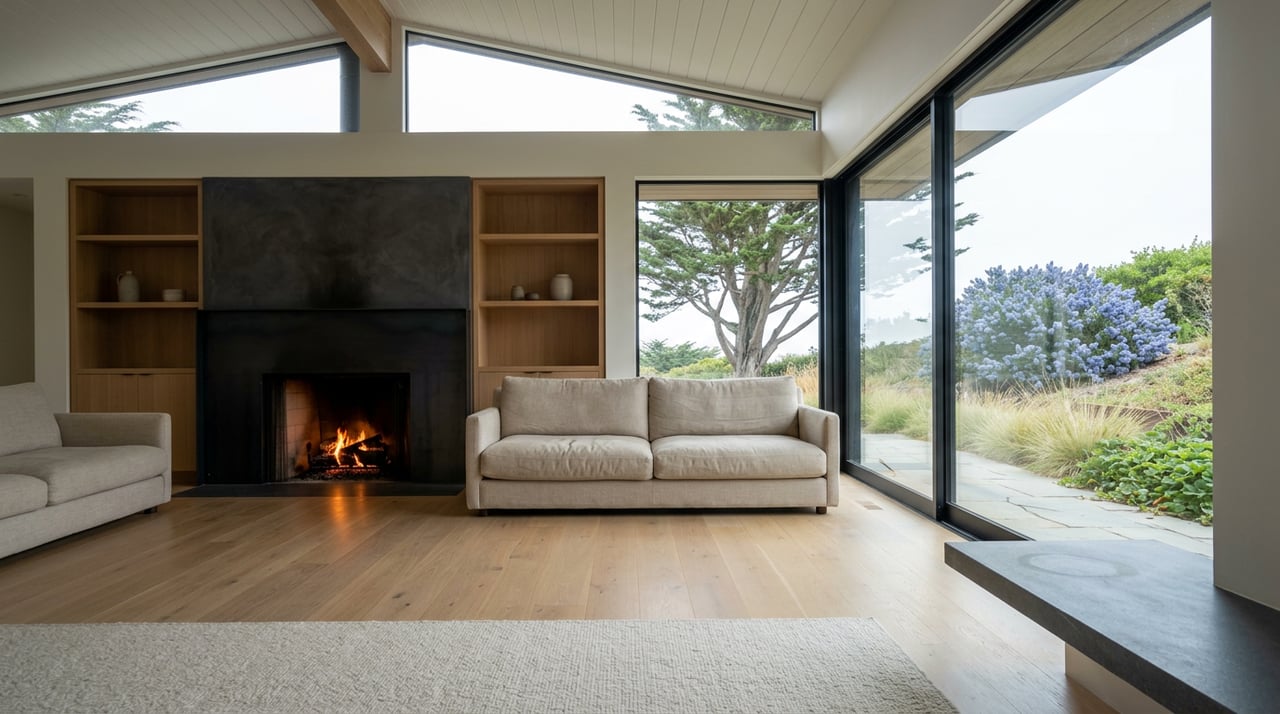
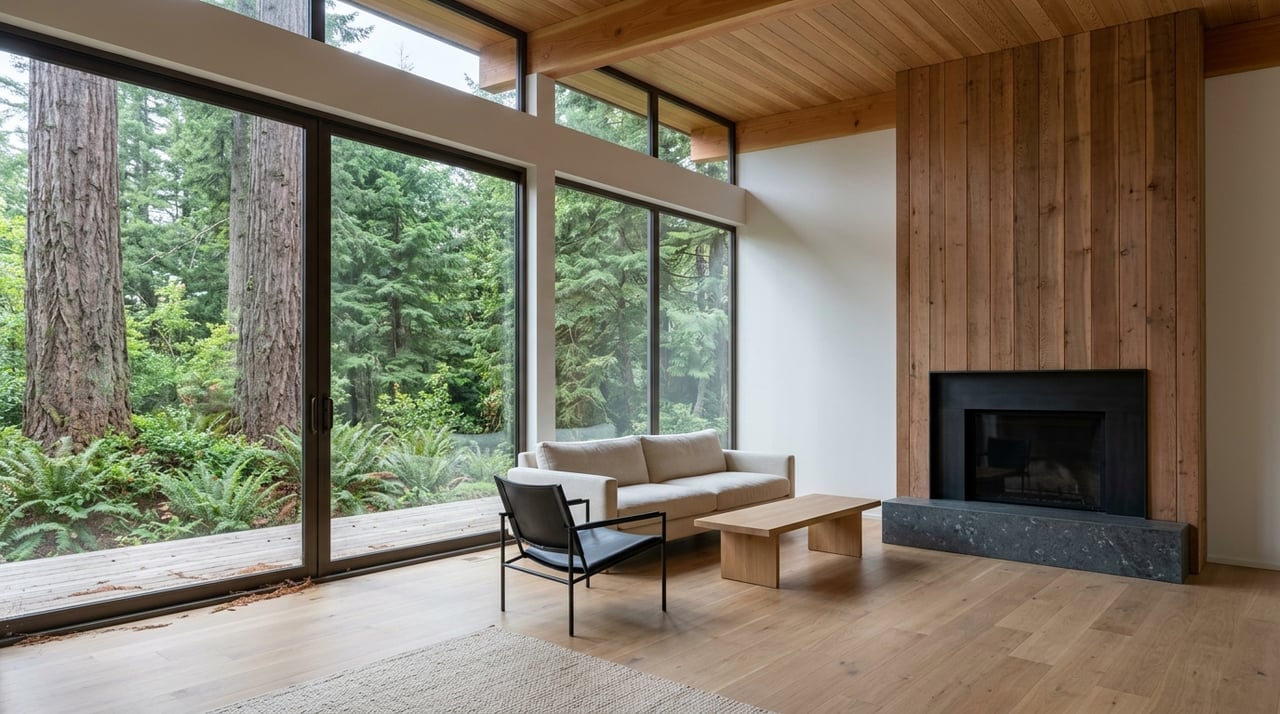
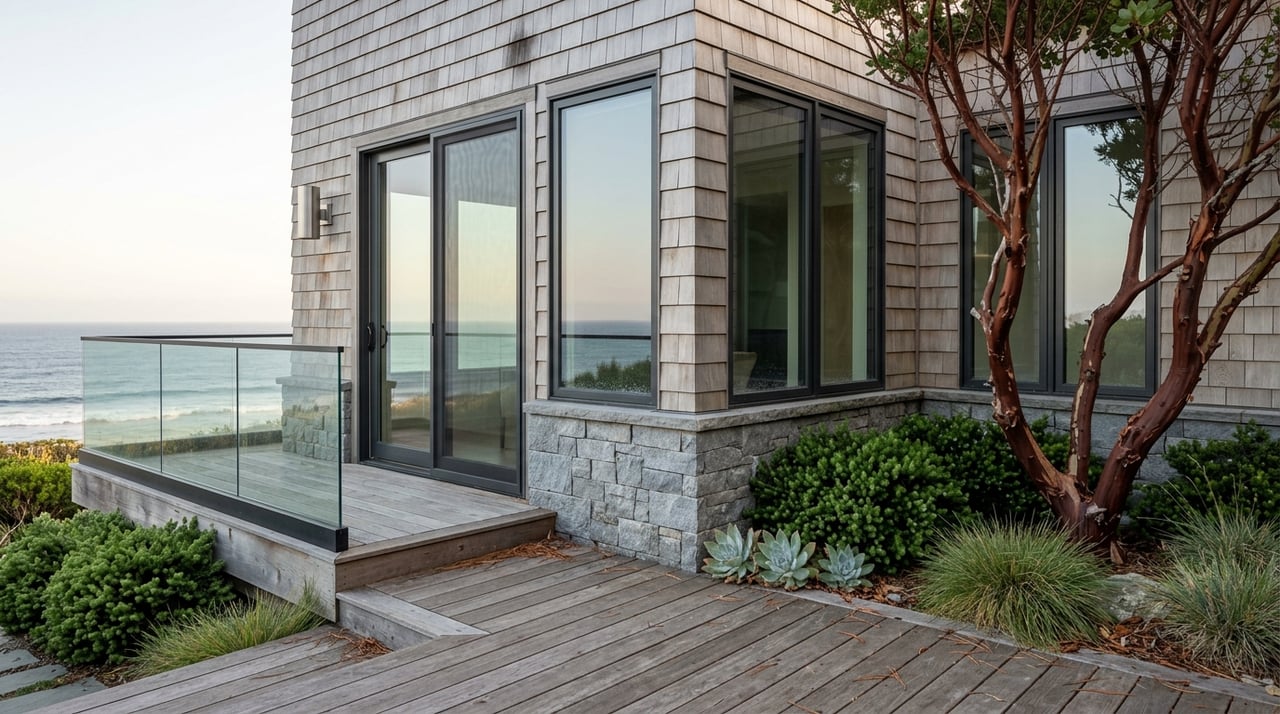
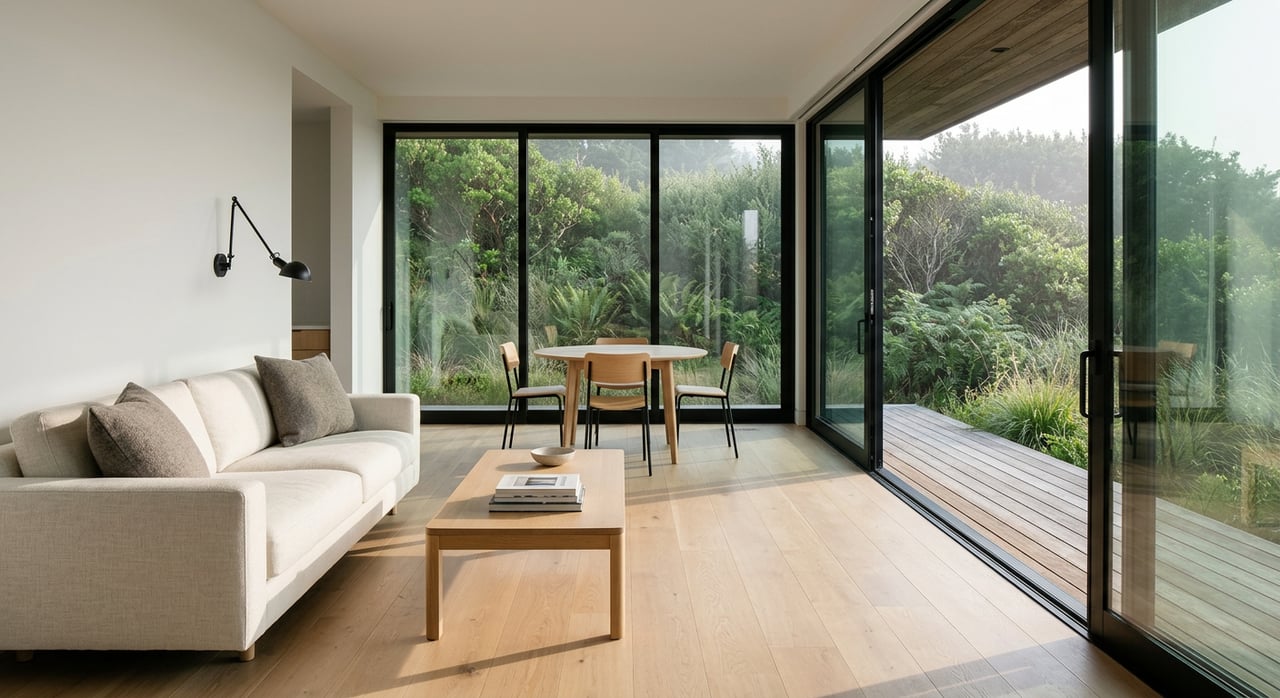
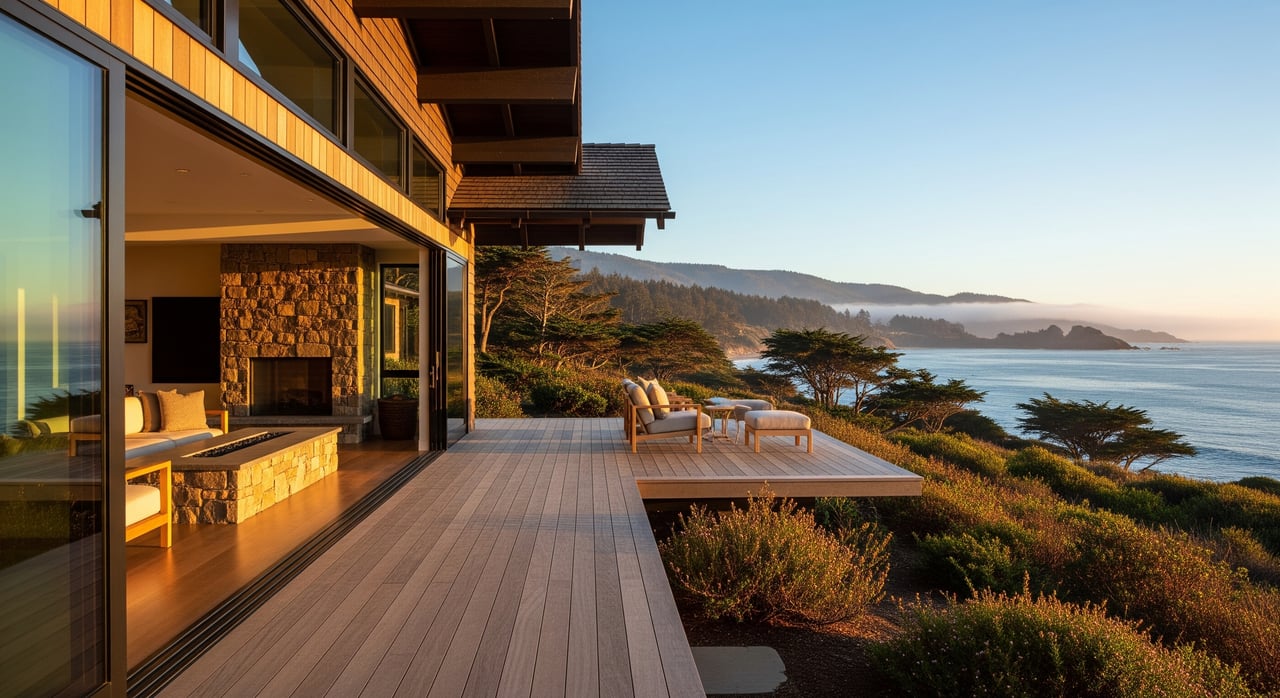
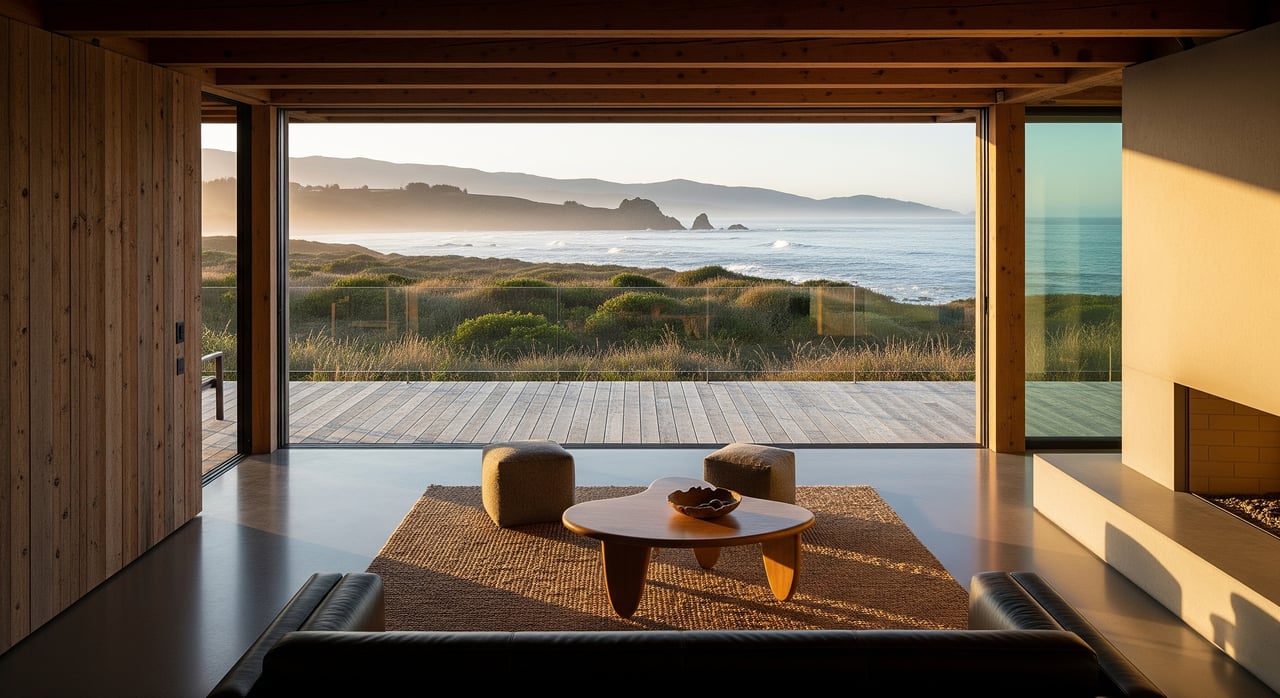
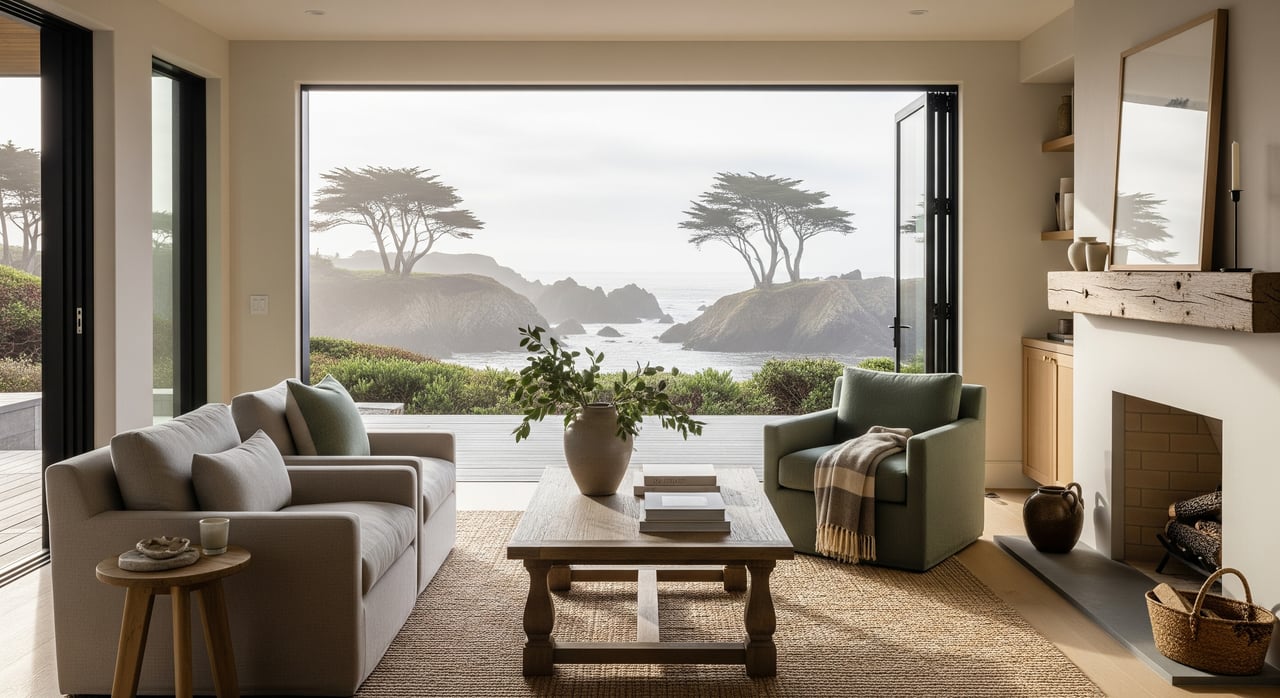
At Sea Ranch, weather is part of the design process. Wind, fog, rain, and changing light all affect how a house sits on its site and how it feels to live in. South light is especially useful, while west-facing glass requires care because of glare and heat.
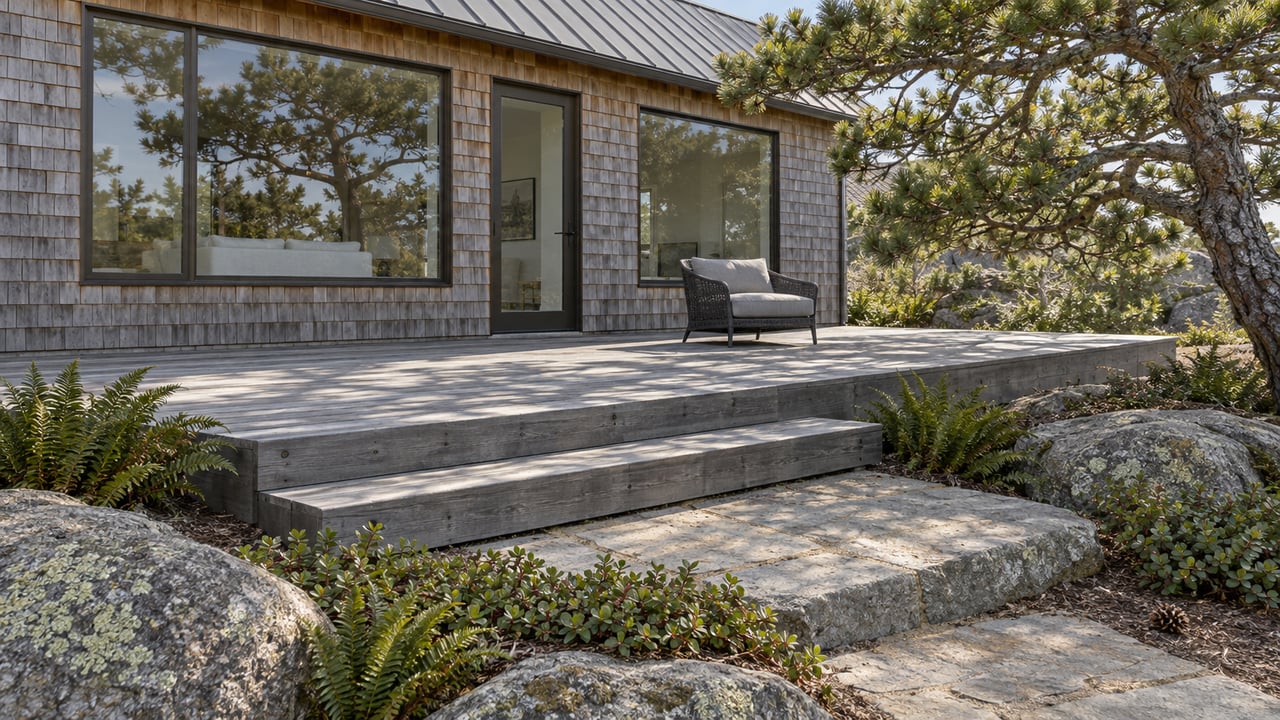
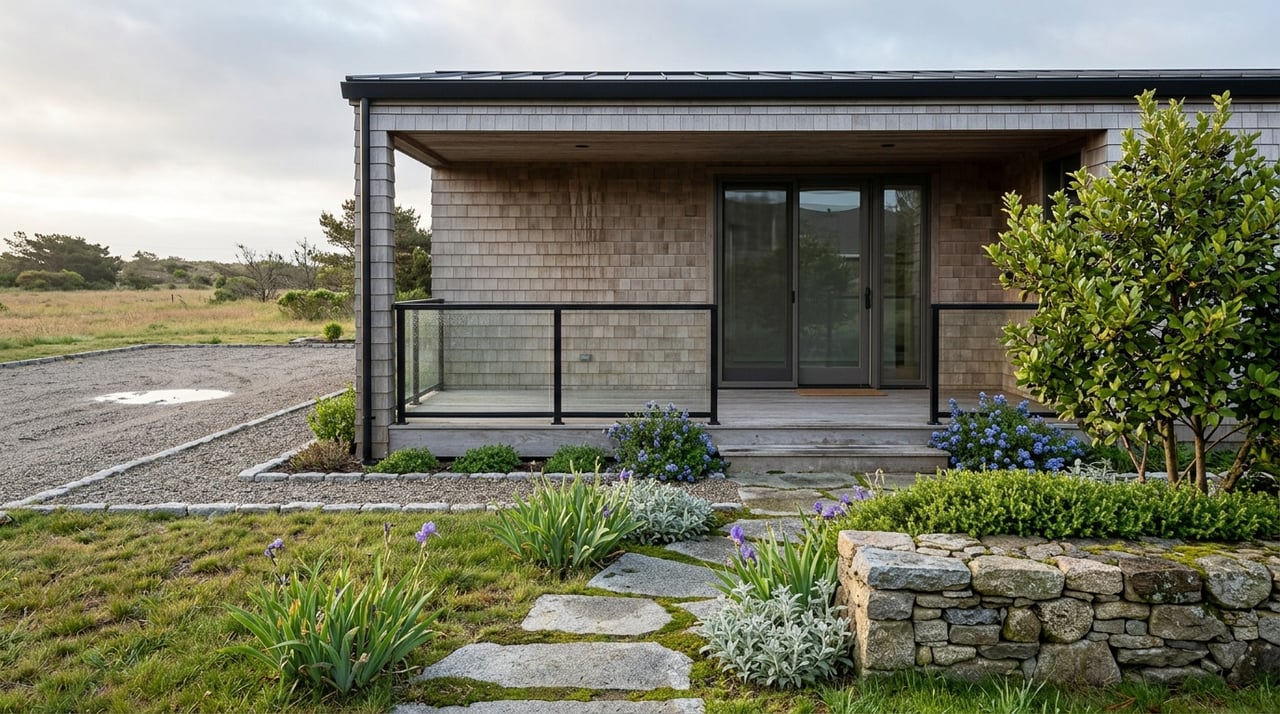
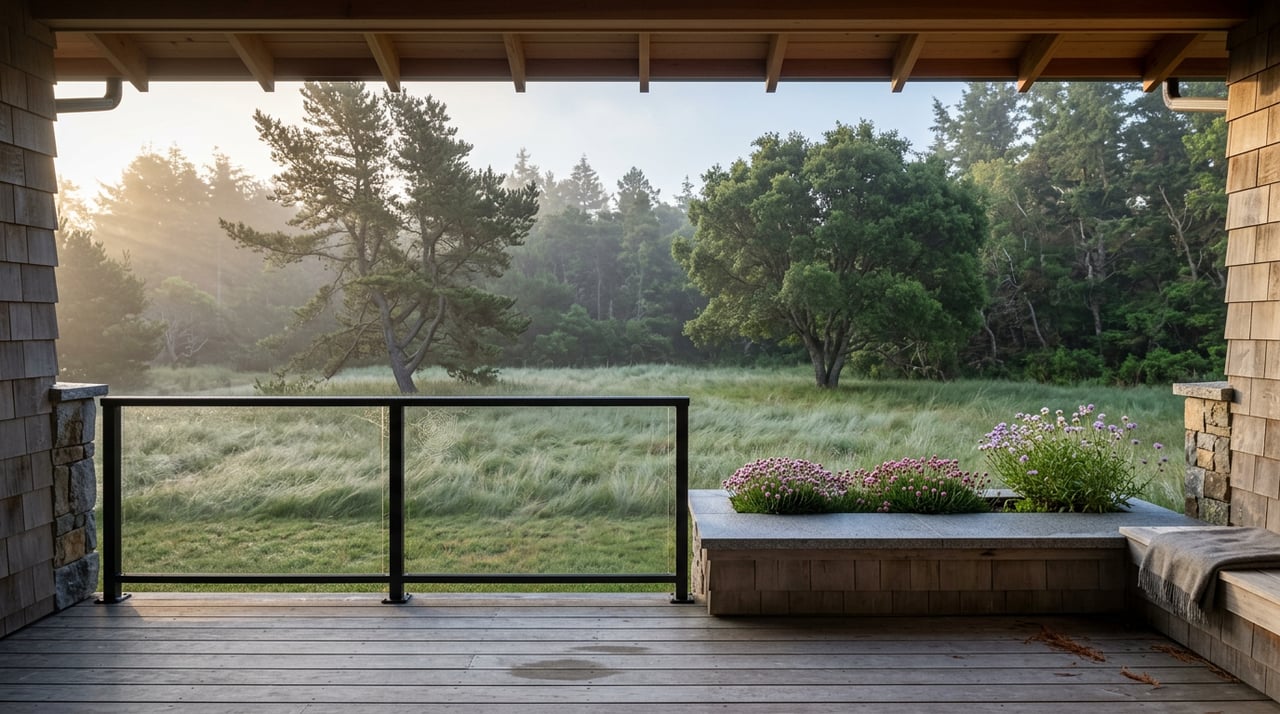
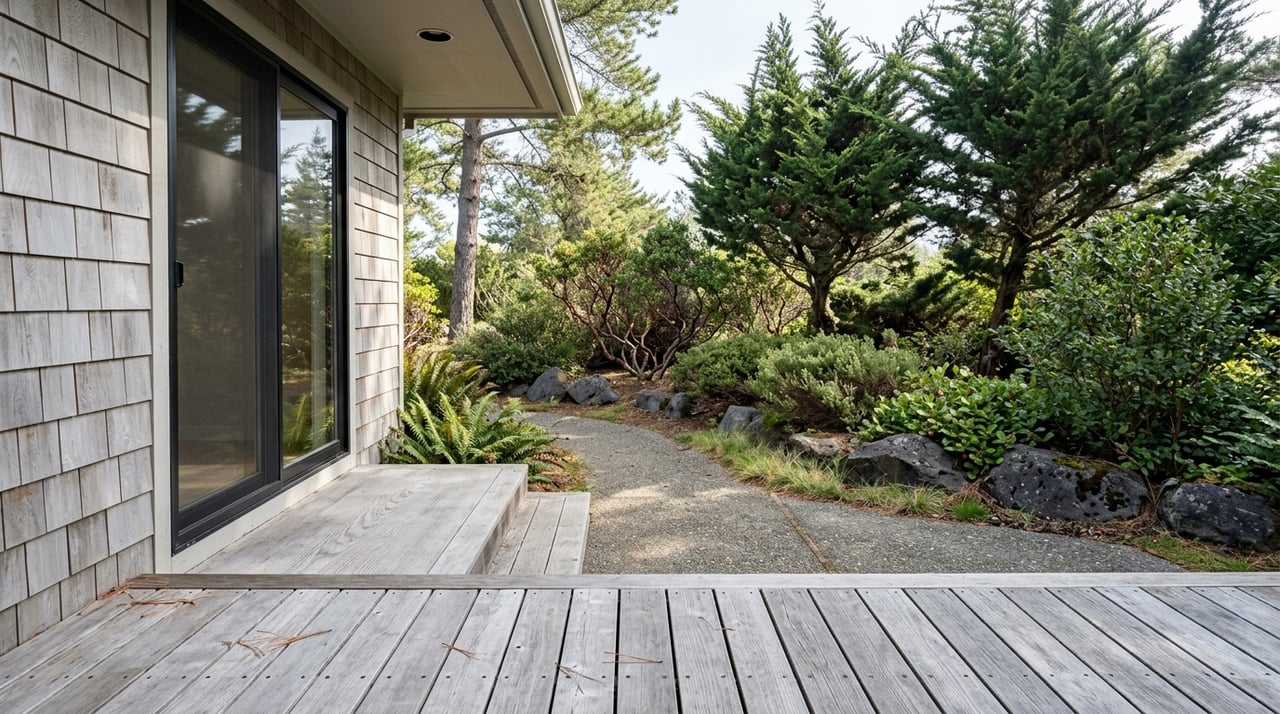
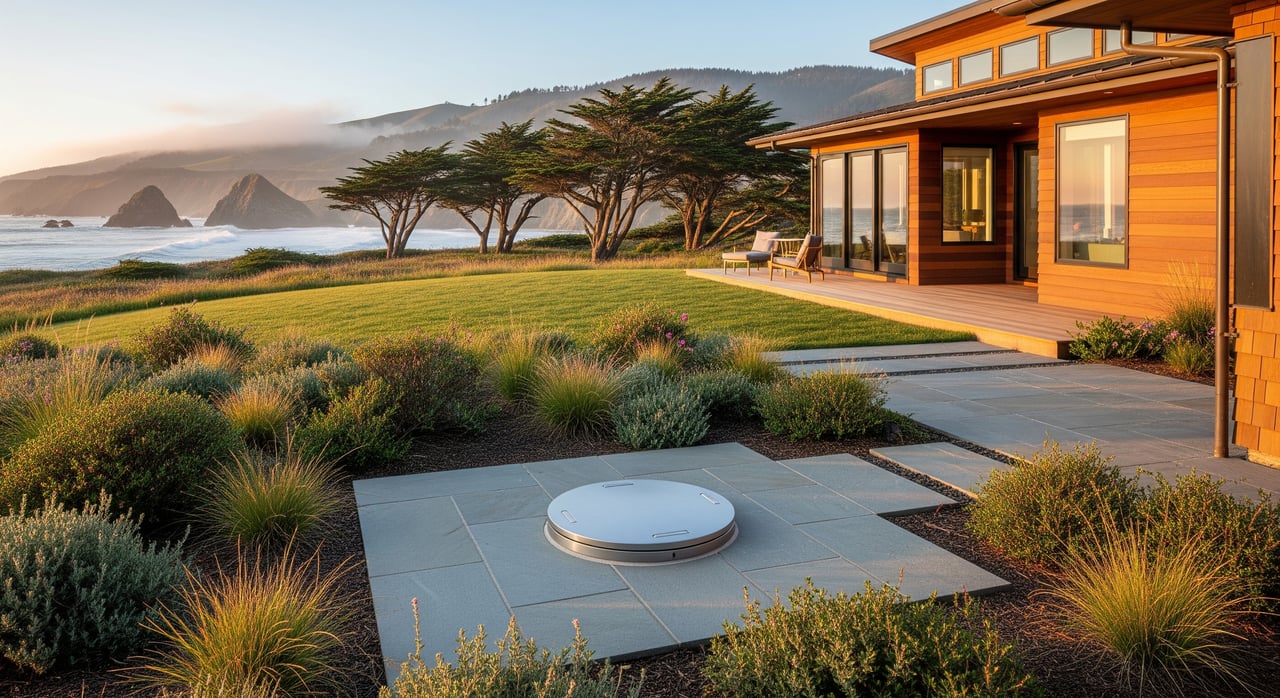
Outdoor areas also follow this logic. Sheltered courtyards and leeward terraces can make a home more comfortable in strong coastal winds. That practical response to climate is one reason Sea Ranch homes often feel thoughtful rather than flashy.
Materials That Stay Quiet
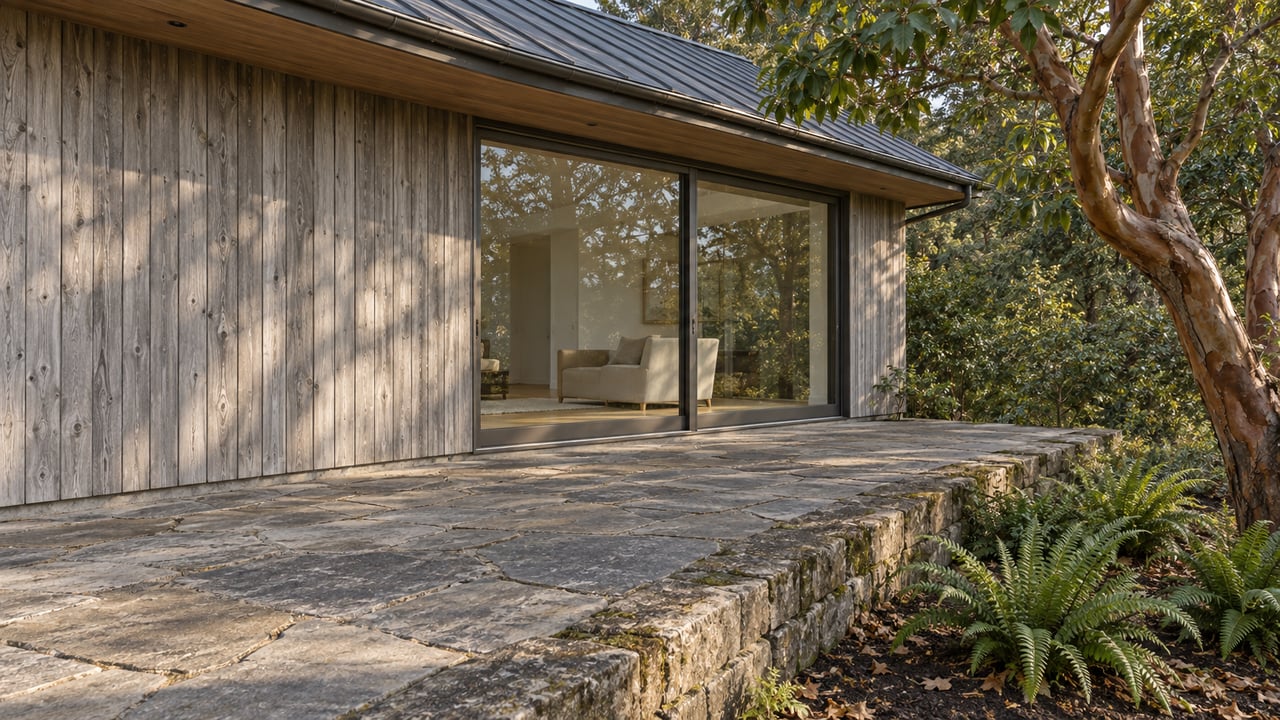
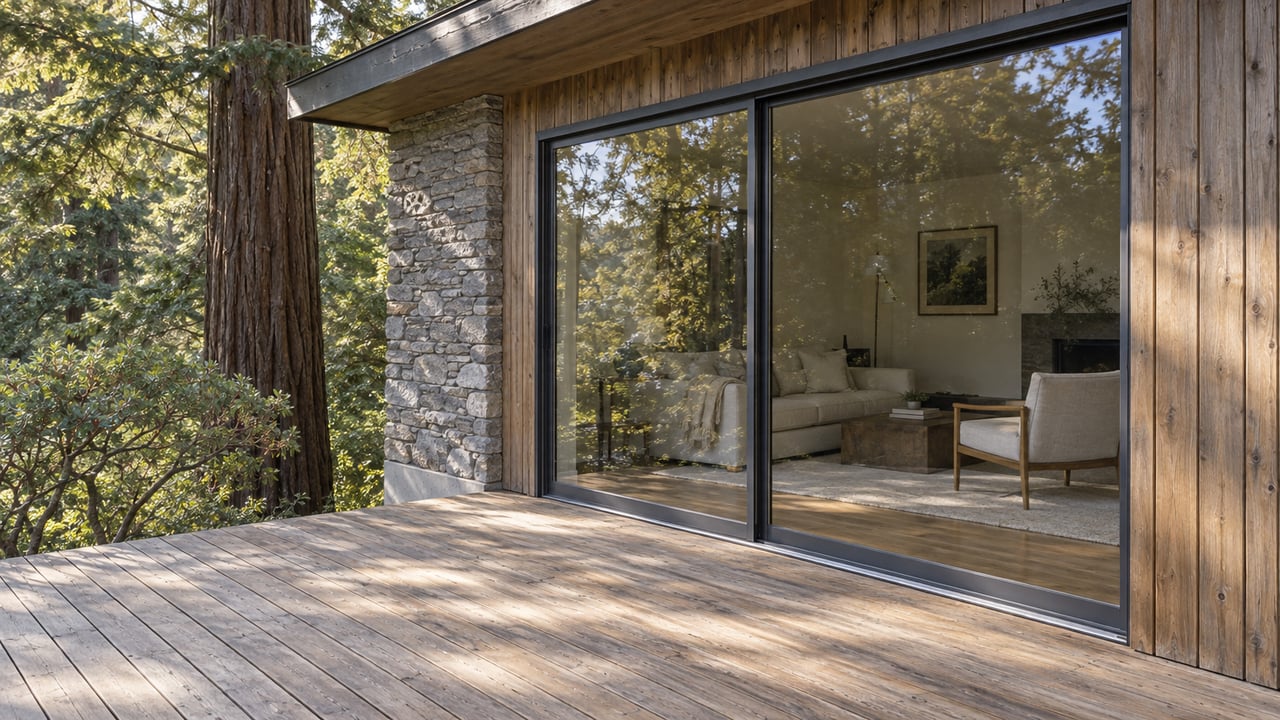
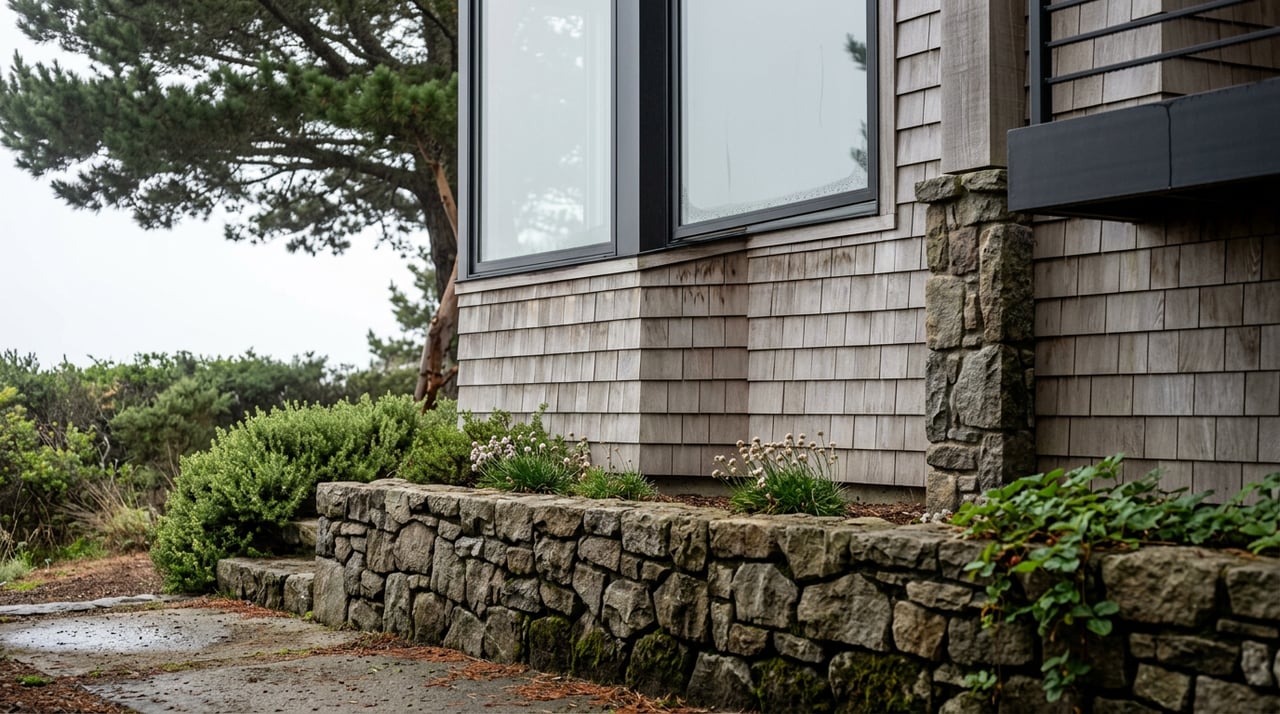
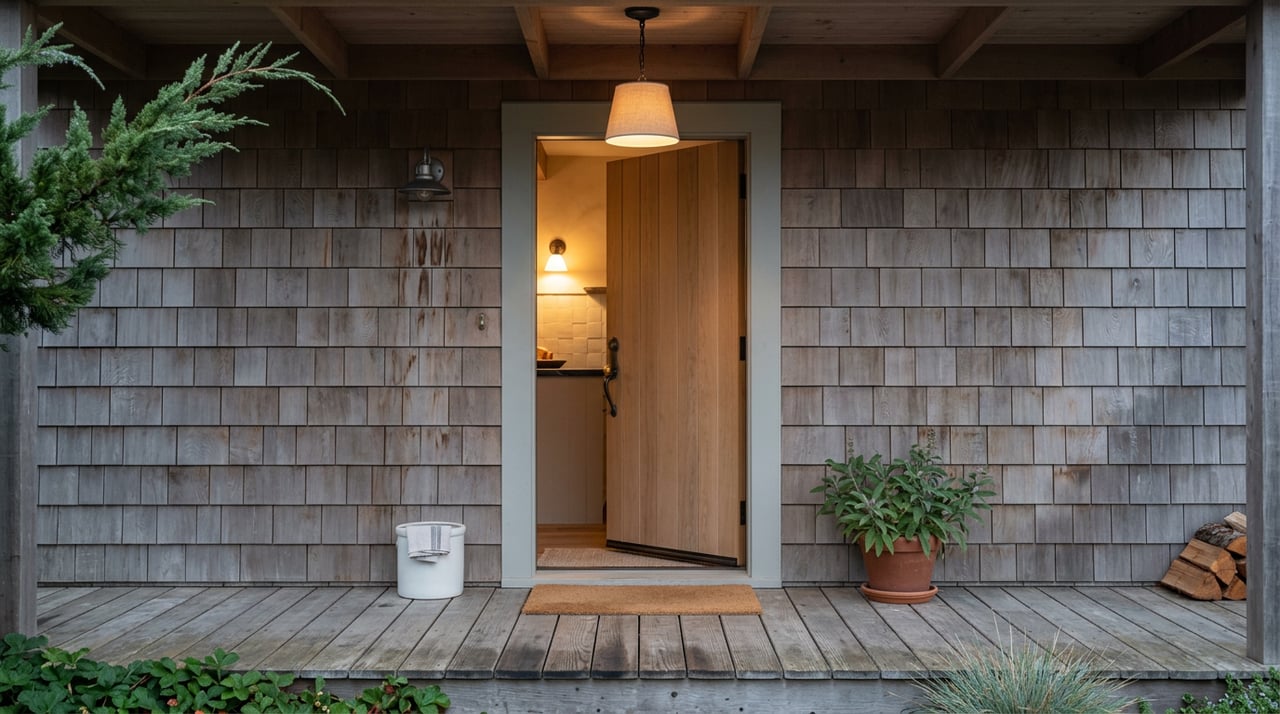
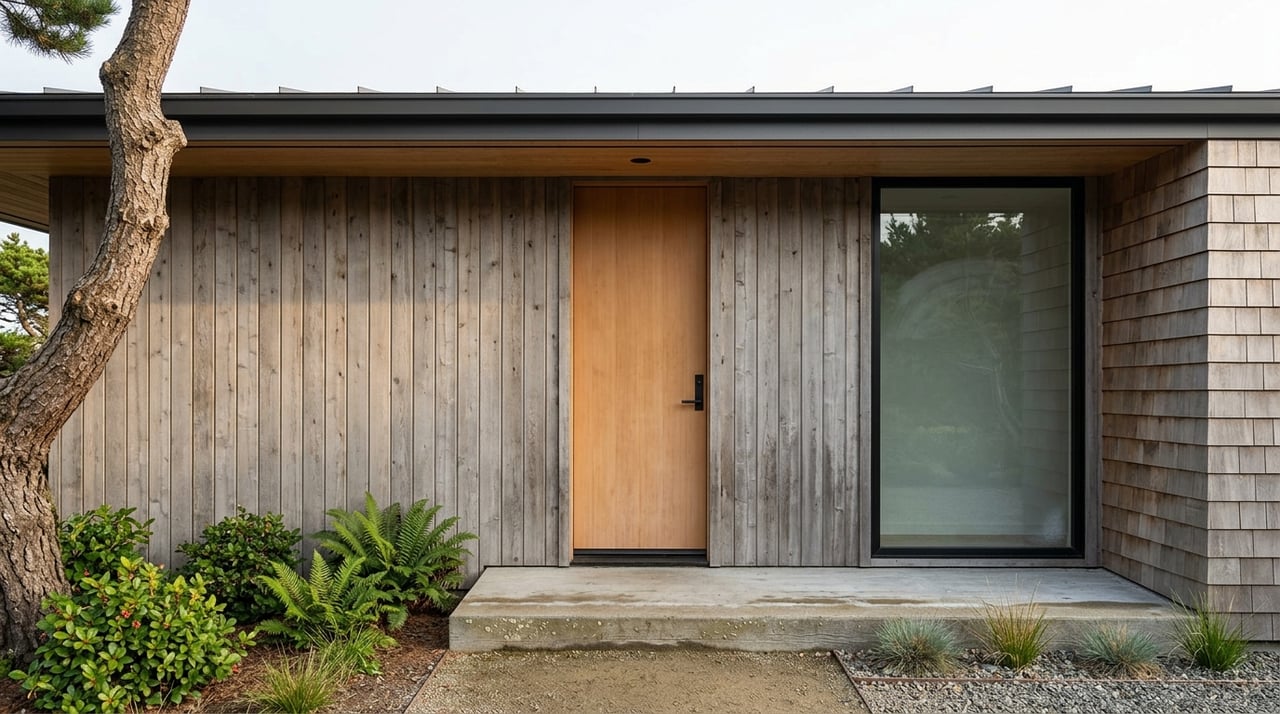
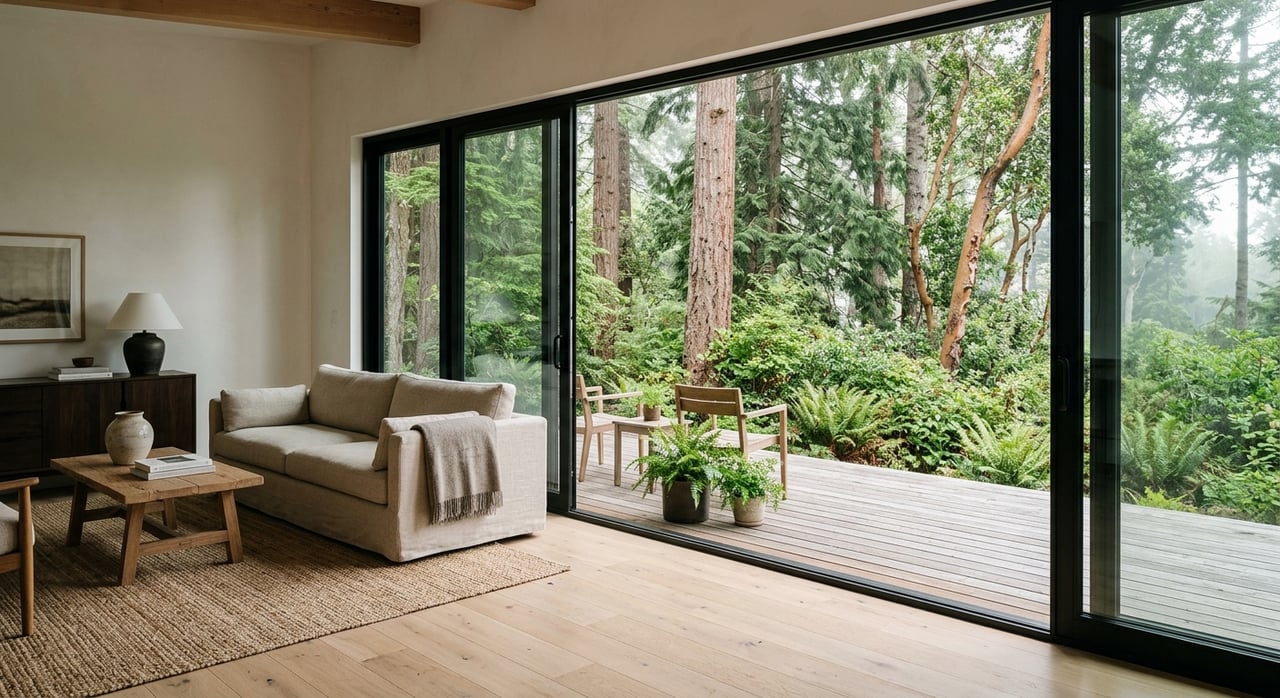
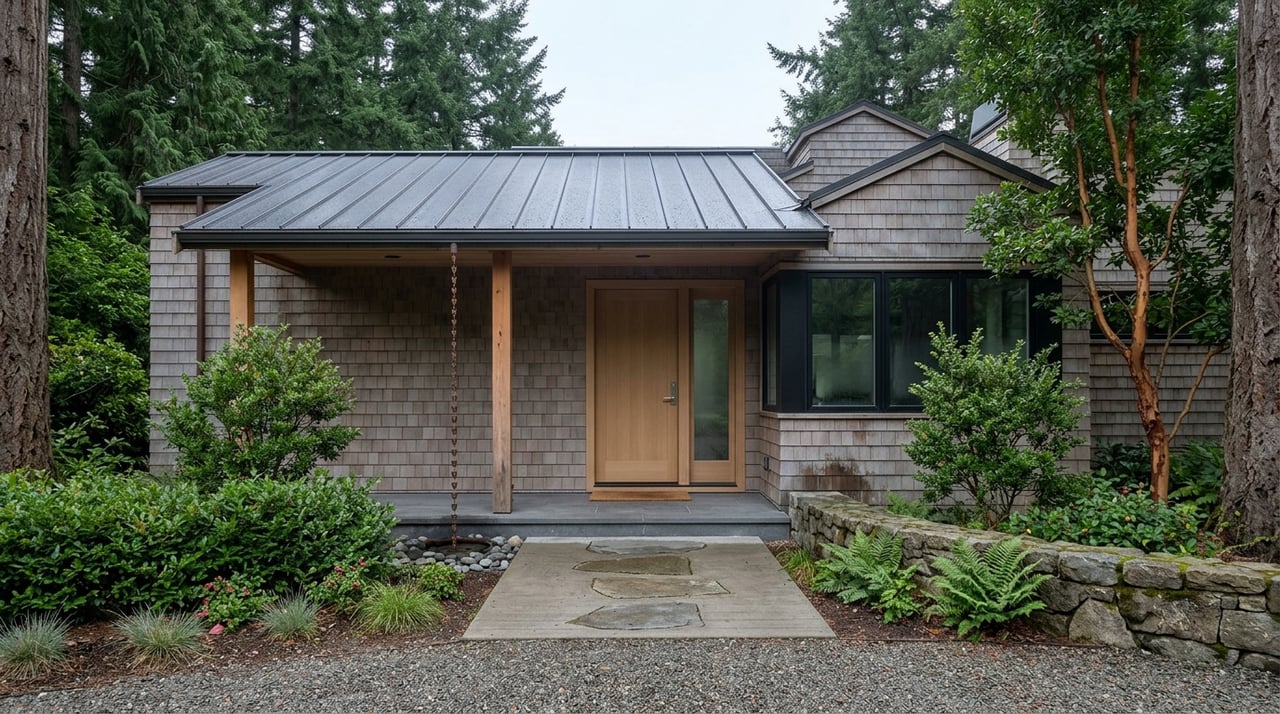
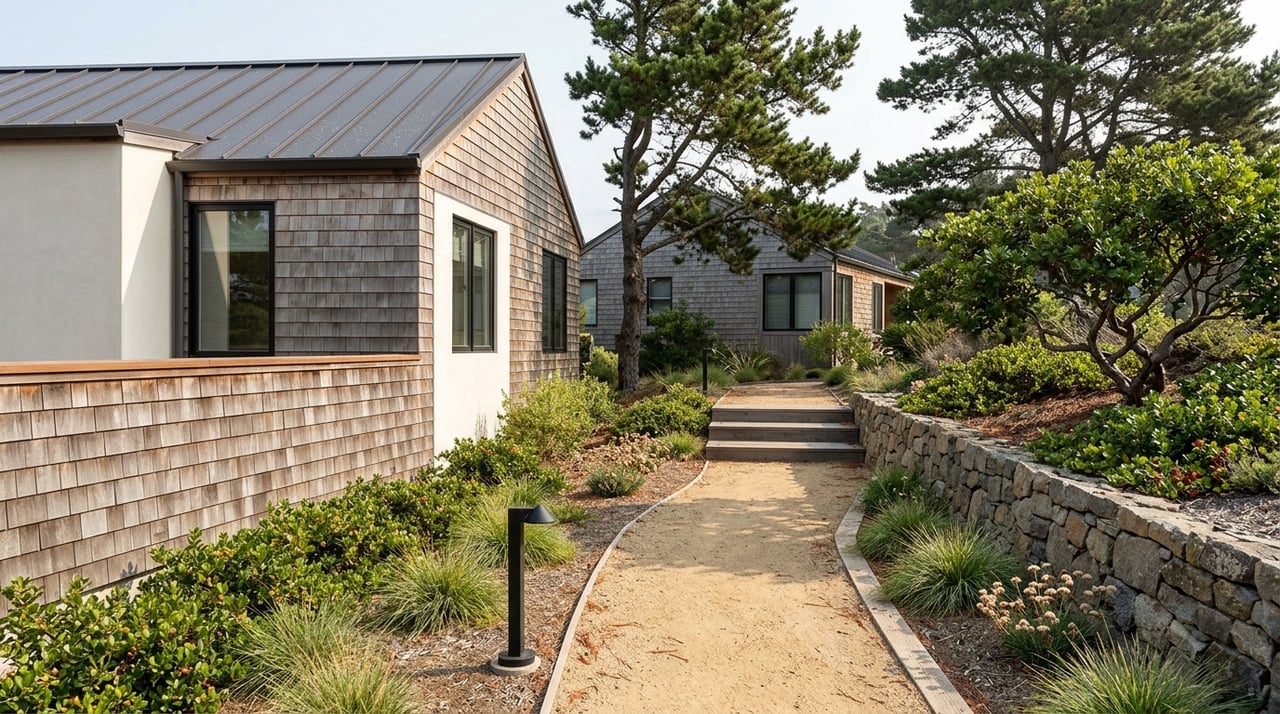
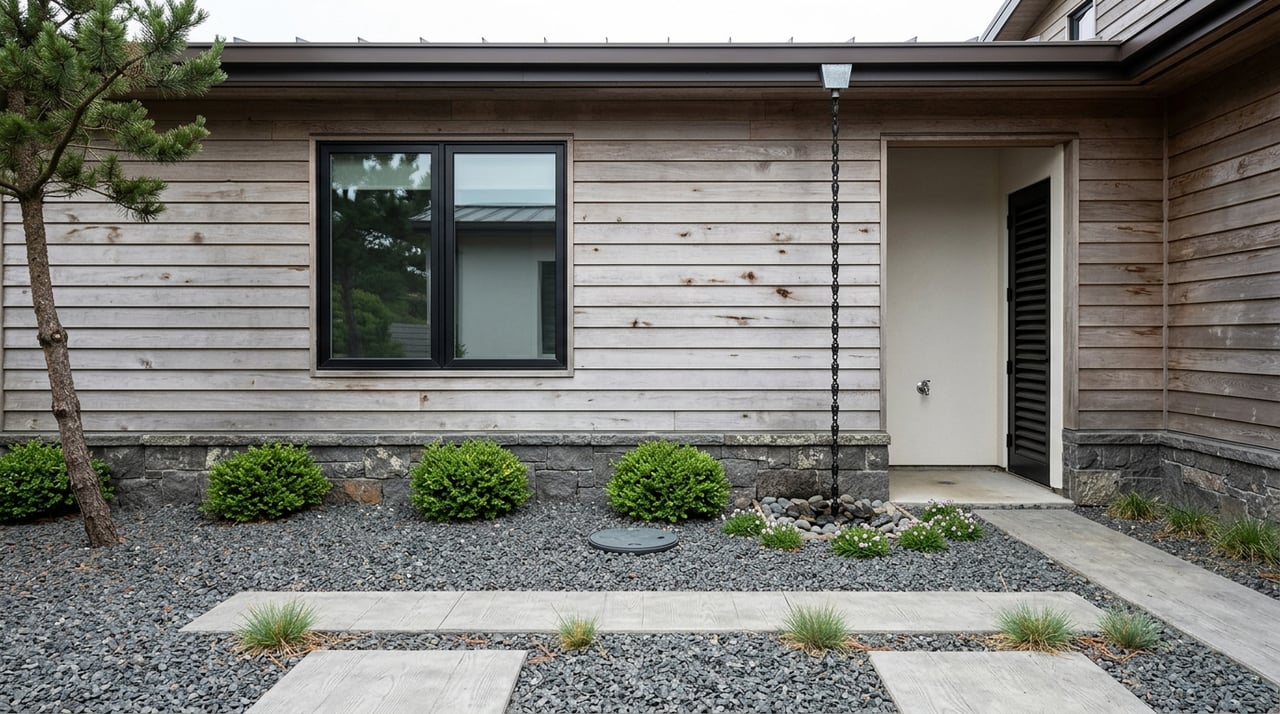
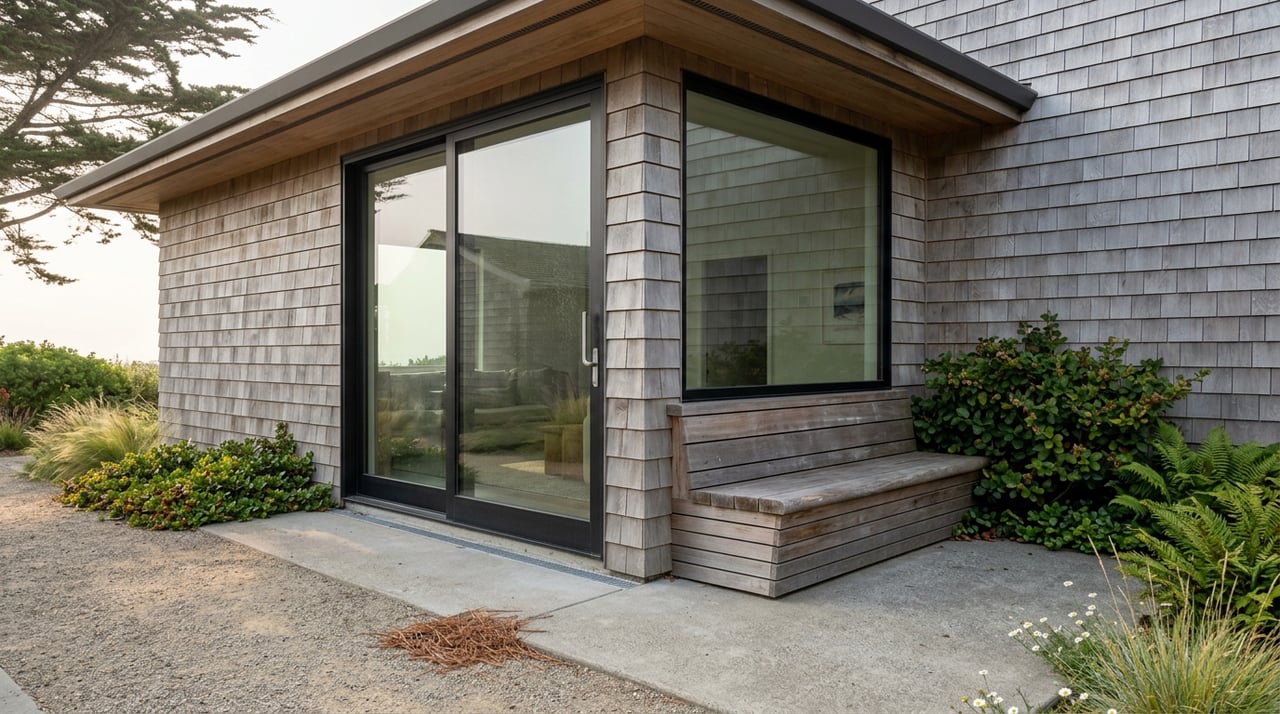
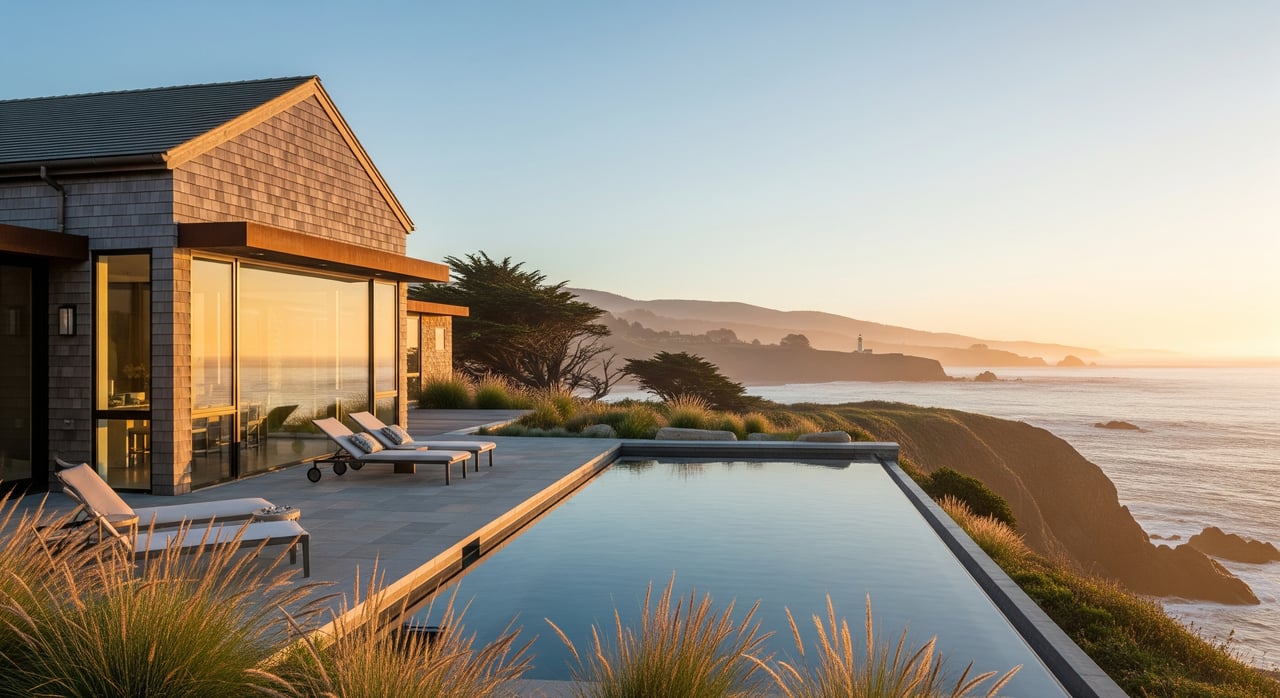
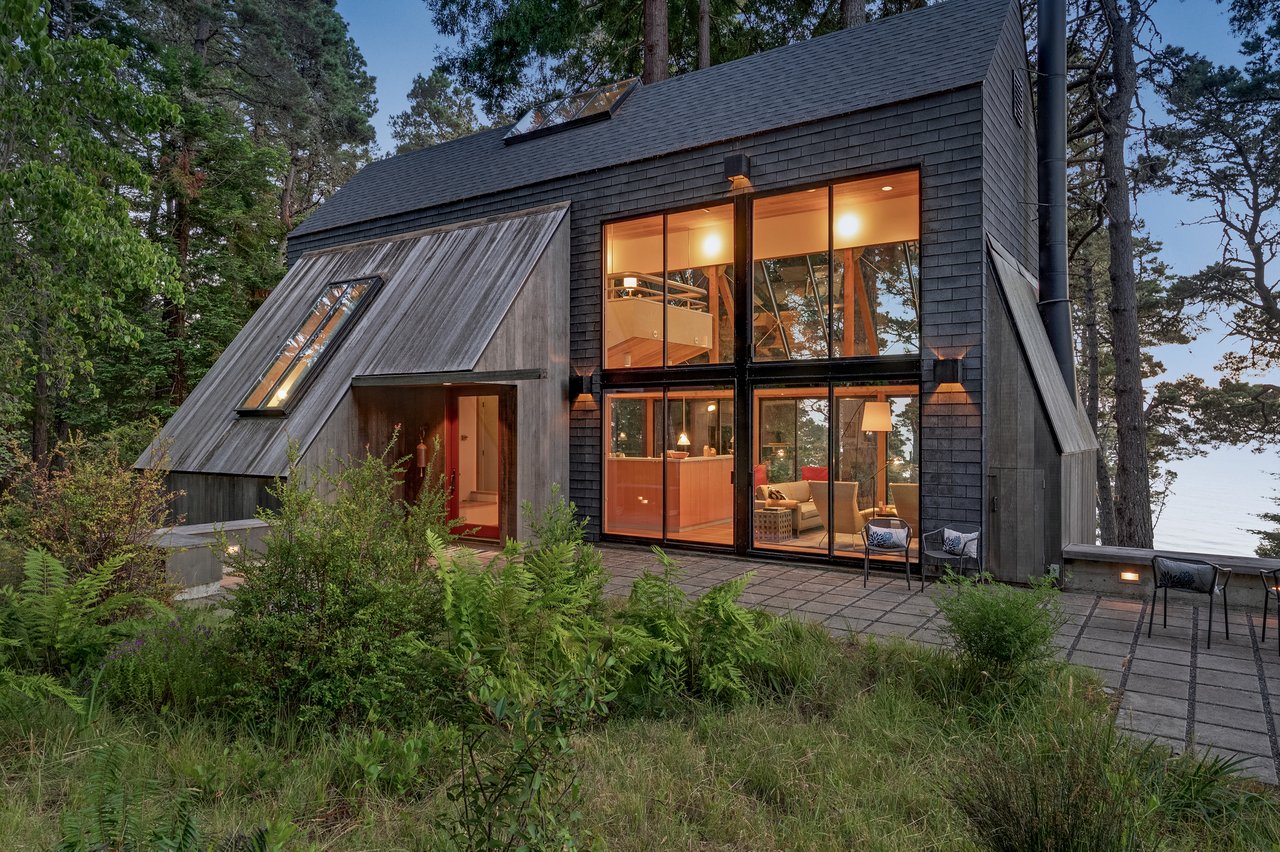
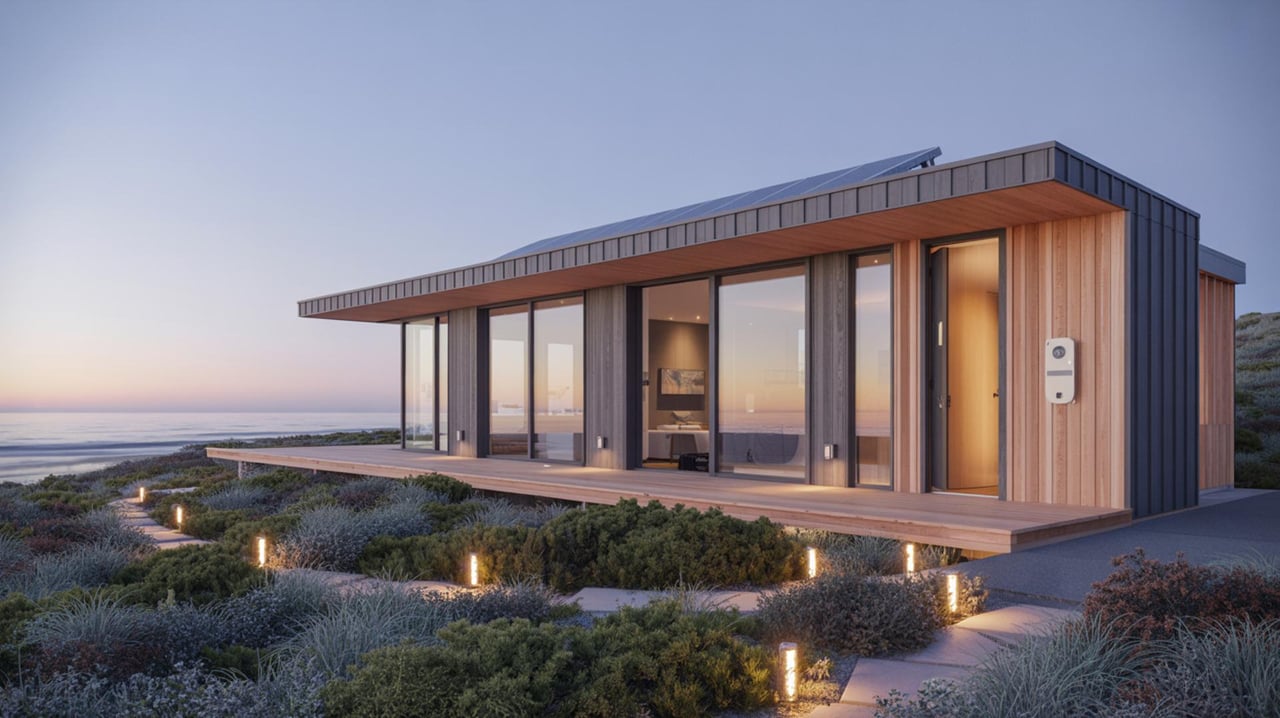
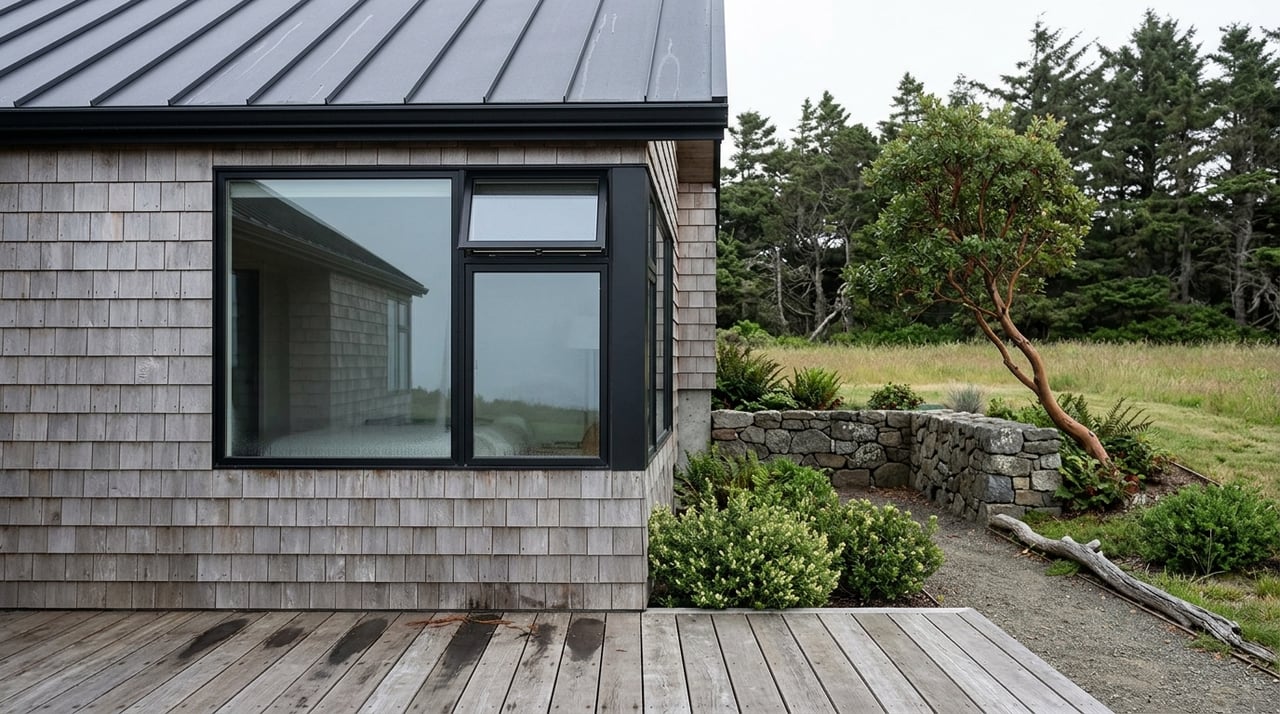
The material palette is intentionally restrained. Early Sea Ranch design called for unpainted structures and wood-based exterior materials, including siding and shingles. That quiet exterior language helps homes recede into the landscape instead of standing apart from it.
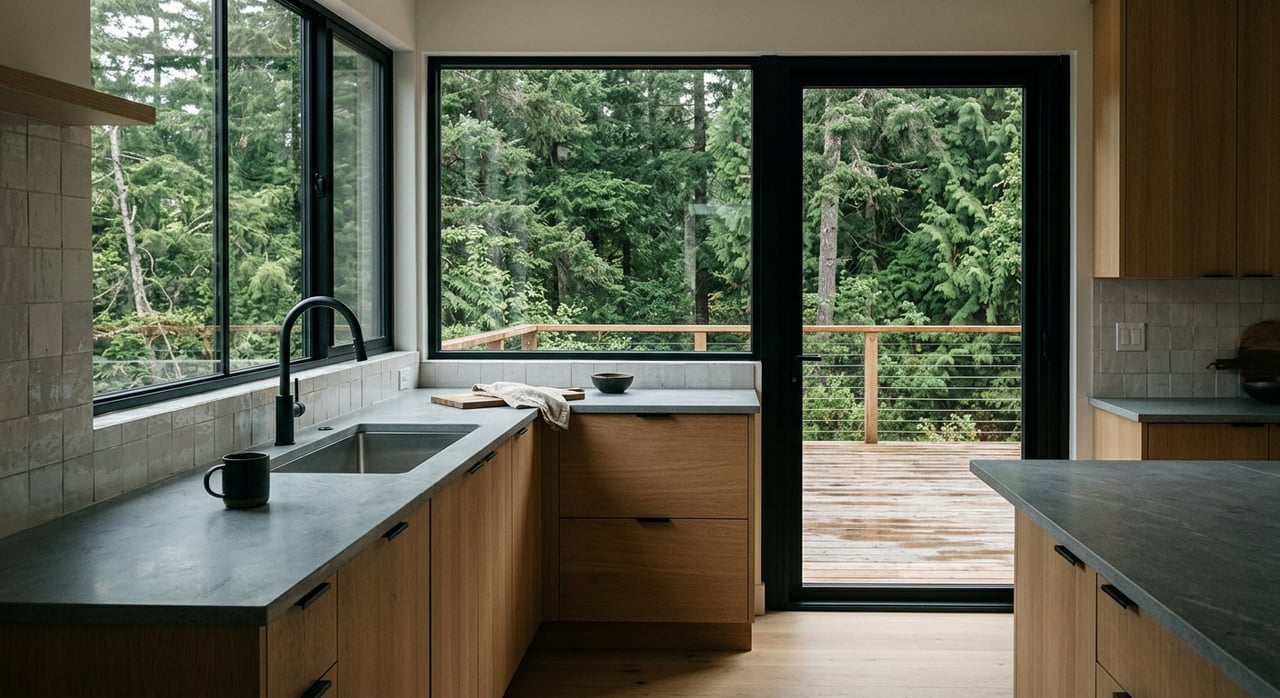
The design guidance also favors simple, reserved detailing. Roof forms are meant to organize the building as a whole, not look like decorative additions. For buyers who appreciate design, this is a big part of Sea Ranch’s appeal: the architecture feels calm, deliberate, and connected to place.
The Site Matters as Much as the House
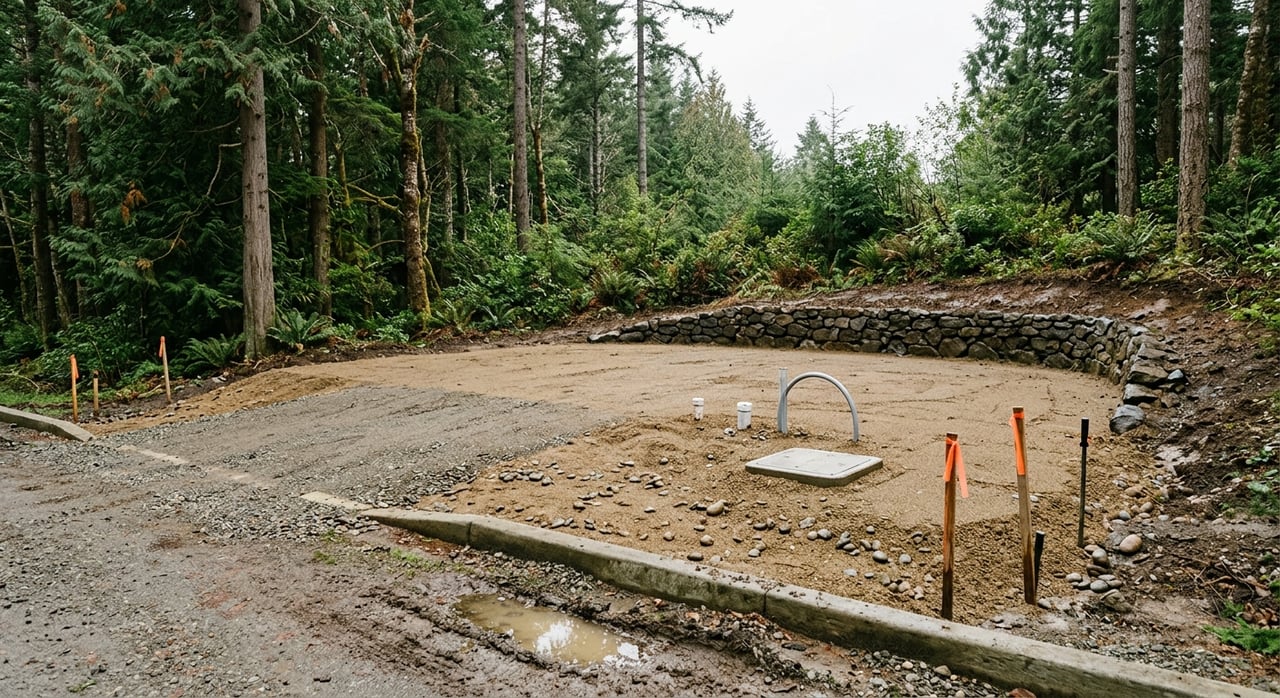
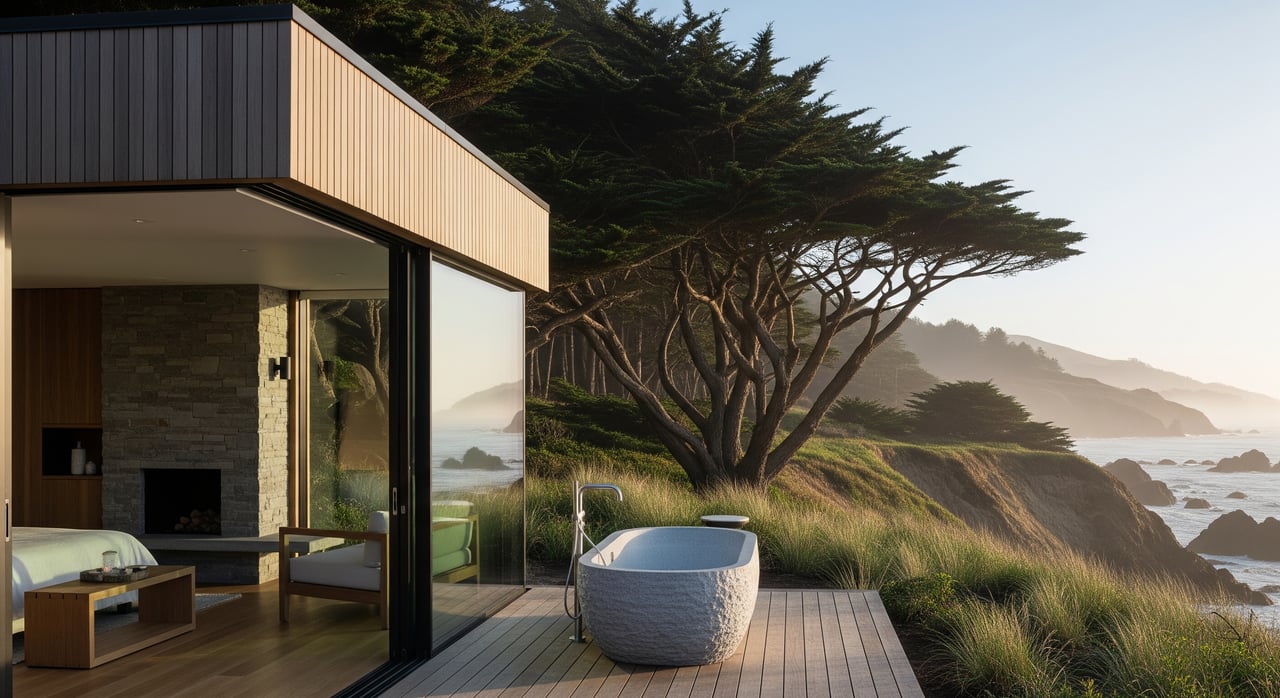
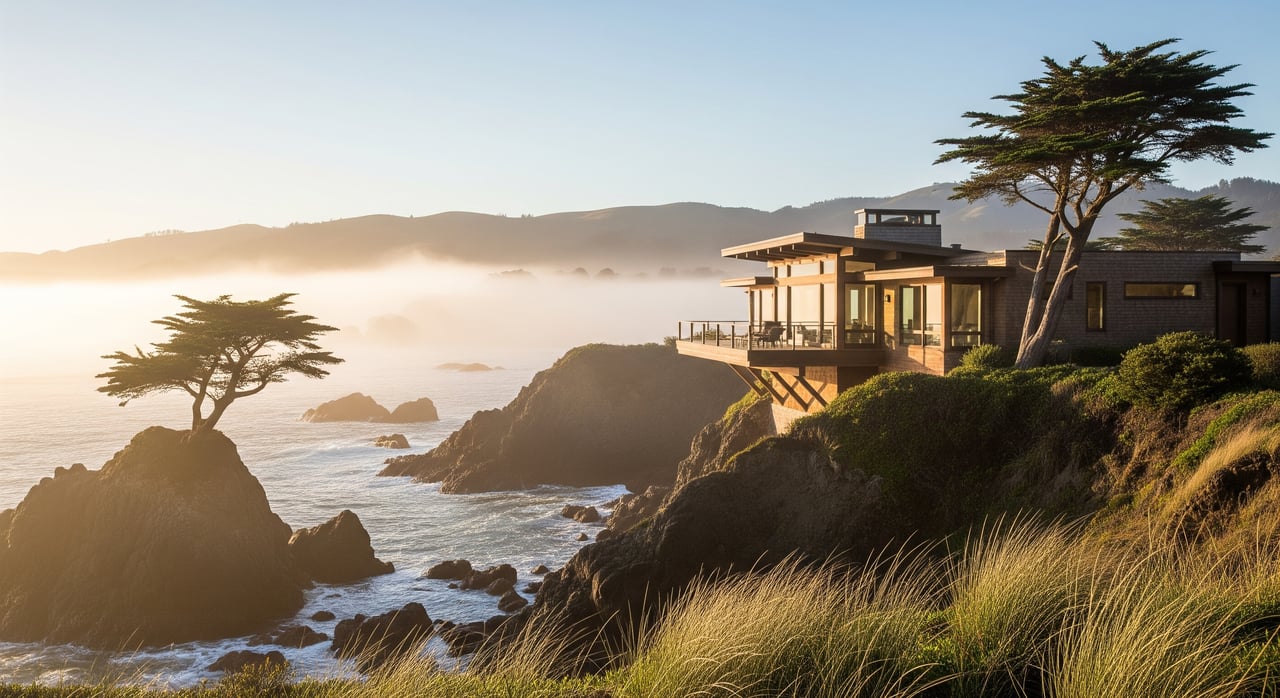
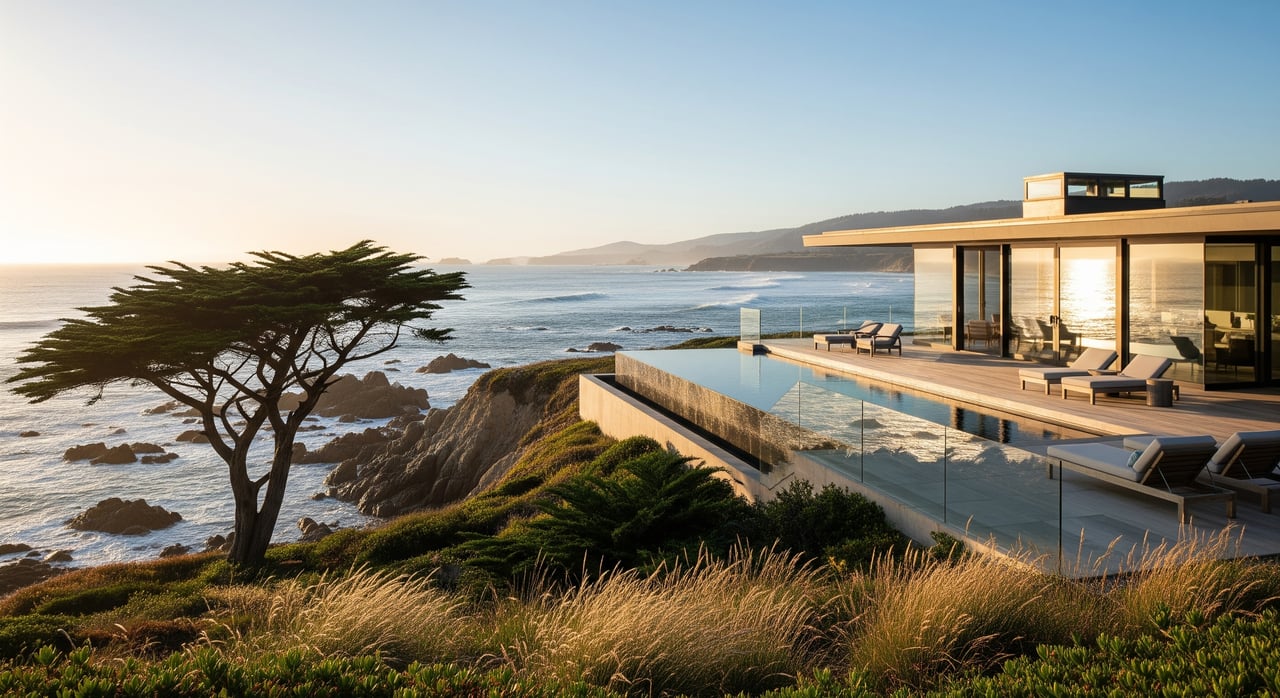
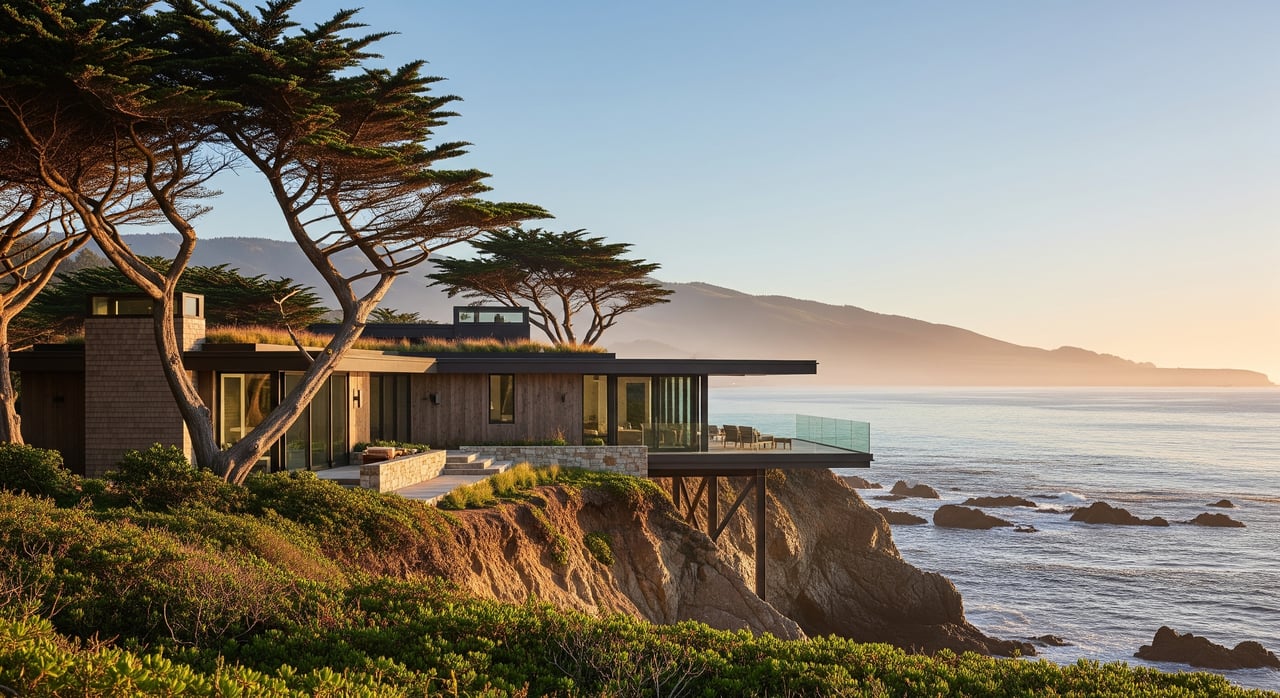
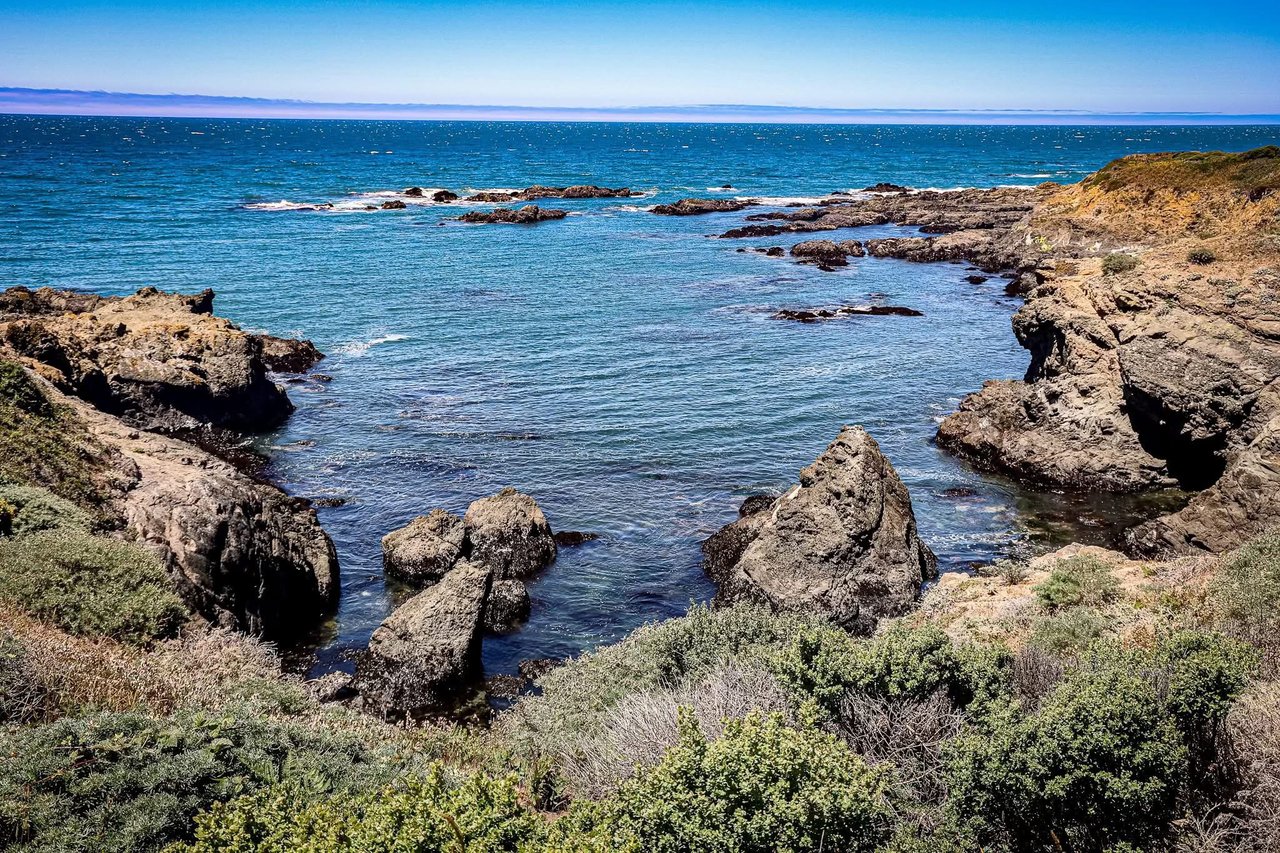
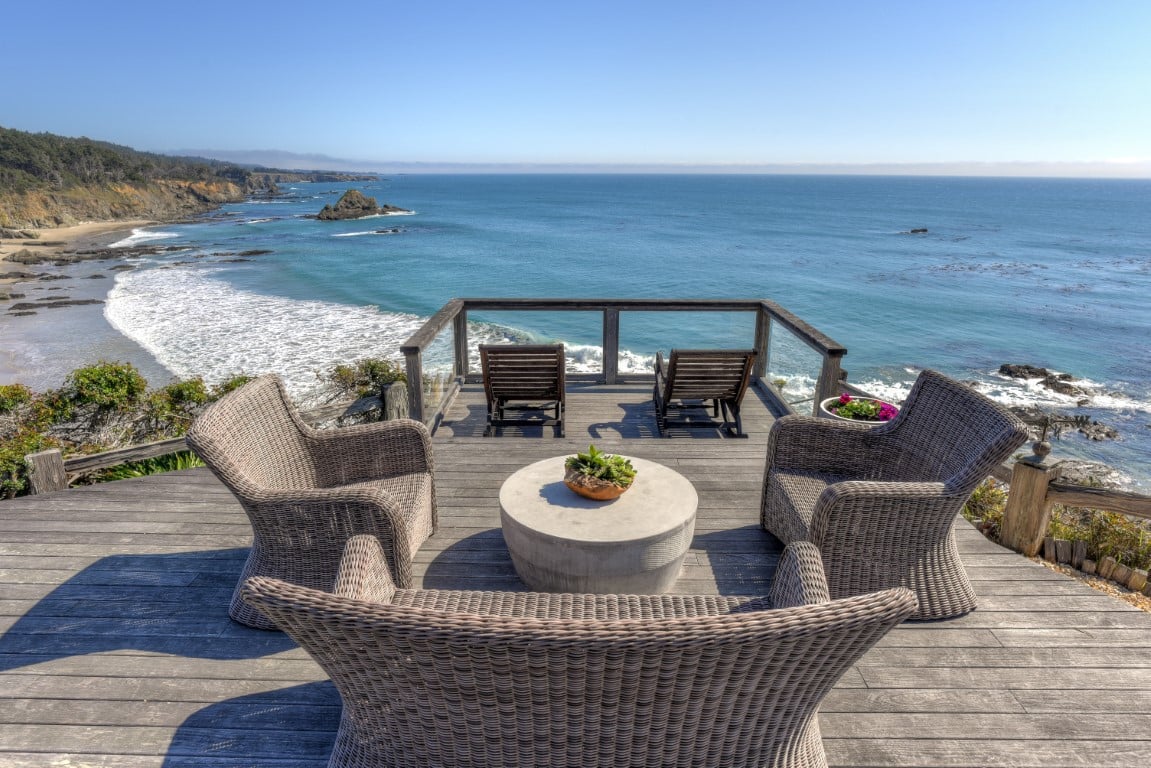
One of the most important things to understand about Sea Ranch is that there is no one-size-fits-all approach. The community is divided into four environmental zones: ocean bluffs, meadows, transitional zones, and hilltop forest. Each zone has its own conditions, opportunities, and responsibilities.
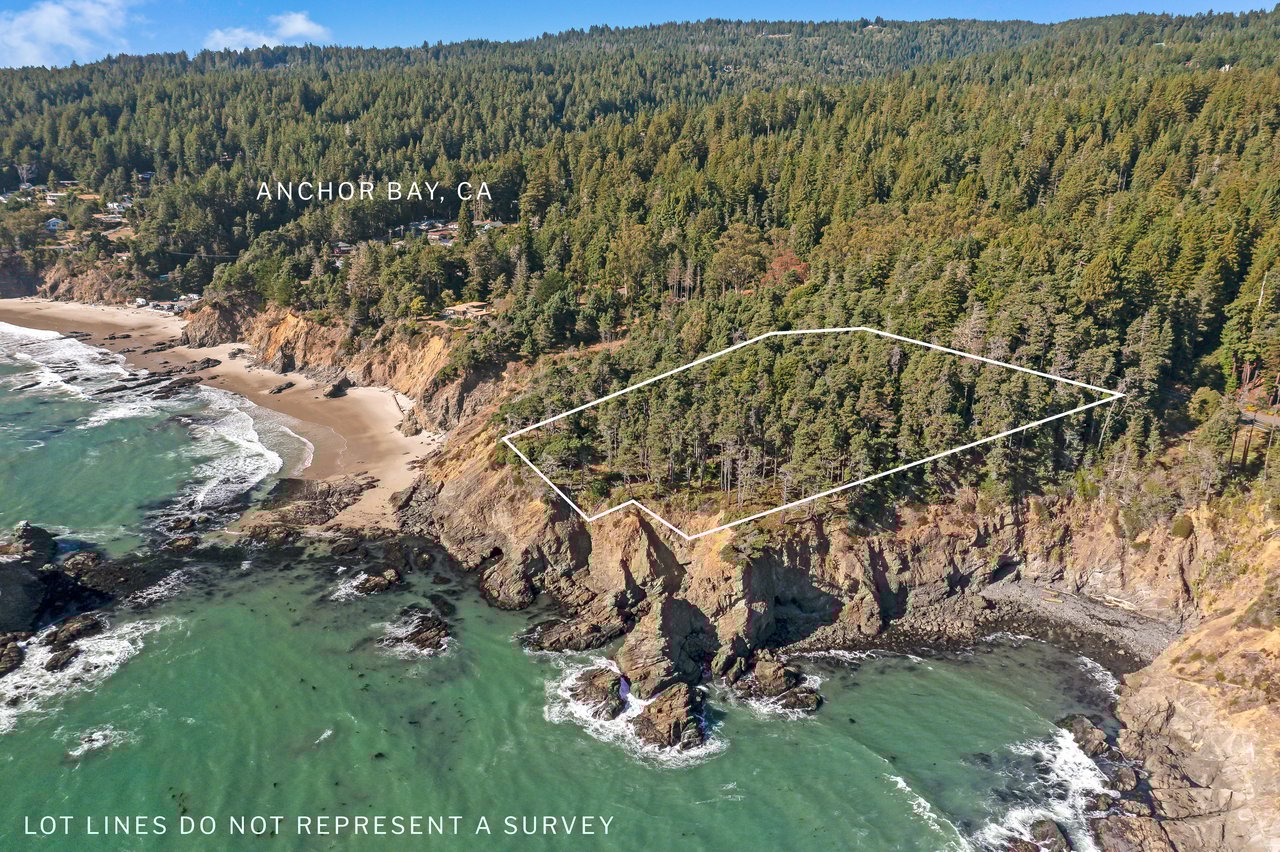
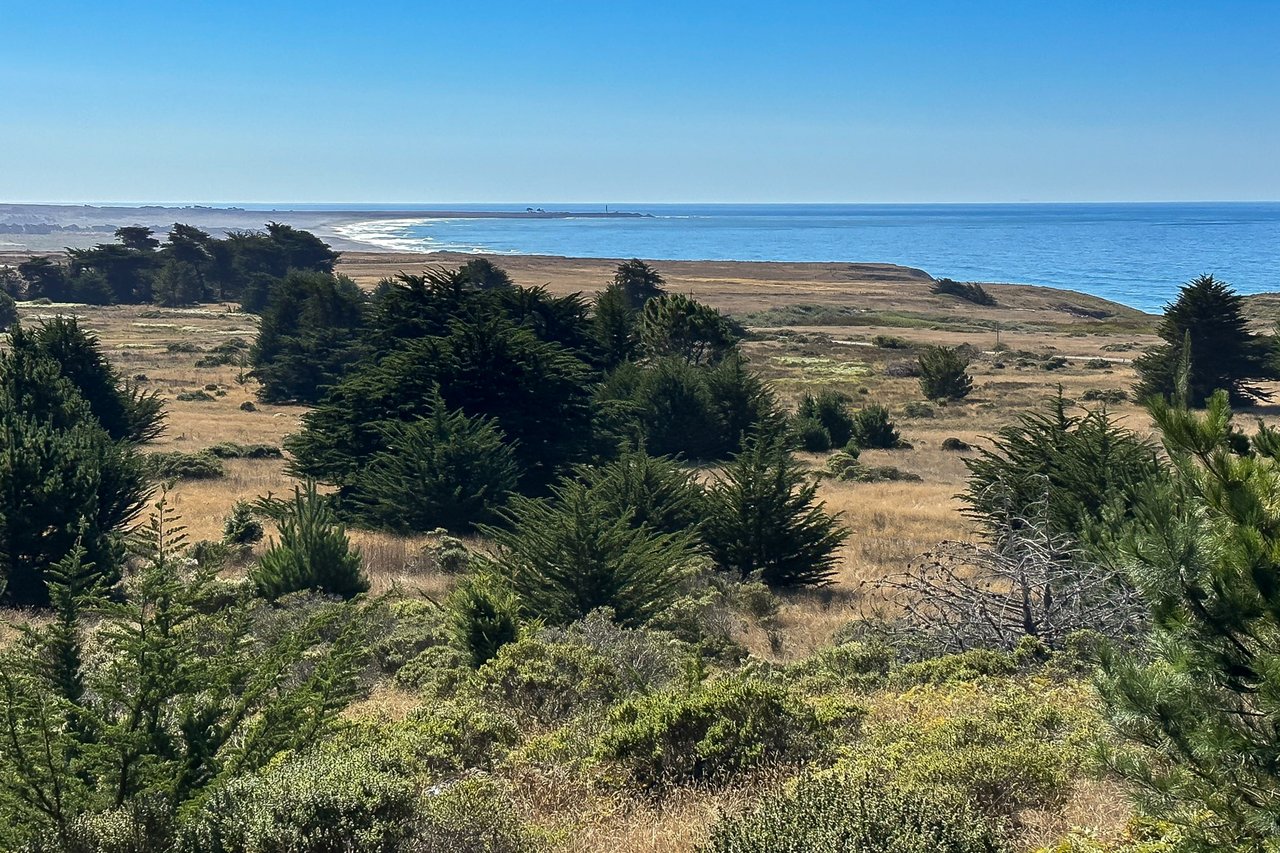
Bluff sites are highly visible and fragile. Meadow sites reflect the area’s former grazing lands and often relate to cypress hedgerows. Transitional sites may support multilevel homes, while forest sites are more inward-looking and continue to change as trees grow over time.
Shared Views, Not Private Claims
In many coastal markets, buyers focus on securing the biggest possible ocean view. At Sea Ranch, the idea is more nuanced. The design approach asks owners to consider how new construction affects neighbors now and in the future.
Ocean views are important, but they are not the only valued views. Meadows, hedgerows, and distant ridges also shape the experience of living here. That broader view of the landscape helps explain why Sea Ranch feels visually balanced rather than overbuilt.
Landscape Is Dynamic
The landscape at Sea Ranch is not treated as static. Growth, erosion control, habitat protection, fuel management, and changing view lines all influence how a site evolves. That means ownership here often involves thinking long-term about both the home and the land around it.
For many buyers, this is part of the attraction. You are not just purchasing a house. You are becoming part of a place where the natural setting is actively cared for and where stewardship plays a visible role in daily life.
Design Review Is Part of Ownership
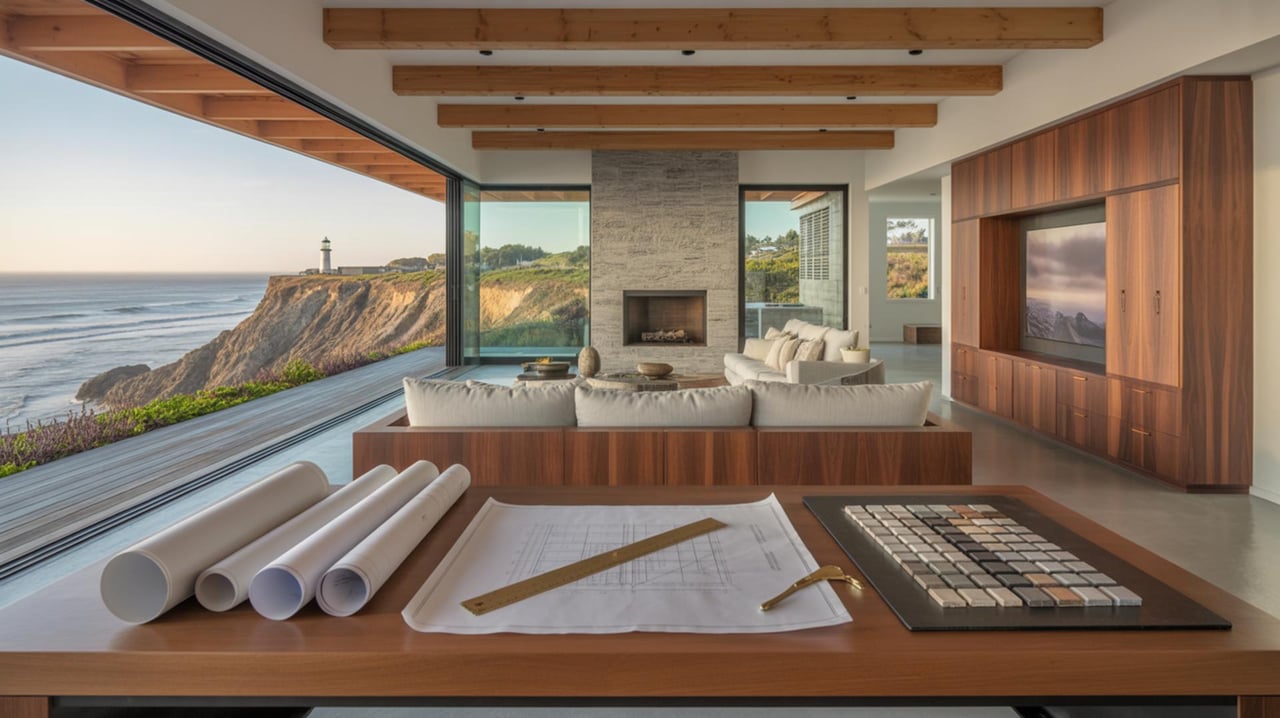
Sea Ranch’s design standards are not just historical ideas. They are part of the current ownership experience. The Design Committee reviews construction and landscaping plans, and work cannot proceed without approval.
That review process helps protect the qualities that make Sea Ranch recognizable. It supports consistency in siting, scale, materials, and landscape treatment. For buyers considering a home purchase, a remodel, or a vacant lot, this is an important part of due diligence.
What This Means for Buyers
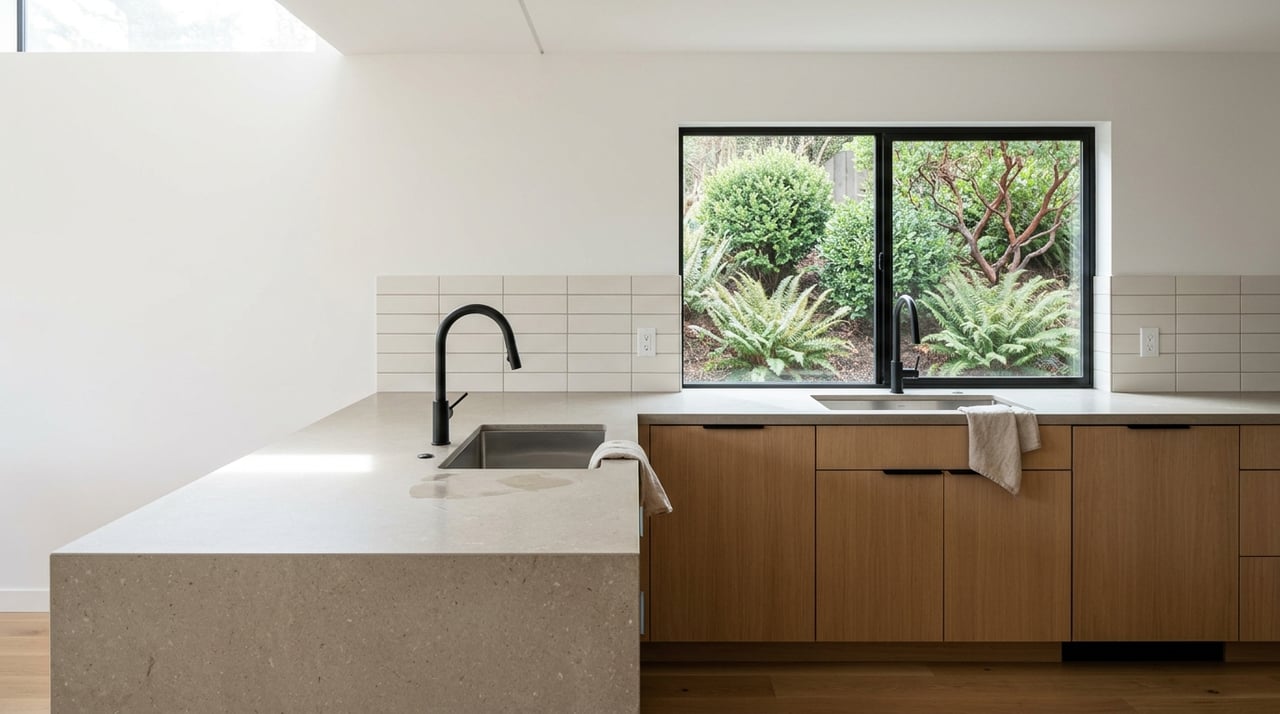
If you are exploring Sea Ranch real estate, it helps to look beyond square footage and finishes. You also want to understand how a property relates to its site, what landscape constraints may apply, and how future changes might be reviewed.
This is especially important for out-of-area buyers who may be comparing Sea Ranch to more conventional coastal communities. Here, design is not a side note. It is a core part of how the community functions and why values are tied so closely to setting and stewardship.
Daily Life Is Shaped by the Commons
Sea Ranch is not just a collection of homes. It is also a landscape-first community with shared systems that shape how you move through it. The Sea Ranch Association includes more than 2,200 homes and undeveloped lots, and volunteers help maintain trails, common areas, archives, and community life.
That shared stewardship matters. It supports the open character of the community and reinforces the idea that the setting belongs to a larger whole. For many owners, that is part of what makes living here feel different from a typical subdivision.
Trails as Part of Everyday Living
Trails are central to the Sea Ranch experience. There are more than 50 miles of trails open to hikers, and many also allow bikes or equestrians. Numbered trail posts, benches, and rest or view logs encourage a slower pace and a closer connection to the land.
The trail network also connects residents and visitors to architecture, landscape, and history. Self-guided interpretive routes and an audio walking tour highlight how the built environment and natural setting were intended to work together. In Sea Ranch, walking the trails is one of the best ways to understand the community.
A Quieter Built Environment
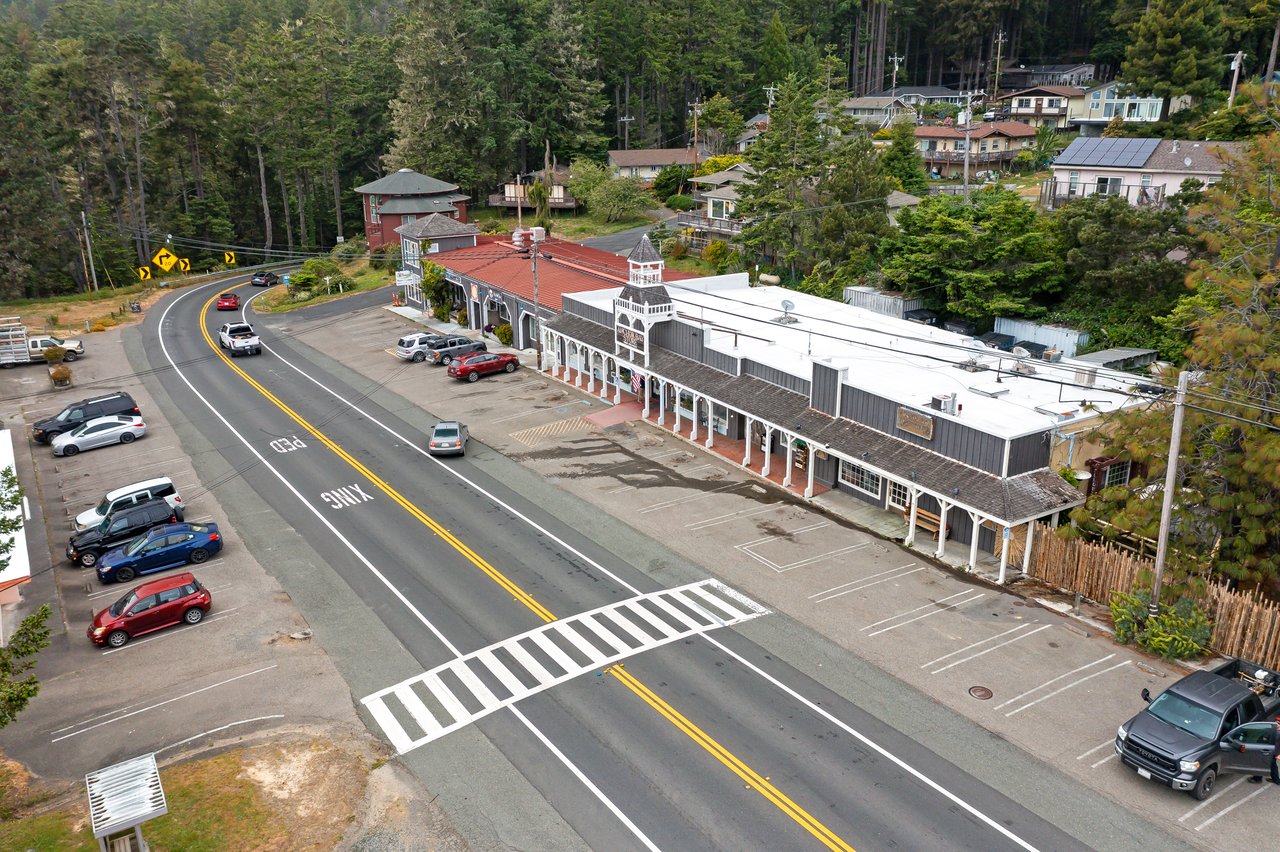
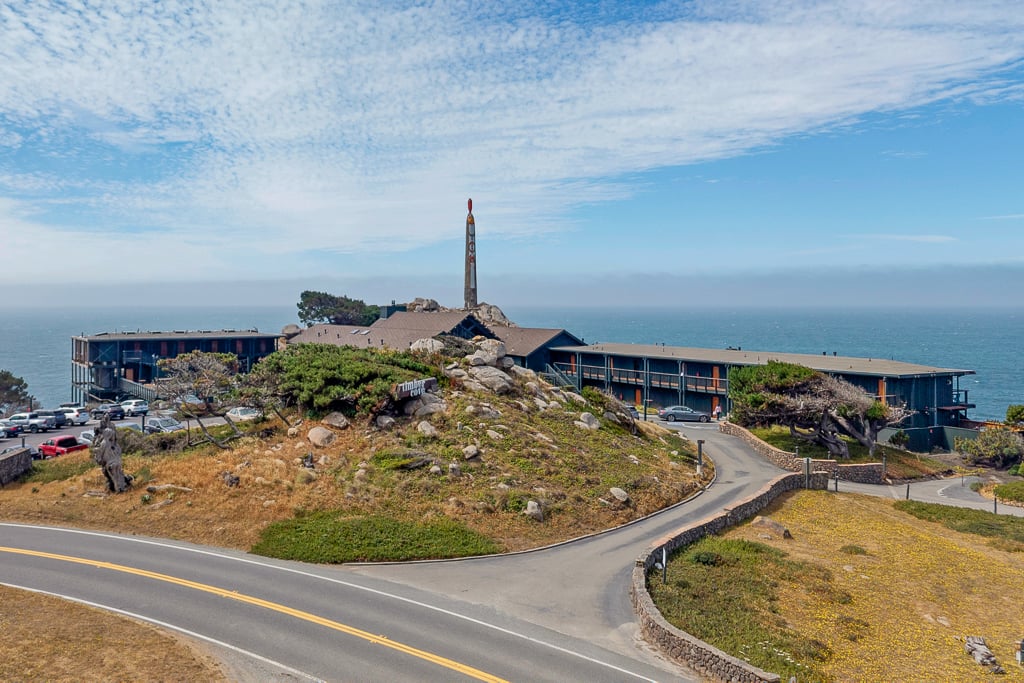
Sea Ranch also feels different because of what is not there. Private roads are maintained by the Association, utilities are underground except for major power lines, and there are no sidewalks, streetlights, or individual mailboxes. These choices help preserve views, commons, and the overall sense of quiet.
That quiet infrastructure supports the larger design idea. Instead of streetscape features dominating the experience, the landscape stays in the foreground. For many second-home buyers and lifestyle relocators, that simplicity is a major part of Sea Ranch’s lasting appeal.
Public Access and Private Stewardship
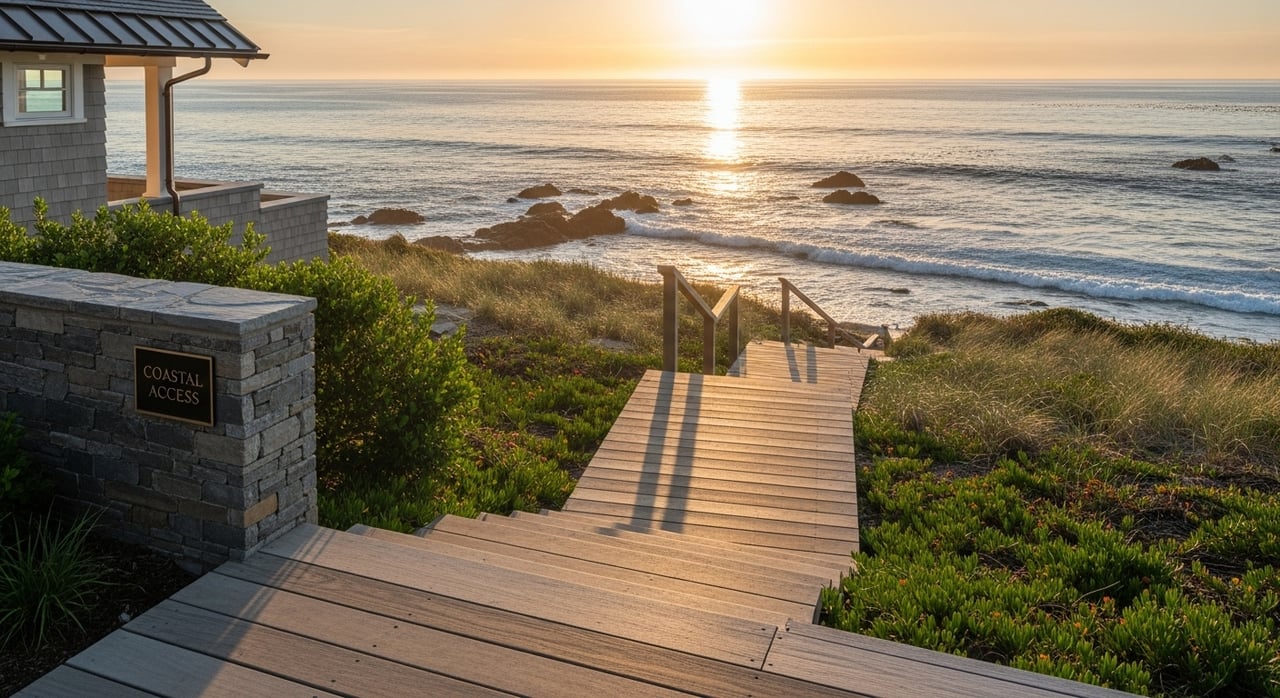
Sea Ranch includes public coastal access, but it is structured. Sonoma County Regional Parks manages six public access trails within the private community, with trailheads at Highway 1 parking areas that lead across meadows and forests to the coastline. Visitors are asked to stay on marked public trails because other roads and paths are privately owned.
This balance between access and stewardship is part of the community’s identity. It allows people to experience the coast while also respecting the land planning that defines Sea Ranch. If you are considering ownership here, that balance is worth understanding from the start.
Why Design Matters in Real Estate Decisions
For design-minded buyers, Sea Ranch offers more than a recognizable architectural style. Its real value comes from the relationship between house, site, and shared open space. The subdued architecture, managed landscape, trail system, and design review process all work together to create a very specific kind of place.
That also means buying or selling in Sea Ranch benefits from local context. A home’s siting, materials, privacy, trail access, and relationship to the commons can all influence how buyers perceive it. In a market like this, design is not abstract. It shapes daily living and market appeal in very practical ways.
If you are considering a home, lot, or coastal retreat in Sea Ranch, it helps to work with a brokerage that understands both the real estate and the place itself. Kennedy & Associates Real Estate brings decades of local coastal experience, thoughtful guidance, and a strong understanding of what makes Sea Ranch unique.
FAQs
What makes Sea Ranch architecture different from other coastal communities?
- Sea Ranch architecture emphasizes simple forms, restrained materials, careful siting, and harmony with the surrounding landscape rather than highly ornamental or attention-seeking design.
What does design review mean for Sea Ranch property owners?
- In Sea Ranch, construction and landscaping plans are reviewed by the Design Committee, and owners need approval before work begins.
How does the Sea Ranch landscape affect home design?
- The Sea Ranch landscape influences siting, massing, outdoor spaces, view planning, and material choices because each property relates to coastal wind, light, vegetation, and environmental zone conditions.
Are trails an important part of daily life in Sea Ranch?
- Yes, Sea Ranch includes more than 50 miles of trails, and they play a major role in how residents and visitors experience the coastline, commons, forests, and design history.
What should buyers look for in a Sea Ranch property?
- Buyers should consider not only the home itself but also its siting, relationship to shared open space, design constraints, landscape setting, and how the property fits into the broader Sea Ranch environment.