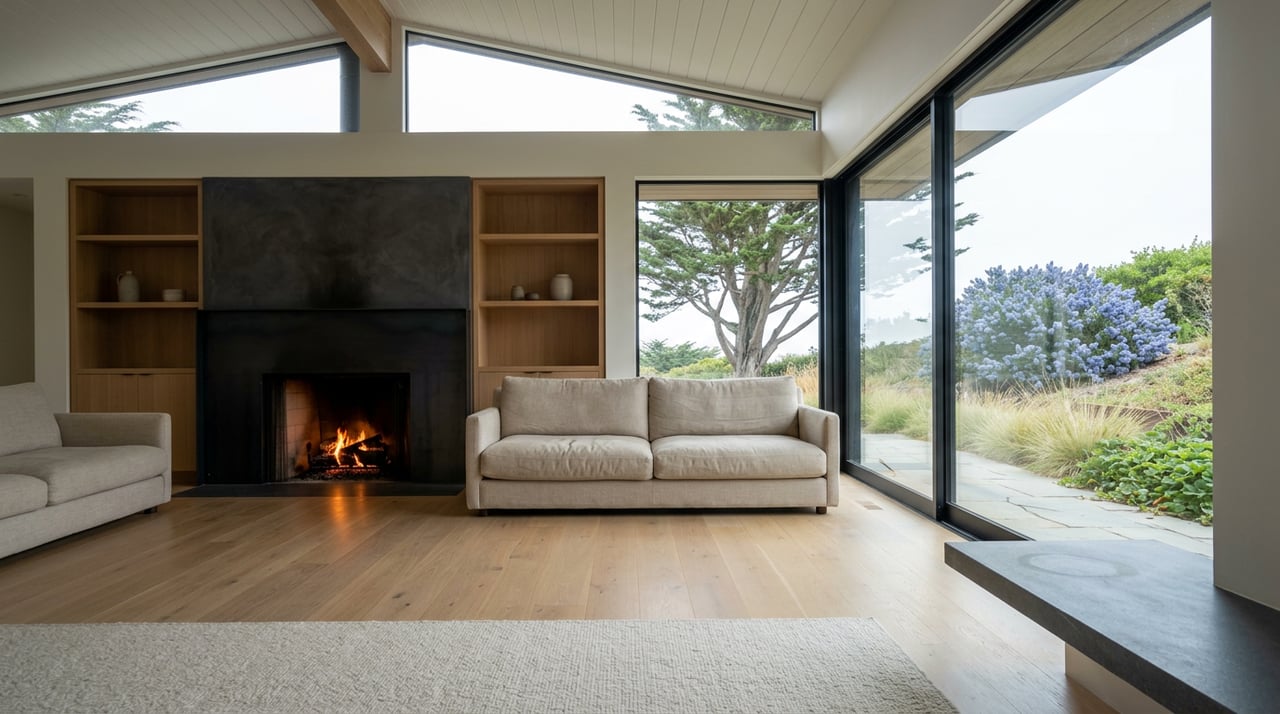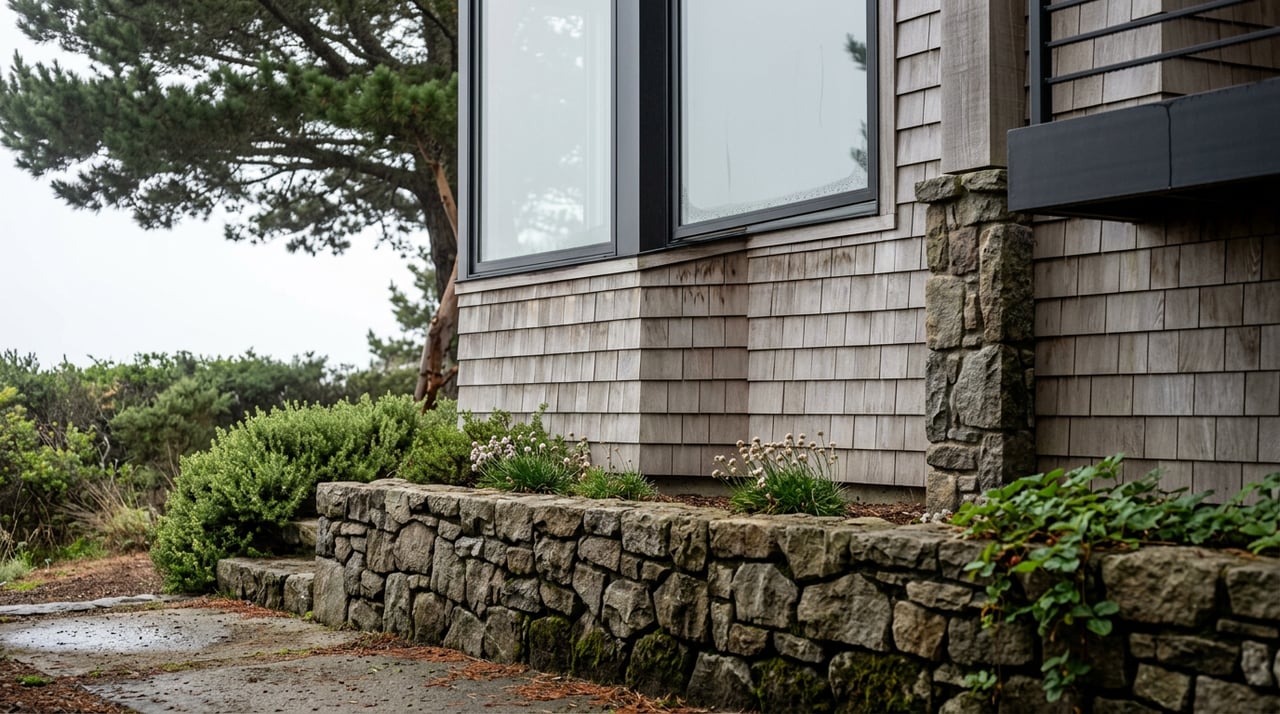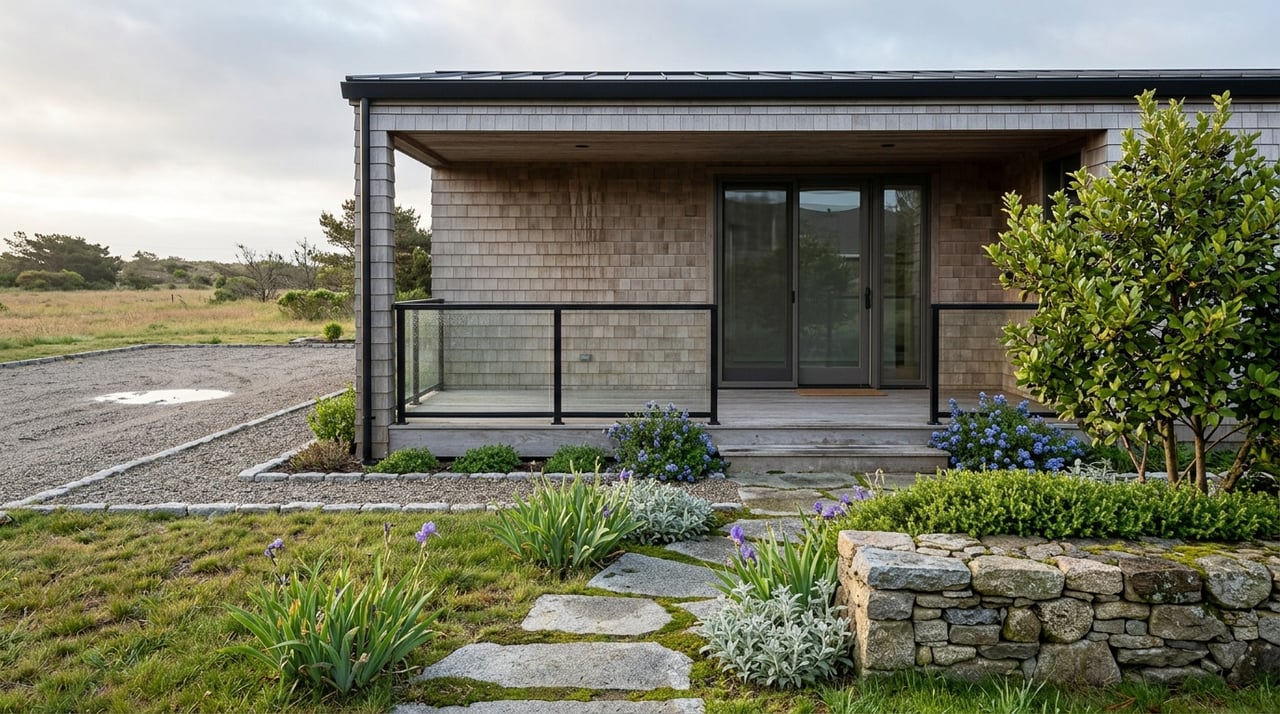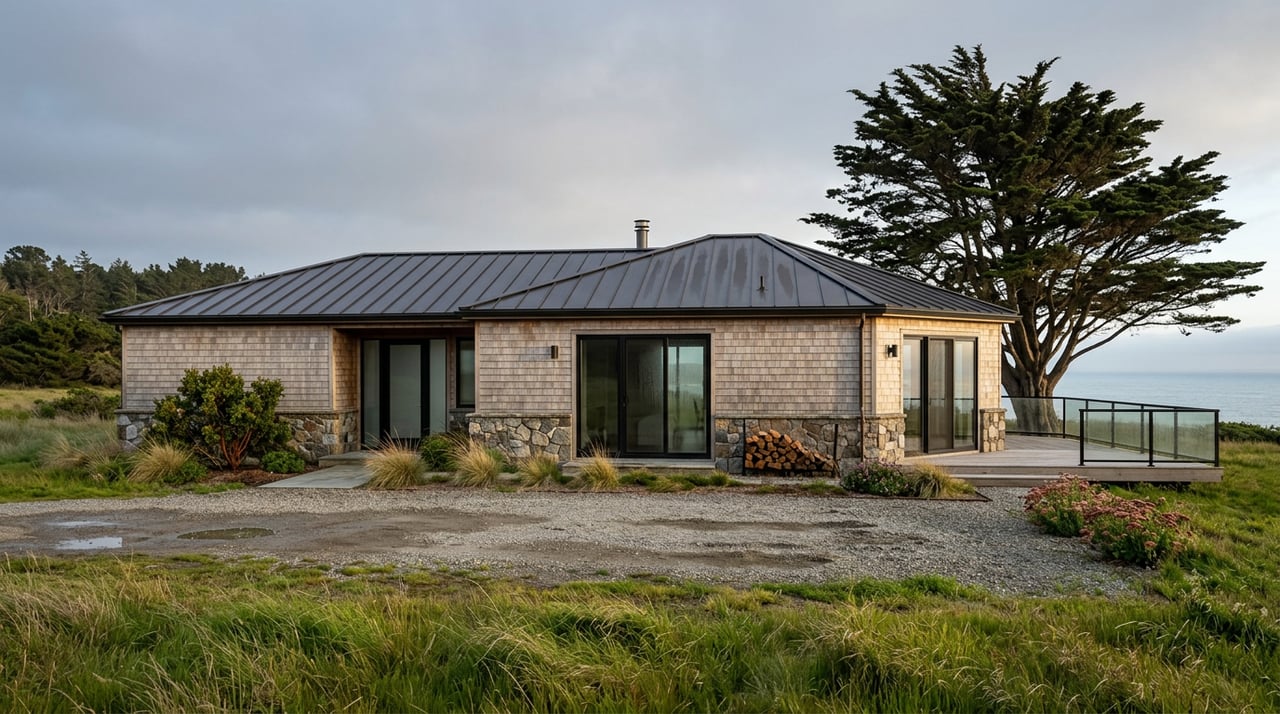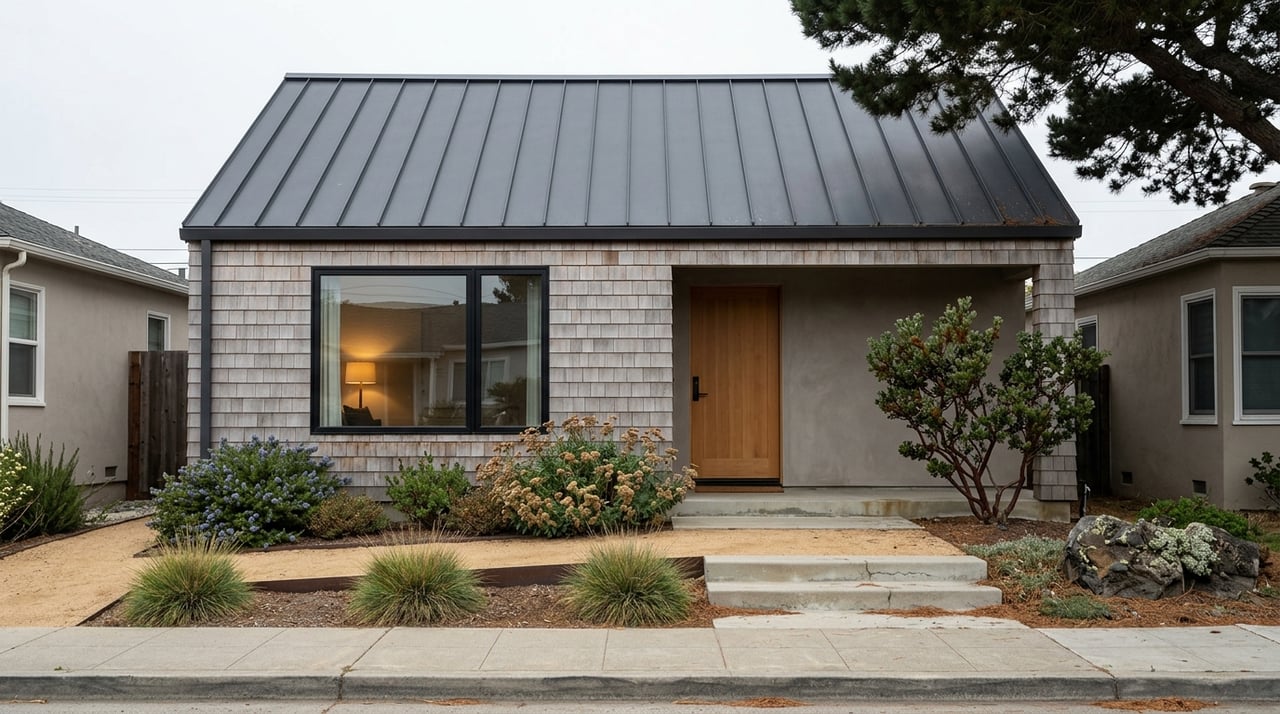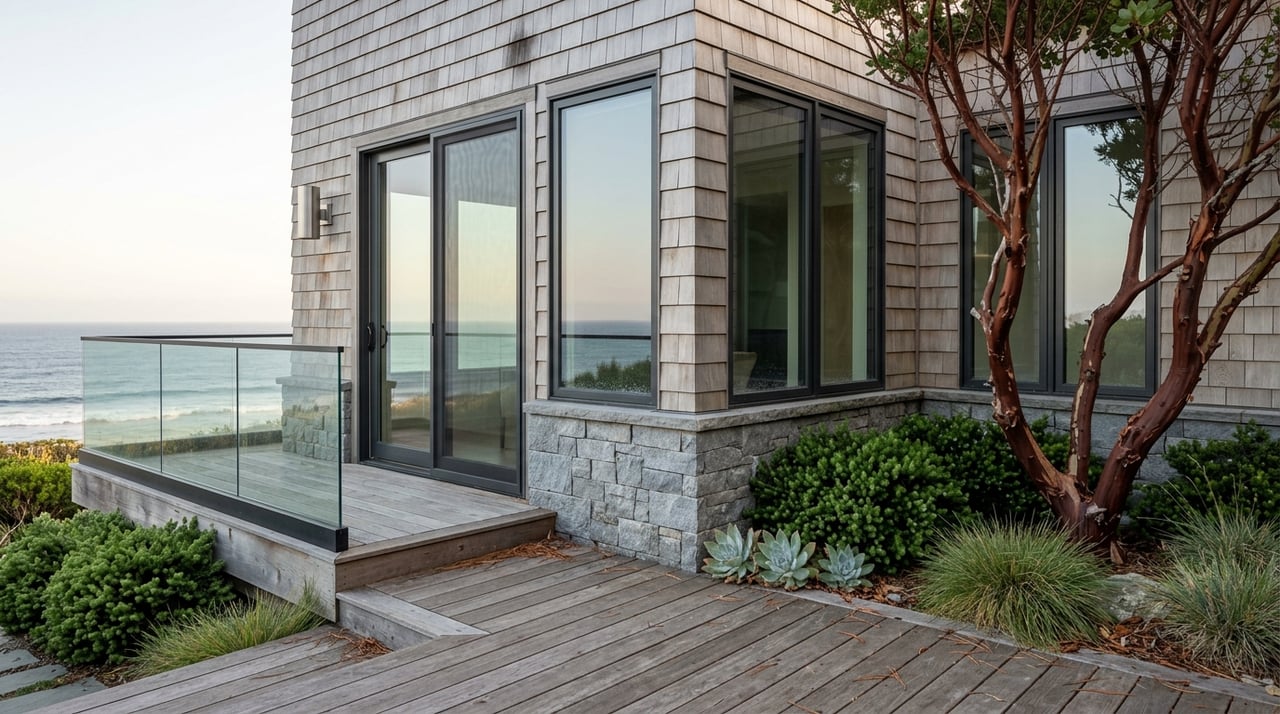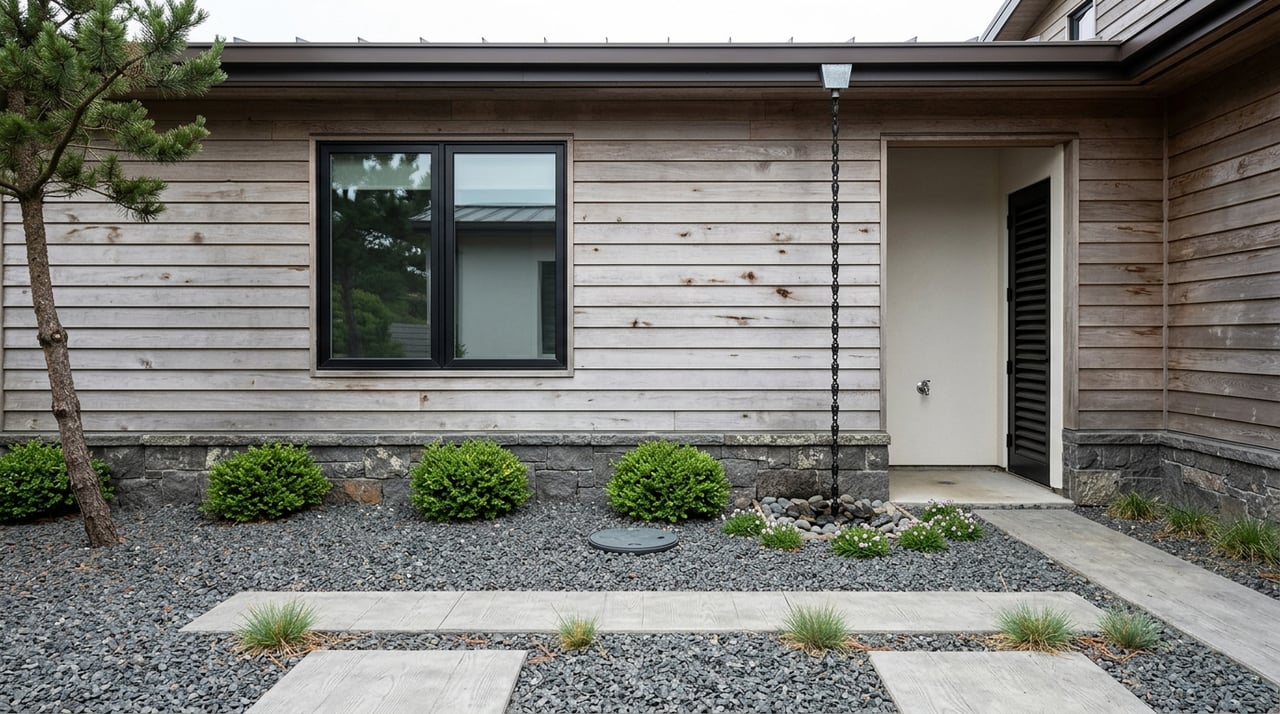
If you are thinking about a second home in Sea Ranch, it helps to look beyond the view and the floor plan. Ownership here comes with a distinct set of community rules, seasonal logistics, and maintenance responsibilities that can shape how you use the property year-round. When you understand those factors early, you can buy with more confidence and avoid surprises later. Let’s dive in.
Why Sea Ranch ownership feels different
Sea Ranch is best understood as a community-governed coastal property environment rather than a typical vacation-home market. According to The Sea Ranch Association, all homeowners are members of the Association, and the framework for ownership includes the CC&Rs, Design Manual, and Association Rules.
That matters if you plan to use the home seasonally, share it with family, or explore rental use. In Sea Ranch, the ownership experience is shaped as much by community standards and operational details as it is by the home itself.
Community rules shape daily use
If you are buying a part-time home, the rules should be part of your early due diligence. TSRA states that no work may proceed without Design Committee approval, so even exterior changes, landscaping revisions, or visible updates may require review before you begin.
Daily-use rules matter too. The current TSRA Rules set Quiet Hours from 9 p.m. to 7 a.m., limit overnight parking to the host’s private driveway, and make owners responsible for the conduct of family members, guests, tenants, and lessees.
For many second-home owners, that means planning ahead for how the home will actually be used. If you expect frequent visitors, holiday gatherings, or rotating family stays, it is smart to think through parking, quiet hours, and house expectations before closing.
Recreation access has limits
Guest use of public recreation facilities is also regulated. TSRA states that no more than six people per lot may use Public Recreation Facilities at one time unless the Association office approves a larger group in advance.
For larger groups, Day Use Identification Passes are required. If your vision for the property includes reunions or multi-household visits, this is the kind of detail worth understanding upfront.
Rental use requires extra diligence
Many buyers ask whether a Sea Ranch home can help offset costs through occasional rental income. That question deserves careful review because rental assumptions in this market can be more complex than buyers expect.
According to Sonoma County’s transient vacation rental dataset, Permit Sonoma does not issue vacation-rental permits within the Coastal Commission Zone. In practical terms, that means any buyer considering rental income should confirm whether a specific parcel has legal rental entitlement, grandfathered status, or other applicable limits before relying on projected revenue.
This is one of the most important second-home questions in Sea Ranch. A property may still be a great fit for your goals, but the answer should come from careful property-specific due diligence rather than assumption.
Owners must communicate rules clearly
If a home is used by renters or lessees, TSRA requires owners to provide notice of applicable Association rules before occupancy. The Rules state that this notice must appear in rental advertising, house rules, management agreements, and rental agreements.
That requirement makes organization especially important. If you are planning any shared-use or rental arrangement, you will want a clear system for guest communication, written instructions, and documented notices.
Passes and guest coordination are owner-driven
TSRA also notes in its FAQ page that the Association does not administer passes for rental properties. If guests rent through an agency operating at The Sea Ranch, the agency provides the passes. If guests rent directly from an owner, the owner provides them.
That is a useful reminder that rental operations are not handled by TSRA itself. As TSRA explains on its utilities and services information, rentals and property management are handled through local or national agencies rather than the Association.
Seasonal ownership takes planning
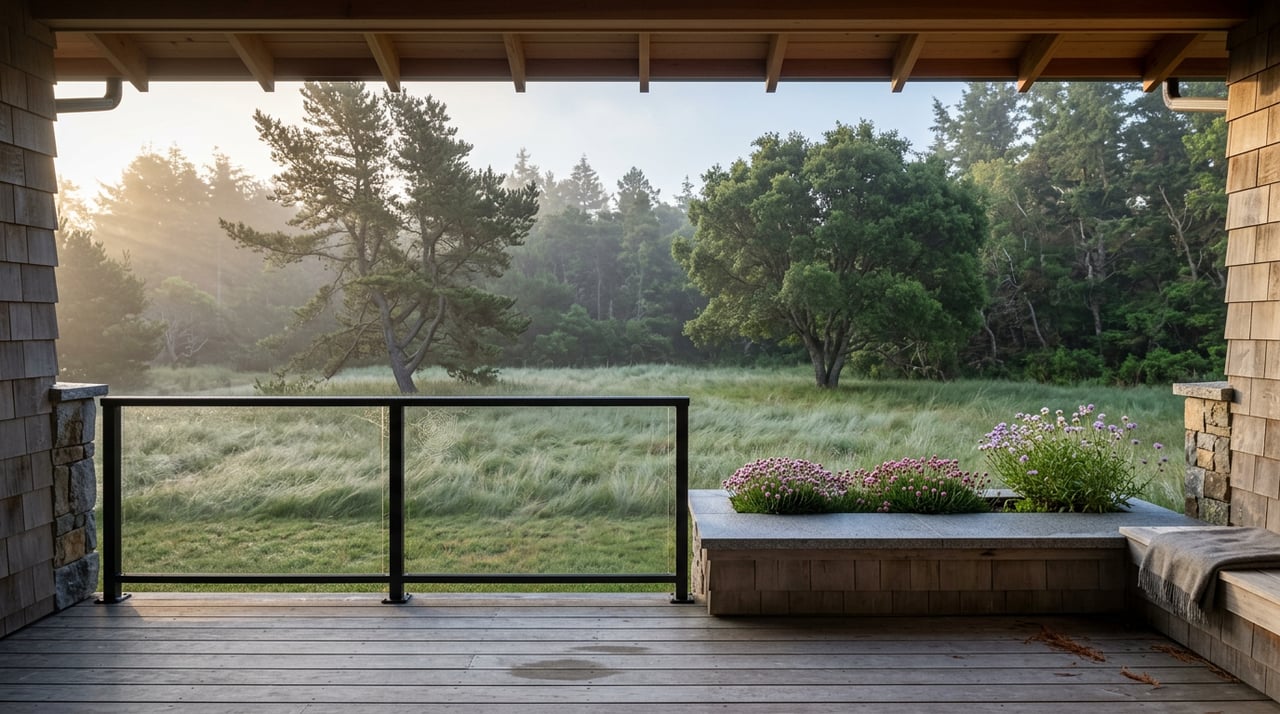
Sea Ranch can be beautifully calm one moment and sharply different the next. TSRA describes the community as a narrow coastal area along windy Highway 1 where conditions can shift quickly from sunshine to fog, wind, and rain in the same day.
For a full-time resident, weather changes may feel routine. For a seasonal owner arriving from out of town, they affect travel timing, storm prep, visibility, and the condition of a home that may have been vacant for weeks.
Plan your arrivals and departures
Part-time owners should think practically about travel logistics. TSRA notes that the Association office is open Tuesday through Saturday, and recreation-center hours are limited, so you should not assume after-hours help, pass coordination, or office support will always be available for late arrivals or weekend turnovers. You can review current office details on the TSRA help page.
This is especially relevant if you expect back-to-back guest stays or short windows between departures and arrivals. A simple arrival plan can reduce a lot of stress.
Local transportation is limited
Sea Ranch does offer a private airstrip for members, guests, and renters, but TSRA states on its airstrip information page that it is not open for public use, has no fueling services, and operates only from sunrise to sunset. TSRA also notes that ground transportation in the area is very limited.
For second-home owners, that means it is wise to plan transportation well in advance, especially when coordinating guest visits, service vendors, or emergency access.
Trail access should be explained to guests
If you host friends, family, or renters, coastal access instructions should be specific. Sonoma County Regional Parks manages six public access trails in The Sea Ranch, and the county reminds visitors to stay on marked trails because other roads and paths within the community are privately owned.
A good welcome guide should make that distinction clear. It helps guests enjoy the area respectfully and reduces confusion during their stay.
Maintenance matters more in part-time ownership
A seasonal home needs more than occasional check-ins. In Sea Ranch, weather exposure, infrastructure details, and fire readiness all raise the importance of having a reliable maintenance plan.
TSRA says it maintains private roads, parking areas, roadsides, drainage, and signage, and that utilities are underground. TSRA also states that Sea Ranch Connect fiber reaches every home, lot, and business, which can support remote work and monitoring. Still, part-time owners should plan for system access, service coordination, and troubleshooting when the house is vacant.
Fire readiness is ongoing work
Wildfire preparation is a major ownership consideration. TSRA Rules require compliance with California fire-safety standards, including clearing combustible debris from roofs, maintaining vegetation clearance near structures, using screened openings on solid-fuel devices, disposing of ashes in covered metal containers, and maintaining Class A roofing material.
CAL FIRE guidance aligns with that approach, and TSRA emphasizes ongoing fuel management within the community. The Association also describes a fuel-management program, roadside branch collection, and sheep grazing to reduce fuel loads in its Living at The Sea Ranch publication.
For you as an owner, the key takeaway is simple: fire prep is not a one-time project. It is an ongoing part of owning and maintaining a home on this stretch of coast.
Septic or sewer affects upkeep
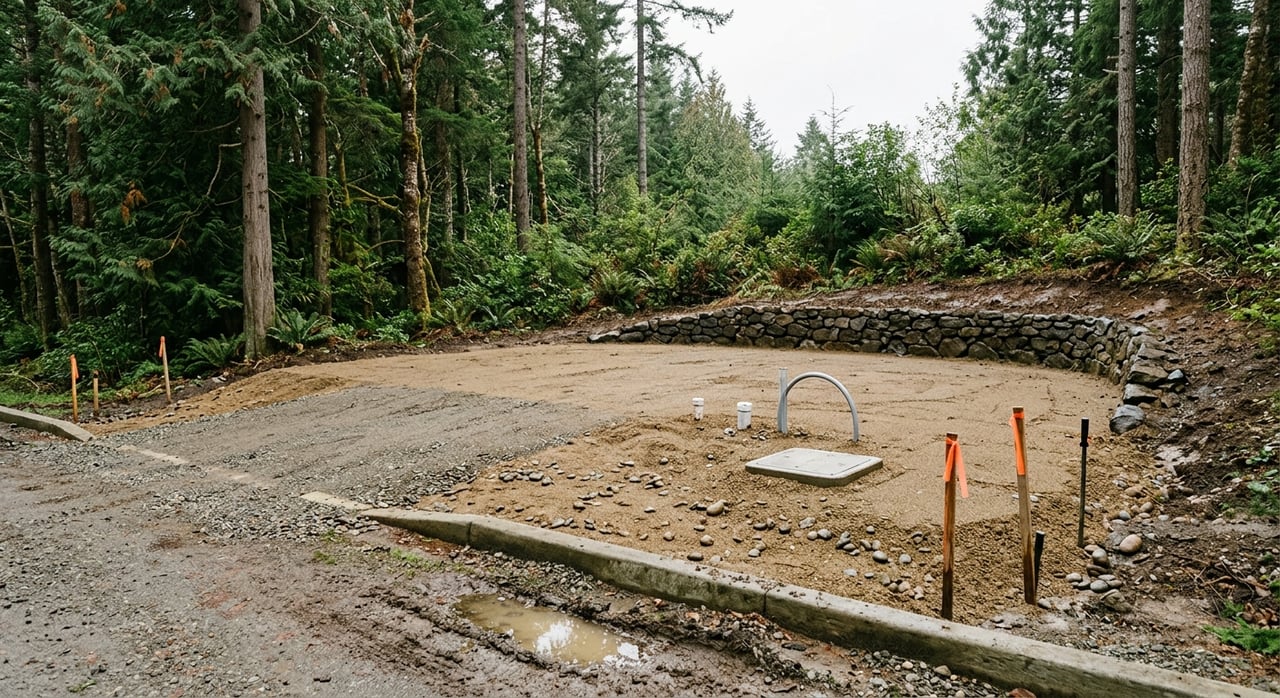
Infrastructure details also matter more than many buyers expect. TSRA states that roughly two-thirds of Sea Ranch homes use individual septic systems, while the rest use one of two sewer systems.
If you are buying a second home, that makes it important to confirm which system serves the property and when it was last serviced. Septic inspections, pumping schedules, and leak checks should be treated as core ownership items, not minor details.
Security helps, but it is not a full plan
TSRA notes in its Living at The Sea Ranch publication that security patrol drives by every home twice a day, responds to alarms, and checks vacant homes. That is a helpful layer of oversight for seasonal owners.
Even so, it does not replace a local plan for storms, leaks, power interruptions, and landscape issues. Many part-time owners benefit from having a trusted property manager, local vendor, or designated contact who can respond quickly when the home is empty.
Smart questions before you buy
If you are comparing second-home options in Sea Ranch, a few practical questions can help you evaluate fit:
- Is the parcel legally eligible for rental use if you expect income?
- Who will handle passes, key exchange, and guest instructions?
- Is the home on septic or sewer, and when was it last serviced?
- What is the current fire-hardening status of the roof, vents, and defensible space?
- Who is the after-hours contact for storms, leaks, or security issues?
- How are owner, guest, and renter rule notices documented?
These are not small details. In a community like Sea Ranch, they are central to how smoothly the property will function for you over time.
A thoughtful approach pays off
Sea Ranch can be an exceptional place to own a second home, but it rewards buyers who plan carefully. Community rules, guest logistics, seasonal weather, and maintenance systems all play a real role in the ownership experience.
When you approach the purchase with clear expectations and strong local guidance, you can focus more on enjoying the property and less on solving avoidable problems later. If you are considering a home in Sea Ranch and want practical, place-based insight, connect with Kennedy & Associates Real Estate for local guidance grounded in decades of experience along the Sonoma coast.
FAQs
What should second-home buyers know about Sea Ranch rules?
- Sea Ranch ownership is governed by Association rules, and owners are responsible for the conduct of guests, tenants, and lessees, along with compliance for things like quiet hours, parking, and exterior changes.
Can you use a Sea Ranch home as a vacation rental?
- You should verify parcel-specific legal eligibility before assuming rental use, because Sonoma County states that vacation-rental permits are not issued within the Coastal Commission Zone.
What are the main seasonal challenges of owning in Sea Ranch?
- Weather shifts, limited after-hours support, travel logistics, and the need for remote maintenance planning are some of the biggest practical considerations for part-time owners.
Why does septic or sewer matter in a Sea Ranch second home?
- TSRA states that some homes use individual septic systems and others use sewer systems, so knowing which one serves the property helps you plan inspections, service, and ongoing upkeep.
How should owners prepare guests for staying in Sea Ranch?
- A clear house guide should explain Association rules, parking, quiet hours, trail access, passes, trash procedures, and other stay-specific expectations before guests arrive.