Fort Ross Road climbs northeast from the park gate on Highway 1, and three-quarters of a mile up the hill a stand of old fruit trees grows on the San Andreas Fault. One of them is a Capulin cherry planted in 1820, grown from stock that came from the Santa Cruz Mission, and it is still alive. Fort Ross Conservancy says that from August through November the apples and pears are ripe, and visitors may pick them in small quantities for personal use.
The Harvest Festival on Saturday, October 17, is built around the orchard. Outside that day, Fort Ross Conservancy says the orchard is "generally open to the public, during daylight hours." If you live a few minutes up Highway 1 in Timber Cove, that makes the orchard a place you can stop on a quiet weekday afternoon before the season ends.
What Grows Up There, and How Old It Is
The Russian-American Company founded its settlement at Fort Ross in 1812, on the lands of the Kashia Pomo. Two years later it planted a single peach tree that came up from San Francisco. According to the Conservancy's Harvest Festival page, grapevines from Peru followed in 1817. They were the first grapes planted in what later became Sonoma County. Apple seeds arrived in 1818, and by 1820 more than 100 apple, pear, cherry and peach saplings had been brought in. The same page records an early visitor's account of 50-pound pumpkins and a 15-pound turnip from the colony's gardens.
The trees were a practical crop. They started bearing in 1828 and helped prevent the scurvy that had troubled the fort in its early years. The Russian orchard covered about 1.5 acres behind an eight-foot redwood plank fence that kept animals out. Planters mixed varieties together, left the trees unpruned and let grapevines climb into the branches.
After the Russian era, each owner left the orchard bigger or smaller than they found it:
| Period | Who held Fort Ross | What happened to the orchard |
|---|---|---|
| 1814–1841 | Russian-American Company | Started with one peach tree; 264 trees, some vines and two small buildings by the 1841 sale to John Sutter |
| 1845–1867 | William Benitz | Added 450 apple and 150 other fruit trees, plus a new orchard of 1,500 named-variety apples nearby |
| 1873–1976 | The Call family | Added 1,200 apple and pear trees and shipped fruit to San Francisco; planted the "Plum Orchard," which still stands upslope |
| 1976–today | California State Parks | 199 Russian- and Ranch-era trees remained in 1976; in the 1980s the orchard was fenced and replanted with trees grown from cuttings |
Benitz ran the orchard as a business. Between 1853 and 1855 he shipped 20,000 pounds of apples from Fort Ross to Sonoma. The orchard reached its peak during the ranch era, and the 1976 count of 199 surviving trees shows how much was lost after that.
The Fault Under the Trees
The orchard sits on the San Andreas Fault, and the 1906 earthquake that destroyed San Francisco also knocked down the Fort Ross chapel and badly damaged the orchard. Carlos Call kept a small part in production until 1932. For most of the century the Calls owned it, trees aged and died without being replaced, the fences fell down and animals grazed among the trunks.
The festival's guided tours cover both the historic orchard and the San Andreas Fault.
Exactly how many date back to the Russians depends on which document you read. The Conservancy's orchard page lists four Russian-era survivors: three Capulin cherries and one Bellflower apple, which it says was "probably planted by the Russians." The orchard's 2015 management plan names only the three cherries. Everyone agrees on the cherries, and the Bellflower apple is likely but not certain.
How the Orchard Came Back
The trees you see today are the result of a recovery that started in the early 1980s. The management plan gives the timeline. In August 1982, Sebastopol nursery owner Wally Winkler and volunteer John Smith took cuttings from the orchard's apple and pear trees, and Winkler budded them onto semi-dwarf rootstock. In 1983, rangers and volunteers built an eight-foot electric fence around five acres of the orchard. In February 1984, volunteers planted 89 "daughter" trees grown from 18 historic "mother" trees, generally five around each original. The Conservancy's orchard page dates the fencing and replanting to 1985. Many of the trees on the hillside are therefore genetic copies of ranch-era and Russian-era trees.
The work is still going on, with new fencing, preservation pruning and management planning. The Conservancy also recruits volunteers for this kind of orchard work.
Because the orchard is being preserved as a historic resource, picking comes with rules.
Picking on an Ordinary Day
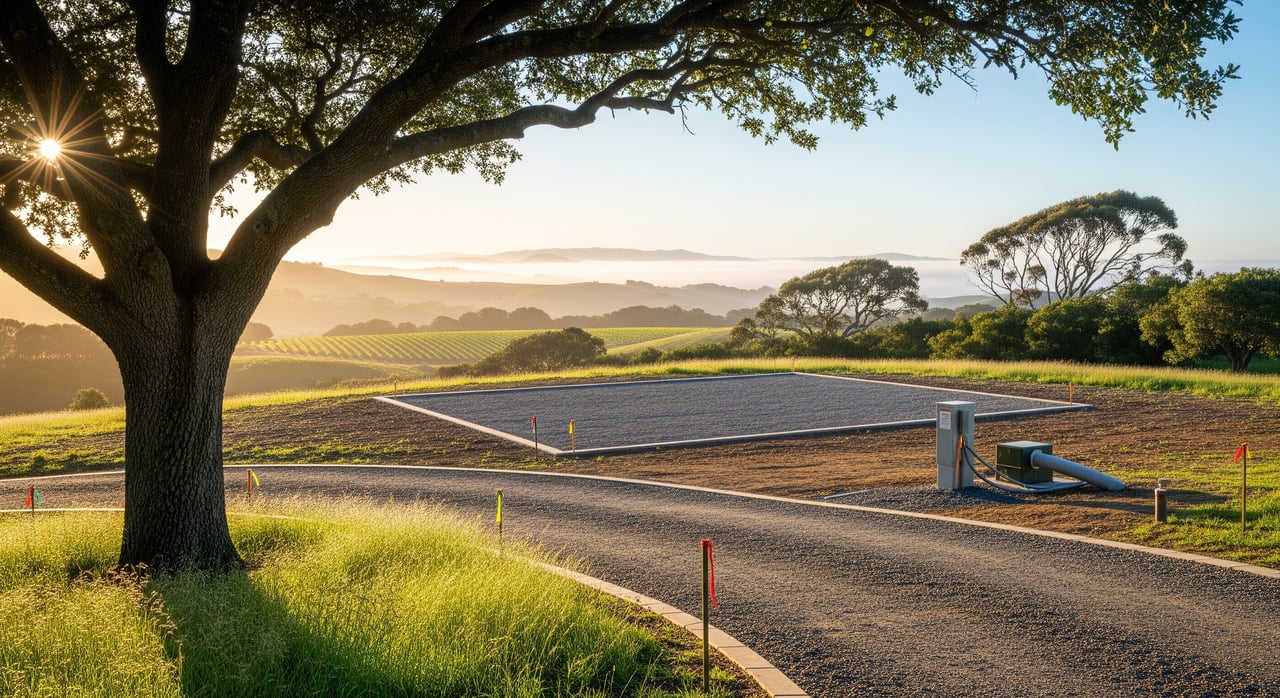
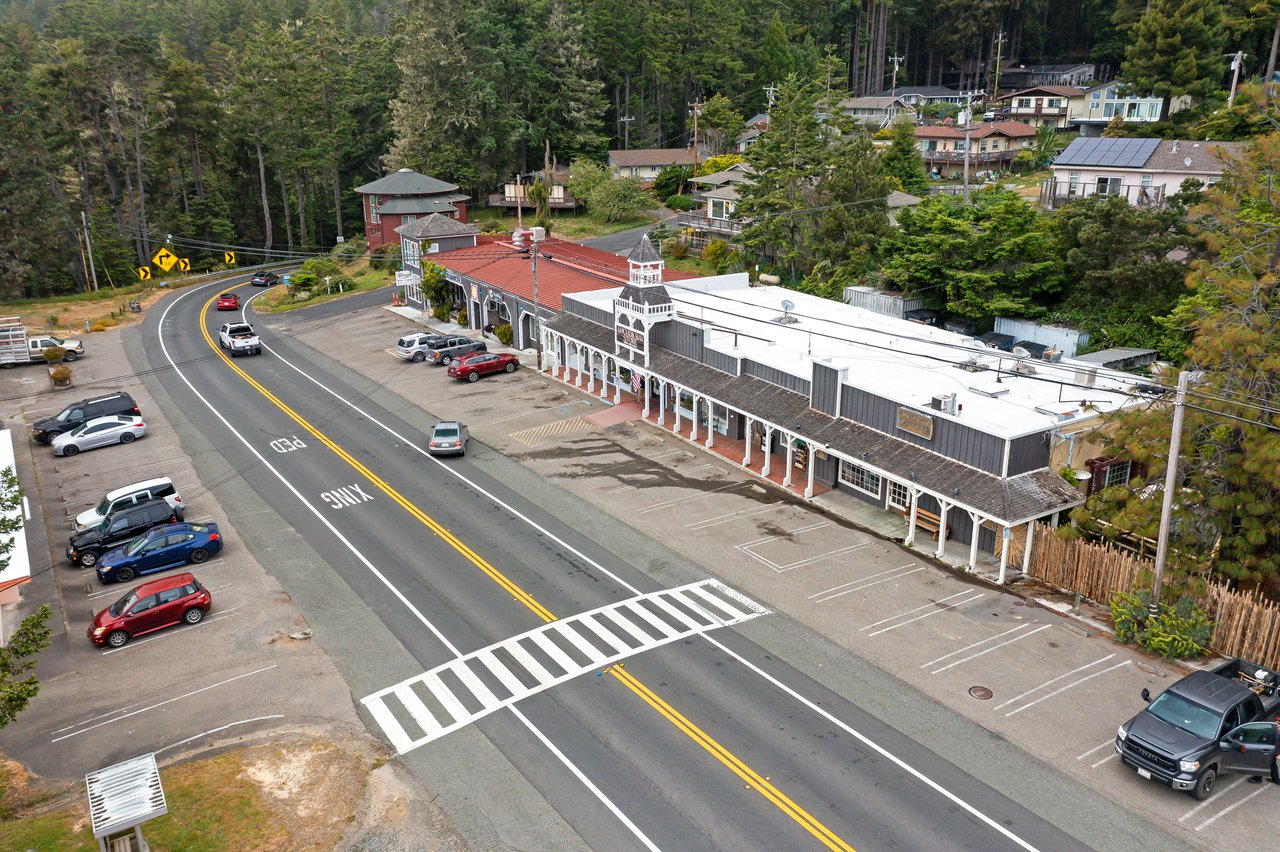
From the main Fort Ross lot, drive east up Fort Ross Road. Fort Ross Conservancy calls it "an easy thirty minute walk up the road, or a few minutes by car." Green posts mark the probable site of the original Russian orchard. The Conservancy has a printable orchard map that identifies individual trees, and a two-page brochure.
The Conservancy describes the orchard as "an old, fragile and living resource." Its rules for picking are:
- Apples and pears only, from August through November
- Small quantities, for personal use
- Don't hit the trees with sticks to knock fruit down
- Don't climb the trees
- Don't shake the trees
With mid-October here, about half of the picking window remains.
Saturday, October 17
The 2026 Harvest Festival is held throughout Metini-Fort Ross State Historic Park and centers on the orchard, which the Conservancy calls the oldest orchard in Sonoma County. The day includes apple picking, pumpkin carving, live performances, arts and crafts, local vendors and food, and the guided orchard and fault tours.
The event notice from the Congress of Russian Americans gives the details:
- Hours: 10:00 a.m. to 4:30 p.m.
- Cost: The festival is free. The usual California State Parks parking fee of $10 per vehicle applies.
- Getting uphill: A shuttle runs between the main parking lot and the orchard.
- Accessibility: Vehicles with an ADA placard may park near the orchard. Drivers can also drop passengers at the orchard and then park in the main lot.
- Weather: Bring a hat and wear layers, since coastal weather can change quickly.
The festival is also looking for volunteers to staff family activities, visitor welcome, orchard activities, setup and cleanup. You can sign up by emailing [email protected].
The Same Week at Salt Point
A few miles north at Salt Point State Park, State Parks scheduled a prescribed burn of up to 261 acres near Seaview Road for the same week. A State Parks notice dated October 9 gave a tentative window of Sunday, October 11 through Tuesday, October 13. The Prairie Trail closes during the work. According to the Press Democrat, the burn will go ahead only if weather and air quality allow. The October 7 release says the park stays open on burn days. It aims to reduce fuel loads in the coastal forest and promote native species, and it asks people not to call 911 about smoke coming from the burn area. Check the Salt Point page for current status before heading to that end of the park.
Salt Point also has its own foraging rules, and they differ from the rules at the orchard. State Parks' mushroom regulations for Salt Point include:
- A limit of 2 pounds per person per day
- No collecting for commercial sale
- A Special Event Permit from the Russian River Sector Office in Duncans Mills for organized groups
- No foraging in campgrounds or other developed areas
- Parking for foraging only in day-use lots, the Stump Beach parking lot or safe Highway 1 pullouts
The same page lists Fort Ross State Historic Park and Kruse Rhododendron Reserve as places where gathering mushrooms is prohibited. So a few apples from the orchard on Fort Ross Road are allowed, but mushrooms anywhere in Fort Ross State Historic Park are not.
Seasonal details like these on the coast between Timber Cove and Gualala are the kind of local knowledge Kennedy & Associates has gathered over decades on this coast. If you'd like the orchard's August-to-November season and the other events on this stretch of Highway 1 on your calendar, join our list to Receive Exclusive Listings and our local notes along with them.
This article is general information, not legal, tax or financial advice. Consult a qualified professional about your situation.