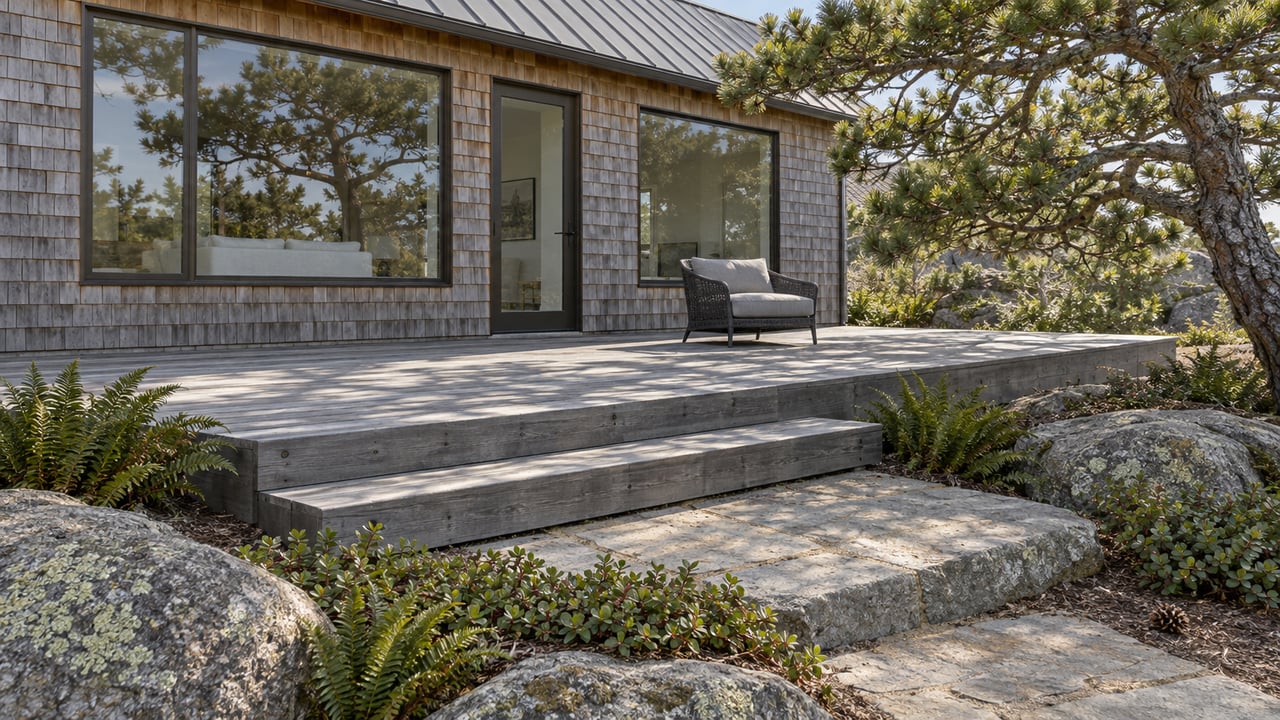
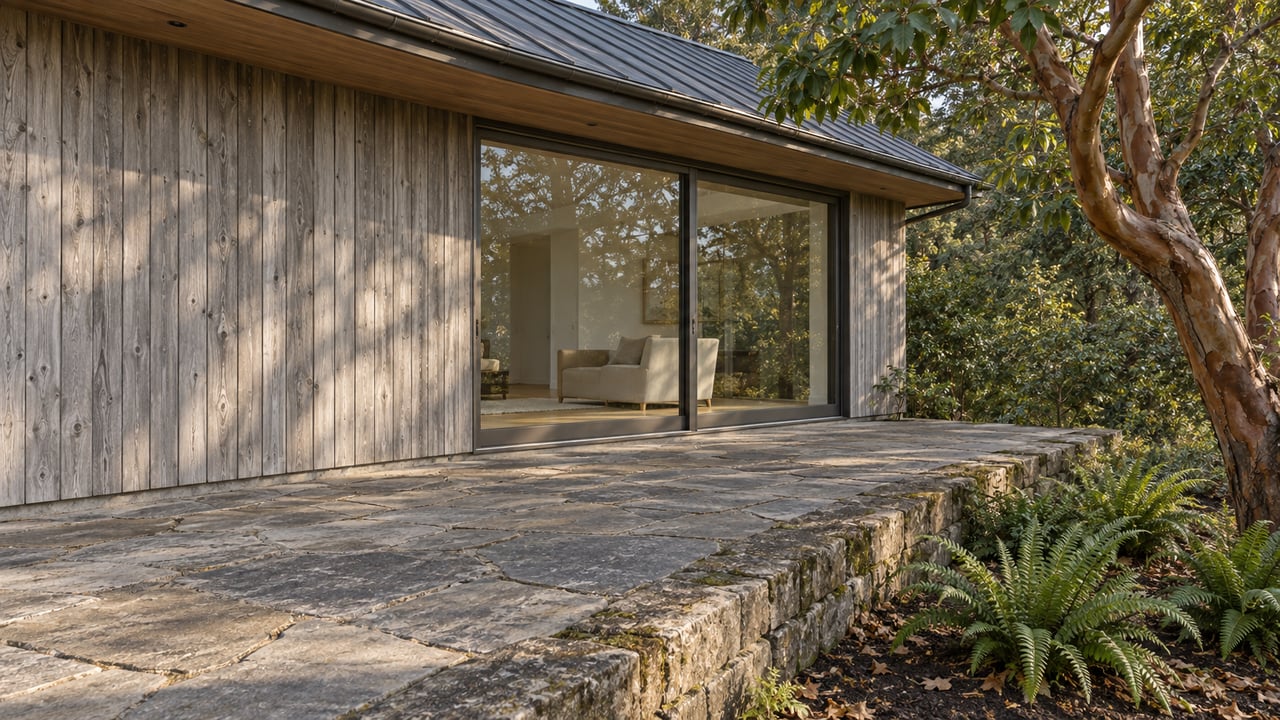
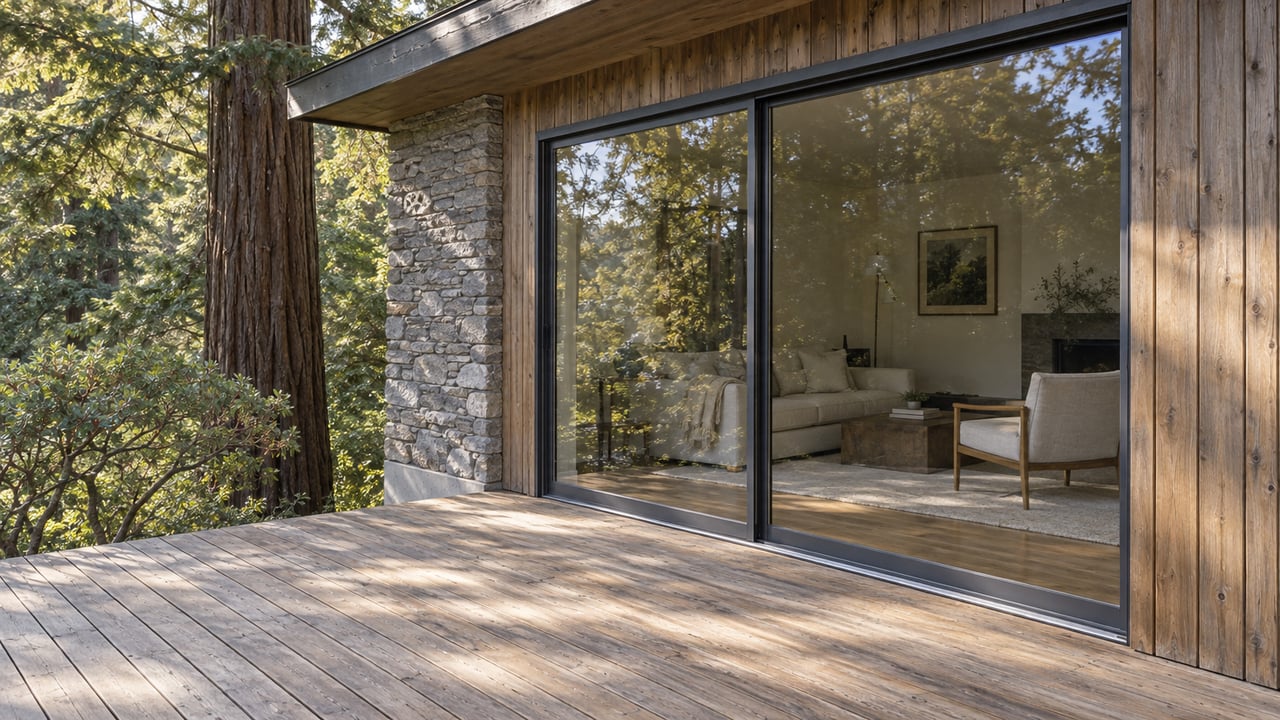
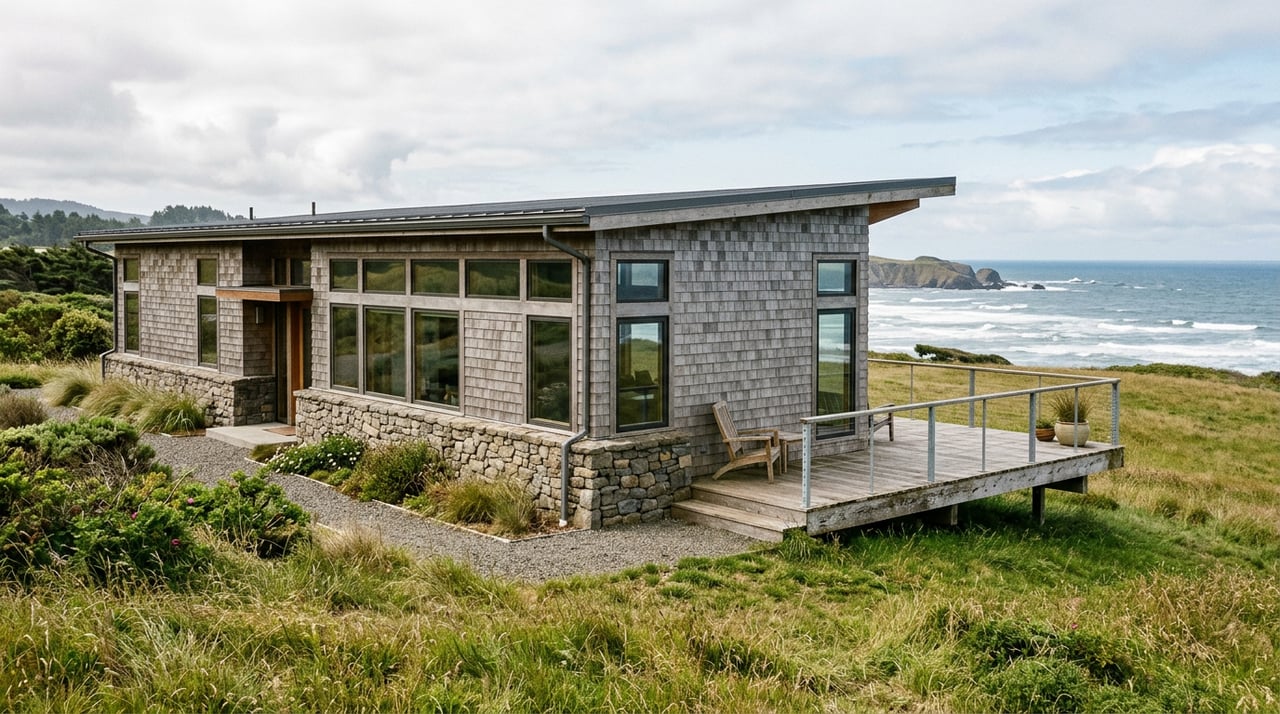
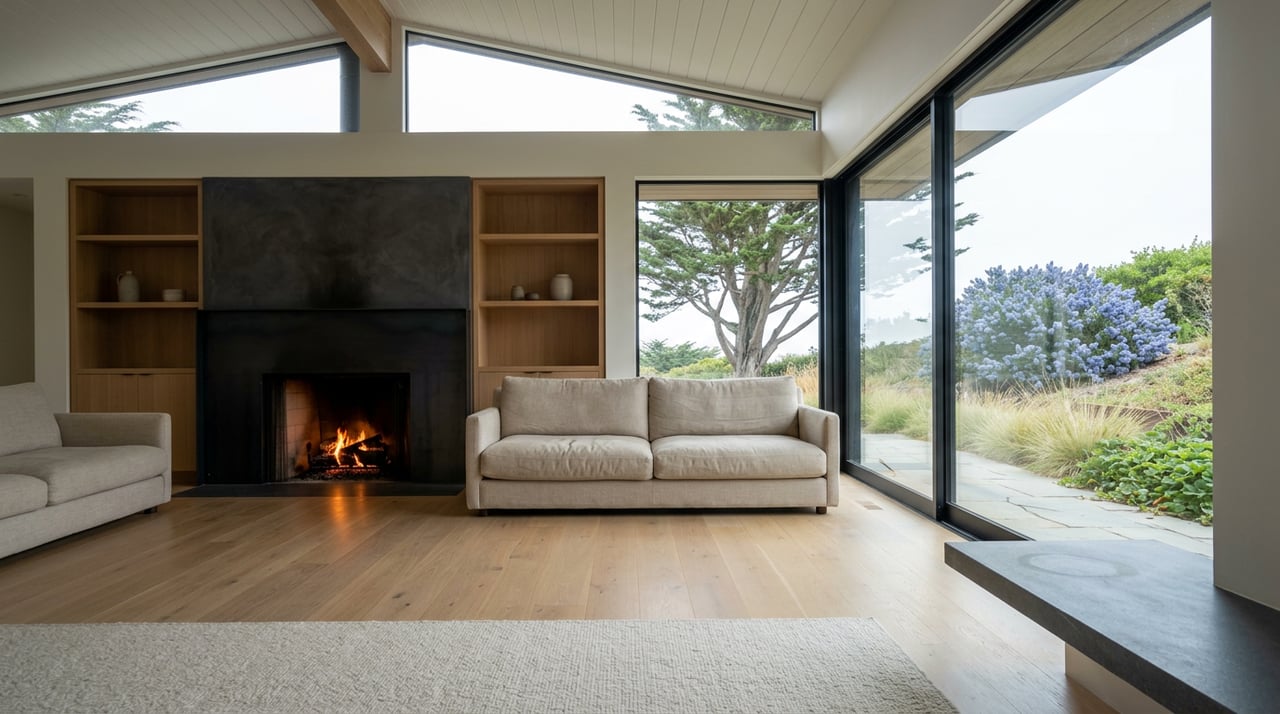
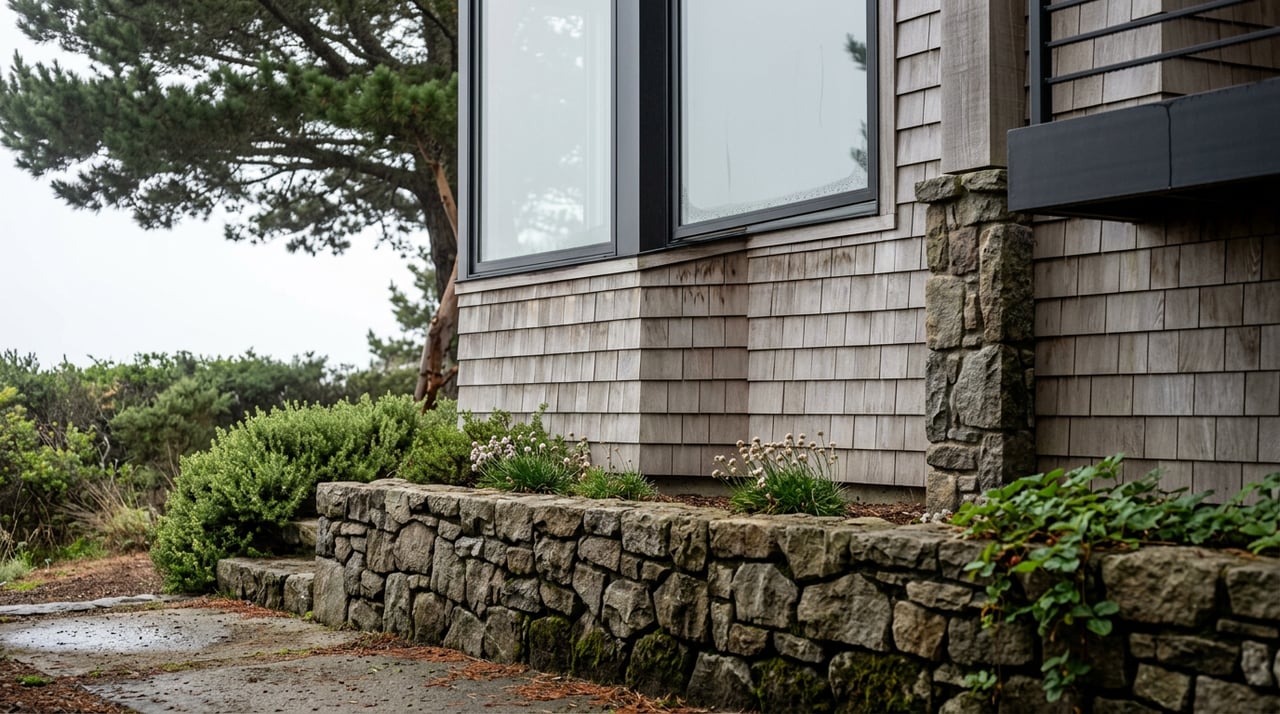
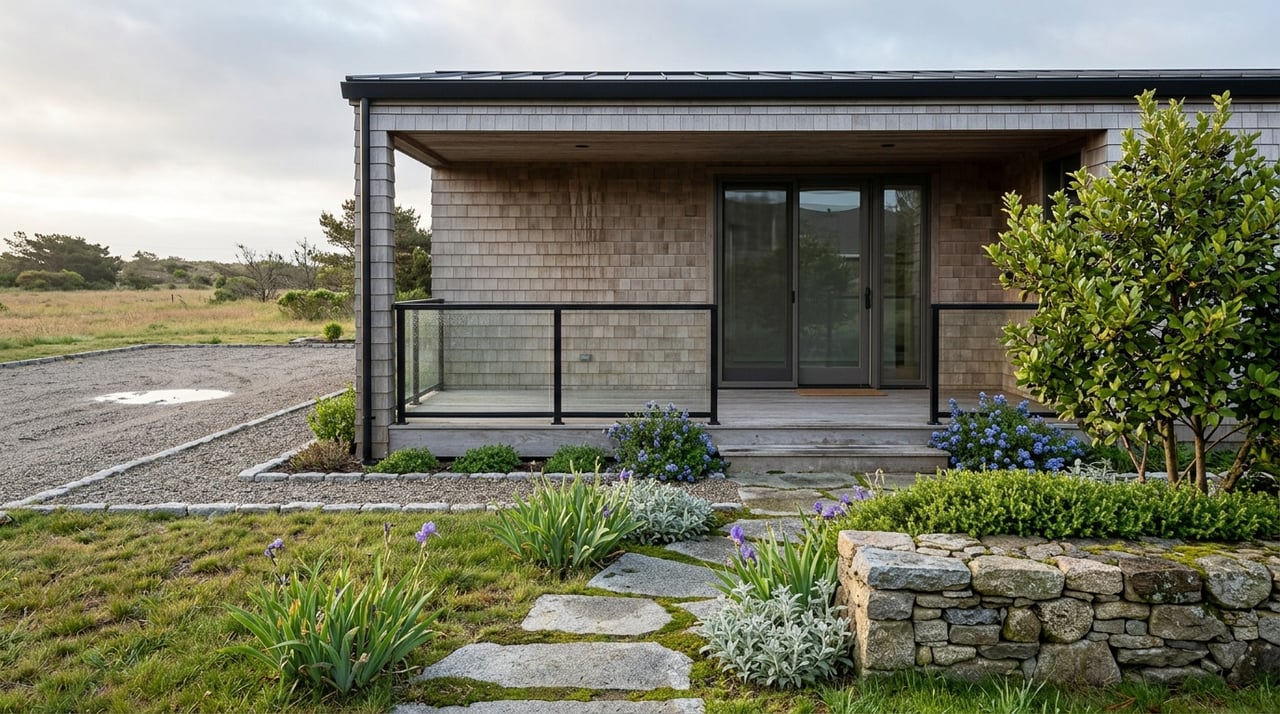
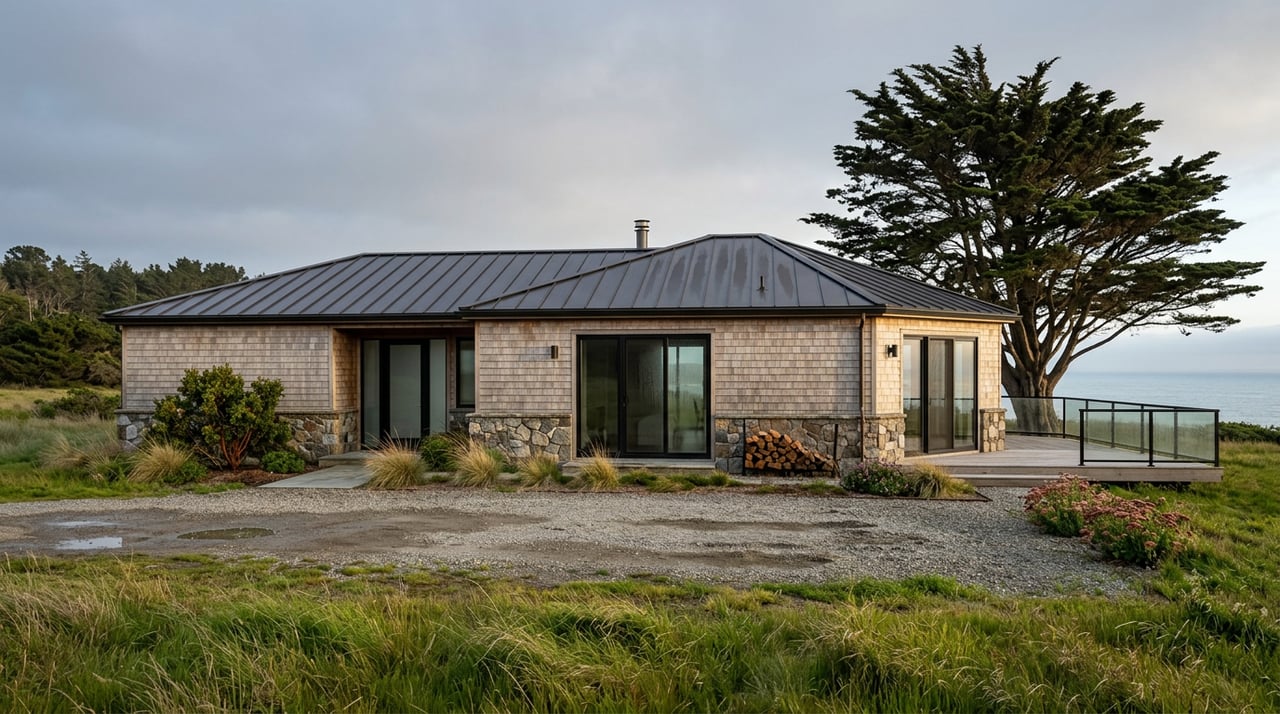
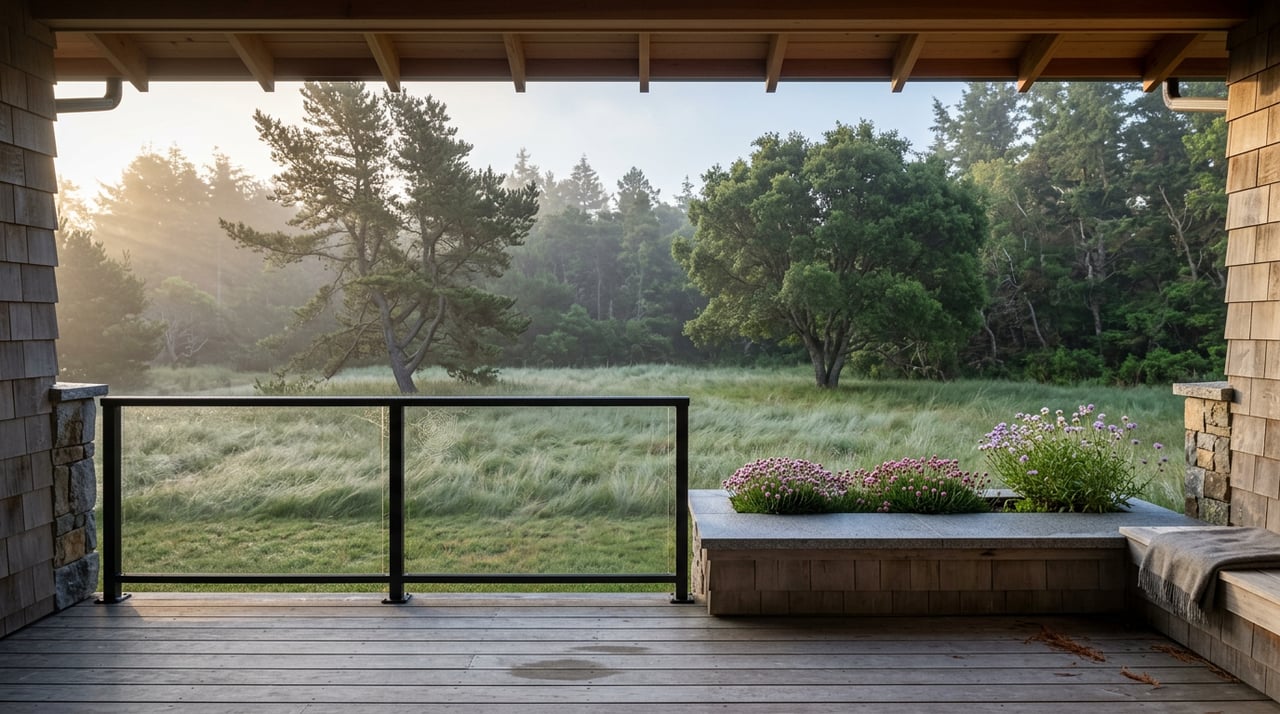
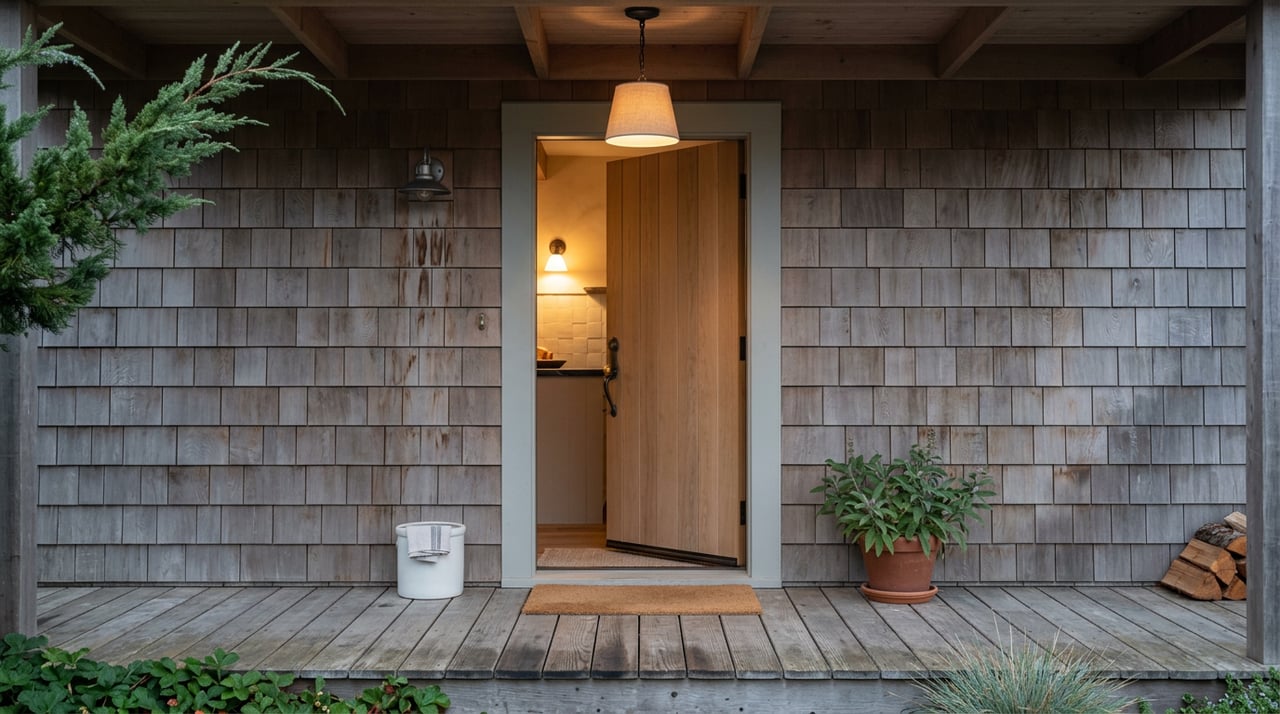
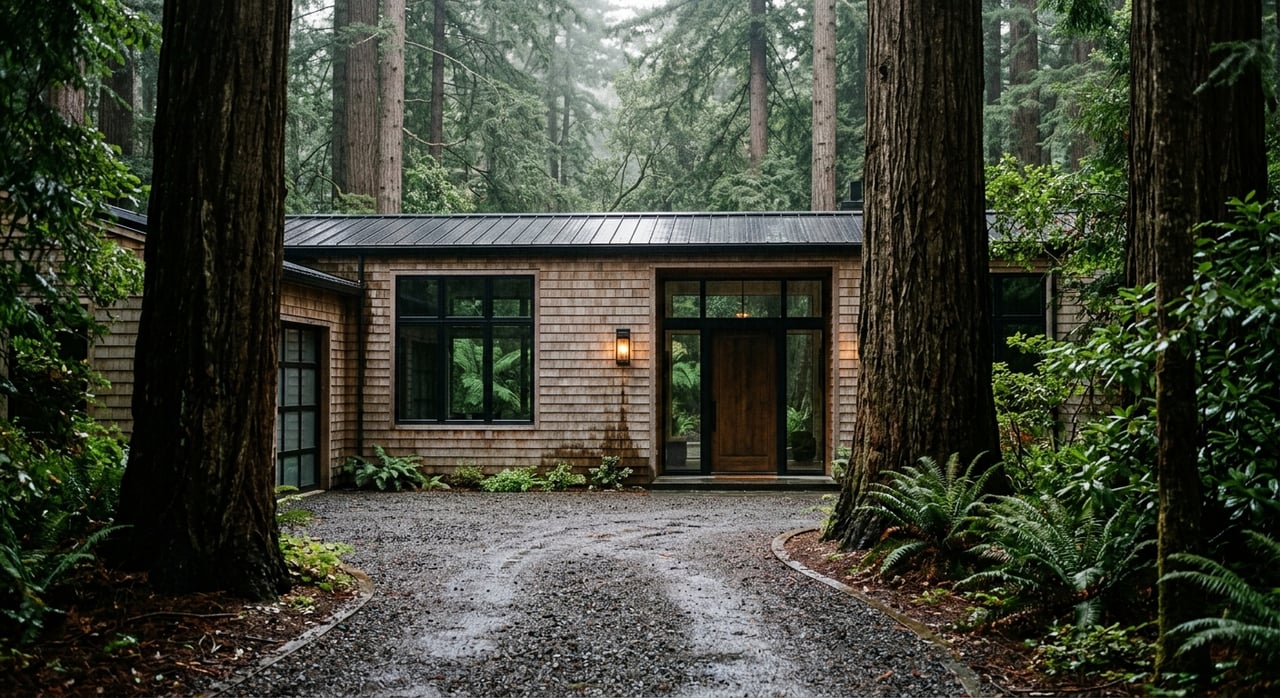
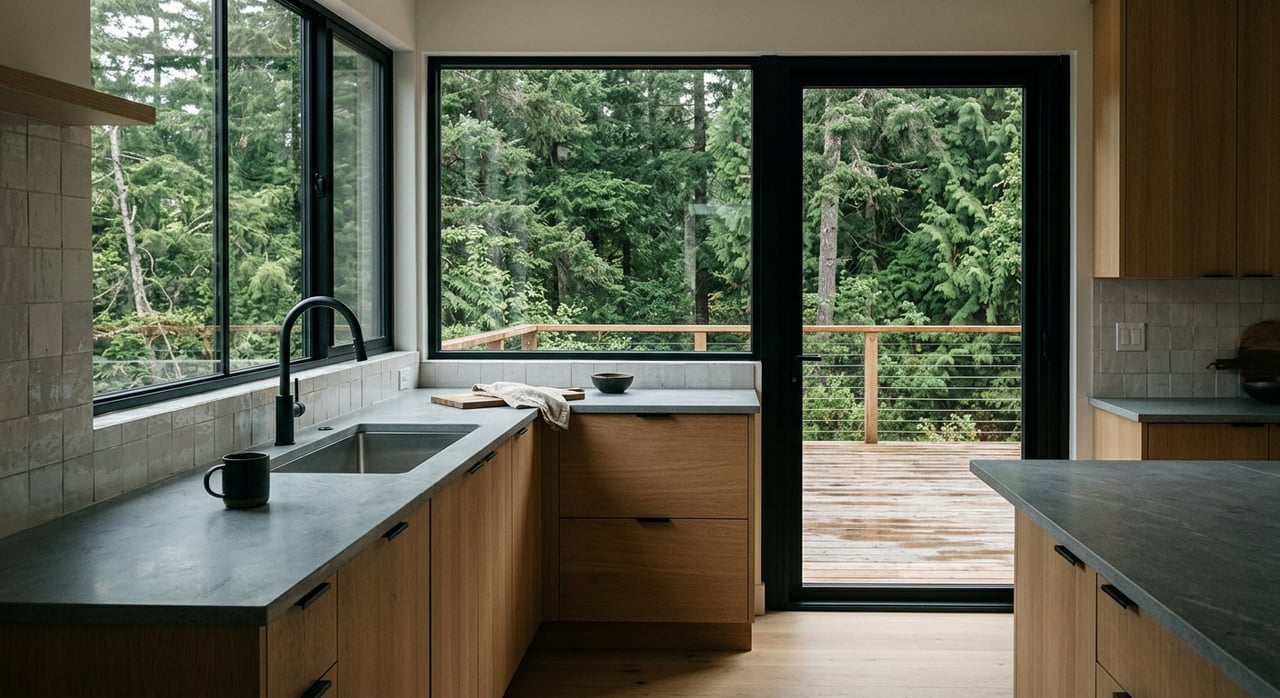
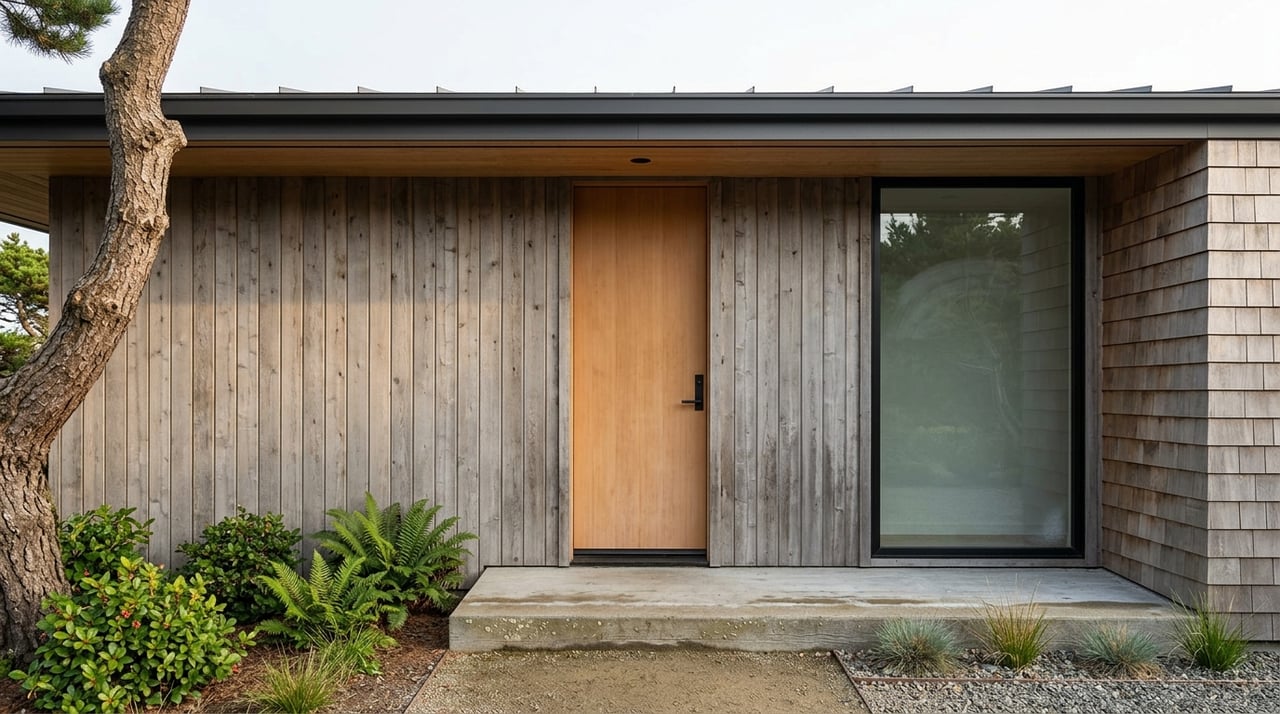
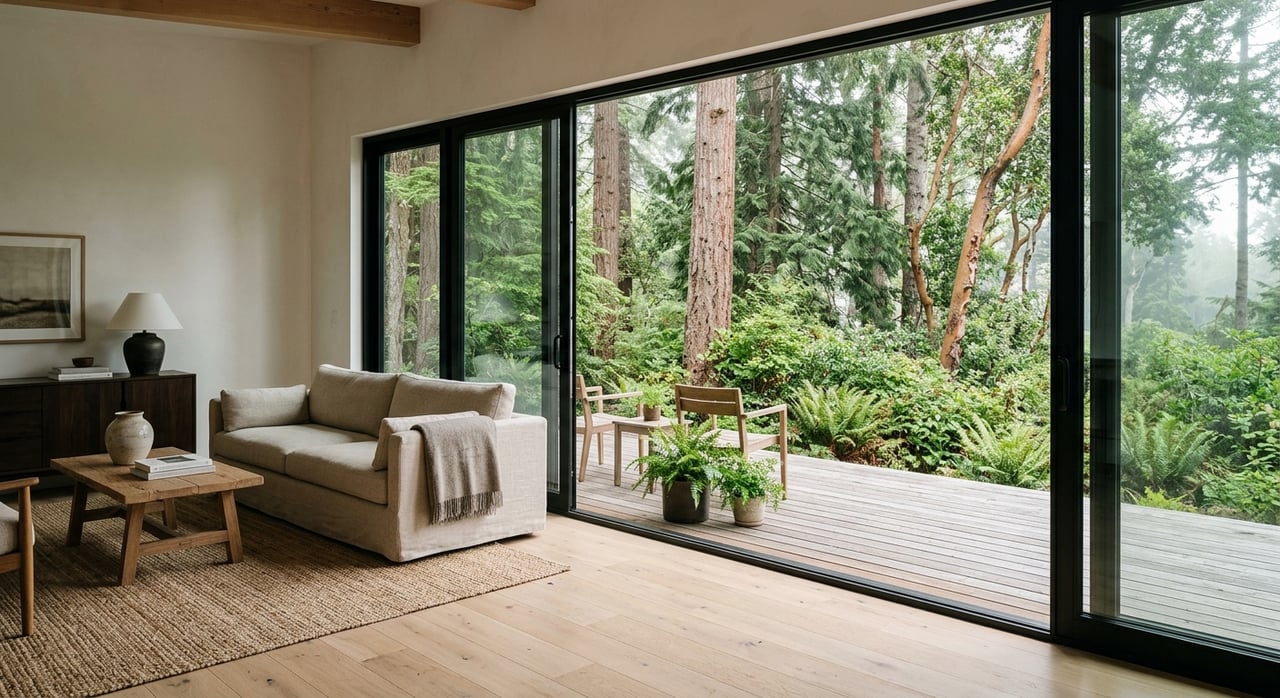
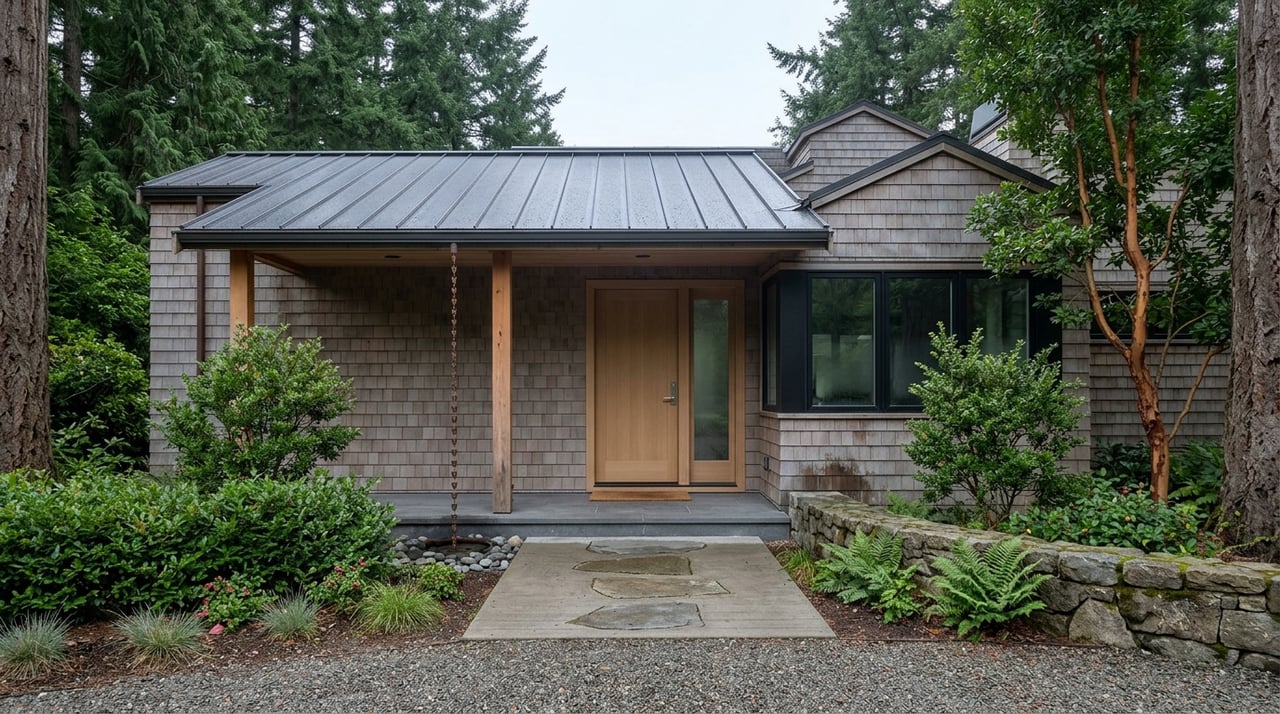
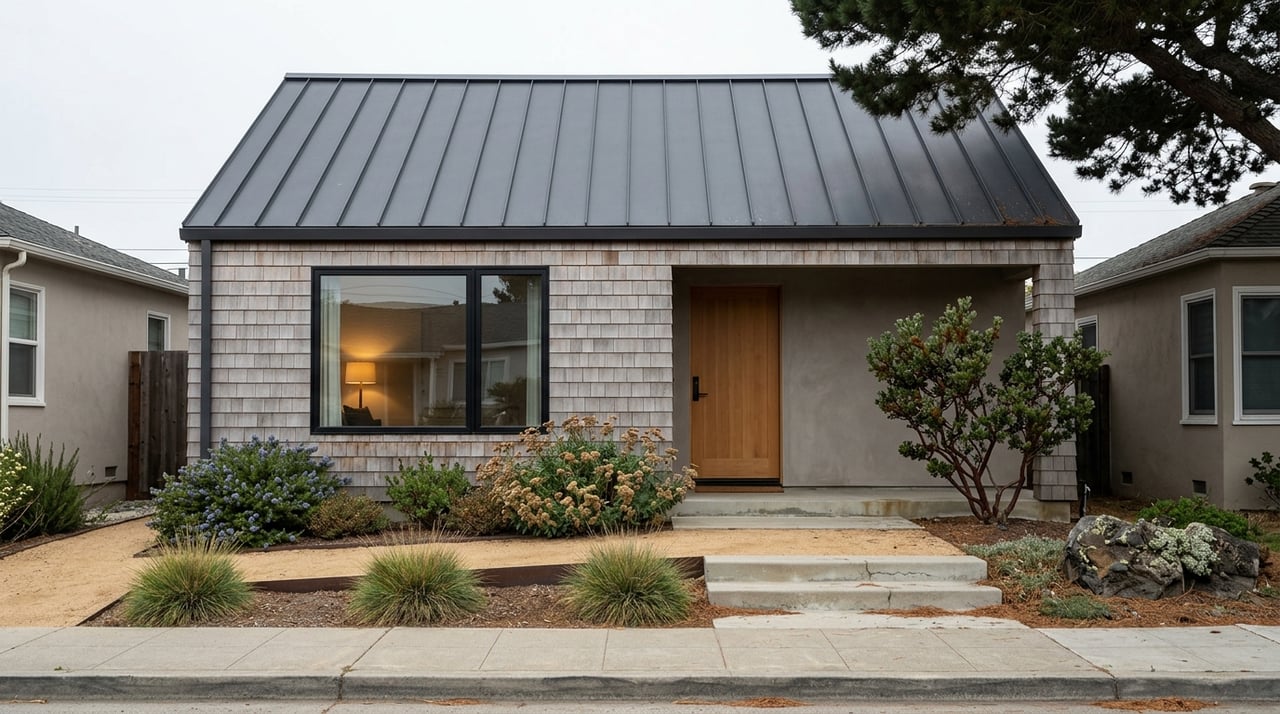
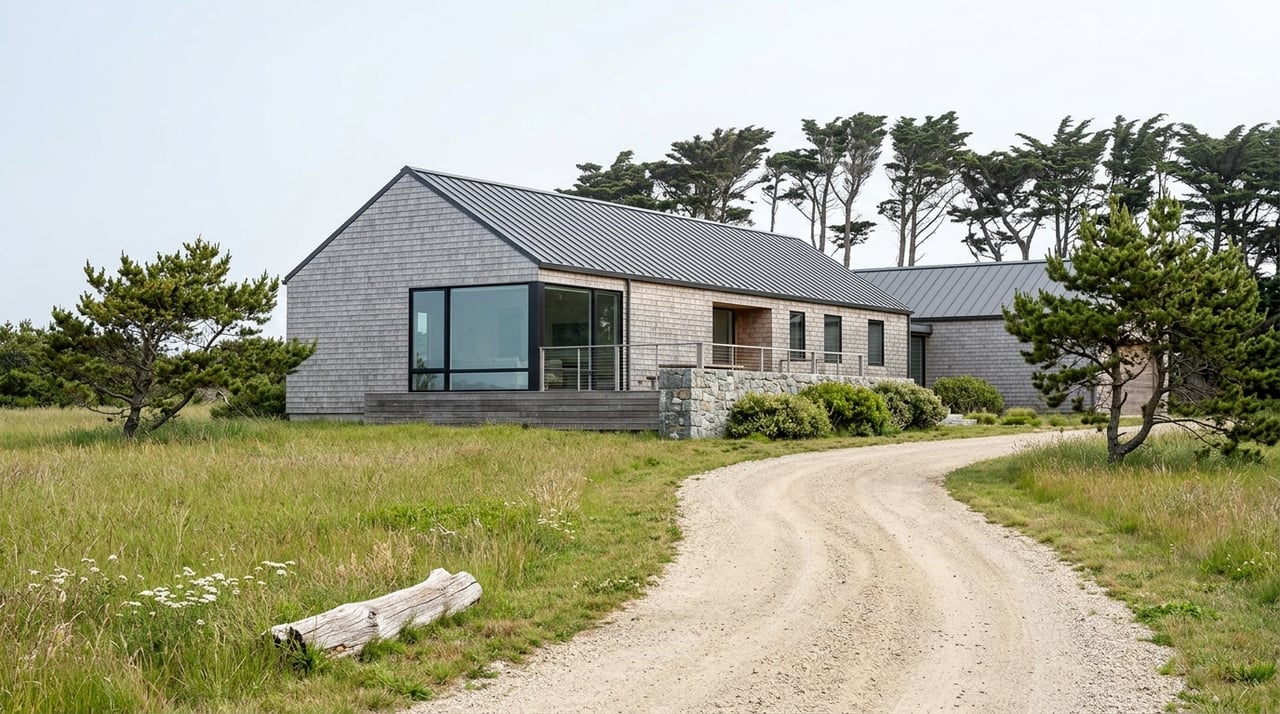
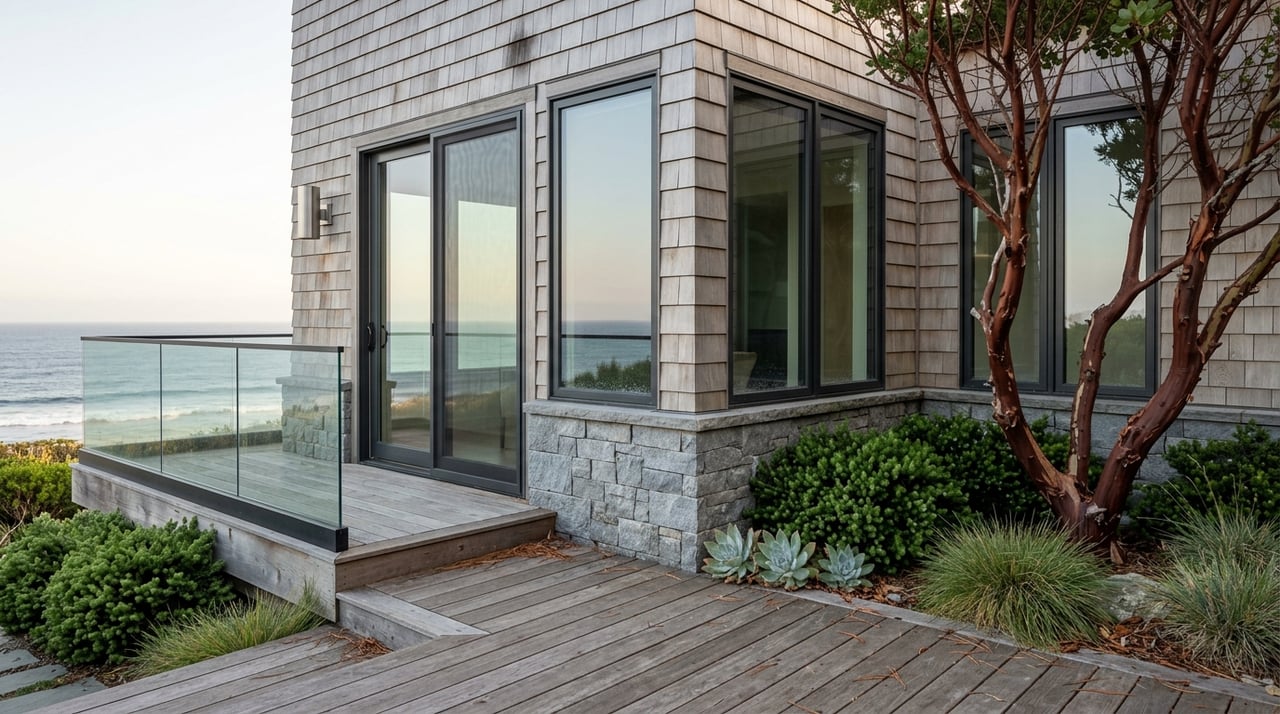
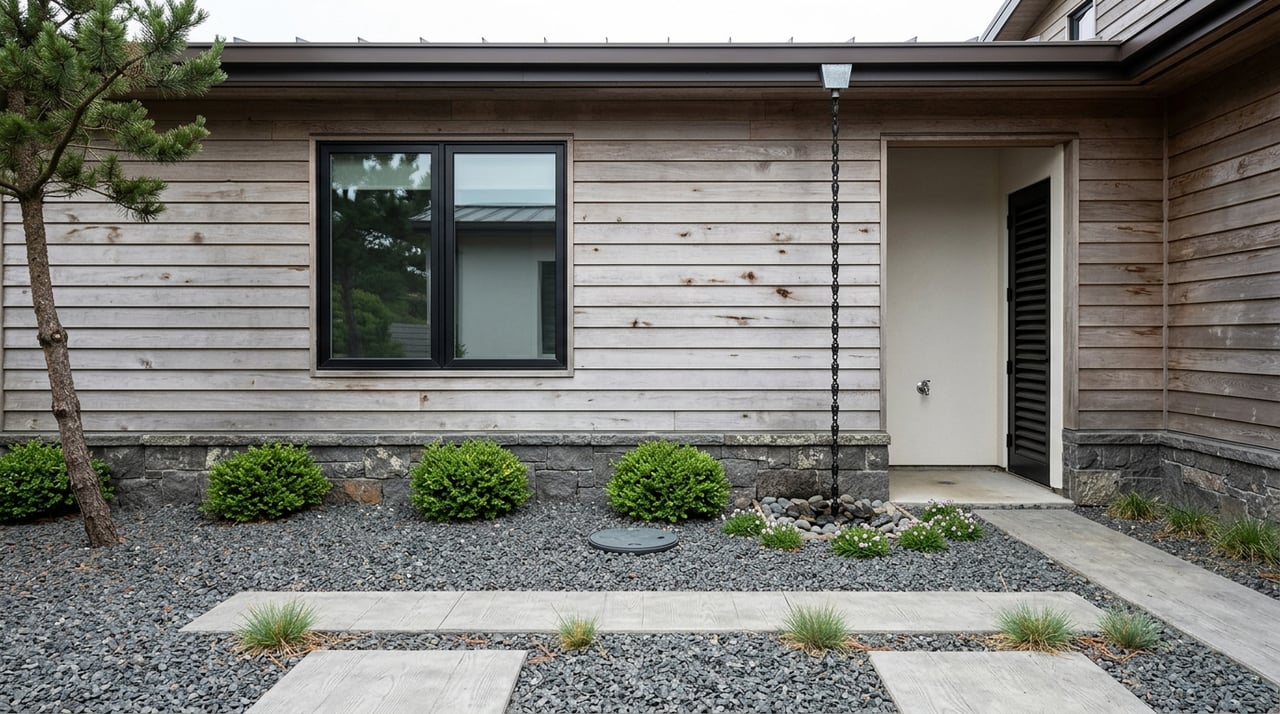
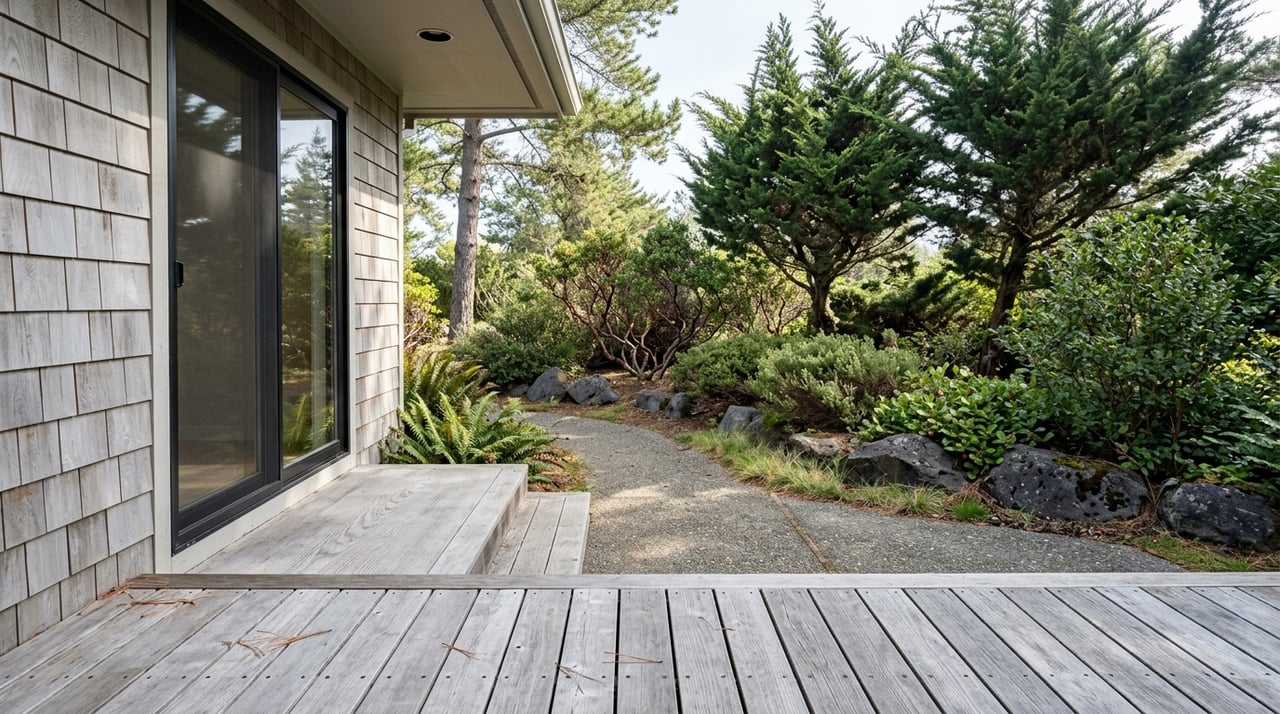
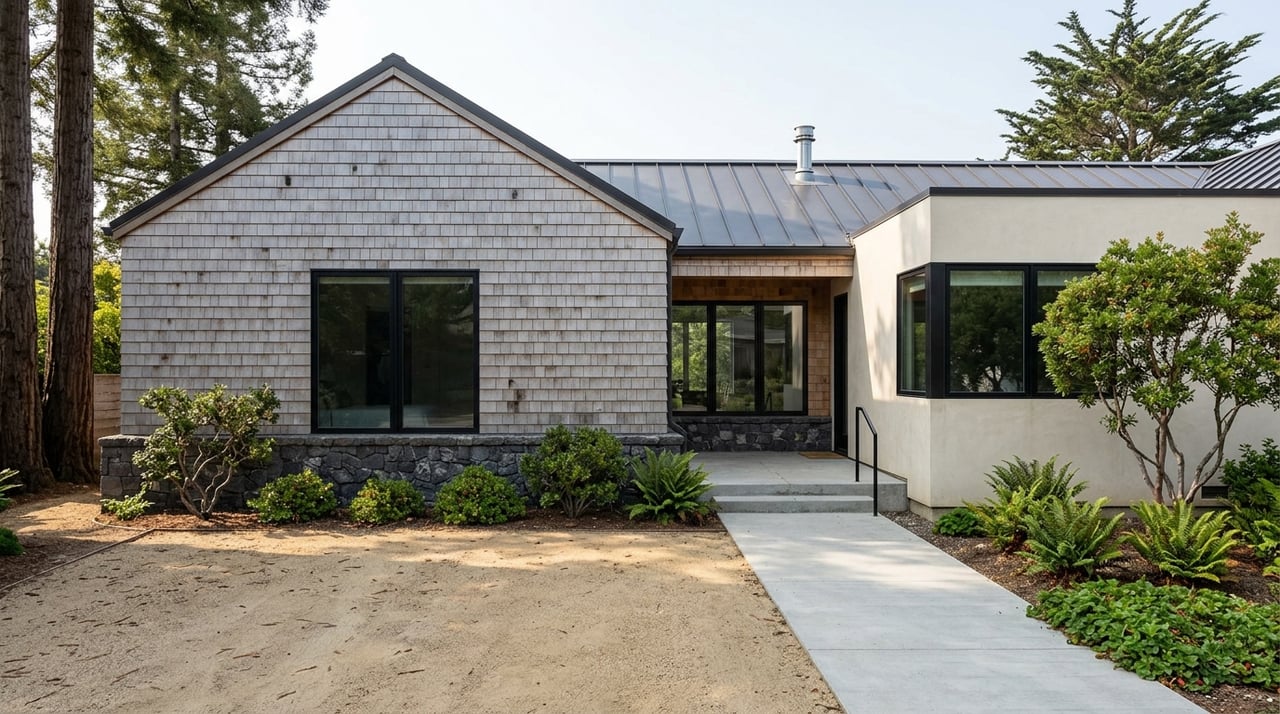
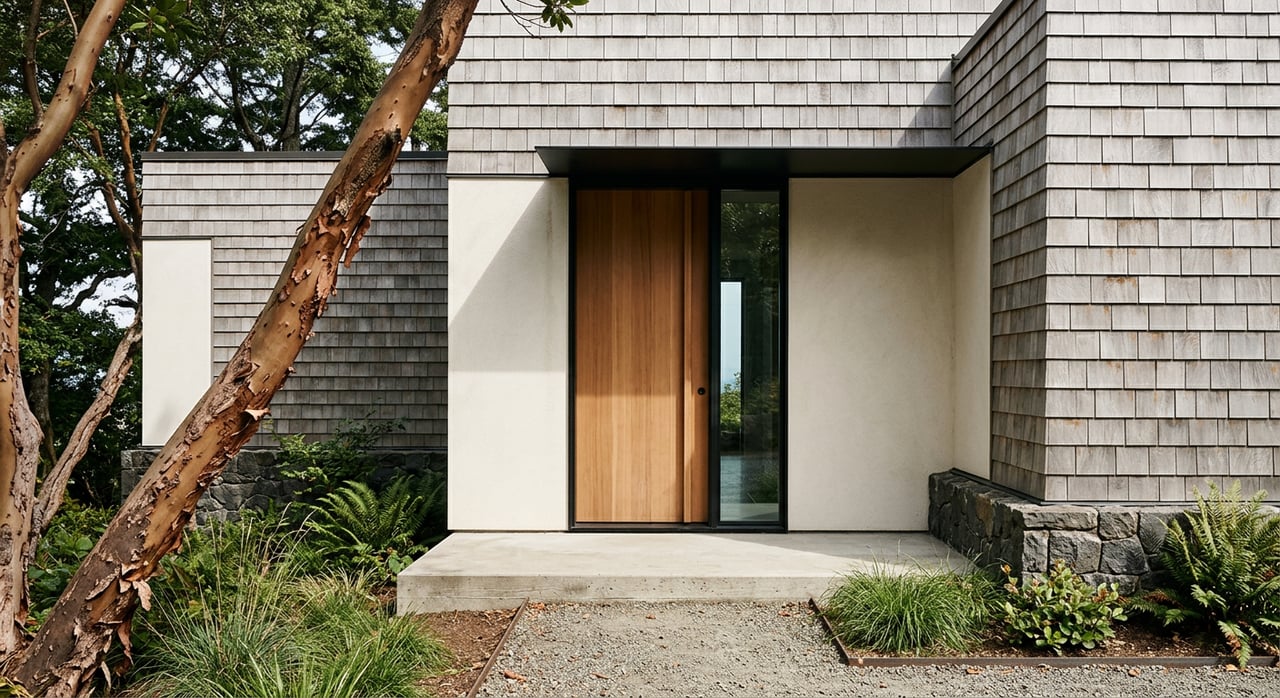
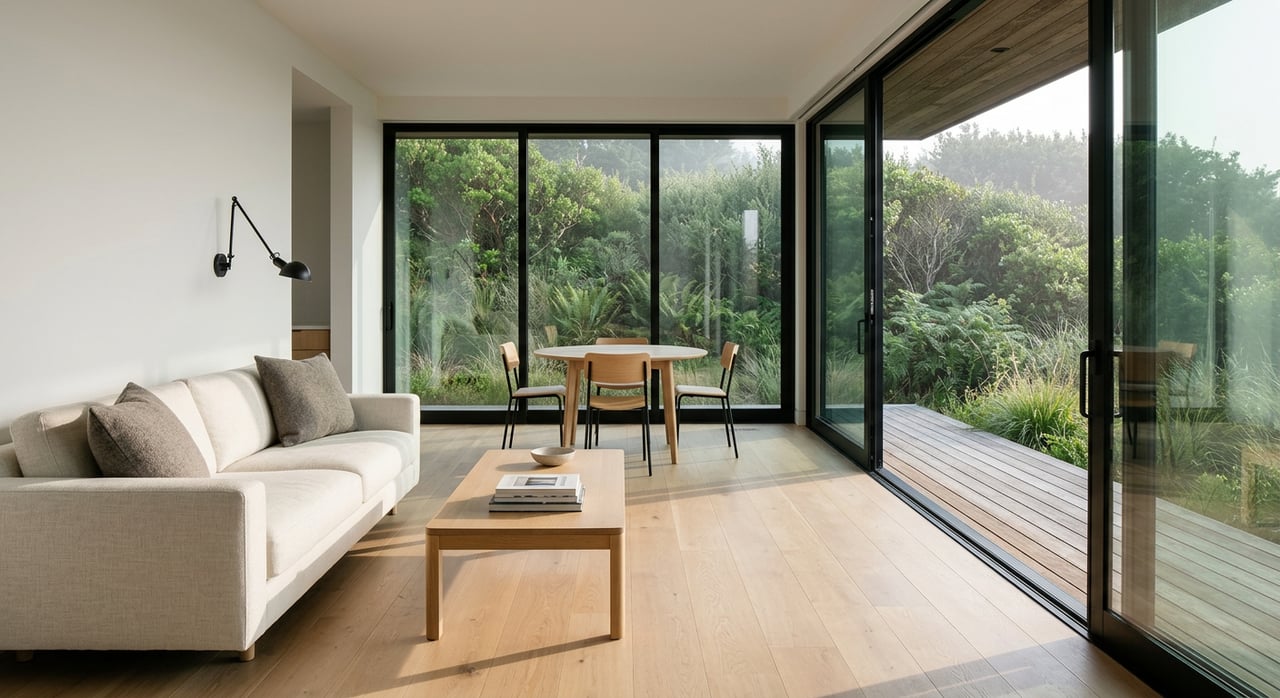
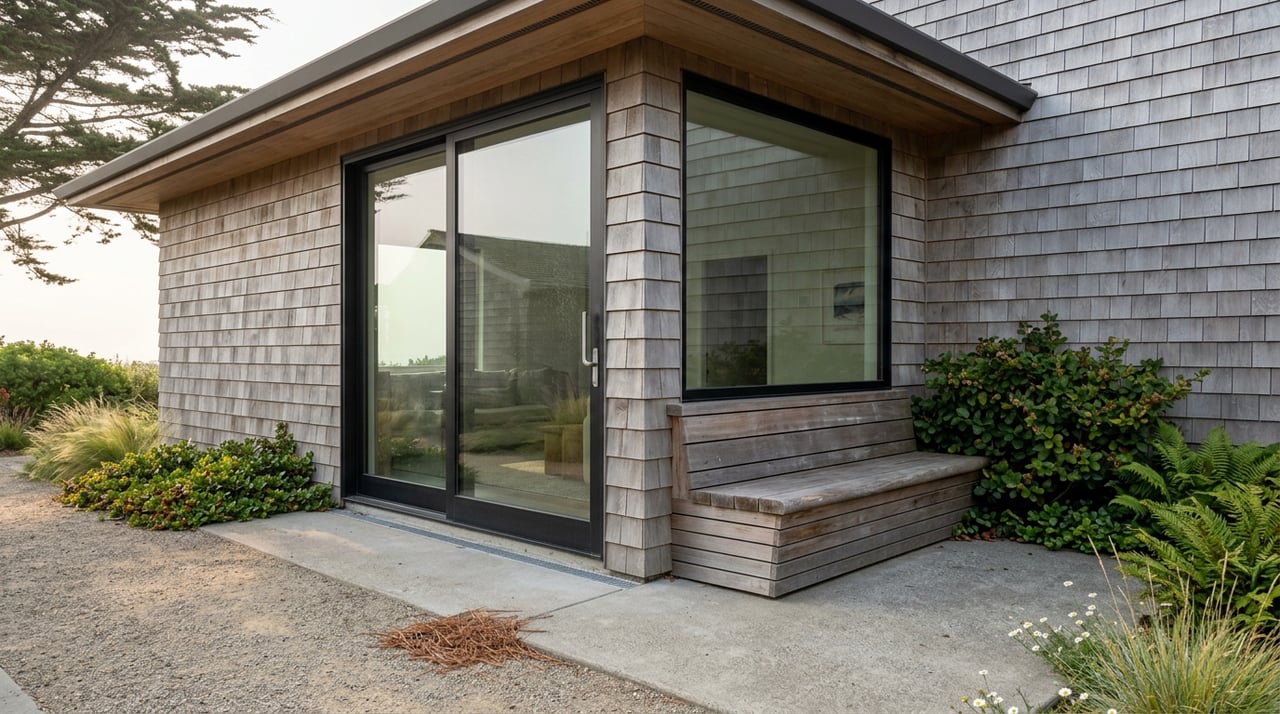
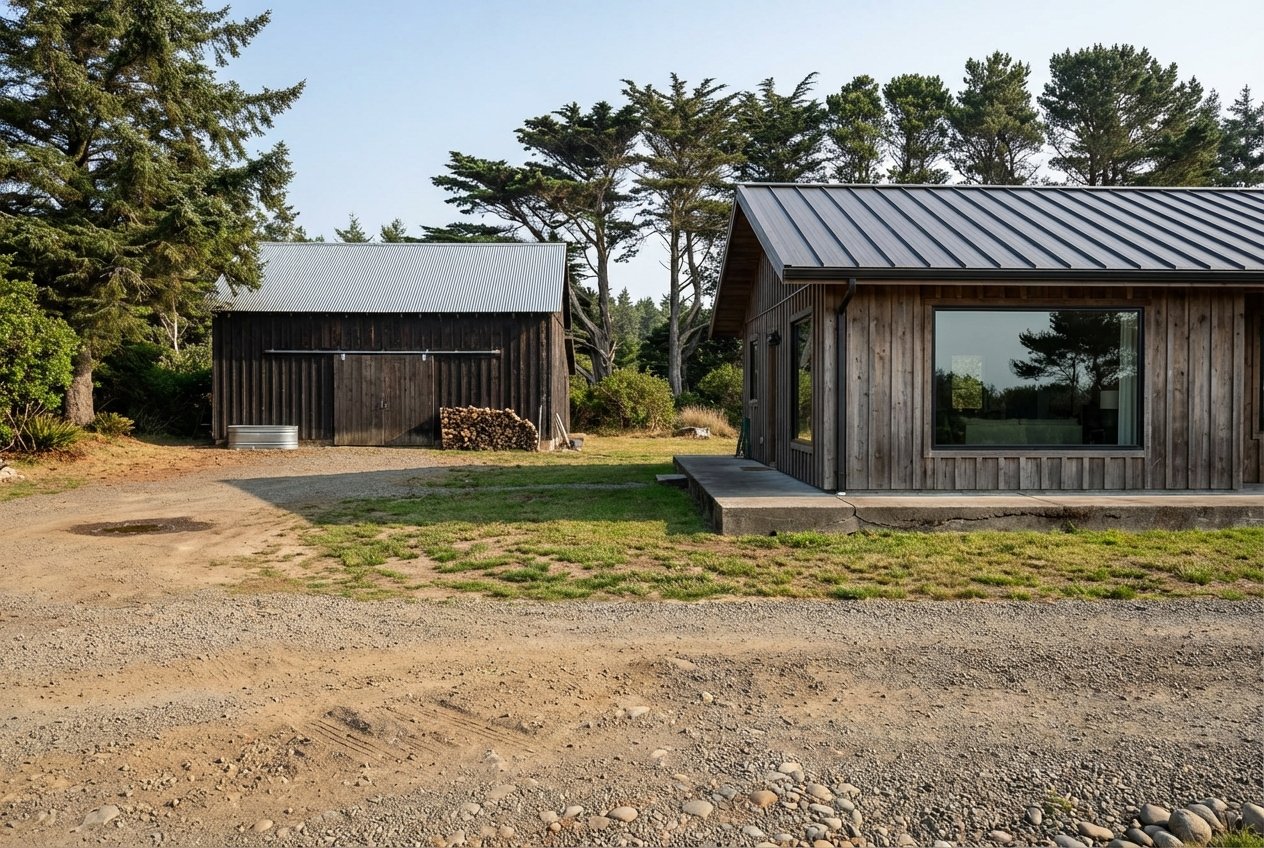
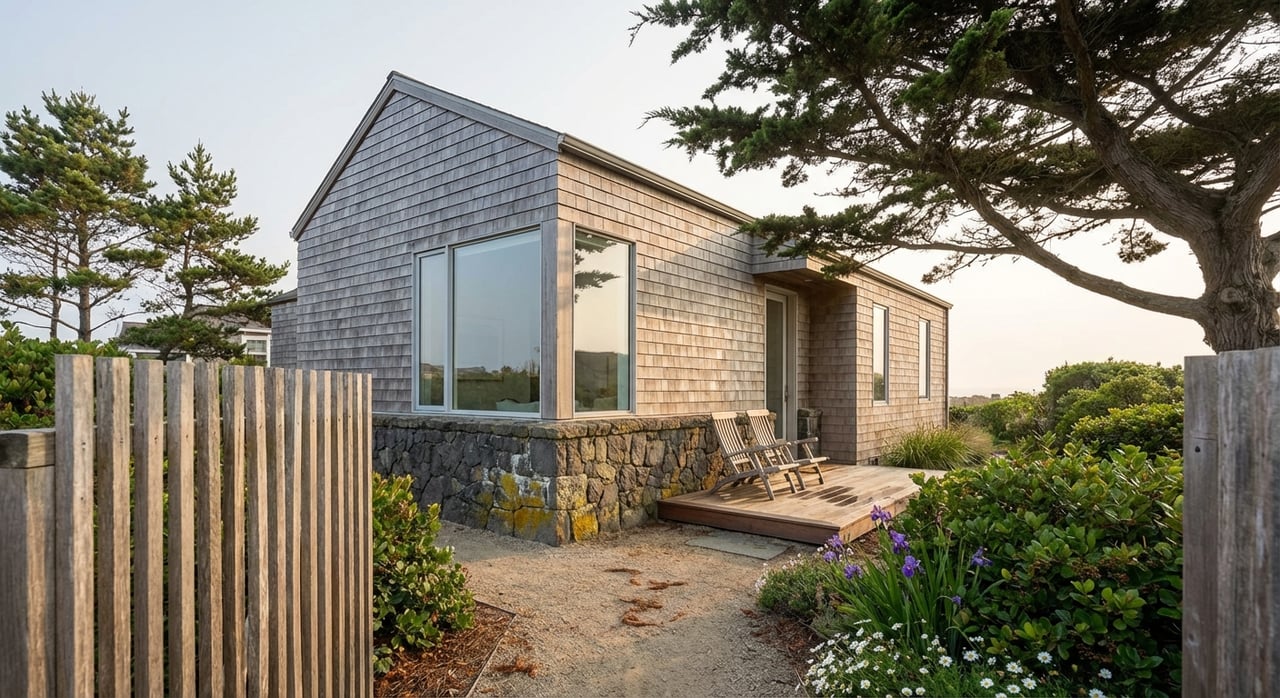
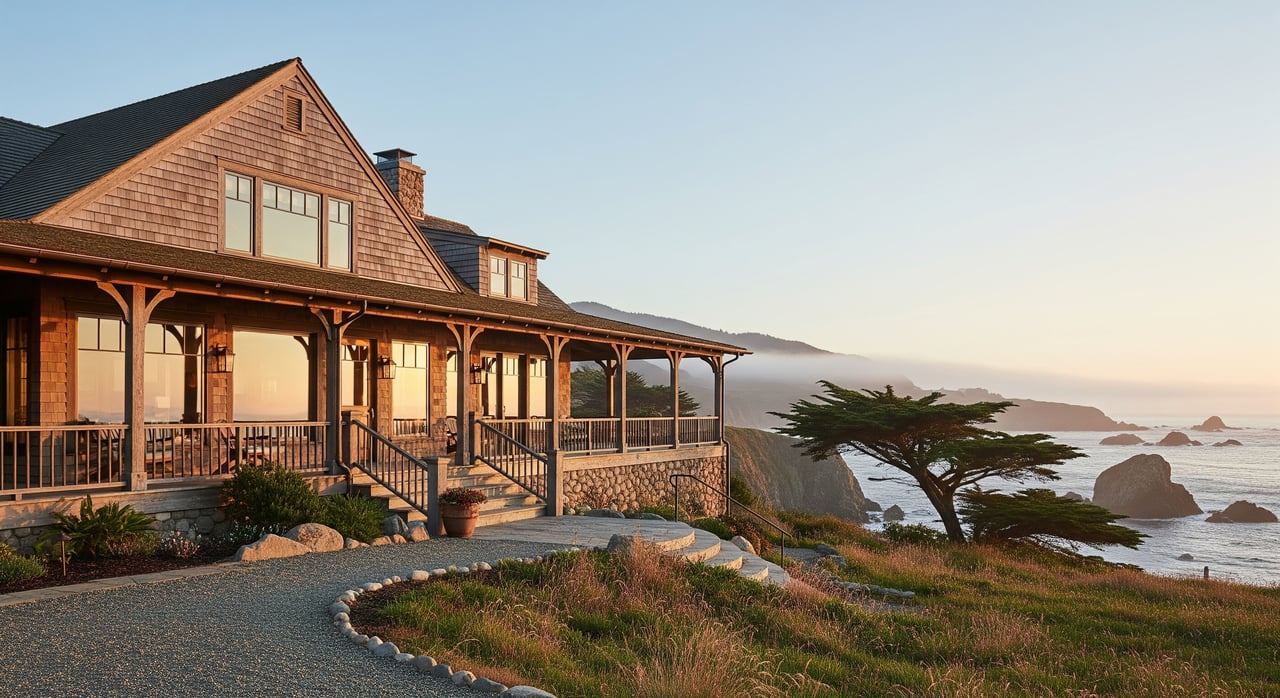
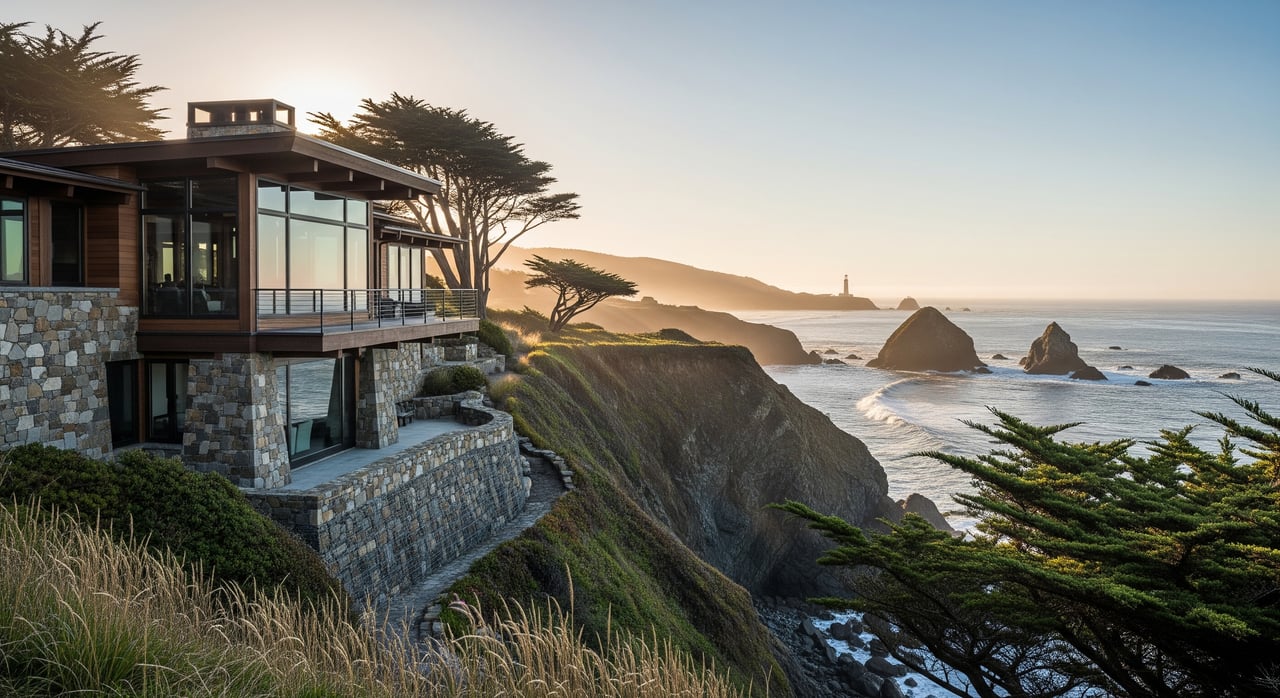
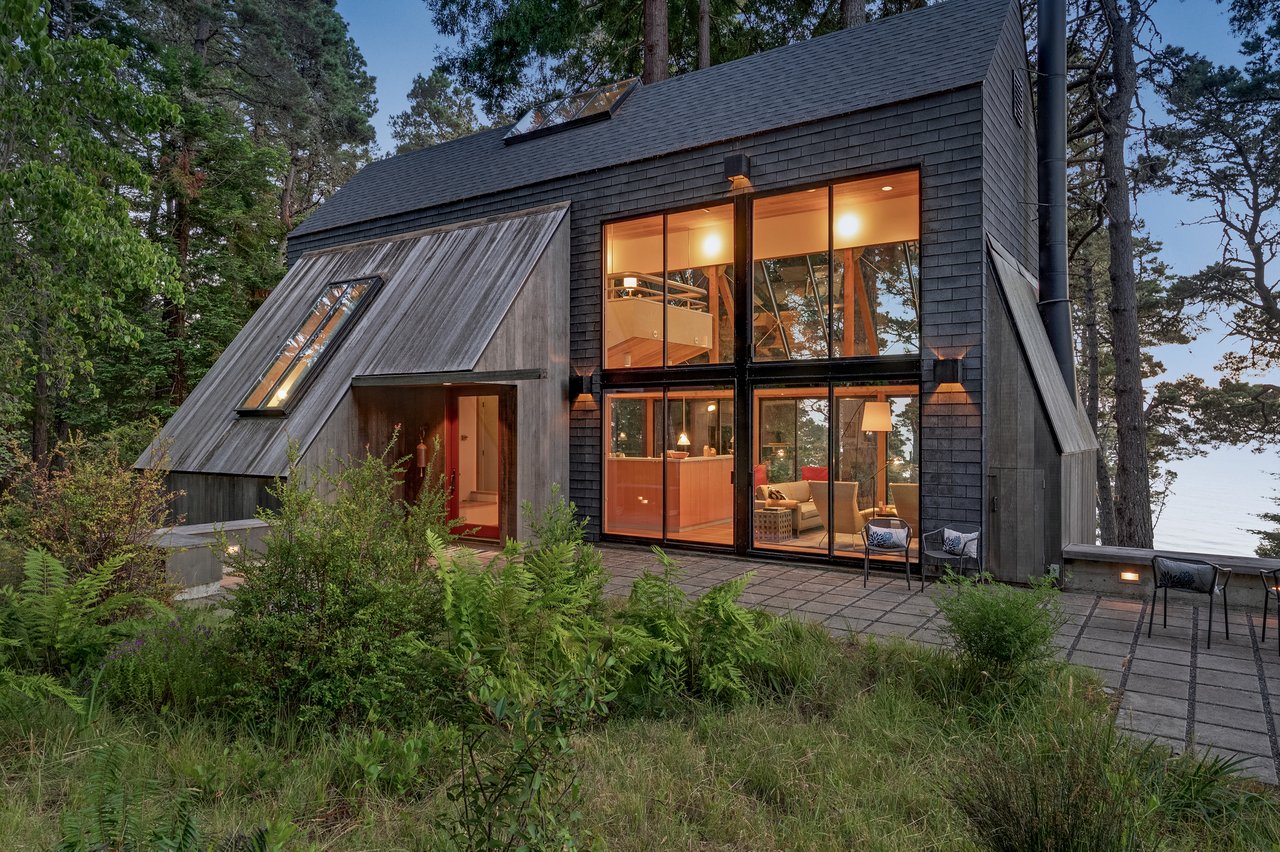
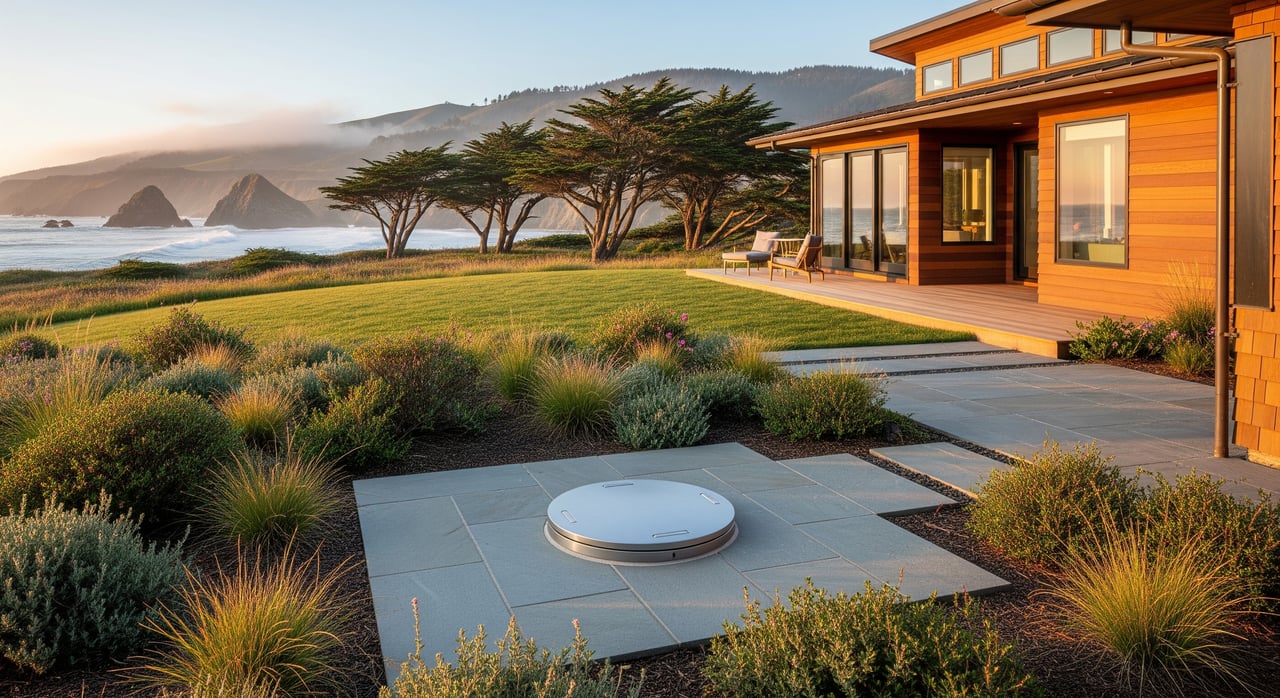
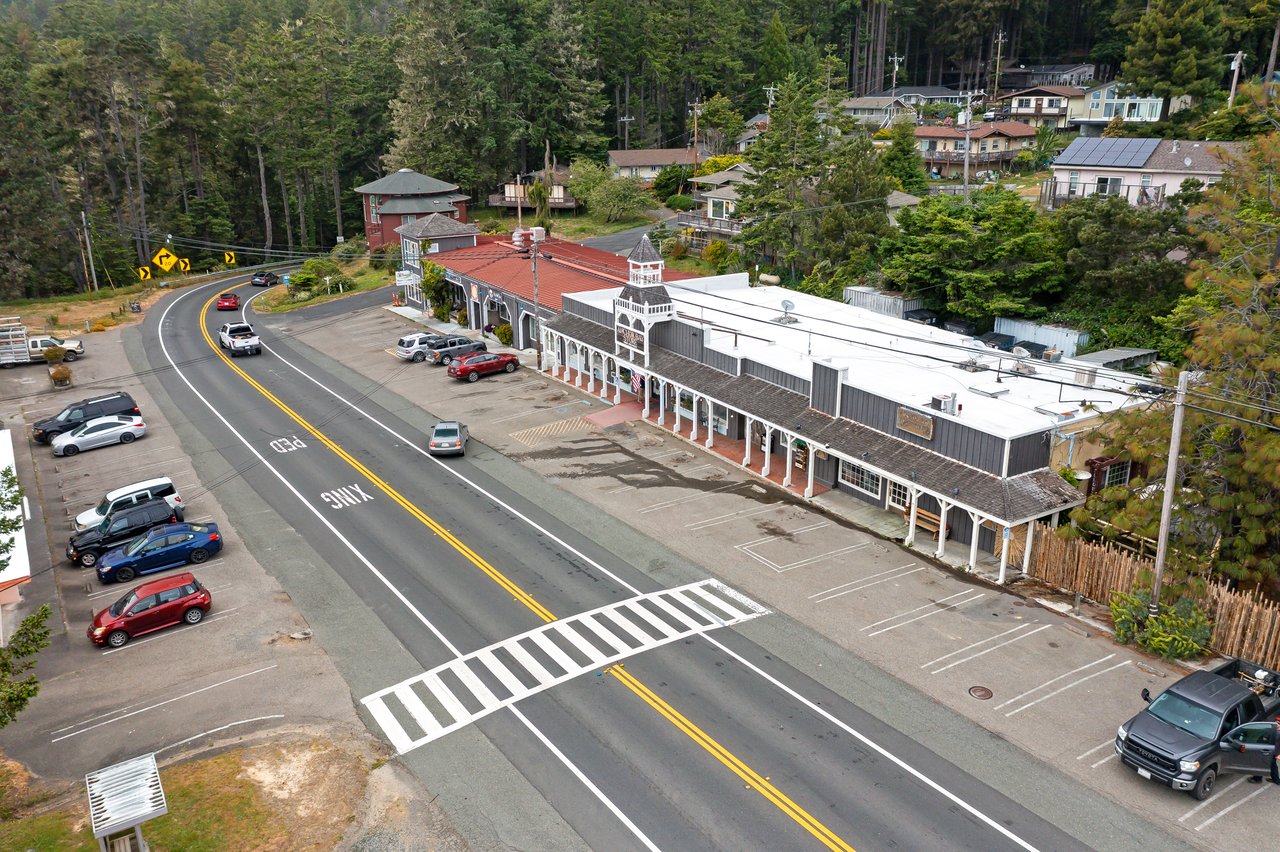
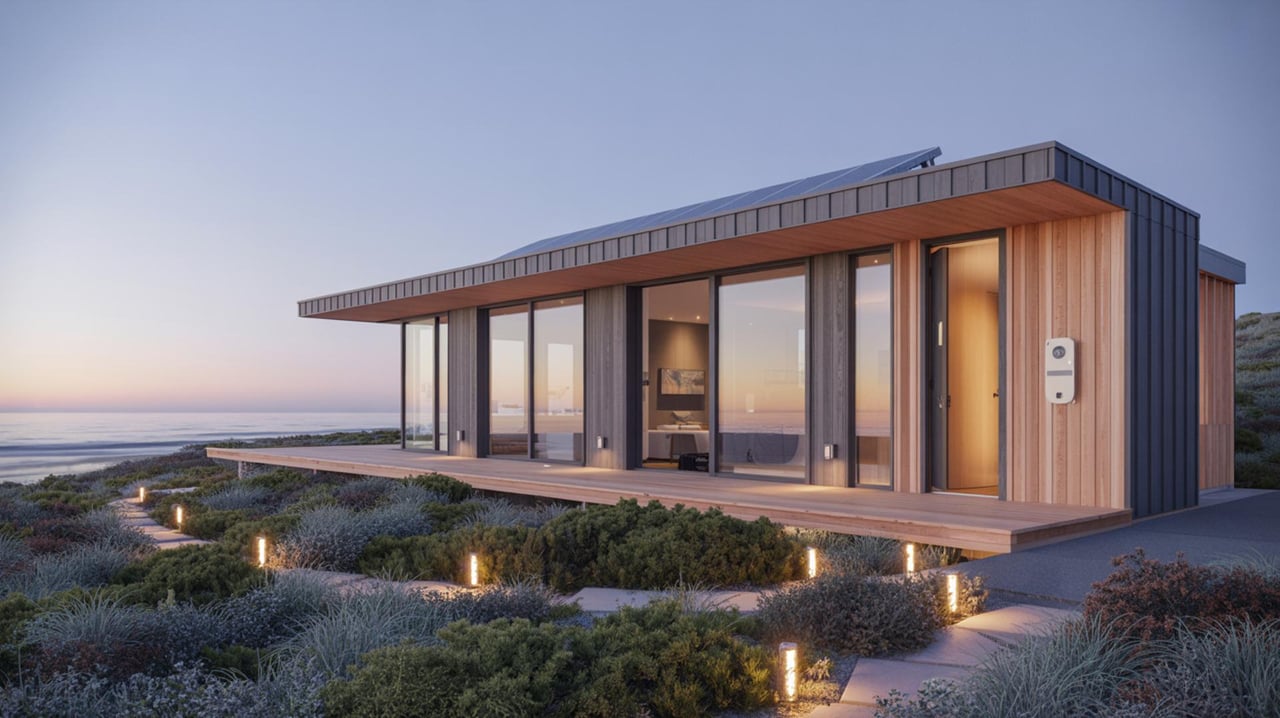
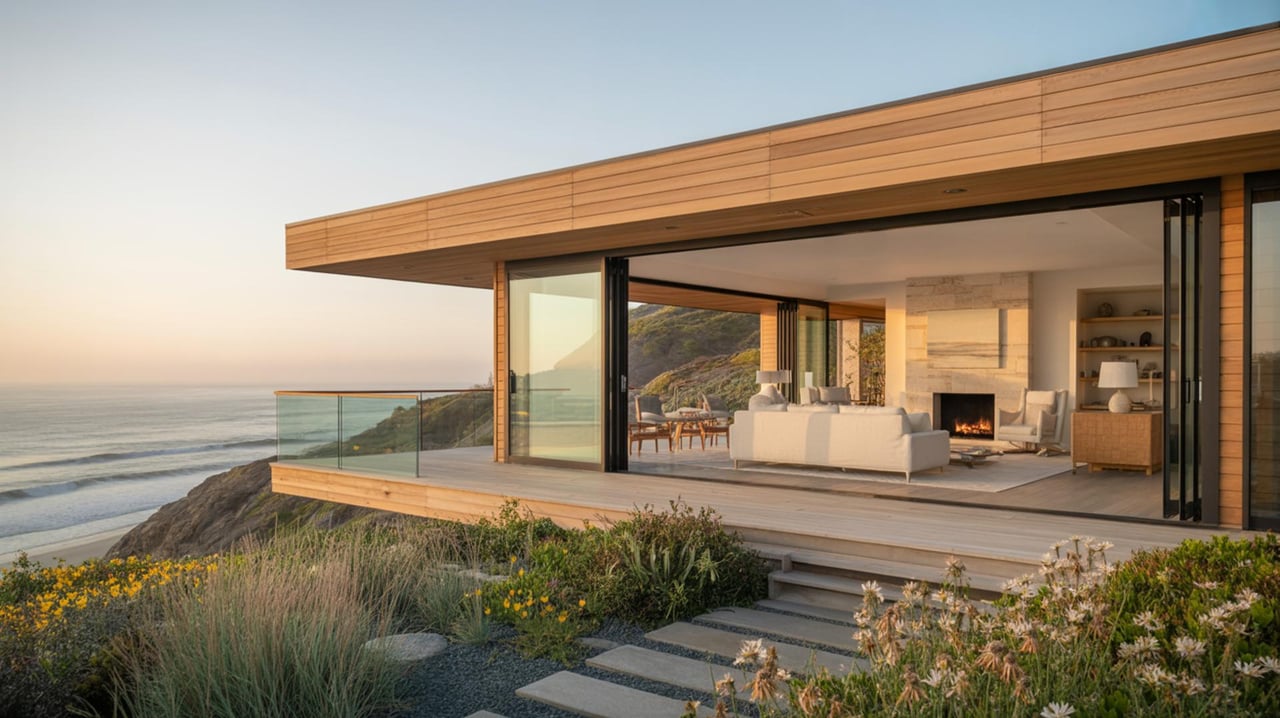
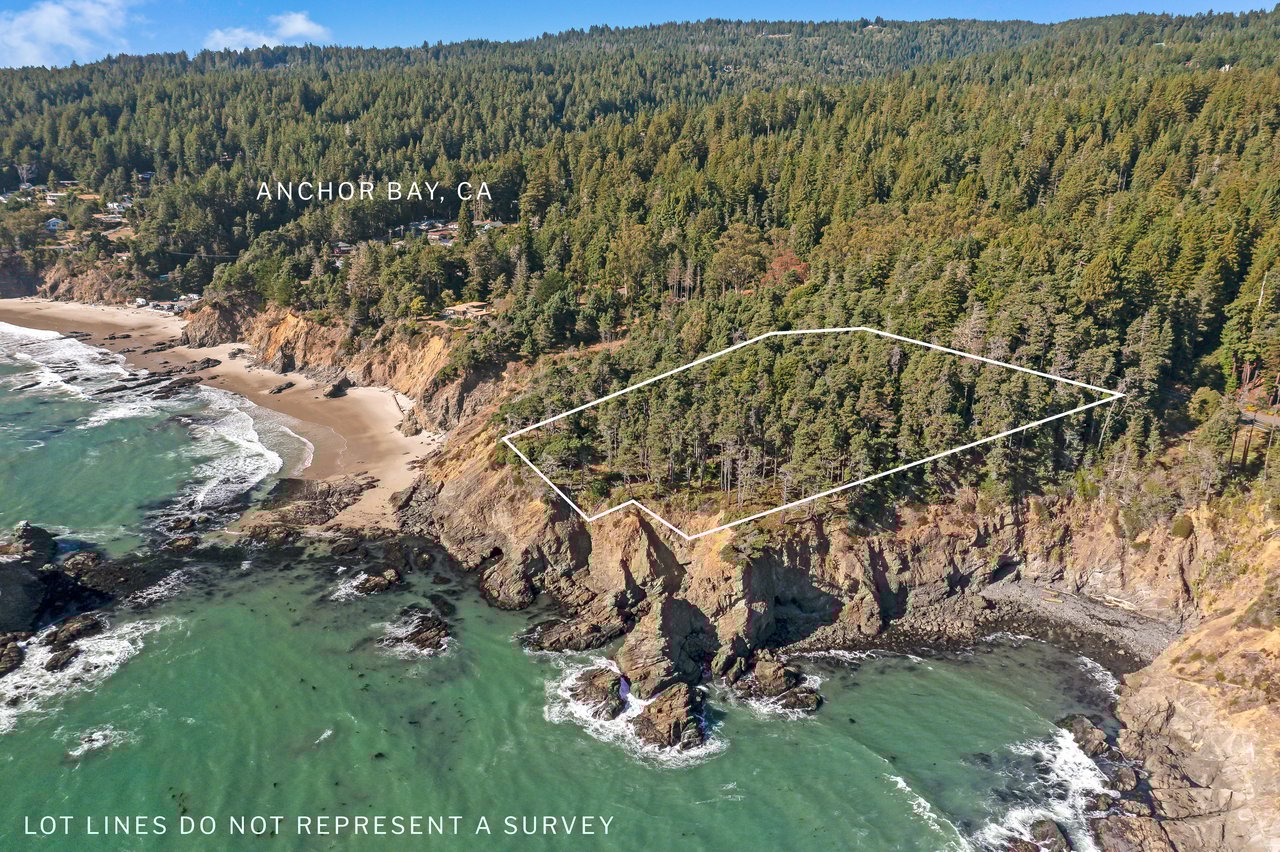
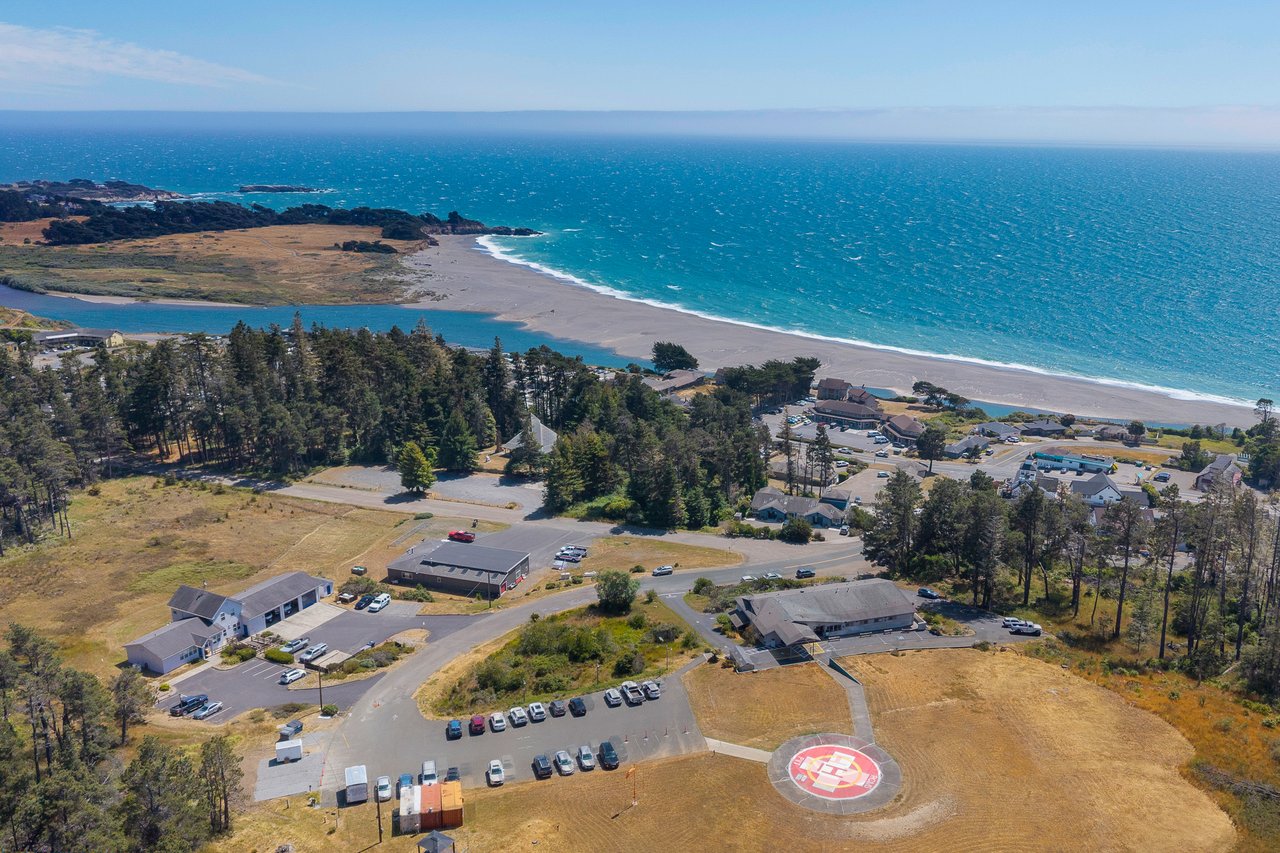
Two cottages sit within a five-minute walk of each other in Anchor Bay. Both were built in the same decade. Both back up to redwoods. Both are a short stroll from Anchor Bay Village, where a Thai restaurant, a small grocery store, a coffee shop, and a yoga studio cluster along Highway 1. A buyer comparing them on price per square foot would call them nearly identical.
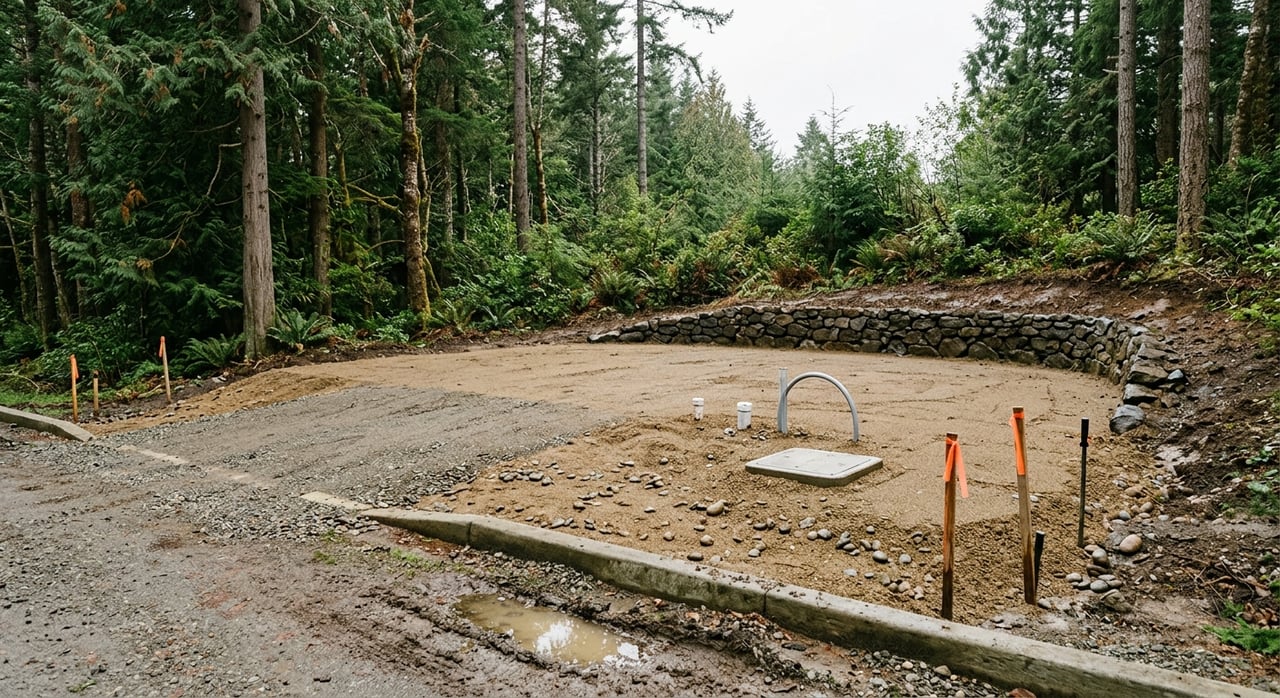
They are not. One of them ties into a public sewer line that a small local agency has maintained for decades. The other relies on a leach field buried in coastal soil that a county inspector tested before anyone ever built on the lot. Nothing about that difference shows up in a listing photo. Almost everything about it shows up the first time an owner wants to add a bedroom.
One Boundary, Two Different Kinds of Ownership
The line running through Anchor Bay isn't a property boundary or a zoning overlay. It's the service area of Mendocino County Waterworks District #2, a special district formed to collect and treat wastewater for part of the Anchor Bay subdivision. Where that boundary runs, a home connects to a managed sewer system the way a home in a small town would. Step outside it, and a property depends on an individual onsite wastewater treatment system, the septic tank and leach field arrangement that covers most of the rural Mendocino coast.
The district describes its own purpose plainly: its stated mission is "to safeguard the integrity of the environment and honor the ancestral heritage of the Anchor Bay area." That's a small, locally governed utility doing a job that most of this coastline handles one parcel at a time.
This isn't unique to Anchor Bay because it's exotic. It's unique because it's rare. Gualala has its own services district that covers part of town, but plenty of Gualala parcels sit outside that boundary and run on private septic. Manchester has no public sewer system at all. Irish Beach has a water district for drinking water, but wastewater there is still an individual septic matter for each lot, shaped by county rules and by whether a given parcel has room for both a house and a leach field once setbacks are subtracted. Anchor Bay is one of the few spots on this stretch of coast where a meaningful share of homes skip that conversation entirely.
Why Almost Everyone Else Is Digging, Not Connecting
Mendocino County's septic rules aren't a formality. The county's onsite wastewater technical standards classify soil into zones based on how quickly water percolates through it. A percolation rate of less than one inch per hour lands a parcel in Zone 4, which the county's own standards describe as unacceptable for a conventional system. That doesn't mean a home can't be built. It means the owner needs an engineered alternative system, designed and stamped by a qualified geologist, soil scientist, or civil engineer, and subject to more county oversight than a standard tank and field.
Steep coastal lots complicate this further. Septic Calculator says anything over a 30 percent grade generally needs an engineered layout with drainage diversions built in to keep winter rain from flooding the absorption area, a detail that matters on the bluffs and hillsides that give this coast its views in the first place.
None of this is a reason to avoid septic-side property in Anchor Bay. Most homes here were built with a system that already passed its testing, and plenty of owners live for decades without touching it. The point is narrower and more practical: on this coast, the cost of changing a house is not evenly distributed. It depends on which side of an invisible district line the parcel sits on.
What To Actually Ask Before You Write An Offer
A buyer weighing two similar Anchor Bay listings can shortcut a lot of guesswork with a few direct questions:
- Is this specific parcel inside the Waterworks District #2 service boundary, or is "Anchor Bay" doing more work in the listing than the utility map supports?
- If the home is on private septic, what does the permit file show? A prior perc test result and system design on file is worth more than a seller's assurance.
- What would a full system replacement cost on this lot if the existing system can't support the plan? Perc testing alone typically runs a few hundred dollars up to about $1,000, and a full conventional system replacement across Mendocino County commonly falls in the $5,000 to $25,000 range depending on soil and site conditions, with engineered alternative systems running higher.
- On the sewer side of the line, what does the district charge for connection or expanded service, and has that fee been confirmed rather than assumed?
None of this replaces a proper septic or utility inspection during escrow. It just means walking into that inspection with the right question already in mind.
The Same Coast, Four Different Answers
| Community | Wastewater service | What it means for a renovation |
|---|---|---|
| Anchor Bay, in district | Public sewer via Mendocino County Waterworks District #2 | |
| Anchor Bay, outside district, and most of Gualala outside its services district | Private onsite septic (OWTS) | |
| Manchester | No public sewer or public water system | Every home relies on individual septic and often a private well |
| Irish Beach | Public water district, private septic per parcel | The Irish Beach Architectural Design Committee notes that some lots require merging two parcels just to fit a house and a leach field within setbacks |
The pattern holds across the whole southern Mendocino and northern Sonoma coast. Infrastructure here was built parcel by parcel and district by district, not all at once by a single municipal system. That history is why two homes an easy walk apart in the same small village can require completely different due diligence.
Back To The Two Cottages
Walk from either of those two Anchor Bay homes down toward the water and you'll pass the same coffee shop, the same market, the same turnoff toward Anchor Bay Campground and the beach, with Fish Rock Island visible offshore on a clear day. The village doesn't change based on which side of the district line a house sits on. The paperwork does.
That's the piece worth carrying into any comparison of coastal listings, here or anywhere else on this stretch of California. A price per square foot tells you what the house costs today. It tells you nothing about what the next bedroom, bathroom, or guest unit will cost to add, and that number depends on infrastructure decisions made by local boards decades before the listing went up.
A Few Questions Before You Call The District
Does being inside the district automatically make a home more valuable? Not necessarily. It removes one category of renovation risk and cost, but view, lot size, and condition still drive most of the price difference between homes here.
How do I find out if a specific parcel is inside Waterworks District #2? The district's own service information is the starting point, and a title company or local escrow officer can confirm the boundary against the parcel's assessor's number before you're deep into a transaction.
Does this affect financing or insurance directly? It can affect what a lender or insurer asks for during underwriting, since a documented public sewer connection is generally a simpler file than an aging septic system with no permit history. Confirm current requirements with your lender rather than assuming either scenario is automatically smoother.
If you're comparing Anchor Bay against Gualala, Manchester, or Irish Beach and want someone who can pull the actual district and septic history on a specific parcel before you write an offer, that's the kind of groundwork Kennedy & Associates does as a matter of course on this coast. Reach out to receive exclusive listings and the parcel-level context that goes with them.
This article is general information, not legal, tax or financial advice. Consult a qualified professional about your situation.