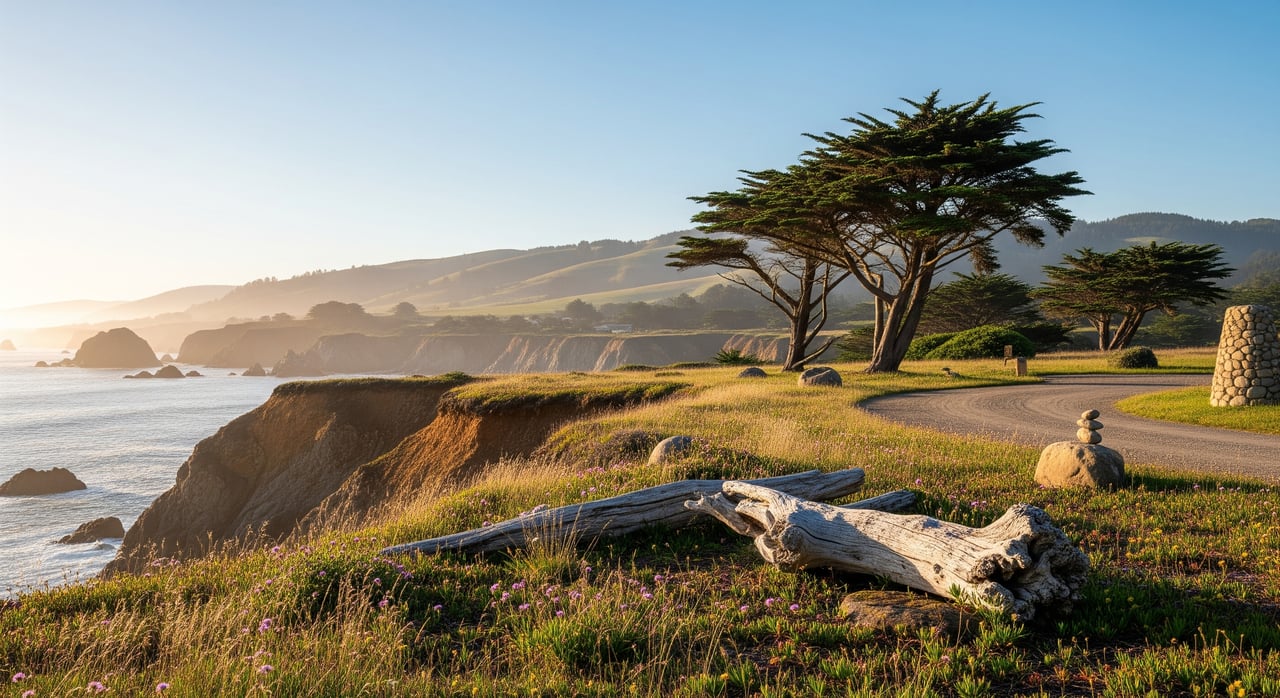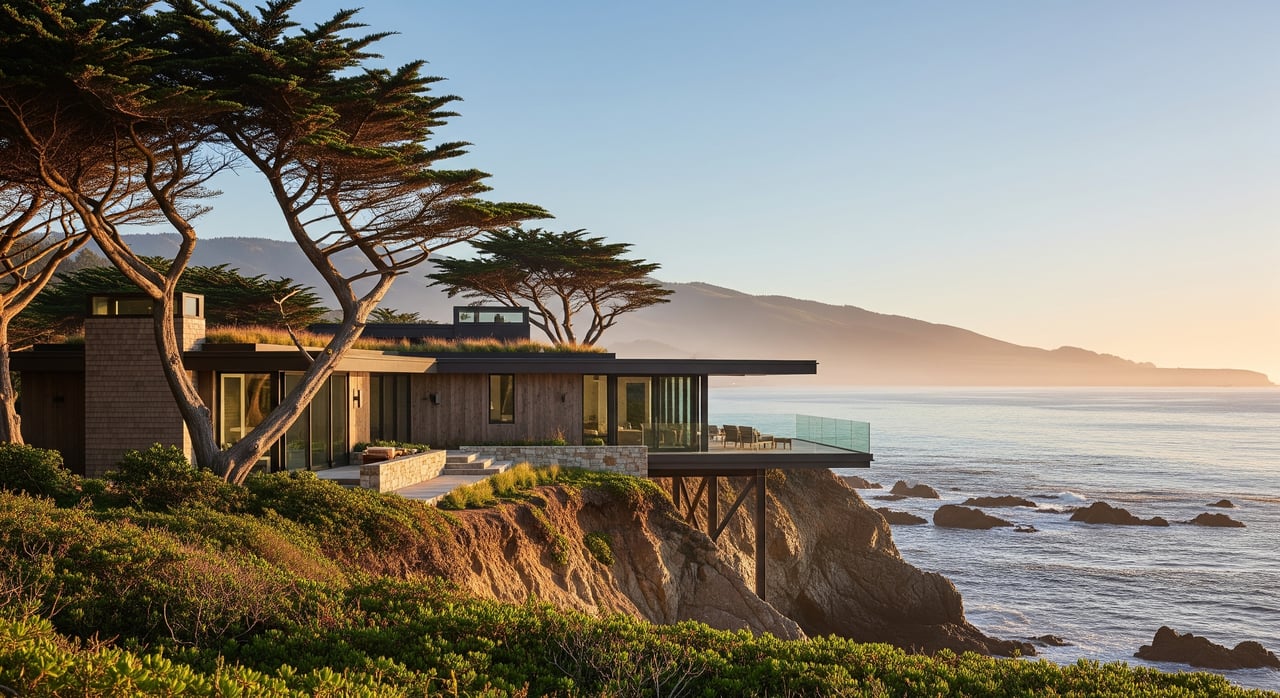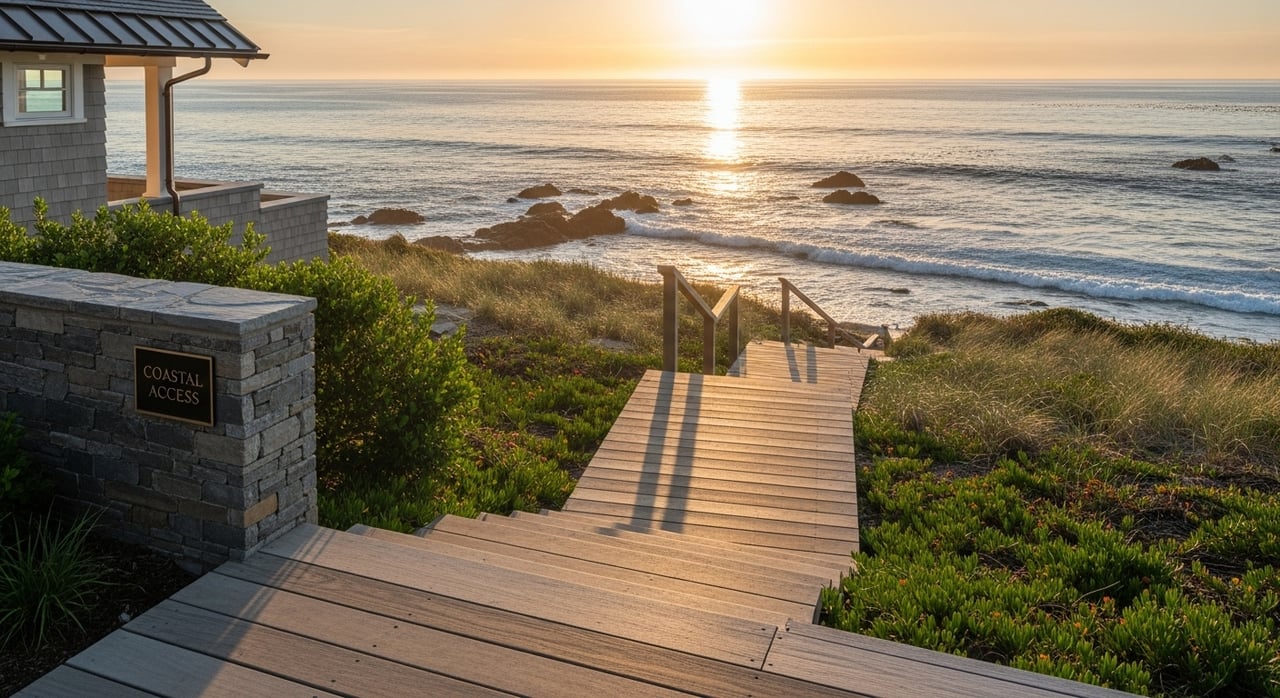
Walk the sand at Manchester State Beach on an ordinary Tuesday and you will likely have most of it to yourself, along with piles of bleached, tangled driftwood stacked higher than you'd expect for a beach this size. Most people chalk both things up to the same vague explanation: it's remote, it's quiet, driftwood just happens. That answer is wrong, or at least incomplete. The beach is empty and the wood is deep for the same specific reason, and once you see it, you notice it every time you're out there.
The Bend That Traps the Sea's Leftovers
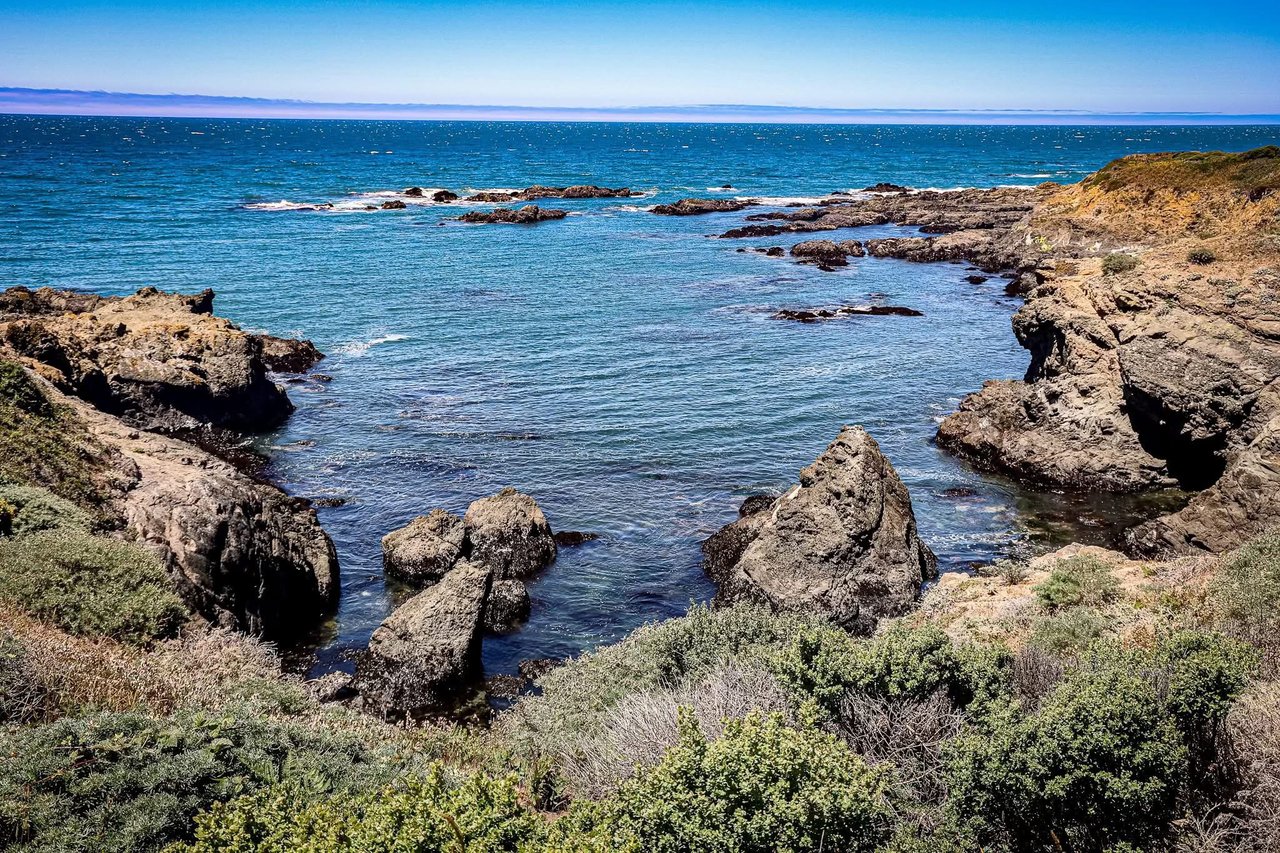
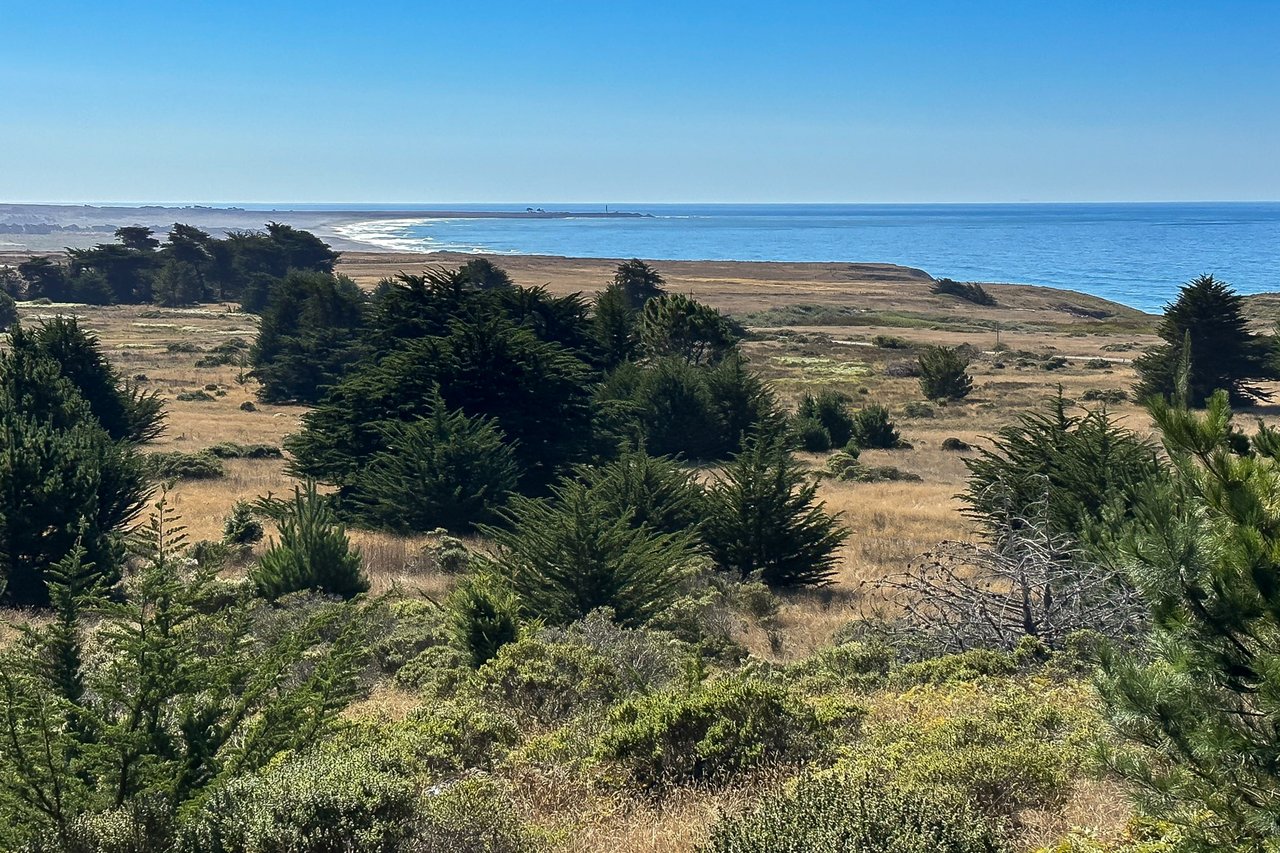
Manchester State Park runs nearly 18,000 feet of ocean frontage along a shoreline that curves gently rather than running straight, and that curve is doing more work than it looks like it's doing. According to California State Parks, the bend forms a natural catch basin for sea debris, which is the direct reason driftwood piles up here in volumes you don't see on straighter stretches of coast. Logs, root wads, and whole tree trunks that would otherwise wash past a flat shoreline get caught in the curve and deposited instead. The same five miles of sand stretch south toward the Point Arena Lighthouse, and that long unbroken sightline is also why the beach doubles as one of the better whale watching spots on this part of the coast during migration season. One piece of geometry, three visible effects: the wood, the room, the view.
It is worth sitting with that for a second, because it changes how you read the beach. The emptiness is not an absence of people finding the place. It is a beach shaped by physics to hold onto things, whether that thing is a log or a line of sight or, as it turns out, a bird.
The Same Sand That Keeps the Birds
Wide, gently curving, mostly free of the rocky interruptions you get elsewhere on this coast, Manchester's beach is also flat and open enough to be ideal nesting ground for the snowy plover, a bird that lays its eggs directly on open sand rather than in a nest. That is the reason dogs are not permitted on the beach, a rule that surprises people who assume a five-mile stretch this empty must be the one place around here where a dog can run loose. It is the opposite. The same qualities that make the sand feel wide open and undeveloped are what make it viable nesting habitat, and the no-dogs rule exists because of that, not despite it. The Point Arena mountain beaver and the threatened red-legged frog share the same protected status here, all three species tied to a stretch of coastline that has stayed physically unchanged in the ways that matter to them.
Three Ways Onto the Beach
Access runs through three named trailheads, and each one gets you into a different part of the five miles:
- Alder Creek Road, at the north end, puts you closest to the creek mouth and the steelhead water, a shorter walk if you're headed for the driftwood piles near the catch basin itself.
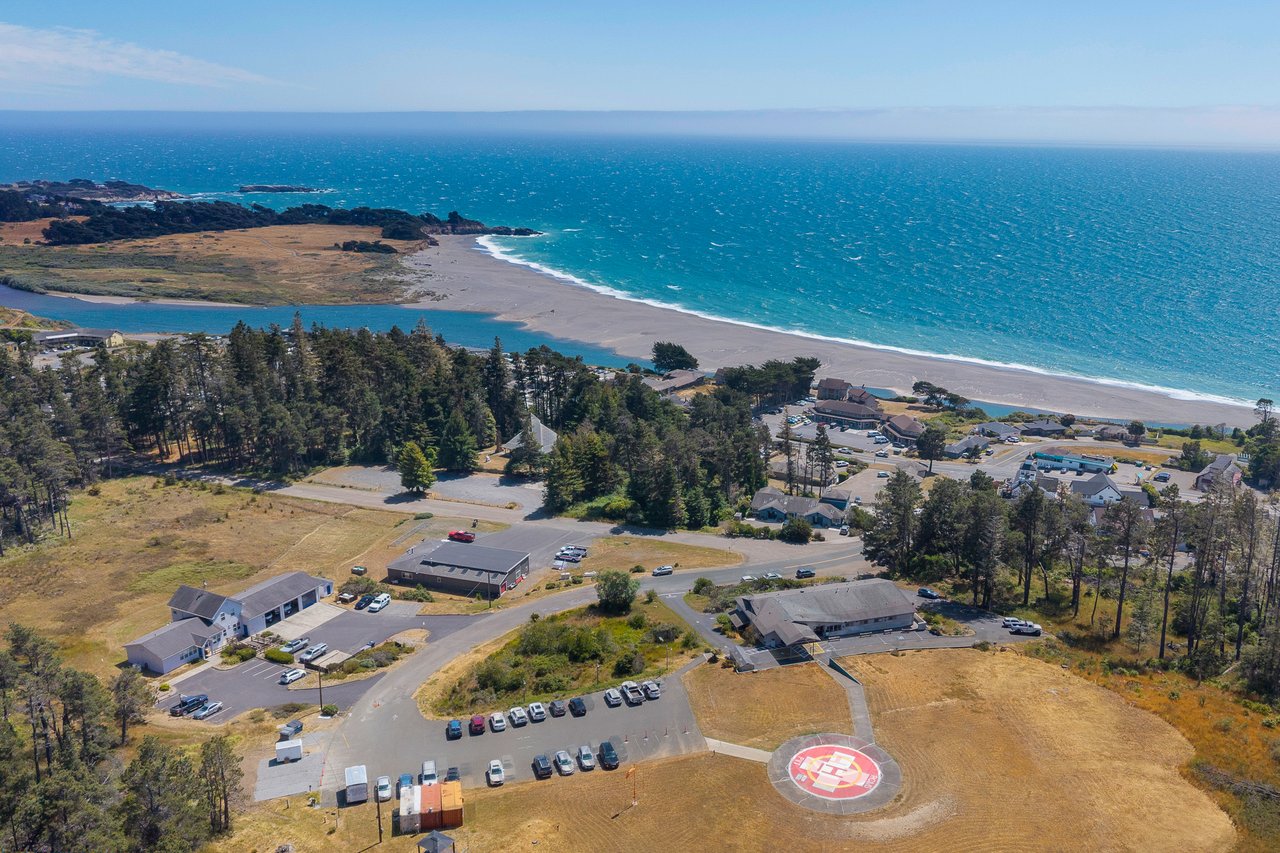
- Kinney Road, roughly at the park's main entrance a half mile north of town, is the most direct route if you're coming from Manchester itself and want the shortest walk to open sand.
- Stoneboro Road, further south, drops you onto the stretch that runs closest to the lighthouse sightline, better for a longer walk with fewer people.
None of the three requires much planning, but knowing which one matches what you're actually after saves a mile of unnecessary walking through the dunes.
The Creeks Wake Up When the Rest of Us Are Inside
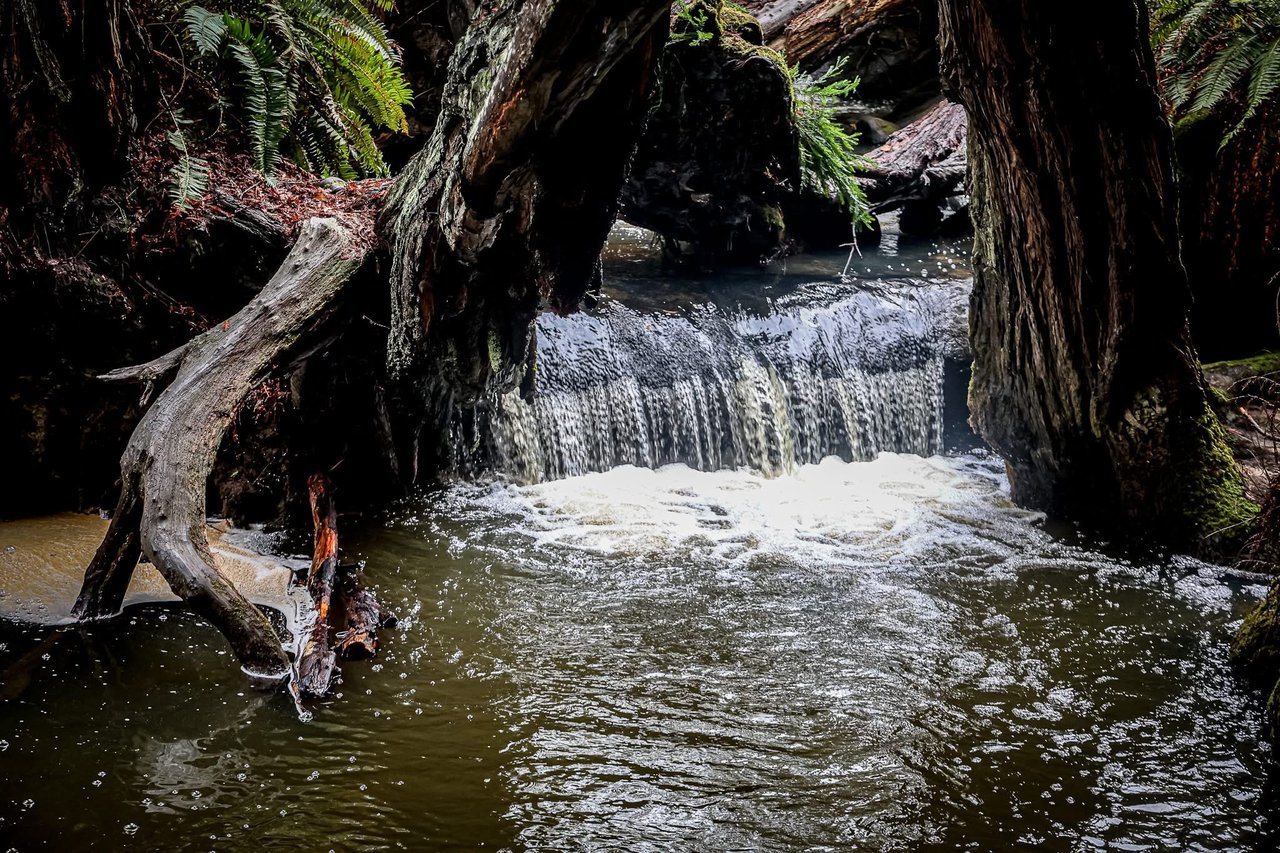
The two creeks that cut through the park, Alder and Brush, carry steelhead trout and coho salmon in winter, when the rest of the coast is at its quietest. Central California Coast steelhead are winter run fish, entering freshwater as mature adults during the year's highest flows, typically between late December and February, and spawning from February into April, according to California Trout. That means the creek mouths here are at their most active during exactly the months when summer visitors have gone home and the campground sits closed. It is a small inversion worth knowing if you live here year round: the beach's liveliest season for wildlife is also its emptiest season for people, and the two creek mouths are where that shows up first.
Camping Season Is Open, For Now
The state campground at Manchester runs on a defined seasonal window rather than staying open year round. For 2026, individual sites are available first come, first served from May 22 through September 2, per California State Parks. The group camp requires advance arrangement through the park's special events office, and the old environmental campsites have been permanently closed, so if you're fielding questions from visiting family or sending friends toward the park, that's the current answer rather than the old one. Outside that window, the beach itself stays open for day use, but the campground gates close.
What's Actually New This Year
Two threads of local news this year touch Manchester directly, and both are worth knowing if you haven't been following the Independent Coast Observer or the Mendocino Voice closely.
In March, Caltrans District 1 announced more than $20 million in Senate Bill 1 highway funding for Mendocino County projects, with work specifically planned near Westport, Leggett, and Manchester, according to the Mendocino Voice. If you've noticed crews or equipment staged along Highway 1 near town this year, that funding is why.
Closer to home, the Manchester Grange has a roof project underway, and on August 13 a Cars and Coffee meetup behind the Gualala Hotel raised money toward it, drawing car enthusiasts from well beyond the immediate area. Former Fort Bragg Police Chief Neil Cervenka brought his yellow 2001 C5 Corvette, and Bruce Khanvali drove down from Portland to show his 2012 Lotus, according to the Mendo Local weekly roundup. It is a small event, but it is the kind of thing that tells you the Grange still functions as the actual center of gravity for the town, not just a building with a name.
That is the throughline for Manchester generally. The beach holds onto driftwood because of a bend in the shoreline. The Grange holds onto its roof because a few dozen people with old cars showed up on a Sunday morning. Neither one runs on scale. Both run on the specific shape of a small place doing what it does, year after year, without needing to be anything else.
If you're weighing a move to Manchester, or you already call this stretch of coast home and want a clearer read on what's changing nearby, Kennedy & Associates can walk you through it. Reach out to receive exclusive listings along the Gualala to Elk corridor before they reach the open market.