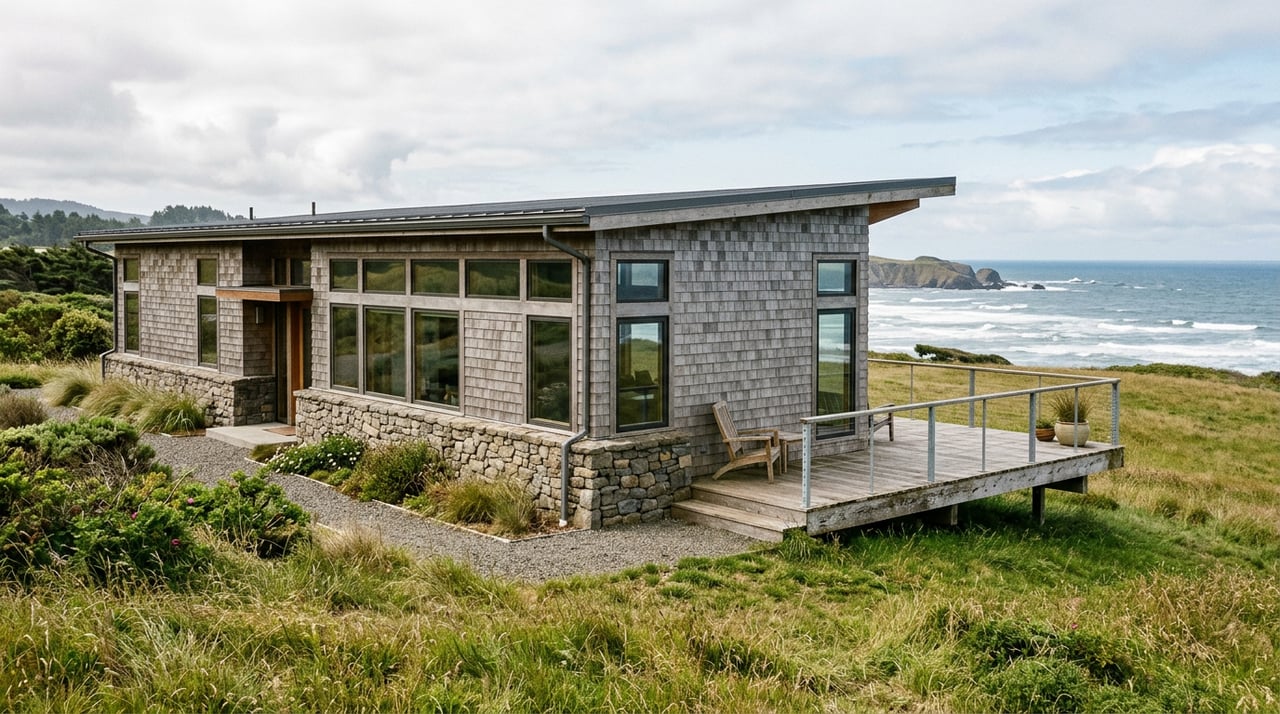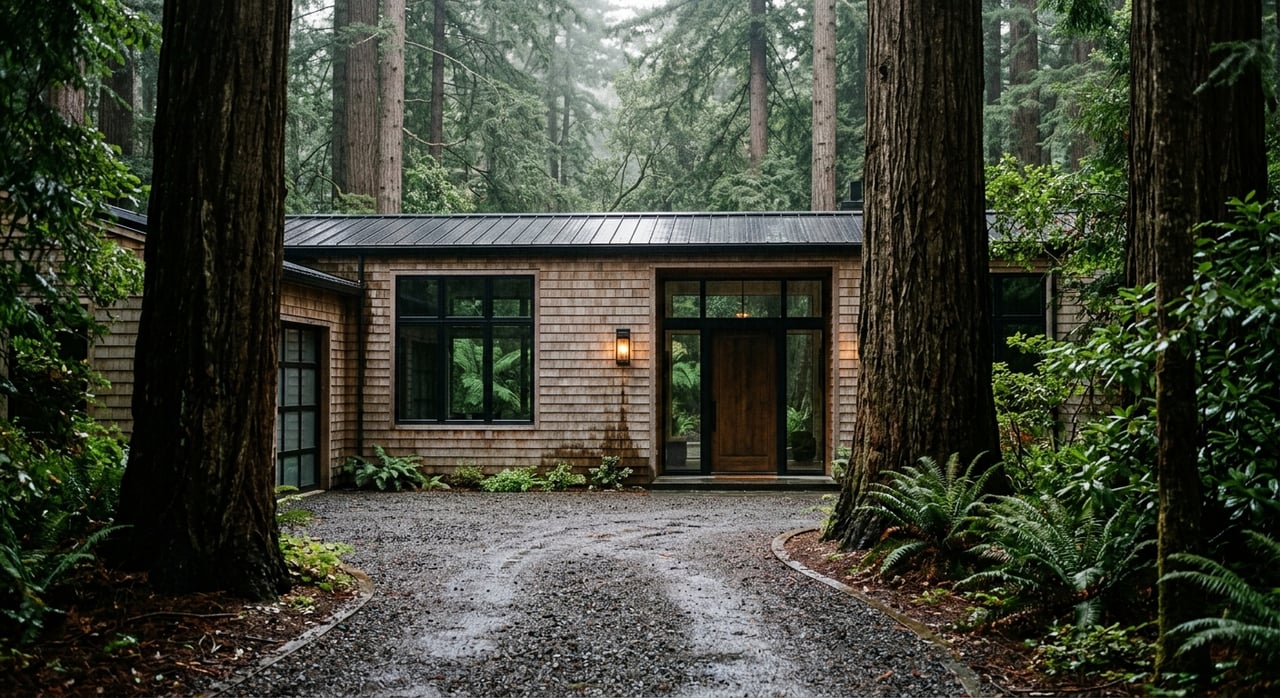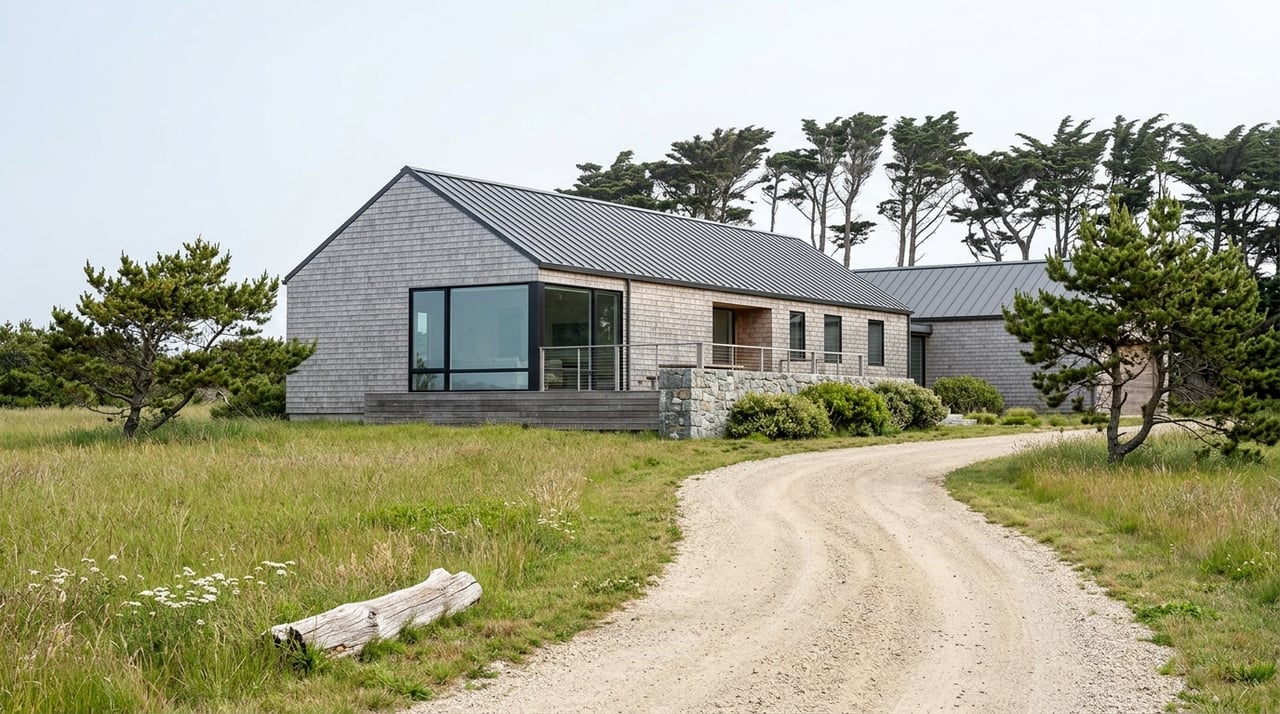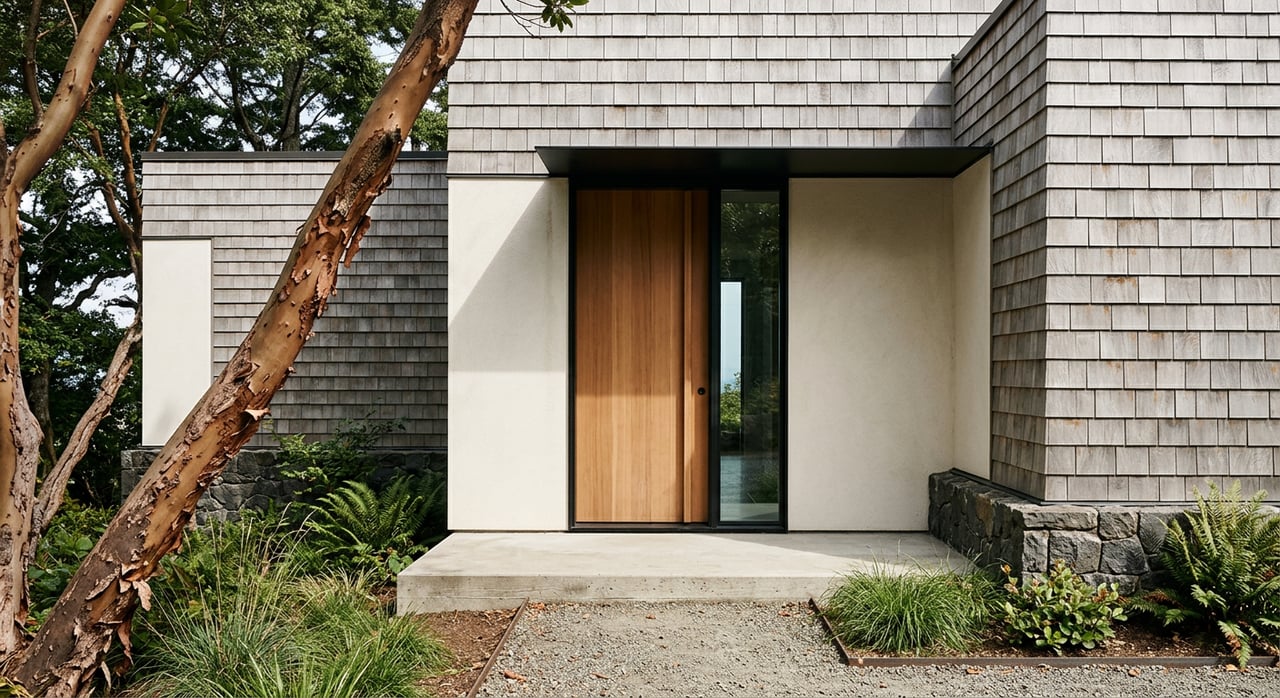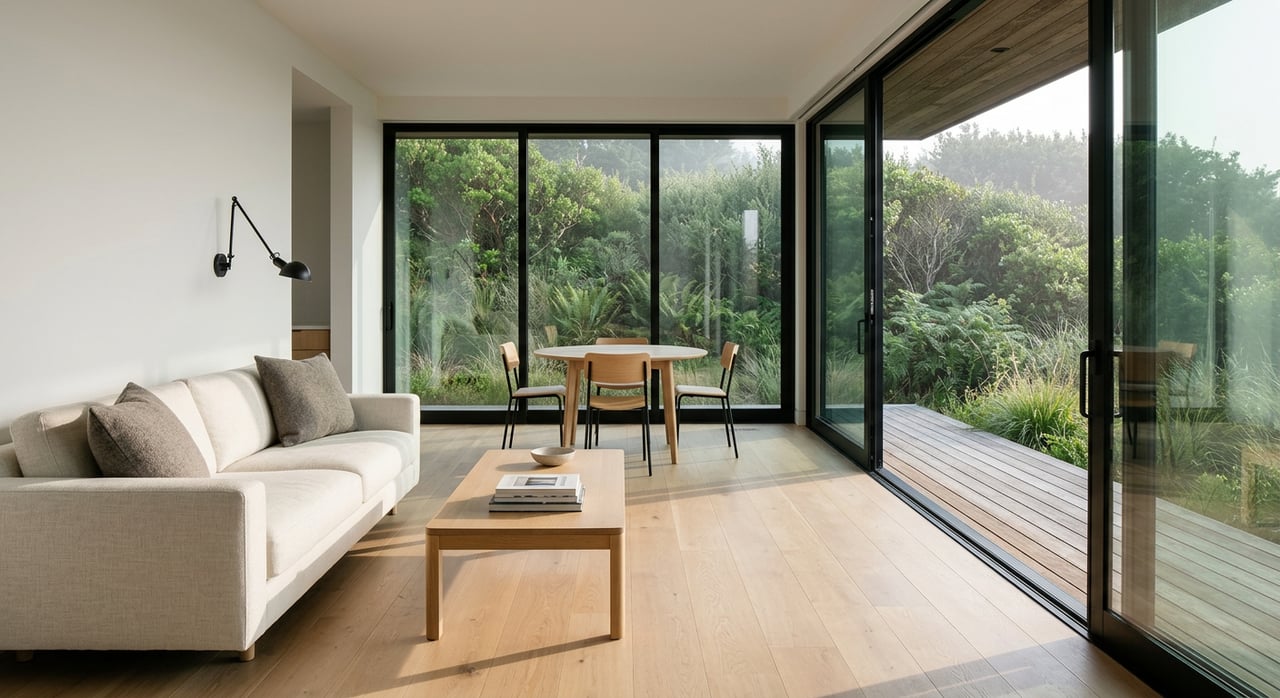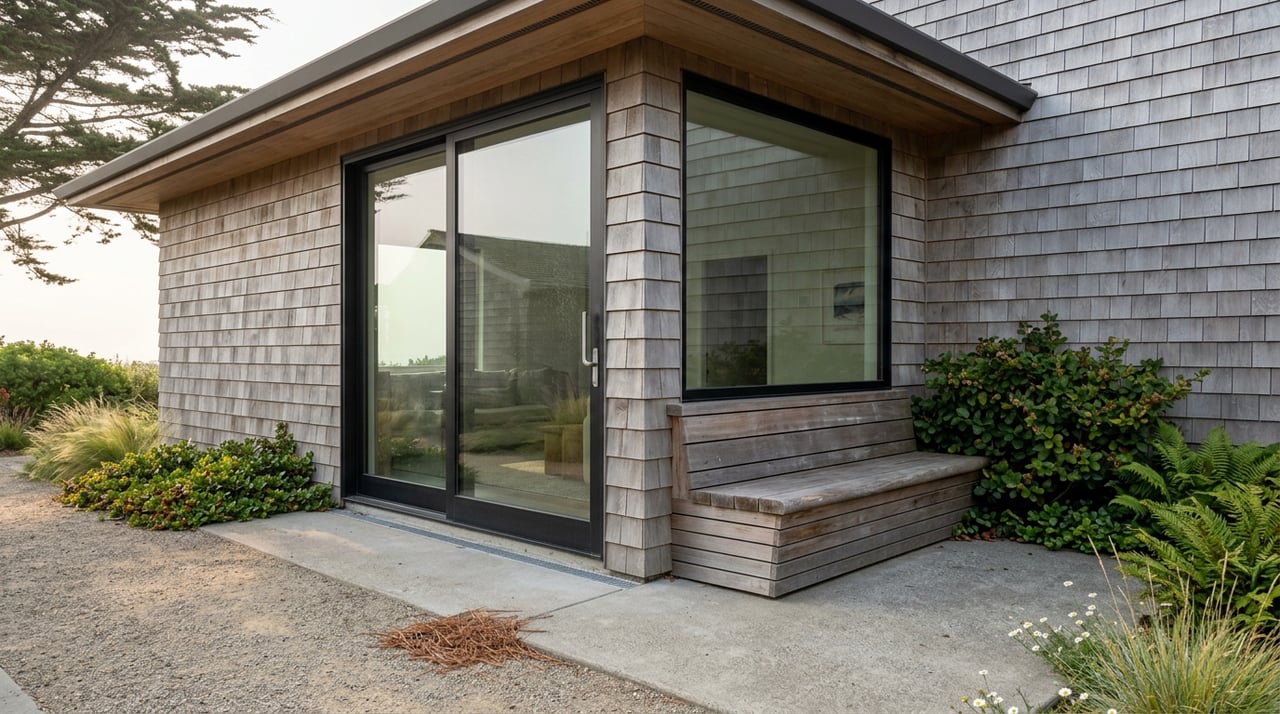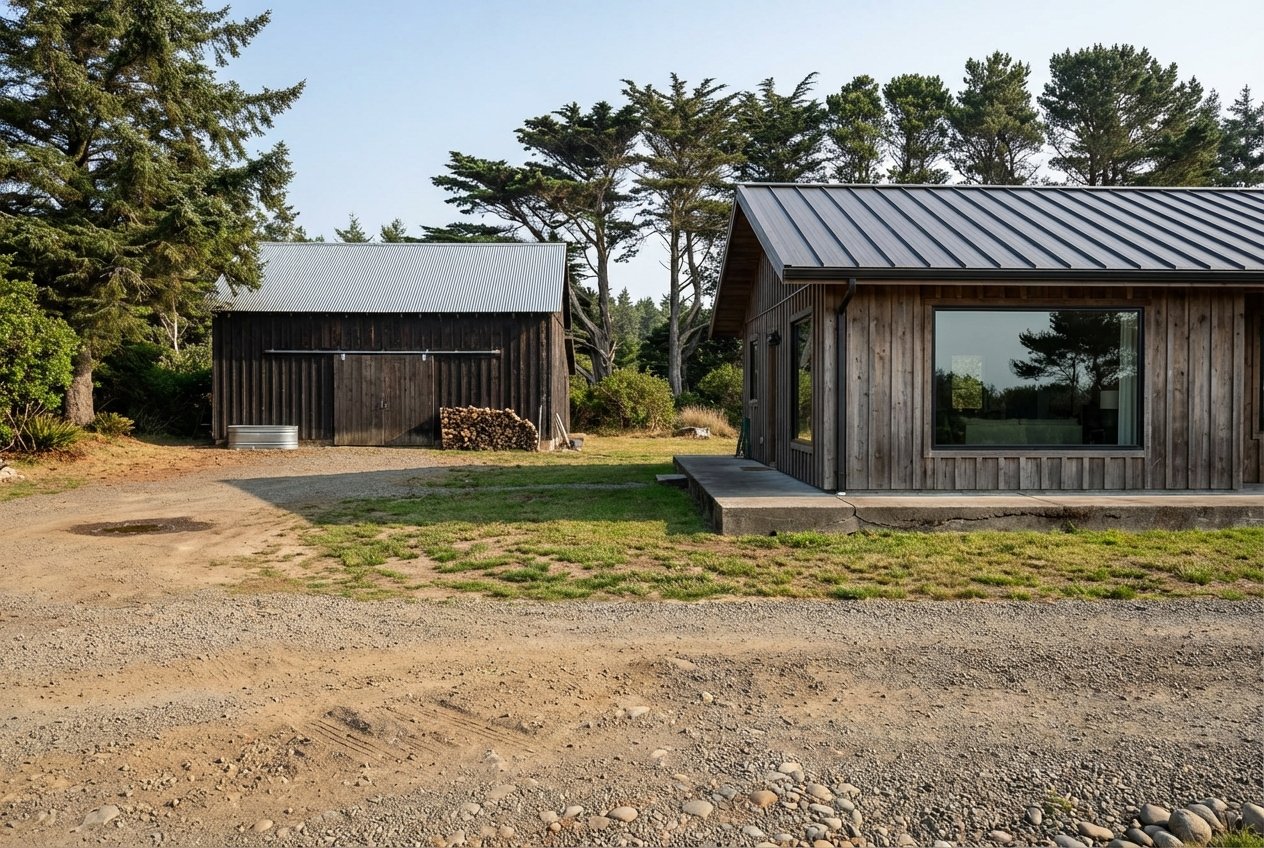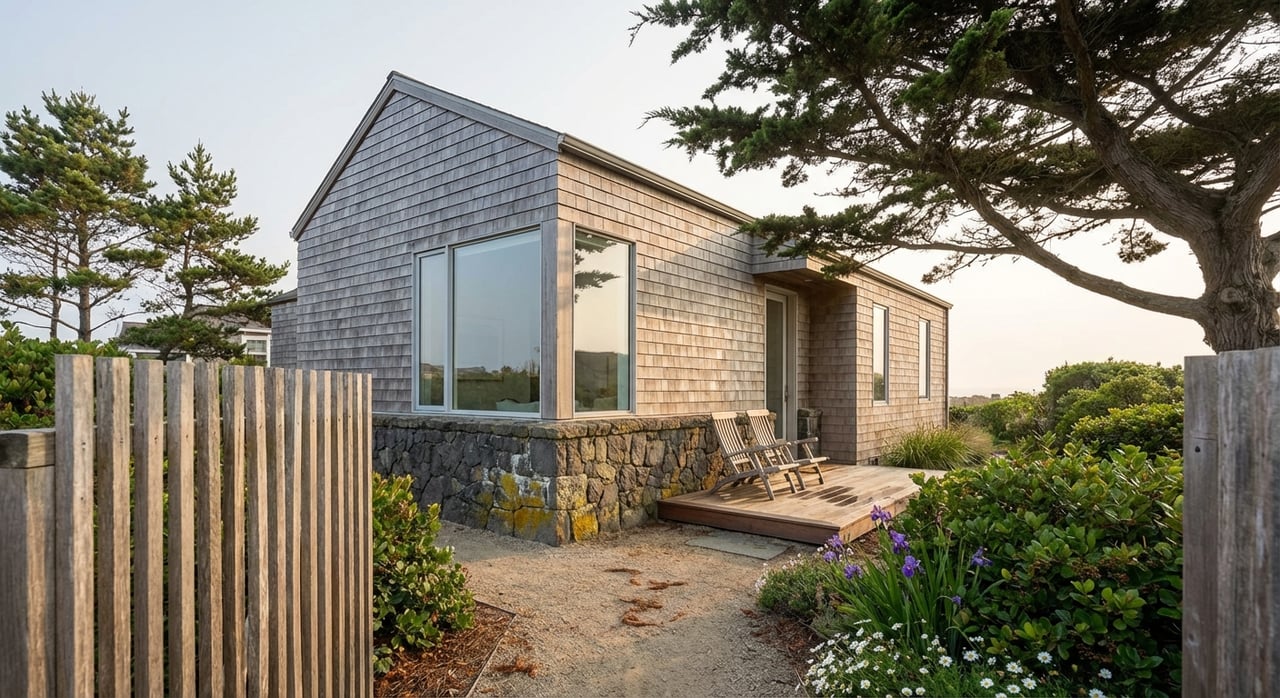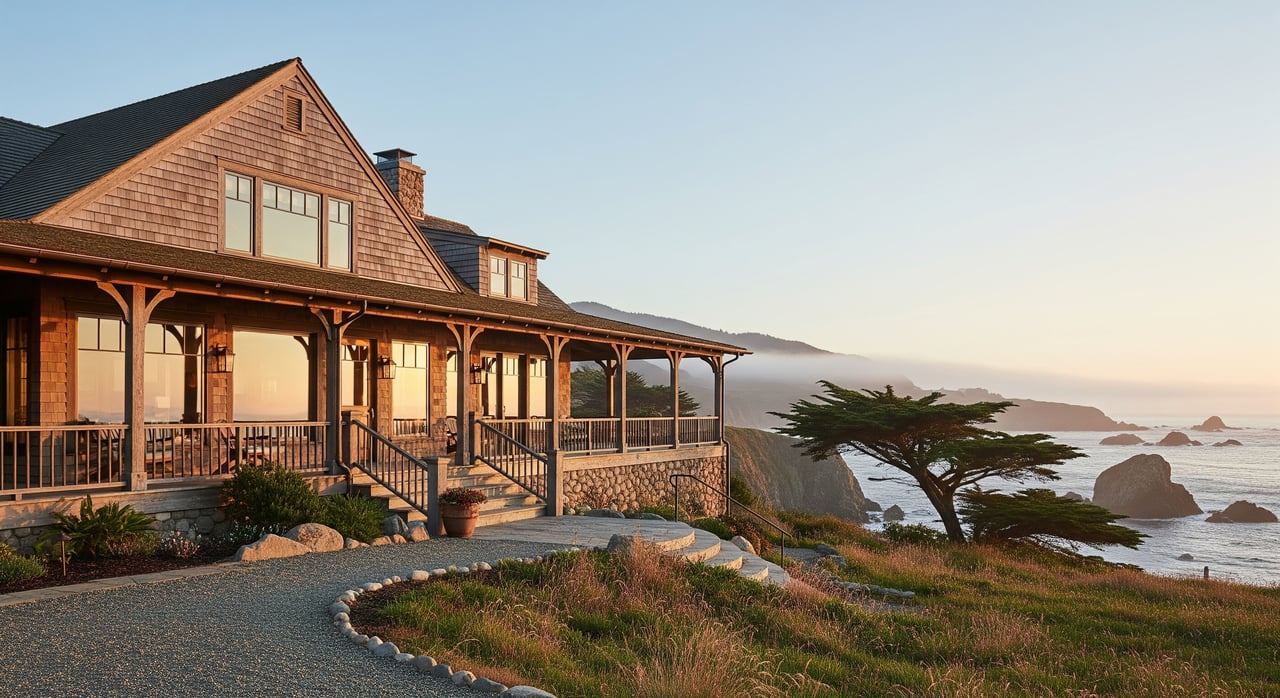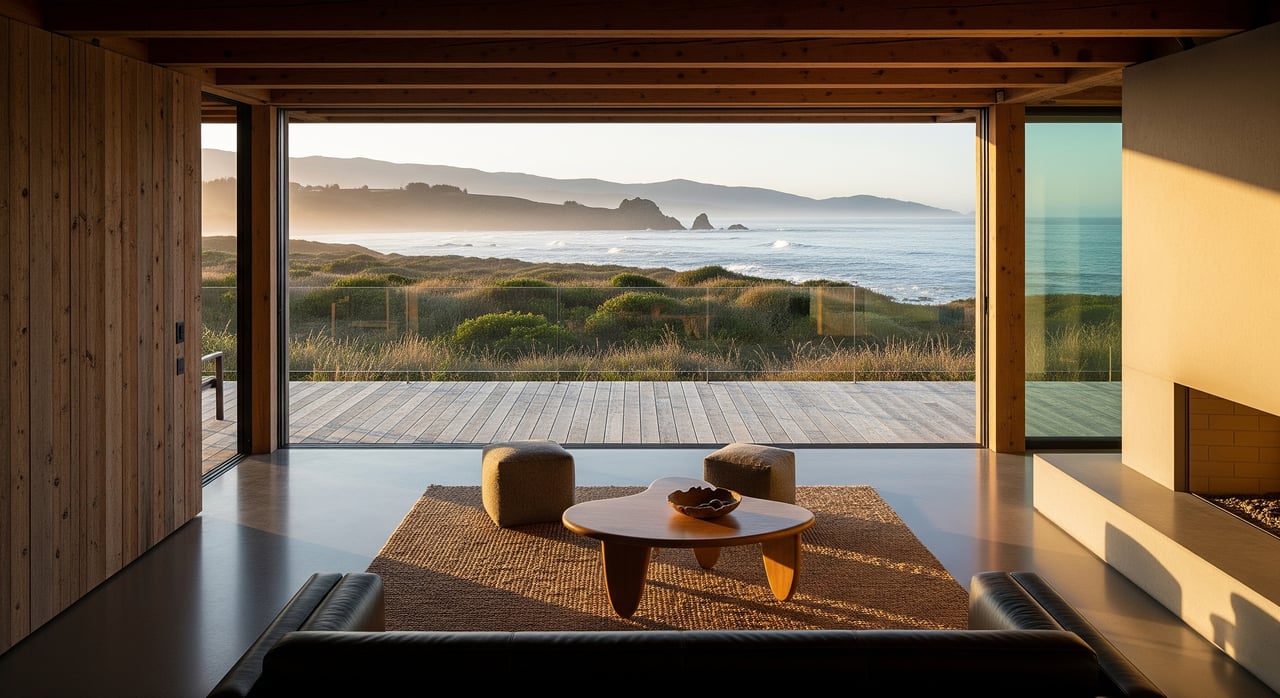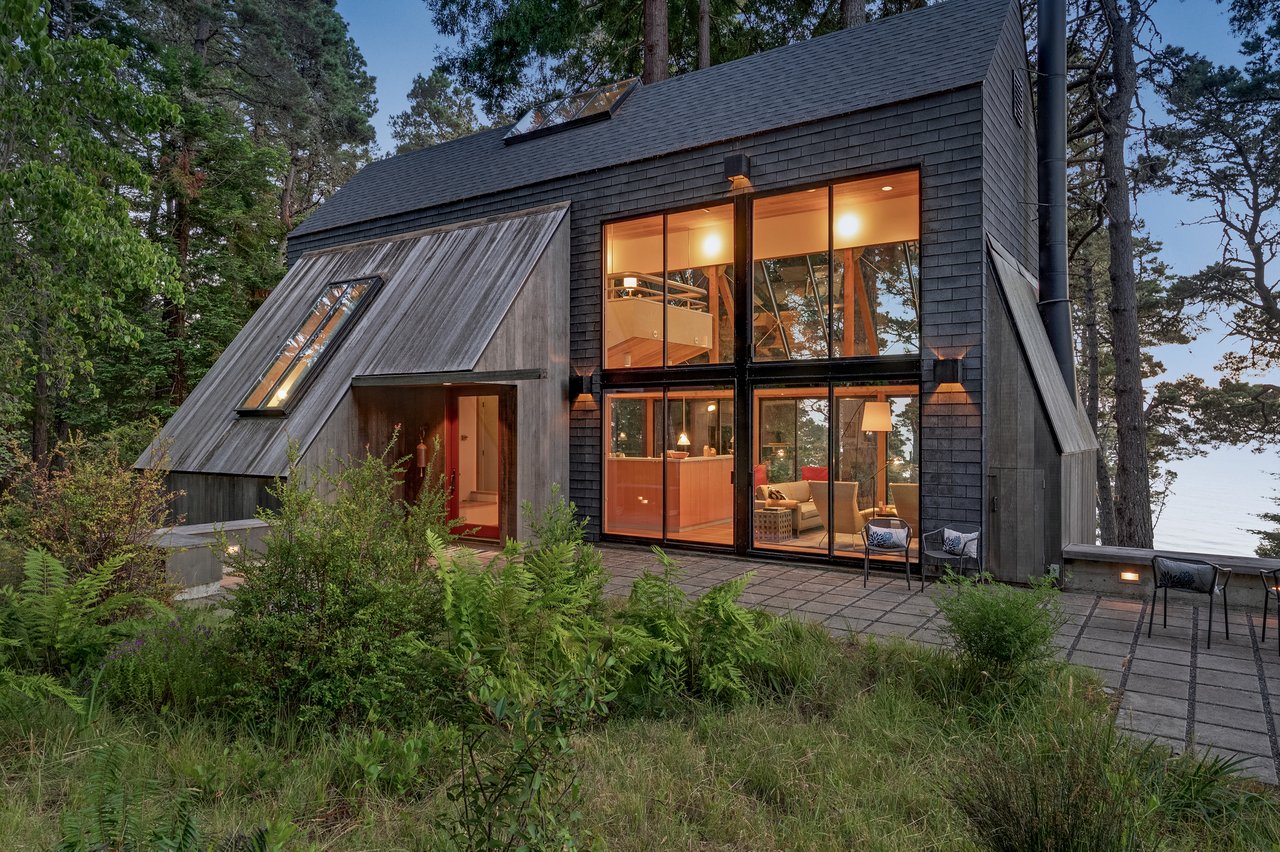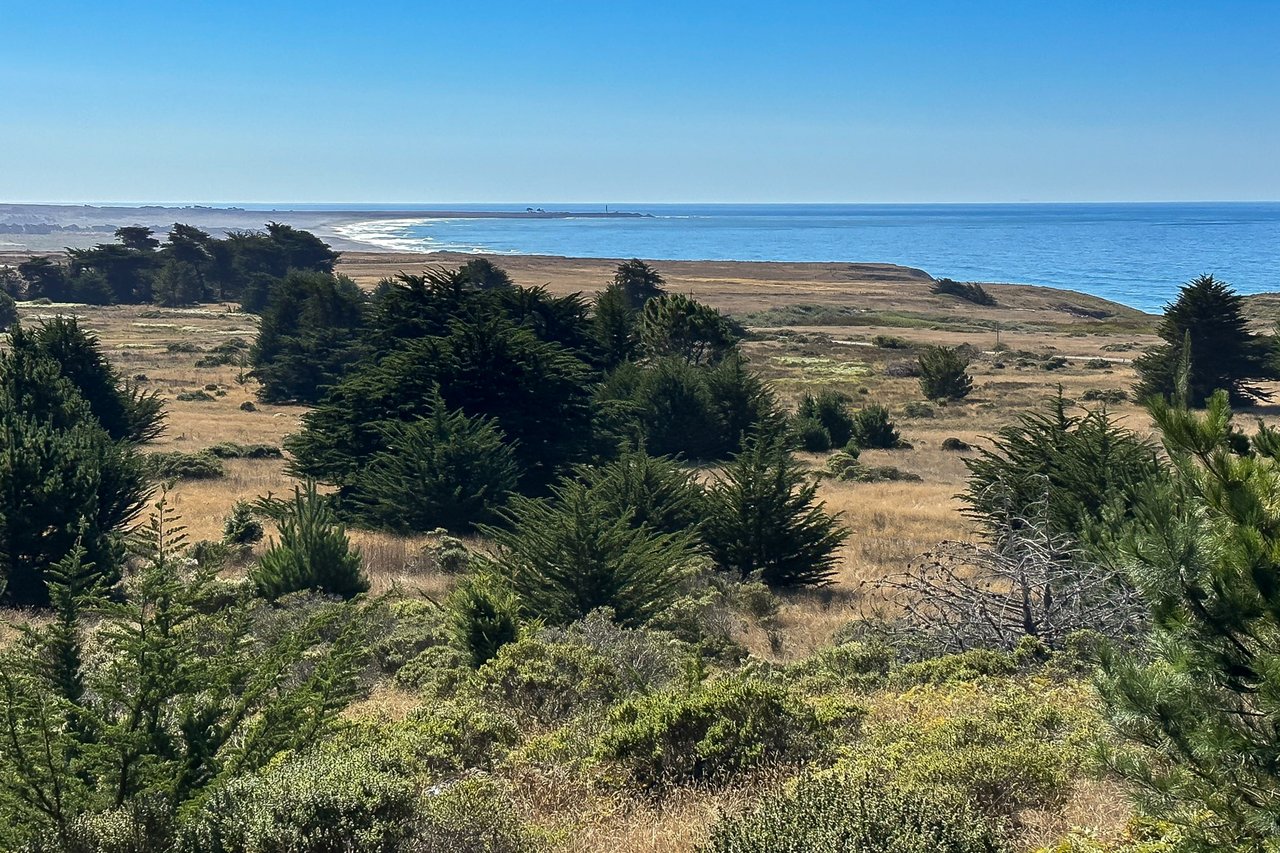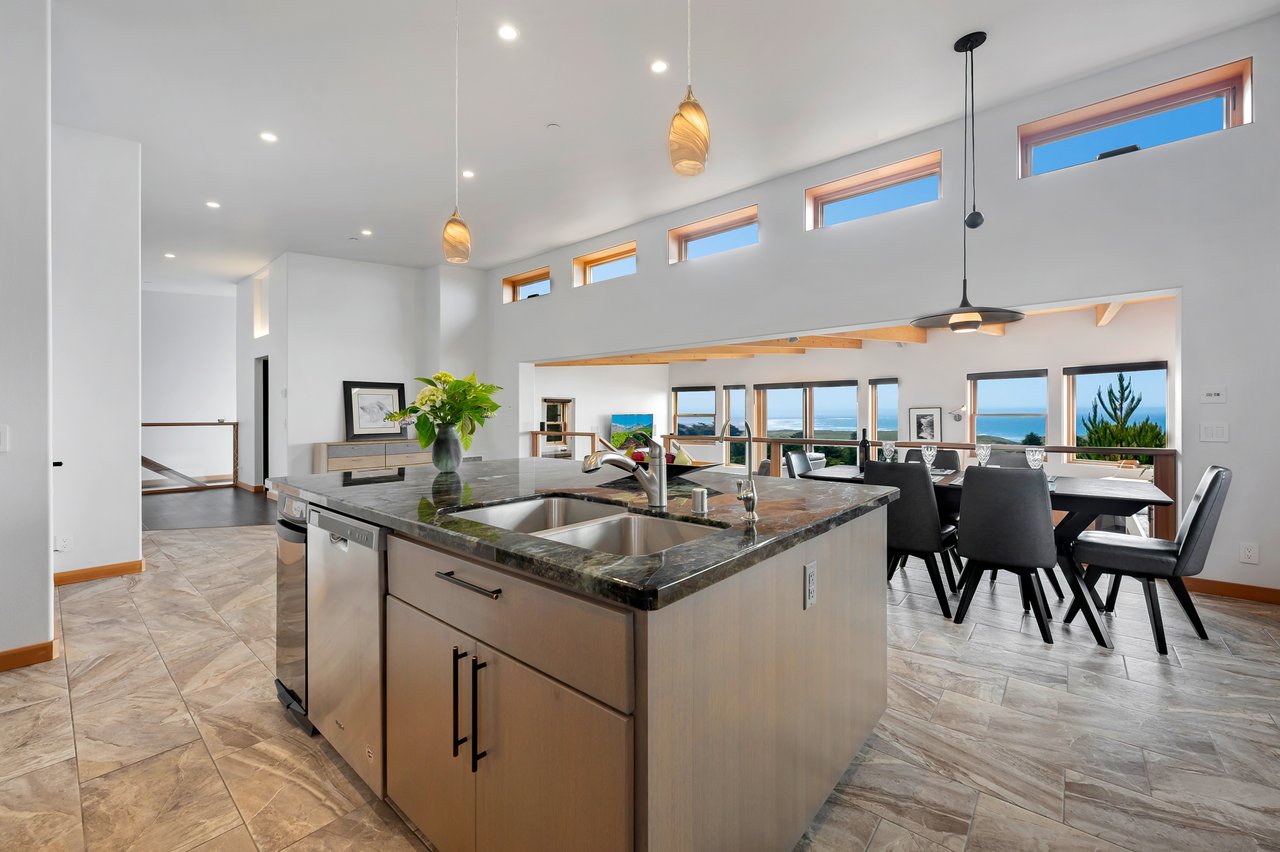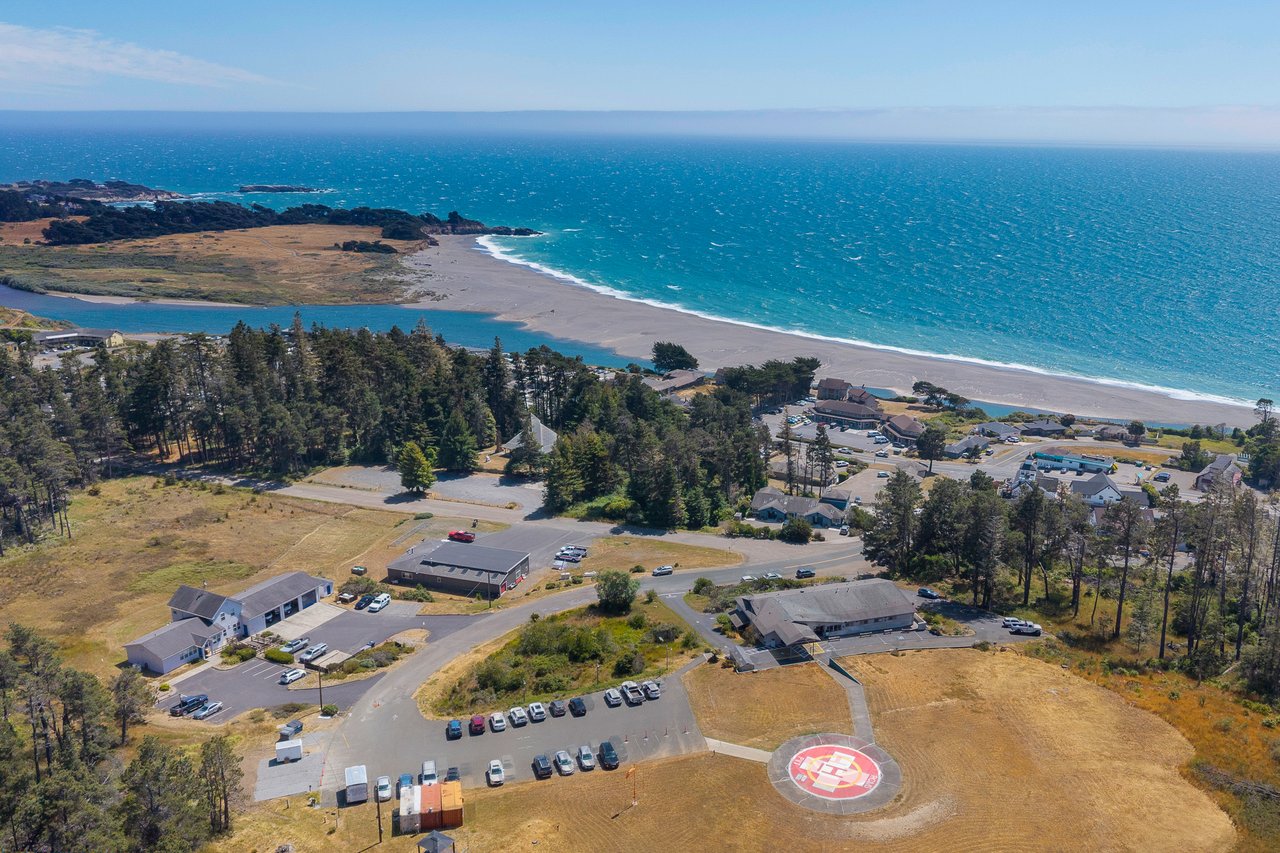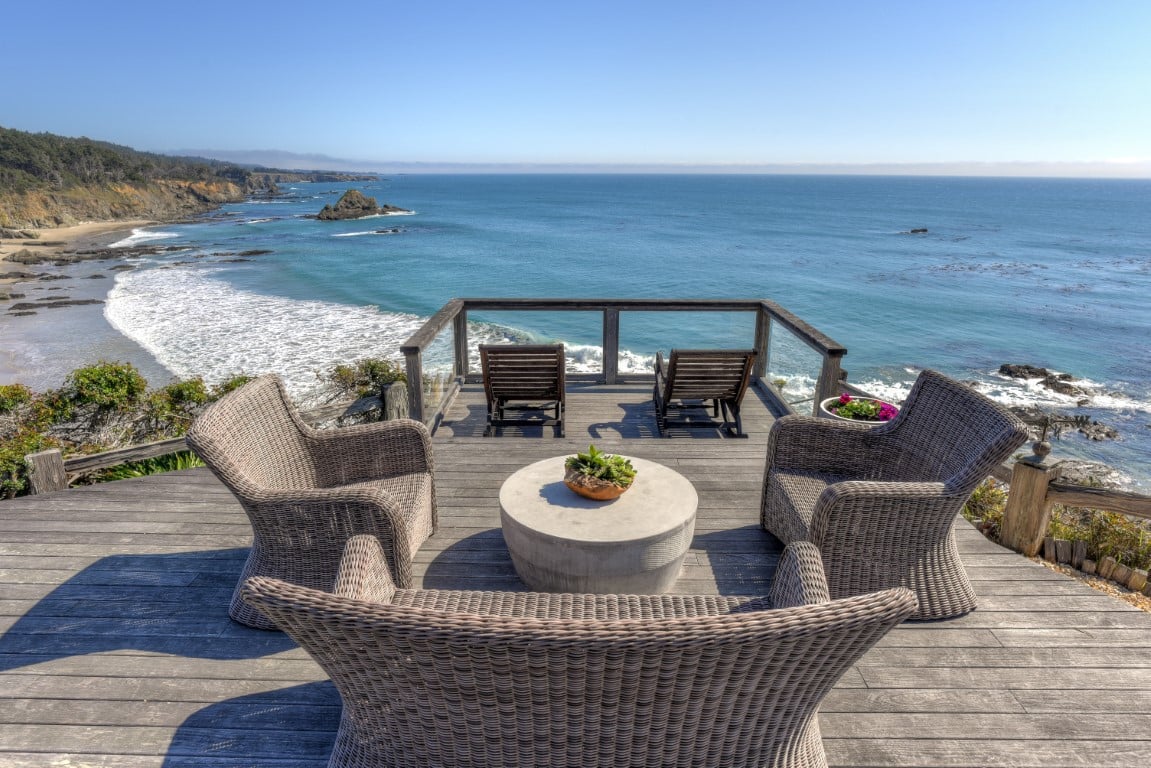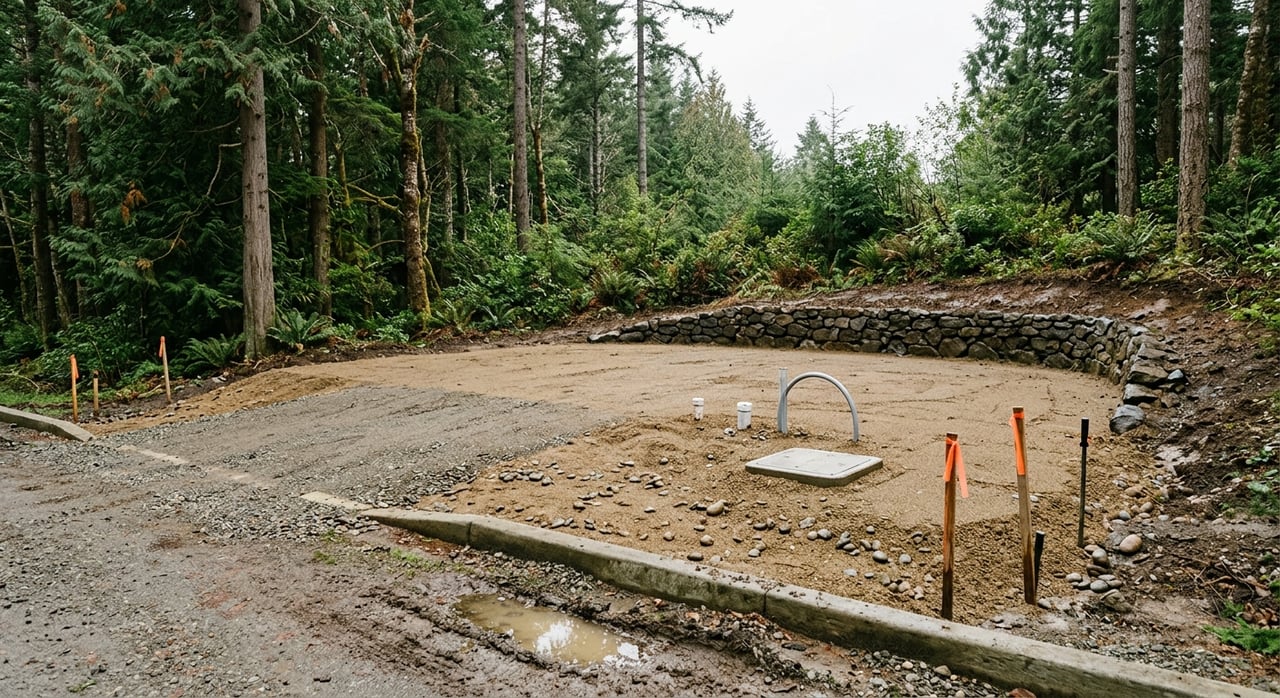
You can fall in love with a Timber Cove parcel in minutes, but understanding whether you can actually build on it takes much longer. That is especially true on this stretch of the Sonoma Coast, where views, access, water, septic, and coastal permitting all shape what a site can become. If you are thinking about buying land or a building site in Timber Cove, this guide will help you focus on the questions that matter most before you close. Let’s dive in.
Why Timber Cove Land Is Different
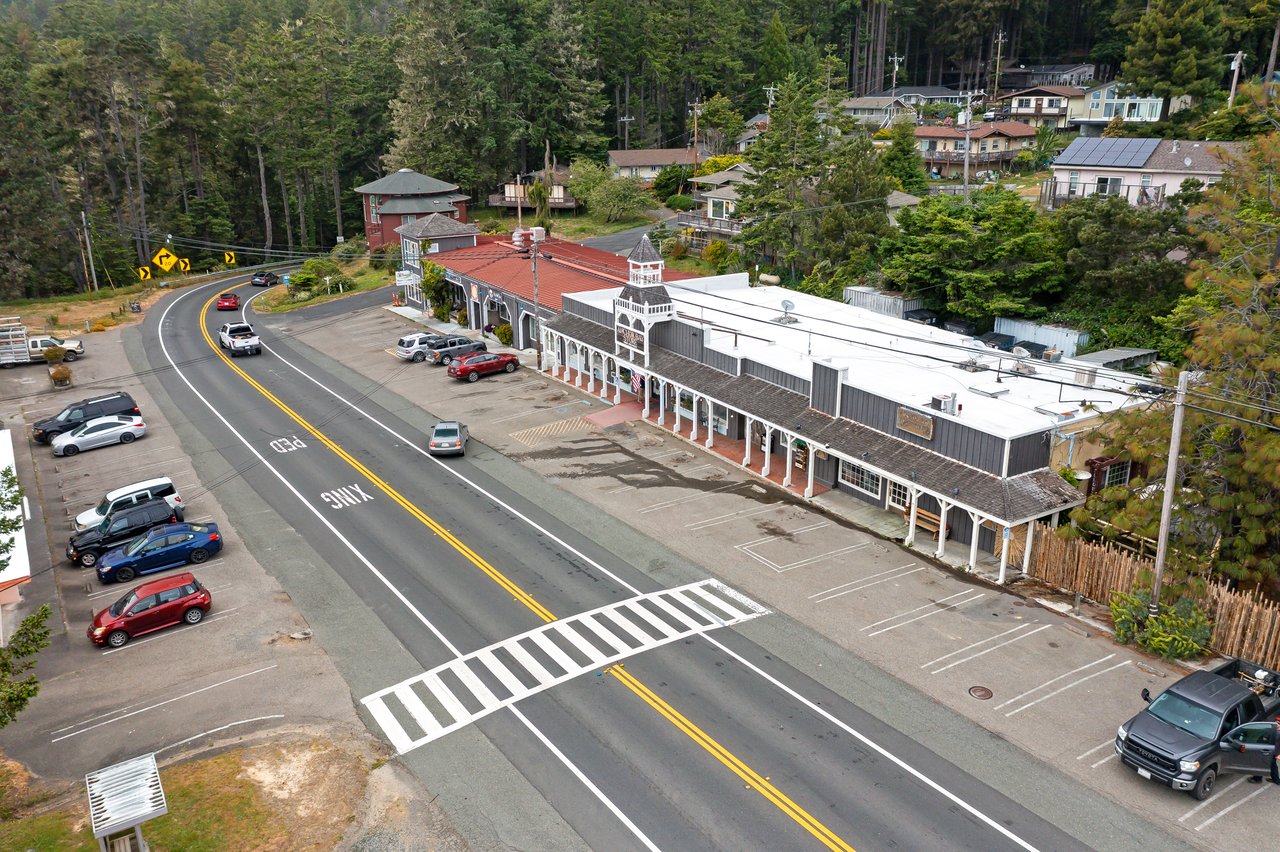
Timber Cove is not a uniform tract where every lot follows the same pattern. Sonoma County planning materials describe it as a low-density subdivision created mainly in the early and middle 1960s, with many lots still undeveloped.
That history matters because parcel conditions can vary widely. County parcel and permit records for the area show examples ranging from lots under one acre to much larger tracts, which means you should evaluate each property on its own merits rather than assume nearby parcels share the same development path.
Zoning and overlays can vary too. County parcel records show that Timber Cove lots may carry different coastal zoning combinations and scenic-resource overlays, so two parcels on the same road can have very different rules.
Start With Parcel-By-Parcel Due Diligence
When you buy an existing home, you can usually see most of what you are getting. When you buy land in Timber Cove, much of the real story sits in the parcel history, permit file, and development constraints.
A site may look straightforward from the road, but its buildability can depend on recorded approvals, expired applications, coastal zoning, and utility conditions. That is why early due diligence is so important here.
Before you move forward, it helps to confirm:
- Parcel size and boundaries
- Coastal zoning and overlays
- Prior permits or applications
- Access and easement details
- Water service status
- Septic feasibility
- Whether HOA or CC&R review applies
- Scenic visibility and likely permit path
Access And Site Layout Matter Early
In Timber Cove, access is not just a convenience issue. It is part of the feasibility picture from the start.
Sonoma County’s coastal permit checklist requires applicants to show roads, easements, slope direction, drainage features, and the location of wells and septic systems on a site plan. In practical terms, that means a parcel’s driveway layout, drainage pattern, and usable building area should be reviewed before you assume a home design will fit.
Slope and drainage can affect both cost and design. The same county checklist notes that preliminary grading and drainage plans are often required, which is one reason land purchases here are more front-loaded than a typical home purchase.
In some locations, hazard conditions can add another layer. The county also notes that a geotechnical investigation may be required for development near a bluff or other high-hazard area.
Views Can Add Appeal And Review
Many buyers are drawn to Timber Cove for its coastal setting, but view potential can bring added review. Sonoma County’s coastal permit checklist says a landscape plan is required when a project is visible from a designated scenic resource area, scenic corridor, or public view area.
The same checklist says story poles are required for projects in scenic resource areas or projects visible from public areas. That means the visual impact of a future home may be part of the review process, not just the floor plan and setback lines.
County planning materials also note that most Timber Cove lots are east of Highway 1 and not visible from the highway, while a smaller number west of Highway 1 have higher visual sensitivity. If you are shopping for a parcel with a prominent location or broad views, it is wise to expect closer attention to siting and design.
Water Service Is A Core Feasibility Issue
One of the biggest questions for any Timber Cove building site is water. County planning materials say water in the area is supplied by the Timber Cove County Water District.
The district states that water service depends on a main of adequate capacity and pressure abutting the property, payment of connection fees, and compliance with district rules. Just as important, the district’s standing rules say it is presently unable to provide water connection to all lots.
That one point can change the entire value and timing of a land purchase. A parcel inside the district is not automatically guaranteed a connection, so you will want to verify service availability for the specific property you are considering.
The district also states that an owner who cannot obtain a connection may seek a private well, but only through a district-and-county process that includes a plot map and district review. That means water planning should happen early, not after you have already committed to a design or closing date.
Septic Is Part Of The Buildability Equation
Timber Cove homes rely on septic systems for wastewater disposal, according to Sonoma County planning materials. For buyers, that makes septic feasibility just as important as lot size or view orientation.
County permit files for Timber Cove show septic-related approvals on undeveloped lots, including a coastal permit for a new dwelling on a 0.96-acre parcel with a non-standard at-grade pre-treatment septic system. County files also show that expired septic permit applications can appear in the parcel record.
The takeaway is simple: never assume a vacant parcel has a routine septic path. You will want to review whether there have been prior septic approvals, expired applications, or site-specific design constraints.
HOA Review Is Not Always Uniform
Some buyers assume every Timber Cove lot falls under the same HOA review process. County permit files show that is not always the case.
Some parcel records indicate Timber Cove Homes Association architectural review, while others explicitly note that the parcel is not part of the HOA. So before you assume the review process is standard, confirm whether the specific parcel is inside the Timber Cove HOA and CC&R framework.
That distinction can affect design review, submission steps, and timing. It is a small detail at first glance, but it can become a major one once you begin planning improvements.
Permitting Usually Takes More Planning
Buying land in Timber Cove is often as much a site-planning and entitlement process as it is a real estate purchase. Sonoma County says coastal permits are required for development on parcels with Coastal Combining zoning.
The county explains that these permits may be processed administratively or through a public hearing. Its guidance uses residences on the east side of Highway 1 as an example of administrative review, while residences on the west side of Highway 1, subdivisions, use permits, and commercial or industrial proposals are examples that typically require hearings.
The path matters because hearing-based permits can involve more time and process. County guidance also says public-hearing coastal permits are often subject to CEQA review, and some coastal permits are appealable to the Coastal Commission and are not final until the appeal period ends.
That does not mean a parcel is not worth pursuing. It means you should enter the purchase with a realistic timeline and a clear understanding that land transactions here often involve more coordination than buying an existing home.
Expect A More Document-Heavy Process
Sonoma County’s coastal permit checklist is detailed. It calls for a proposal statement, full-size site plans, a reduced site plan, preliminary architectural plans, a location map, and an assessor’s parcel map.
Depending on the parcel and proposal, the county may also require HOA architectural review, grading and drainage plans, stormwater materials, archaeology, biotic reports, water or sewer letters, and geotechnical investigations. Structural plans are not required until the building-permit stage, which helps explain why land buying and building-site planning often unfold in phases.
County parcel files show this sequence in action. One Timber Cove parcel record includes a septic permit, a coastal permit, and then a building permit for a new small dwelling on an undeveloped lot.
A Smart Buyer’s Timber Cove Checklist
If you are comparing land in Timber Cove, keep your focus on the issues that most often shape feasibility, timeline, and budget.
Here is a practical shortlist to guide your review:
- Confirm parcel zoning and coastal overlays
- Review county parcel and permit records
- Verify legal access and easements
- Study slope, drainage, and likely building area
- Check whether the site may need geotechnical review
- Confirm whether the parcel is visible from public areas or scenic corridors
- Verify Timber Cove County Water District connection status
- Review options and requirements if a well may be needed
- Investigate septic history and current feasibility
- Confirm whether HOA architectural review applies
- Ask about the likely coastal permit path
Why Local Guidance Helps
In a place like Timber Cove, land buying is rarely a plug-and-play transaction. Small differences in water access, septic history, scenic visibility, or permit status can have a big impact on what you can build and how long it may take.
That is why many buyers benefit from working with someone who understands the north Sonoma Coast parcel by parcel. When you are weighing a building site, local context can help you ask better questions, spot issues earlier, and move forward with more confidence.
If you are considering a lot, a coastal homesite, or a larger acreage purchase in Timber Cove, Kennedy & Associates Real Estate can help you evaluate the details that matter most.
FAQs
What makes buying land in Timber Cove different from buying an existing home?
- Buying land in Timber Cove usually requires more upfront work on zoning, access, water, septic, scenic review, and coastal permitting before you can confirm what can be built.
What should you verify about water service for a Timber Cove lot?
- You should verify whether the Timber Cove County Water District can serve the specific parcel, because the district states it is presently unable to provide water connection to all lots.
Do all Timber Cove parcels use septic systems?
- Sonoma County planning materials say Timber Cove homes rely on septic systems for wastewater disposal, so septic feasibility is a key part of evaluating a building site.
Does every Timber Cove parcel require HOA architectural review?
- No. County permit files show that some parcels are subject to Timber Cove Homes Association architectural review, while others are specifically noted as not being part of the HOA.
Are west-of-Highway-1 Timber Cove lots harder to develop?
- County guidance indicates that west-of-Highway-1 residences typically require a public hearing for coastal permits, and county planning materials note that these lots tend to have higher visual sensitivity.
What documents are often needed for a Timber Cove coastal permit application?
- Sonoma County’s checklist may require a proposal statement, site plans, preliminary architectural plans, parcel maps, and, depending on the site, grading, drainage, stormwater, water-service, archaeology, biotic, HOA, or geotechnical materials.