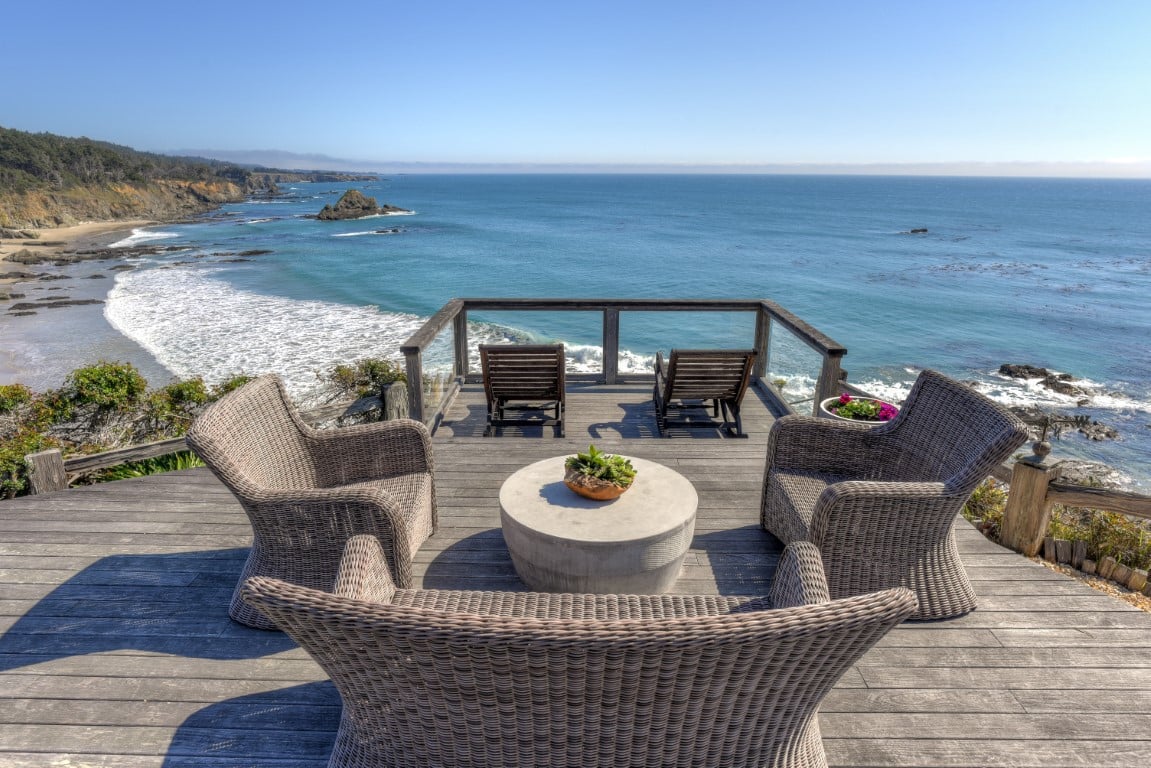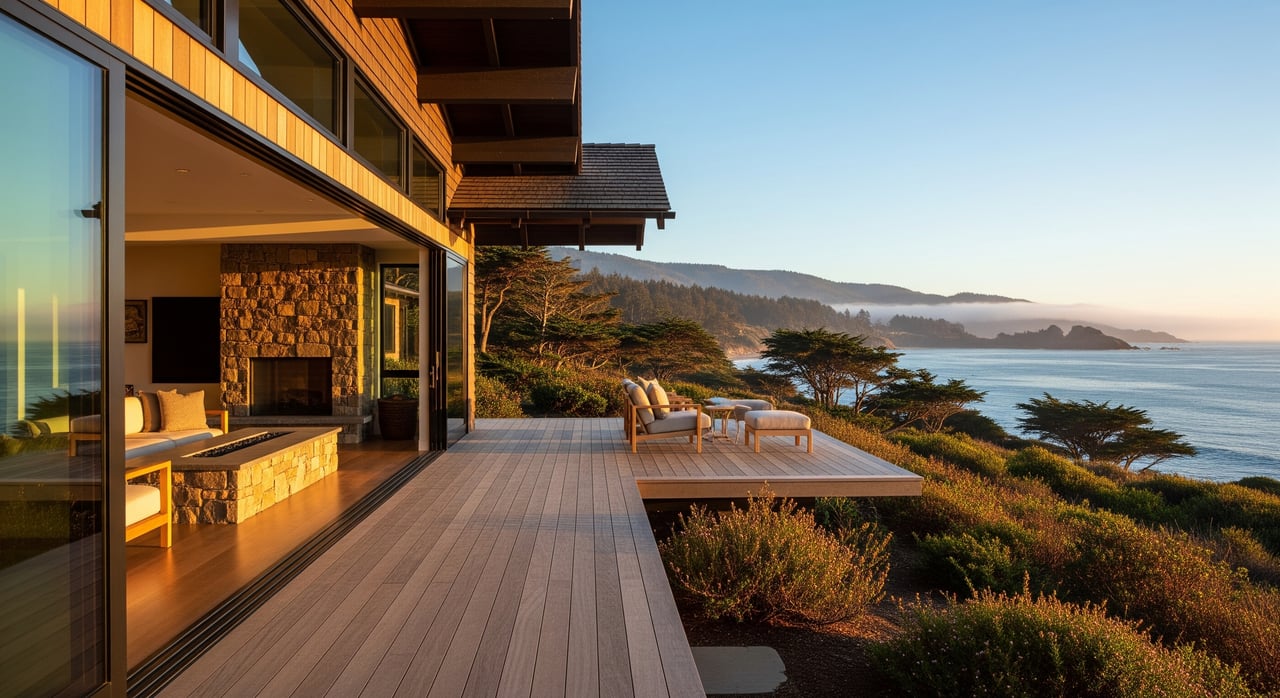
Dreaming of a quiet oceanside retreat where you can unplug, listen to the surf, and slow down? If Anchor Bay on the Mendocino coast has your attention, you are not alone. Many Bay Area and Southern California buyers choose this small coastal community for its views, privacy, and relaxed pace. In this guide, you will learn the essentials of buying a second home in Anchor Bay, from timelines and showings to inspections, permits, insurance, and local services. Let’s dive in.
Why Anchor Bay appeals to second‑home buyers
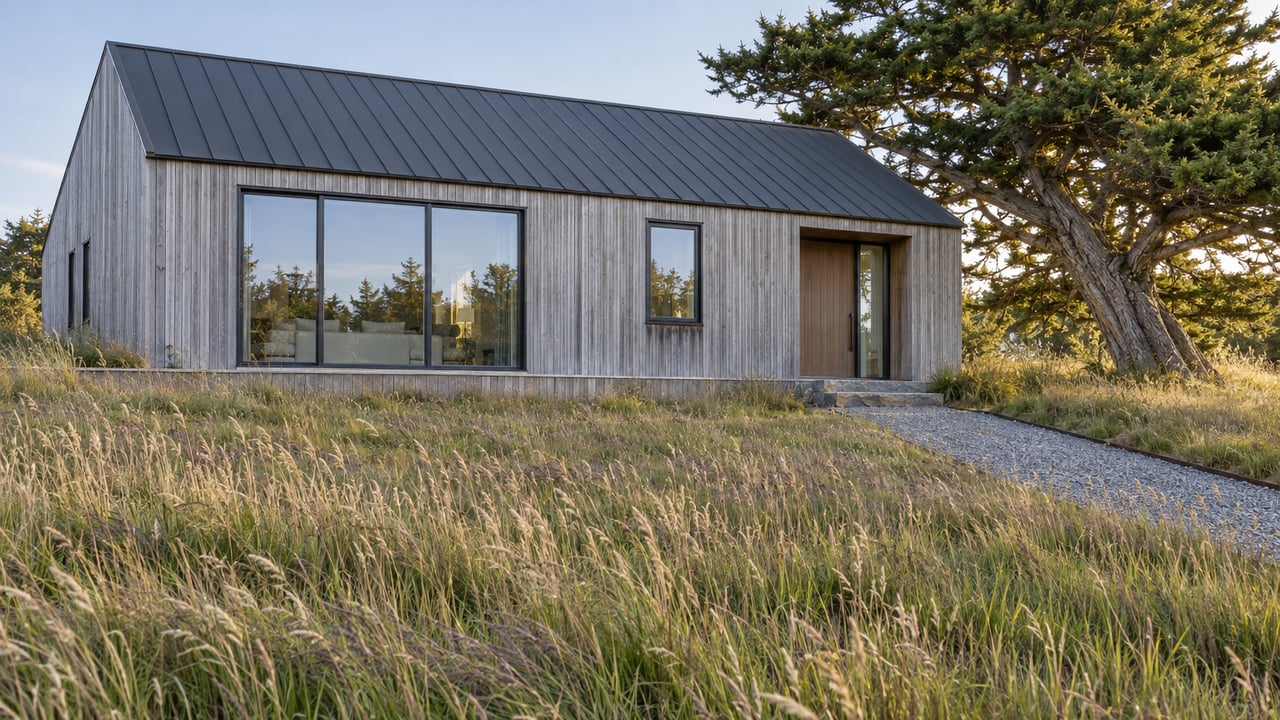
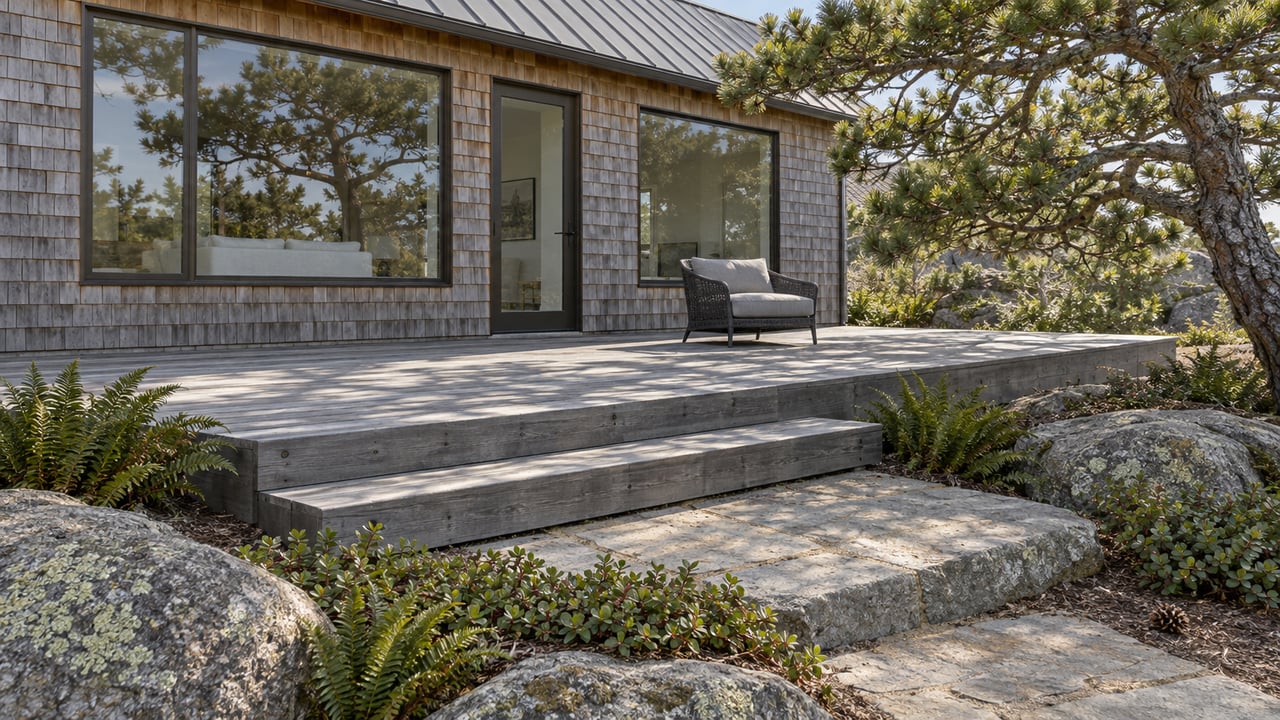
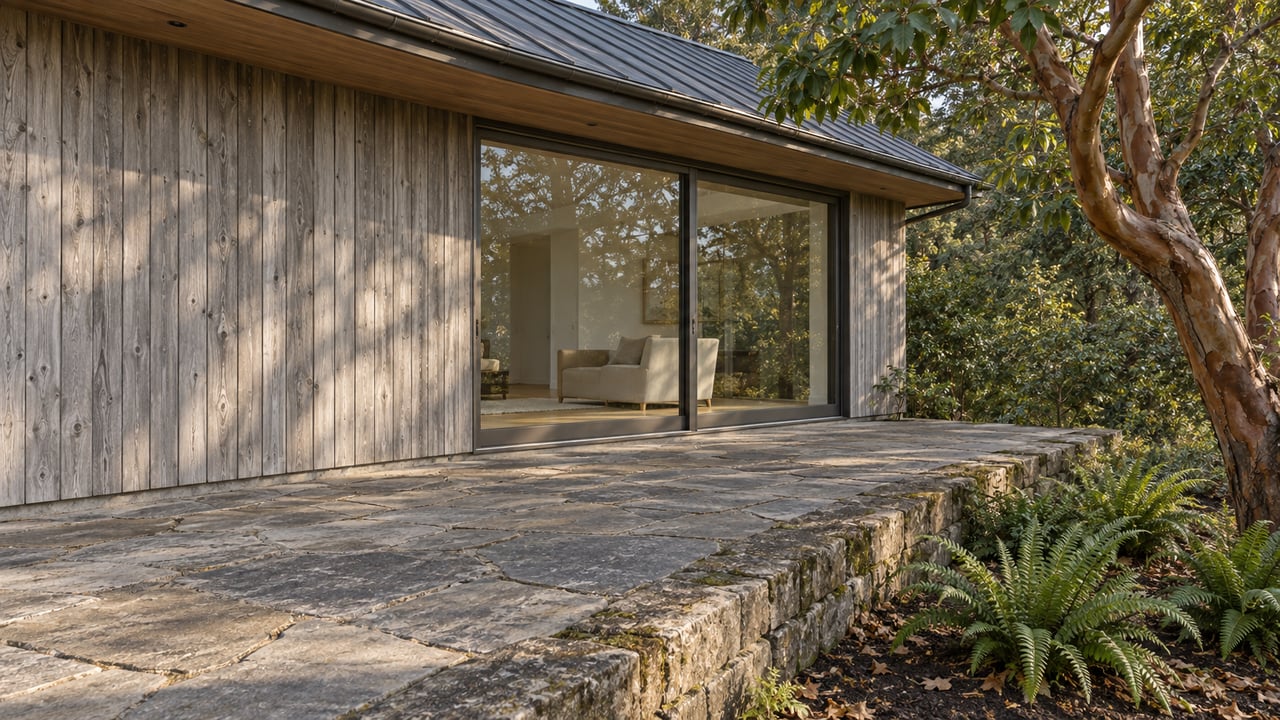
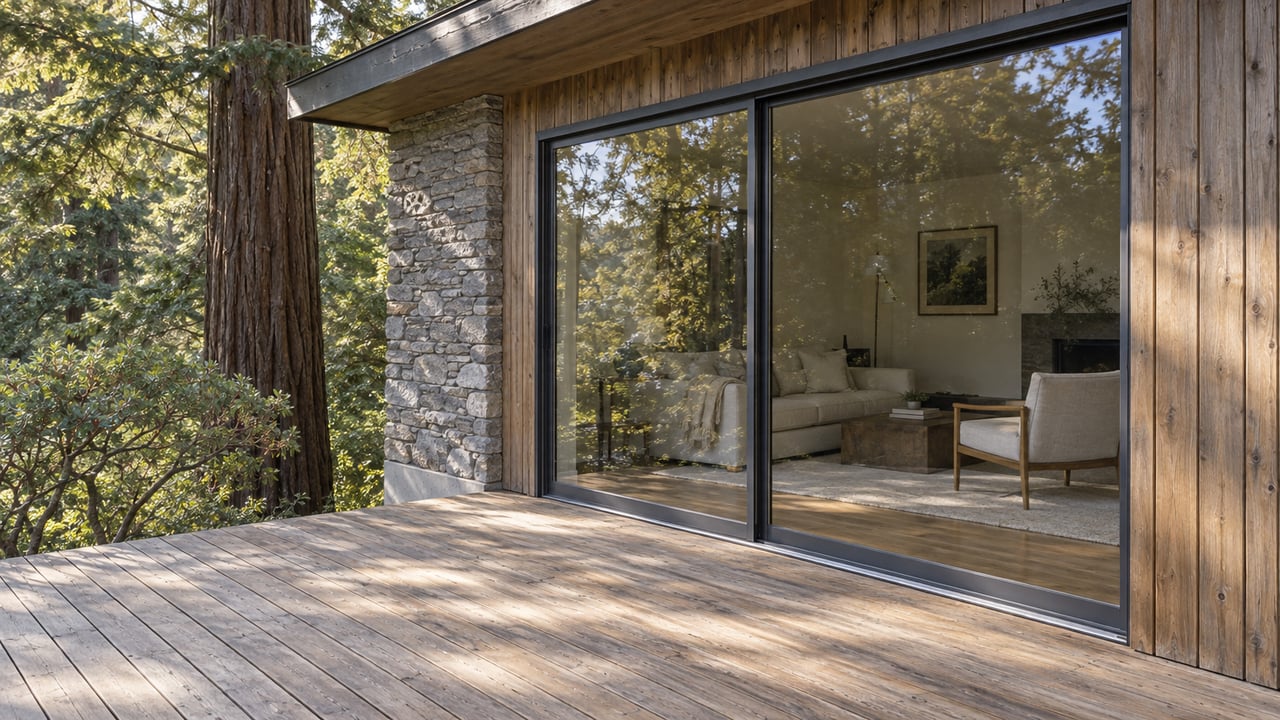
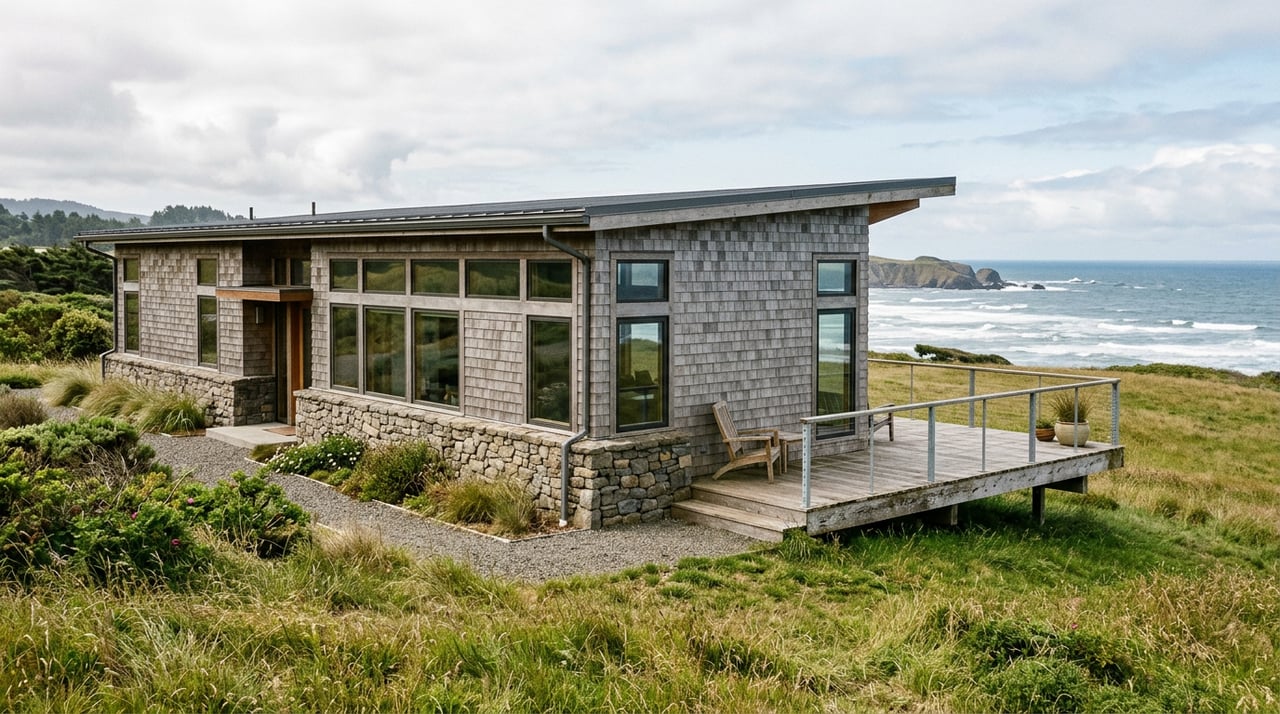
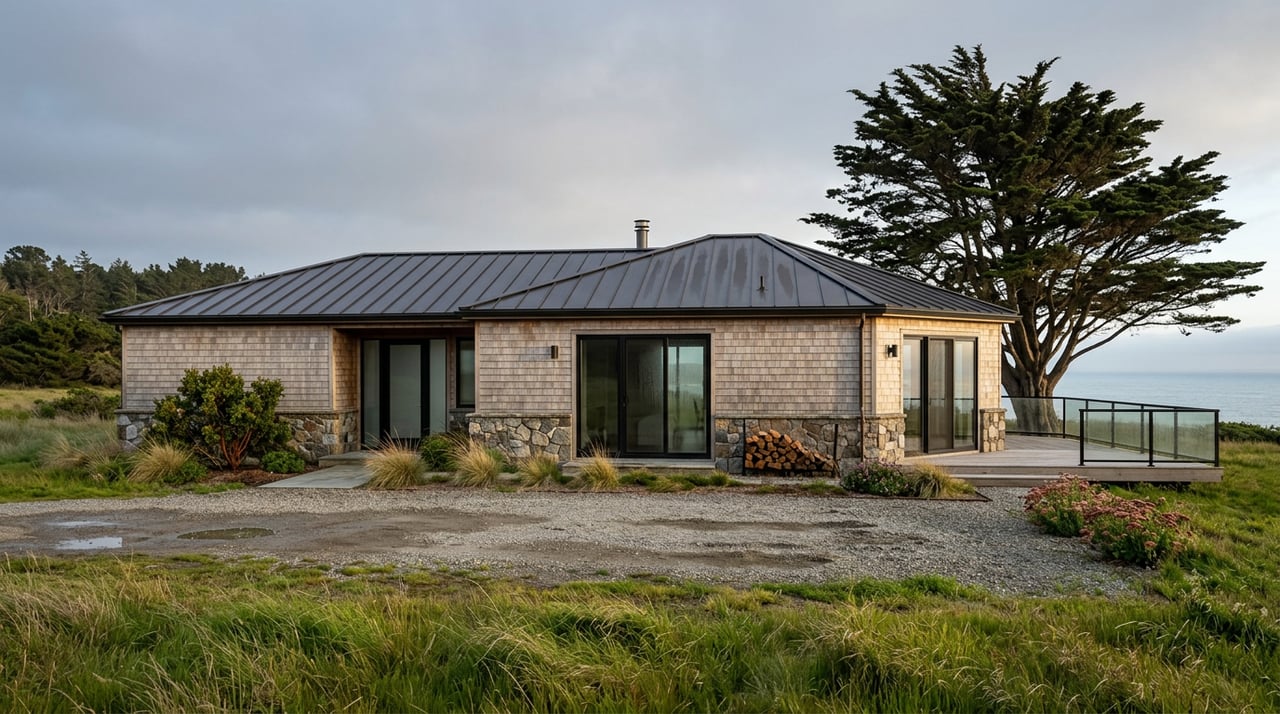
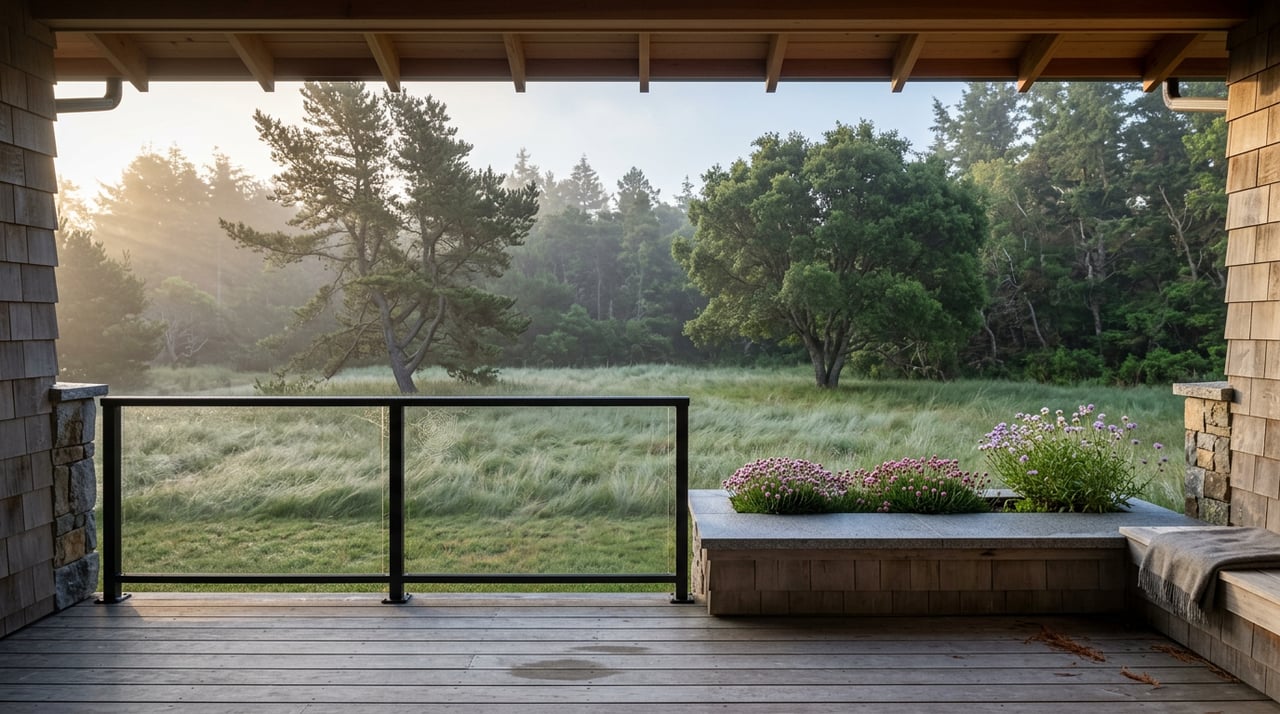
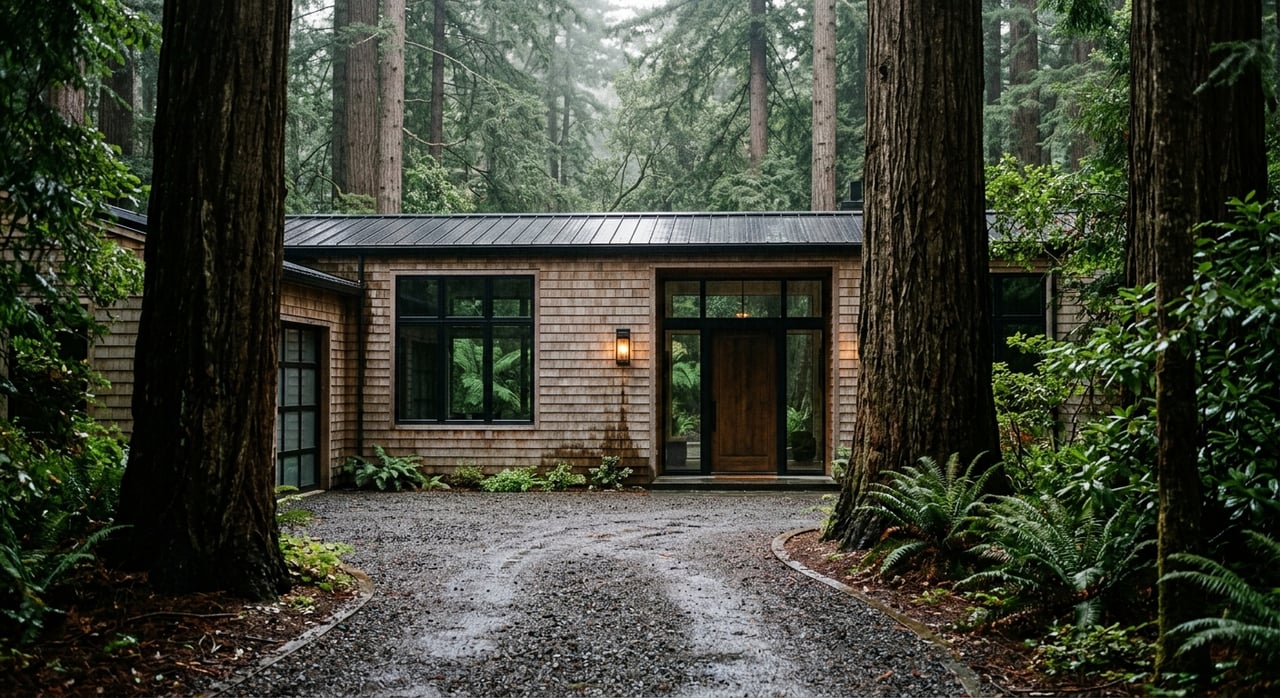
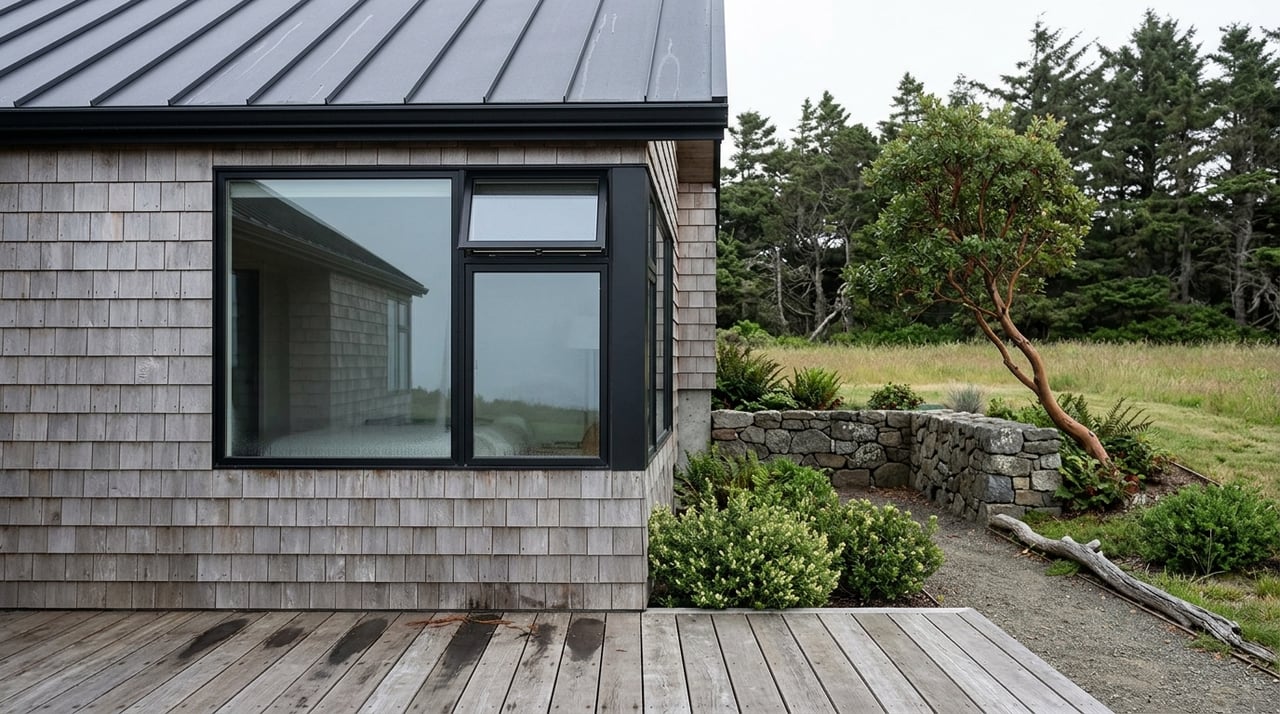
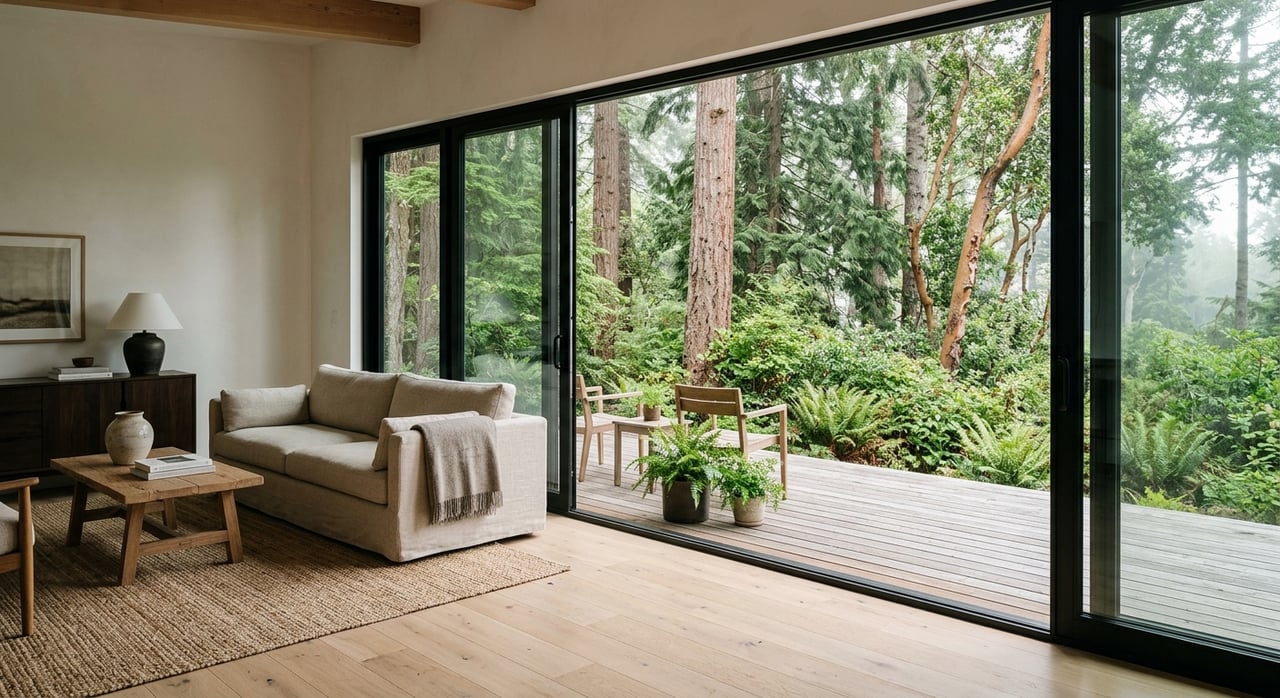
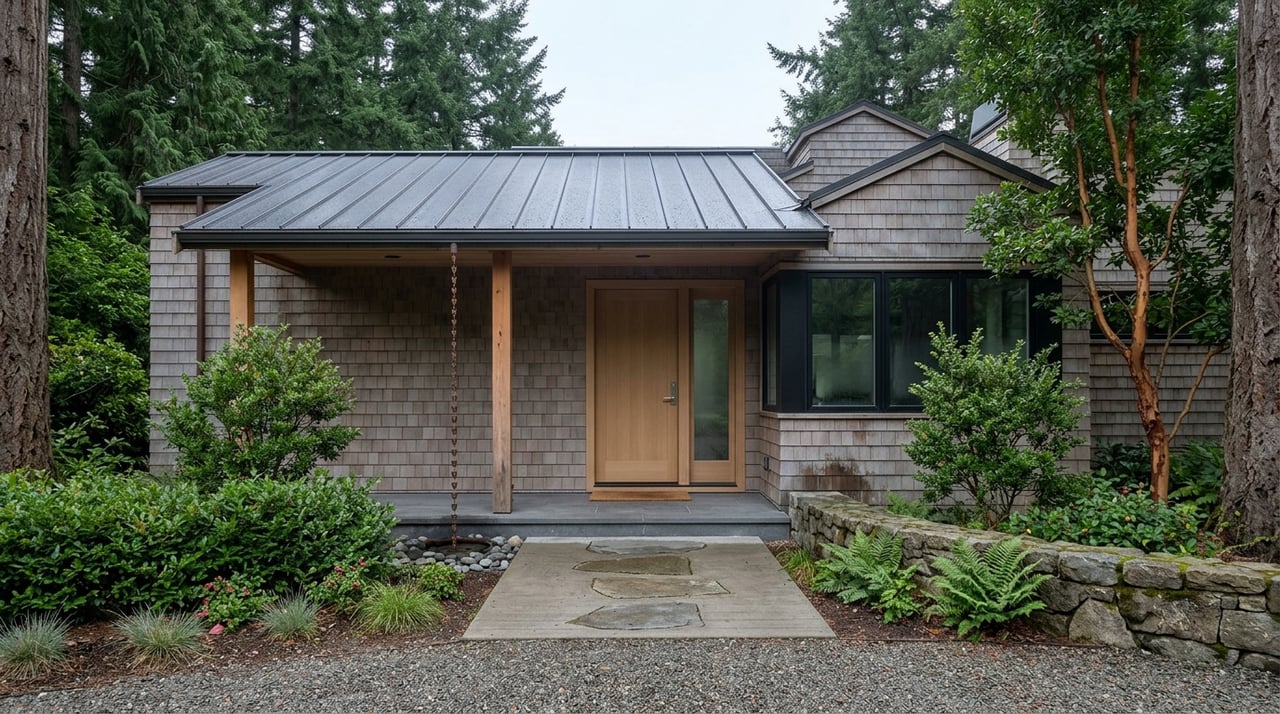
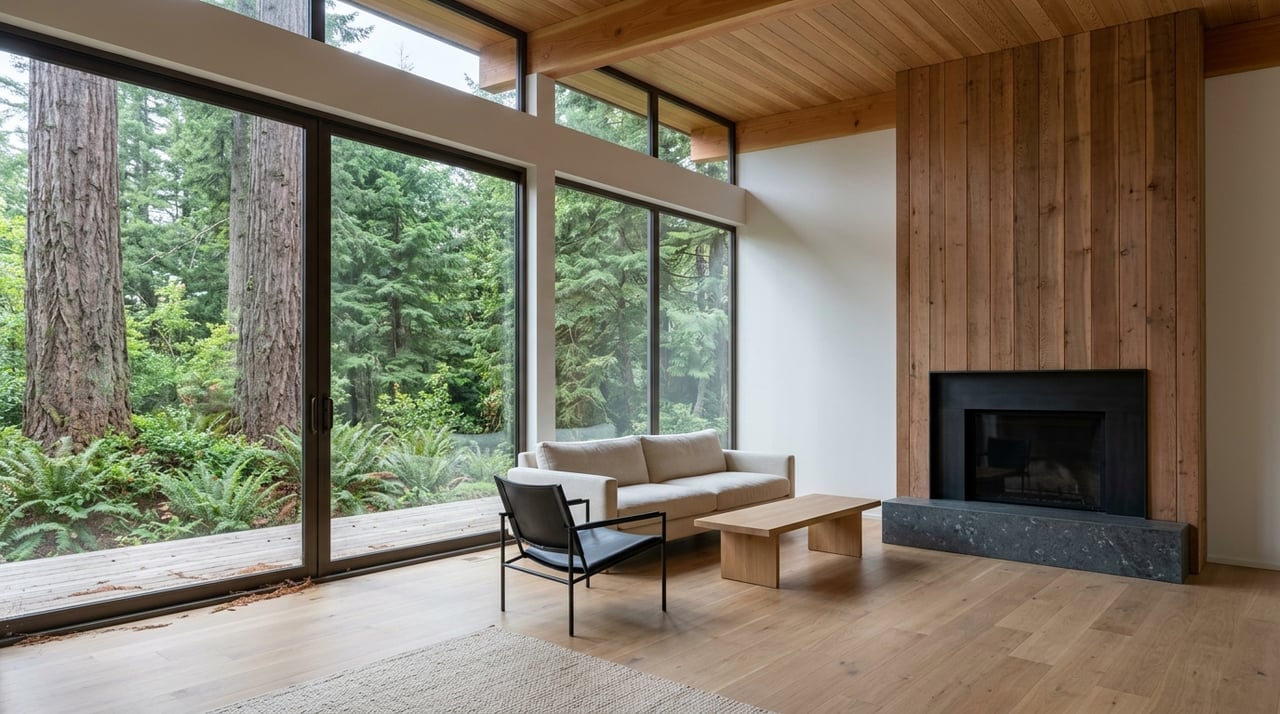
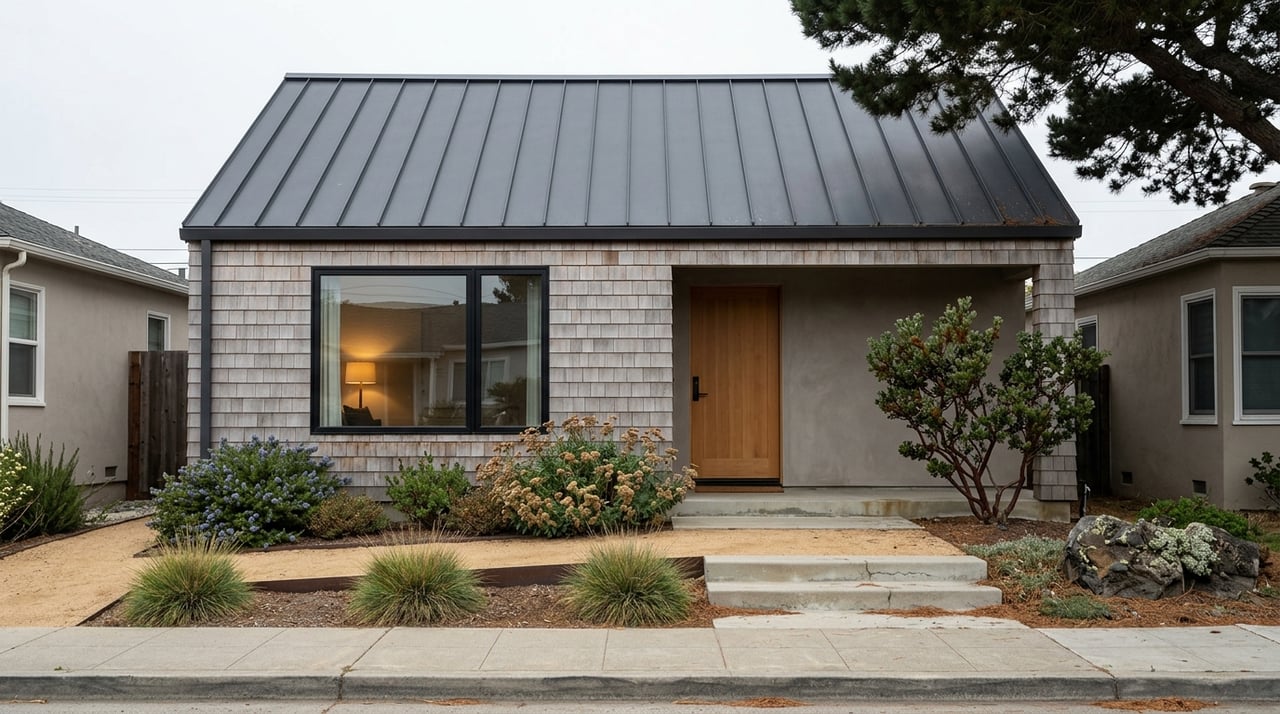
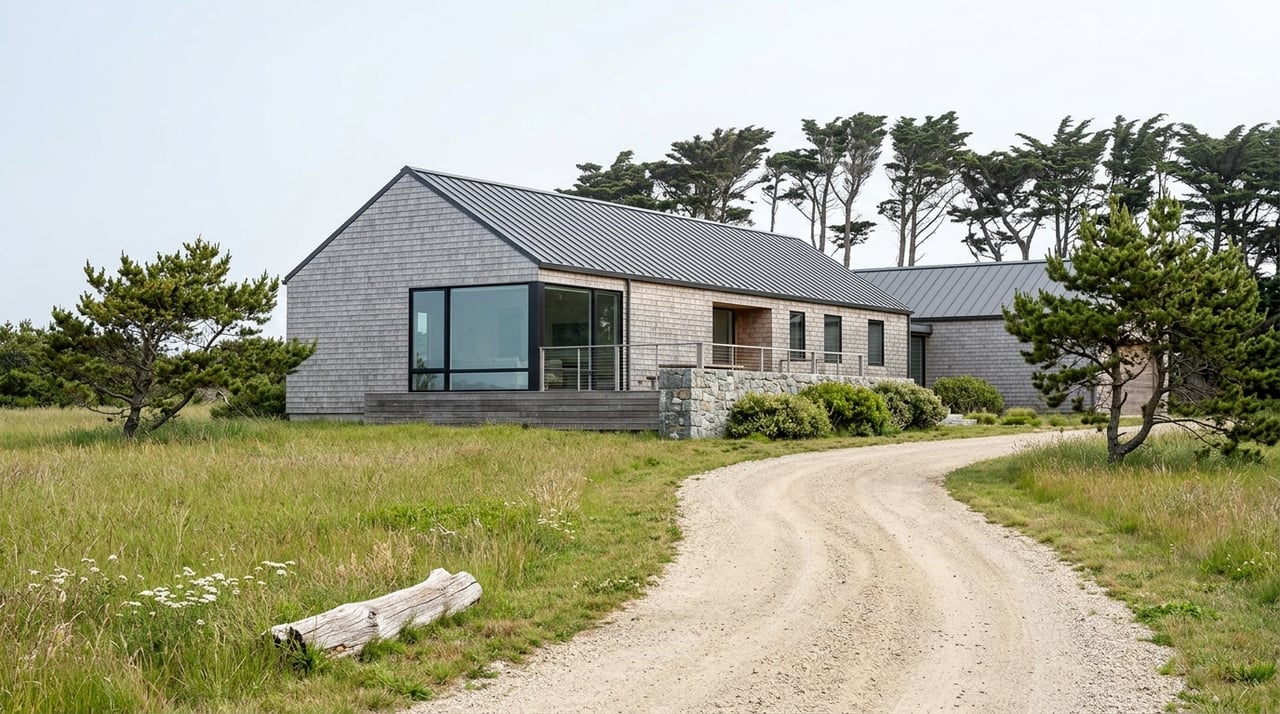
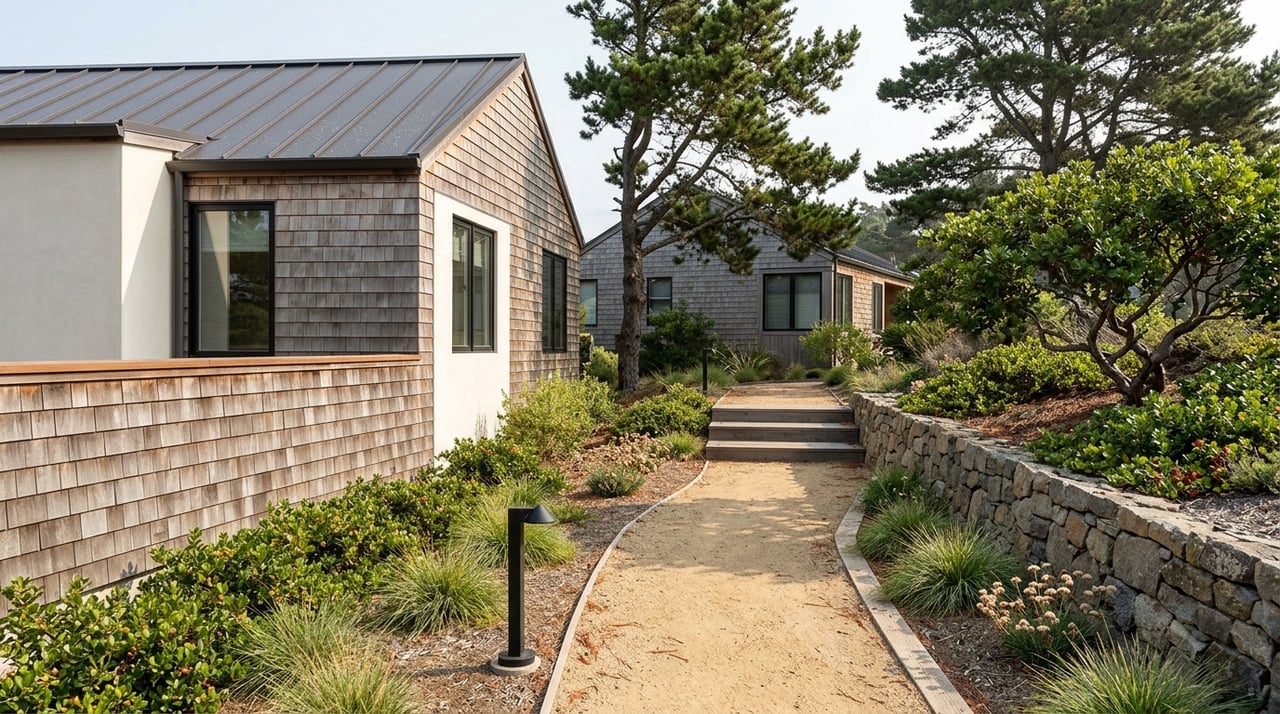
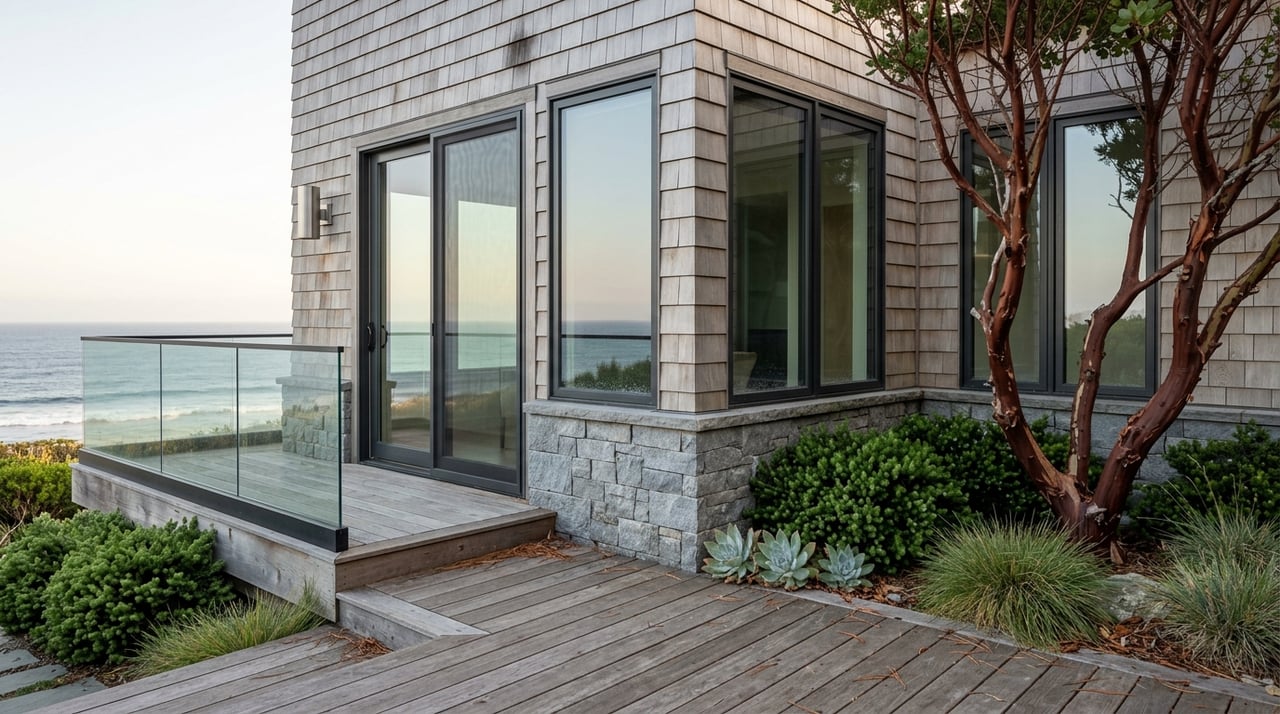
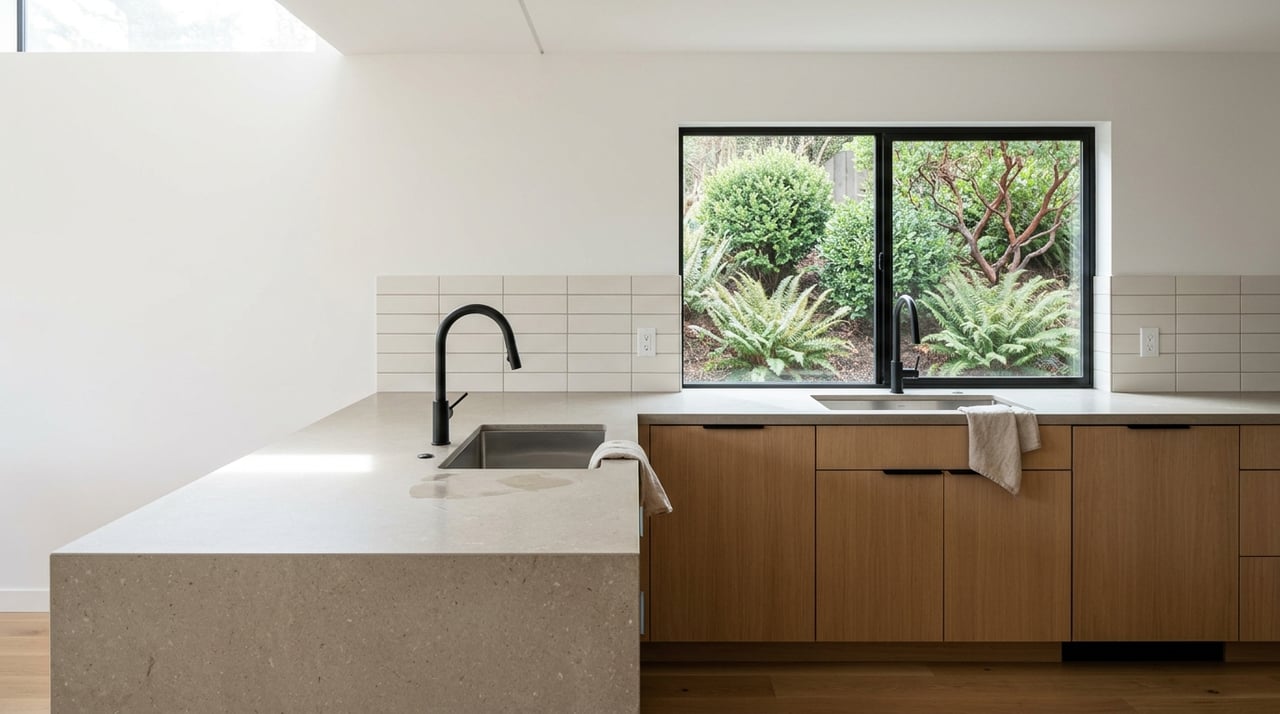
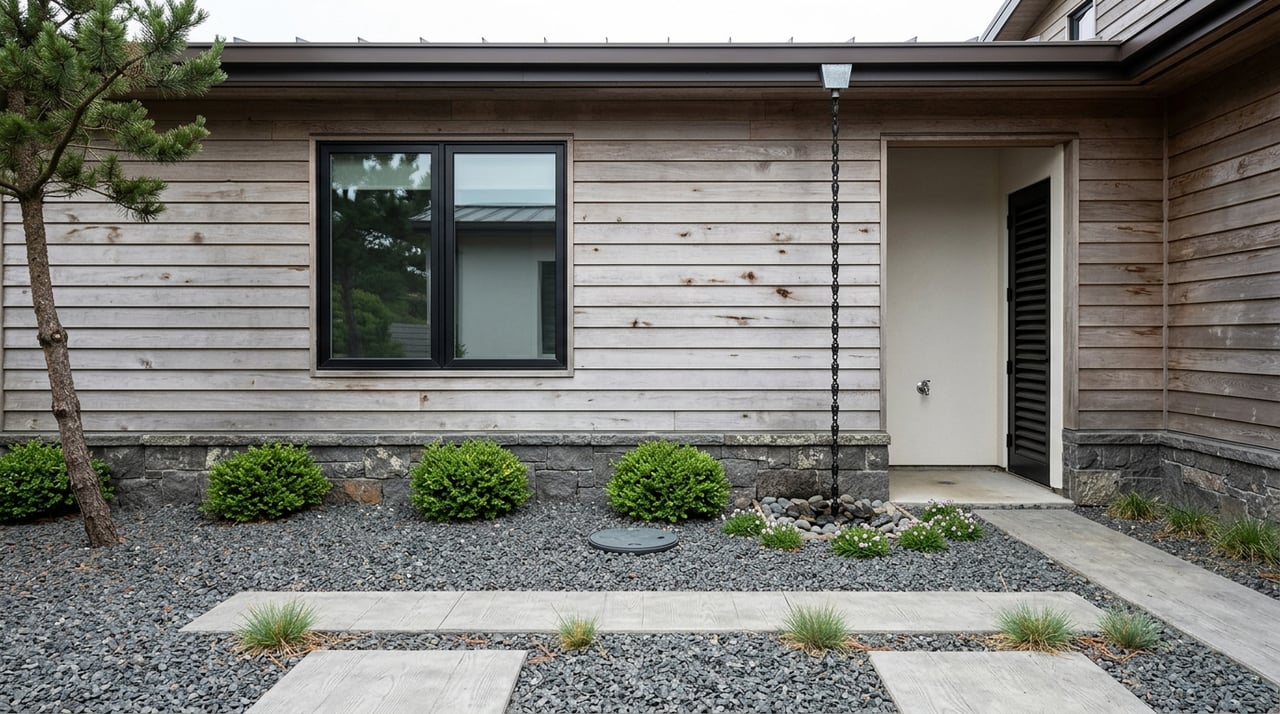
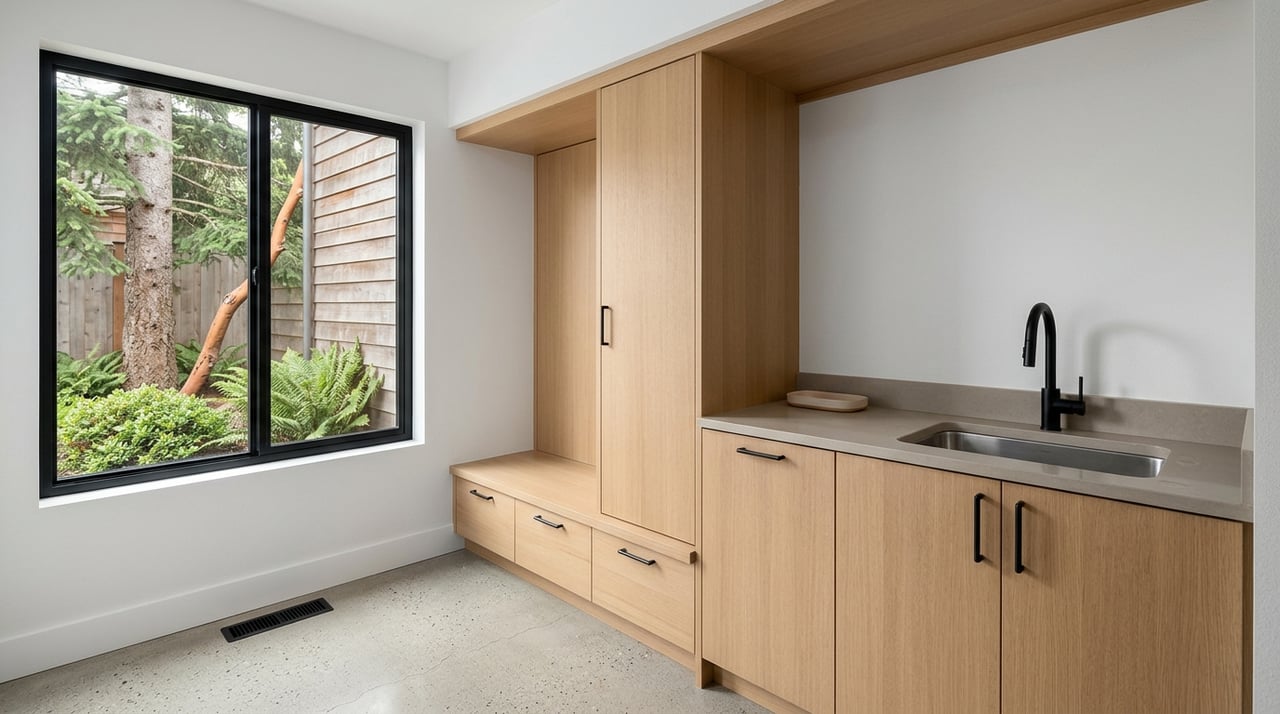
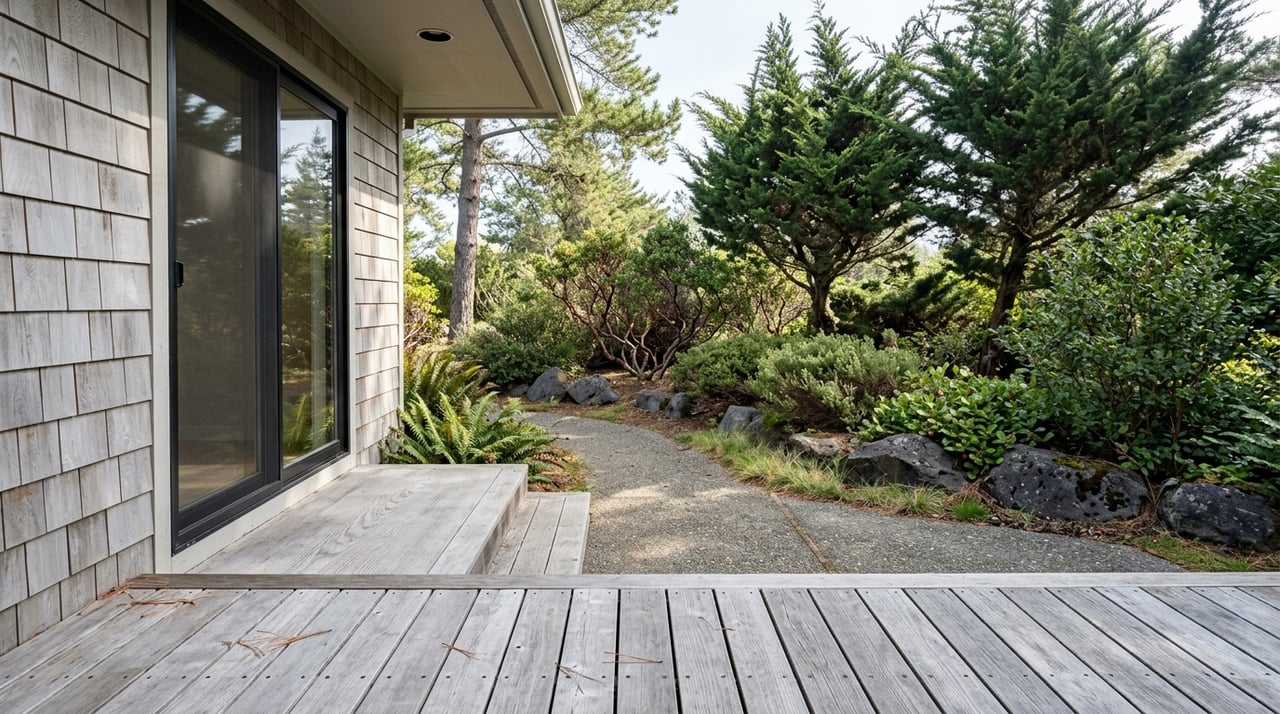
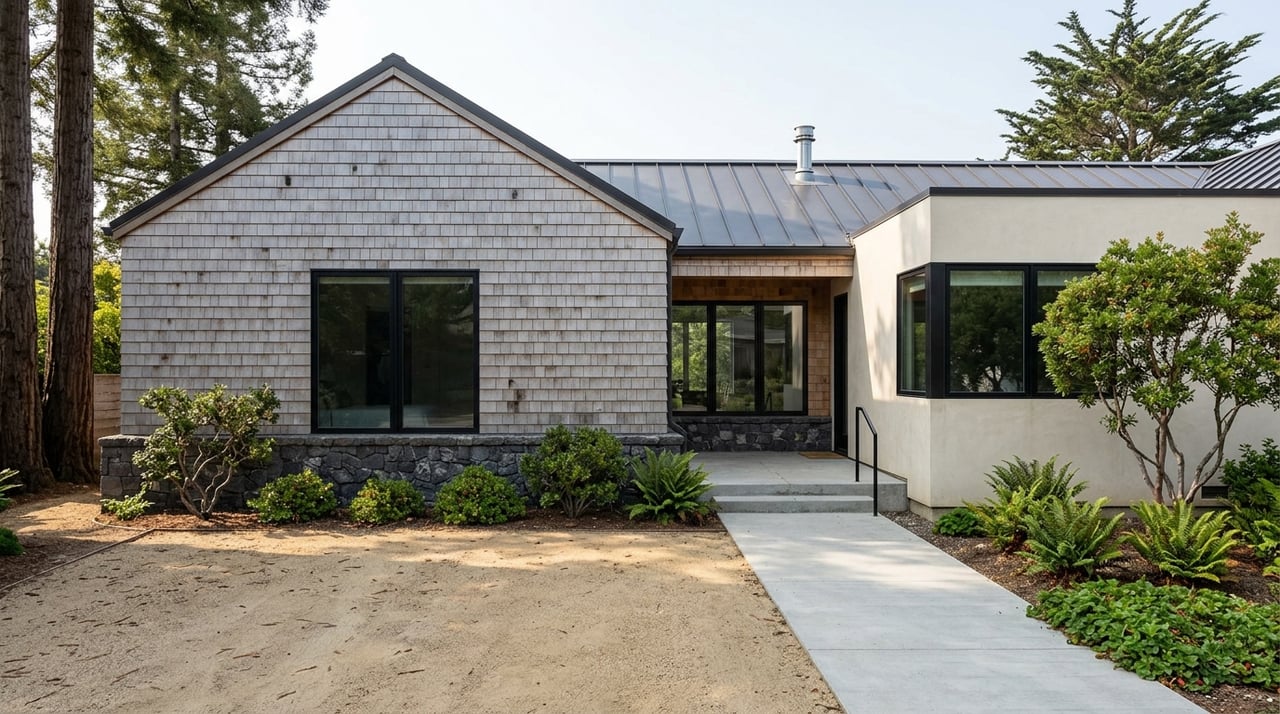
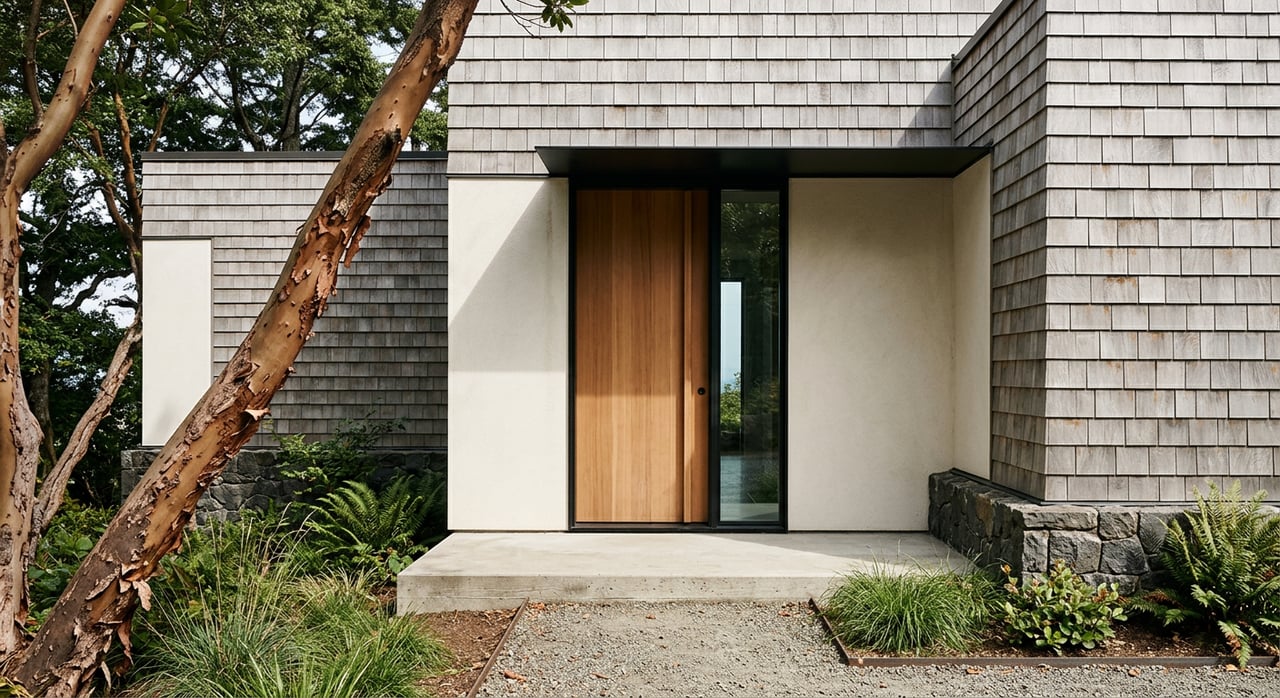
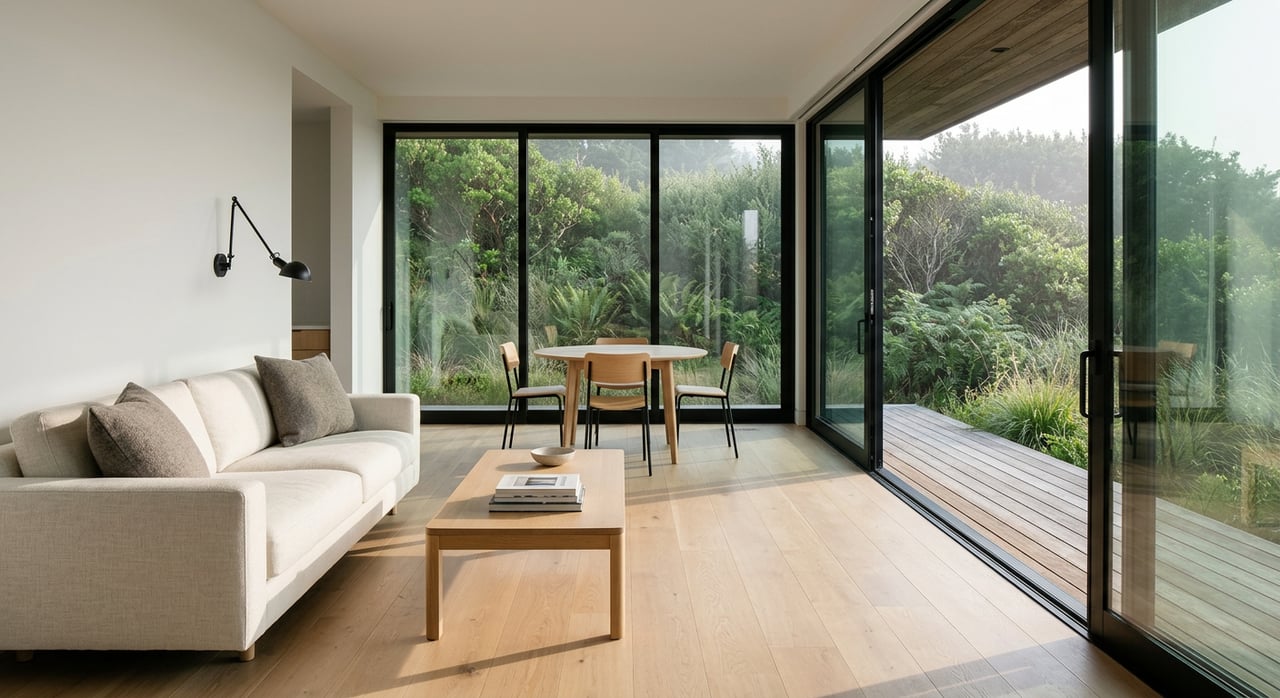
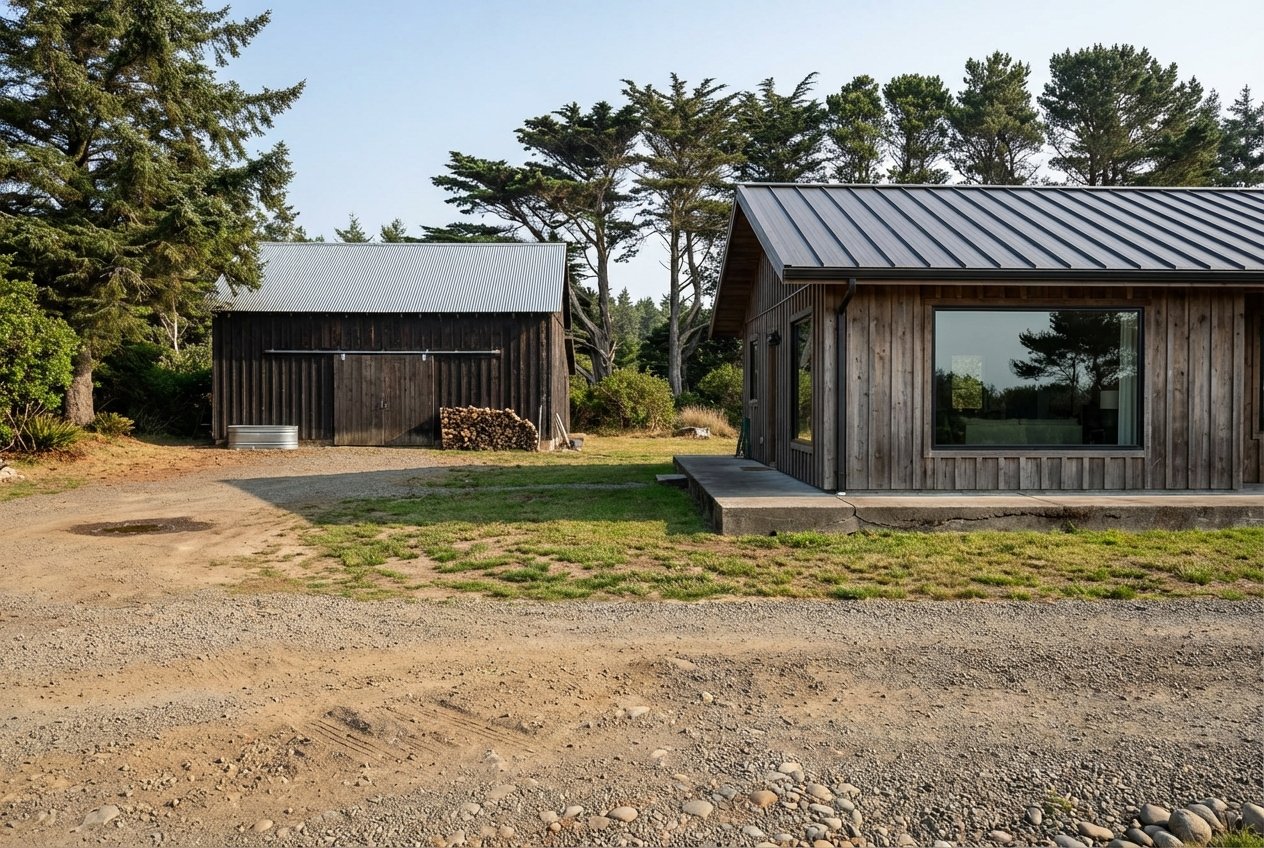
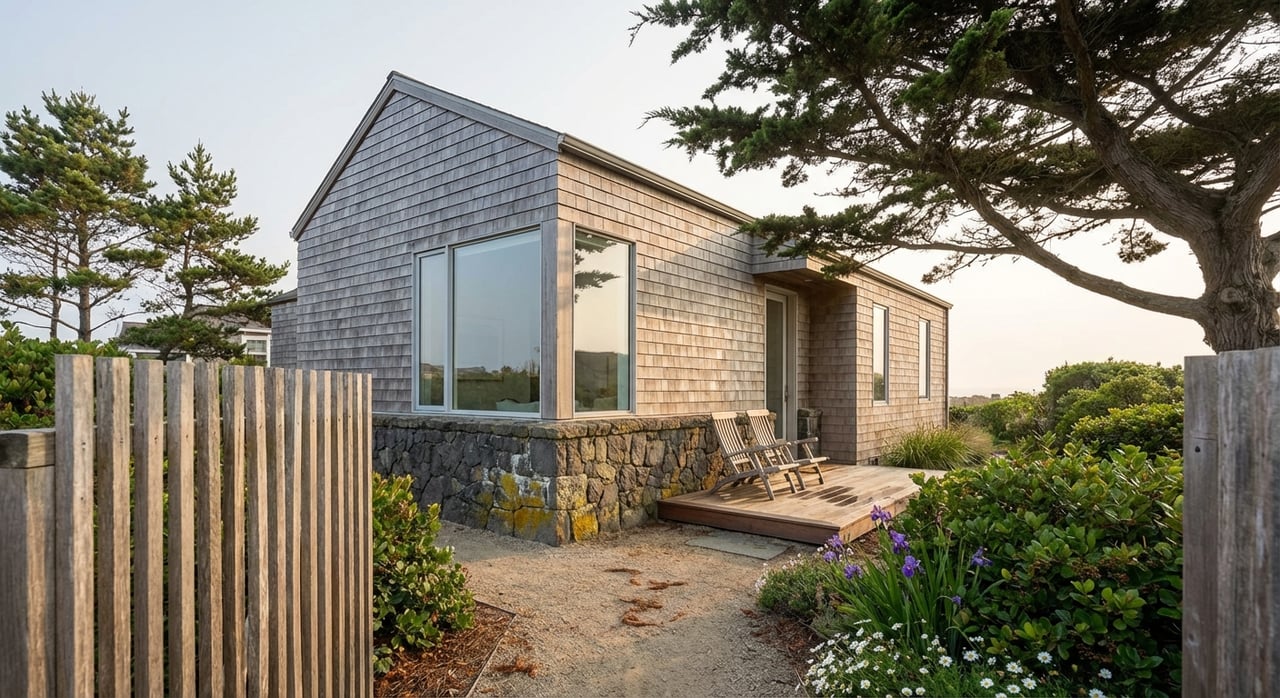
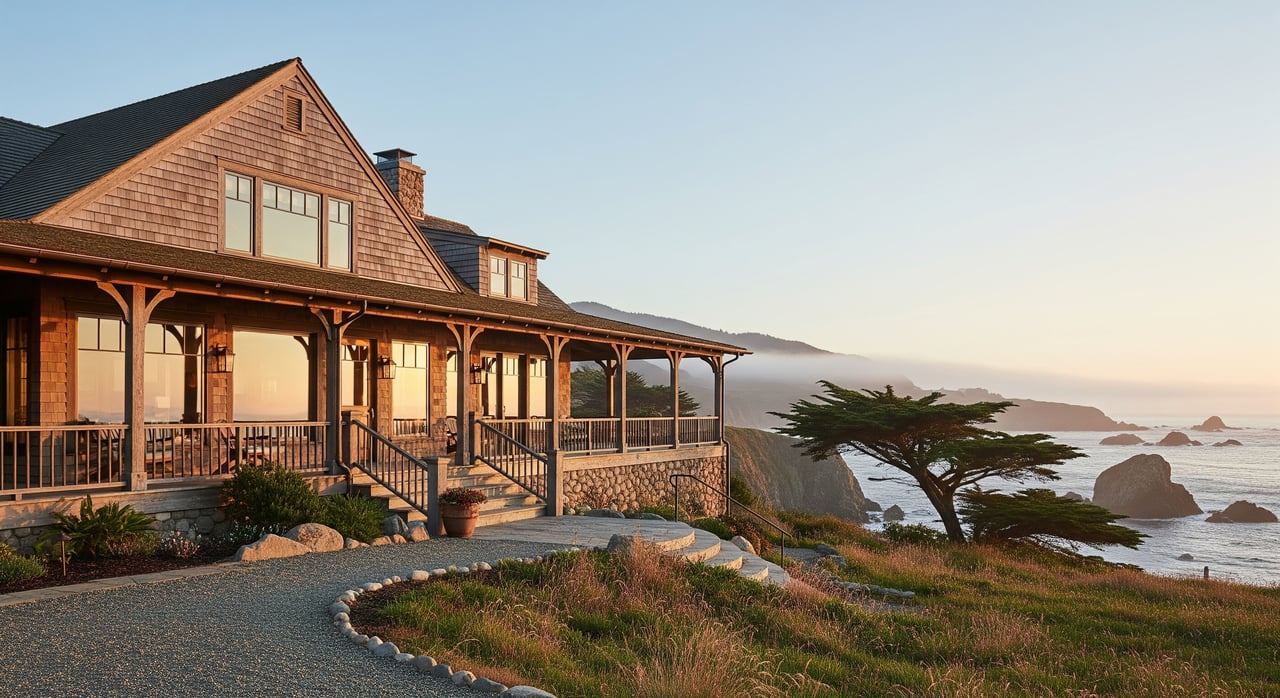
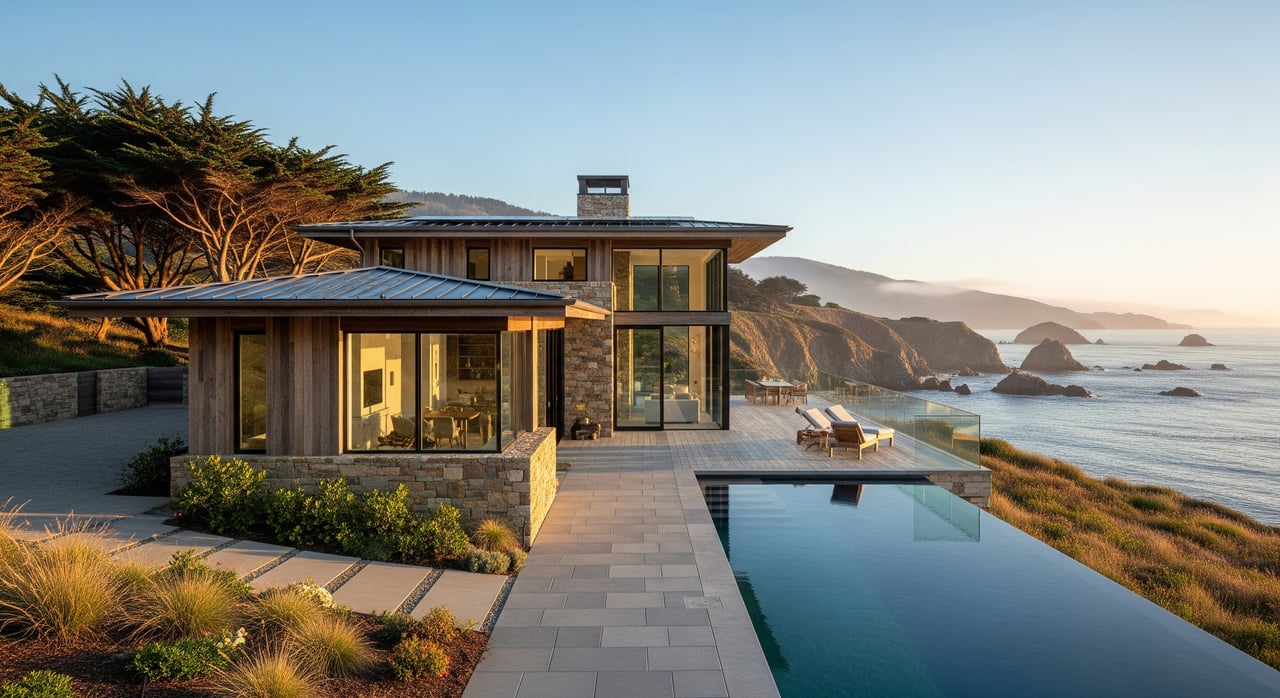
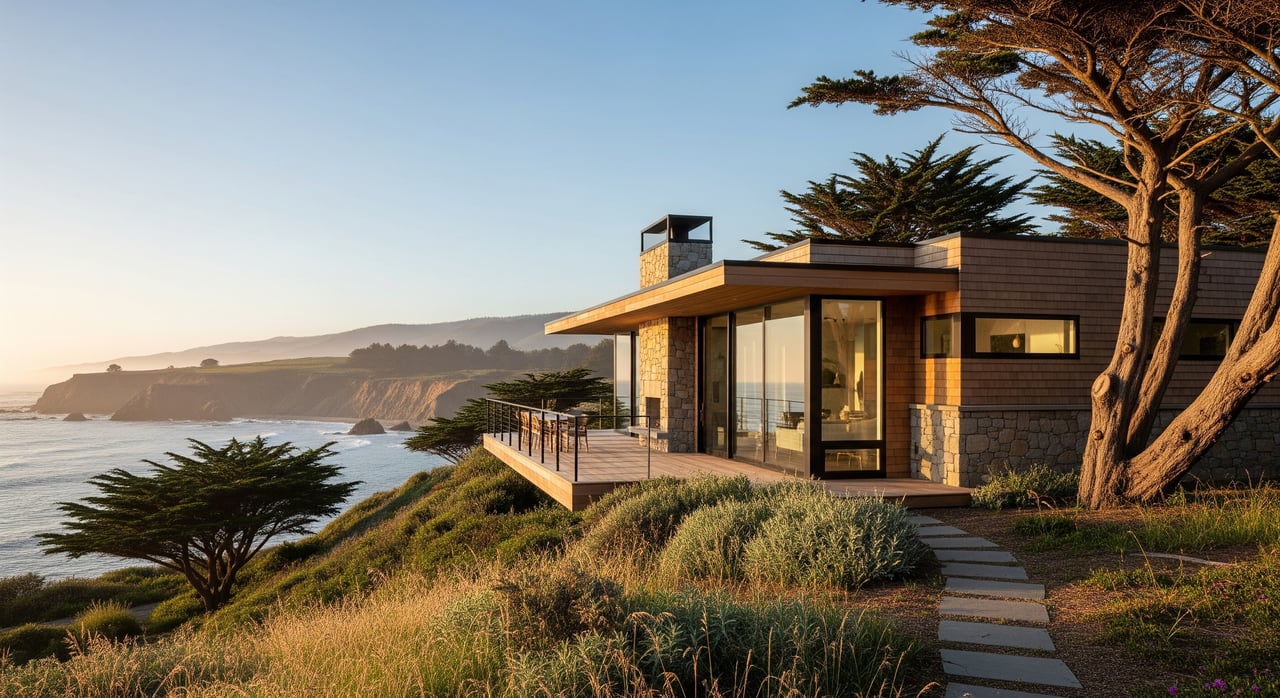
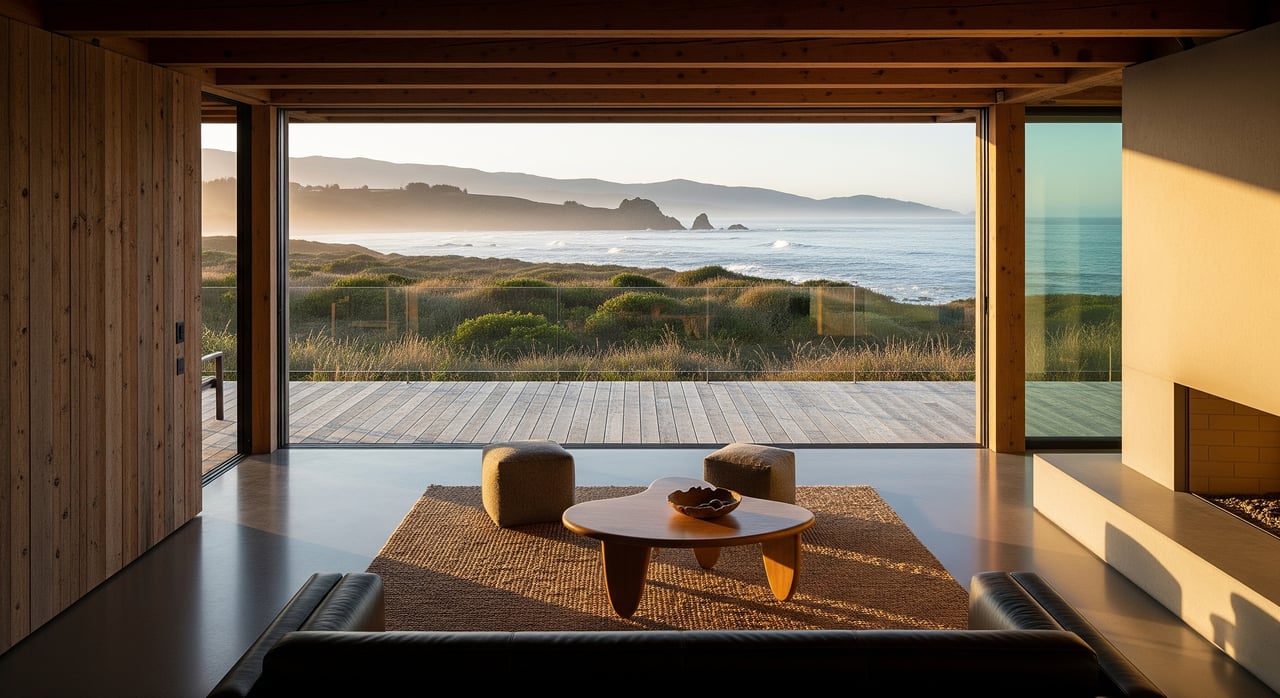
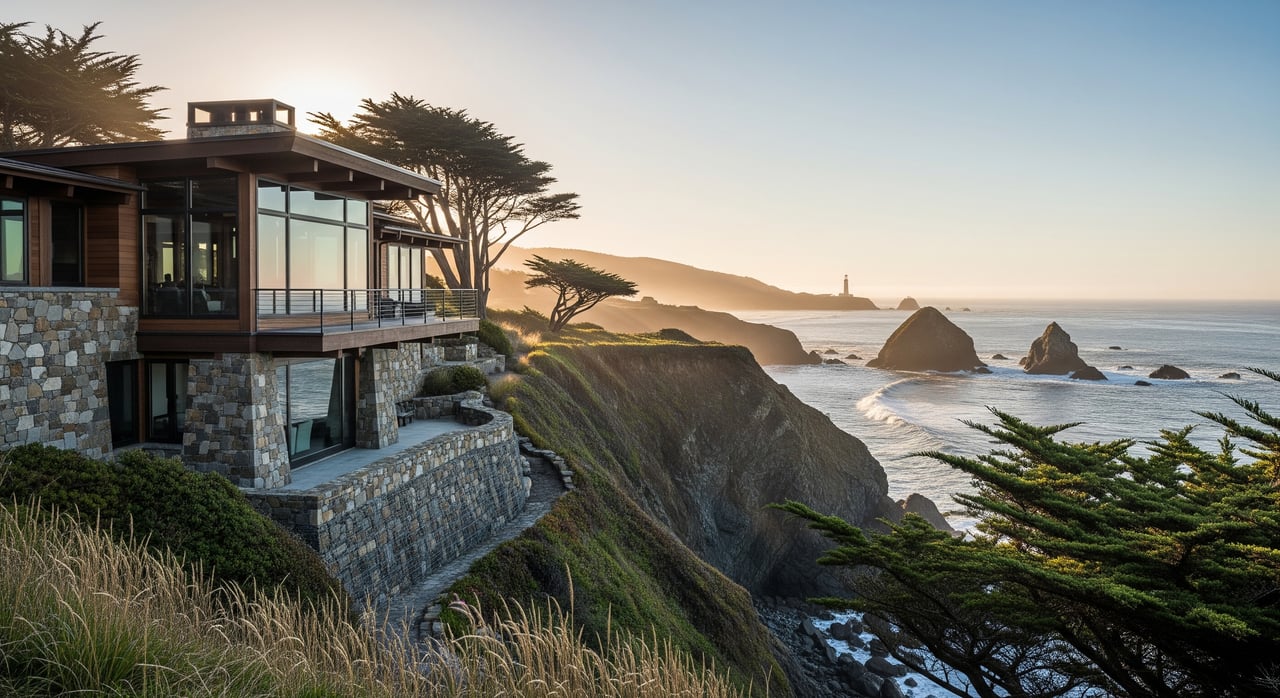
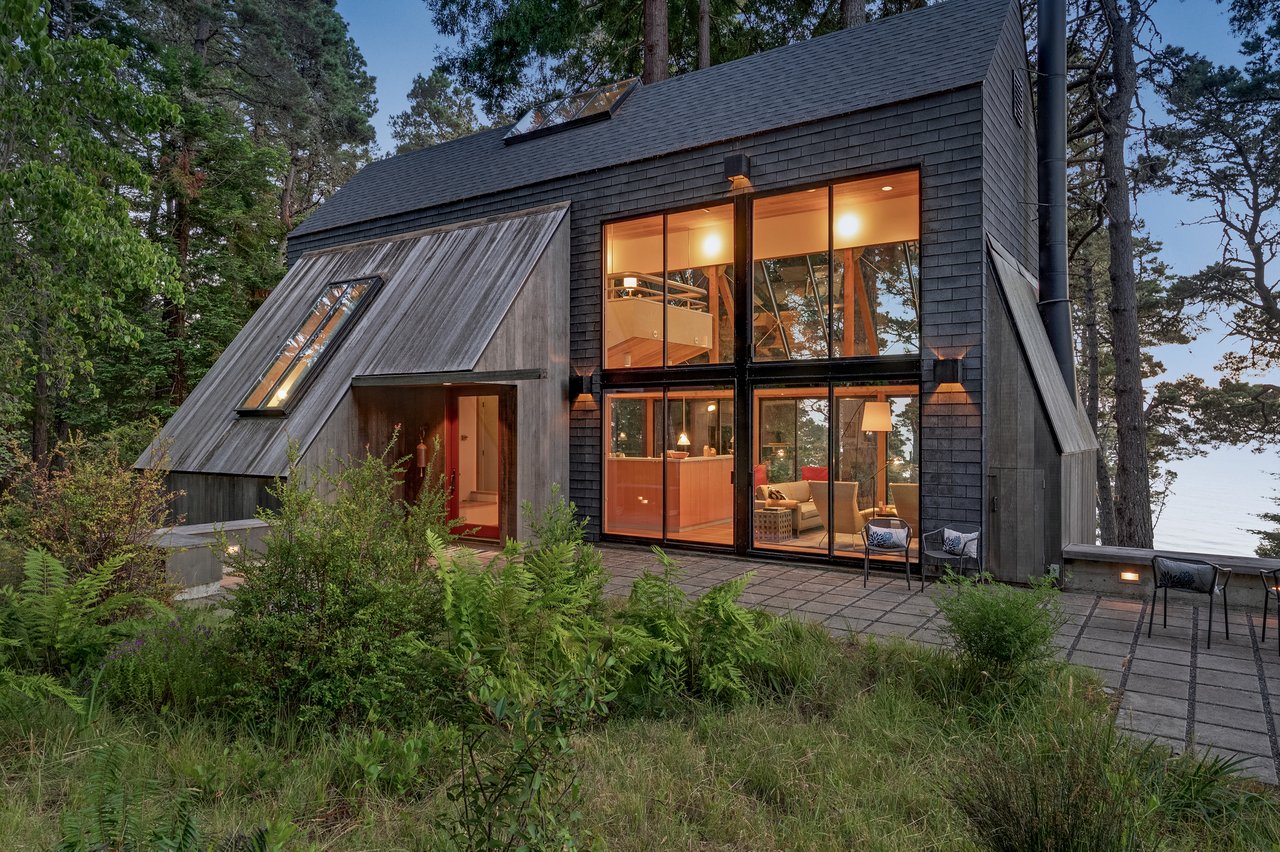
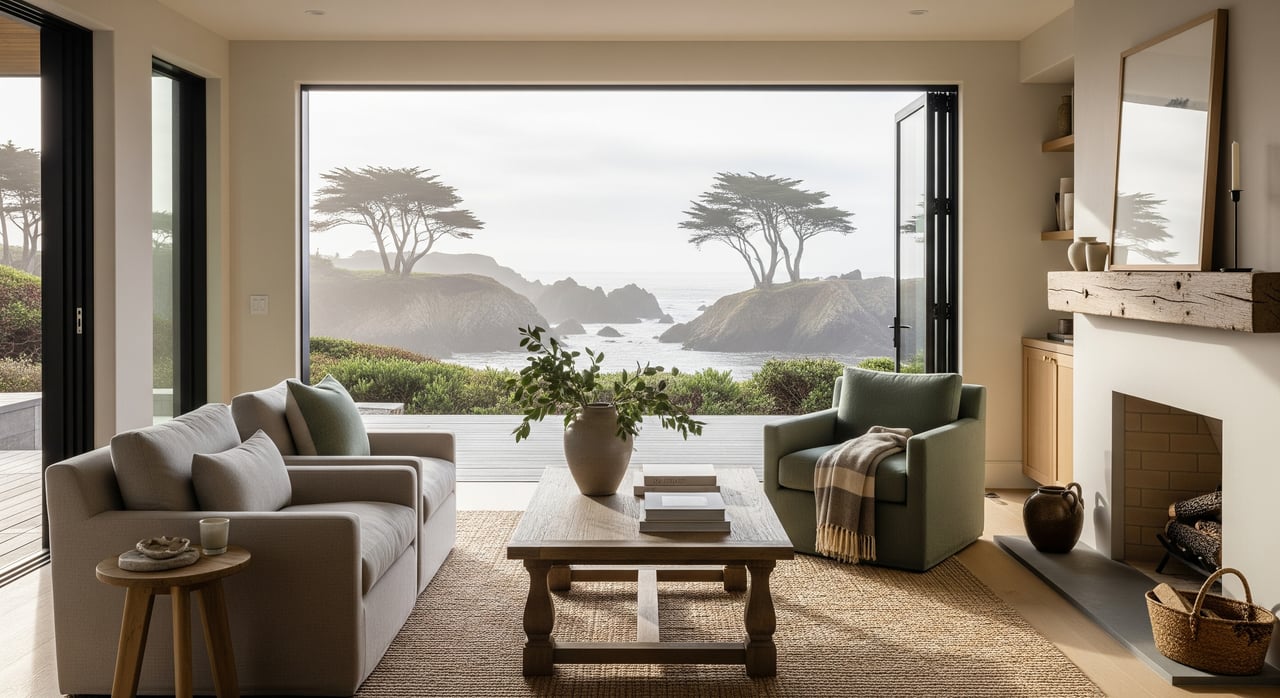
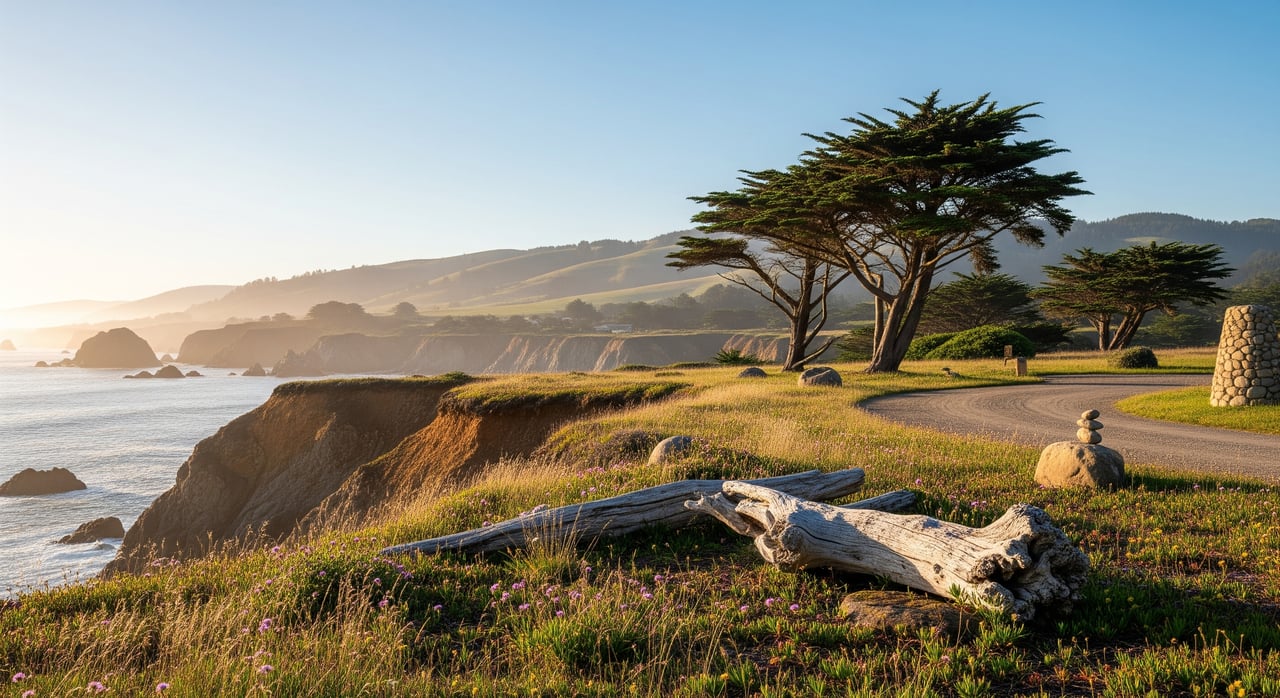
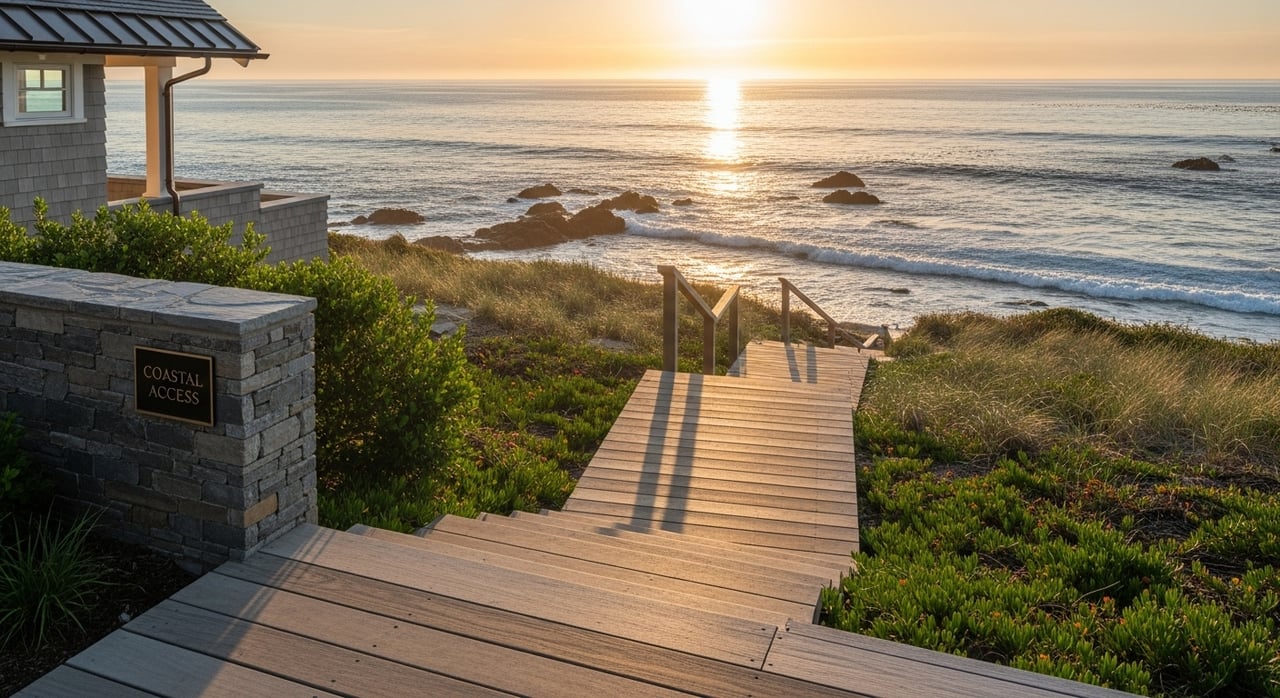
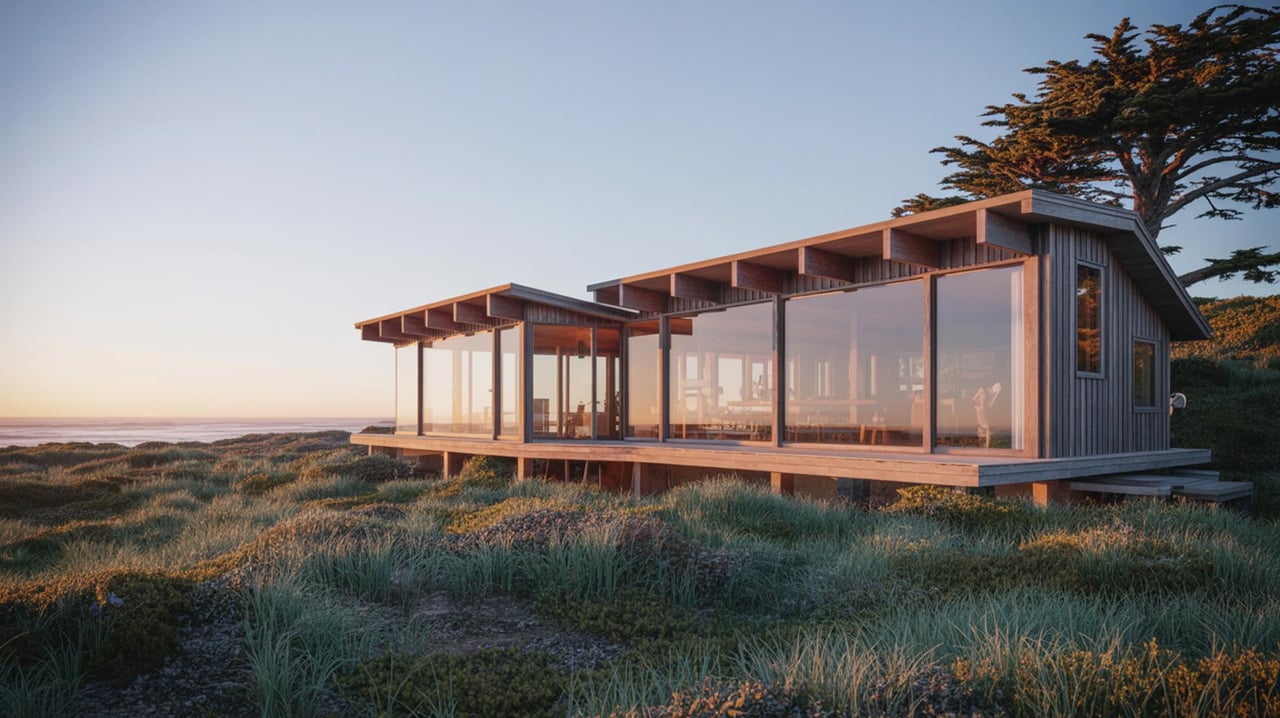
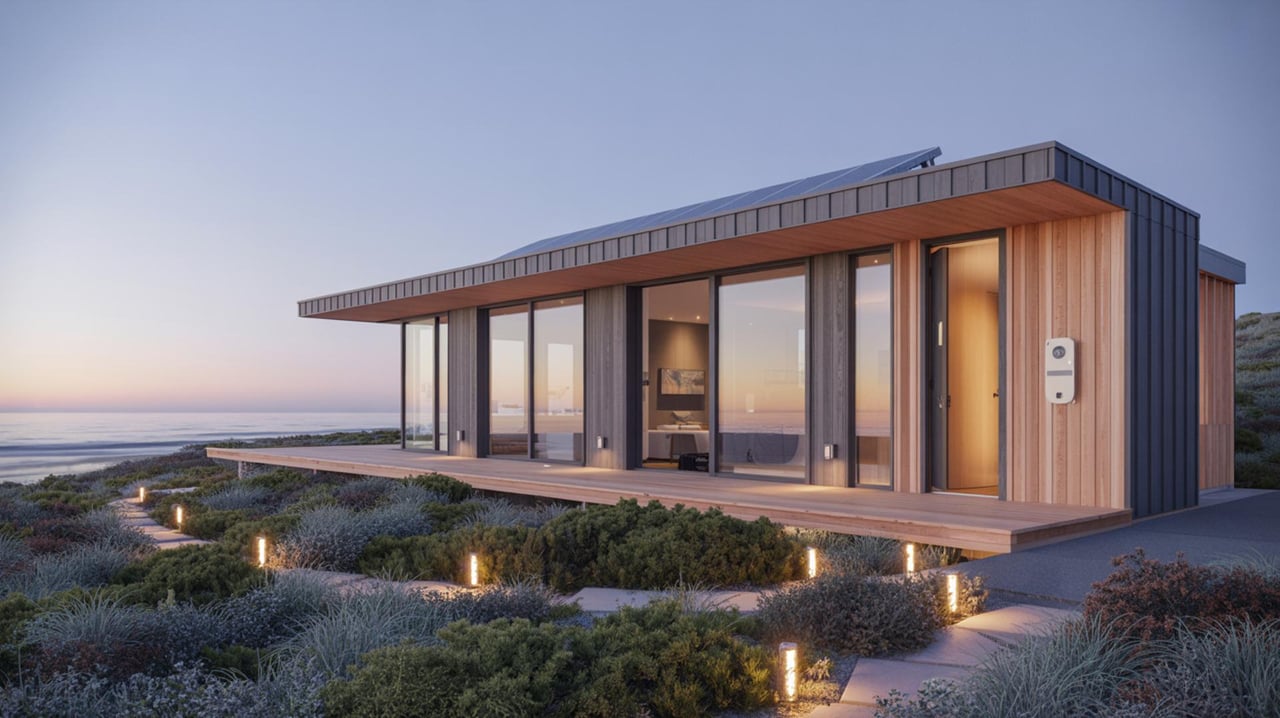
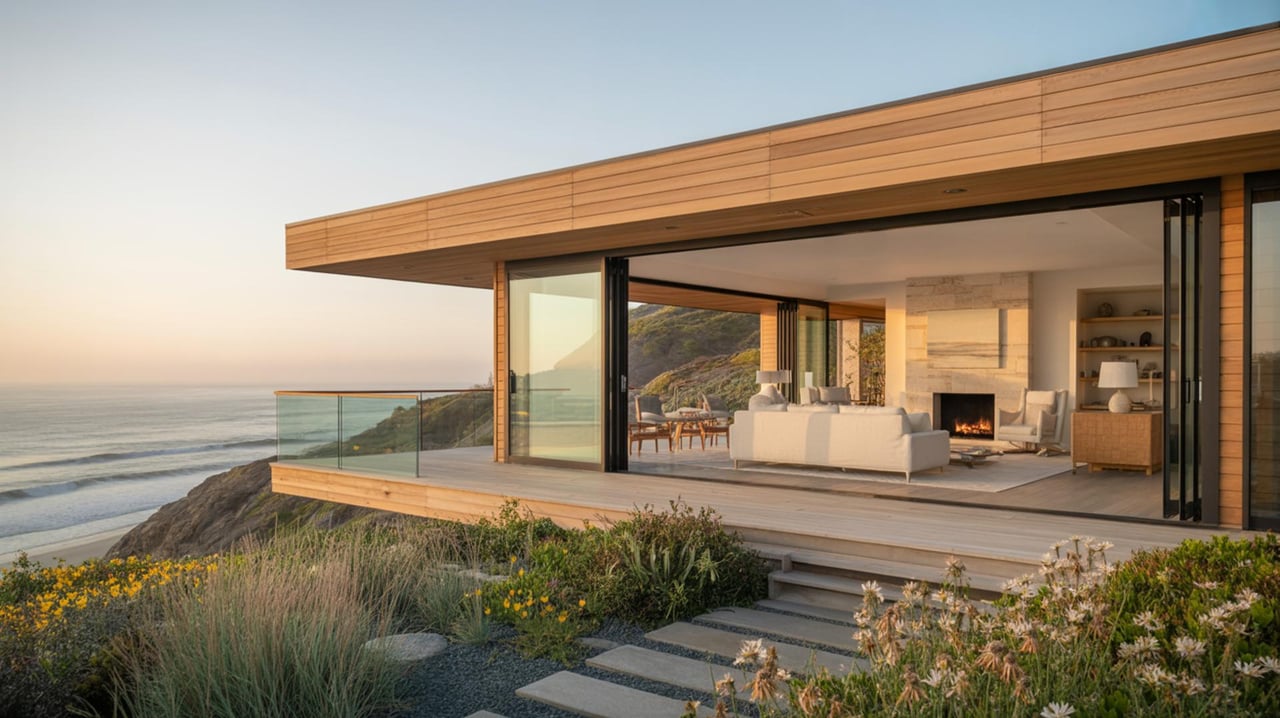
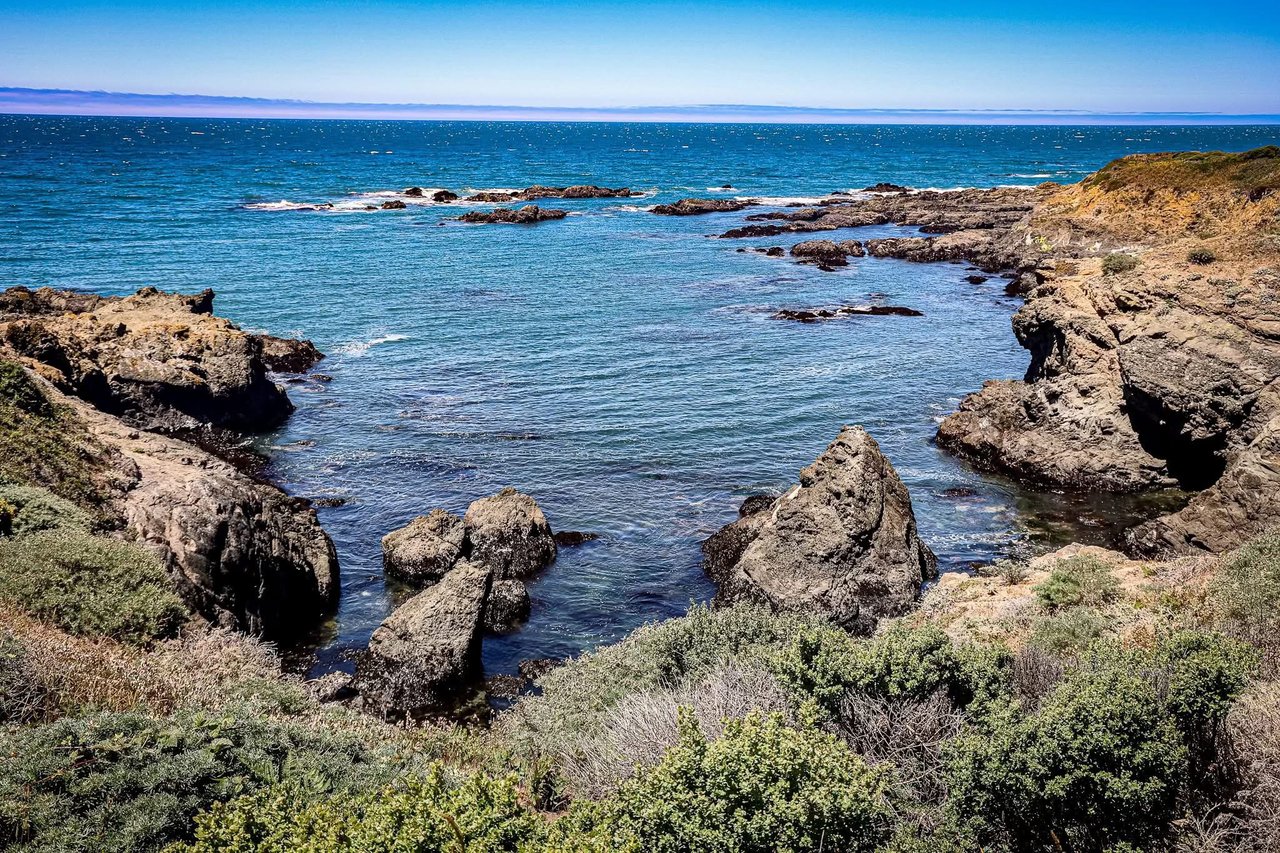
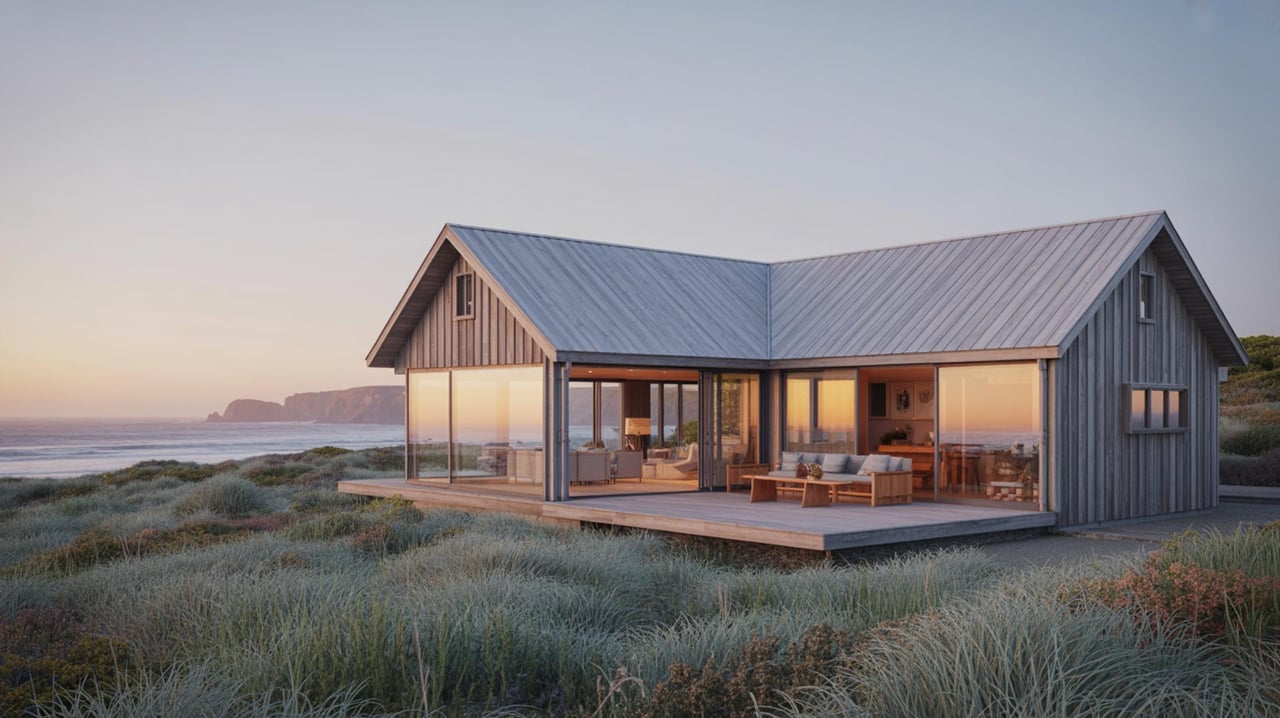
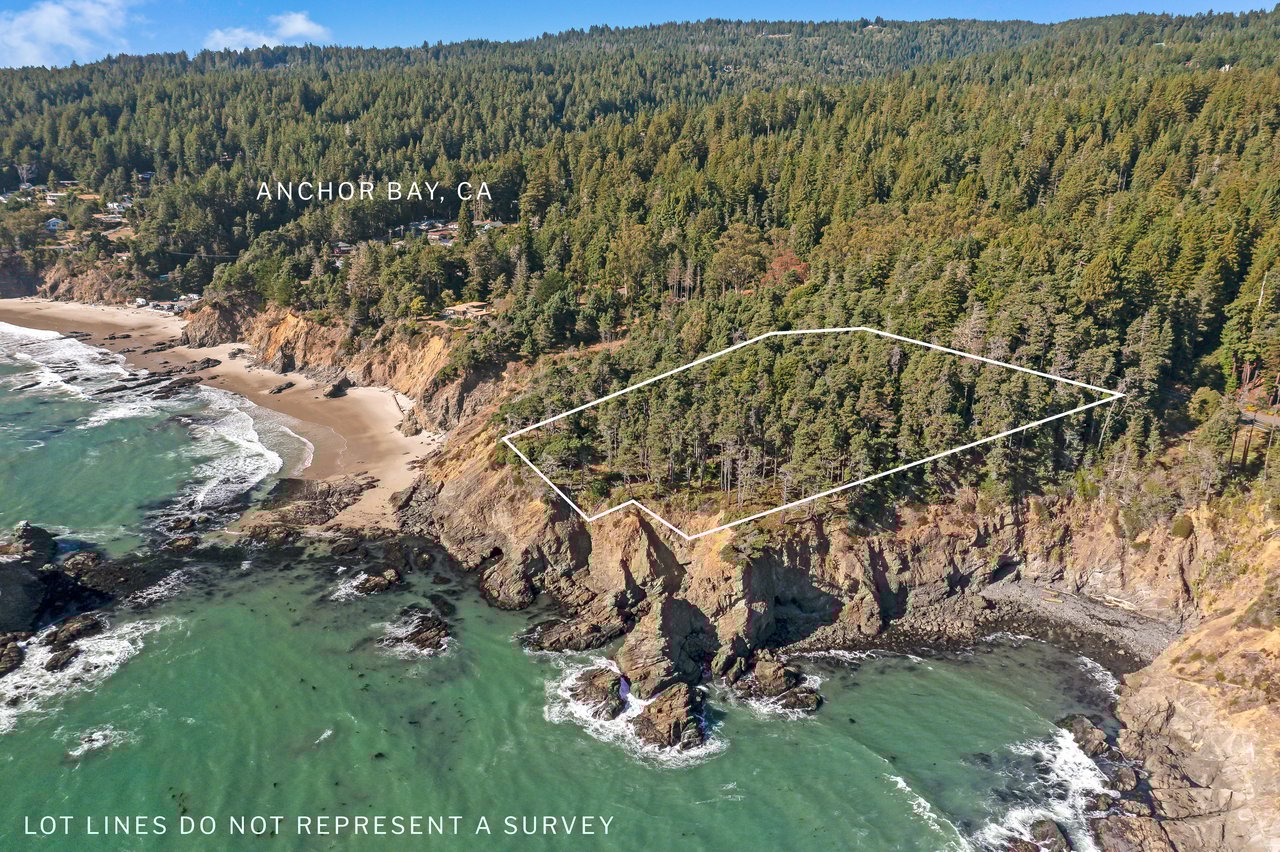
Anchor Bay is an unincorporated coastal community along Highway 1 in Mendocino County. You will find bluff‑top oceanfront homes, cozy coastal cottages, remodeled view homes, and rural parcels with ocean glimpses. Buyers often seek ocean access, a slower rhythm, and the privacy that comes with small coastal neighborhoods.
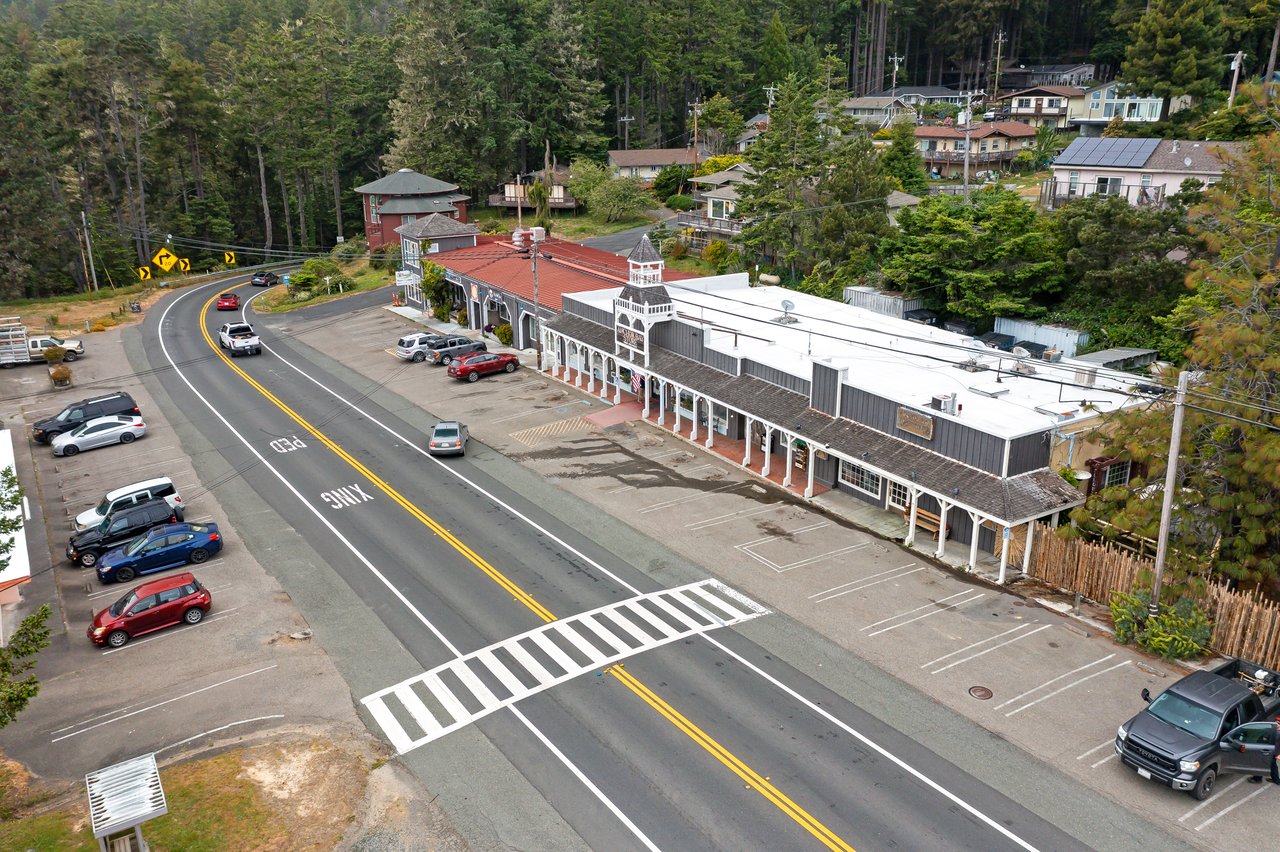
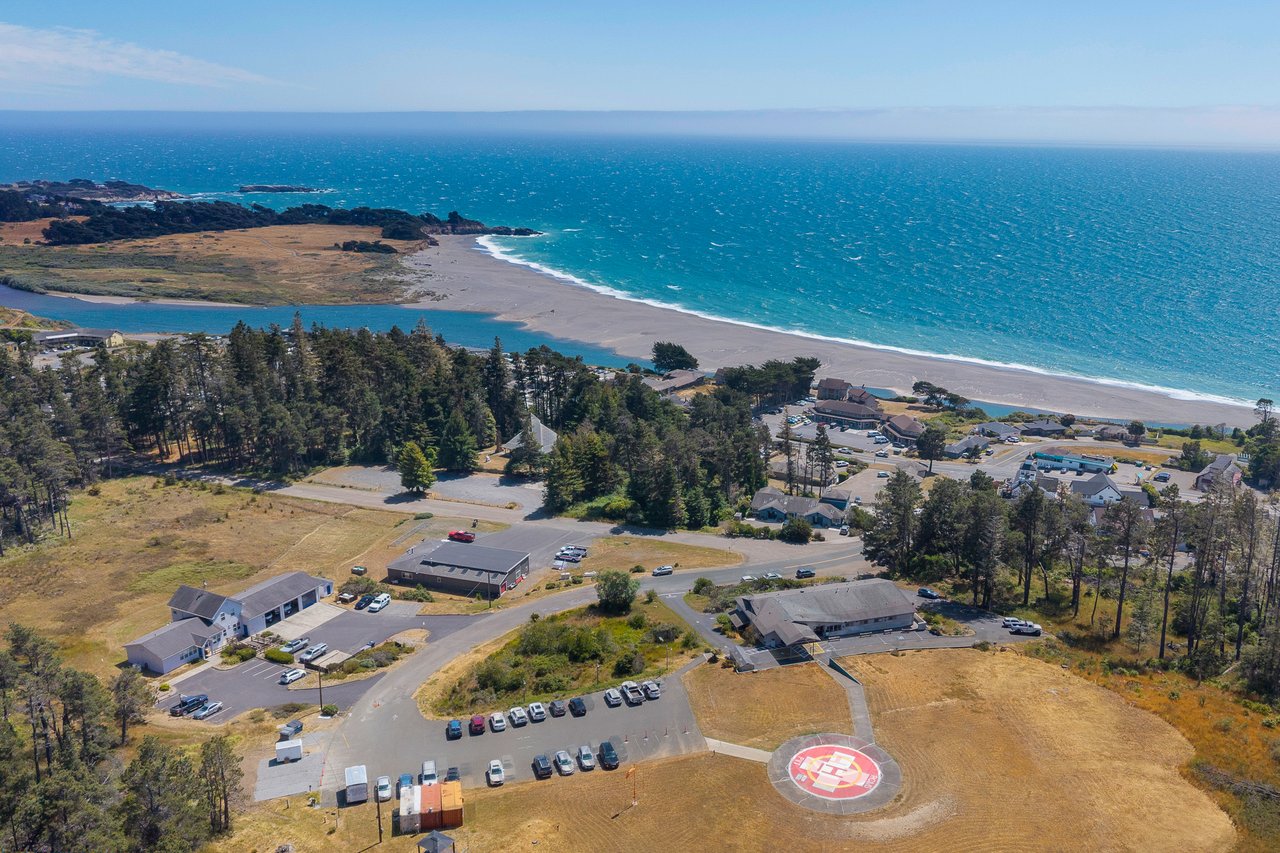
Nearby Gualala and Point Arena offer grocery options, dining, galleries, a hardware store, and other everyday services. Many owners visit on weekends and holidays, while others split time or work remotely. If you want a retreat that balances natural beauty with basic conveniences, Anchor Bay can be a strong fit.
How the search typically works
Buying a second home on the coast often follows a predictable path. Expect a patient, staged process that balances remote research with a focused in‑person visit.
Typical timeline
- Initial research and shortlist: 1 to 4 weeks. Use listings, comps, and video tours to narrow options.
- Scouting trip: 1 to 3 days. See your top properties in person. Many buyers narrow to one to three targets.
- Offer and escrow: 30 to 45 days in many cases, sometimes longer with complex due diligence.
- Inspections and contingencies: 10 to 21 days is typical. Specialty reports can extend this window.
- Closing and transfer: Coordinate utilities and ownership transfer before your first stay.
Remote‑buyer prep
- Ask for complete video walkthroughs, floor plans, and drone or oblique shots that show access roads and any bluff relationships.
- Order baseline documents early: preliminary title report, tax profile, easements, and parcel maps.
- Secure a lender pre‑approval or prepare proof of funds before you write an offer.
- Line up local inspectors or contractors who can attend showings or complete detailed inspections while you are remote.
Travel tips
- Plan at least one dedicated visit. Nothing replaces sensing the site, the weather, and access in person.
- If you are considering oceanfront, try to see the property in different weather or tide conditions.
What to expect at coastal showings
Properties around Anchor Bay can feel unique compared to urban or suburban homes. Arrive ready to assess practical details.
- Access: Driveways can be narrow, steep, or private. Some roads are unpaved or seasonal. Confirm turnarounds for service vehicles.
- Parking: Small coastal lots can limit guest and contractor parking.
- Privacy: Many homes feel private, yet some lots sit near public access points or trails.
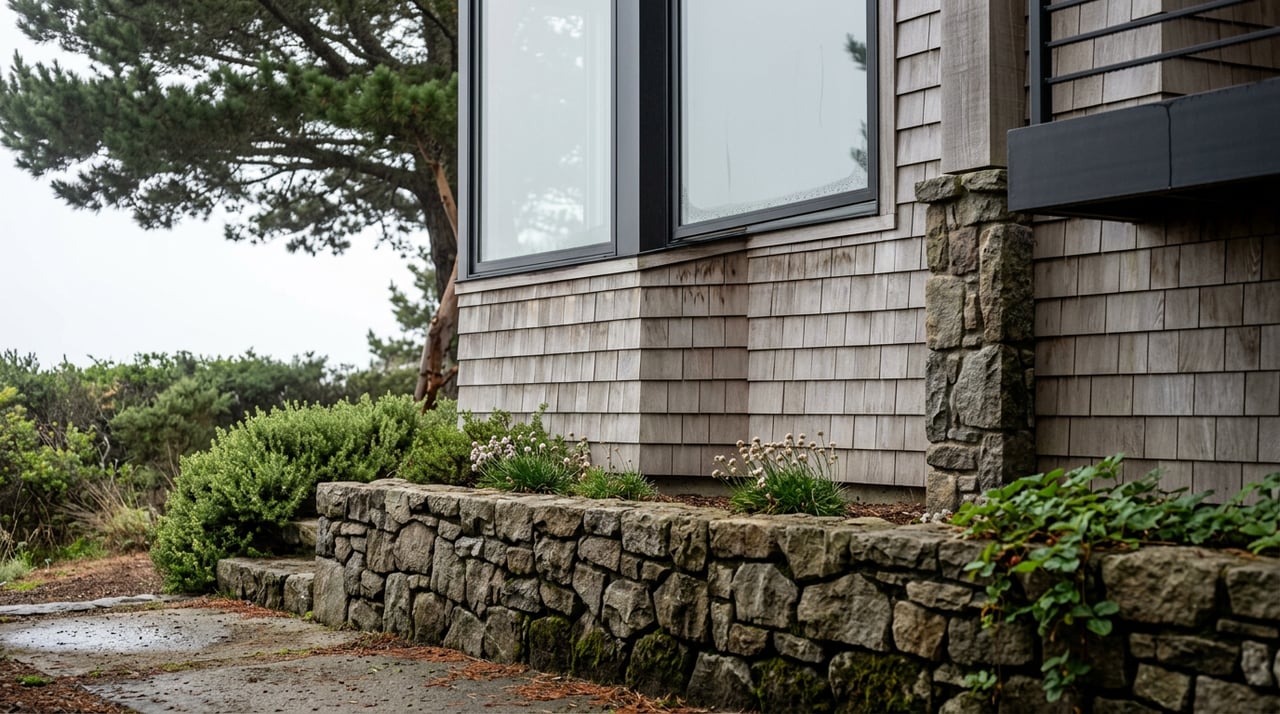
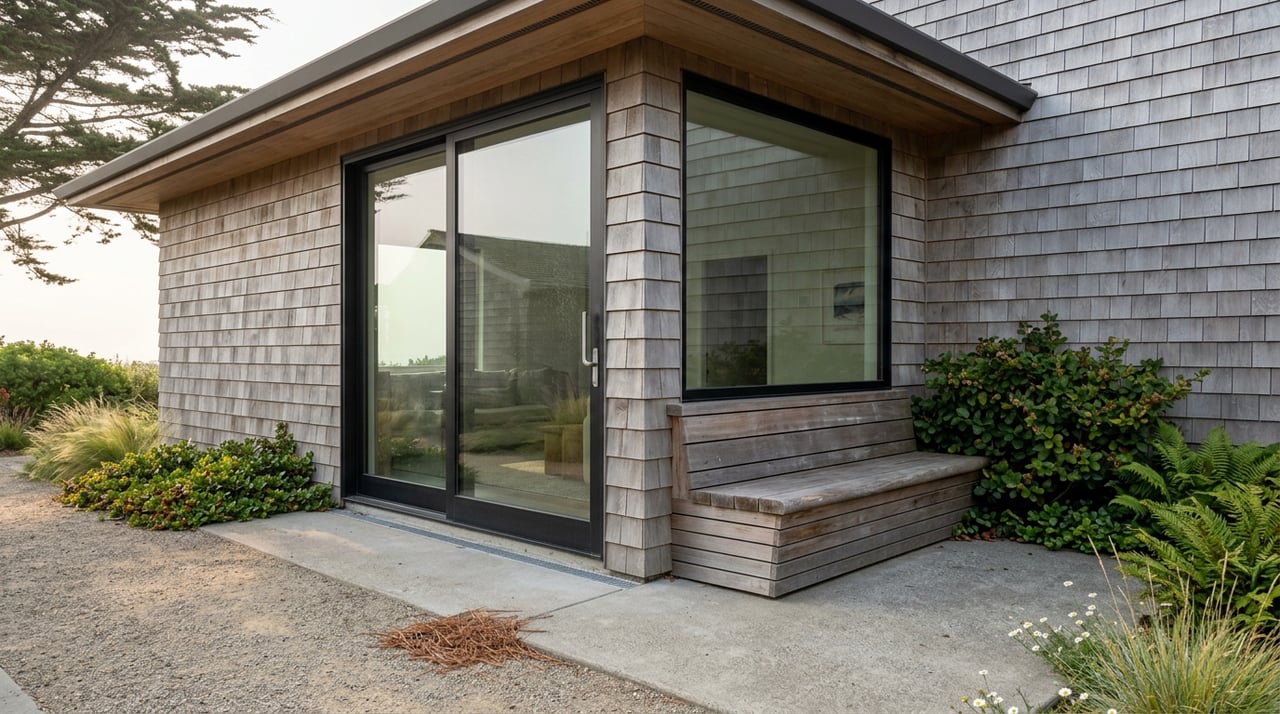
- Condition: Salt air accelerates wear. Pay close attention to roofs, decks, siding, windows, and railings.
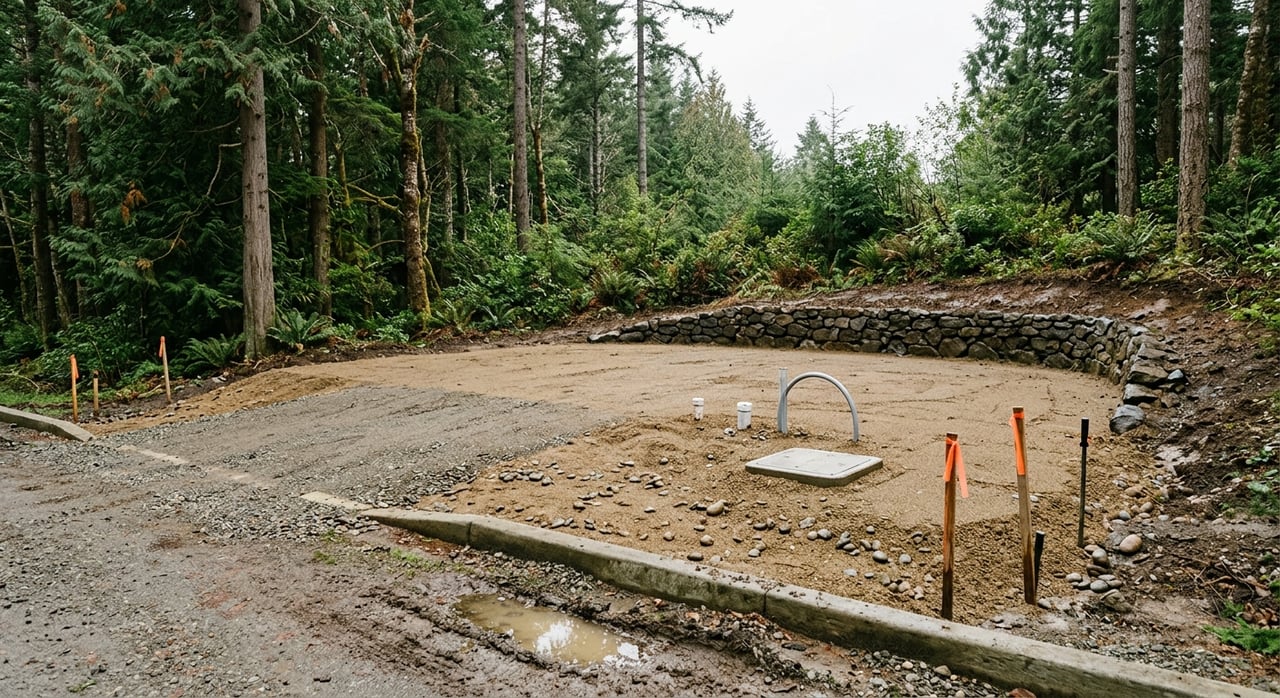
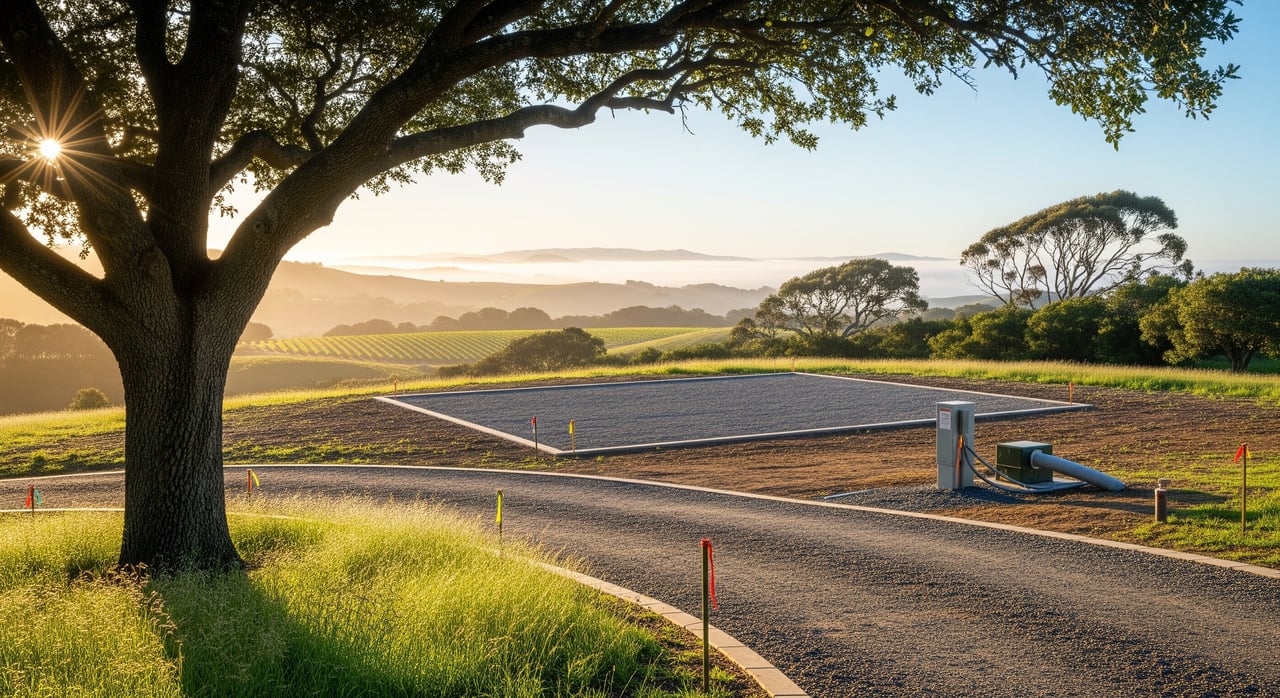
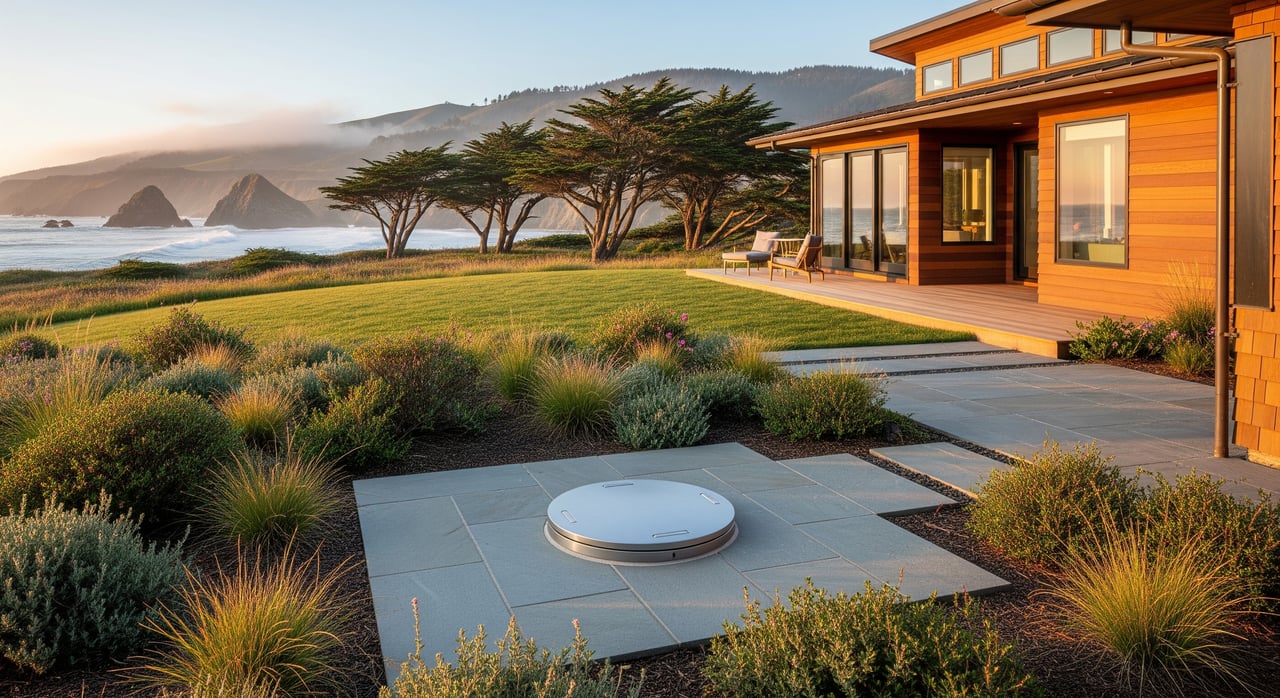
- Utilities: Expect septic and well in many cases, and propane or oil for heating. Internet and cellular service vary by location.
- Weather: Fog, wind, and winter storms influence how a home lives and what inspections may uncover.
Showing checklist
- Drive the access road and check parking and turnarounds.
- Walk boundaries when possible. Note bluff edges and any signs of erosion or slope movement.
- Photograph decks, railings, roof, chimneys, and exposed foundations.
- Request utility bills, septic records, and any coastal permit history.
- Verify legal access, recorded easements, and shared road maintenance agreements.
Due diligence that protects you
Coastal homes reward careful investigation. Build your contingency timeline around the key risks and site conditions.
Core inspections
- General home inspection for structure, roof, foundation, HVAC, and electrical.
- Pest inspection focused on wood‑destroying organisms.
- Roof, deck, and railing inspection due to coastal exposure.
Coastal and site‑specific inspections
- Geotechnical or soils evaluation for bluff‑top or steep sites to assess setbacks and erosion risk.
- Coastal bluff retreat review and any available shoreline erosion history.
- FEMA flood zone determination and elevation data if relevant.
- Septic system evaluation, including perc, condition, and capacity through Mendocino County Environmental Health.
- Well testing for flow and water quality, plus pump and service checks.
- Title review for easements, CCRs, and any coastal access rights that affect use or view.
- Hazard disclosure review, including California’s Natural Hazard Disclosure.
Environmental and regulatory checks
- Coastal permit history. Confirm that past work was permitted through Mendocino County and, where applicable, aligned with California Coastal Commission policies.
- Sensitive habitats. Ask about protected plants or species if your parcel is near the shoreline or headlands.
Smart contingency planning
- Consider extended inspection periods or specialty reports for higher‑risk coastal parcels.
- Sequence your contingencies so you can evaluate insurance availability before you remove them.
Permits, zoning, and rental rules
Anchor Bay properties fall under Mendocino County. Coastal‑zone parcels may also be subject to California Coastal Commission policies.
- Coastal permits: New development or substantial remodels in the coastal zone often require a coastal development permit. Verify past permits for major improvements.
- Planning and zoning: Confirm uses, setbacks, and potential ADU options with Mendocino County Planning and Building Services.
- Septic and well: Mendocino County Environmental Health oversees records and permitting. Older systems may need upgrades to meet current standards.
- Short‑term rentals: Rules change. Confirm Mendocino County requirements, any local ordinances, transient occupancy tax obligations, business licensing, and neighborhood restrictions before you model income.
- Disclosures: California requires transfer disclosures and a Natural Hazard Disclosure. Sellers must disclose known material issues, including erosion or septic problems.
Insurance, financing, and ongoing costs
Getting insurance and financing right early can save time and stress.
Insurance to assess early
- Wildfire: Portions of Mendocino County have elevated wildfire hazard. Defensible space and fire‑resistant features matter for both safety and insurance availability.
- Flood and coastal risk: Standard policies exclude flood. Oceanfront or bluff‑adjacent parcels may warrant separate flood coverage.
- Coastal wear: Wind and salt increase maintenance and claims risk. Compare carriers and timelines.
Financing considerations
- Some lenders apply stricter underwriting for rural properties or homes with wells and septic. Tell your lender the home is coastal and confirm insurance requirements early.
- Cash purchases are common with second‑home buyers on the coast. Strong pre‑approval or proof of funds helps you compete.
Recurring costs to budget
- Increased maintenance for roofs, decks, siding, windows, septic, and well systems.
- Propane or oil for heating and periodic well service.
- Potentially higher insurance premiums for wildfire and flood.
- STR compliance and management costs if you plan to host guests.
- Mendocino County property taxes and any special assessments.
Local services and everyday logistics
Life along this coastline is peaceful, but services are more limited than in major metros.
- Service centers: Gualala is a convenient hub for groceries, dining, and basic services. Point Arena adds hardware options, community resources, and a working harbor.
- Emergency and health: Response times can be longer in rural areas. Map out the nearest clinic or hospital if health access is important.
- Utilities and connectivity: Confirm internet and cellular coverage for your address. Many owners use satellite or fixed wireless to work or stream reliably.
- Contractors and trades: Local vendors are in demand. Schedule inspections and repairs early and build extra time into your project plan.
Making a winning offer
Preparation and flexibility can set your offer apart without overreaching.
- Offer prep: Include proof of funds or a pre‑approval. Lean on local market intel to set price and terms.
- Contingencies: Inspection and financing contingencies are common. Customize timelines for septic, well, and geotechnical reports as needed.
- Negotiation levers: Cash, larger earnest money, and flexible closing windows are attractive. For oceanfront properties, request seller documentation like bluff retreat reports or coastal permit files.
- Closing and escrow: Standard California escrow practices apply, with title insurance and a title search. Choose local escrow and title teams who know coastal transactions.
Red flags to watch
- Unpermitted work in the coastal zone that could trigger enforcement.
- Signs of active bluff erosion or past bluff collapse.
- Failing or undersized septic systems, or poor well yield.
- Unclear legal access, missing easements, or unresolved private road maintenance.
- Limited or unaffordable insurance due to wildfire or coastal risk.
- Heavy deferred maintenance or salt‑related corrosion.
- Tighter short‑term rental enforcement that impacts income plans.
Quick checklist for Bay Area and SoCal buyers
Pre‑offer
- Get pre‑approval or assemble proof of funds.
- Request full video tours, high‑res photos, surveys, and any permit history.
- Ask for recent utility bills, septic and well records, and roof or structure history.
- Order a preliminary title report.
Before travel
- Schedule a scouting trip focused on your top 4 to 6 properties.
- Coordinate inspectors or contractors to join showings if possible.
During your visit
- Drive access roads at different times and, if possible, day and night.
- Walk boundaries and view the shoreline from multiple vantage points.
- Confirm neighbor proximity, line of sight, parking, and service access.
Post‑offer priorities
- Complete general, pest, septic, well, geotechnical, and coastal risk inspections.
- Get firm insurance quotes for homeowners, flood, and wildfire coverage.
- Confirm permit and title items.
Pre‑closing
- Arrange utility transfers, mail forwarding, and any property management.
- Line up local contacts for septic, well, contractor work, and a point‑person neighbor if you will be remote.
Your next steps
Buying a second home in Anchor Bay is as much about planning as it is about place. If you start with pre‑approval or proof of funds, partner with a local agent early, budget time and resources for coastal inspections, and verify insurance and rental rules before removing contingencies, you can move forward with confidence. When you are ready to scout or refine your shortlist, our local team is here to help coordinate showings, inspections, and a smooth escrow. Connect with the coast through a thoughtful process and a support team that knows every turn of Highway 1.
If you would like a tailored shortlist, local vendor introductions, or to preview off‑market opportunities, reach out to the trusted local team at Kennedy & Associates Real Estate.
FAQs
How long does it take to buy a second home in Anchor Bay?
- Many buyers spend 1 to 4 weeks researching, 1 to 3 days on a scouting trip, and 30 to 45 days in escrow, with 10 to 21 days for inspections.
Can I buy an Anchor Bay home remotely if I live in the Bay Area or SoCal?
- Yes. Use video tours, early title review, and local inspectors. Plan at least one in‑person visit to confirm access, site conditions, and overall feel.
What inspections are most important for coastal homes near Anchor Bay?
- Beyond a general and pest inspection, prioritize roof, deck, and railing checks, septic and well testing, and geotechnical or bluff‑retreat review for oceanfront or steep sites.
What should I know about permits and the coastal zone in Mendocino County?
- Coastal‑zone work often needs a coastal development permit and county approvals. Verify prior permits and consult county planning before planning new projects.
Are short‑term rentals allowed for second homes in Anchor Bay?
- Short‑term rental rules change. Confirm Mendocino County requirements, local ordinances, taxes, and neighborhood restrictions before relying on rental income.
How do insurance and wildfire risk affect Anchor Bay purchases?
- Parts of the area have higher wildfire hazard and coastal exposure. Get quotes early for homeowners, wildfire, and flood coverage to confirm availability and cost.
What are the main ongoing costs unique to Mendocino coast homes?
- Budget for higher maintenance due to salt exposure, septic and well service, propane or oil heating, potentially higher insurance, and any STR compliance costs.