Eyeing open land near the bluffs and pastureland of Manchester, but not sure where to start? You’re not alone. Coastal acreage here is beautiful and rare, yet it comes with rules and logistics that look different from inland ranch country. In this guide, you’ll learn how zoning, coastal permits, water and septic, wildfire risk, and timelines work on the Mendocino coast so you can buy with confidence. Let’s dive in.
Why Manchester acreage is different
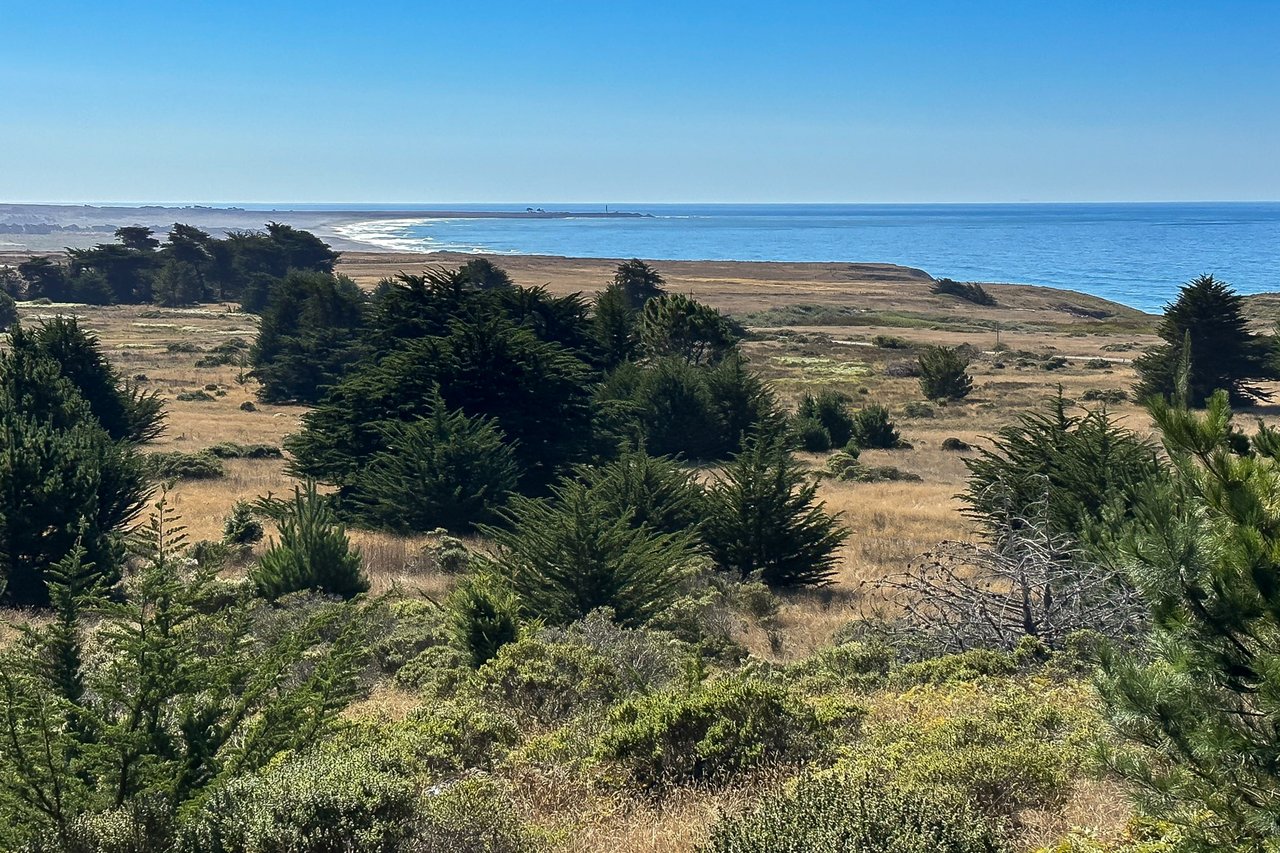
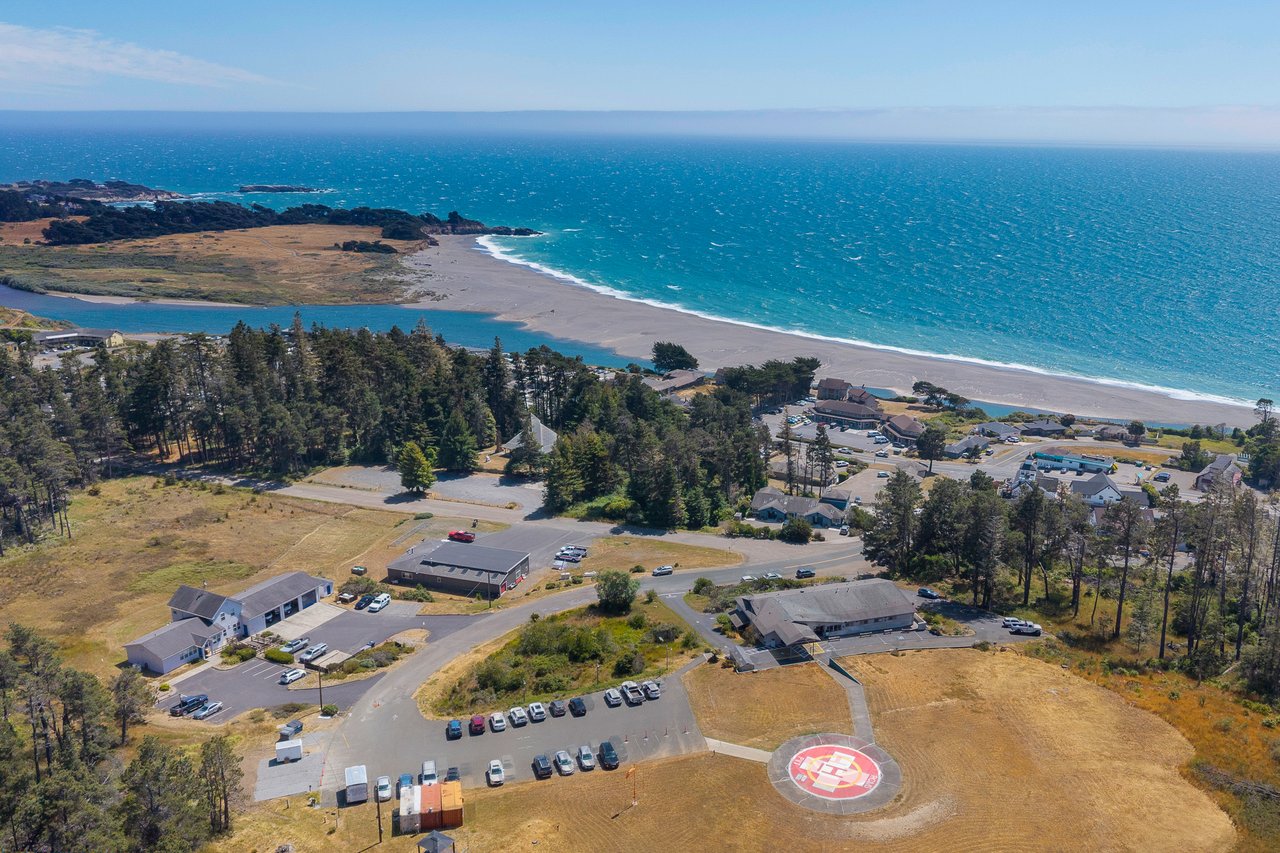
Manchester is a small coastal community along Highway 1 with a compact town footprint surrounded by ranch and forestlands. Most parcels lie within Mendocino County’s coastal zone, which brings the Local Coastal Program into play for many decisions. The County is actively updating its coastal plans to address resiliency and sea level rise, so you should expect some policy shifts over the next few years that may affect setbacks and technical study needs. You can review the County’s coastal update announcement to understand the bigger picture of expected changes in its recent Local Coastal Program update news.
Know your zoning and parcel size
Before you assume what you can build or do, identify the parcel’s land-use designation and zoning. In the coastal zone, you’ll see designations like Agricultural (AG), Forest Lands (FL), Range Lands (RL), Timberland Production (TP/TPZ), and Rural Residential (RR). Each has different permitted uses, development standards, and minimum parcel sizes. Start by reviewing Mendocino County’s Coastal Zoning Code for your specific APN.
Parcel-size signals to read
In Rural Residential areas, the number often indicates the minimum acreage. For example, RR-5 usually signals a five-acre minimum, while other resource lands can map at 10, 20, 40 or more acres. Local planning records confirm these suffixes guide lot-size standards, so always verify your parcel’s exact map designation on the county zoning map. For context, see how the County references these minimums in planning commission minutes.
Timber designations carry extra rules
If a property is in TP/TPZ or has merchantable timber, commercial harvest typically needs a Timber Harvest Plan administered by CAL FIRE, and TP/TPZ zoning can limit non-timber uses. State forest practice rules and local zoning both matter for timing and feasibility. For a plain-English legal backdrop on how timber regulation intersects with local control, review this California appellate case summary.
Coastal permits and land divisions
In the coastal zone, most “development” that meets the County’s definition requires a Coastal Development Permit. That can include new homes, additions, certain utilities, and many site improvements. Land divisions and lot-line adjustments face additional coastal rules and potential appeal windows, which can extend timelines. Read the County’s Coastal Development Permit section to understand triggers and process steps in the code.
Bluff and habitat constraints
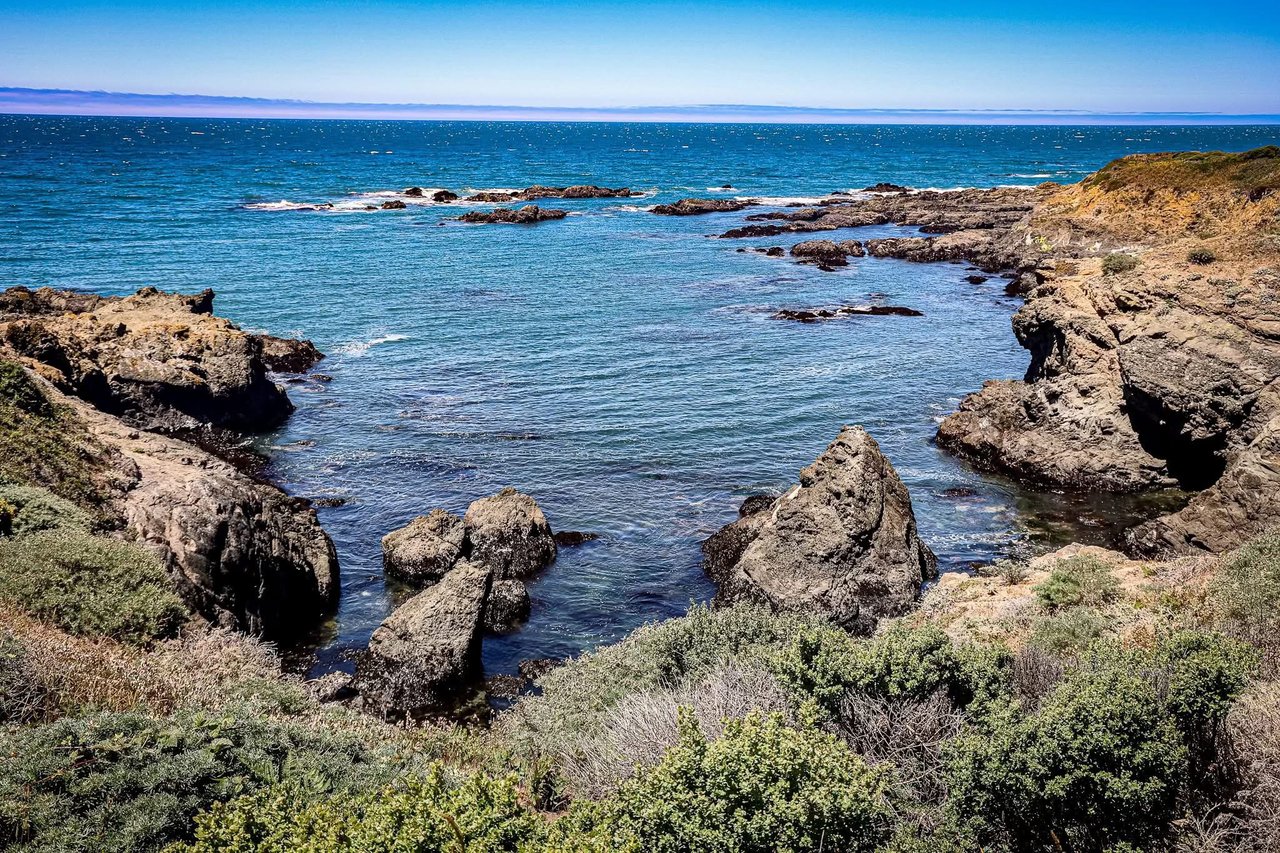
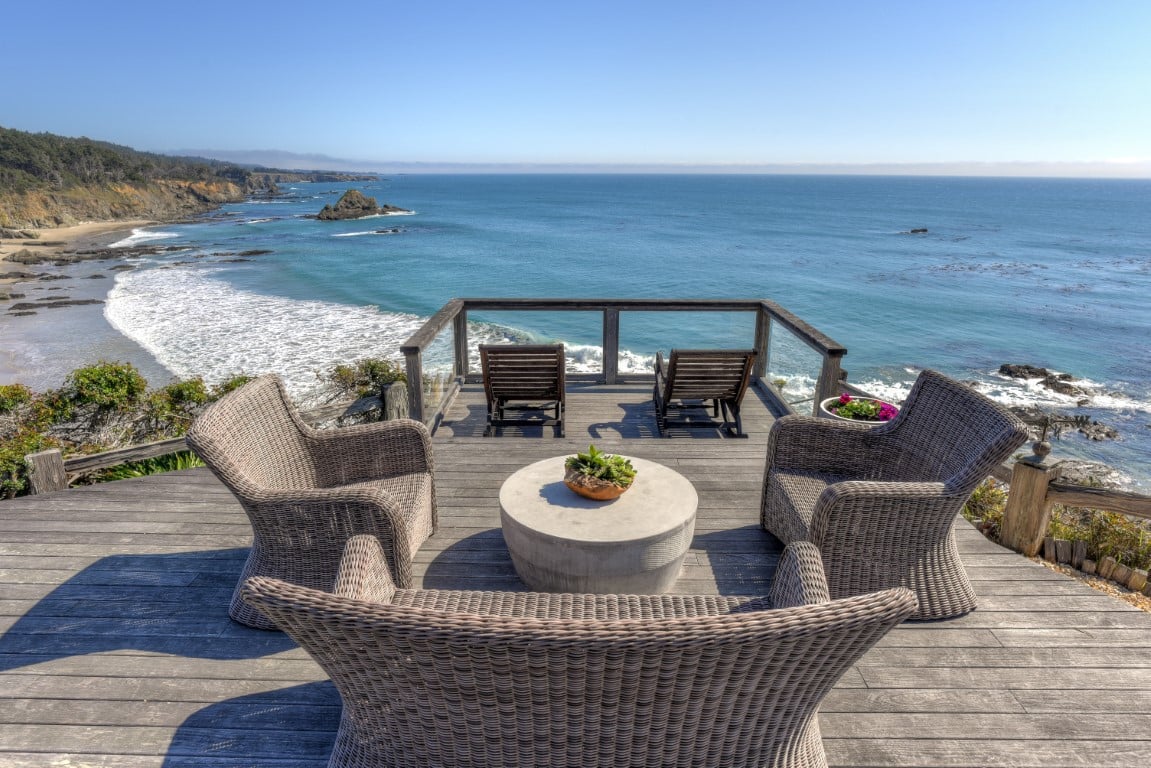
If your plans touch coastal bluffs, slopes, wetlands, or mapped Environmentally Sensitive Habitat Areas, expect technical reports such as geotechnical and biological assessments. These studies inform setbacks and mitigation, which directly affect where you can build. For context on coastal bluff stability and landform guidance, the California Coastal Commission maintains technical resources used across North Coast projects.
Water, septic, and utilities: deal stoppers
Many rural coastal parcels are not on municipal water. You may be evaluating an existing private well or planning a new one. Mendocino County Environmental Health oversees well permits and reviews for water and septic during land divisions and building permits. Start with the County’s Environmental Health land use page to understand process and required reports.
When you evaluate a private well, gather:
- Well completion report or driller’s log with depth, casing, and estimated yield.
- Recent pump test results and water-quality lab reports.
- Any well permits and maintenance records on file with the County.
For a practical primer on documentation and testing, see this well due diligence guide.
Septic systems are another gating item. You will want septic permits, as-built plans, maintenance and pumping records, and any site evaluations used to size the leach field. Capacity can limit bedroom count, guest units, and future expansions, especially where you have shallow bedrock, high groundwater, or steep slopes. Environmental Health applies a Local Area Management Plan framework, which you can explore via the County’s land use program overview.
Electric service, communications, and access also matter. Distance to power lines and transformer capacity can influence budget and timing. Broadband is often fixed wireless or satellite in rural areas, and cell coverage can be spotty. For access, confirm recorded easements, road width, and maintenance agreements, since the County may condition approvals on private-road improvements and encroachment permits.
Wildfire risk and insurance
Parts of the Mendocino coast, including areas around Manchester, are impacted by updated Fire Hazard Severity Zone maps. This can affect building standards, defensible-space work, and insurance availability or premiums. It is smart to speak with an insurance broker early, price likely coverage, and plan for fuel reduction and on-site water for fire response. For background on recent mapping updates, see the FHSZ update coverage.
Agriculture, timber, and conservation
Manchester’s cool, maritime climate typically favors pasture and grazing over warm-season crops. If you are planning livestock, evaluate soils, forage seasonality, fencing, and water storage. A quick soils check with the USDA NRCS Web Soil Survey helps you understand capabilities and constraints; learn about the tool at the NRCS Web Soil Survey collection.
If you intend to manage timber, expect to work with a Registered Professional Forester and navigate CAL FIRE’s THP process in addition to any local permits. Conservation easements with regional land trusts can also align long-term stewardship goals with tax or estate planning. If a parcel is under a Williamson Act contract, you may benefit from reduced property taxes but face limits on subdivision and non-ag uses.
Budget and timeline: what to expect
For many acreage projects, the critical path looks like this:
- Confirm land-use designation and zoning on the County map and in the Coastal Zoning Code.
- Determine whether a Coastal Development Permit or land-division permit is required under the CDP section.
- Secure Environmental Health sign-offs for water and septic.
- Obtain building, grading, and any encroachment permits.
- If timber is planned, add the THP process with CAL FIRE.
Discretionary coastal permits and technical studies can add months to a year or more, especially if appeals or CEQA review are involved. Given Mendocino County’s active coastal update work, check for any pending LCP amendments that could influence your parcel early in your feasibility period. The County’s LCP update overview is a helpful starting point.
Buyer due diligence checklist
Use this list to focus your first 30 to 60 days of research:
- Water: Confirm public system or private well. If private, request well logs, permits, recent pump tests and water-quality reports. Review this well due diligence guide for what to collect.
- Septic: Ask for septic permits, as-builts, maintenance records, and any County site evaluations. Verify whether current capacity supports your bedroom count or future ADUs through Environmental Health.
- Zoning: Identify the coastal land-use designation and minimum parcel size in the Coastal Zoning Code. If timber is involved, review state-local roles in this timber regulation summary.
- Access: Confirm recorded legal access, right-of-way width, and any private-road maintenance agreement. Ask if prior permits required road upgrades or encroachment permits.
- Hazards: Check for coastal bluffs, ESHA, and wildfire exposure. Review bluff guidance at the Coastal Commission’s landform page and recent FHSZ updates.
- Soils and ag: Run preliminary soils checks with the NRCS Web Soil Survey collection and confirm water availability for grazing or specialty crops.
Build your local team
Manchester acreage purchases tend to move smoothly when you assemble the right specialists early. Consider a local agent experienced in coastal zoning and permits, a land use planner, a civil or geotechnical engineer, a licensed well driller and septic designer, and an insurance broker who understands wildfire markets. If timber operations are on the table, add a Registered Professional Forester and a THP consultant. Your team will help you scope costs, sequence permits, and keep the project timeline realistic.
Ready to explore Manchester acreage?
If you want the peace of mind that comes with a seasoned coastal guide, we’re here to help you assess parcels, line up the right experts, and negotiate a clean path to closing. Reach out to Kennedy & Associates Real Estate to discuss your goals and Receive Exclusive Listings tailored to Manchester and the Mendocino coast.
FAQs
Do you need a coastal development permit for a new home in Manchester?
- Most development in the coastal zone requires a Coastal Development Permit, including many new single-family homes; check triggers in the County code and confirm with Planning.
How do you verify legal road access for a rural parcel?
- Review the preliminary title report and recorded easements, confirm right-of-way width, and ask the County about any road standards or encroachment permits tied to past approvals.
What should you test for a private well before closing?
- Gather the well completion report, recent pump test, and lab-tested water quality; confirm the well’s permit history with Environmental Health.
Can you subdivide a 10-acre coastal parcel in Manchester?
- It depends on the parcel’s zoning, minimum lot size, mapped constraints, and coastal land-division rules; feasibility requires a parcel-specific review and likely a coastal permit.
How does wildfire risk affect insurance on the Mendocino coast?
- Updated Fire Hazard Severity Zone maps can influence premiums and carrier availability; talk with an insurance broker early and plan for defensible space and home hardening.
What is TPZ zoning and how does it affect use?
- Timberland Production zoning is intended for timber management and can limit subdivision and non-timber uses; commercial harvest usually requires a CAL FIRE-reviewed plan.