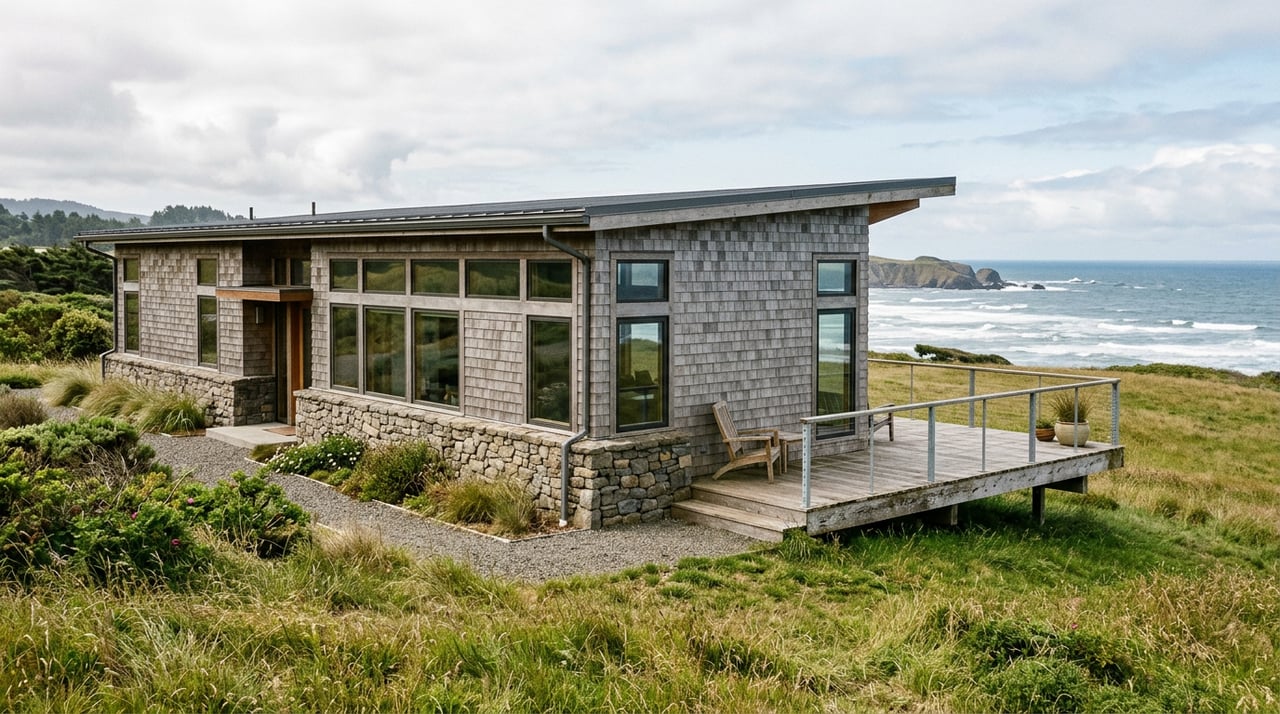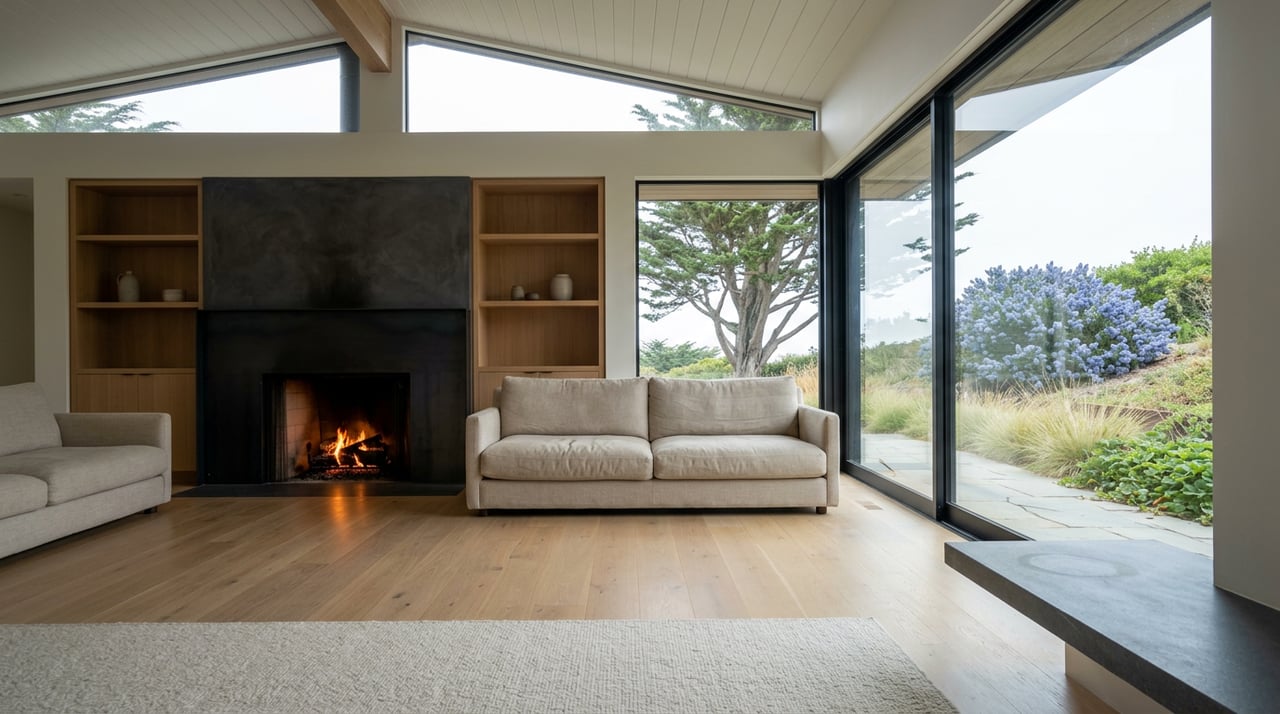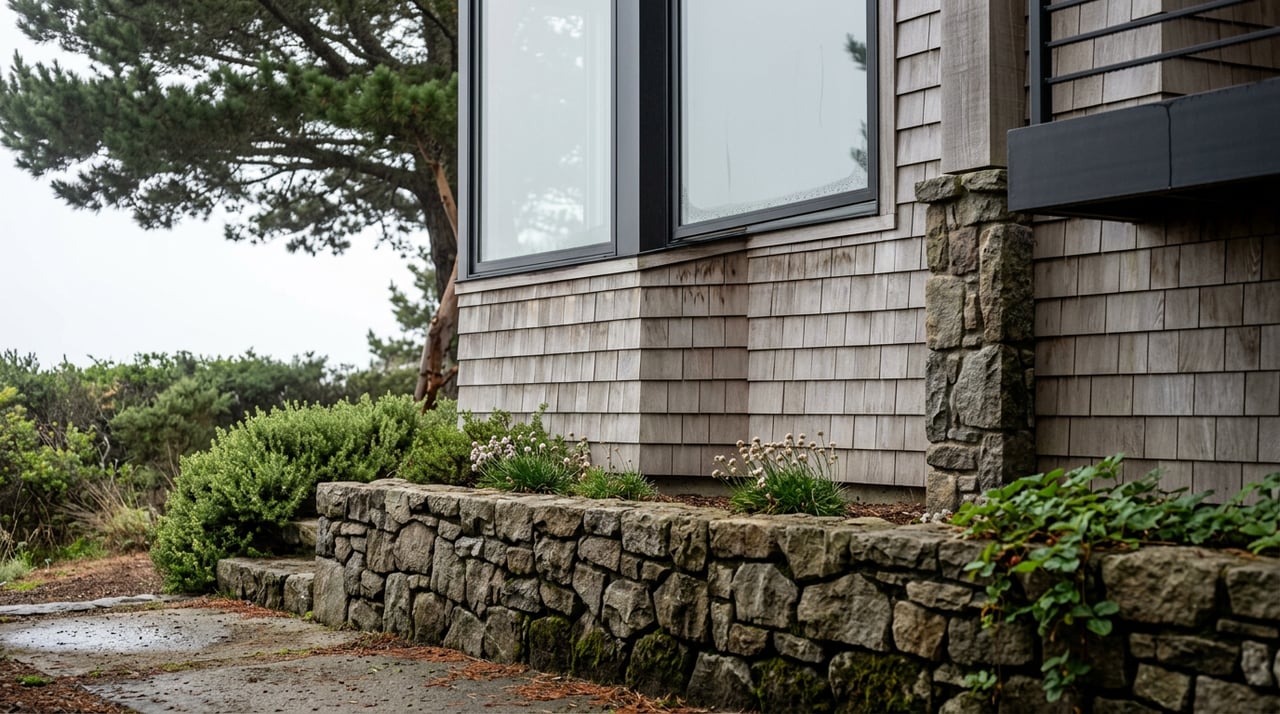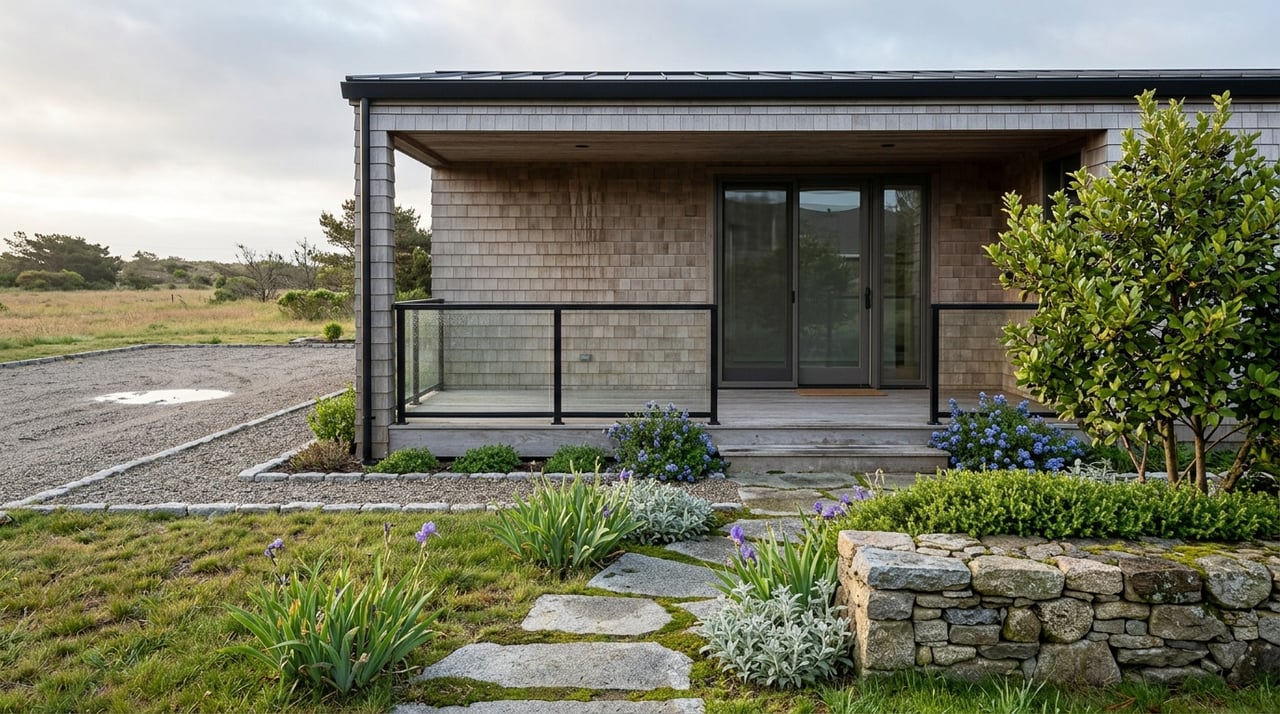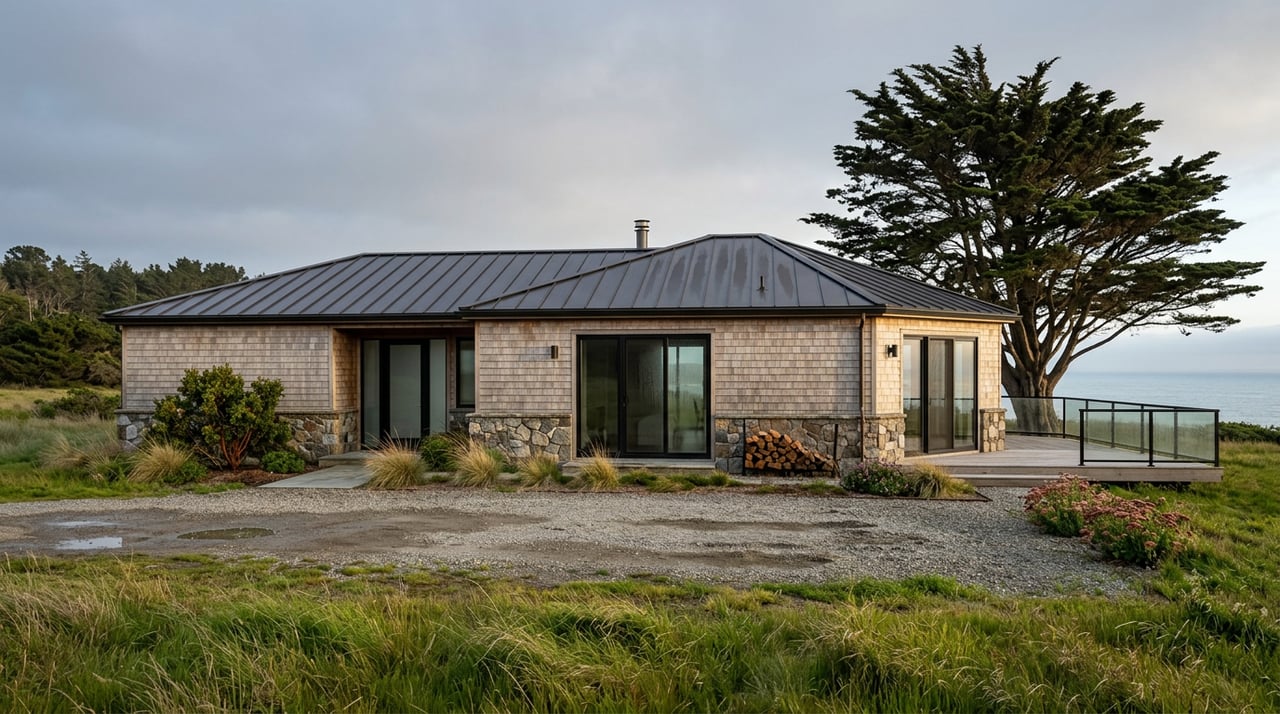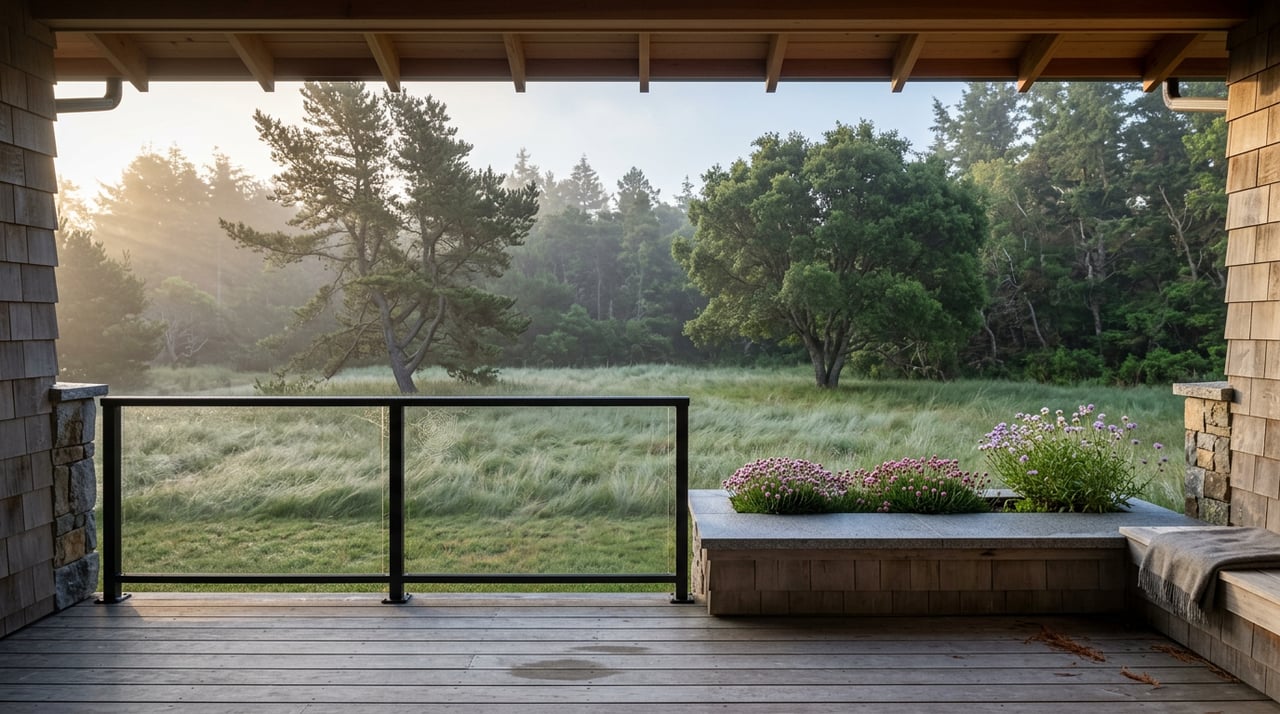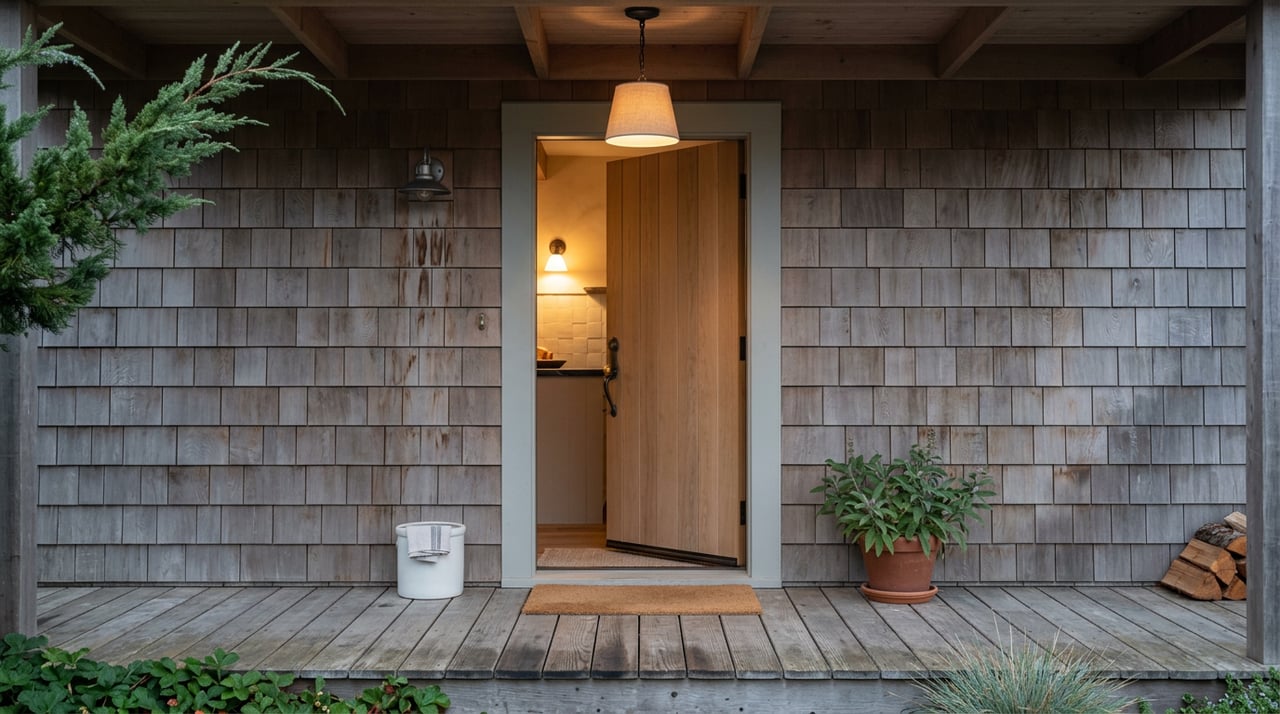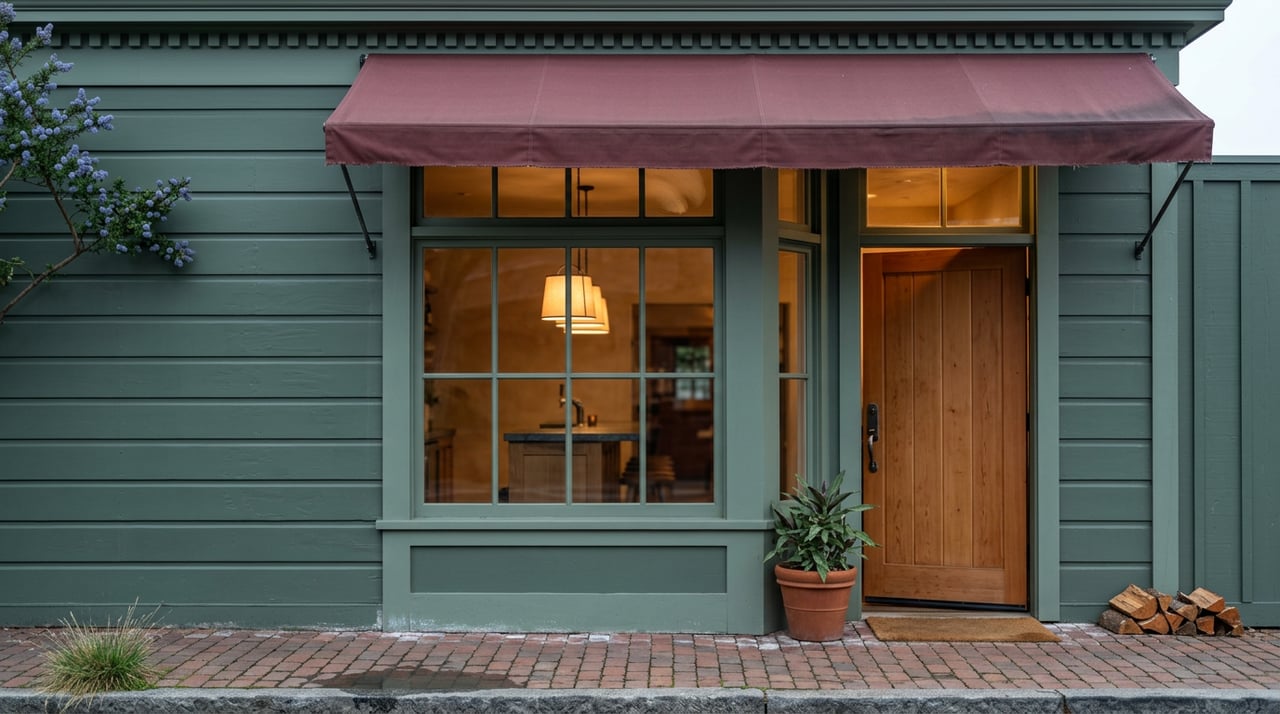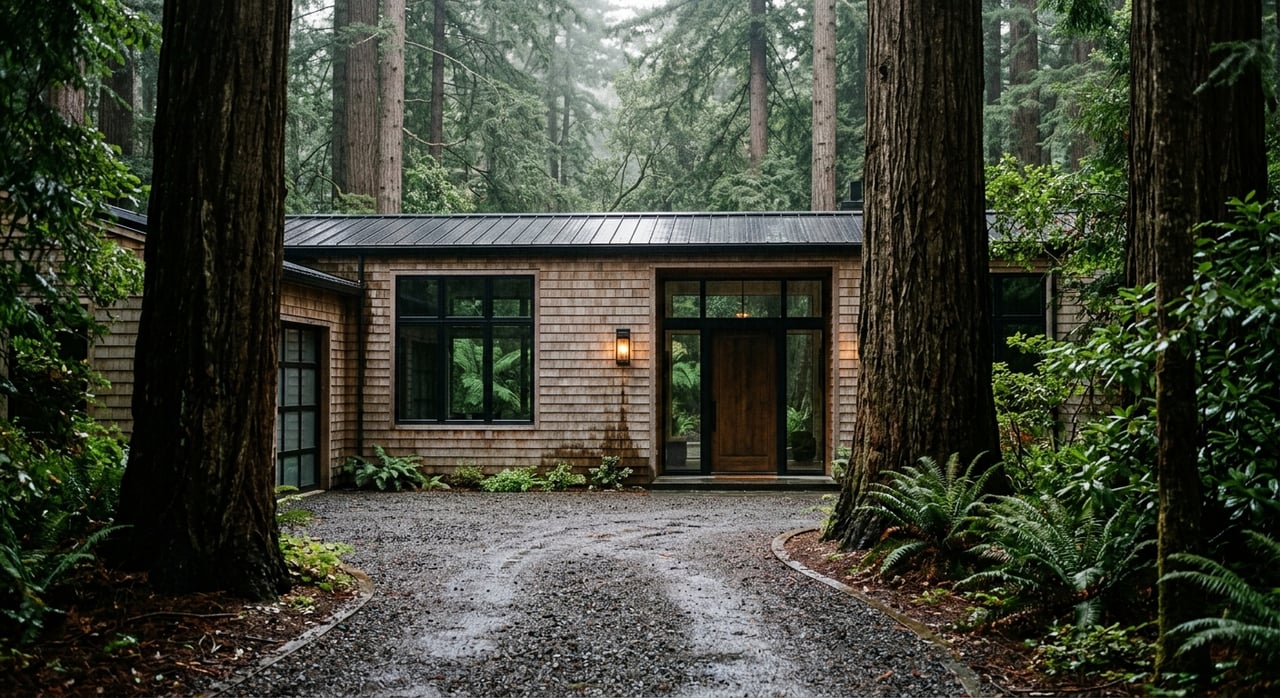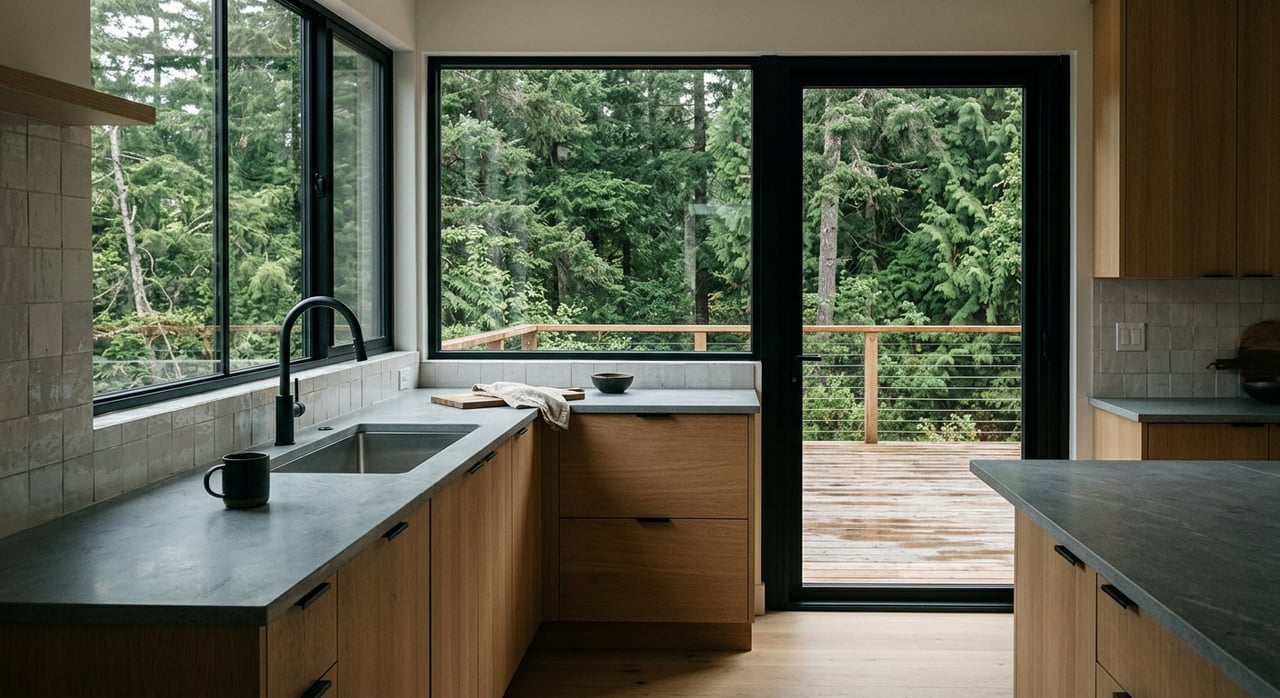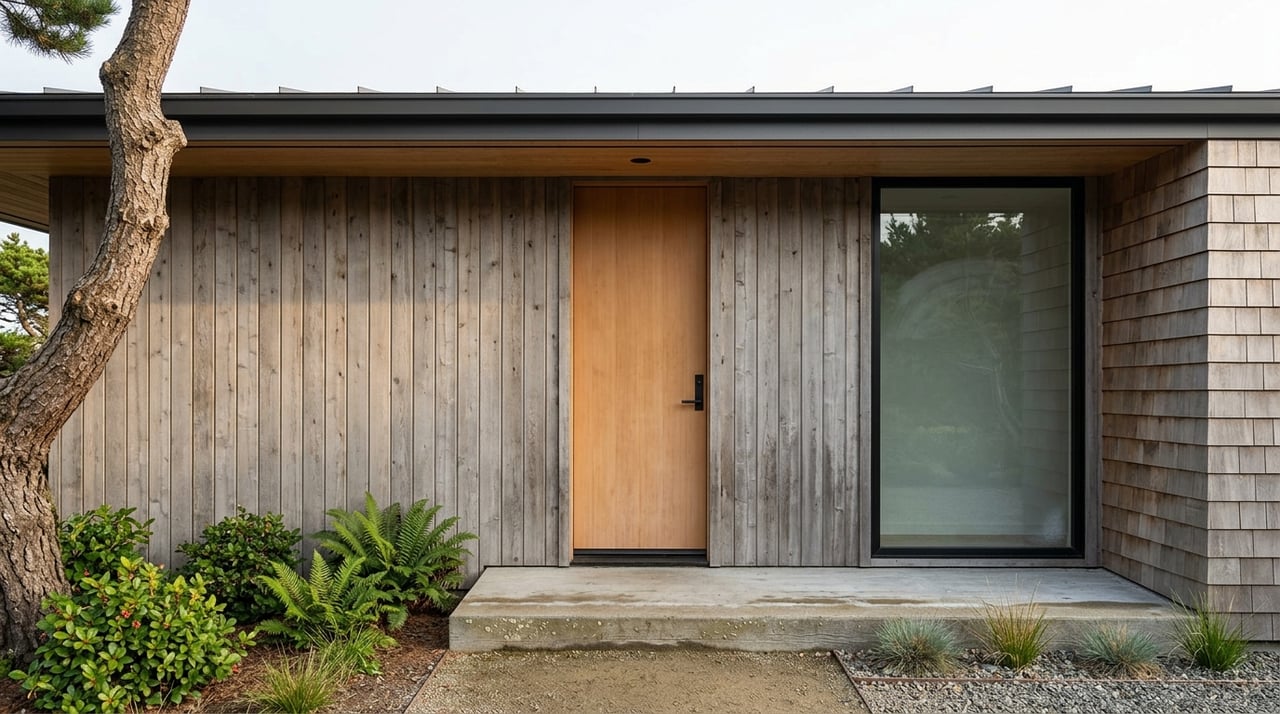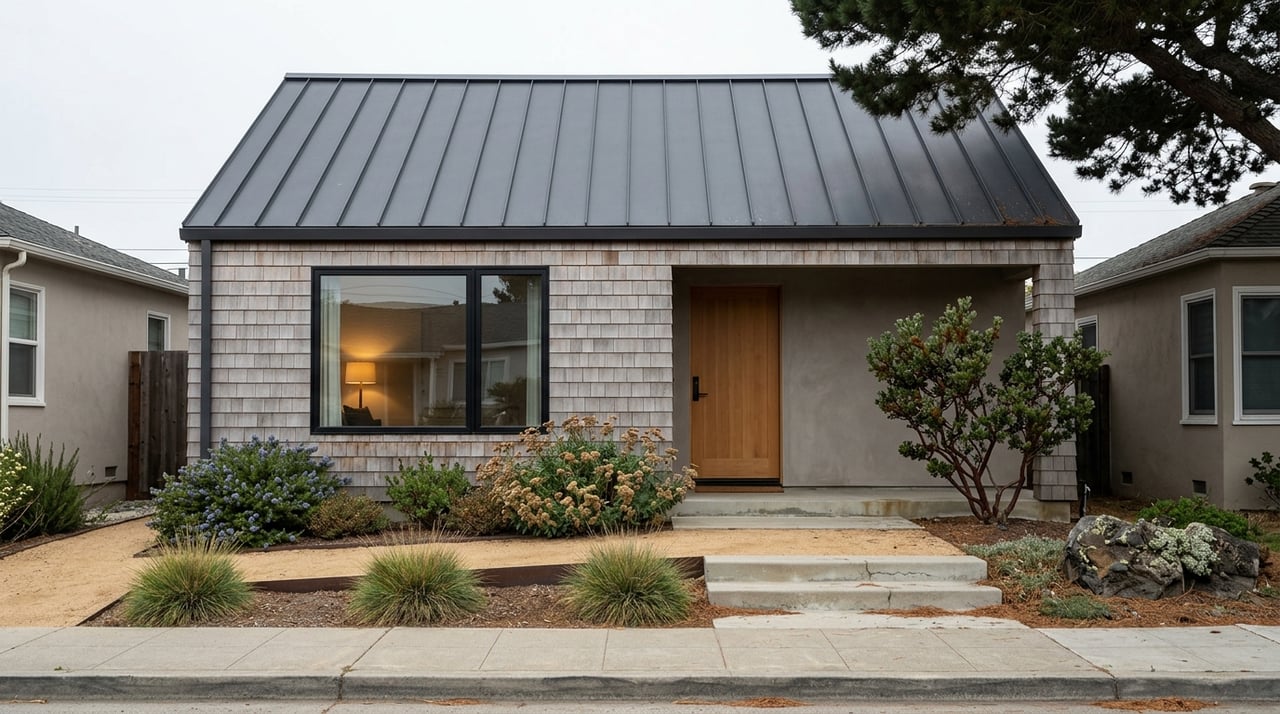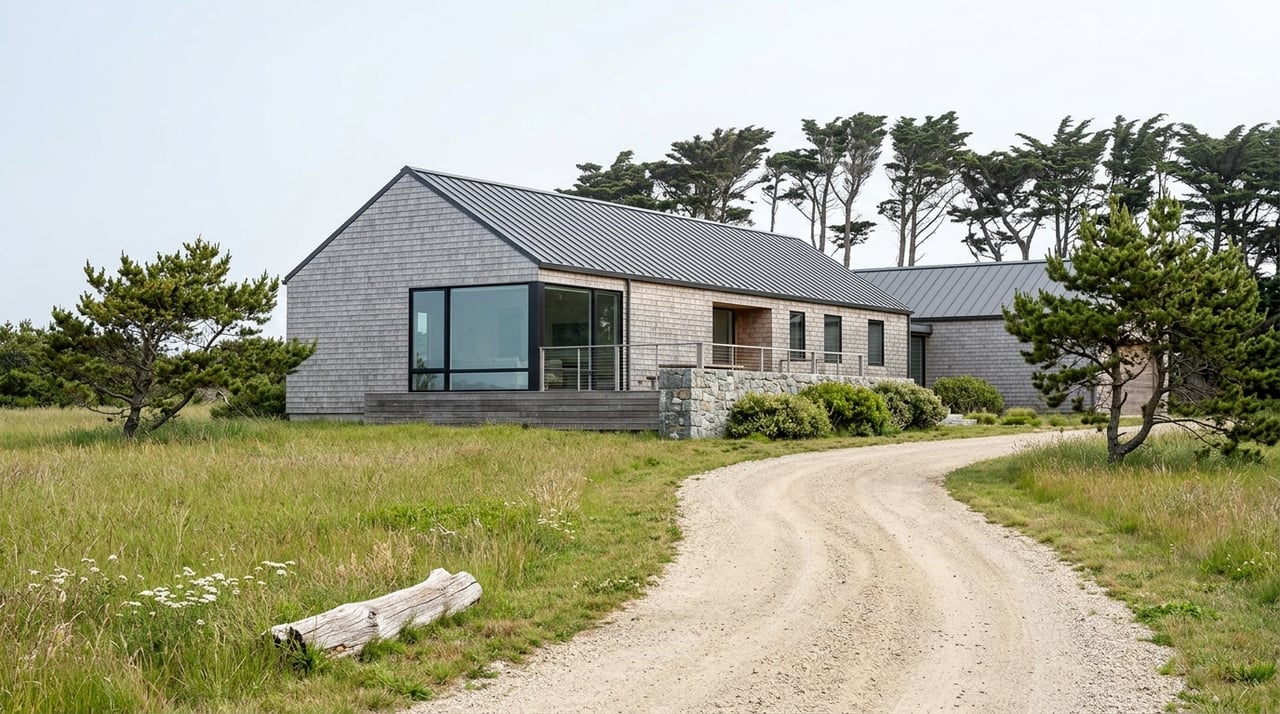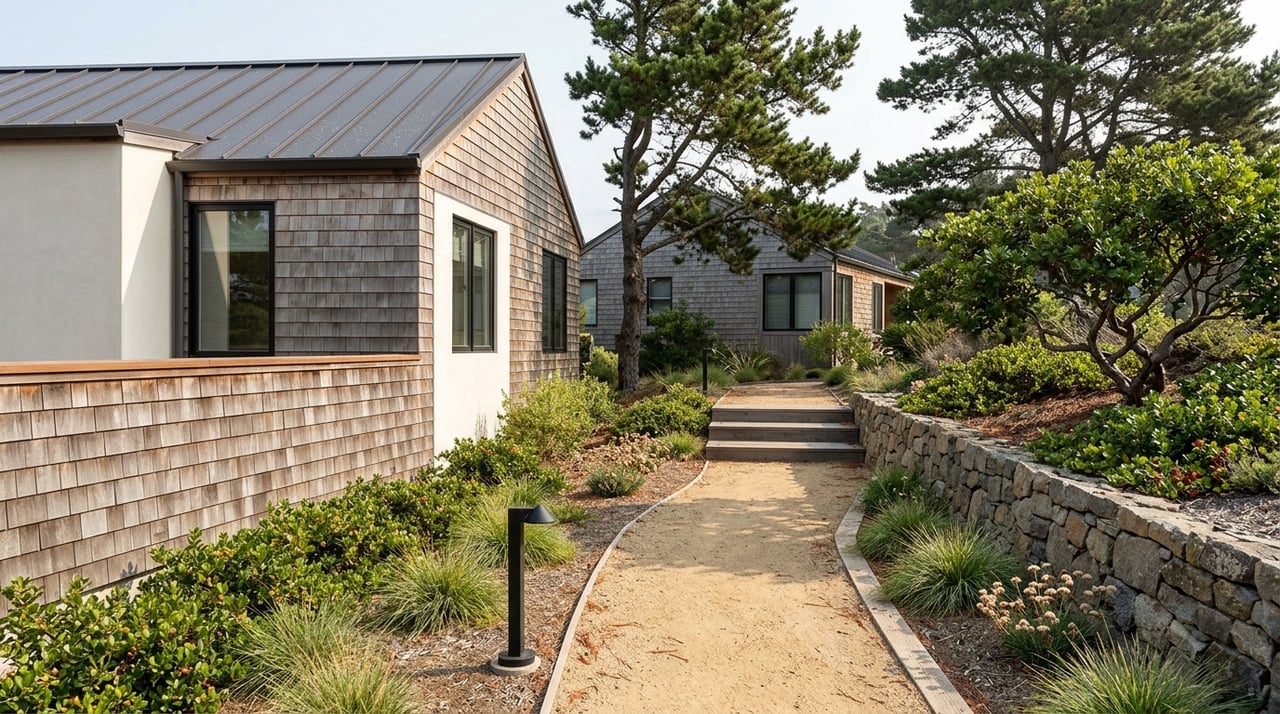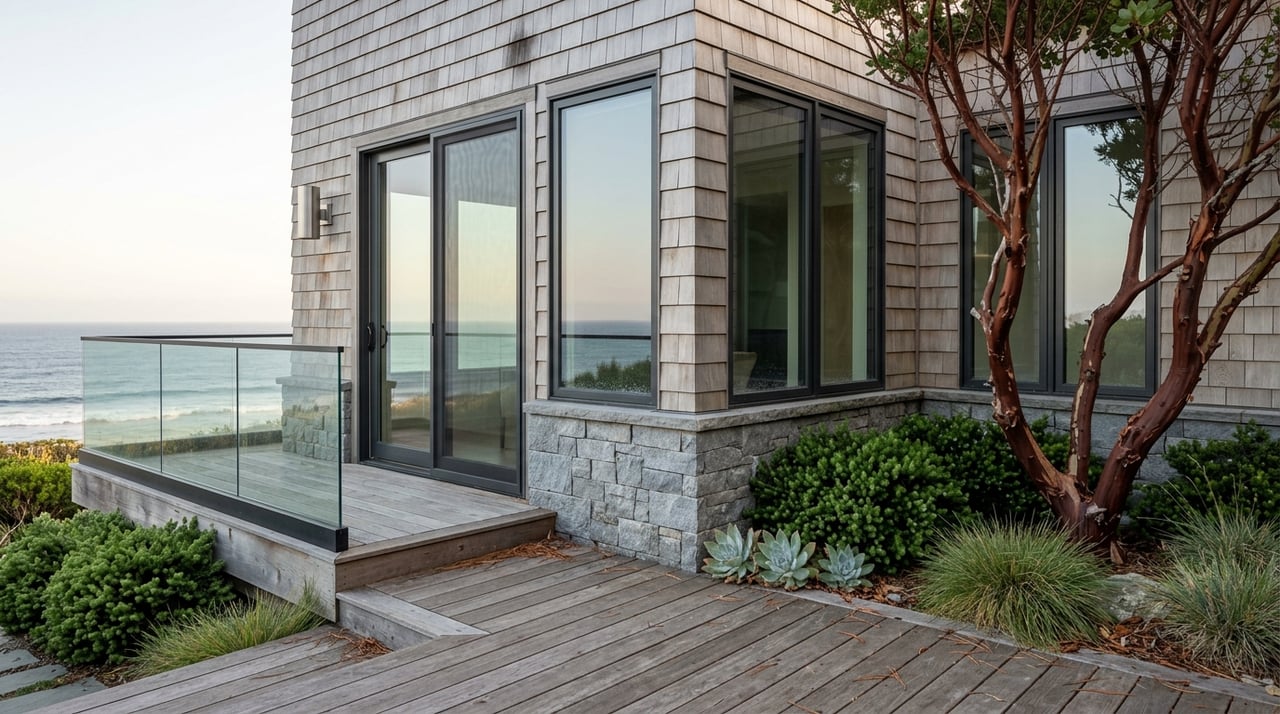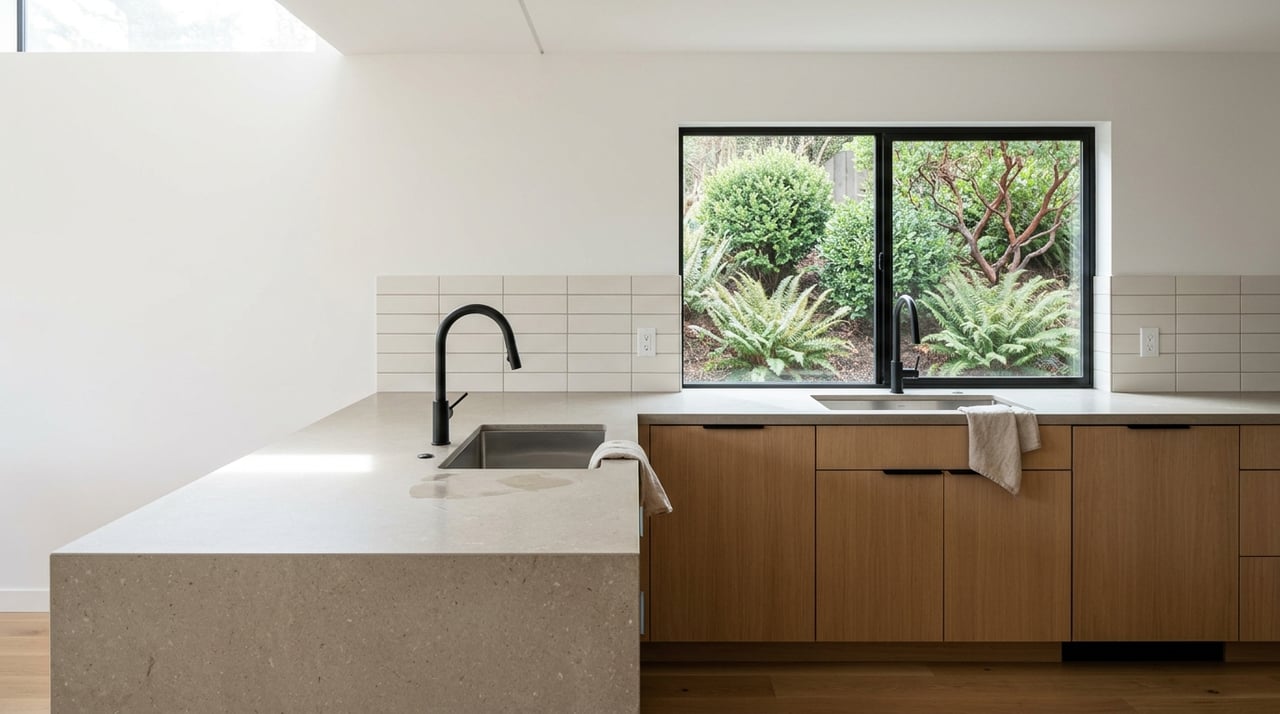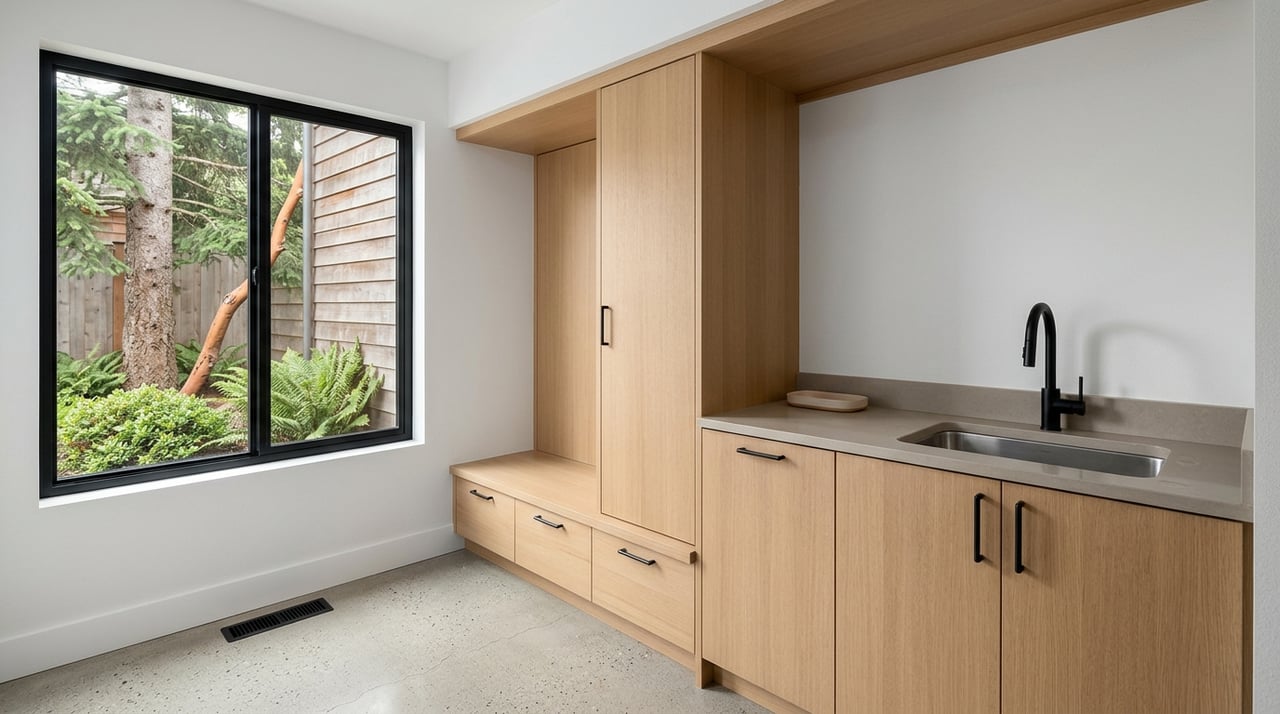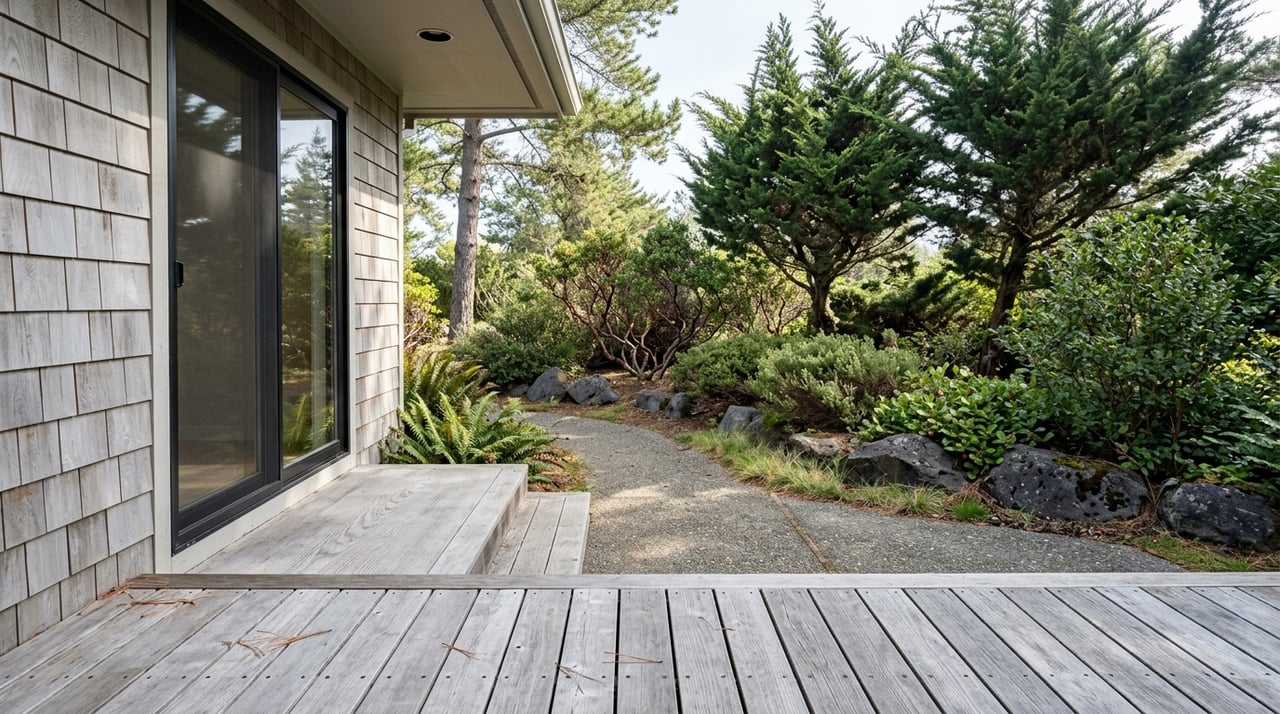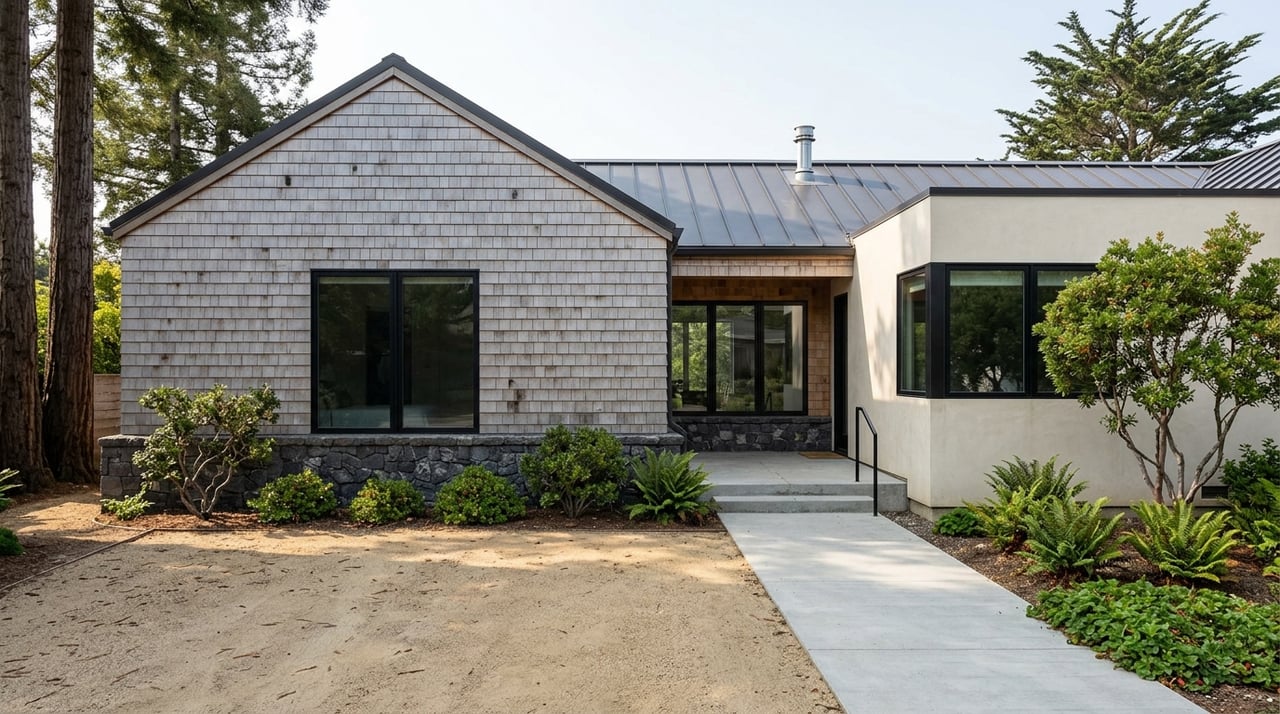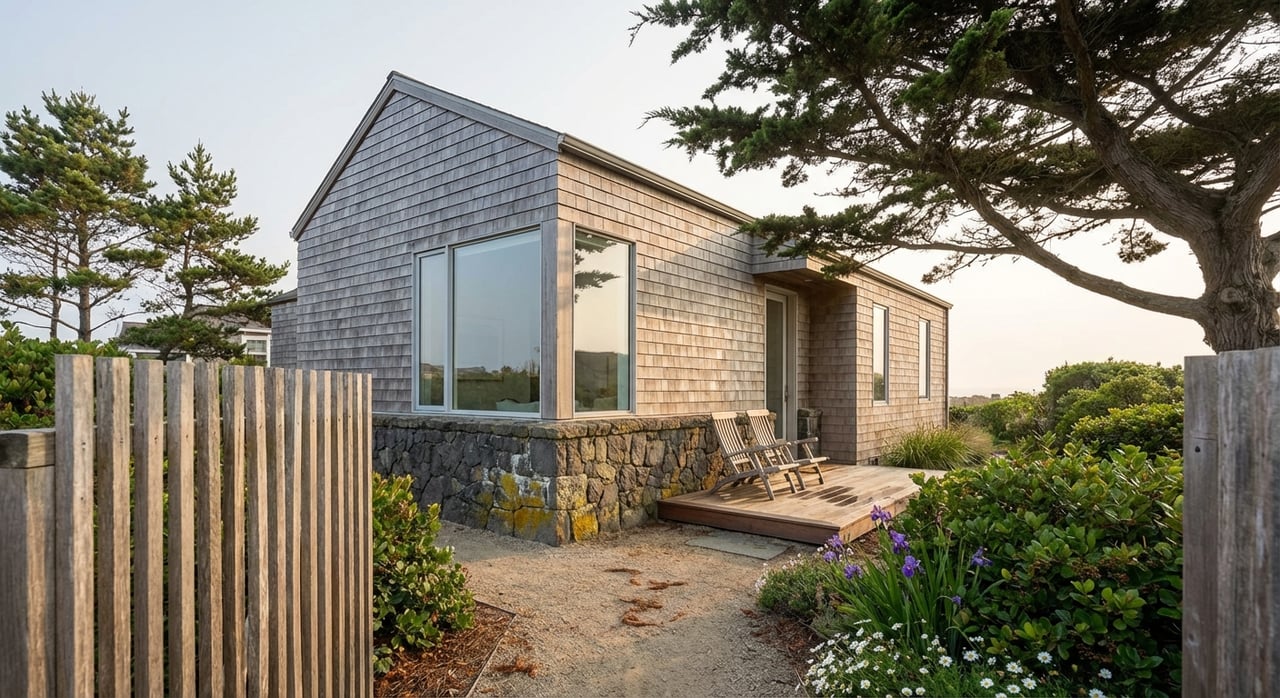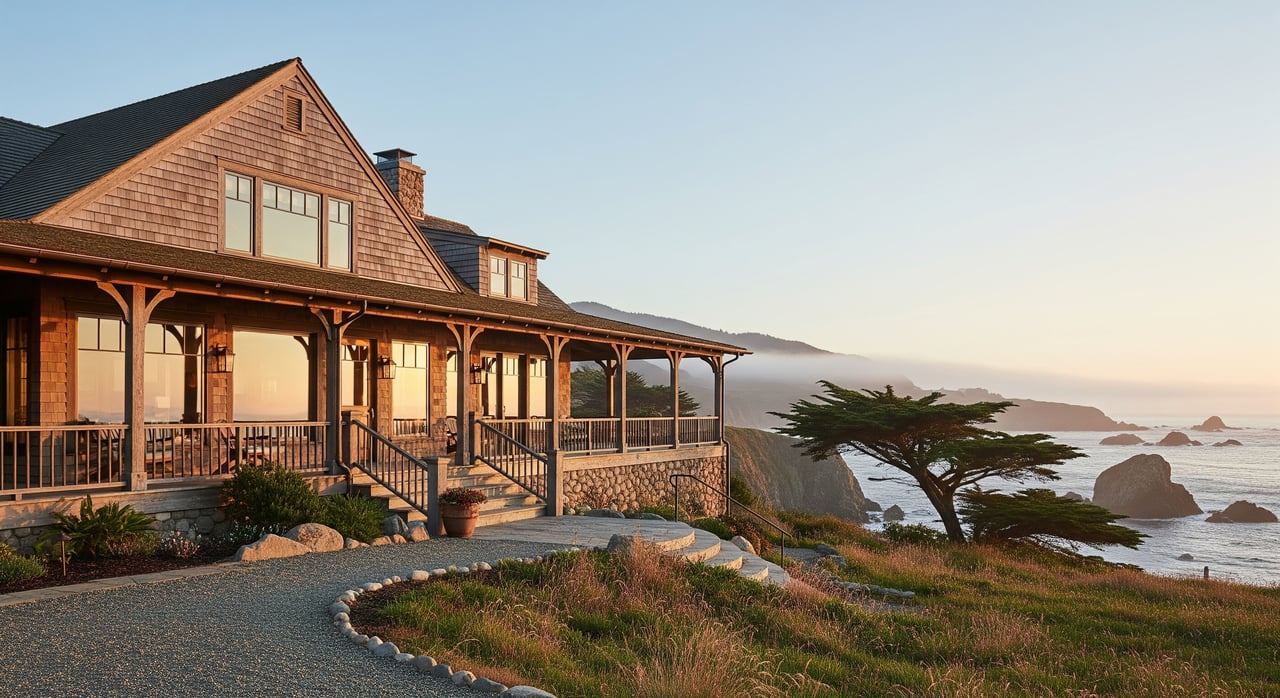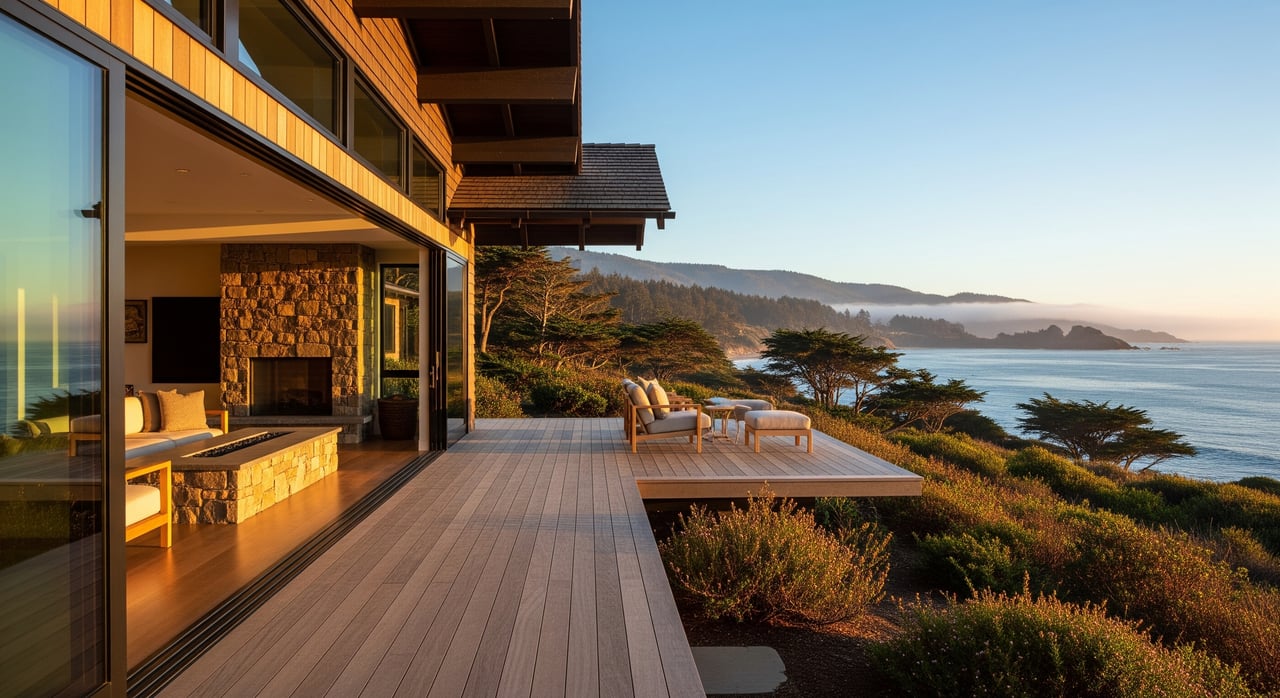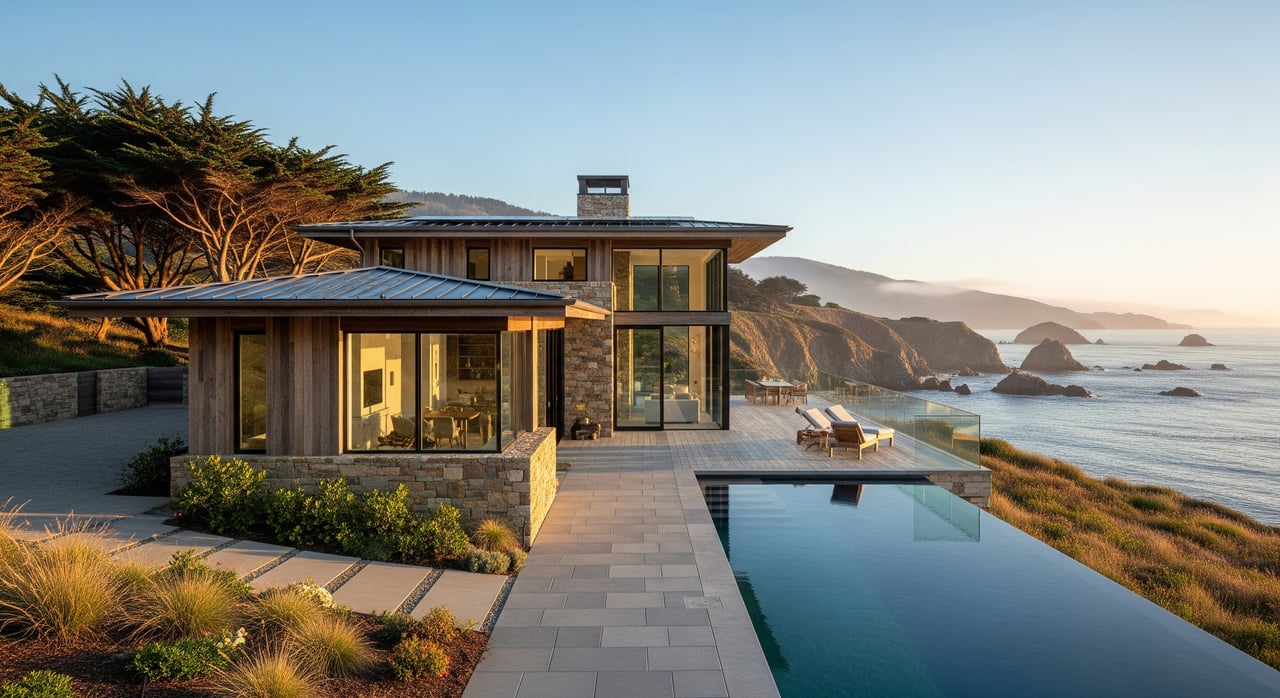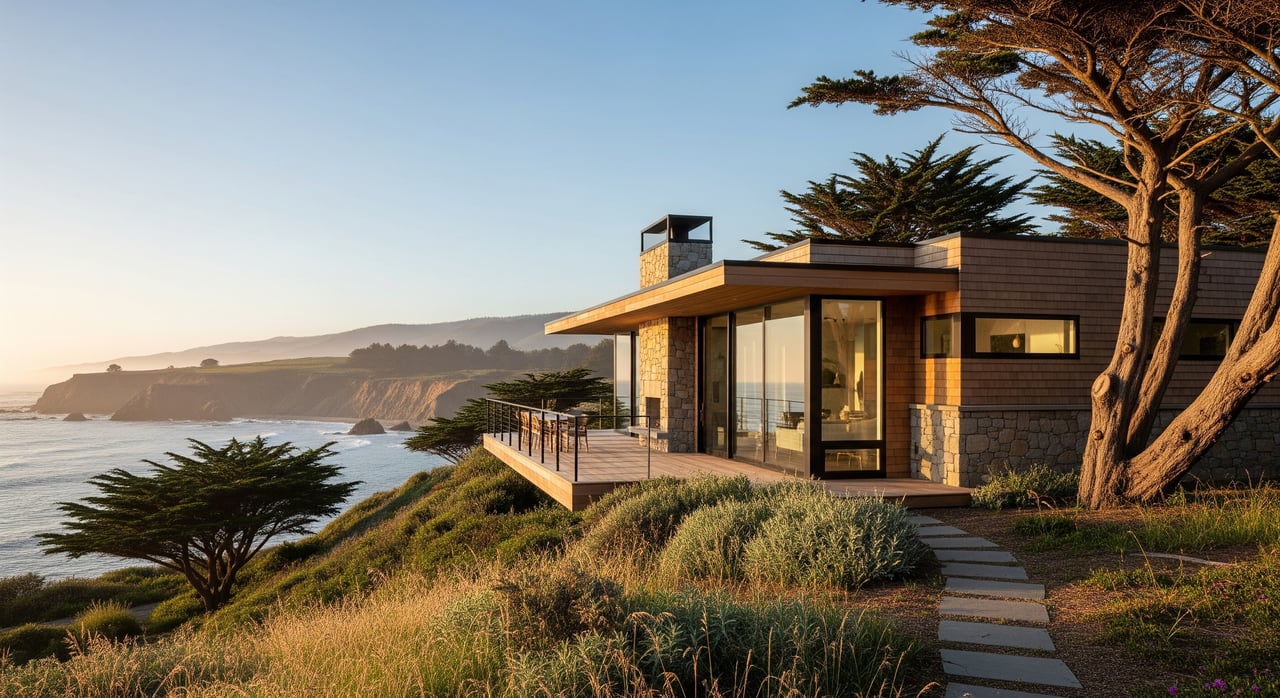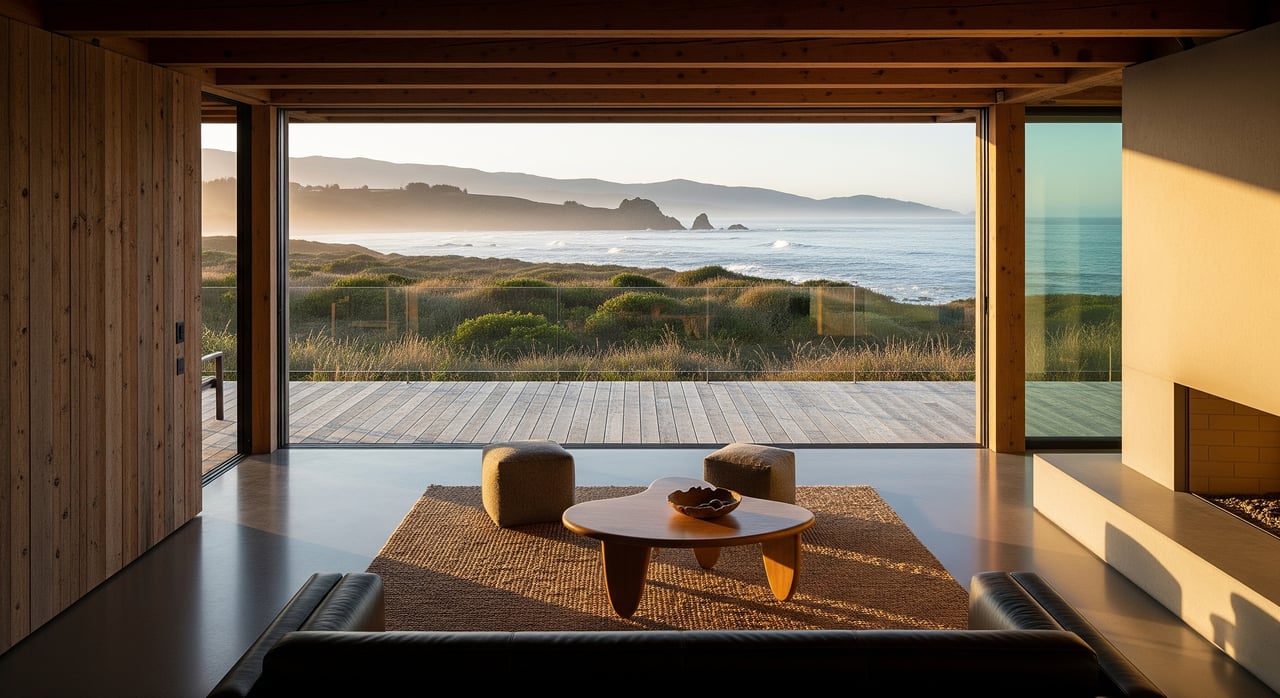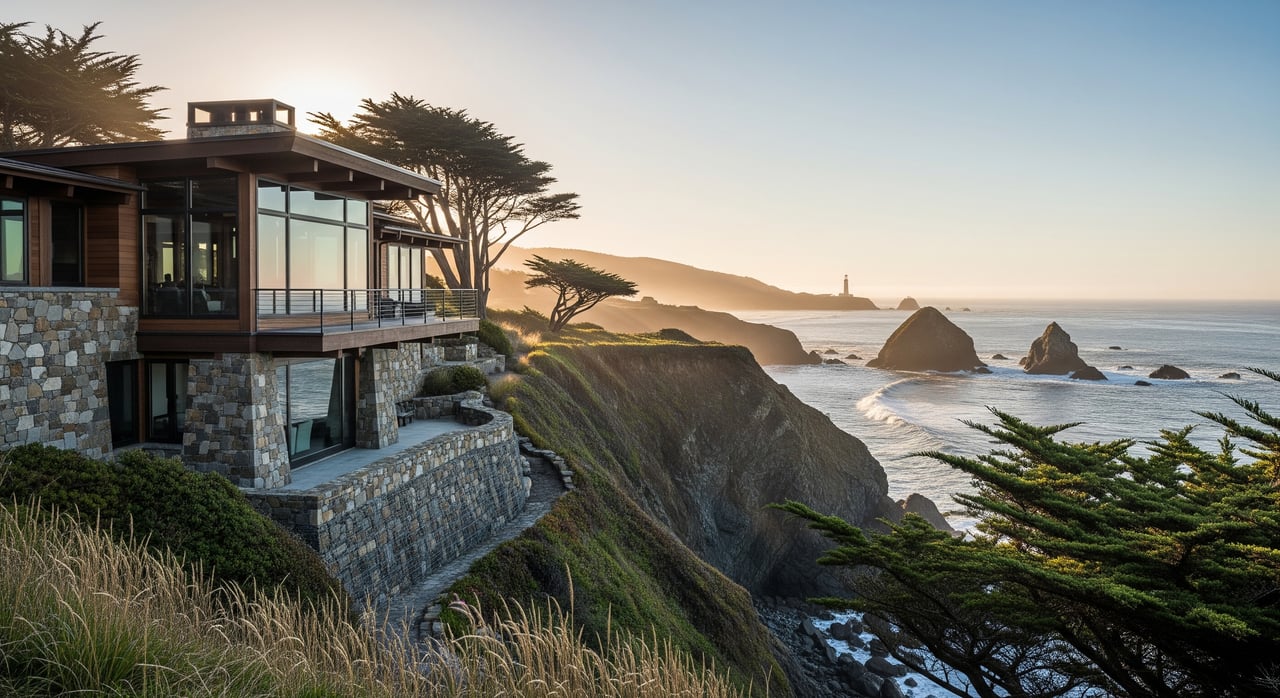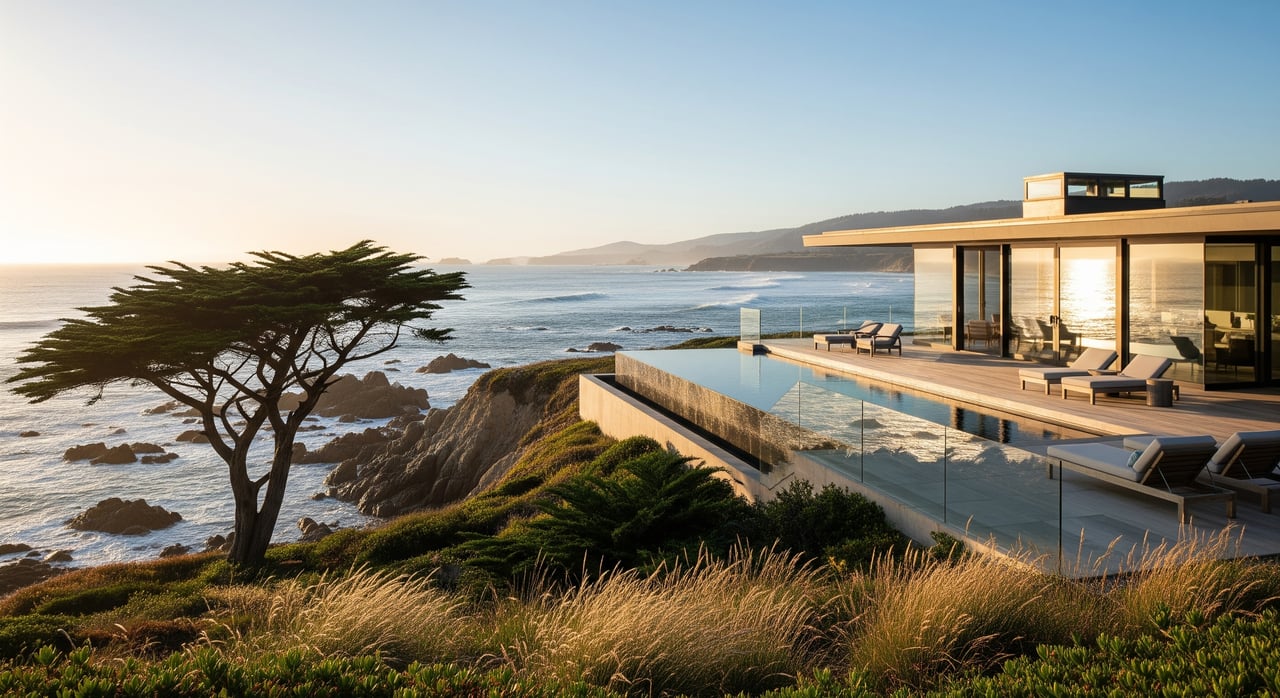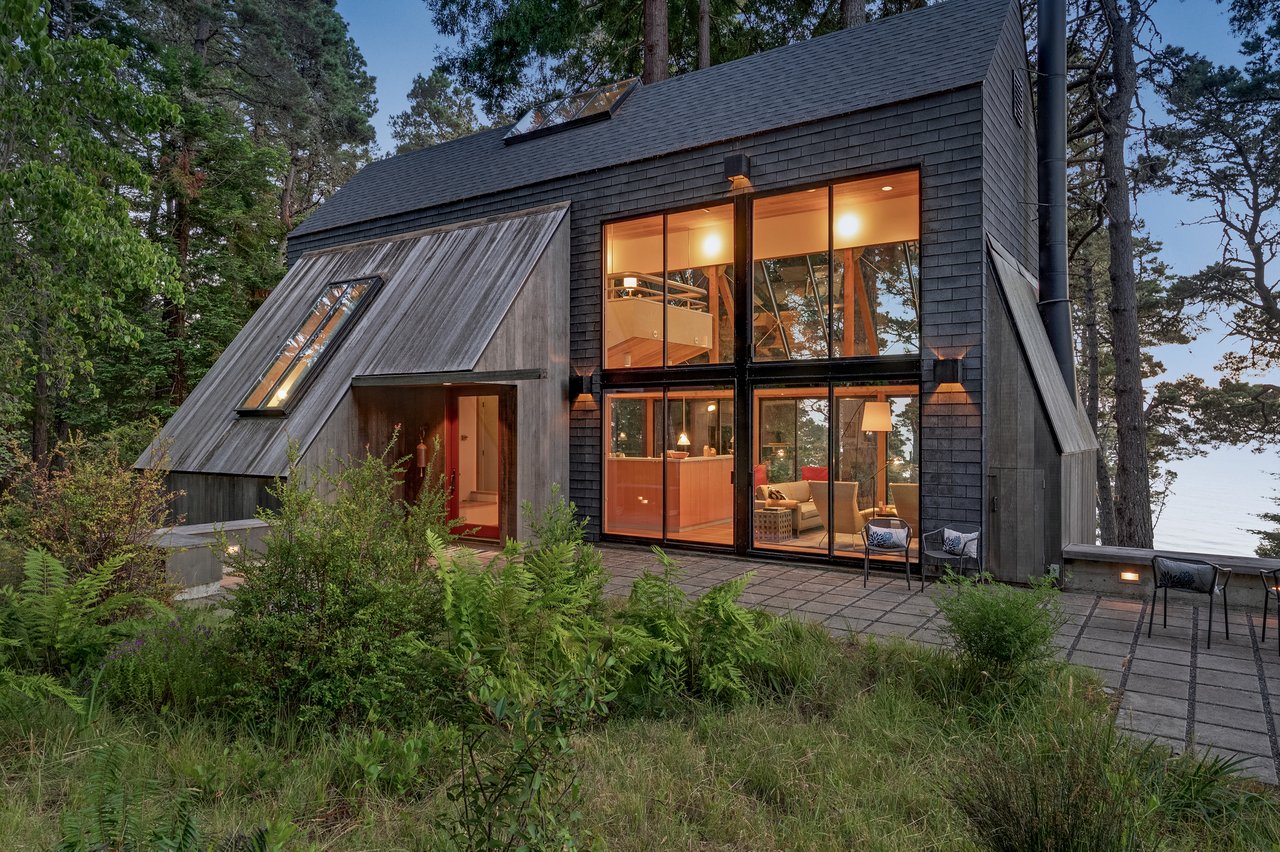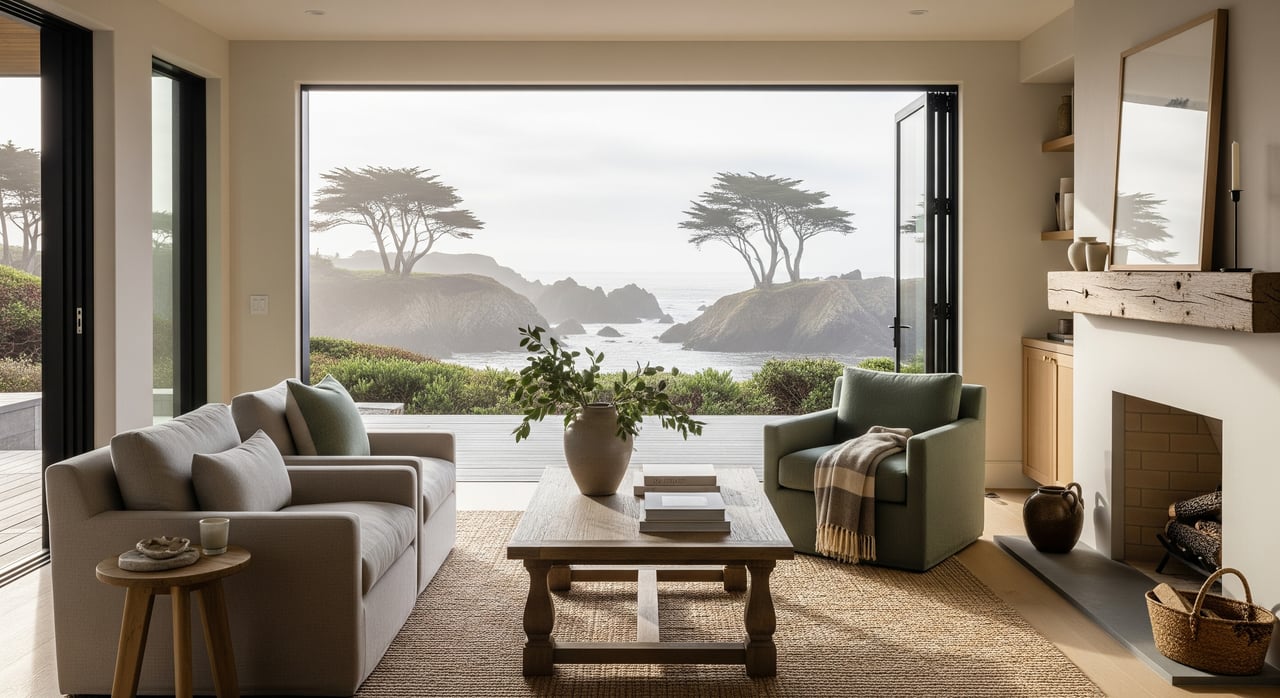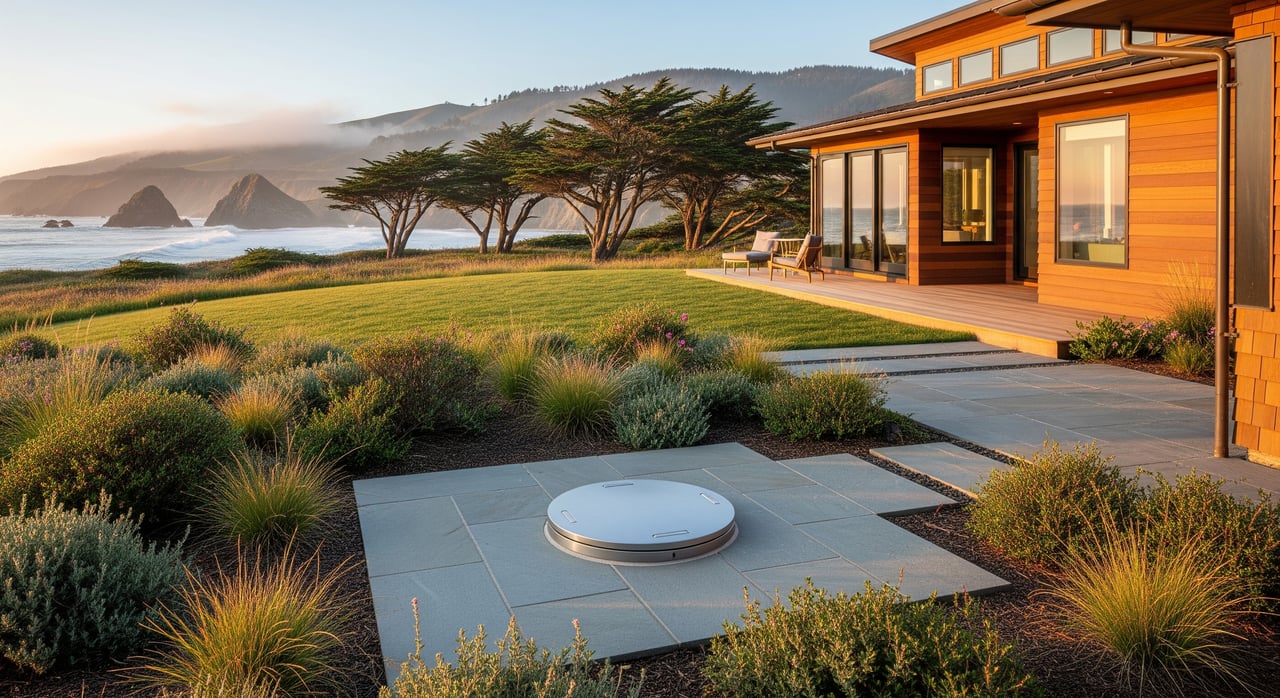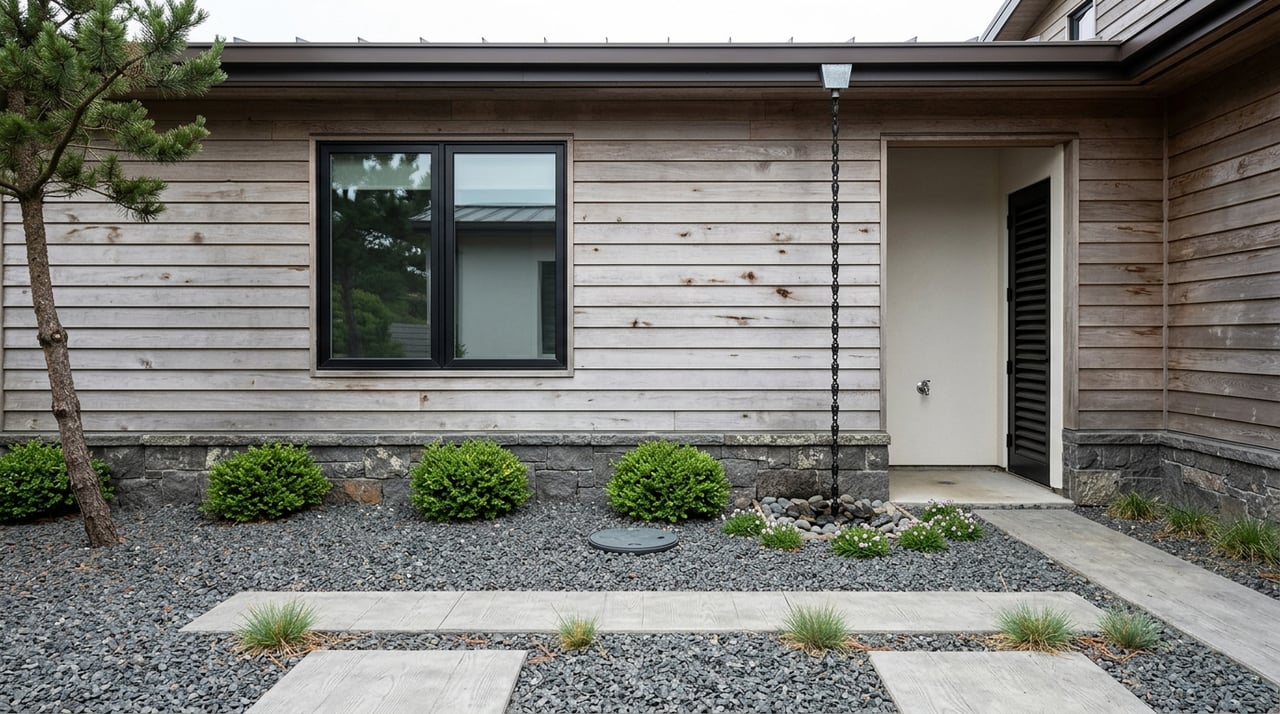
If your dream of a Timber Cove getaway includes more time enjoying the coast and less time managing repairs, design matters from the start. In this part of Sonoma’s coast, fog, salt air, forested surroundings, and remote ownership can turn a beautiful second home into a high-upkeep property if the plan is too complicated. The good news is that a low-maintenance retreat is absolutely possible when you match the home to the site, climate, and permitting realities. Let’s dive in.
Start With Timber Cove’s Site Realities
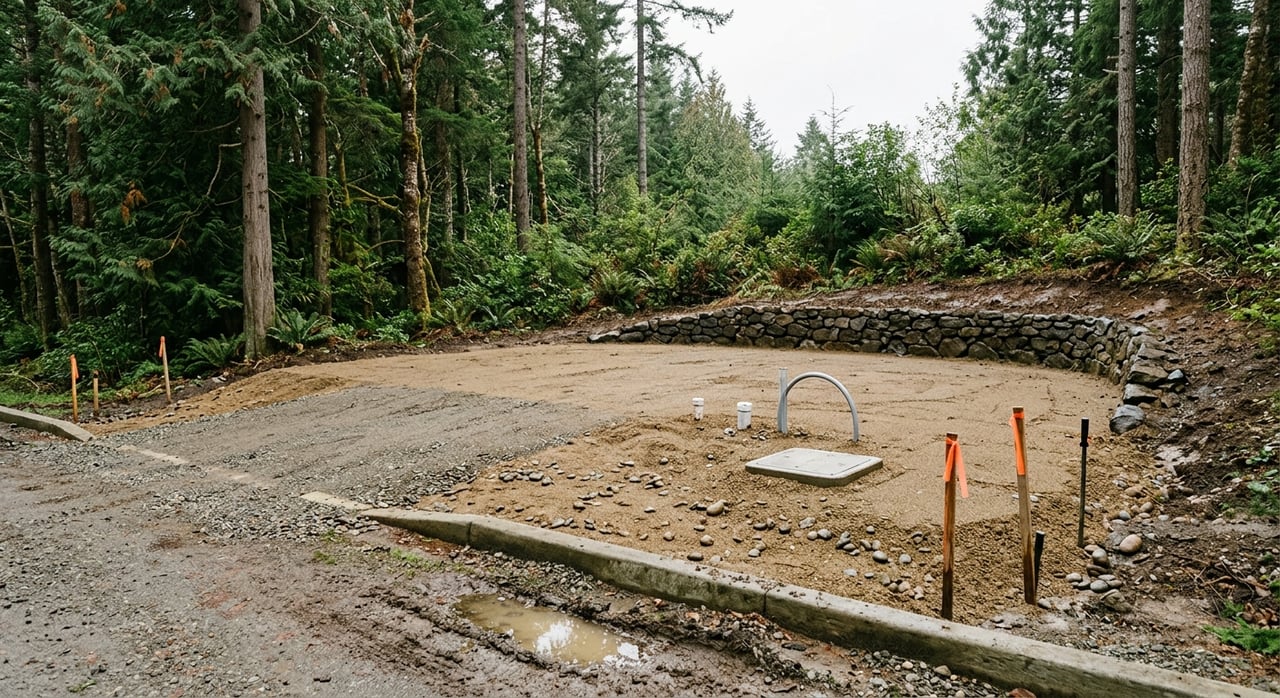
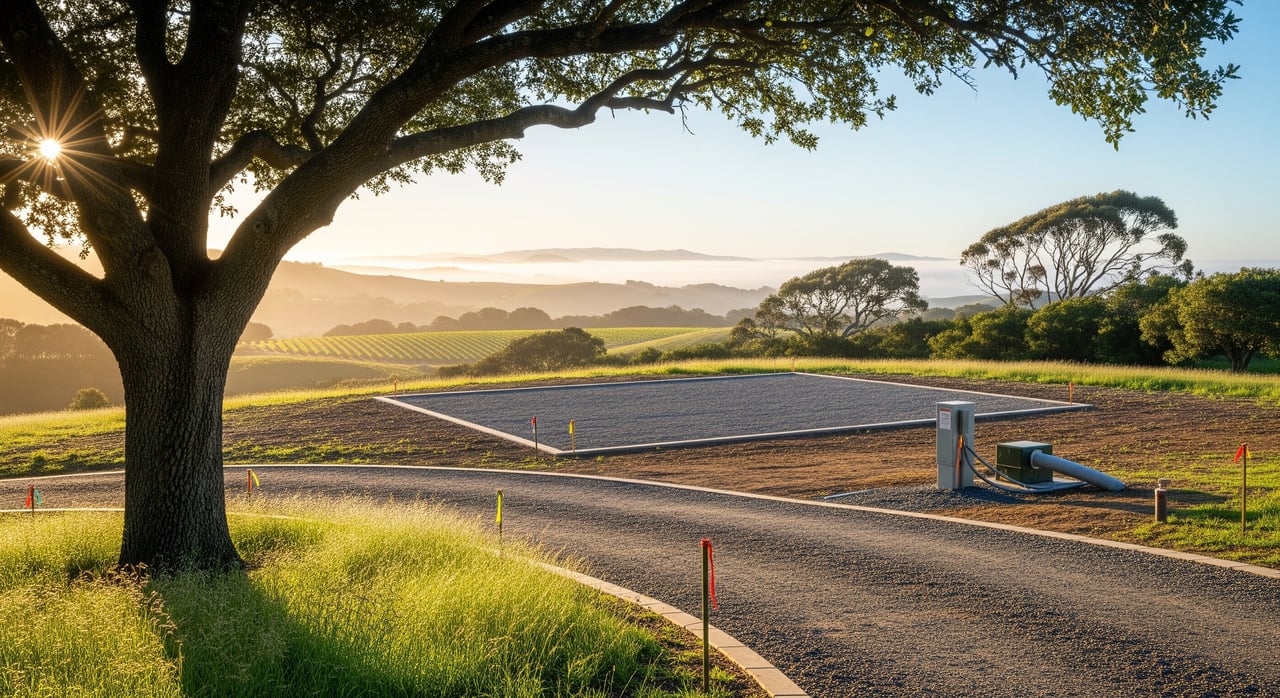
Timber Cove has a very specific coastal setting, and that should shape every design decision you make. Sonoma County’s Local Coastal Plan describes Timber Cove as a low-density subdivision first established in the 1960s, with many lots still undeveloped. The same plan notes that water service is provided by the Timber Cove County Water District and that homes in the area rely on septic systems for wastewater disposal.
That means a low-maintenance retreat is not just about finishes and furniture. It is also about planning around utility access, septic care, and the practical needs of a home that may sit empty between visits.
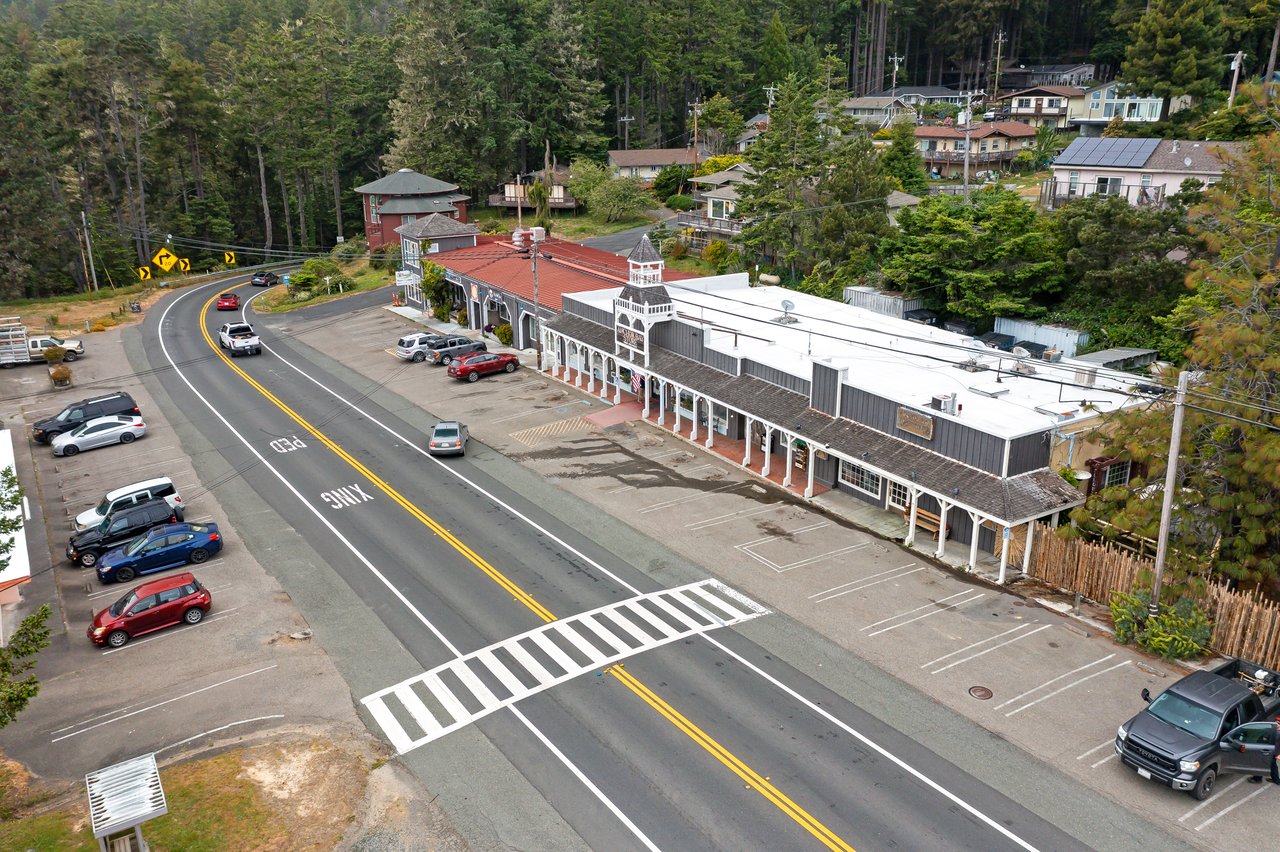
Many lots are east of Highway 1 and are less visible from the road, while lots west of Highway 1 are generally more visually sensitive and may be more directly affected by subdivision architectural guidelines and coastal review. According to Sonoma County’s Local Coastal Plan materials, that visibility can influence both design and approval pathways.
Design for Marine Weather
Timber Cove’s climate is strongly marine, which is one of the biggest reasons low-maintenance design looks different here than it would inland. The UCANR Sonoma County climate guide notes that coastal Sonoma County is shaped by ocean airflow and fog, and that the marine zone is the coolest major climate zone in the county.
For you as a homeowner, that means cool, damp air is not an occasional event. It is part of daily life, especially during fog season. Materials and assemblies need to handle moisture, slow drying conditions, and coastal exposure over time.
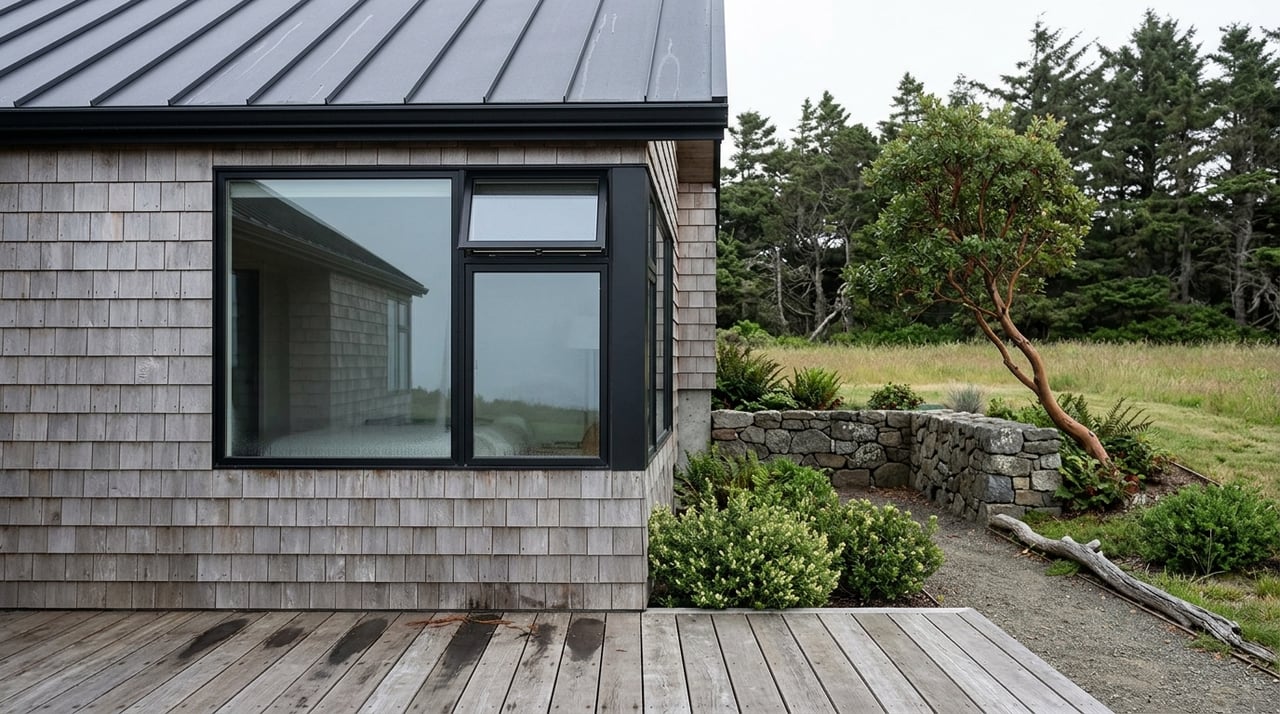
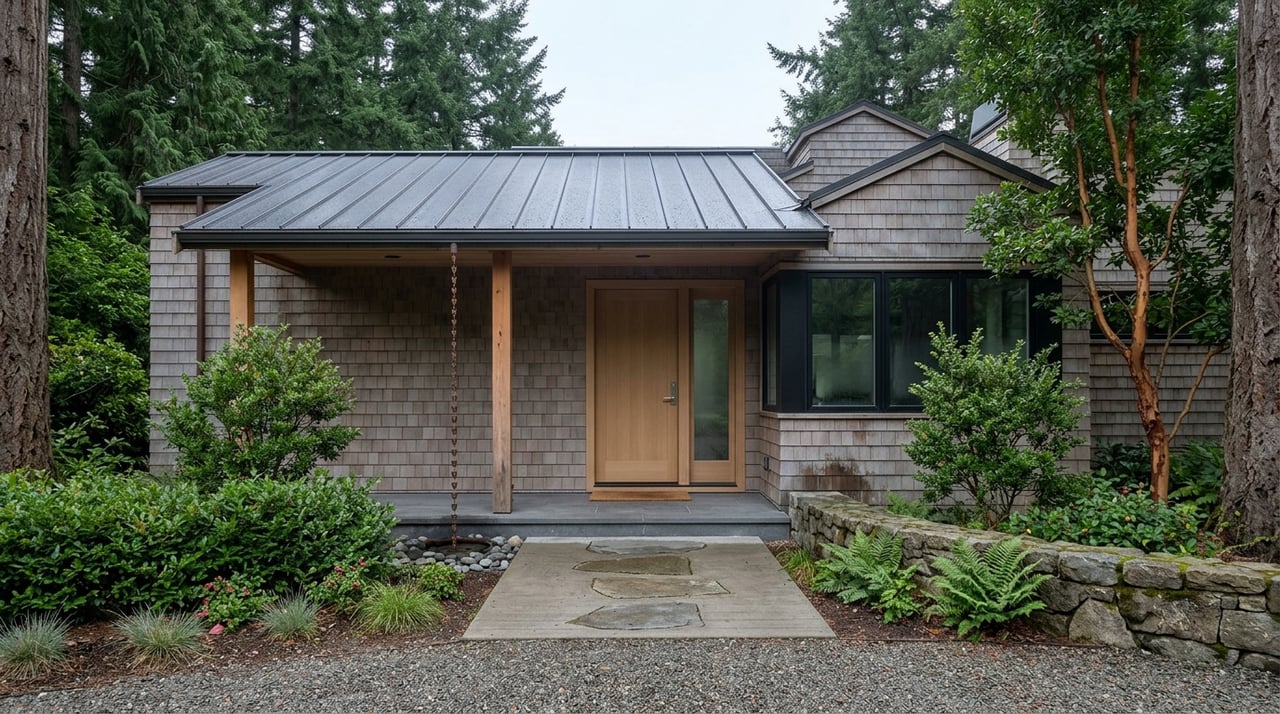
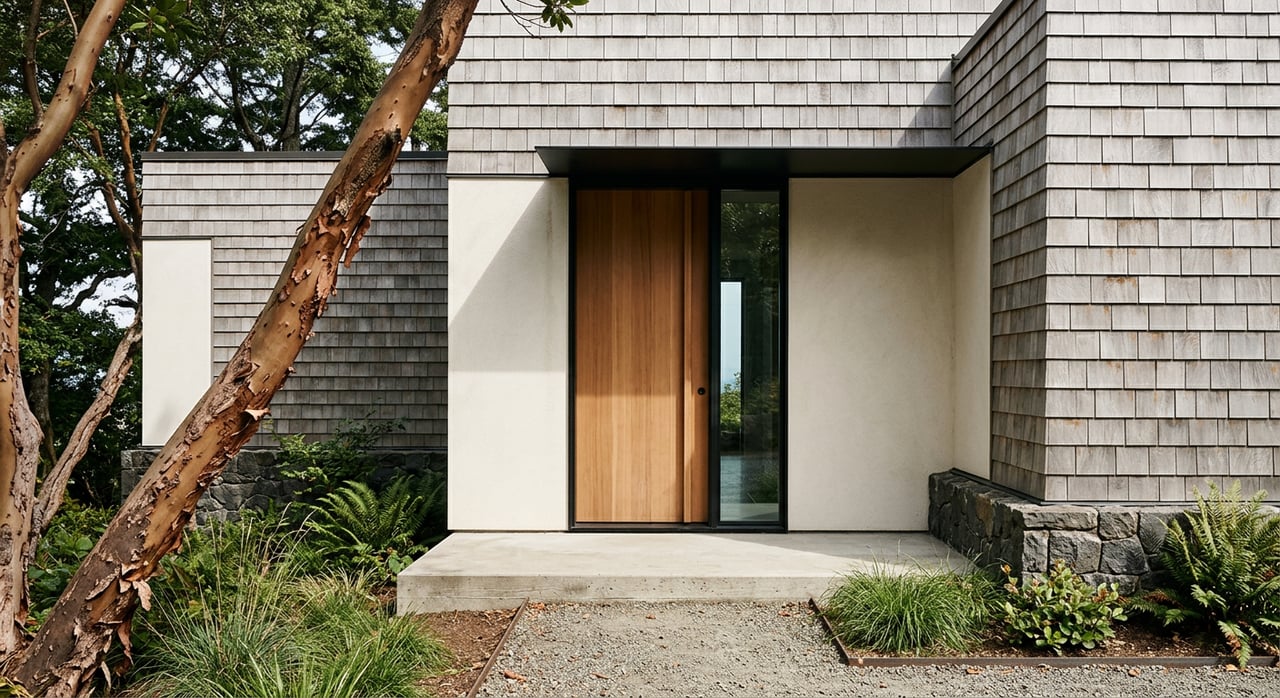
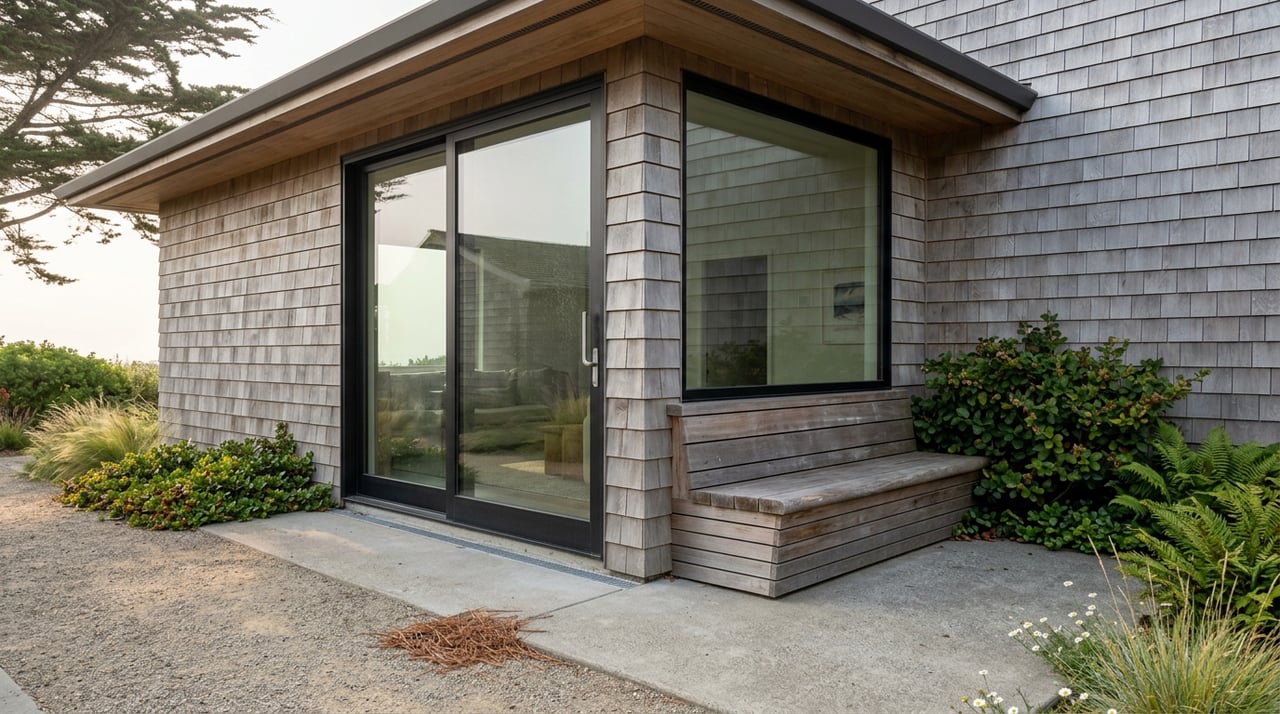
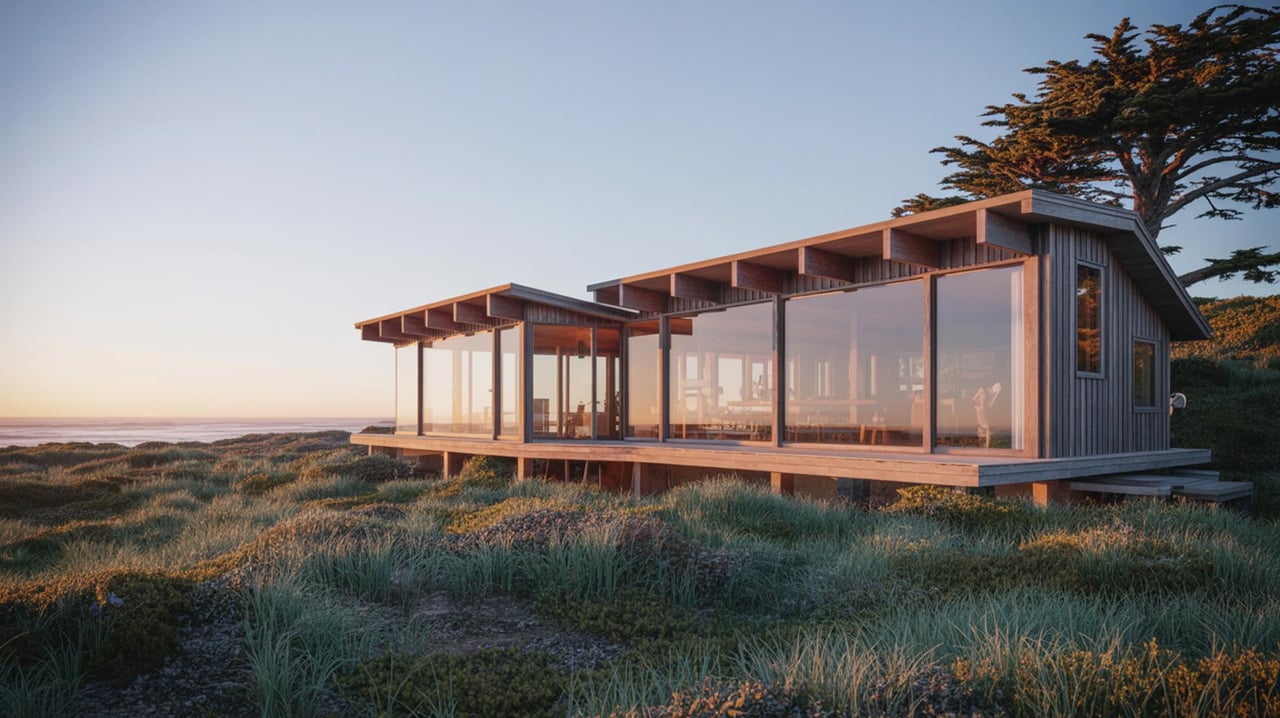
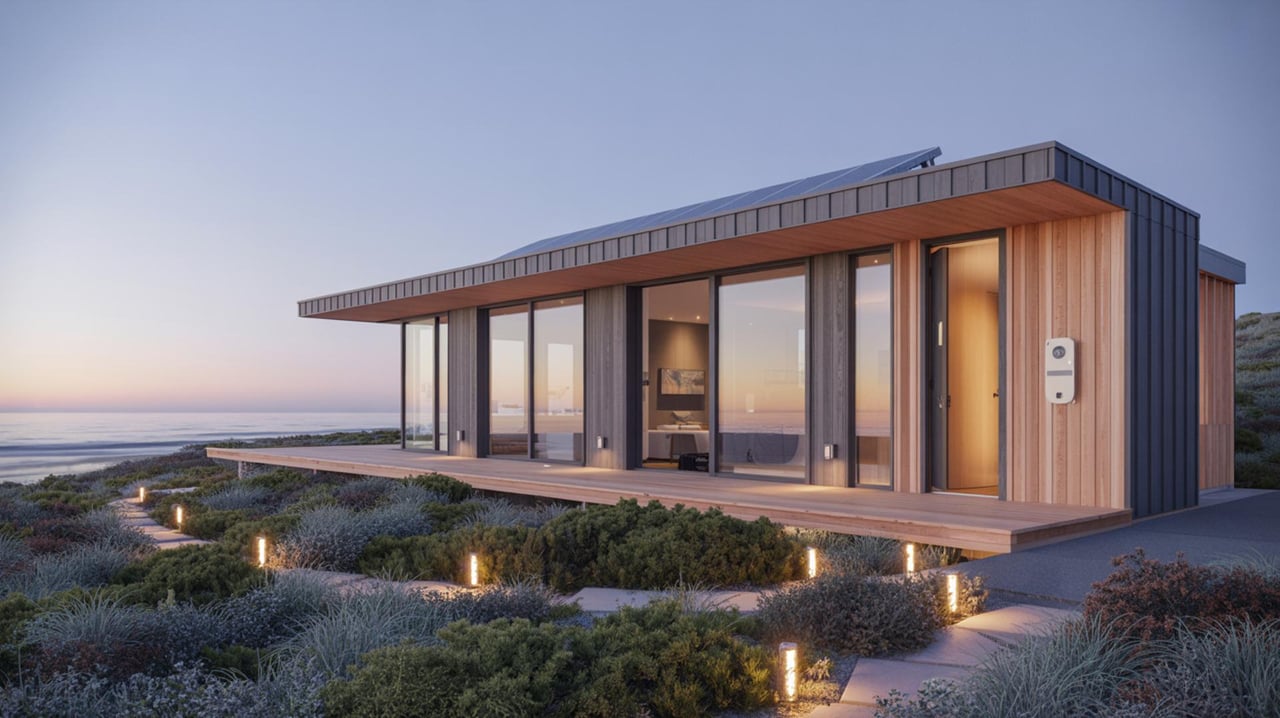
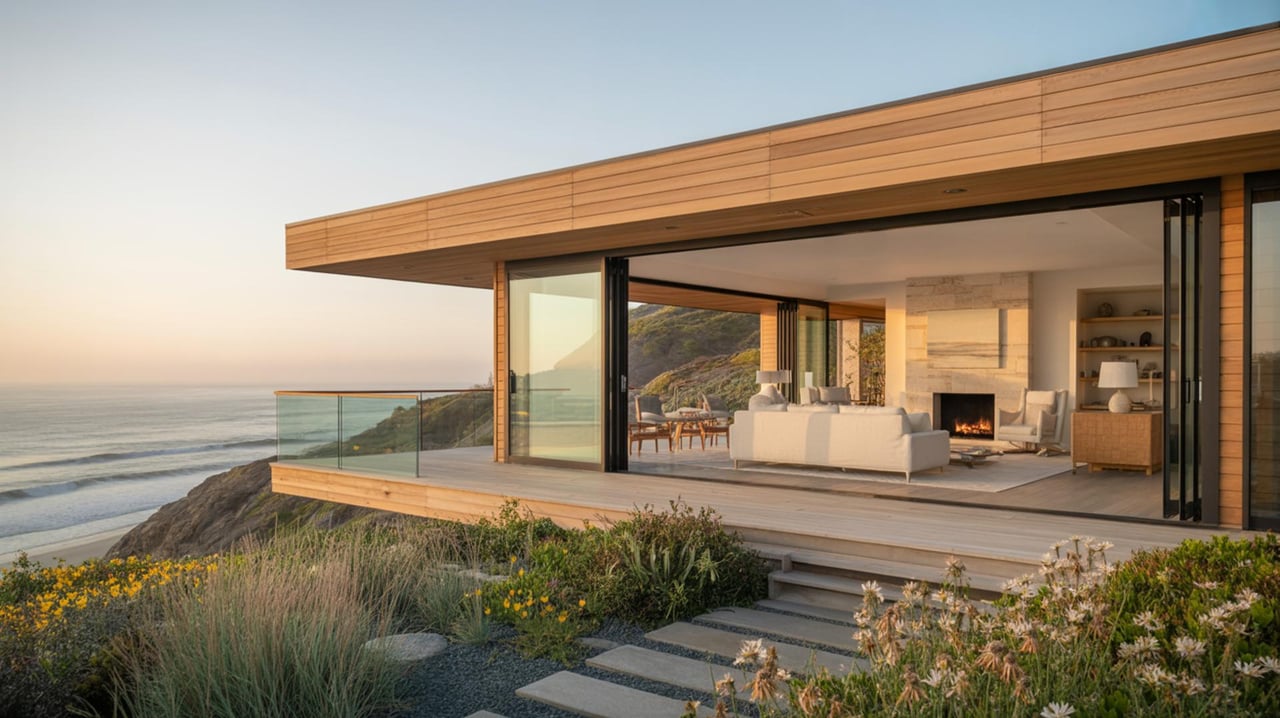
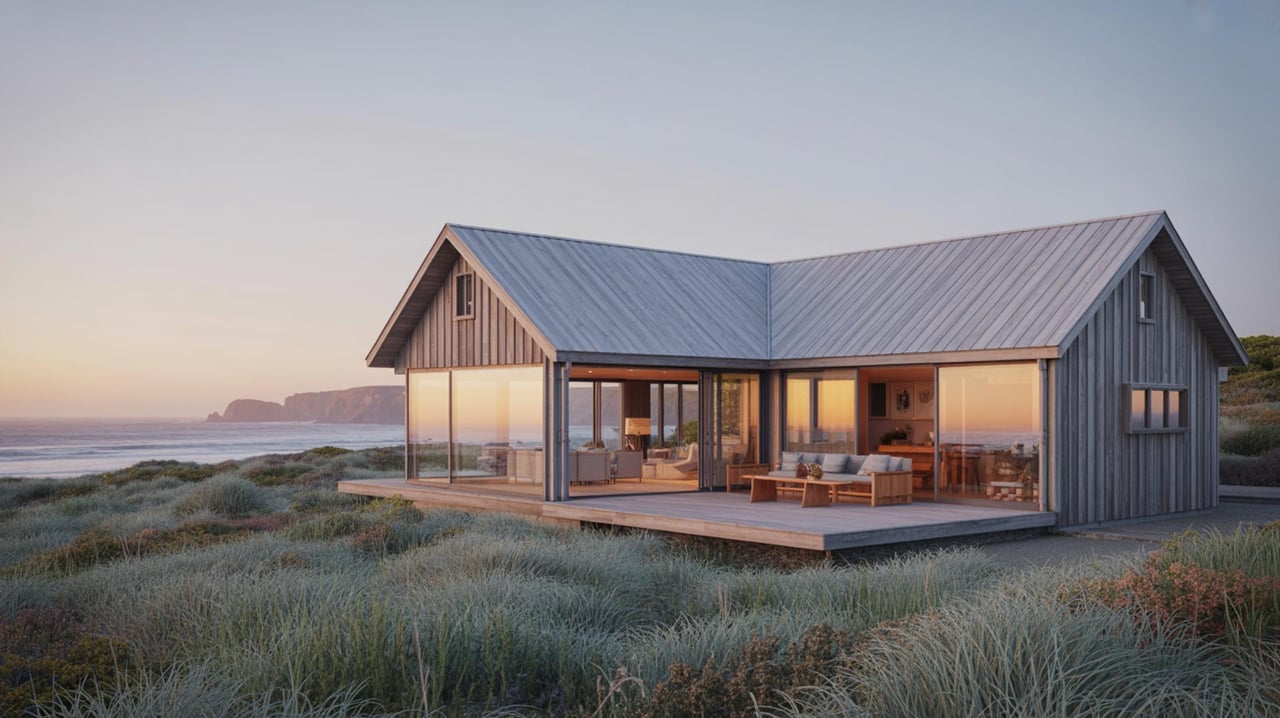
The simplest homes often age the best here. Clean rooflines, fewer exterior transitions, and details that shed water easily tend to create fewer maintenance headaches than heavily layered trim, complex deck connections, or hard-to-inspect exterior elements.
Why Simplicity Pays Off
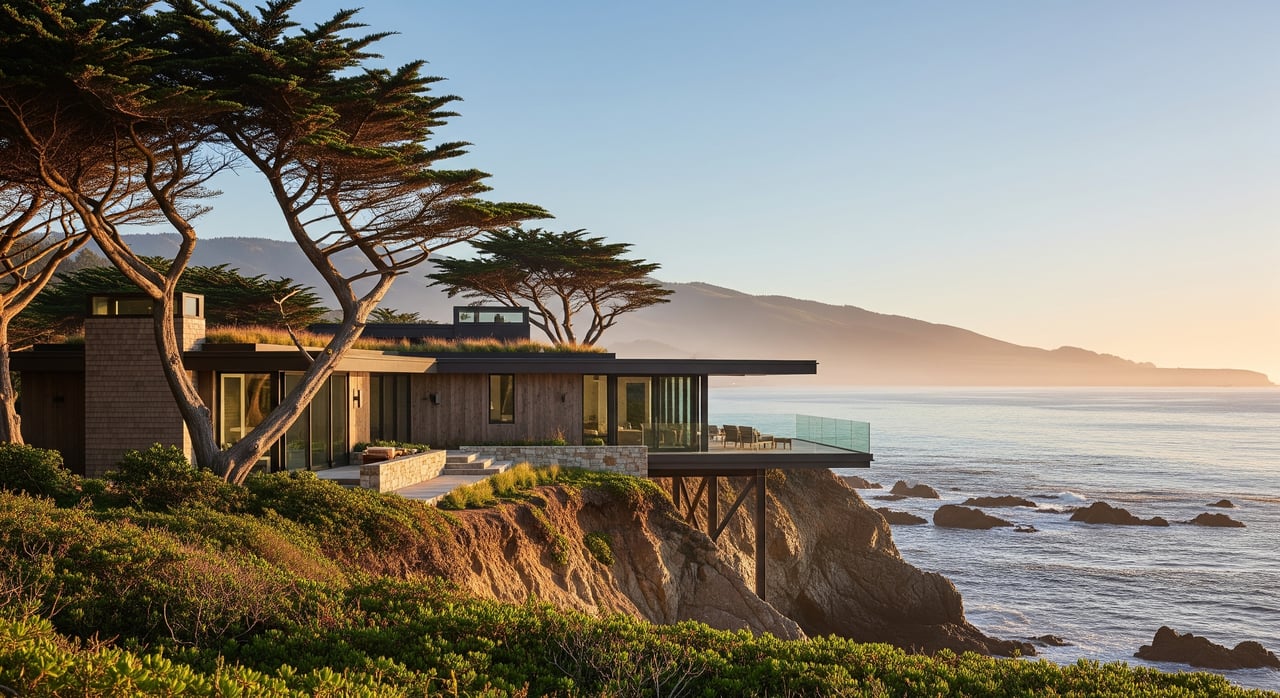
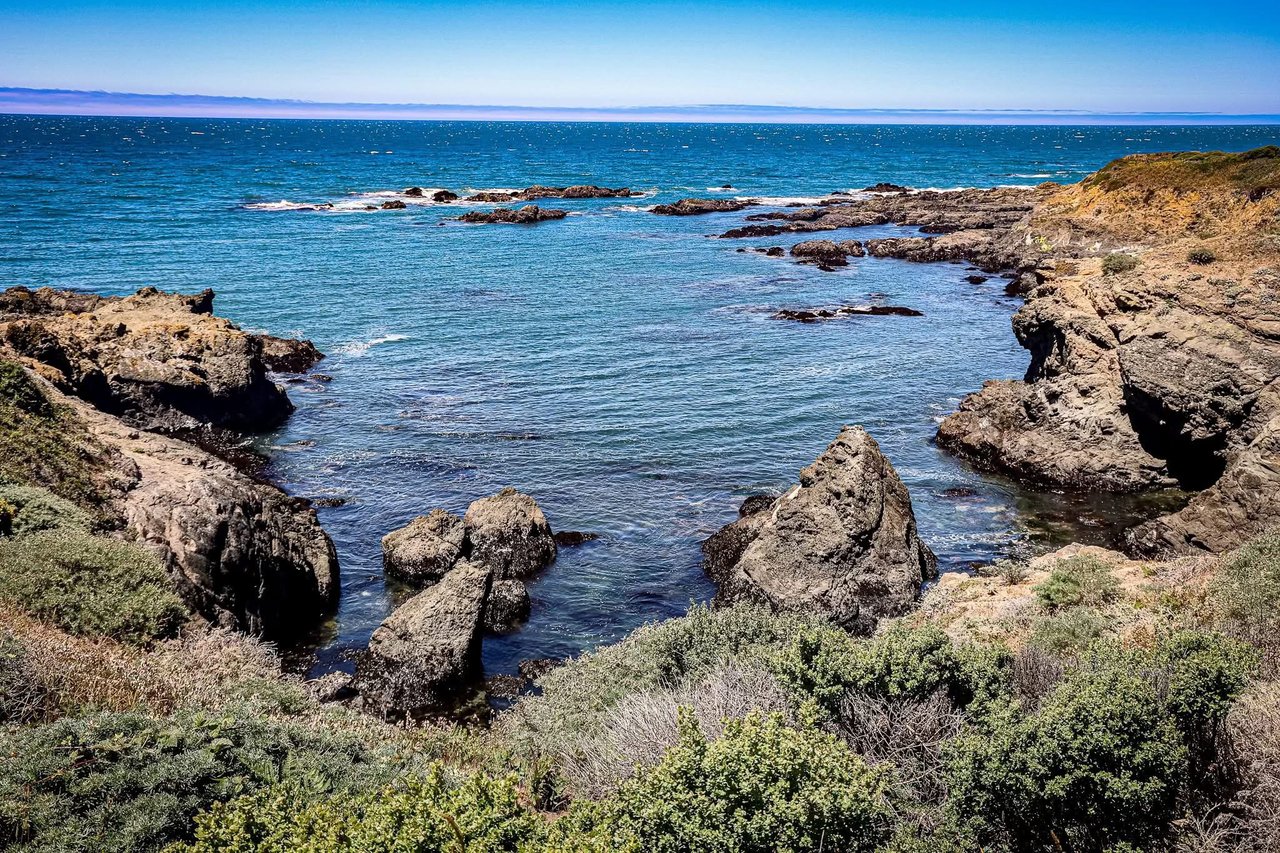
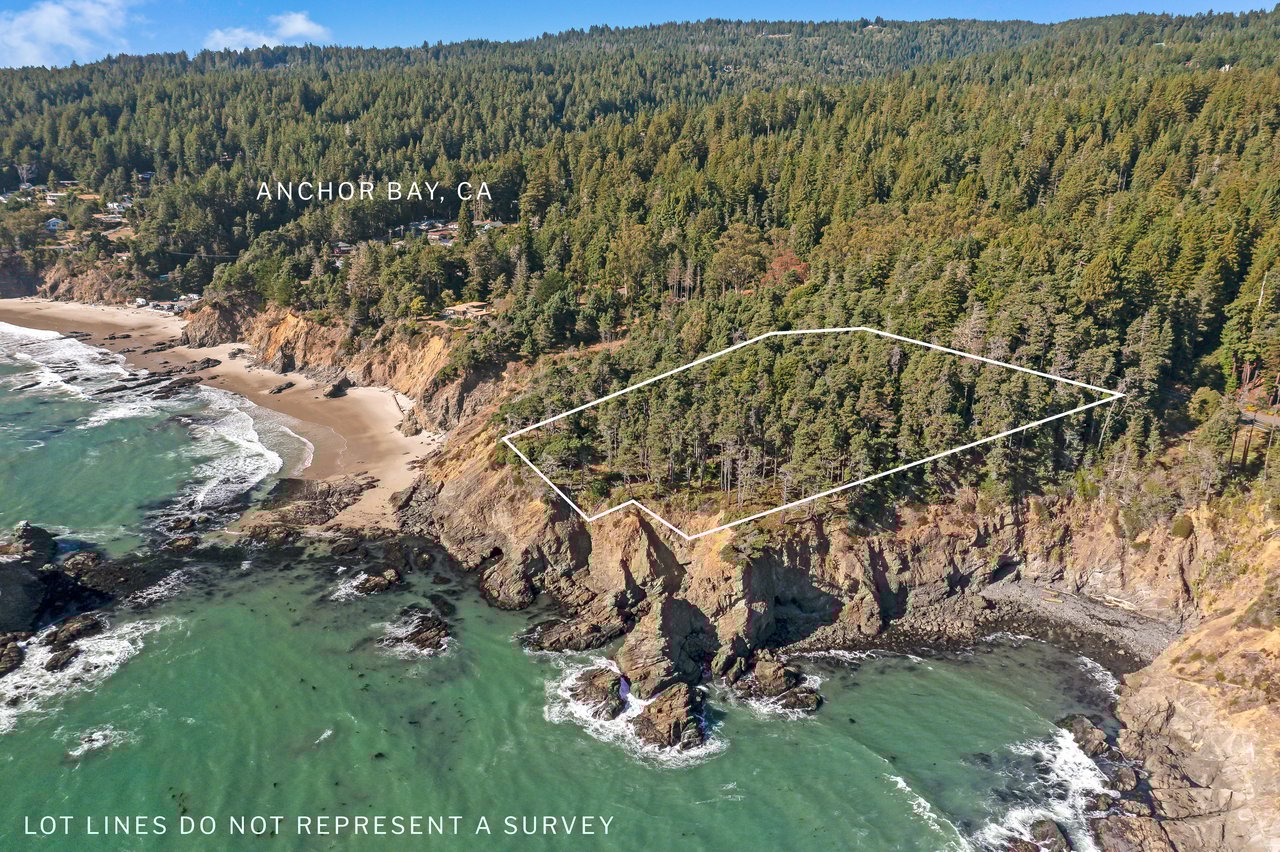
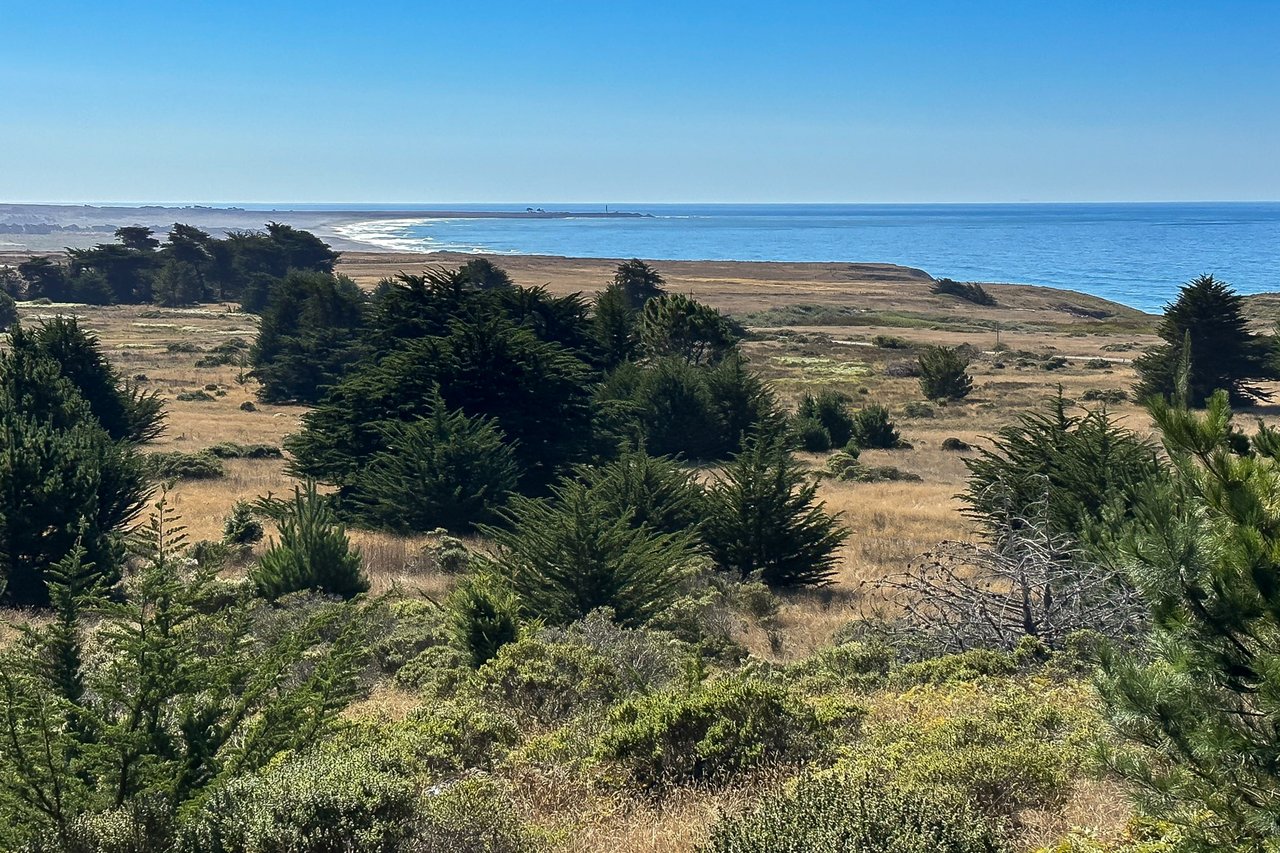
A compact, durable home is often the better long-term fit for Timber Cove’s rugged coastal terrain. Sonoma County coastal planning documents describe a landscape of bluffs, cliffs, steep stream channels, forested terraces, pocket beaches, and sea stacks, while the Timber Cove Fire Protection District serves a forested coastal district along Highway 1.
In practical terms, simple forms are easier to inspect, easier to weatherproof, and easier to maintain from afar. If you are designing a second home, that can make a real difference in both cost and peace of mind.
Choose Coastal-Ready Materials
In Timber Cove, good-looking materials are not enough. They also need to stand up to salt air, humidity, and wind-driven moisture.
FEMA’s coastal construction guidance explains that coastal homes need strong corrosion and decay resistance because salt spray, humidity, and onshore winds can speed up damage to connectors and fasteners. FEMA recommends corrosion-resistant metals and notes that stainless steel is often appropriate within 3,000 feet of the coast for many exposed fasteners and connectors.
That guidance supports a straightforward strategy for Timber Cove: specify coastal-rated hardware, use wood products suited to damp conditions when wood is part of the design, and avoid assembly details that trap water behind cladding, decks, or trim. A simpler exterior package is often easier to inspect and more likely to hold up well over time.
Focus Areas for Durability
When planning a low-maintenance retreat, pay close attention to these areas:
- Roofing and flashing designed for coastal exposure
- Fasteners and connectors selected for corrosion resistance
- Cladding details that let moisture escape instead of trapping it
- Deck and trim connections that stay visible and serviceable
- Exterior materials that can tolerate cool, damp marine conditions
None of that needs to make the home feel utilitarian. In fact, a restrained coastal design often feels more timeless and more appropriate to Timber Cove’s setting.
Make Systems Easy to Access
For a second home, hidden complexity can become a problem quickly. Systems that are hard to inspect or hard to service are usually not your friend when the property is occupied part-time.
FEMA also notes that rooftop equipment failures are often linked to poor anchorage, corrosion, or both, and recommends corrosion-resistant attachments and service access for equipment that needs periodic inspection. In a place like Timber Cove, that supports a practical design mindset: major systems should be reachable, monitorable, and replaceable without opening up large sections of the home.
That approach can be especially useful when your property may sit empty between visits. If something goes wrong, easier access can help local service providers solve the issue faster.
Keep Landscaping Intentional
A low-maintenance retreat should not have a high-maintenance landscape. In Timber Cove, the best landscape plans are usually restrained, site-sensitive, and realistic about ongoing care.
Sonoma County’s Local Coastal Plan notes that ridgelines are visually sensitive, coastal hillsides can be prominent, and planting choices west of Highway 1 can affect coastline views. The same planning framework points back to Timber Cove’s subdivision guidelines, so landscape design is not just a style choice. It is part of how the property fits its surroundings.
The easiest landscape to live with is usually one with a limited palette and a clear maintenance plan. Large lawns and fussy ornamental planting often ask for more irrigation, more trimming, and more replacement than part-time owners want.
Use Native and Resilient Planting Wisely
The UC Master Gardeners of Sonoma County encourage California native and resilient planting, but they also point out an important truth: even many coastal natives need supplemental irrigation during the dry season, and no plant is truly fire-proof without maintenance.
That means low-maintenance does not mean no-maintenance. A smarter goal is a drought-tolerant, native-leaning planting plan grouped by water needs, with regular pruning and cleanup built into the upkeep routine.
A practical landscape often includes:
- A smaller plant palette
- Plants grouped by similar water needs
- Minimal lawn area or none at all
- Clear access for trimming and cleanup
- Ongoing seasonal maintenance rather than reactive overgrowth control
Plan for Wildfire Upkeep
In Timber Cove, wildfire planning is part of property planning. It is not separate from design.
Sonoma County wildfire guidance calls for 100 feet of defensible space, and the county’s fire-safety rules describe site-specific wildfire-risk assessment as part of fire-protection planning. The Timber Cove Fire Protection District is not the permitting authority for everything, but local fire resources and county fire review are an important part of the ongoing maintenance picture in this forested coastal area.
For you, that means a low-maintenance retreat should also be a manageable retreat. If the site is overplanted, hard to access, or dependent on constant brush clearing, maintenance demands can grow fast.
Design Choices That Help
A more manageable site plan often includes:
- Defined defensible-space zones
- Plantings that can be pruned and maintained easily
- Fewer dense, overgrown landscape areas near the home
- Clear access for vegetation management
- Exterior materials and details chosen with long-term exposure in mind
The goal is not to strip the site of character. It is to create a property that remains beautiful while staying easier to care for year after year.
Build for Remote Ownership
Many Timber Cove buyers use their home as a second residence, which makes remote management a core design issue. If you are not living at the property full-time, it helps to plan as an absentee owner from day one.
Because Timber Cove homes rely on district water and septic systems, small issues can become expensive if they go unnoticed. Permit Sonoma states that property owners are responsible for properly operating and maintaining septic systems, including systems with supplemental treatment that require OPR permits.
That is why remote monitoring tools can be so useful in this market. Based on Timber Cove’s service realities and remote coastal setting, a strong monitoring plan can help reduce the odds that a leak, outage, or equipment problem turns into a larger repair.
Smart Monitoring Features to Consider
Useful tools may include:
- Leak sensors
- Automatic water shutoff valves
- HVAC alerts
- Freezer or refrigerator alerts
- Security cameras
- Power outage notifications
These features do not replace regular site visits or local help, but they can make ownership much easier when you live elsewhere most of the year.
Keep Your Vendor List Short and Strong
A low-maintenance home still needs local support. In Timber Cove, it is usually better to have a small, trusted vendor network than a long list of names you barely know.
For many owners, the most useful team includes a coastal-experienced architect or designer, a roofer or exterior contractor familiar with corrosion issues, an electrician or HVAC provider used to marine conditions, a septic service company, an arborist or vegetation-management contractor, and a caretaker or property manager.
That kind of support matters even more because Permit Sonoma’s residential development review process includes fire-prevention review for projects in this area. In other words, permitting and maintenance are closely connected in Timber Cove. The right local guidance can save time before construction and after move-in.
Understand Permitting Early
One of the smartest low-maintenance decisions you can make is to understand the permit path before finalizing a design. In Timber Cove, substantial remodels and new construction should be reviewed against Sonoma County’s certified Local Coastal Plan.
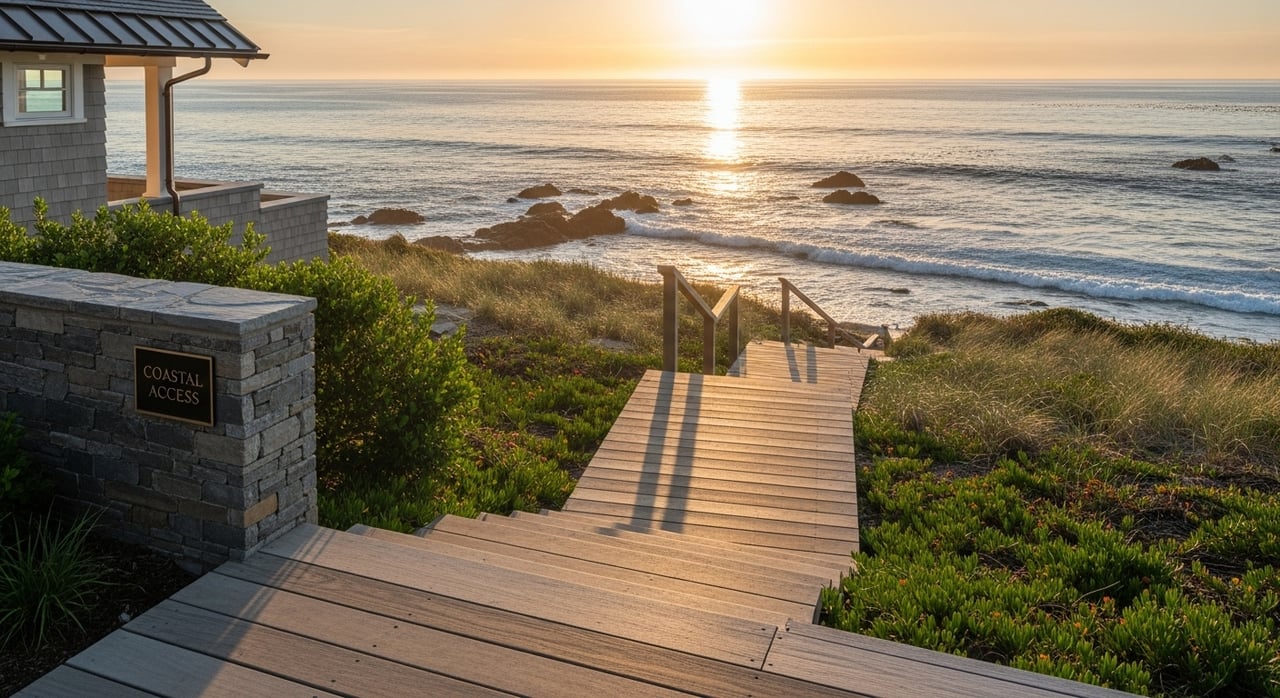
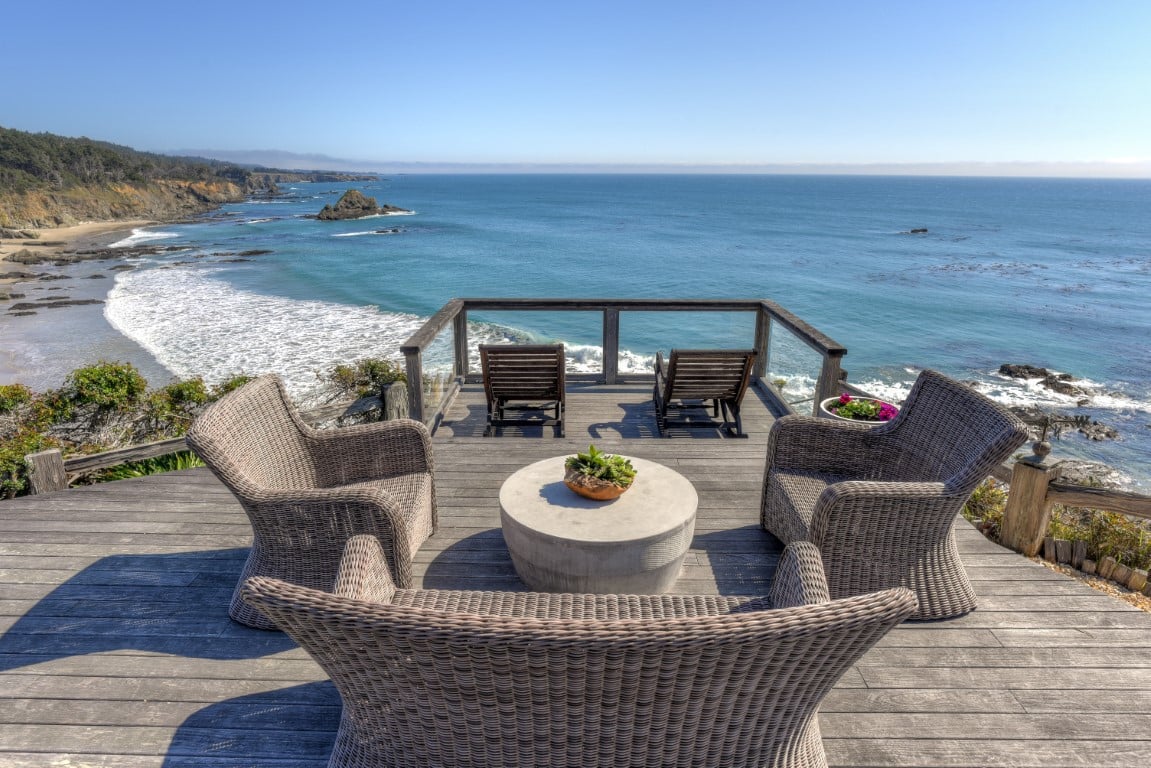
Permit Sonoma explains that work in the coastal zone may require a coastal development permit, and appeal-jurisdiction areas include locations west of Highway 1 and areas within 300 feet of a bluff or sandy beach. For homes closer to the shore, early planning is essential.
That does not mean your project has to be complicated. It means your design should be informed by real site constraints, visual considerations, and coastal review requirements from the beginning.
The Best Timber Cove Retreats Favor Restraint
In Timber Cove, a truly low-maintenance retreat is usually not the biggest house or the most elaborate one. It is the home that respects the marine climate, works with the site, simplifies exterior details, keeps landscaping manageable, and supports remote ownership.
That kind of restraint often leads to a better coastal home anyway. It feels calmer, performs better, and asks less of you over time.
If you are thinking about buying, building, or remodeling in Timber Cove, local knowledge can make the process much smoother. Kennedy & Associates Real Estate brings decades of experience along this stretch of coast and can help you evaluate properties, site conditions, and the practical realities that shape long-term ownership.
FAQs
What makes a home in Timber Cove low maintenance?
- A low-maintenance home in Timber Cove is typically compact, durable, easy to inspect, built with coastal-ready materials, and paired with a manageable landscape and remote-monitoring systems.
Why does Timber Cove’s climate affect home design?
- Timber Cove’s cool marine climate, fog, and coastal moisture can increase wear on materials, so corrosion resistance, moisture management, and simple exterior details are especially important.
Do Timber Cove homes need septic planning?
- Yes. Sonoma County planning materials state that homes in Timber Cove rely on septic systems, and property owners are responsible for proper operation and maintenance.
Should a Timber Cove second home include remote monitoring?
- Yes. Leak sensors, shutoff valves, camera systems, and equipment alerts can help you catch small issues before they become major repairs between visits.
Are there permit considerations for Timber Cove remodels or new builds?
- Yes. Depending on the site, work may need coastal review, and projects west of Highway 1 or near bluffs or sandy beaches may face additional coastal permitting considerations.
How can you get local guidance for buying in Timber Cove?
- You can connect with Kennedy & Associates Real Estate for knowledgeable, place-based guidance on Timber Cove properties and the practical details that come with coastal ownership.