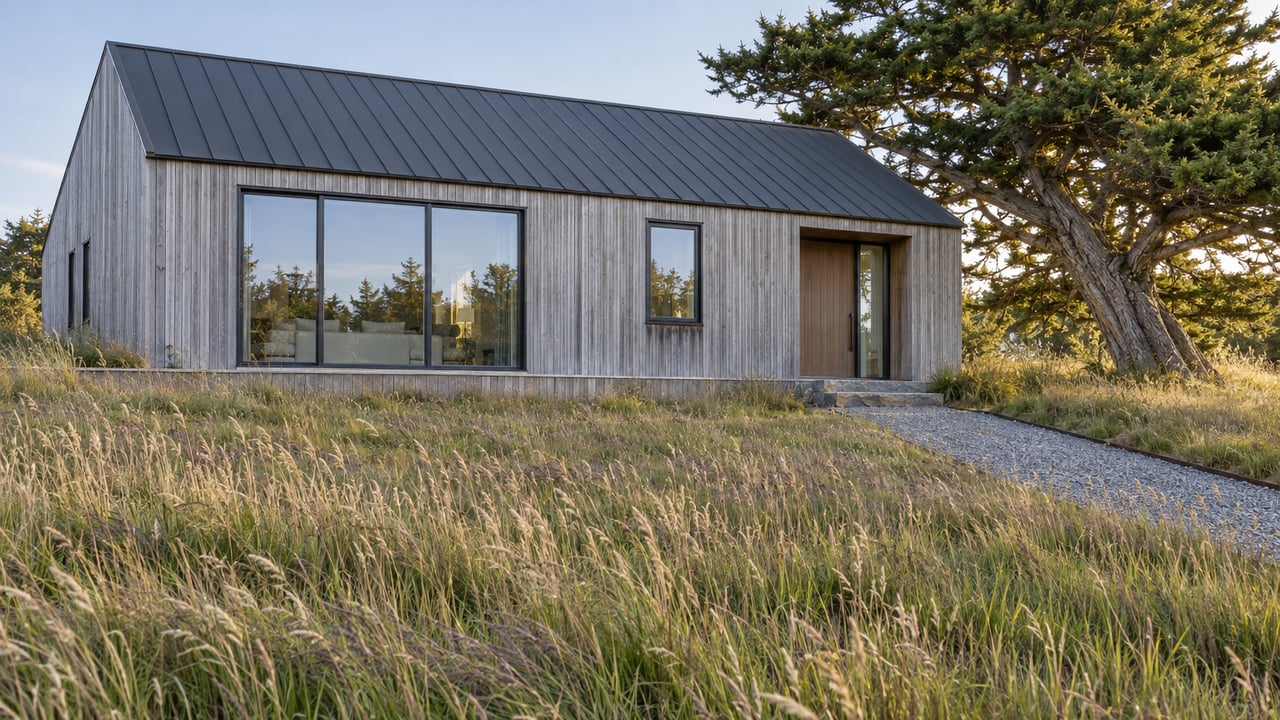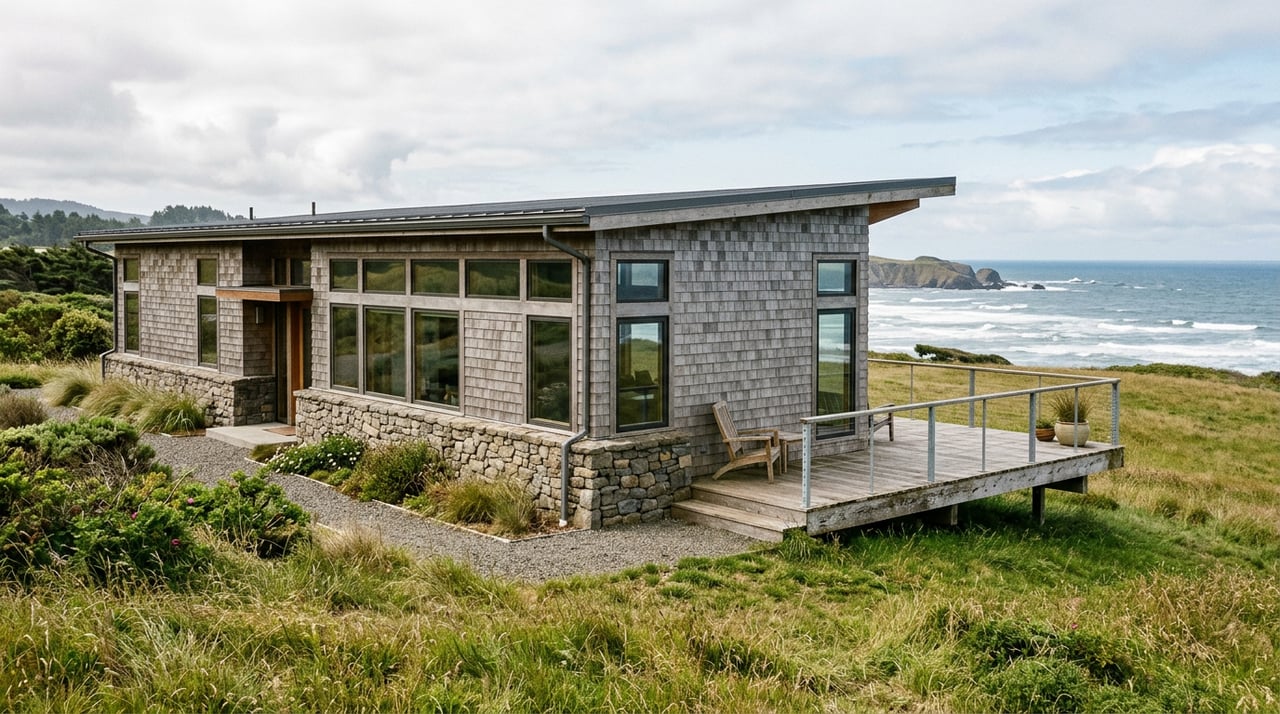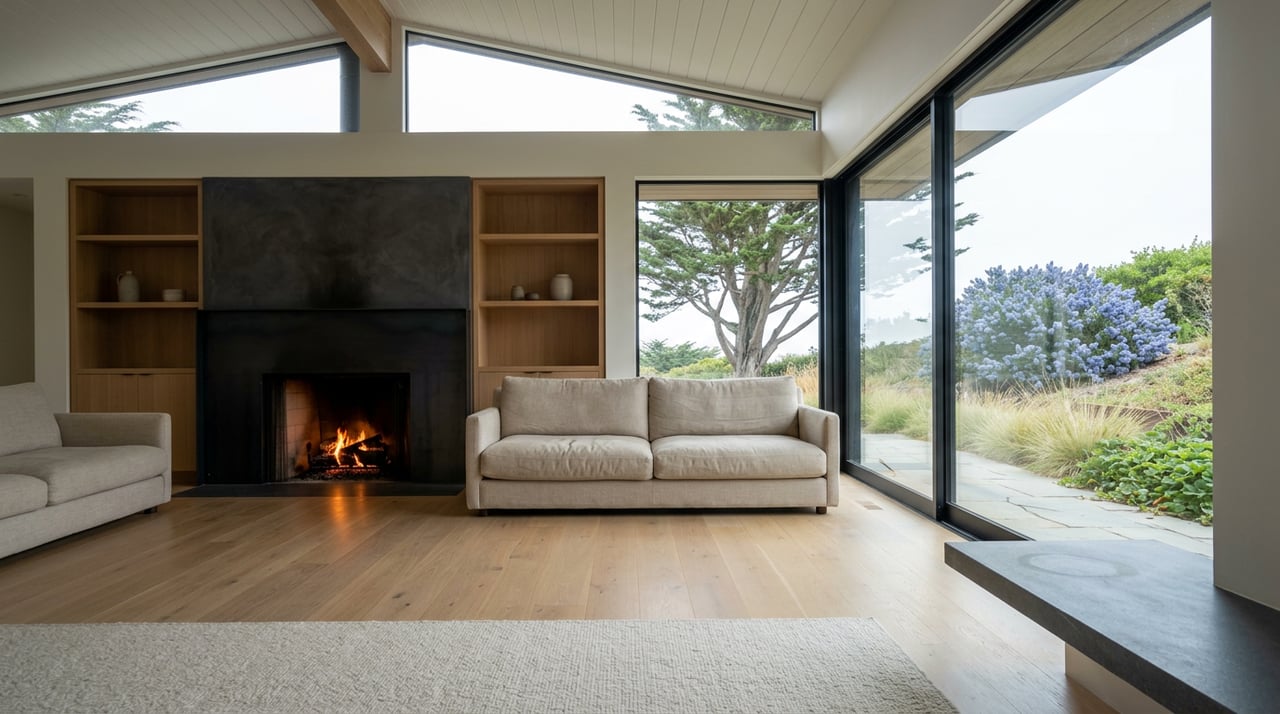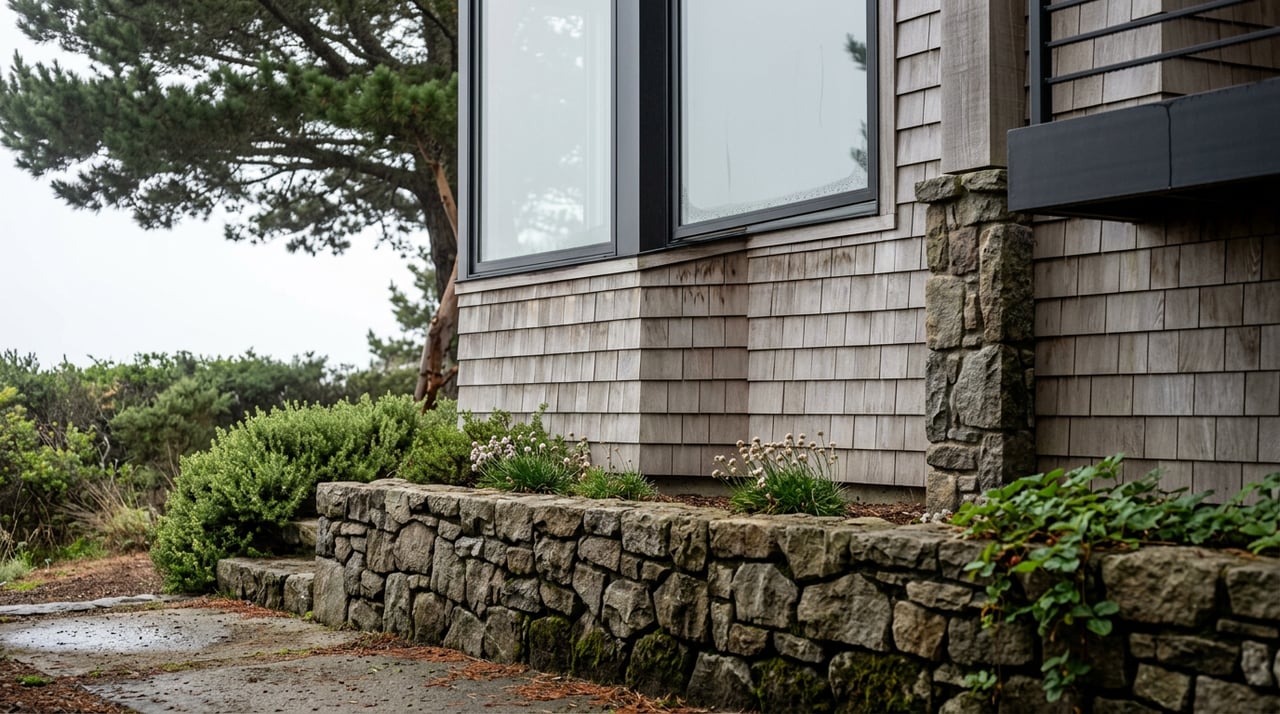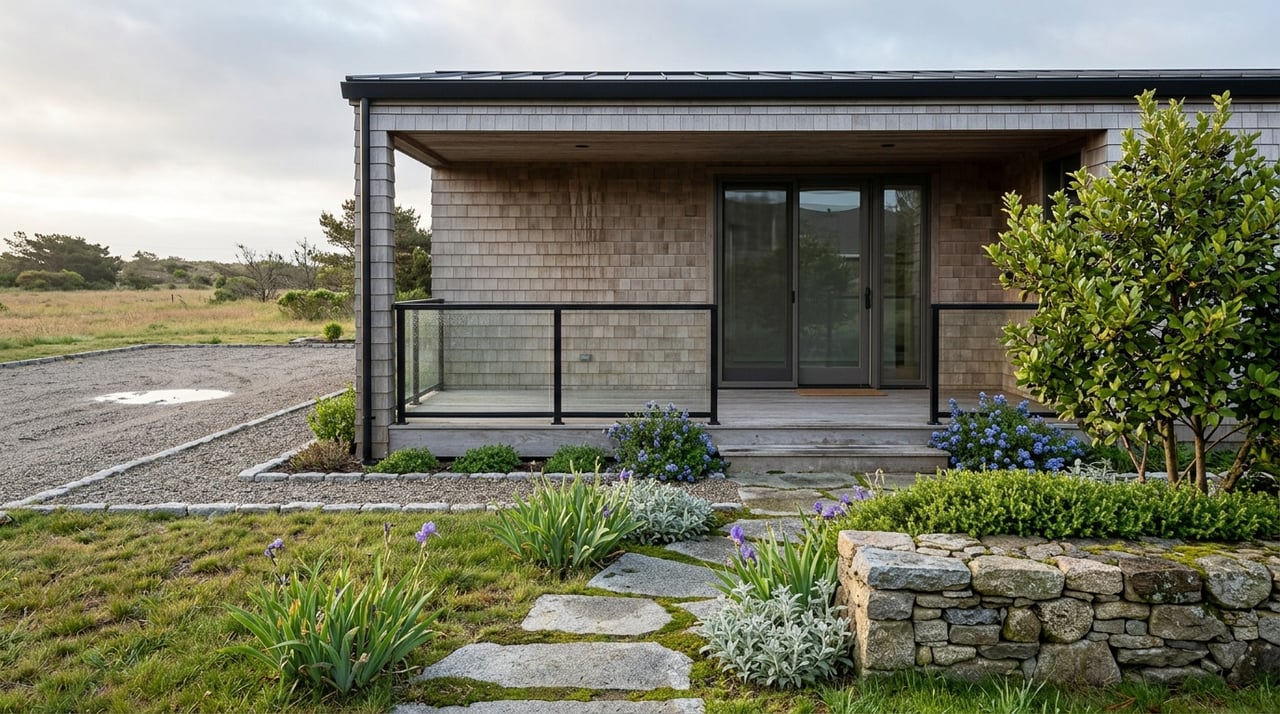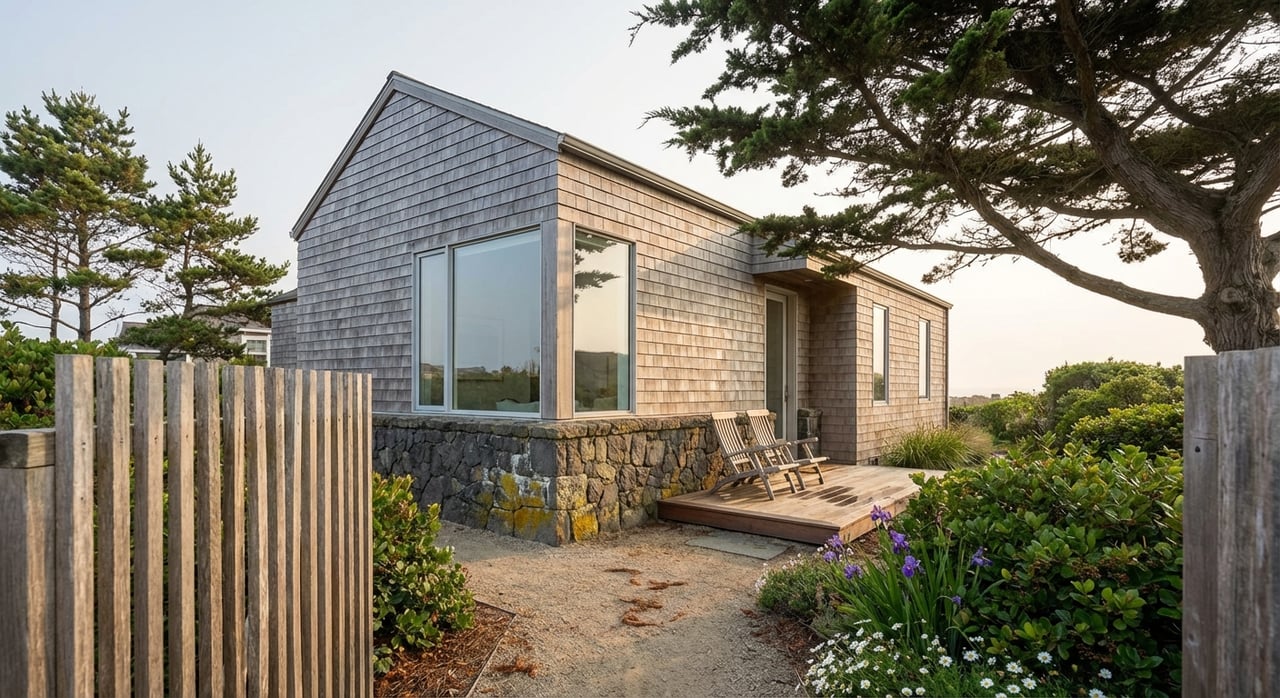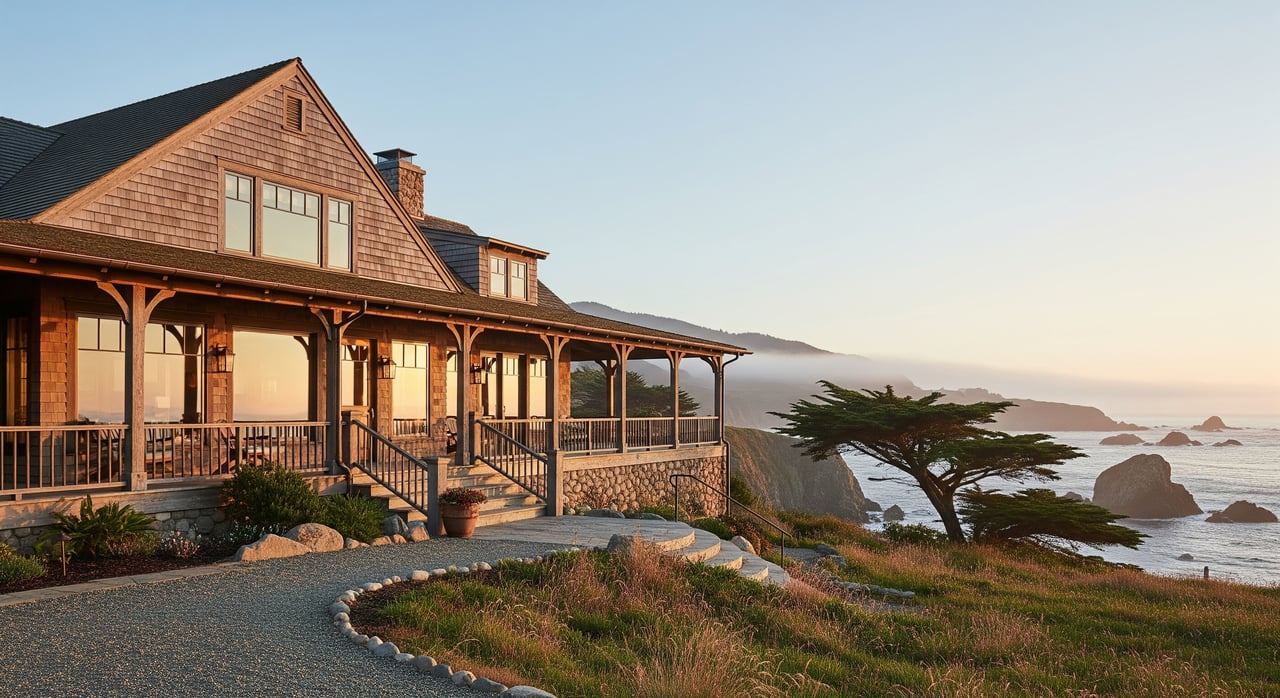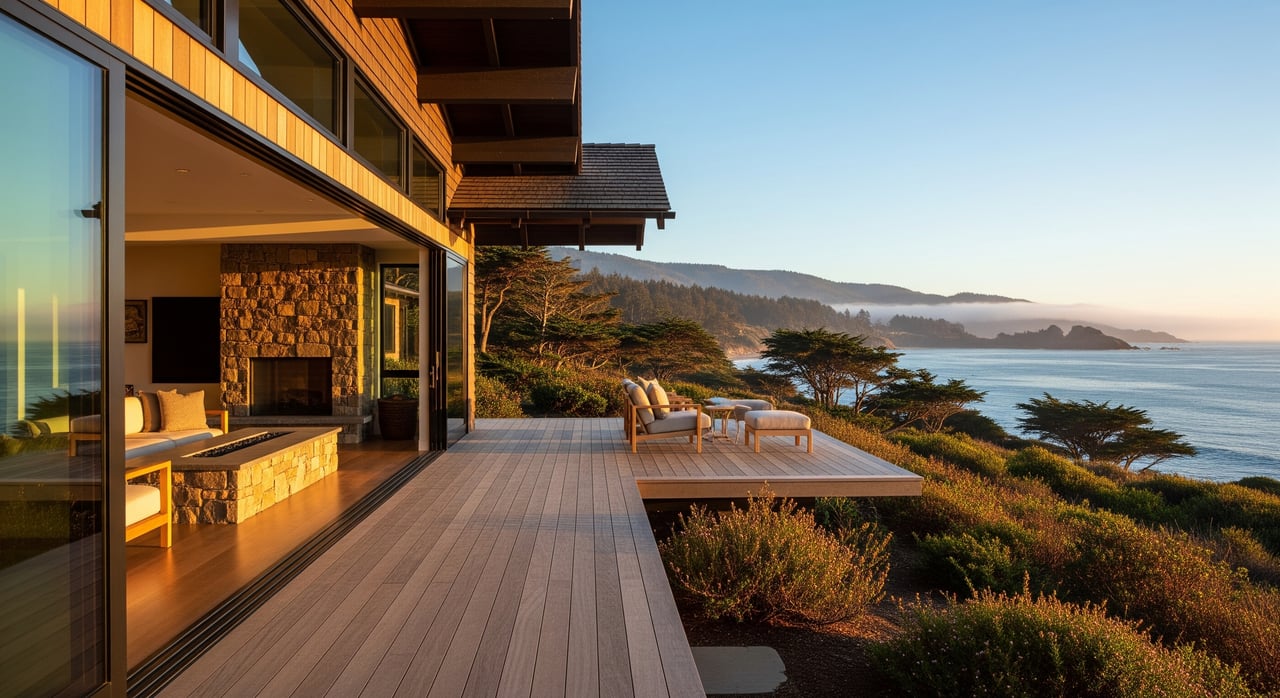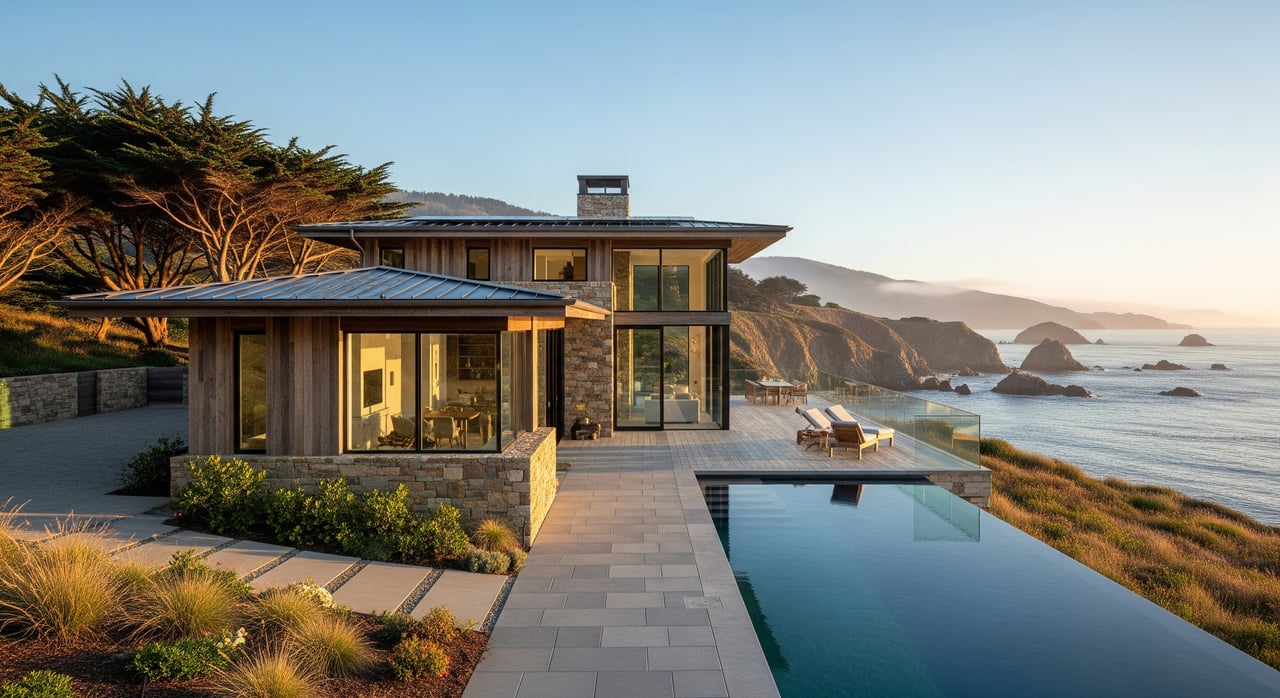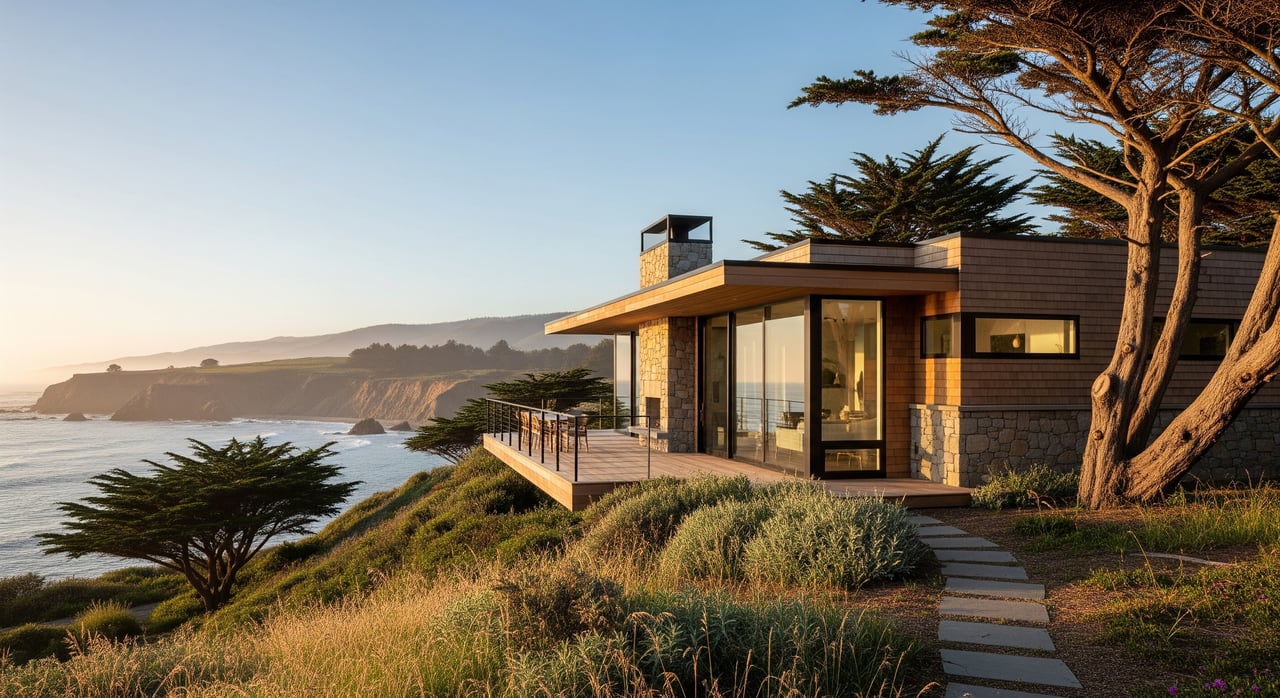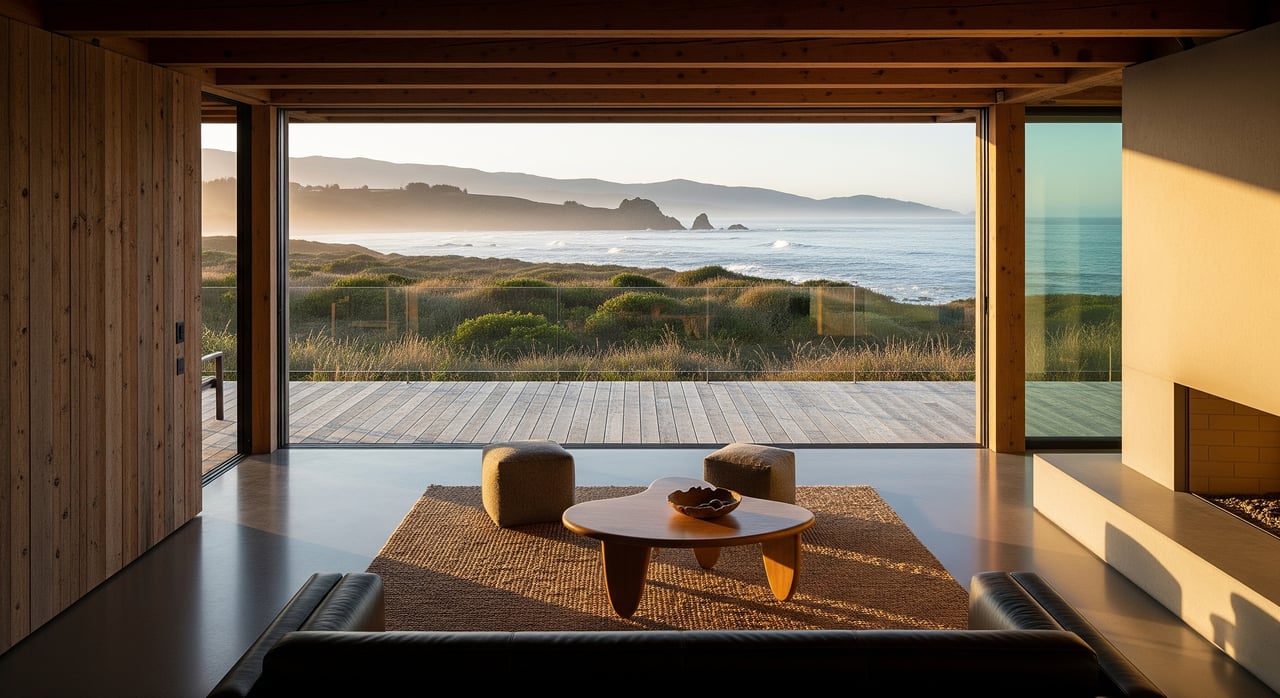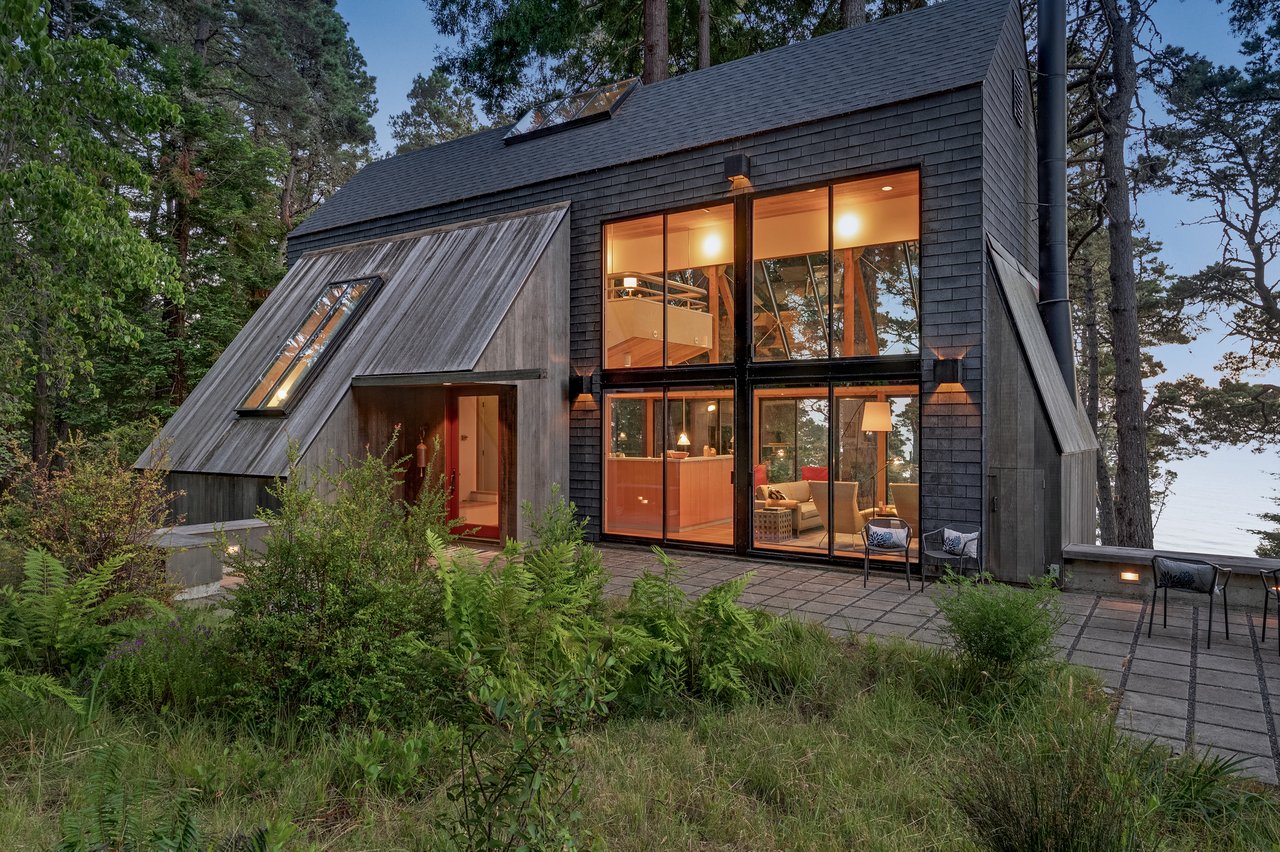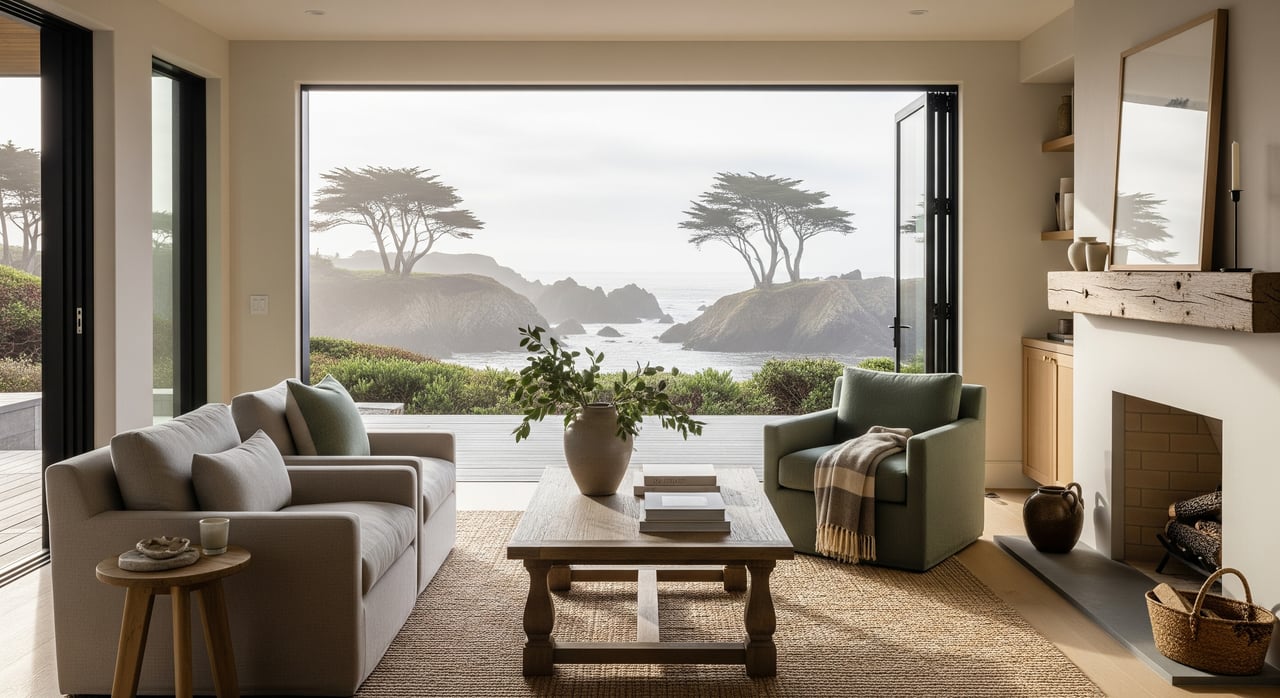
Thinking about a home perched above the Pacific in Point Arena? The views are unforgettable, but blufftop properties come with unique risks and responsibilities you cannot spot from the deck. You want to enjoy the coast without surprises, and that means doing your homework upfront. In this guide, you’ll learn the key hazards, permits, inspections, insurance issues, and timelines that shape a smart purchase on the Mendocino coast. Let’s dive in.
Why due diligence matters in Point Arena
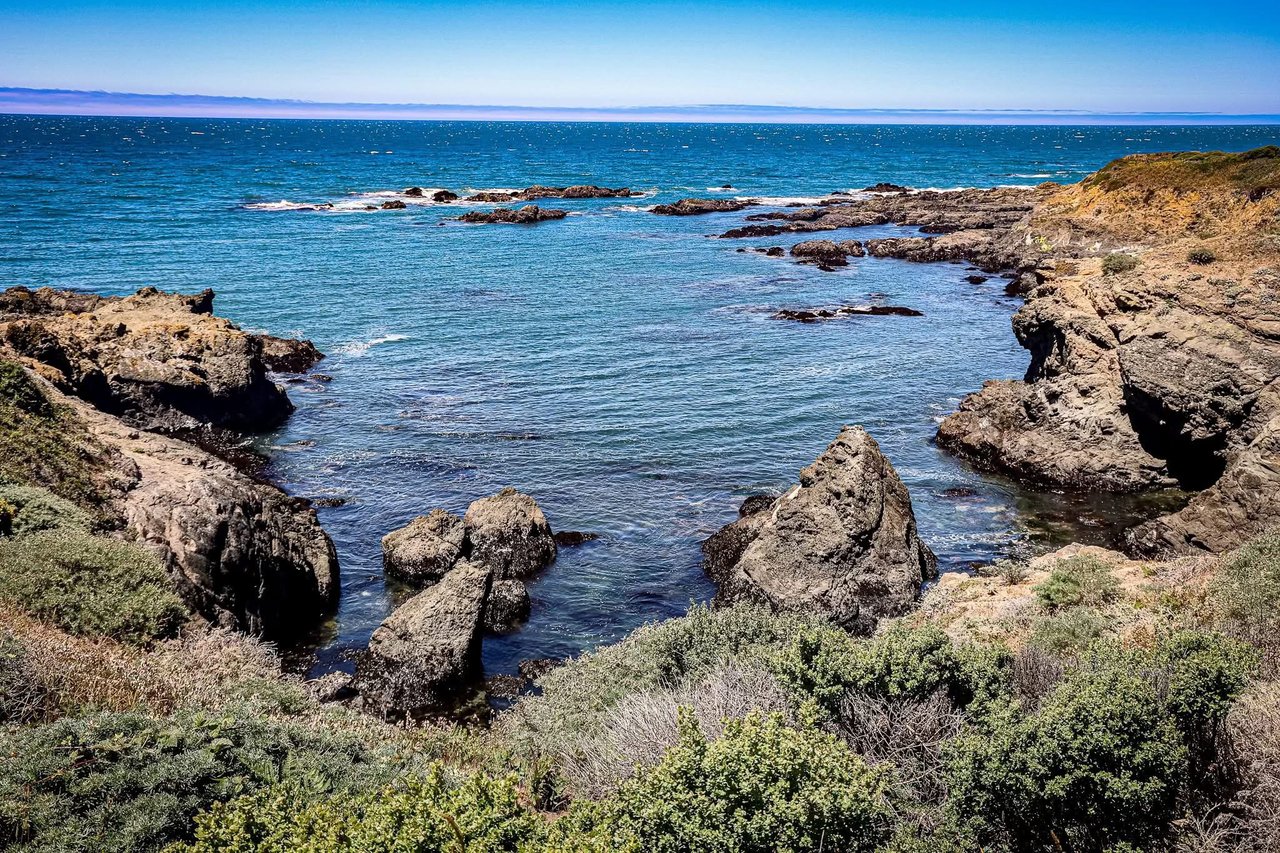
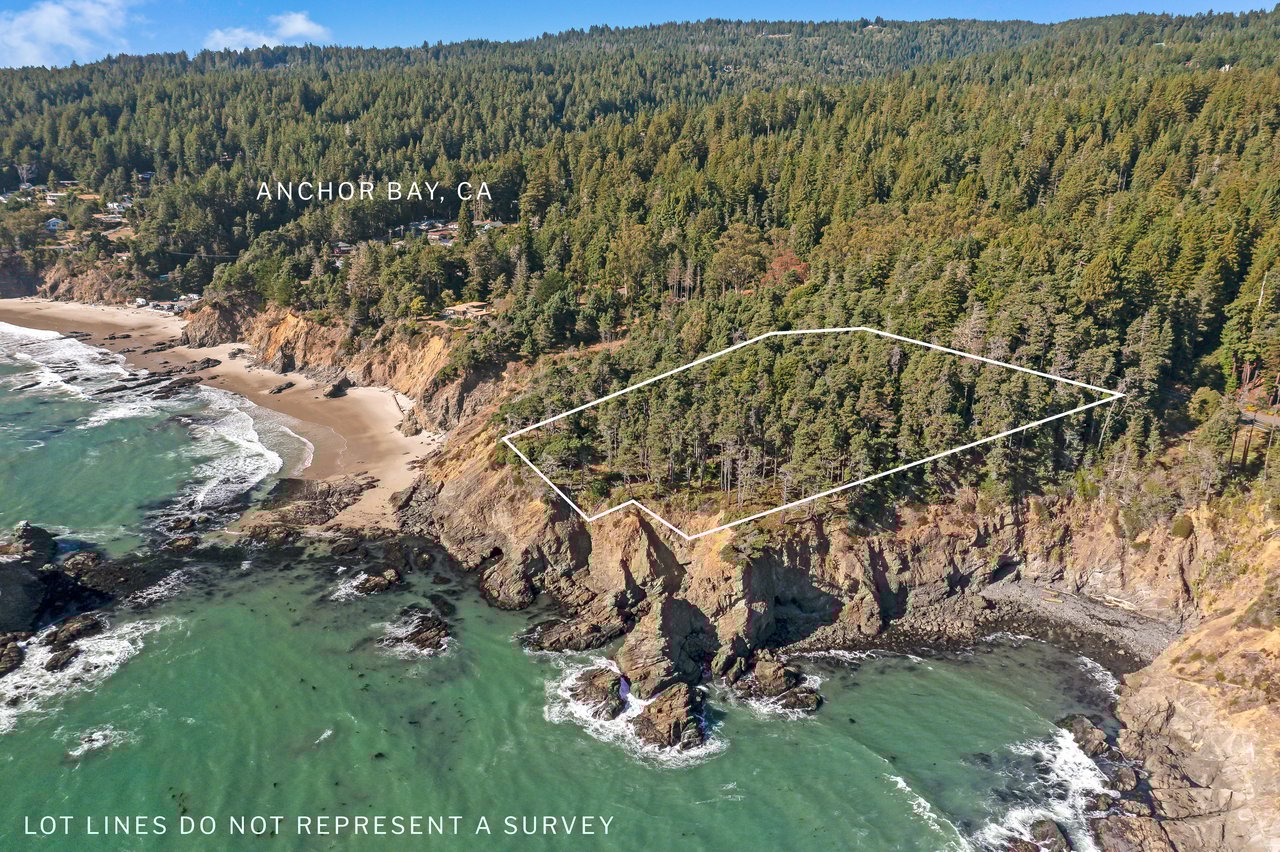
Point Arena sits on a high-energy stretch of the Mendocino coast where waves, winter storms, and changing groundwater can reshape bluffs over time. Erosion and slope movement may be gradual in some places and sudden in others. Two neighboring parcels can have very different risk profiles.
You should evaluate a property on multiple time horizons. In the near term, focus on present stability and drainage. Over 10 to 30 years, consider insurance, lender requirements, and resale. Over 30 to 100 years, plan for shoreline retreat and sea level rise. A site-specific investigation is essential.
Understand coastal hazards
Bluff erosion and retreat
Bluffs can retreat a little each year or experience episodic collapses after intense storms. Rates vary with geology, wave exposure, and groundwater. Historic aerial photos and shoreline-change studies help quantify how the bluff has moved and where it may be headed.
Landslides and drainage issues
Slumps and rotational failures are common on coastal bluffs. Poor surface or subsurface drainage and perched groundwater can increase instability. Concentrated runoff from upslope parcels can also affect your slope.
Seismic and compounding risks
Earthquake shaking can trigger slope failures. Combined with coastal erosion, seismic activity adds another layer of risk that needs to be considered in design and long-term planning.
Permits, setbacks, and the Coastal Act
Point Arena blufftop properties are regulated by California’s Coastal Act and Mendocino County’s Local Coastal Program. Many improvements, and even major repairs, require a Coastal Development Permit. Expect requirements for geologic stability studies and public hearings in some cases.
Setbacks are often based on geologic stability and projected retreat over the expected life of a structure. Agencies generally prefer avoidance and managed retreat over hard coastal armoring like seawalls. Hard armoring is closely scrutinized and often not permitted unless strict site-specific criteria are met.
Public coastal access is strongly protected. Some properties include recorded public access easements or lateral access rights. A thorough title review is a must.
The essential reports and inspections
A blufftop purchase should be grounded in expert analysis, not assumptions. Key items include:
- Title and boundary survey. Order an up-to-date survey and title report to confirm boundaries, setbacks, easements, and any deed restrictions.
- Geotechnical and geological report. Engage a licensed professional to evaluate slope stability, erosion and retreat potential, groundwater, and appropriate setbacks. Request historical aerial-photo analysis and any prior reports.
- Structural inspection. If a home exists, inspect for foundation movement, cracking, and distress.
- Coastal engineer review. For wave-exposed sites, assess wave run-up, storm surge, and erosion under sea-level-rise scenarios.
- Environmental and biological surveys. Depending on location, you may need surveys for sensitive species and habitats.
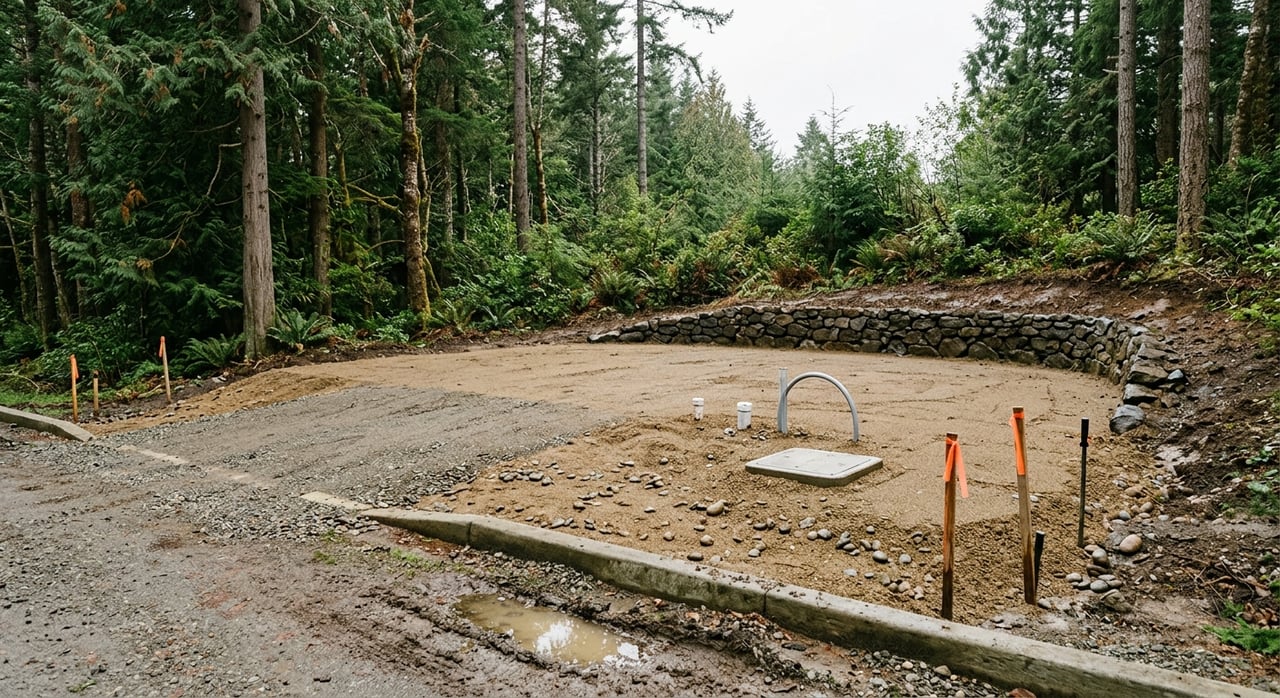
- Septic and water testing. Confirm septic feasibility and permit history, plus well yield or other water supply details. Bluff retreat can affect leach fields.
- Historic imagery and shoreline data. Compile aerials, available county or USGS datasets, and event records to document past changes.
Insurance, lending, and resale
Standard homeowners policies often exclude flood and earth movement like landslides. Flood insurance may be required if the structure lies in a Special Flood Hazard Area, but it typically does not cover erosion or gradual subsidence. Private endorsements for earth movement can be limited or expensive.
Lenders usually require proof of insurability and may ask for evidence of structural stability for blufftop homes. Some lenders avoid higher-risk sites entirely. For resale, expect a narrower buyer pool, added due-diligence costs, and required disclosure of known hazards and prior reports.
Access, utilities, and practical local checks
- Roads and access. Many rural coastal roads are private. Verify road ownership, maintenance obligations, and emergency access routes.
- Utilities and services. Confirm power, communications, and water reliability. Verify septic records and available repair area. Know that bluff retreat can impact utility lines and septic fields.
- Emergency response. Understand typical response times and evacuation options. Coastal hazards and storms can affect access.
- Adjacent land use. Upslope changes can alter drainage and stability. Ask about nearby agriculture, timber, or planned development.
Your step-by-step due diligence plan
- Preliminary desk review
- Request prior geotechnical reports, surveys, septic permits, building permits, and records of slope issues or repairs.
- Obtain a Natural Hazard Disclosure, FEMA Flood Map, and review Mendocino County parcel maps and Local Coastal Program policies for the parcel.
- Review historic aerial imagery or request shoreline-change information from county planning.
- Title and boundary
- Order a title report and updated ALTA or boundary survey. Confirm easements, access rights, and any deed restrictions.
- Retain specialists before removing contingencies
- Licensed geotechnical engineer or engineering geologist.
- Structural inspector for existing improvements.
- Coastal engineer for wave-exposed bluff edges.
- Biologist if sensitive species or habitats are possible.
- Septic and water specialist for percolation and well yield.
- Confirm permits and timelines
- Consult Mendocino County Planning and Building Services about Coastal Development Permit requirements and jurisdiction. Confirm whether the California Coastal Commission has review authority.
- Determine if your plans could trigger CEQA review or biological permitting.
- Check insurance and lending early
- Speak with insurance brokers familiar with coastal properties about exclusions and endorsements. Confirm lender willingness and documentation requirements.
- Negotiate contract protections
- Include contingencies for geotechnical findings, permit feasibility, insurance, and title or survey issues. Require full disclosure of any known bluff failures.
- Plan for monitoring and adaptation
- Consider periodic geotechnical monitoring, drainage management, and a long-term plan for retreat or future constraints.
Smart questions to ask
To the seller or listing agent
- Are there prior geotechnical or engineering reports, and can I review them?
- Has the bluff experienced collapse, slumping, or emergency stabilization? Are repairs documented?
- Are there recorded public access easements or rights-of-way on or along the bluff?
- What is the history of the septic system, well, and utilities? Are permits and records available?
To Mendocino County planning staff
- Is the parcel in the Coastal Zone and what Local Coastal Program policies apply?
- Are there known geologic or shoreline hazard designations for the parcel? Any prior Coastal Development Permits on file?
- What setbacks or buildability limitations should I expect?
To geotechnical and coastal professionals
- What is the current stability assessment and projected retreat over 30 to 50 years?
- Can foundation or drainage recommendations reduce risk, and what residual risks remain?
- Is coastal armoring likely to be feasible or permitted if the bluff recedes?
To insurers and lenders
- Will the property be insurable, and what exclusions or endorsements apply?
- Will a lender finance the property, and what additional documentation is required?
Cost and timeline overview
Investigation timelines vary by scope and scheduling. A desktop geologic review can take weeks, while a full geotechnical study with borings may take several weeks to months. Fees vary by site complexity and level of analysis.
Permitting adds time. Minor county permits may take months, while Coastal Development Permits with hearings or appeals can extend to many months or more than a year. Biological surveys and environmental review can lengthen the process.
Coastal engineers and geotechnical teams may model multiple sea-level-rise scenarios. This improves decision-making, but it also increases time and cost.
Key takeaways before you write an offer
- Do not rely on general assurances. Secure a site-specific geotechnical and hazards report and review historic imagery before removing contingencies.
- Confirm insurance and lending early. Exclusions for flood and earth movement are common, and requirements vary by lender.
- Expect permit constraints and timelines. Setbacks are tied to stability and projected retreat. Armoring is typically disfavored.
- Plan for the long term. Build a monitoring and adaptation plan that accounts for sea level rise and potential retreat.
Local guidance you can trust
Buying on a bluff in Point Arena is as much about stewardship as it is about the view. You deserve clear answers, realistic timelines, and a team that knows the Mendocino coast block by block. If you’re considering a property, we can help you assemble the right experts, interpret reports, and structure contingencies so you can move forward with confidence. Reach out to Kennedy & Associates Real Estate to start a focused, locally informed due diligence plan.
FAQs
What permits are needed to remodel a Point Arena blufftop home?
- Many projects require a Coastal Development Permit, which may include geologic studies and public review. Confirm jurisdiction and requirements with Mendocino County planning early.
How are blufftop setbacks determined in Mendocino County?
- Setbacks are site-specific and typically based on geologic stability and projected retreat over a structure’s expected life. Your geotechnical report informs the permit decision.
Does flood insurance cover bluff erosion or landslides?
- Standard flood insurance addresses inundation risk but generally does not cover erosion or earth movement. Ask insurers about exclusions and any available endorsements.
Can I build a seawall to protect my blufftop home?
- Hard armoring like seawalls is generally disfavored because it can worsen erosion elsewhere. Permits are closely scrutinized and often not granted unless strict criteria are met.
How long does it take to get a Coastal Development Permit?
- Timelines vary. Minor projects can take months, while permits with hearings or appeals may extend to many months or more than a year, especially if environmental review is required.
What inspections are most important before I remove contingencies?
- A site-specific geotechnical and geological hazards report is essential. Pair it with a structural inspection, septic and water testing, and coastal engineering input for wave-exposed sites.