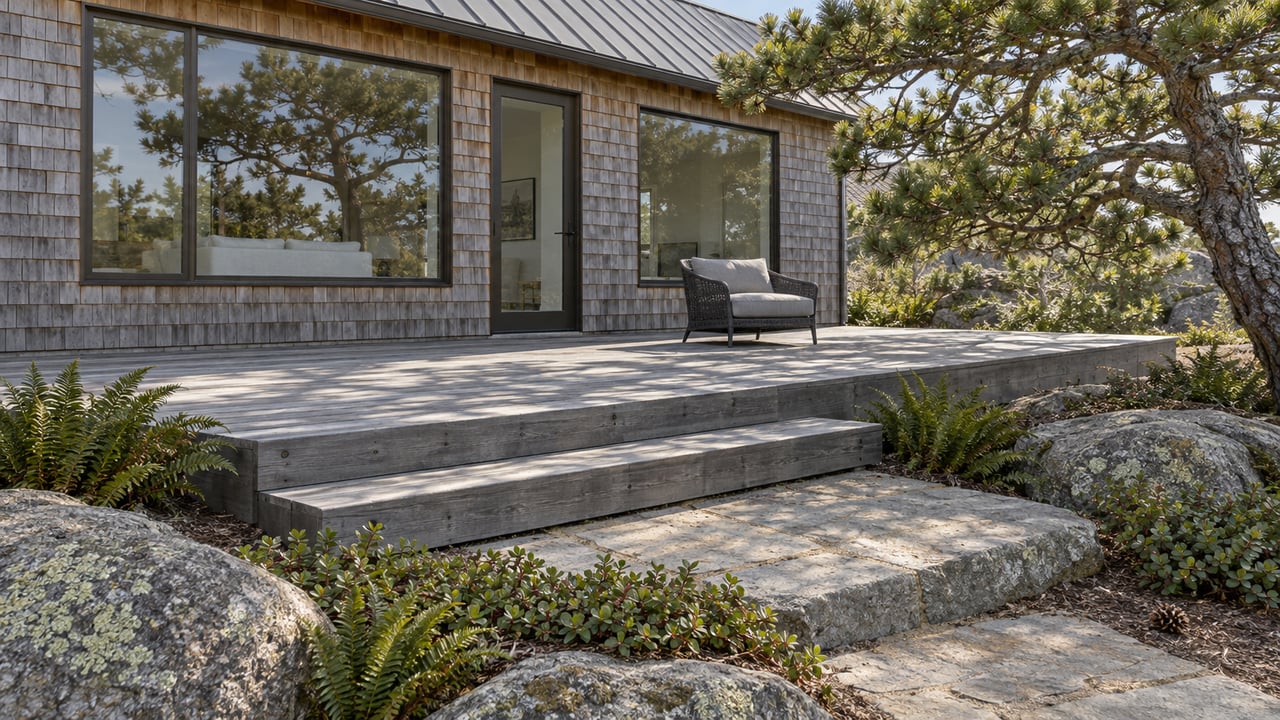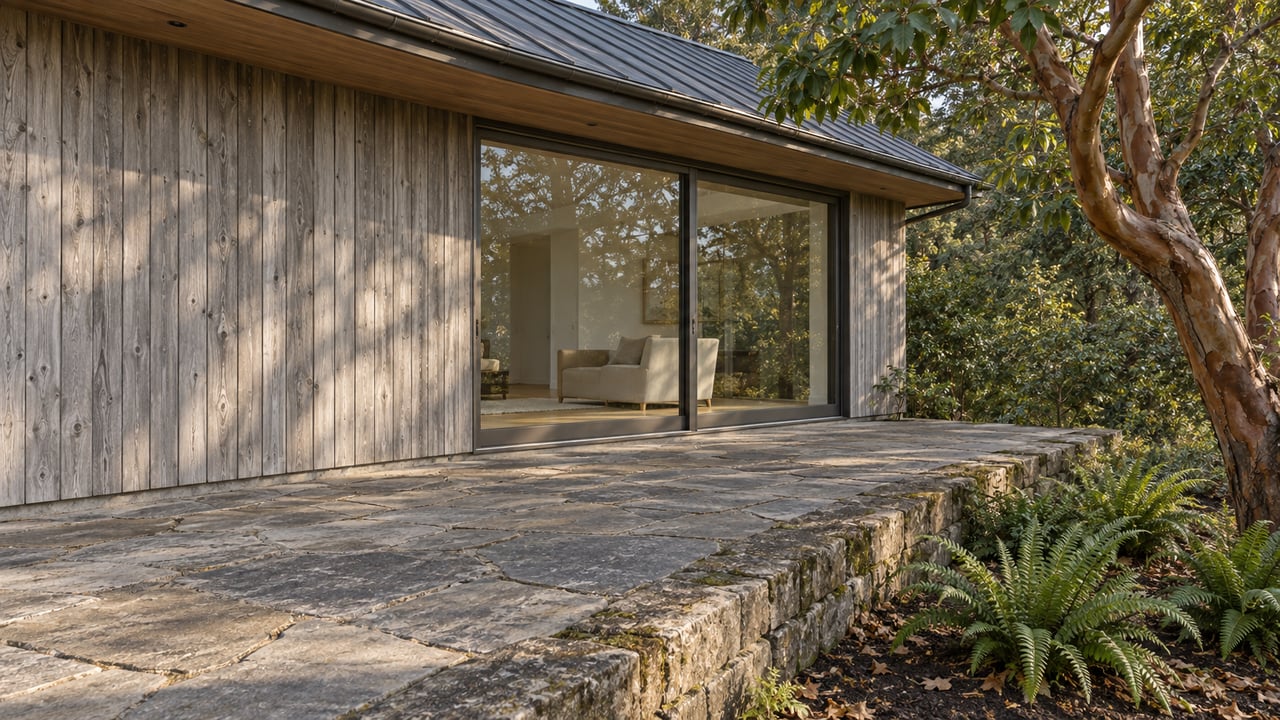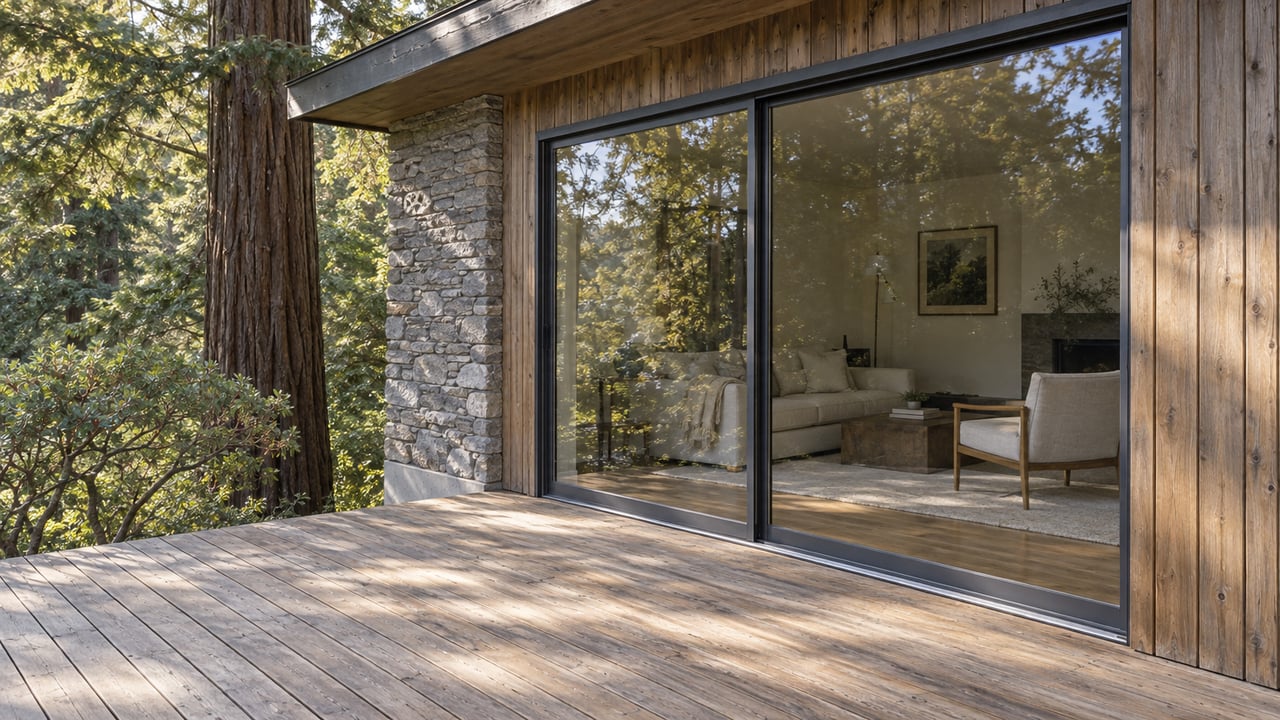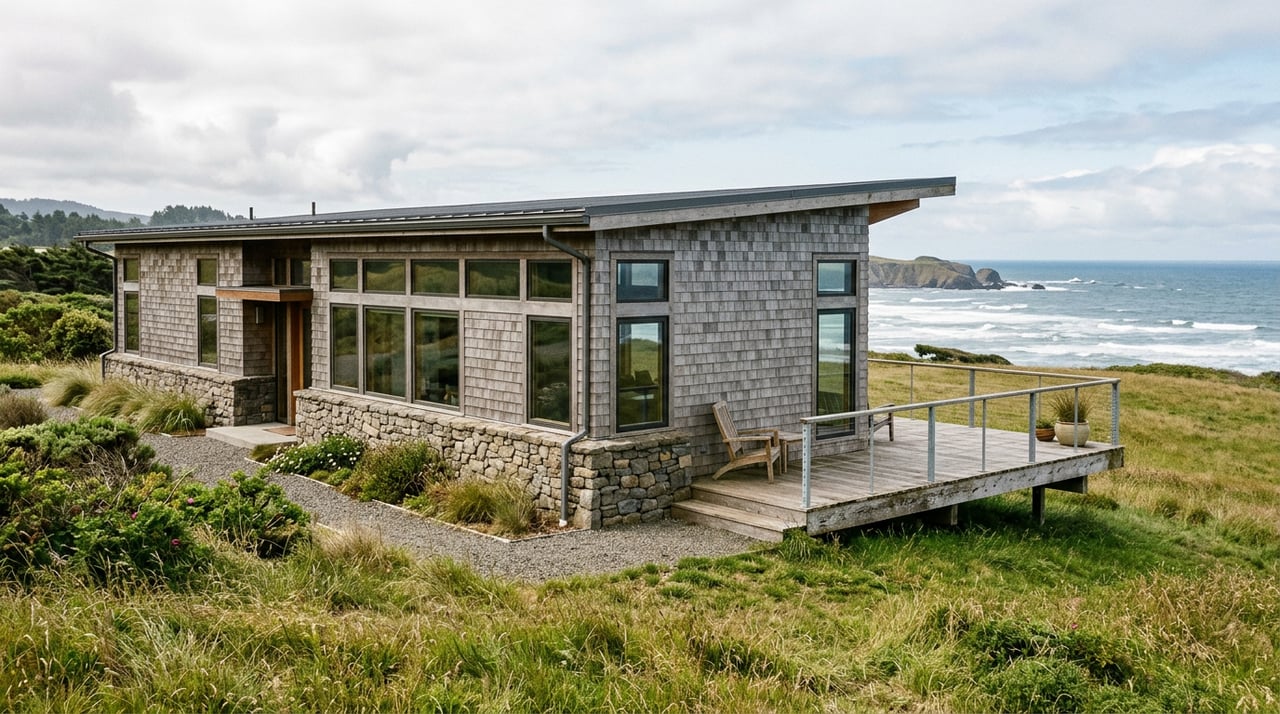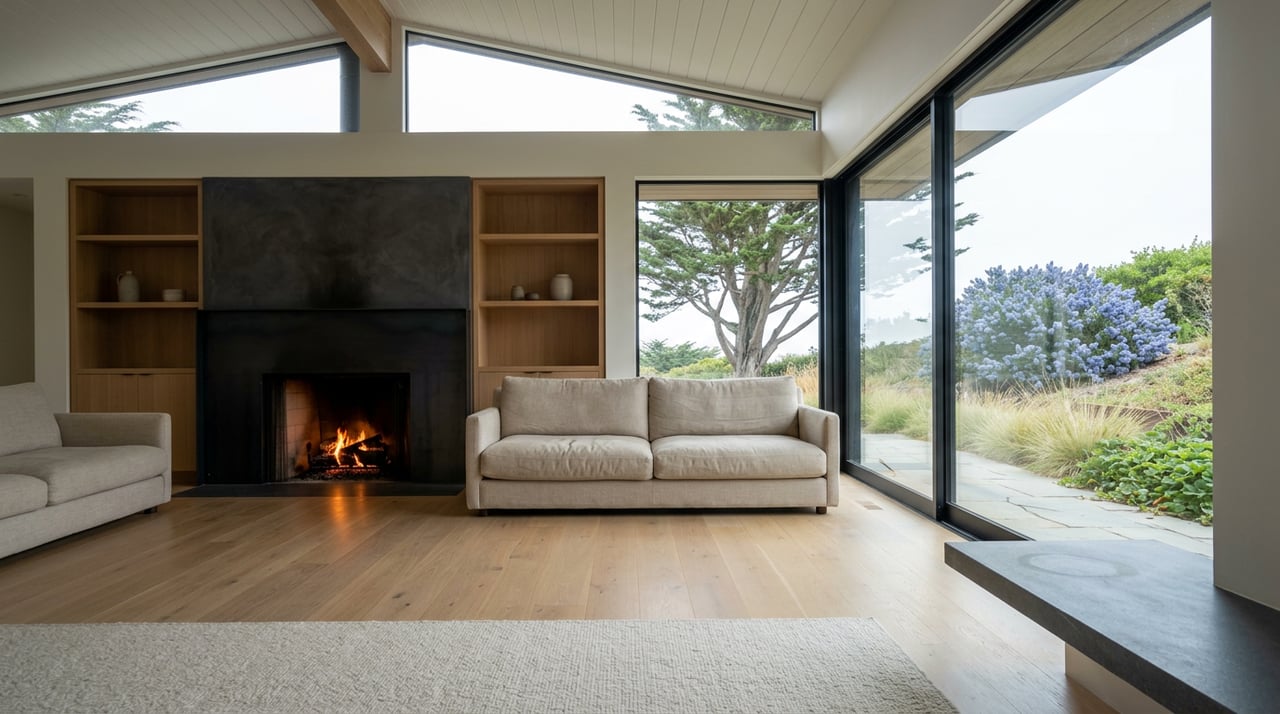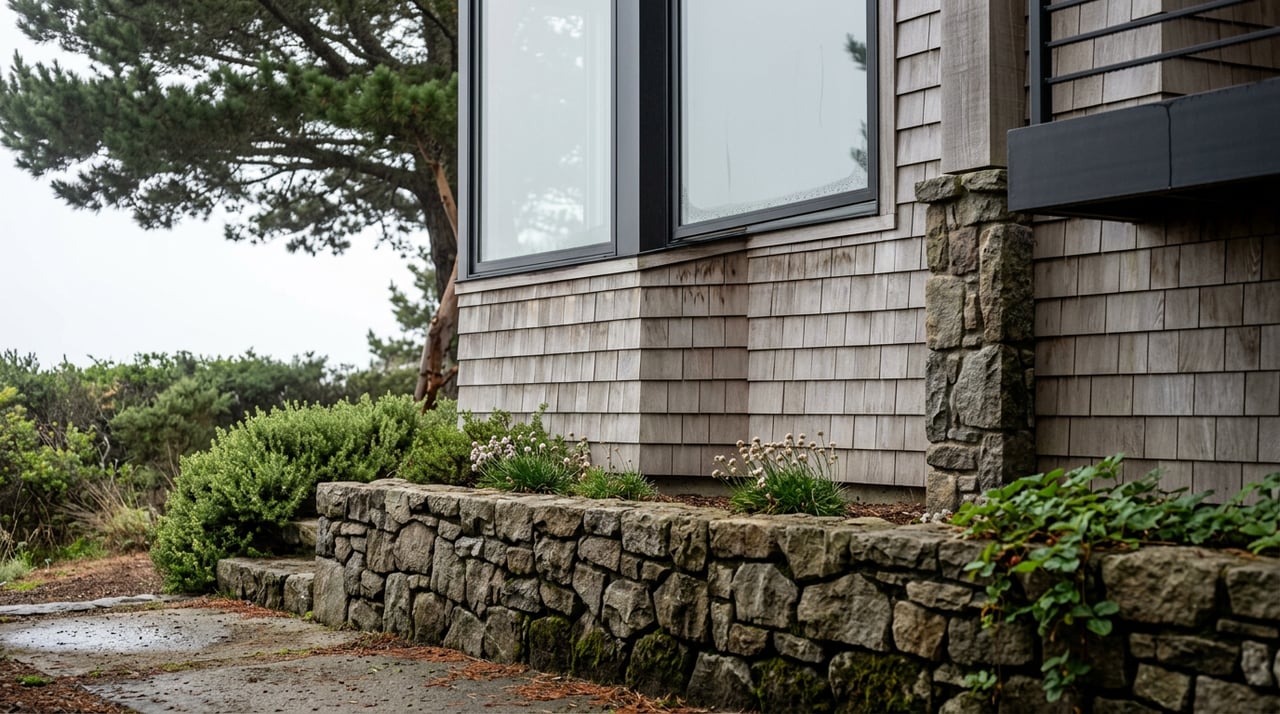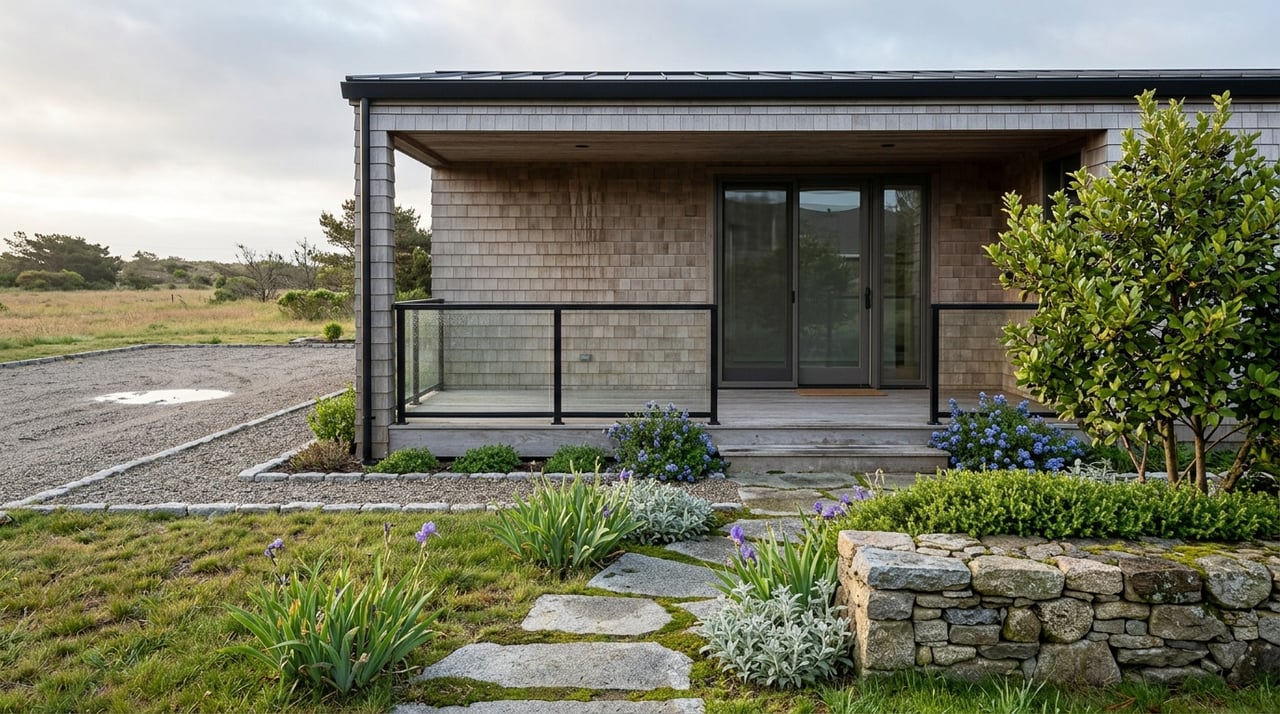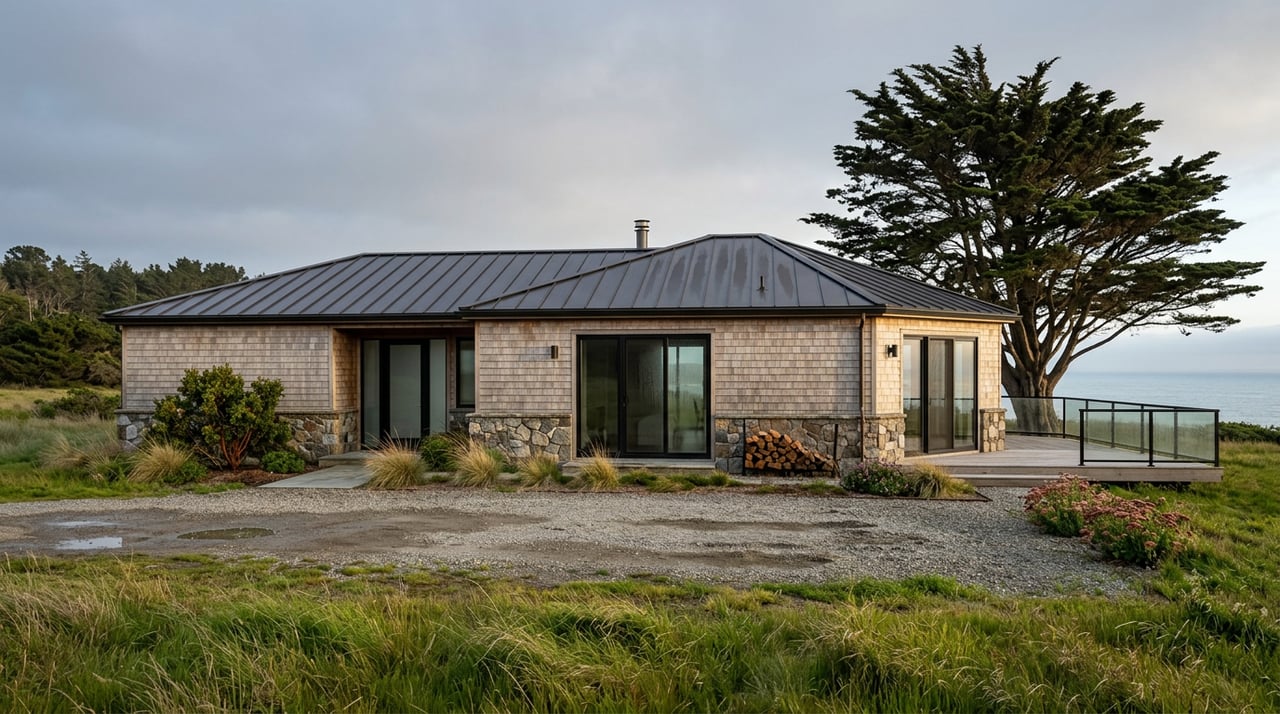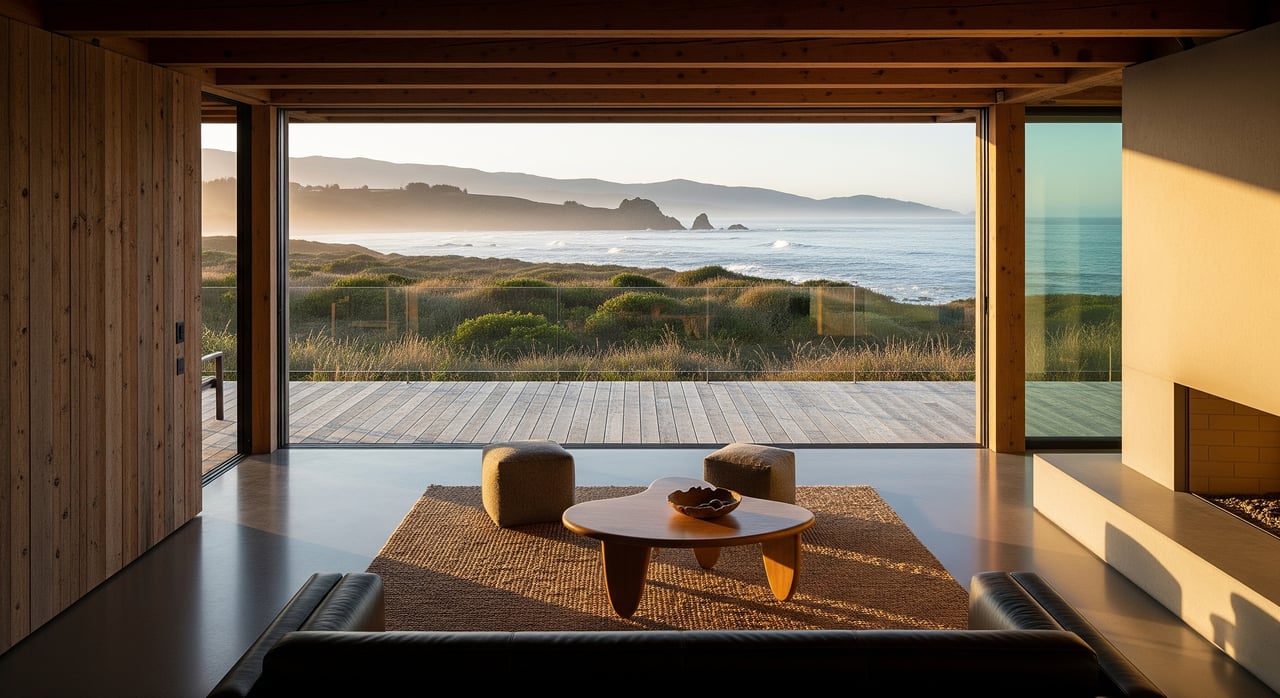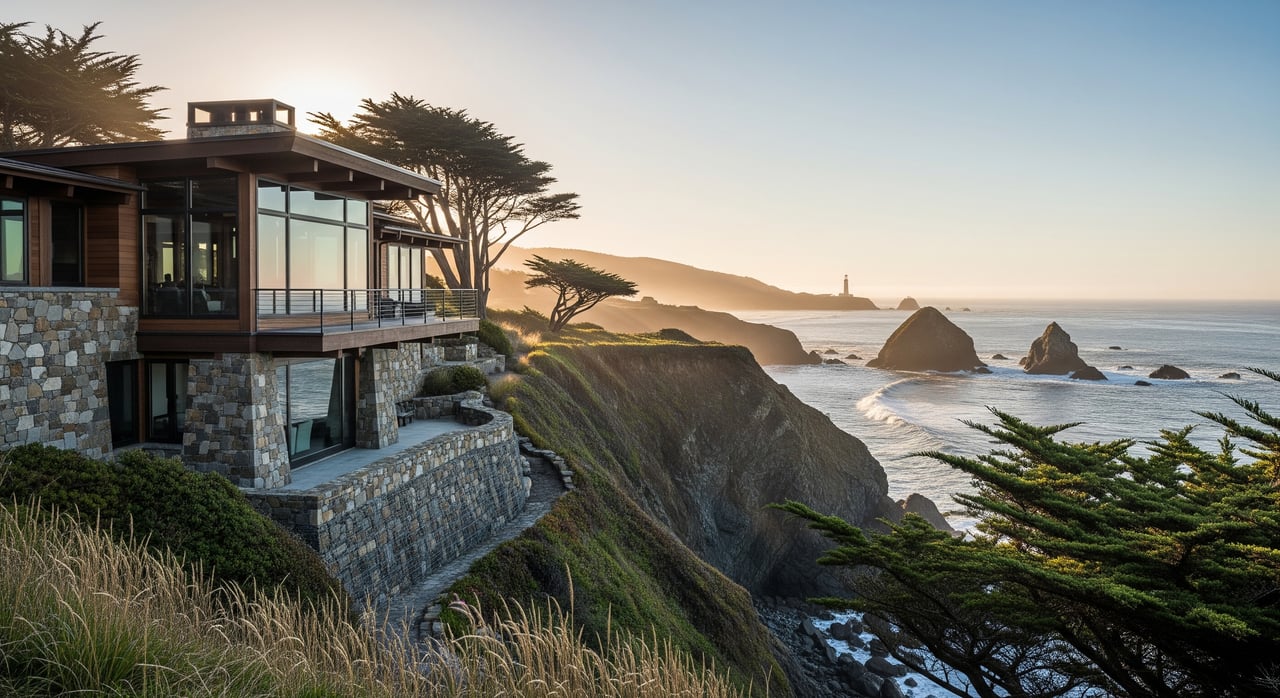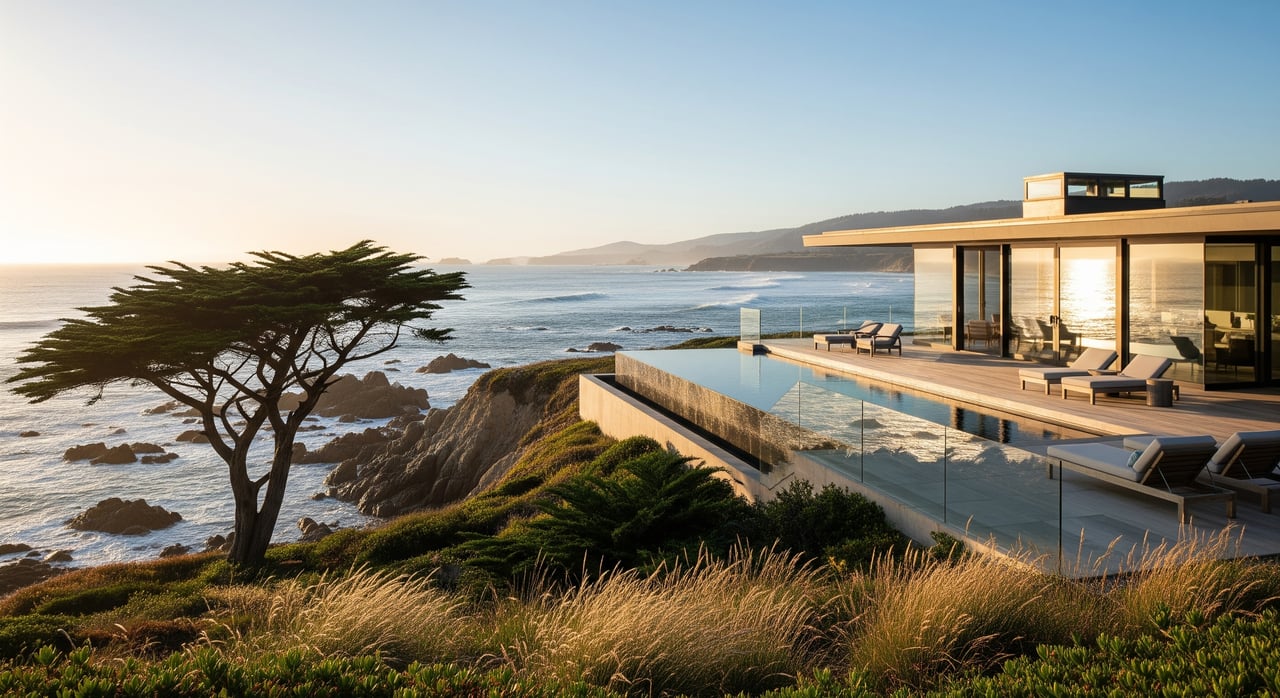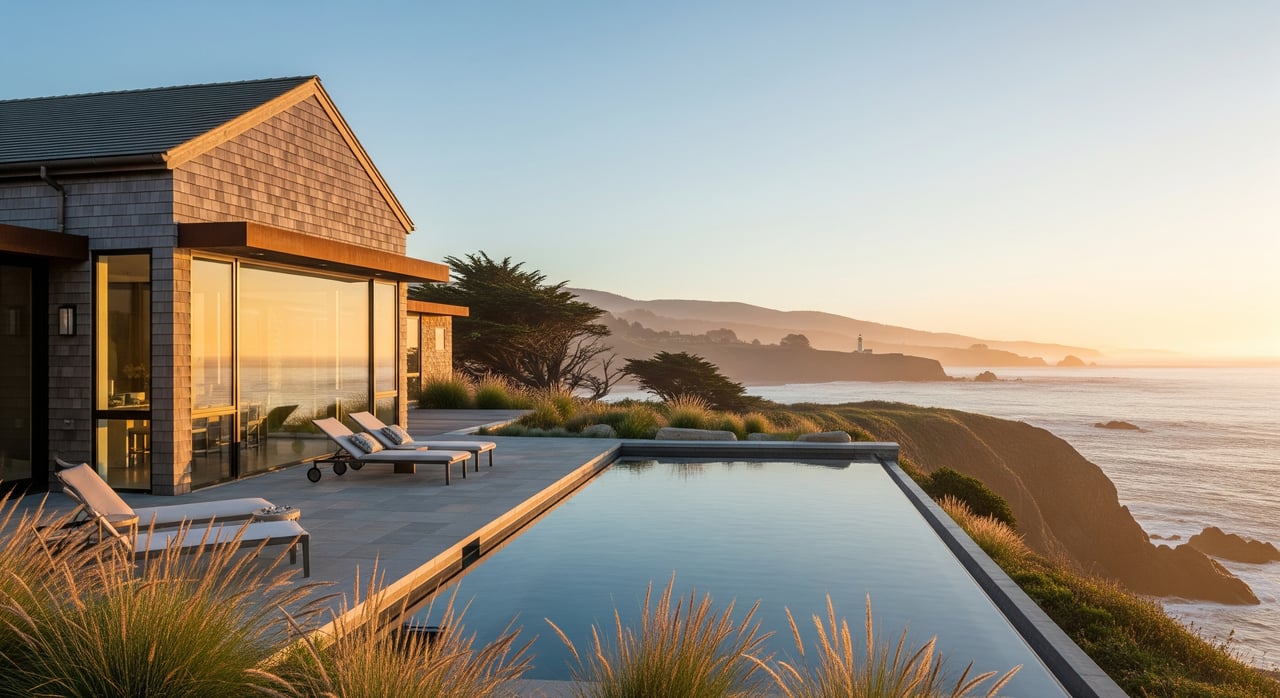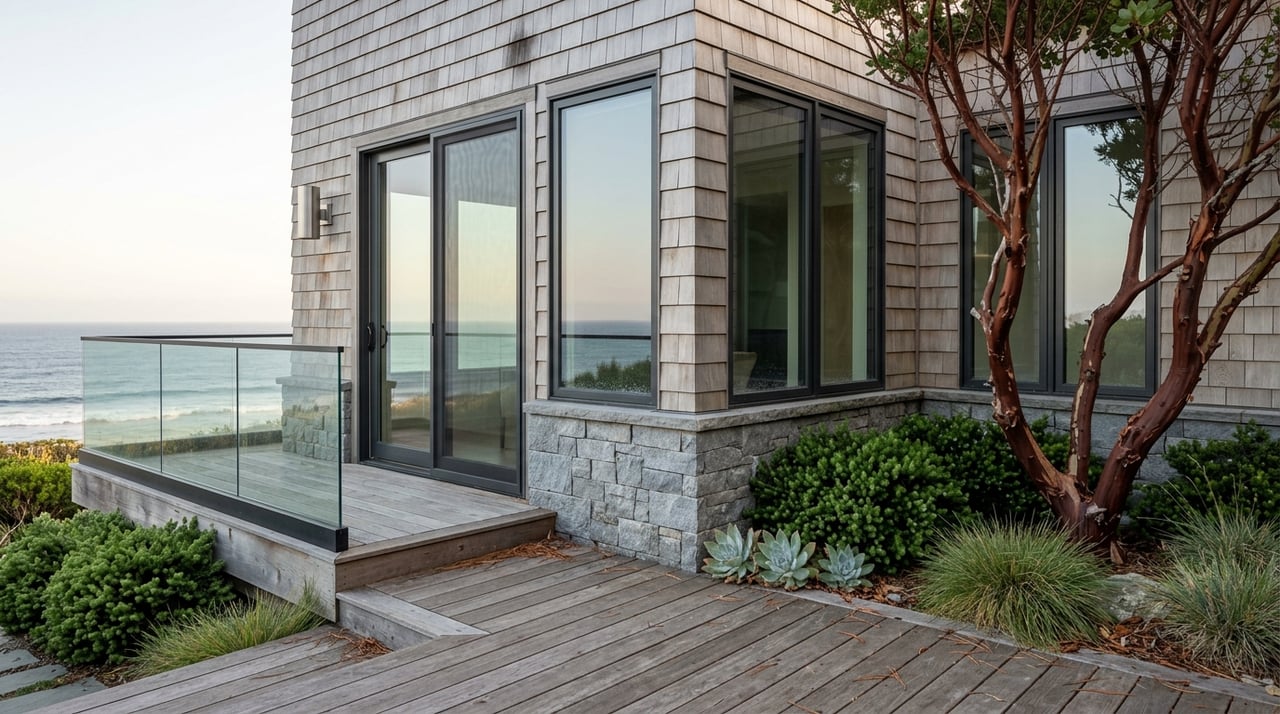
Wondering what it really means to buy an oceanfront home in Elk? The answer is not just about the view. In this part of the Mendocino Coast, a coastal purchase often comes with parcel-specific questions about bluffs, permits, water, septic, and long-term ownership. If you are exploring a bluff-top retreat, second home, or legacy property here, this guide will help you understand what to expect before you make an offer. Let’s dive in.
Elk homes are highly parcel-specific
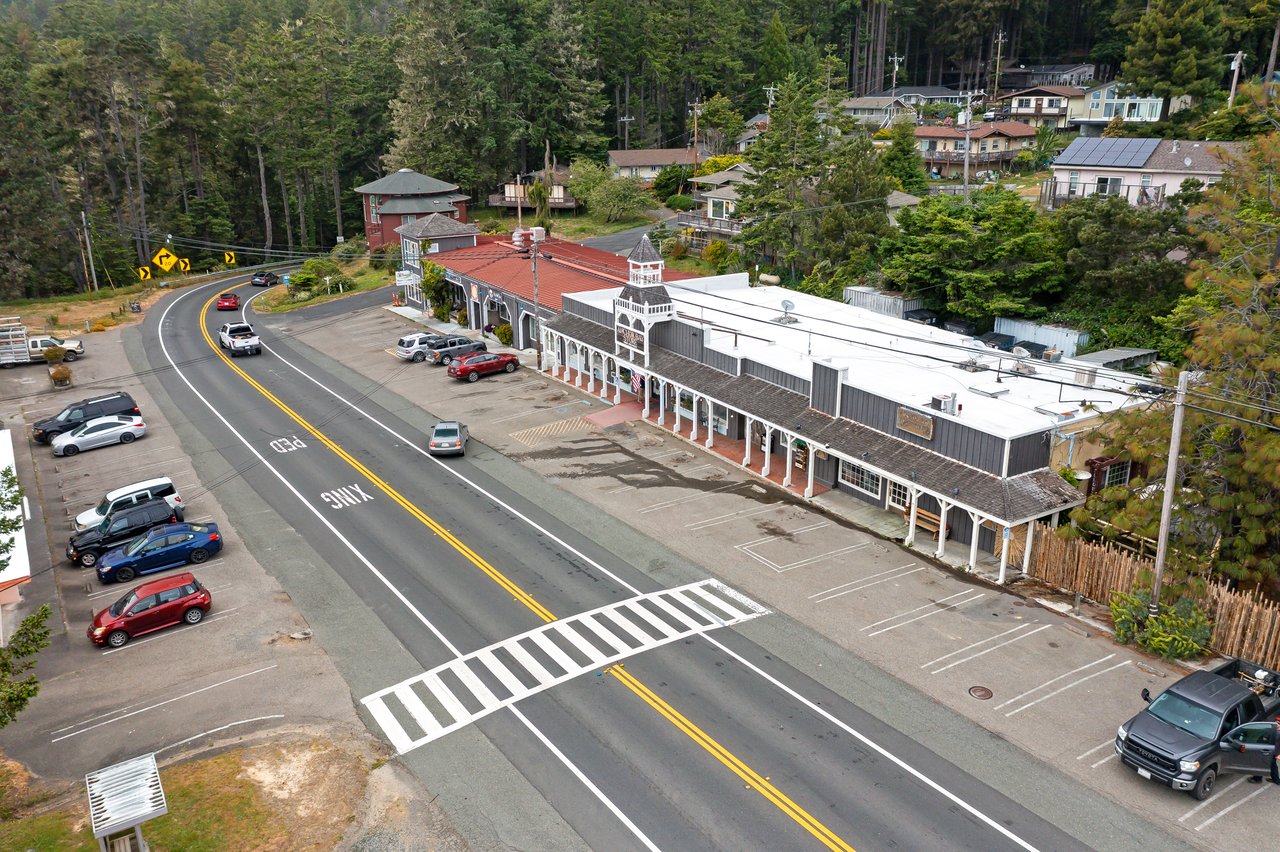
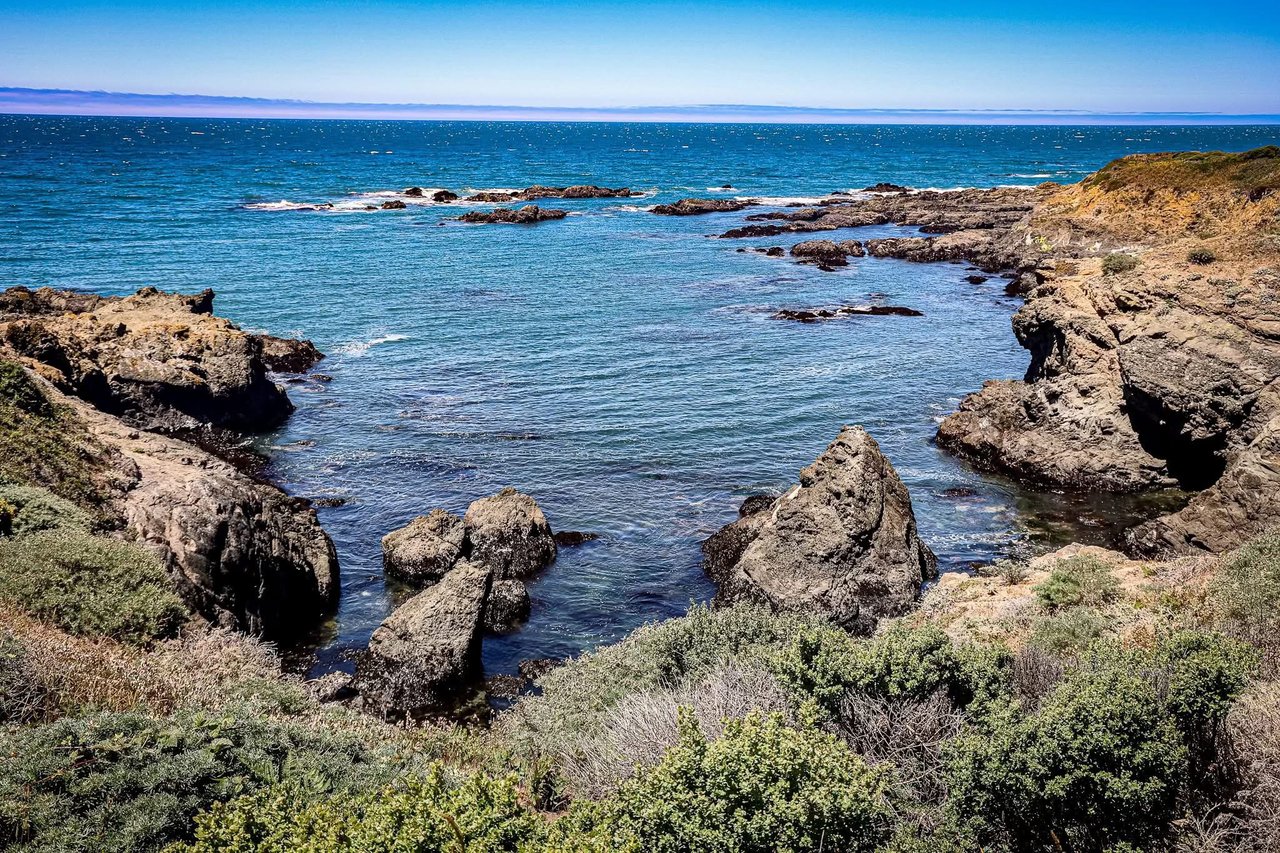
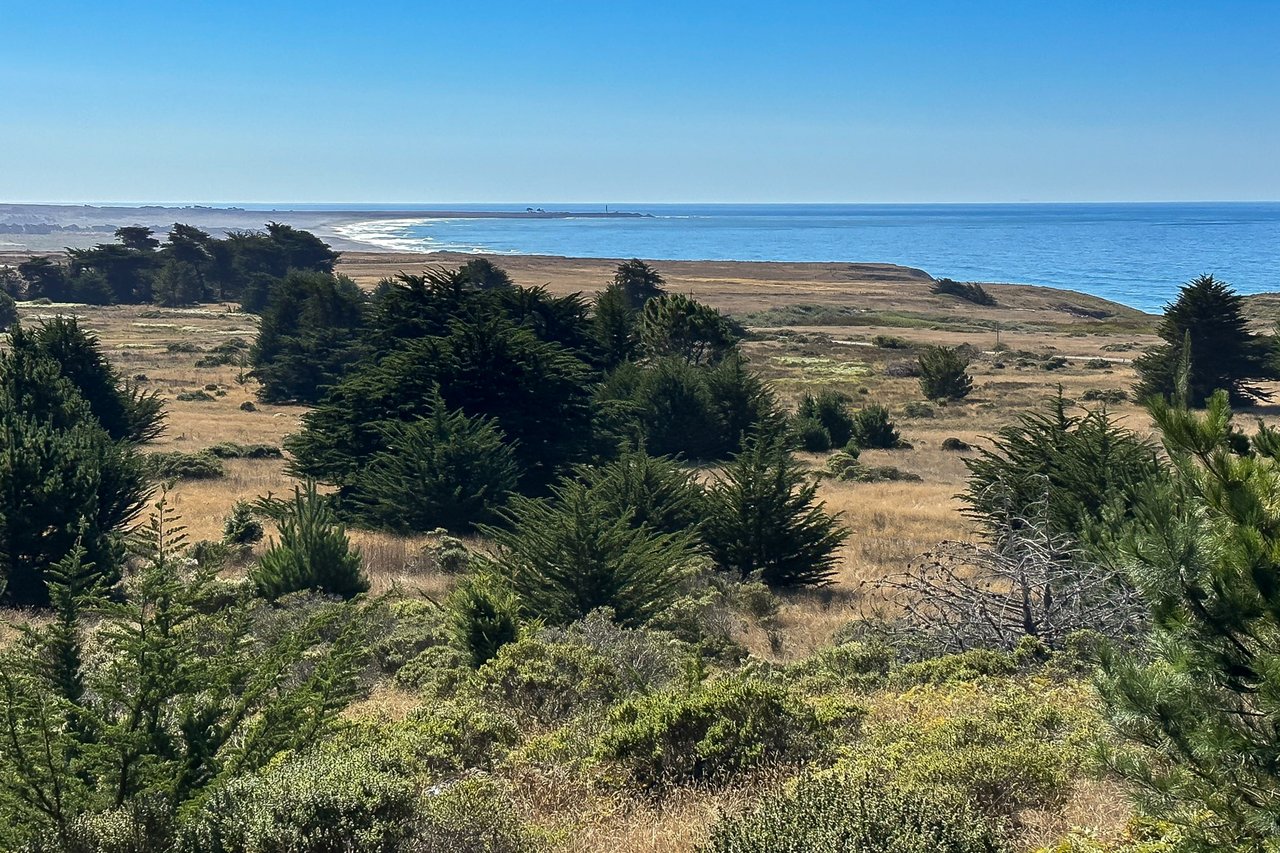
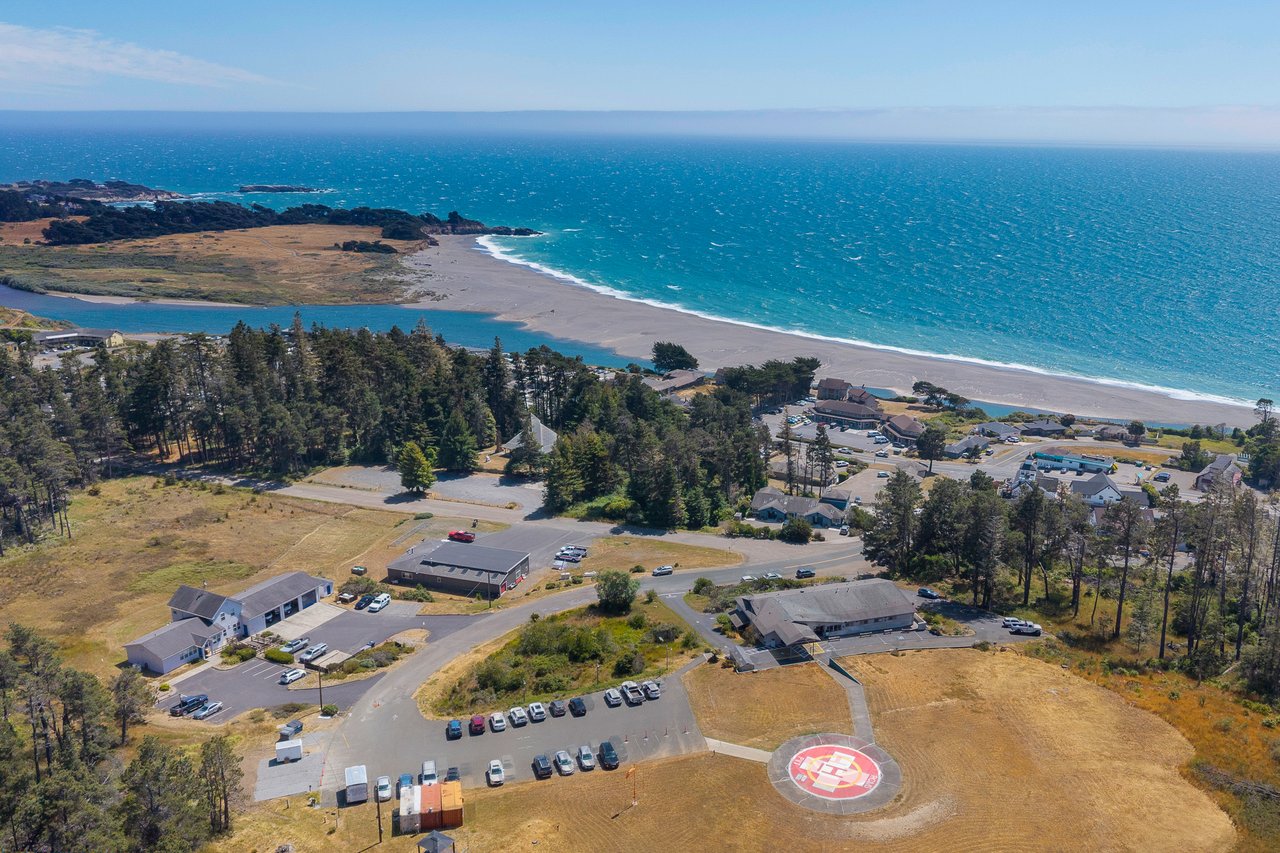
Elk is an unincorporated coastal village on Highway 1, about 15 miles south of Mendocino and roughly 150 miles north of San Francisco. Mendocino County classifies Elk as a Rural Village in the Coastal Element, and local community materials describe a landscape of ocean bluffs, ridges, redwood forest, river frontage, and bluff-top homesites.
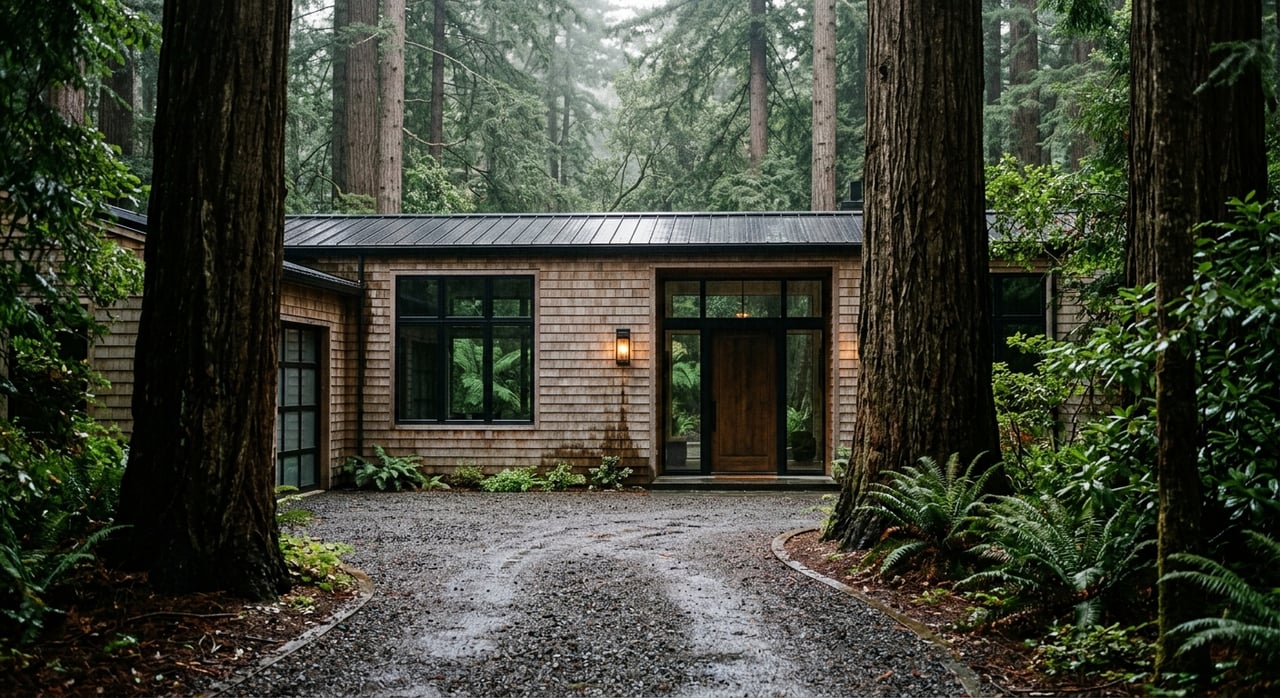
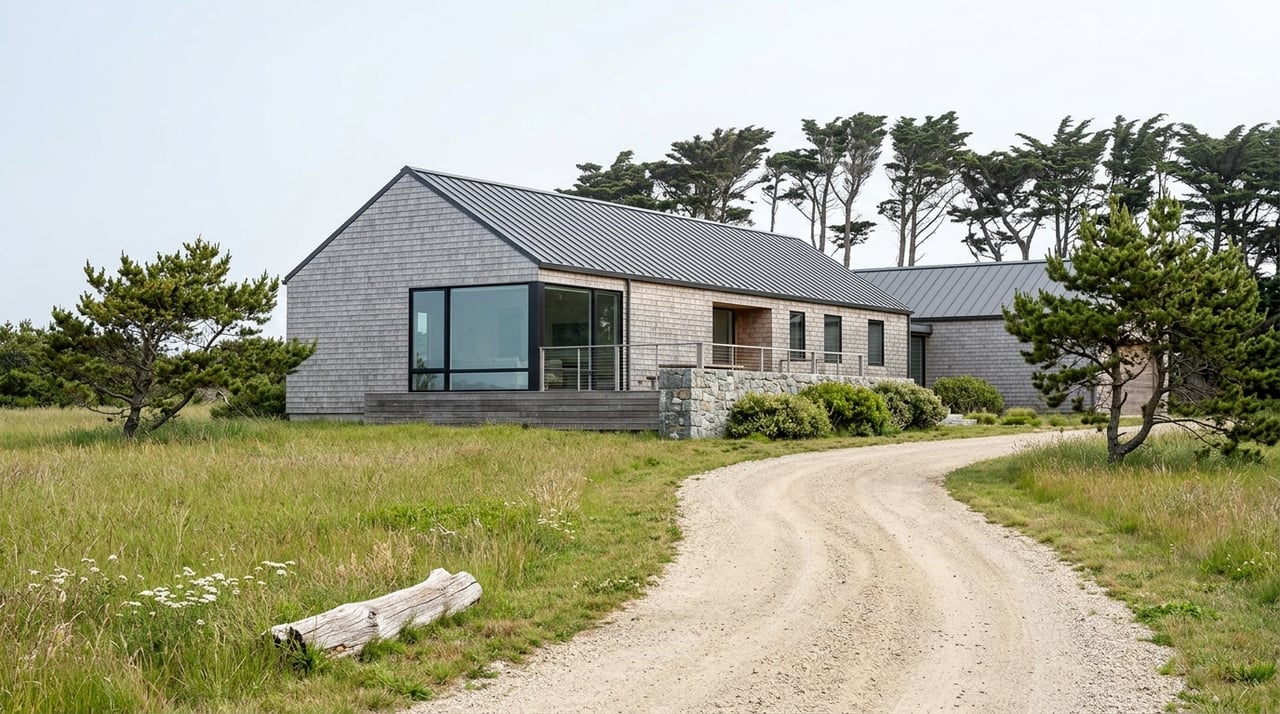
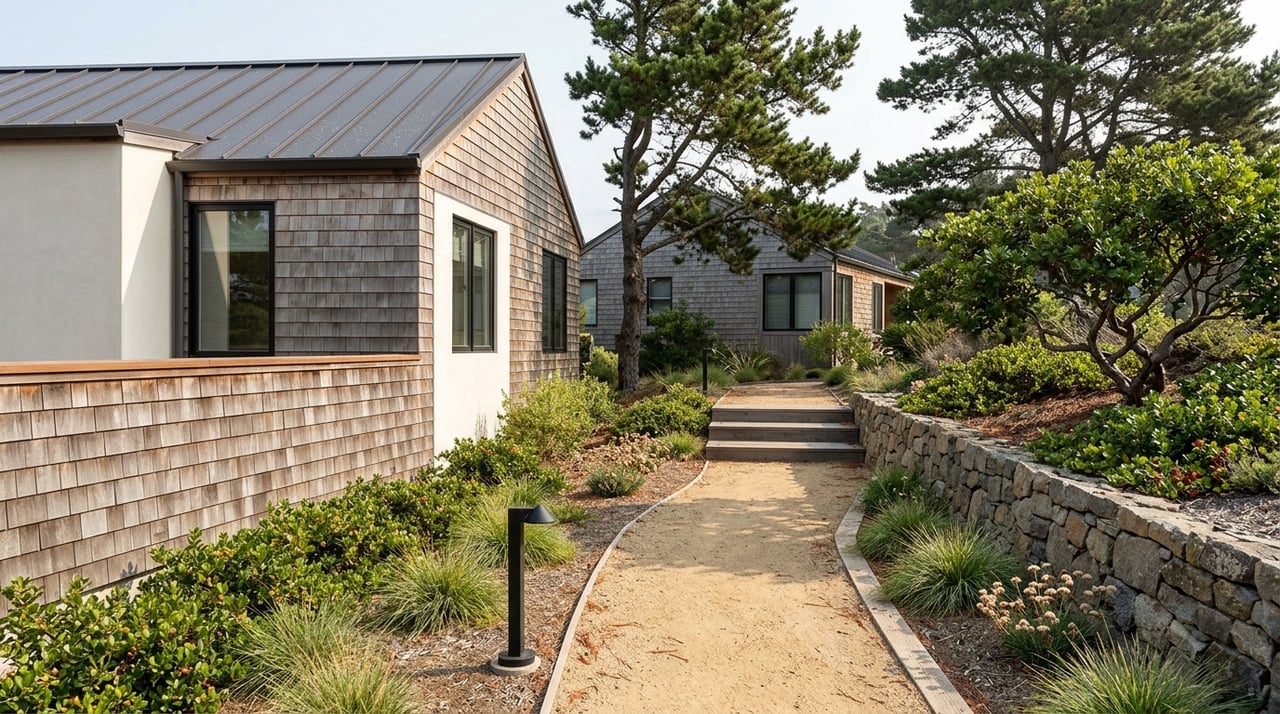
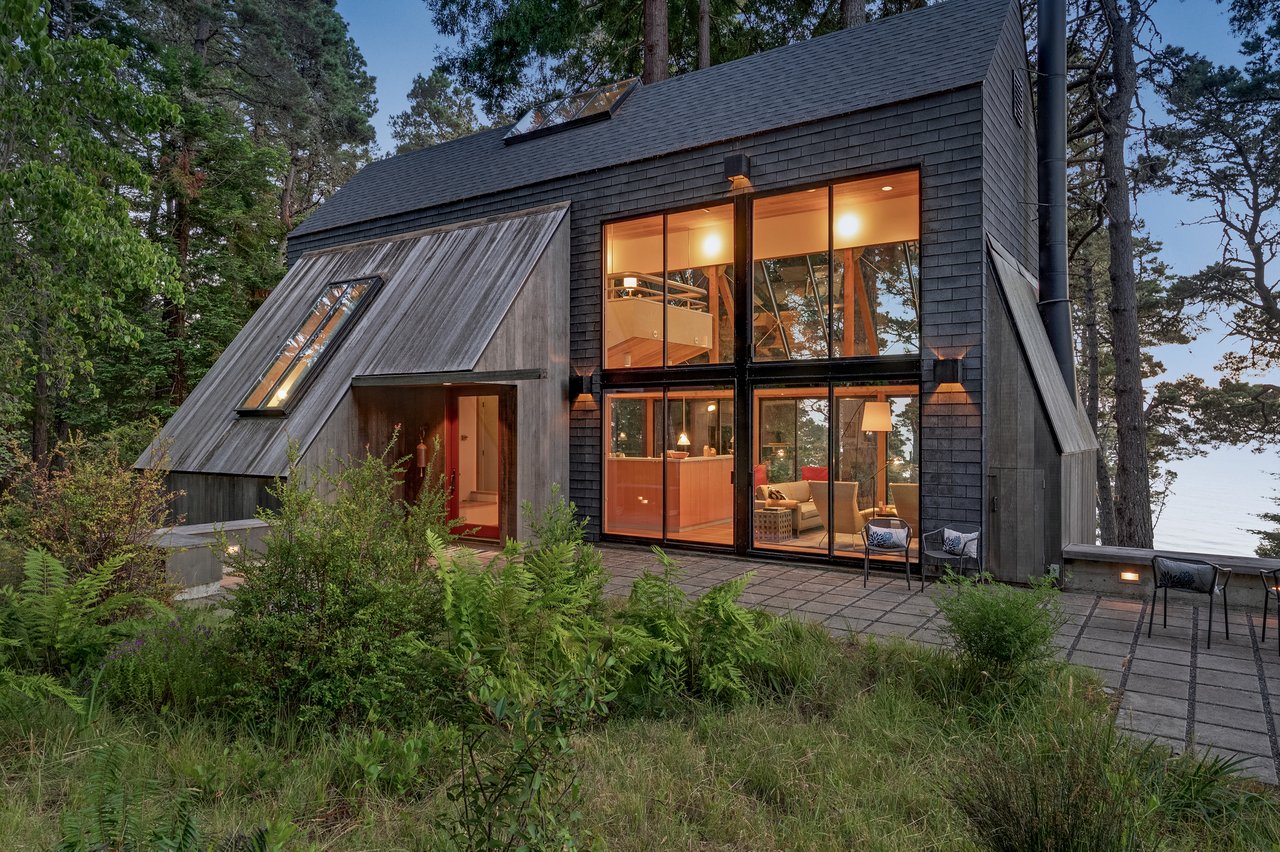
For you as a buyer, that usually means inventory is not uniform or subdivision-style. Instead, you are more likely to see a mix of older cottages, bluff-top single-family homes, character properties, and occasional larger compound-style sites. Each parcel can feel very different from the next, even when two homes are close together on a map.
What oceanfront means in Elk
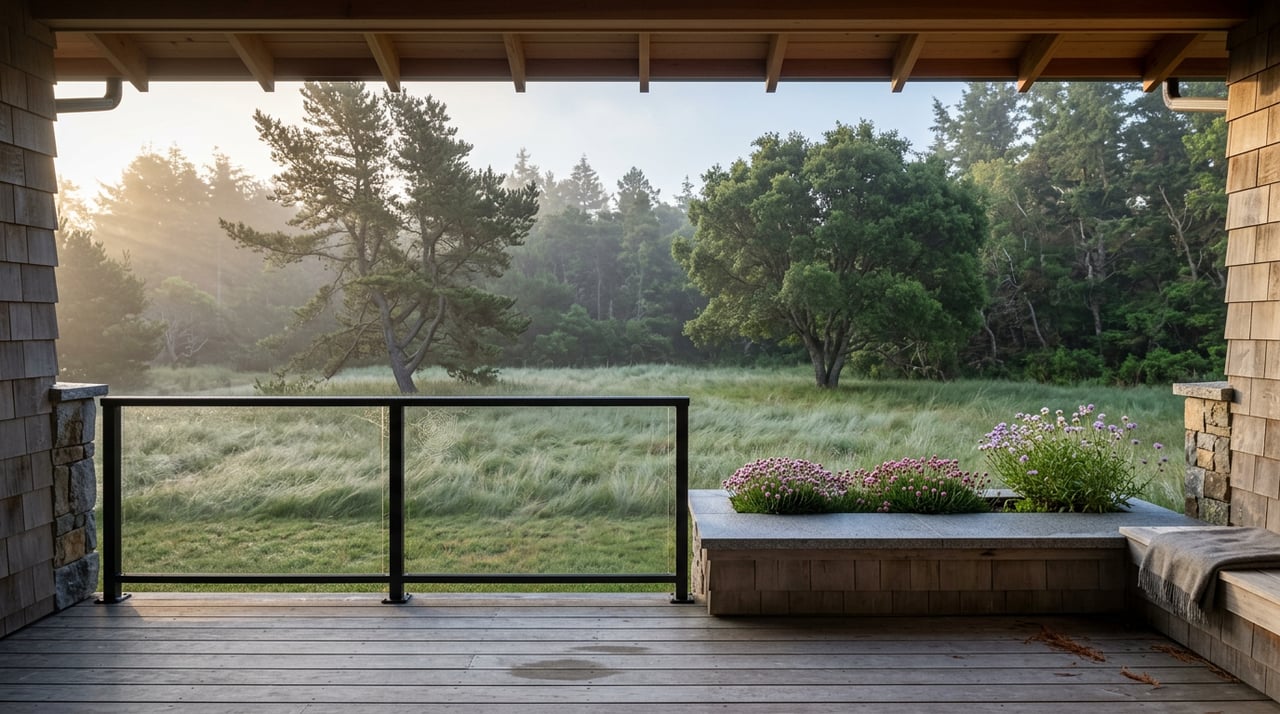
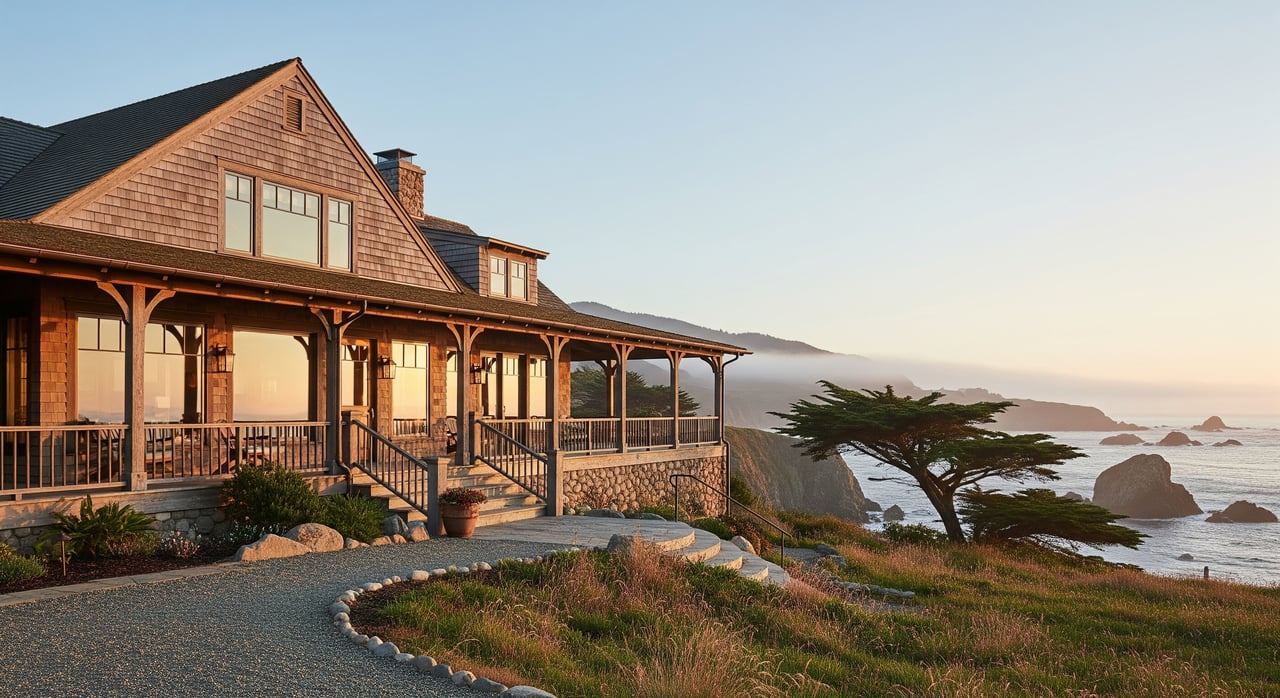
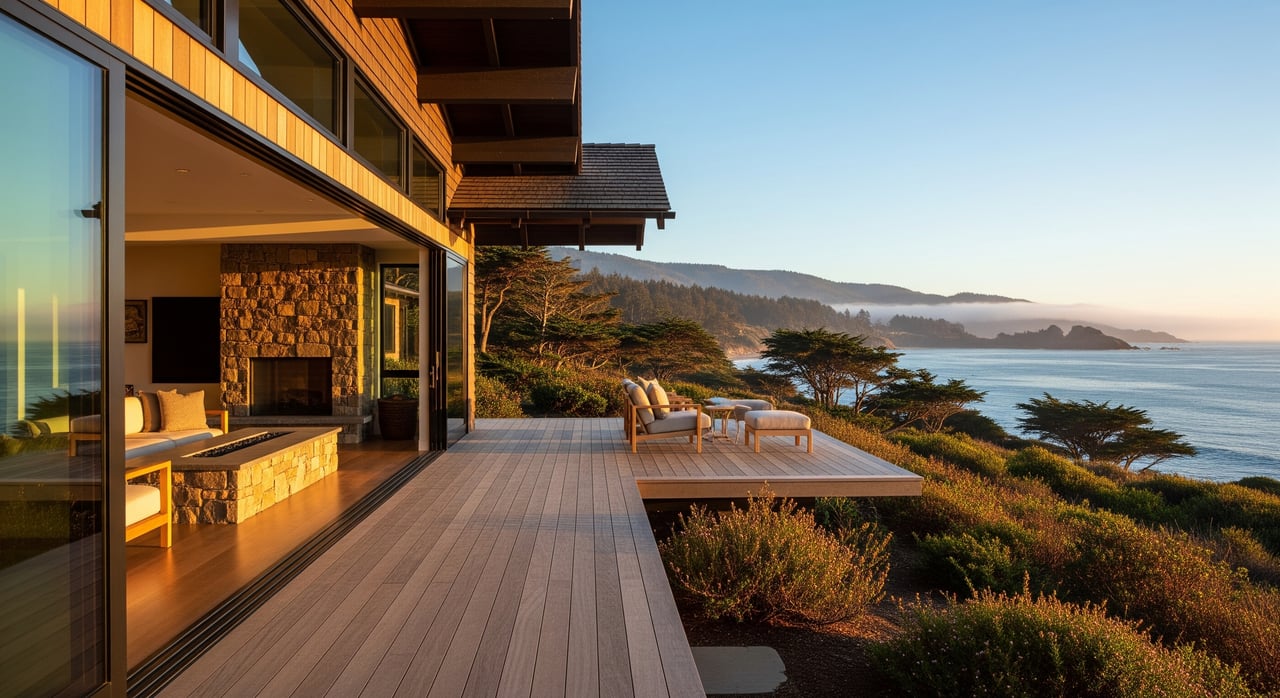
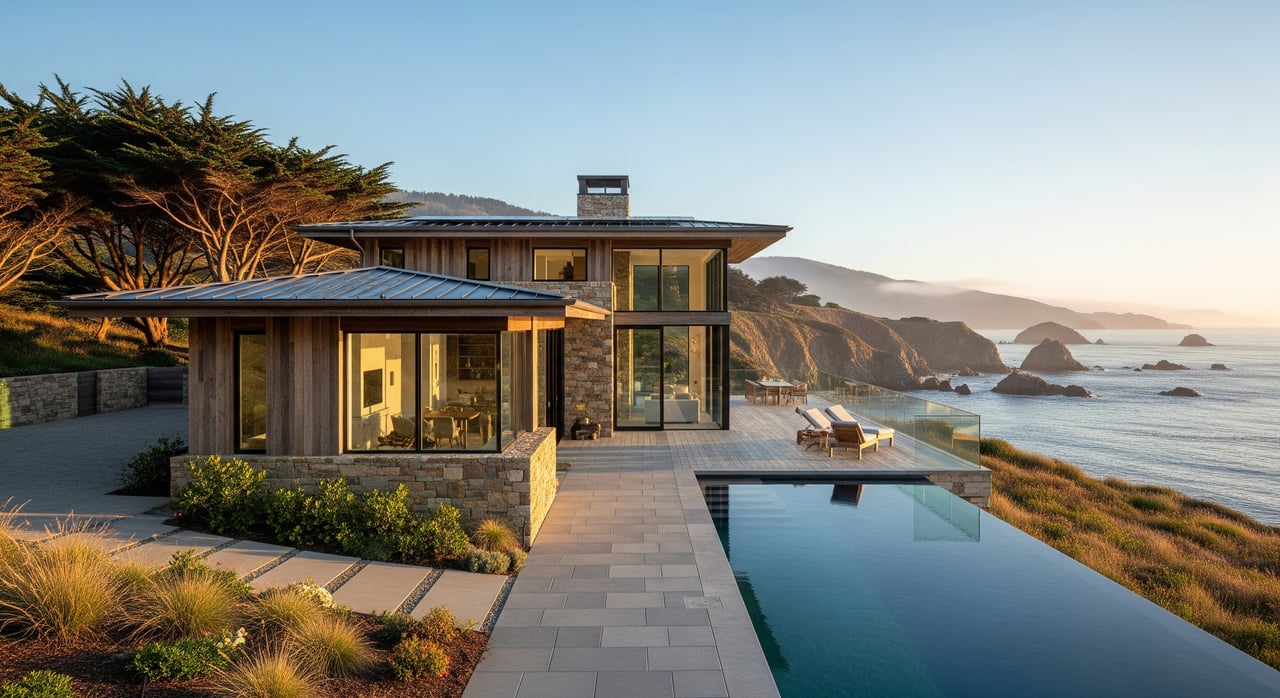
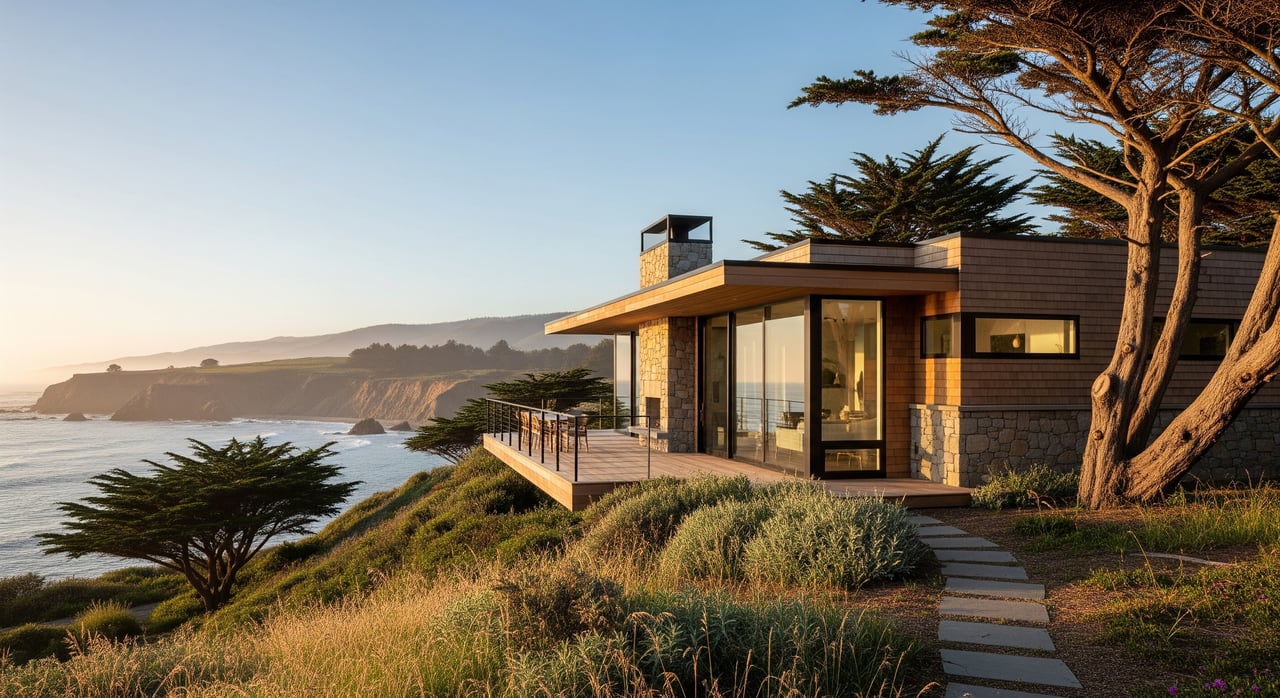
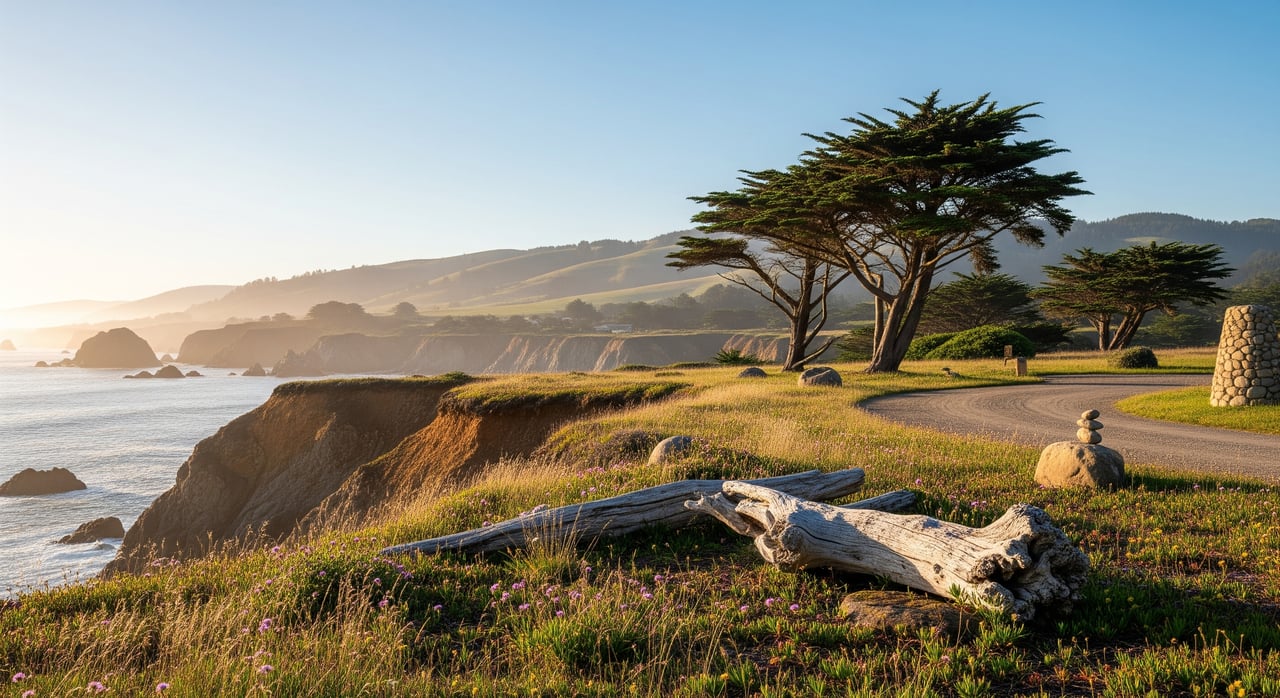
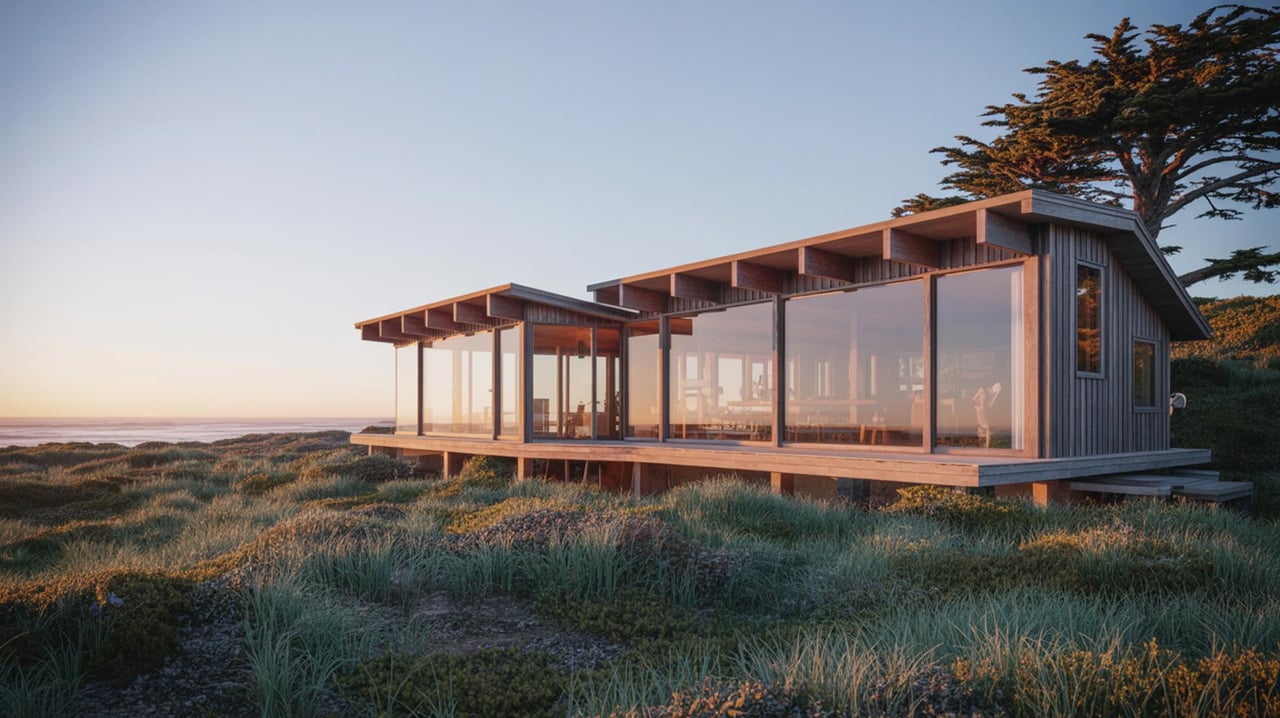
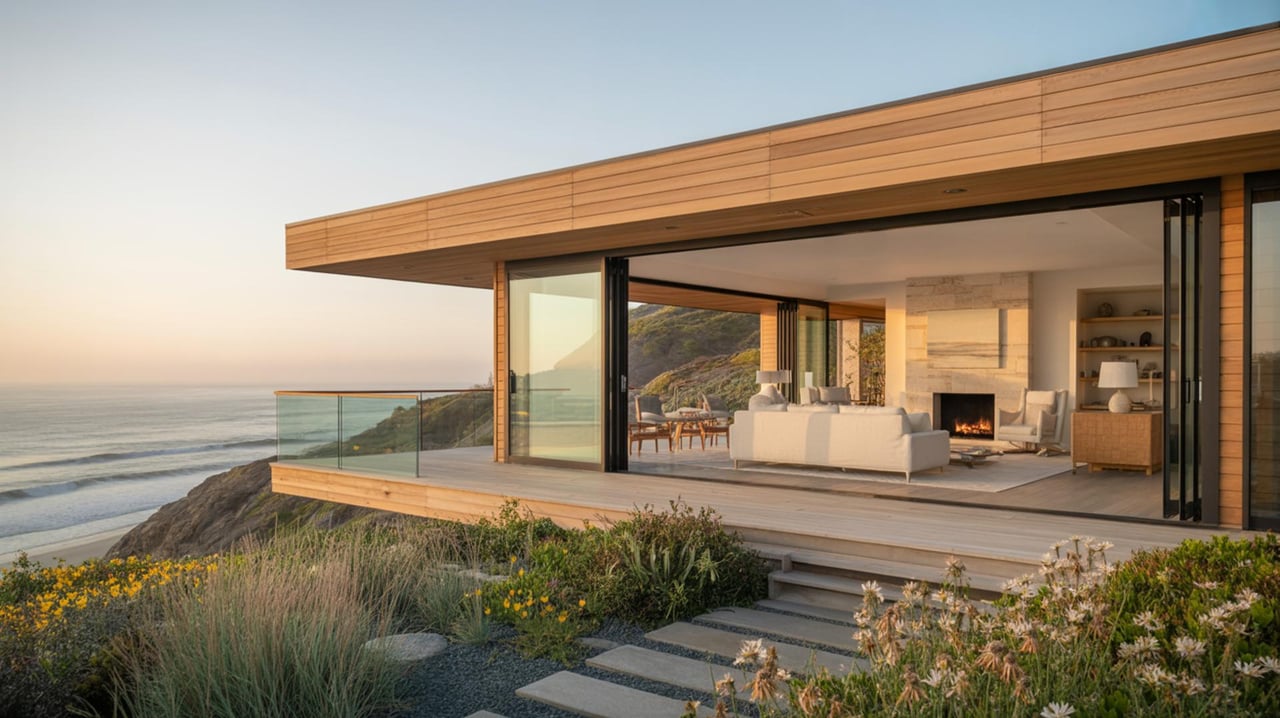
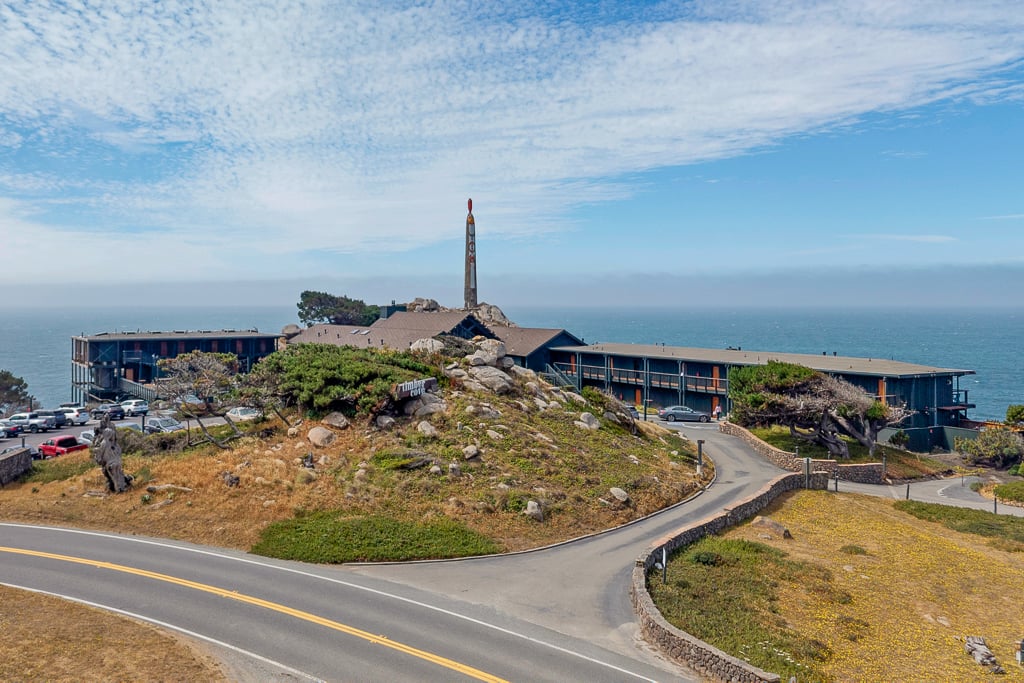
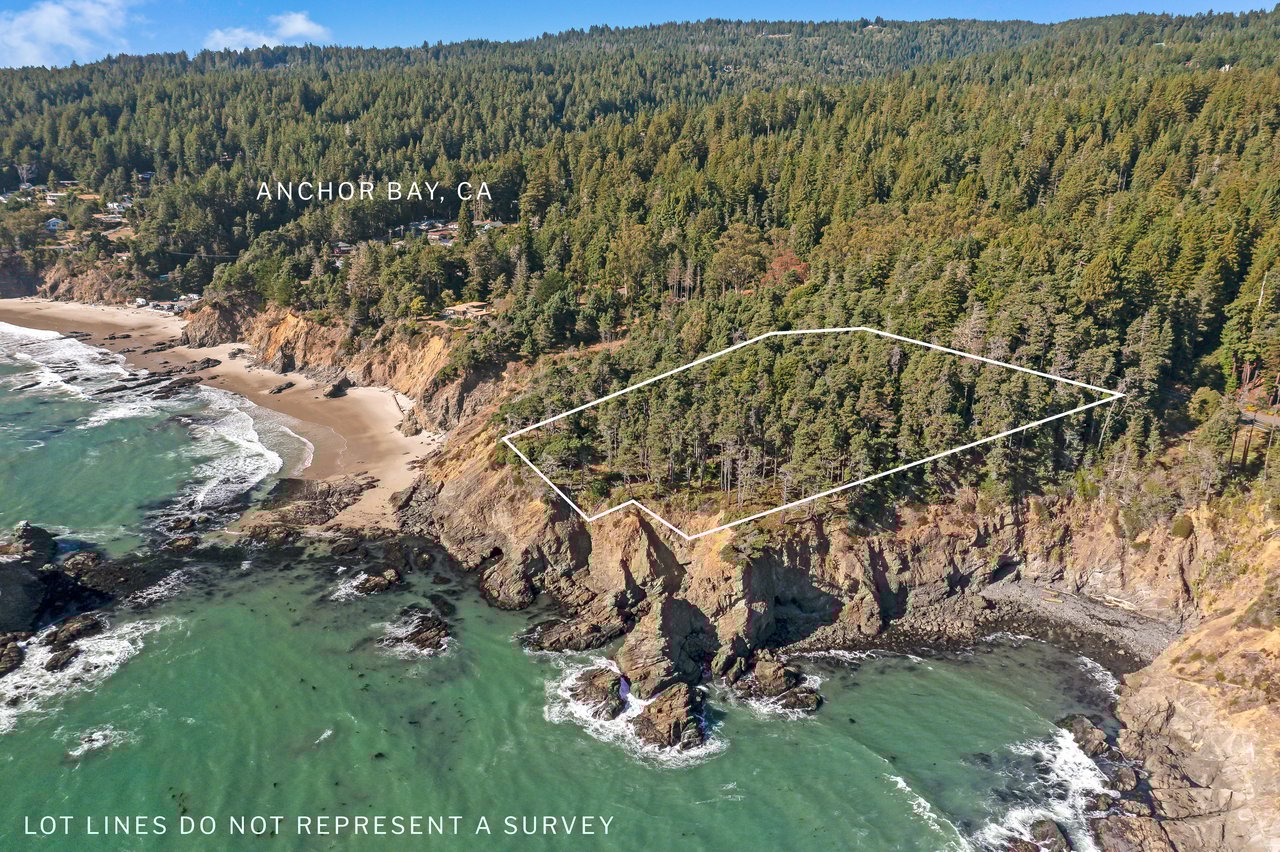
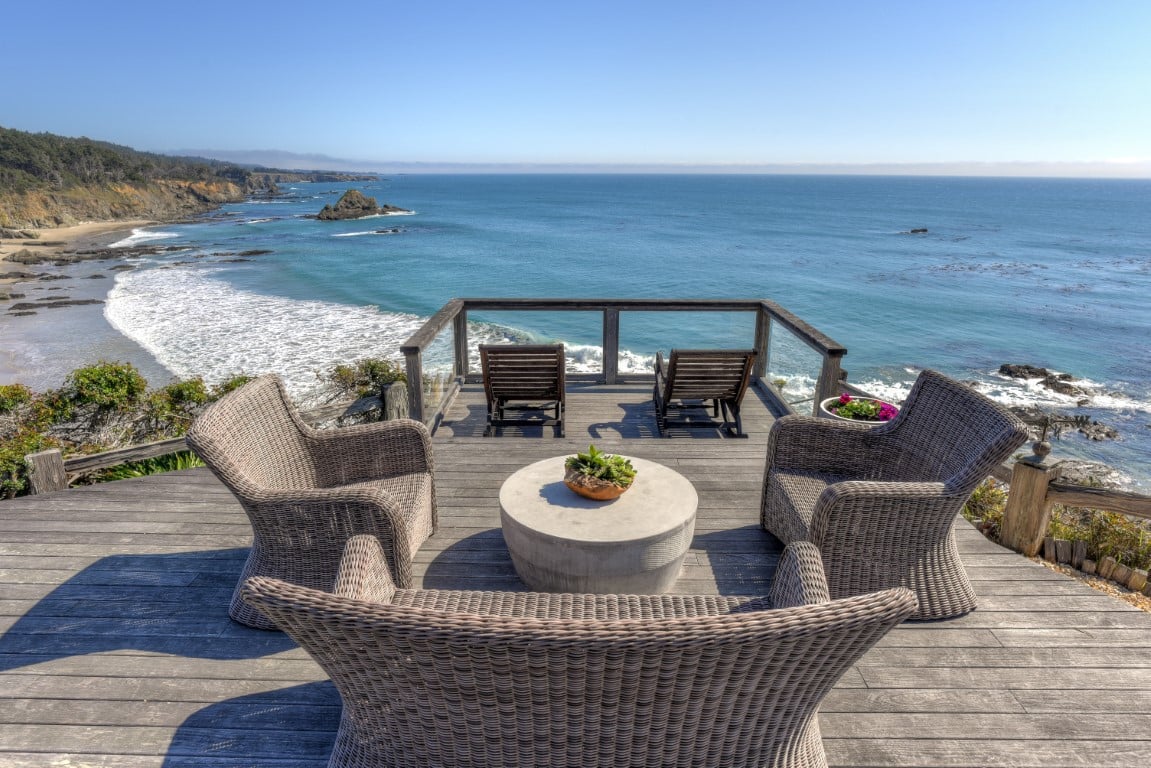
In Elk, “oceanfront” often means bluff-top or bluff-edge exposure rather than a wide stretch of level beachfront. That matters because the experience of the property is tied to topography, wind, access, and long-term bluff conditions, not just proximity to the water.
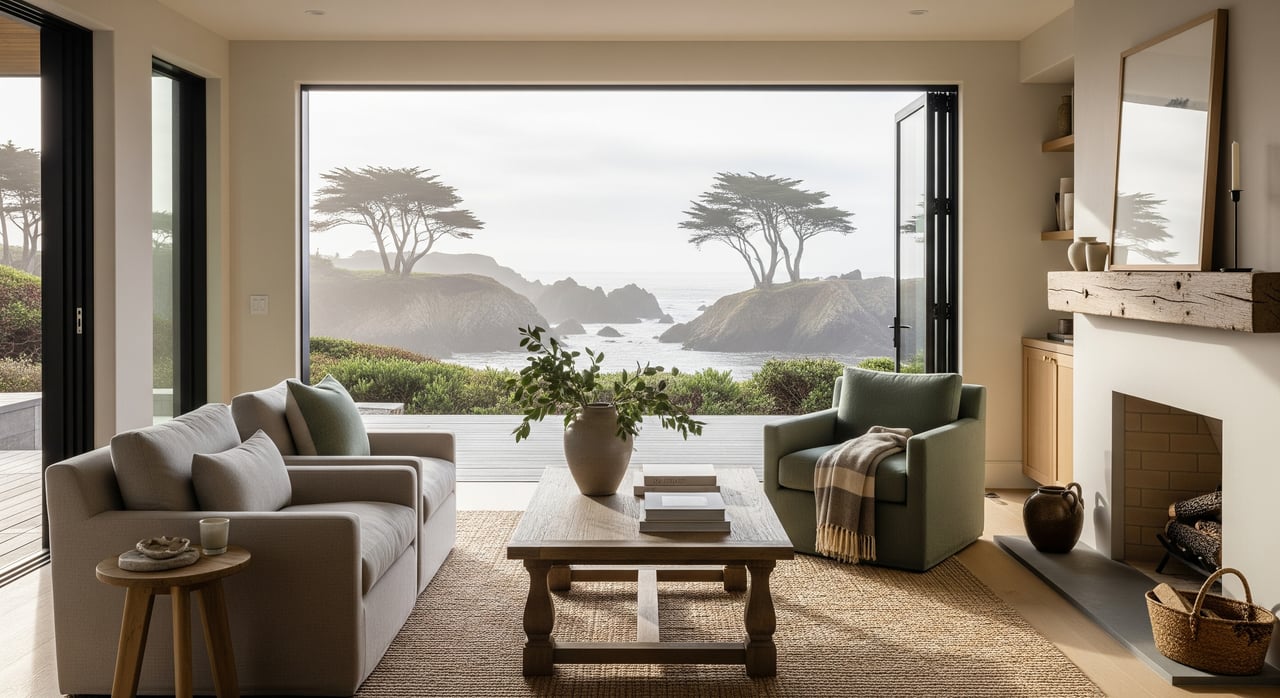
An “ocean-view” home can also vary a lot from parcel to parcel. One property may face directly west to the Pacific, while another may have an angled shoreline view, a filtered view through trees, or a higher ridge setting with more distance from the water.
Before you get attached to a listing description, it helps to verify the actual view cone and how the home sits on the land. You will want to understand:
- Whether the view is direct, angled, or filtered
- How sun and fog affect the property through the day
- The level of wind exposure on decks and outdoor areas
- Whether trees or neighboring parcels influence the outlook
- How close the structure sits to the bluff edge
Coastal zone rules can shape your plans
One of the biggest things to expect in Elk is coastal review. Mendocino County says any parcel partially or entirely in the Coastal Zone is regulated under Division II of the county zoning code. Even parcels that do not appear oceanfront can still fall under coastal review, because the coastal zone can extend inland at varying distances from the shoreline.
That matters if you are thinking beyond the current house. In this area, “development” can be defined broadly. Building, grading, major vegetation removal, remodeling, demolition, and some changes in water use, such as wells or water tanks, can all trigger review.
If a Coastal Development Permit is needed, the county says it is a discretionary process that includes public hearing, environmental review, public input, conditions of approval, and final approval. The county estimates a 6 to 12 month timeline for processing and approval.
Some repairs and certain single-family improvements may be exempt, and the county also maintains mapped exclusion areas for some initial single-family residences. Still, the key point is simple: do not assume a parcel is exempt just because a home is already there.
Due diligence starts before closing
When you buy an oceanfront or ocean-view property in Elk, due diligence is about much more than inspections alone. You are also looking at whether the parcel’s physical setting and regulatory status match your long-term goals.
A strong due diligence process often includes confirming:
- Whether the parcel is in the Coastal Zone
- What permits or approvals already exist
- Whether there are limits on future remodeling or additions
- Whether bluff-top setbacks or geologic issues affect the site
- Whether access, driveway, or private-road work could trigger added review
Mendocino County’s maps page includes LCP Map 20: Elk, which is a useful starting point for parcel-level research. If the property was developed after 1972, the county advises contacting the California Coastal Commission North Coast district office for a jurisdiction determination, especially if you may want to remodel, rebuild, or expand later.
Bluff-top homes require a long view
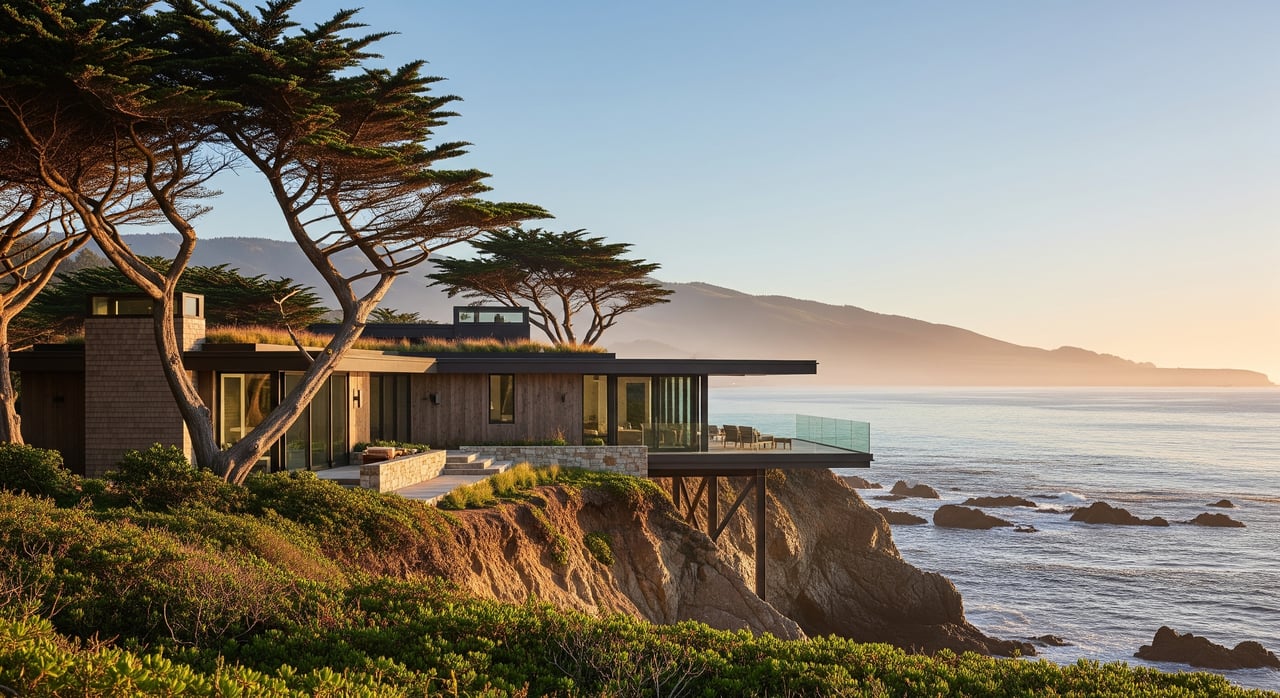
Bluff-top homes are often the properties that draw buyers to Elk in the first place. They can offer dramatic siting and direct exposure to the coastline, but they also deserve careful evaluation.
Mendocino County says new structures should be set back far enough from bluff edges to remain safe through a 75-year life span. Setbacks are based on geologic investigation and historical retreat rates, and county policy is intended to avoid shoreline protective works where possible.
The county is also updating its Local Coastal Program and sea-level-rise strategy, noting that coastal assets are increasingly at risk from sea level rise, erosion, and climate change. For you, that means a great view should always be paired with a practical review of bluff stability, setback constraints, and the property’s long-term resilience.
Water and septic deserve early attention
In Elk, water and wastewater are not side issues. They are central to whether a property supports your plans now and later.
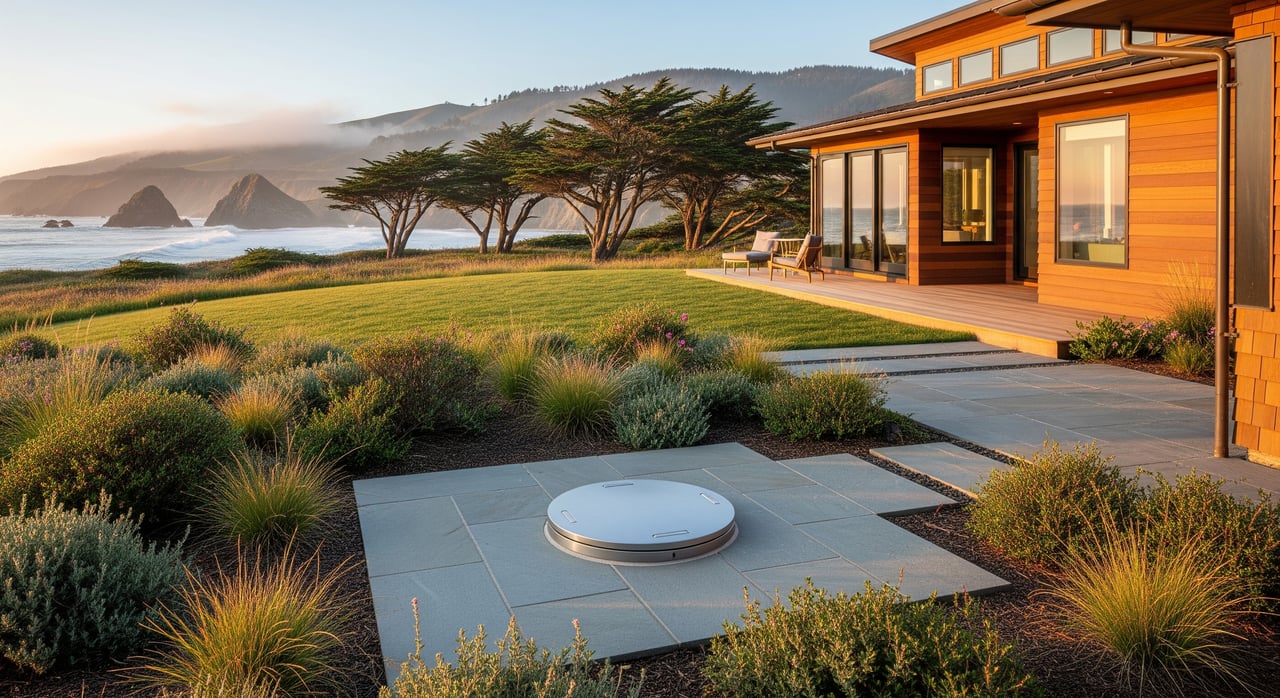
Mendocino County says a landowner must demonstrate an adequate water supply before new development. If the parcel is not served by a public water district, a private well may be needed and may require a Coastal Development Permit or exclusion. The Elk County Water District serves customers in and around Elk, so it is important to confirm whether the specific property is connected, eligible to connect, or dependent on private water infrastructure.
Septic also deserves close review. County Environmental Health manages onsite sewage systems, wells, and related permits, and it says owners are responsible for keeping septic permits current because annual renewal notices are no longer sent.
If you are considering a guest space or future flexibility, this becomes even more important. Mendocino County allows ADUs in the coastal zone, but says coastal-specific restrictions still apply, including water availability, blufftop development, and vacation-home-rental rules.
Emergency access matters more than buyers expect
Many buyers focus on views first and logistics second. In Elk, it is wise to reverse that order at least part of the time.
The Elk Community Services District provides fire protection, rescue, ambulance, and emergency medical services. Its volunteer fire department reported more than 100 emergency calls in 2024, and the county notes that many areas are at risk from wildland fire, with CAL FIRE clearance required in some State Responsibility Areas.
Evacuation planning also matters on this stretch of coast. Mendocino County’s evacuation plan says Highway 1 and Highway 128 are the primary evacuation routes, but Highway 1 can close during winter storms and high tides and can also be compromised by a tsunami event.
That is why buyers should check practical access, not just scenic access. For some parcels, especially bluff-top sites or properties west of Highway 1, you will want to confirm:
- Driveway condition and grade
- Shared-road or private-road responsibilities
- Winter storm access
- Tsunami hazard map location
- Realistic evacuation routes
If the parcel needs driveway or private-road work, county road standards may become part of the approval process. This can be especially relevant where access is steep, narrow, or shared.
Elk offers privacy over convenience
Elk is small. Community materials describe a village of about 275 residents with only a handful of local services. For many buyers, that is part of the appeal.
Compared with larger Mendocino Coast towns, Elk often offers more quiet, privacy, and a tucked-away feel. The tradeoff is that daily convenience may be more limited, so your buying decision should reflect how you want to use the property, whether as a full-time residence, second home, or long-term retreat.
What to expect as a buyer
If you are serious about buying in Elk, expect a process that rewards patience and careful research. The right property can be remarkable, but the path to confident ownership usually involves more up-front investigation than a typical inland purchase.
A practical way to approach an Elk oceanfront purchase is to think in layers:
- Start with the parcel: confirm coastal zone status, maps, access, and utility setup.
- Review the structure: understand age, condition, and any past improvements.
- Ask about future plans: remodels, additions, ADUs, wells, tanks, grading, and landscaping can all matter.
- Study risk and resilience: bluff setback, erosion, storm access, wildfire exposure, and tsunami planning.
- Match the property to your goals: privacy, occasional use, long-term stewardship, and ease of ownership are not always the same thing.
That is often the difference between simply buying a beautiful coastal property and buying one that truly works for you over time.
If you are considering an oceanfront or ocean-view home in Elk, working with a brokerage that understands the Gualala to southern Mendocino coast can make the process feel much more manageable. For guidance grounded in decades of local coastal market experience, connect with Kennedy & Associates Real Estate.
FAQs
What does oceanfront usually mean for homes in Elk?
- In Elk, oceanfront often means bluff-top or bluff-edge exposure rather than flat sandy frontage, so the siting, bluff condition, and access matter as much as the water view.
How long can coastal permits take for an Elk property?
- Mendocino County says Coastal Development Permits are discretionary and typically take about 6 to 12 months for processing and approval.
Do all Elk coastal properties need permit review for changes?
- Not all changes require the same level of review, but the county defines development broadly, so remodeling, grading, vegetation removal, demolition, and some water-related changes can trigger coastal review.
What utility issues should buyers check for an Elk oceanfront home?
- Buyers should confirm water supply, whether the parcel is served by the Elk County Water District or a private well, and the status of any onsite septic system and permits.
Are ADUs allowed on coastal properties in Elk?
- Yes, Mendocino County allows ADUs in the coastal zone, but coastal-specific restrictions can still apply, including rules tied to water availability, blufftop development, and vacation-home-rental regulations.
Why is emergency access important when buying in Elk?
- Emergency planning matters because Highway 1 and 128 are the main evacuation routes, Highway 1 can close during winter storms and high tides, and some coastal parcels may also require tsunami and wildfire planning.