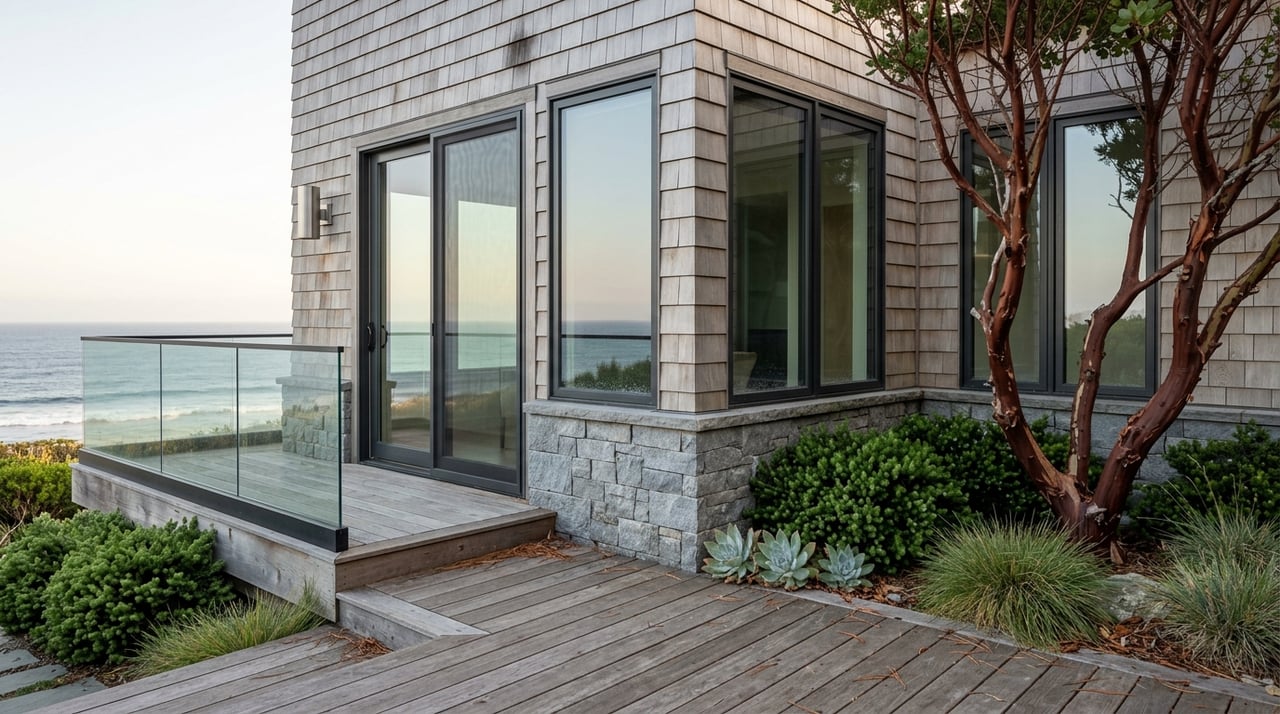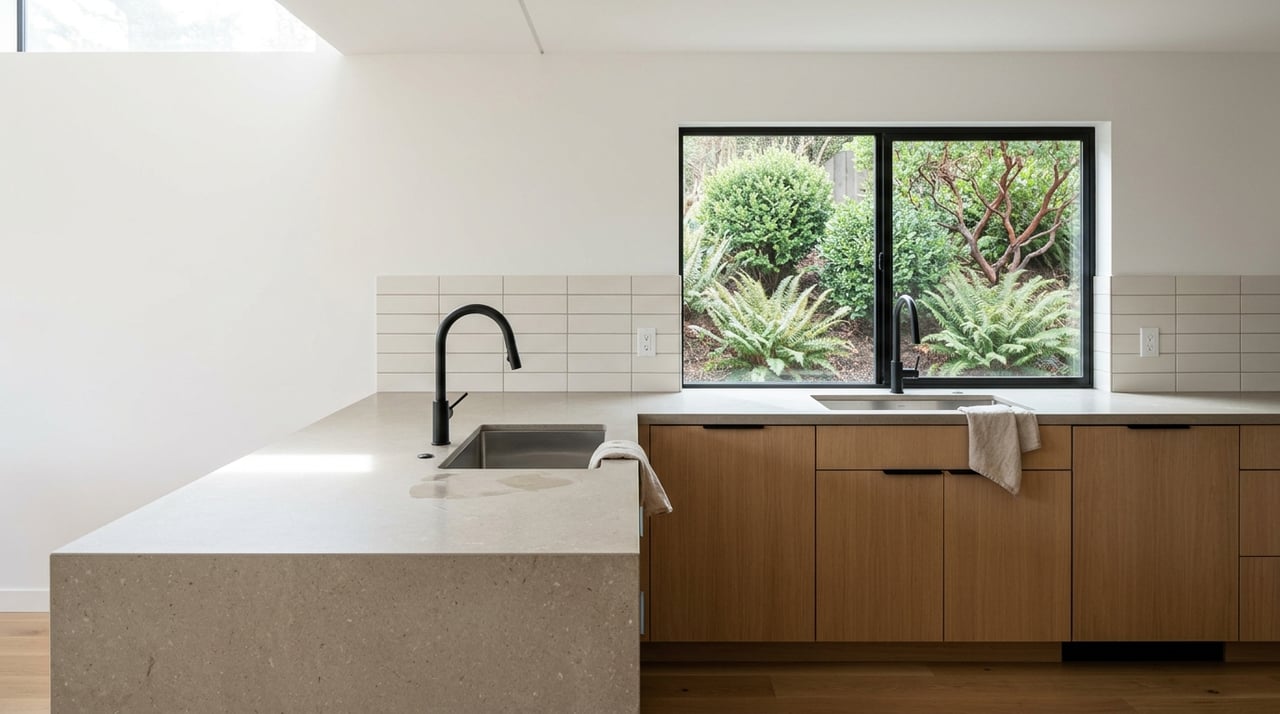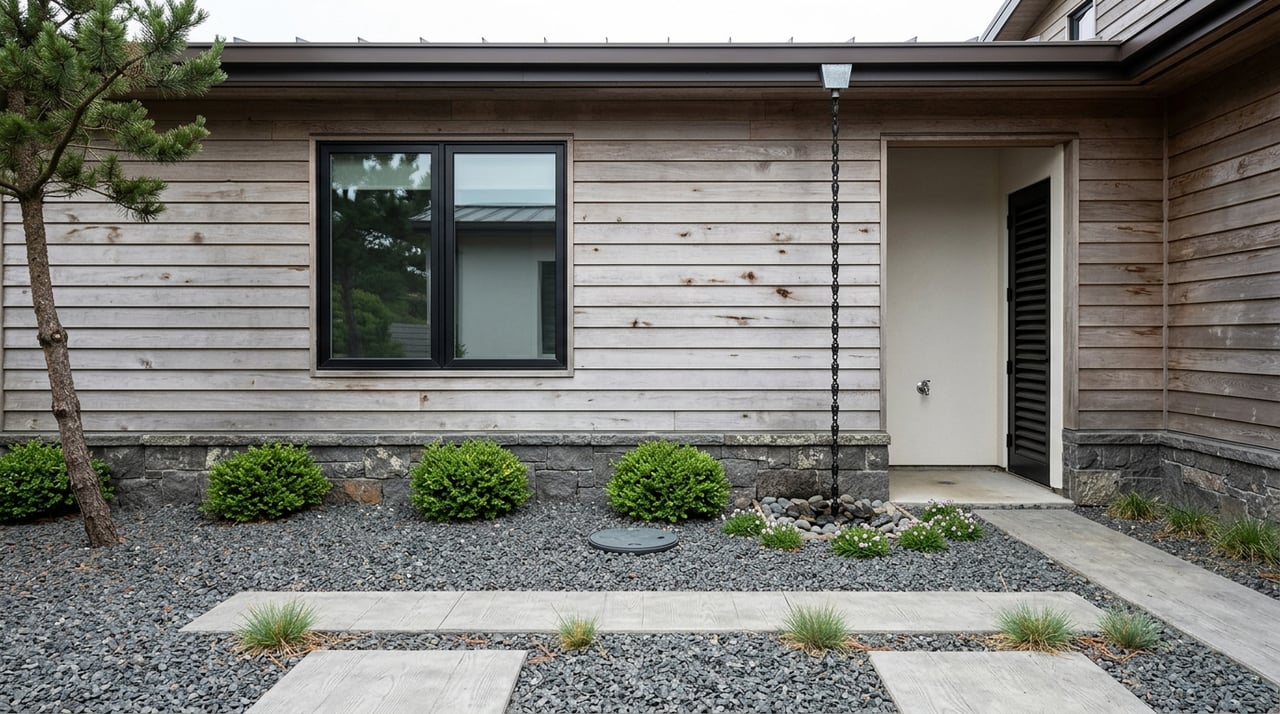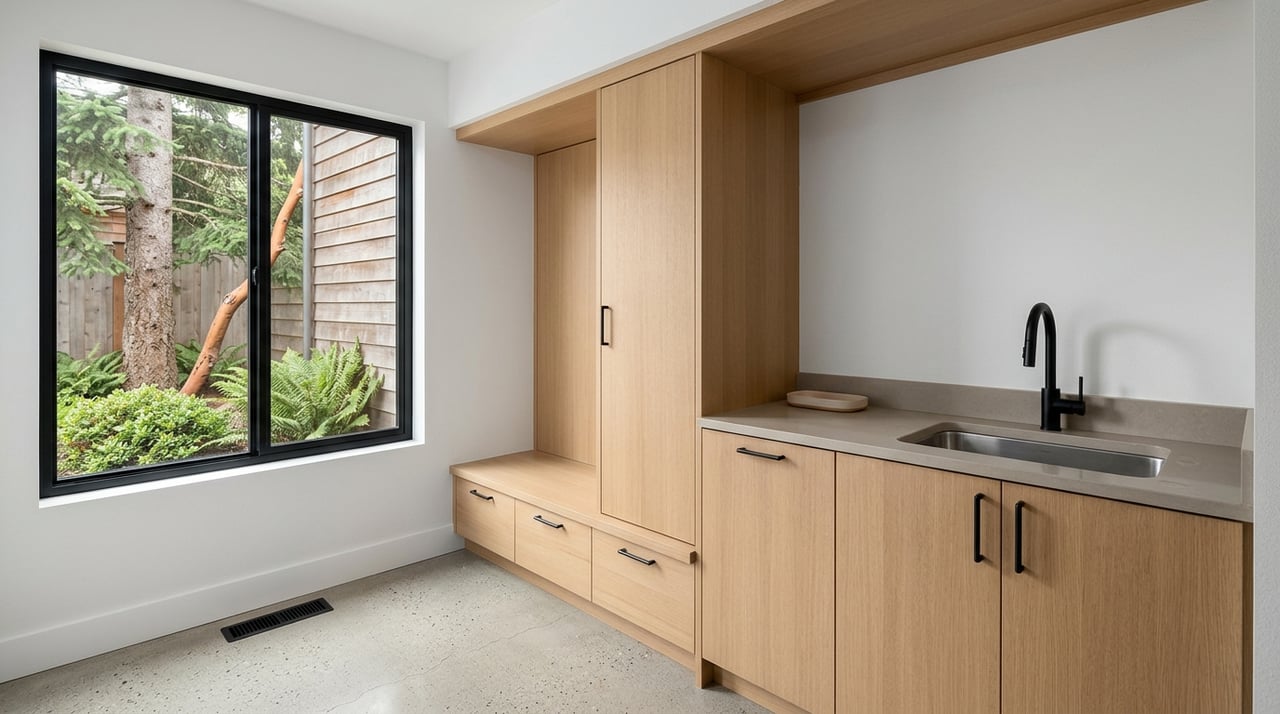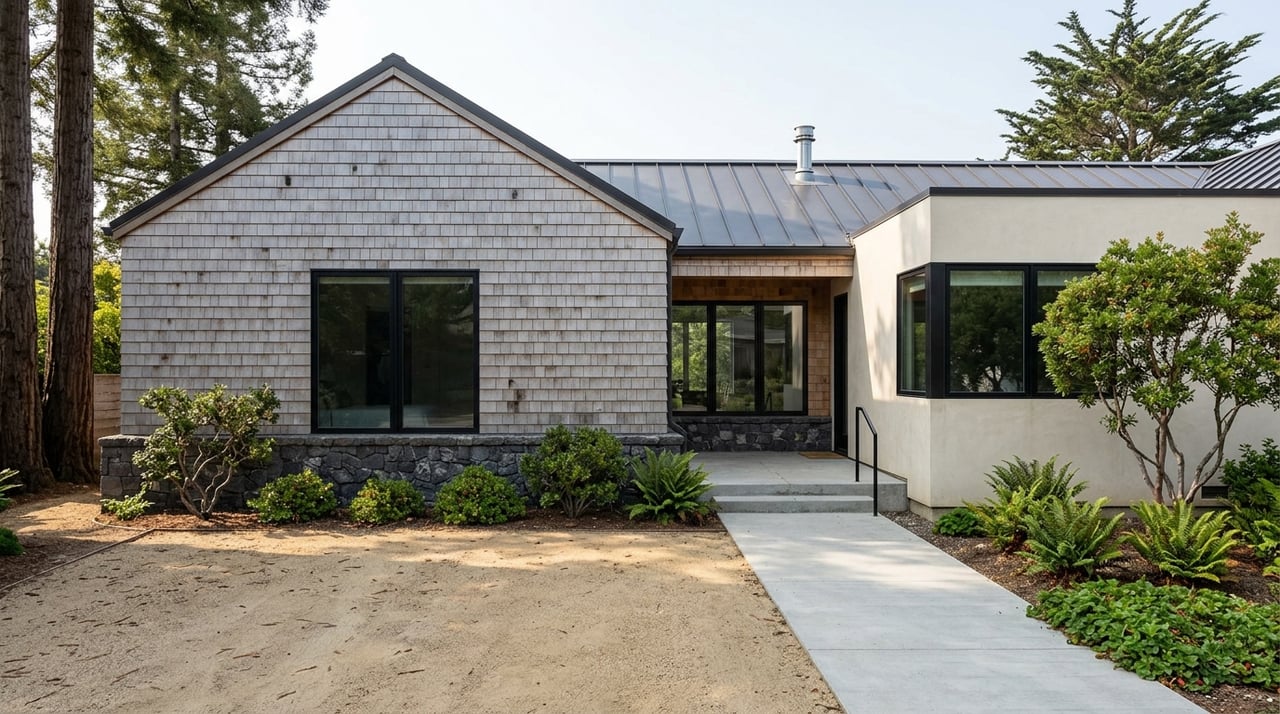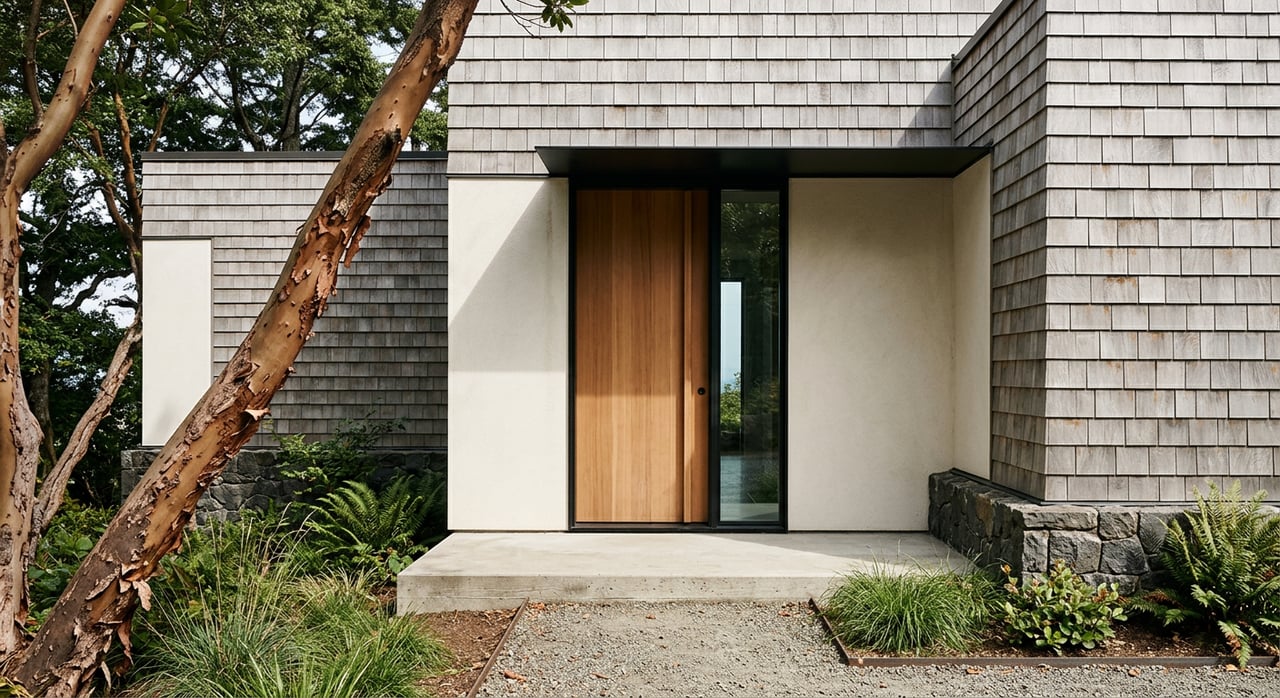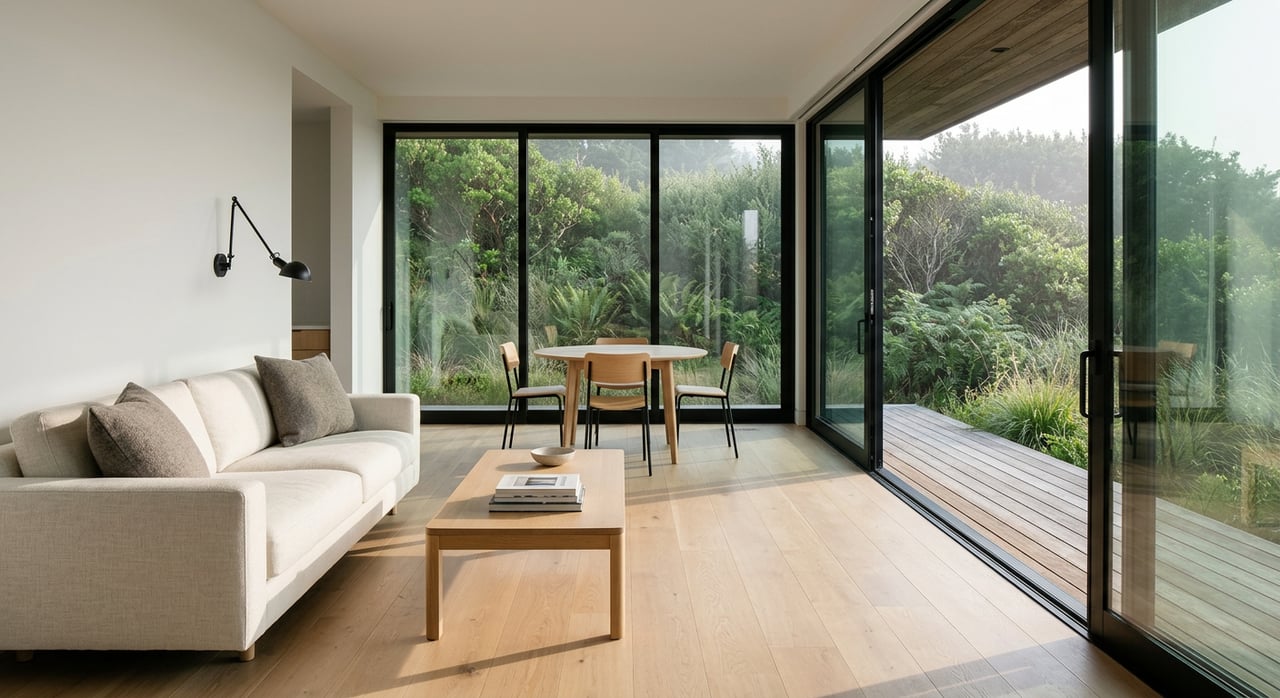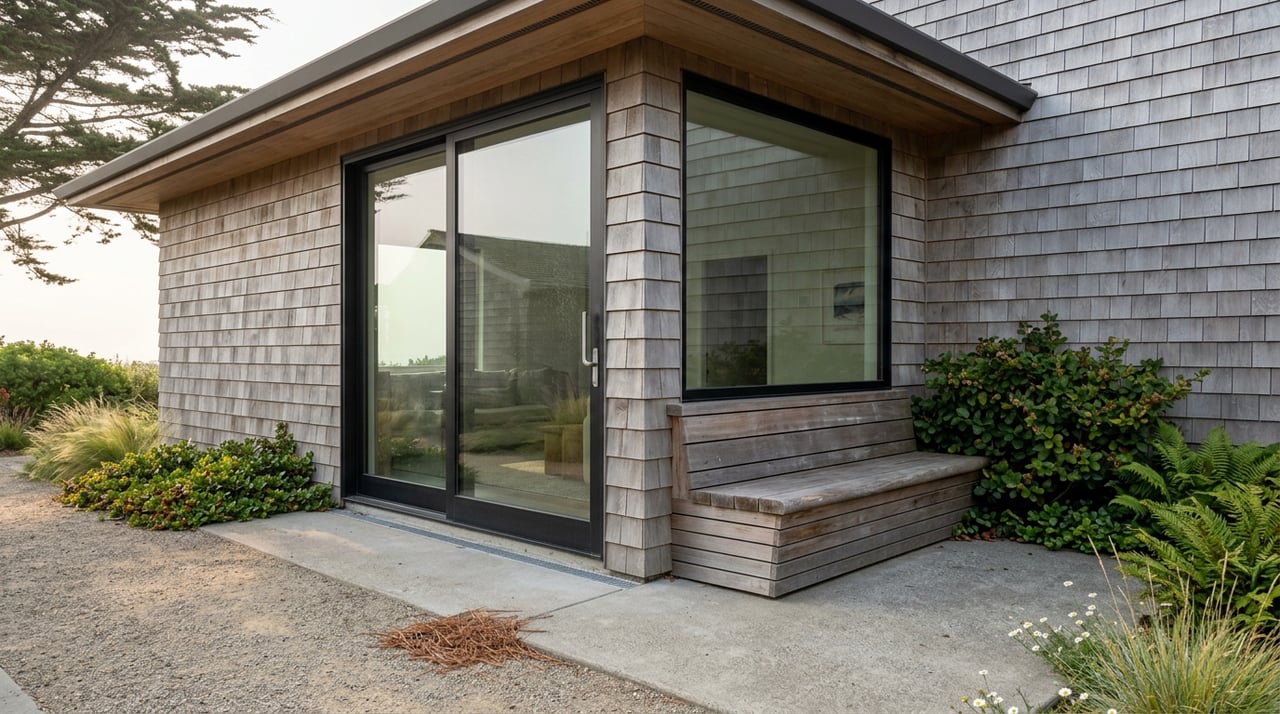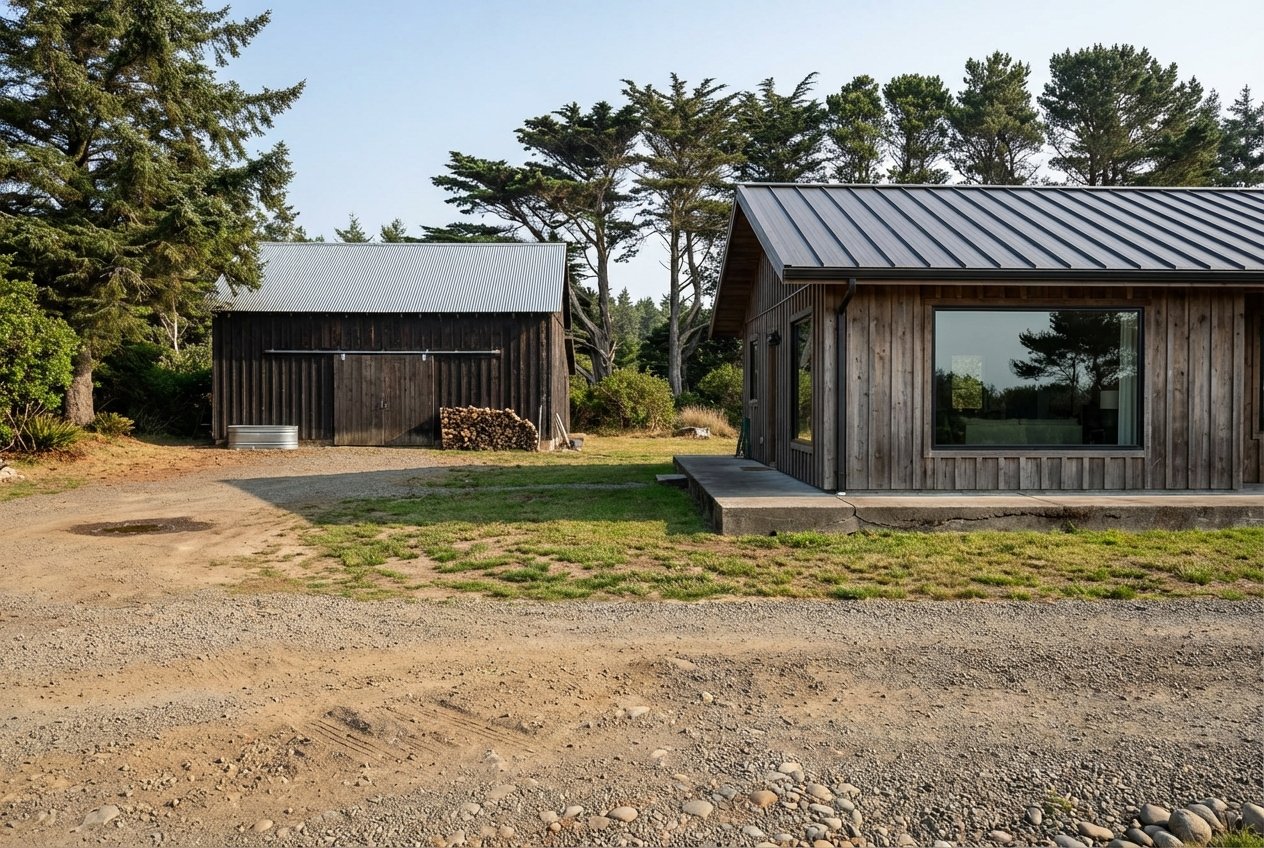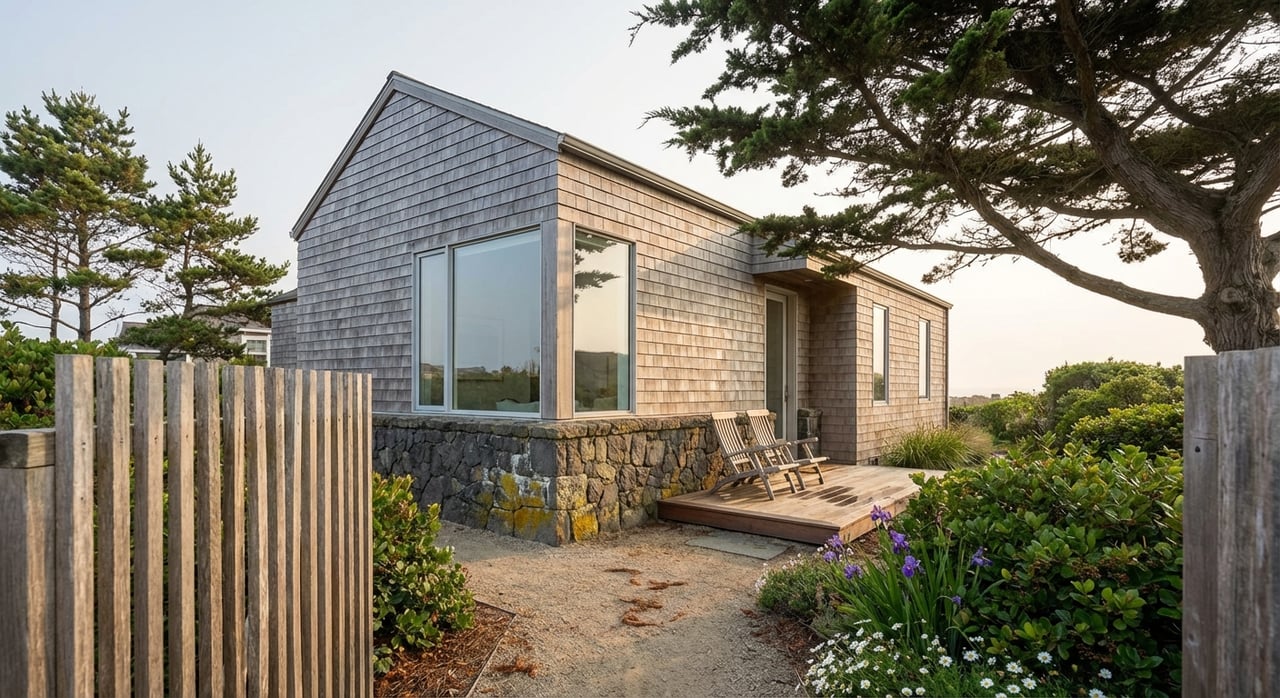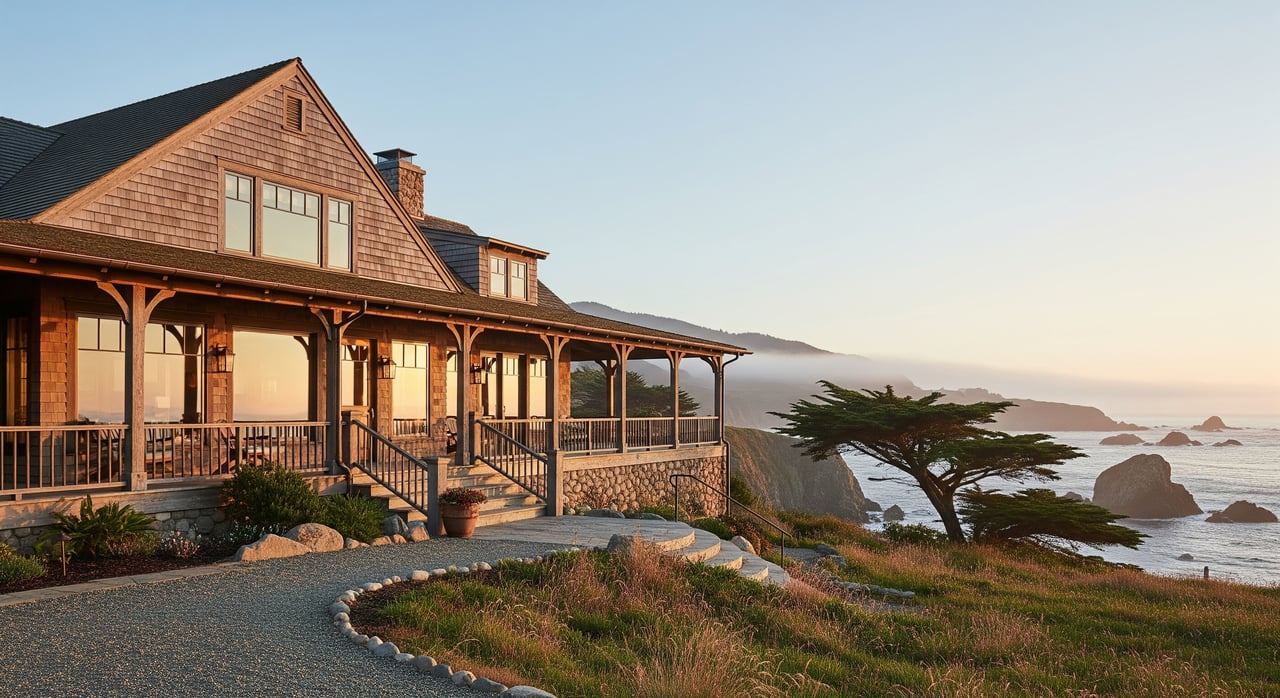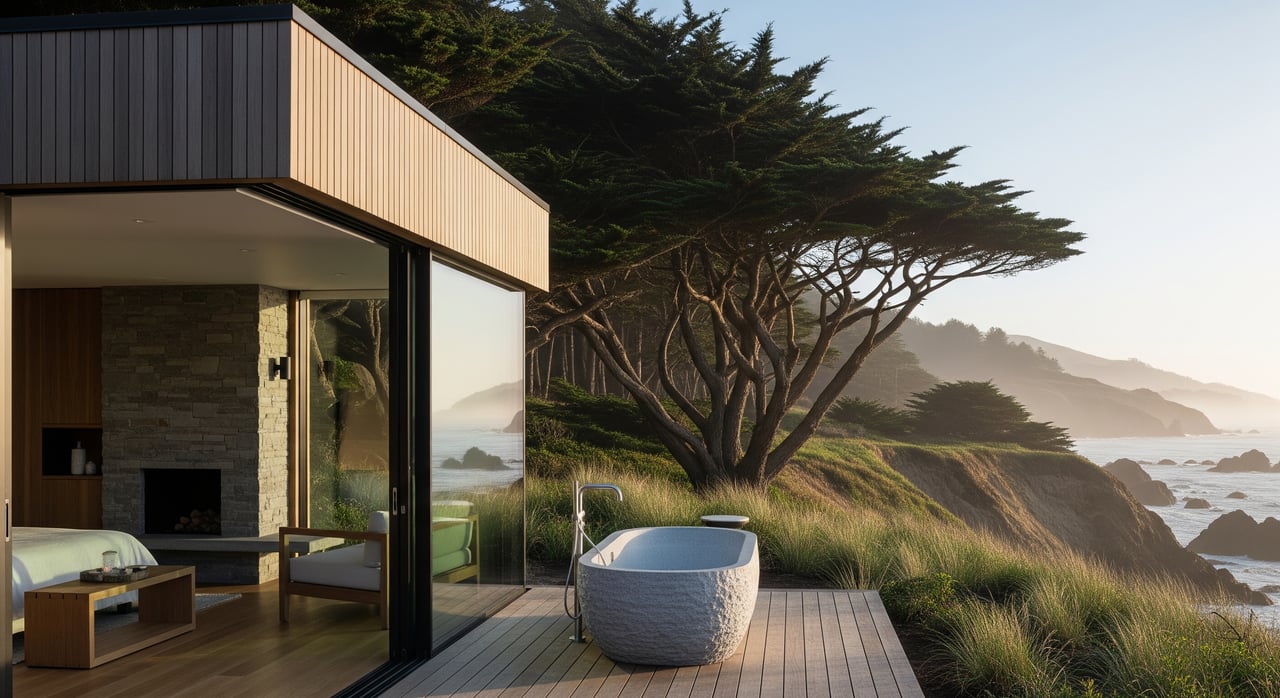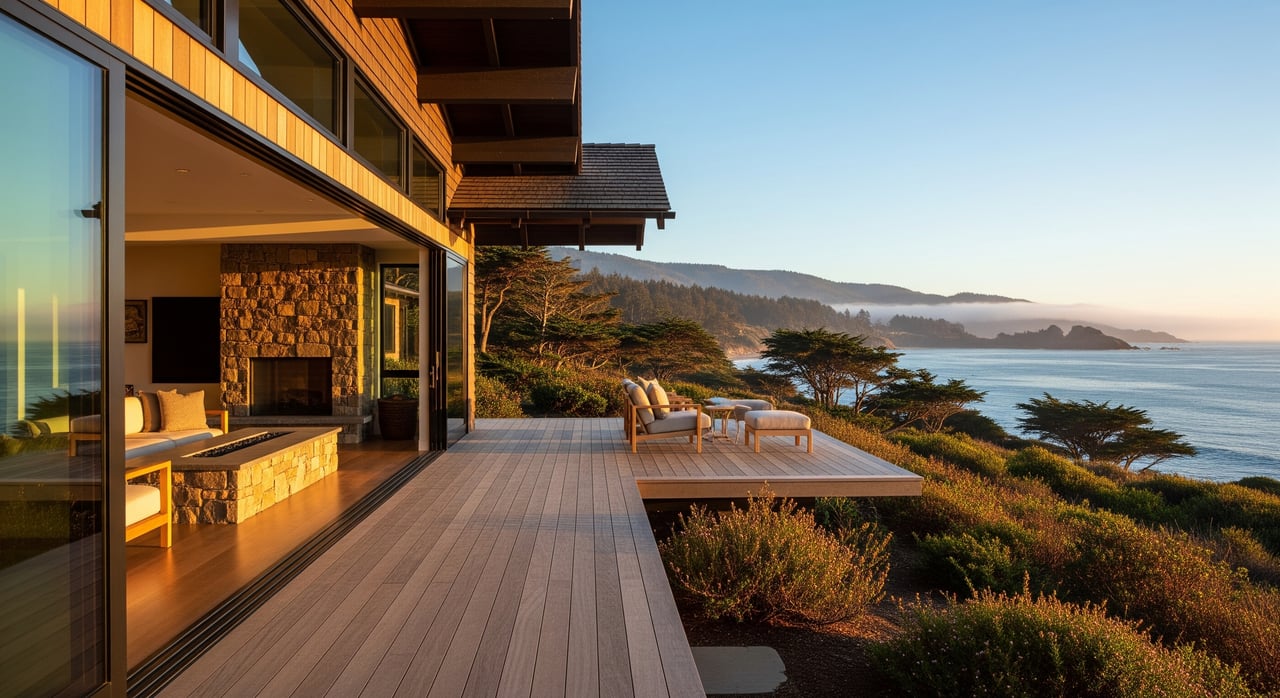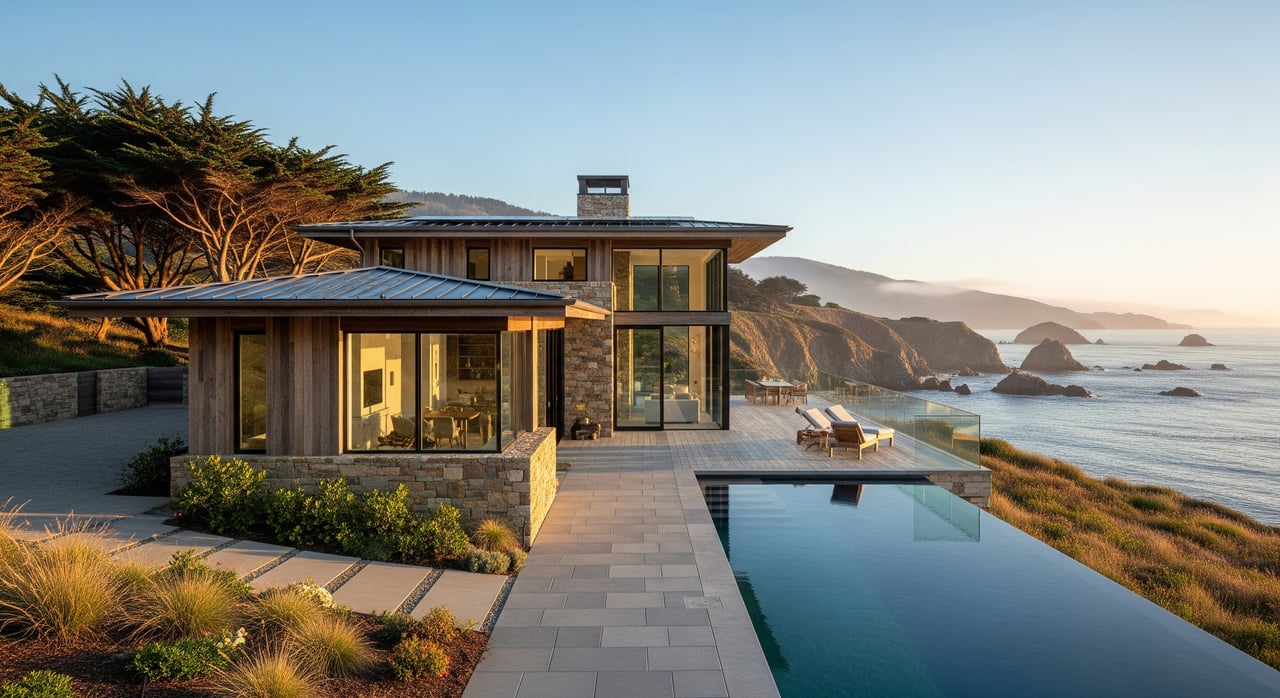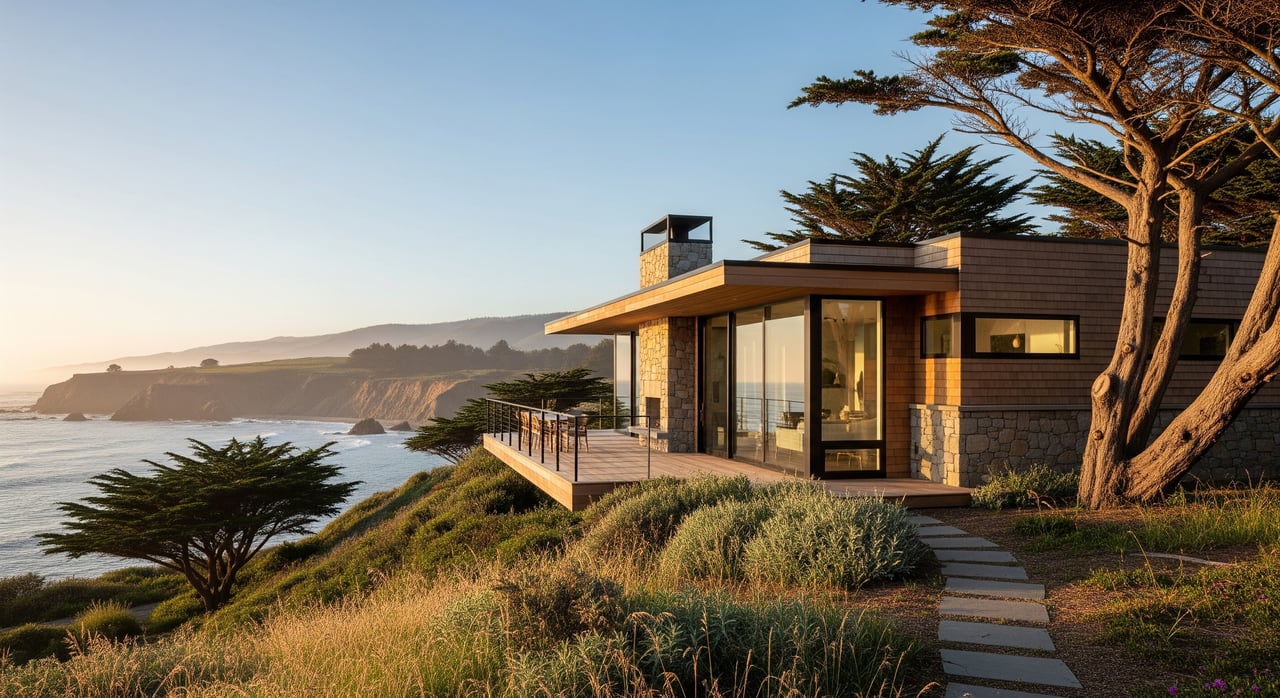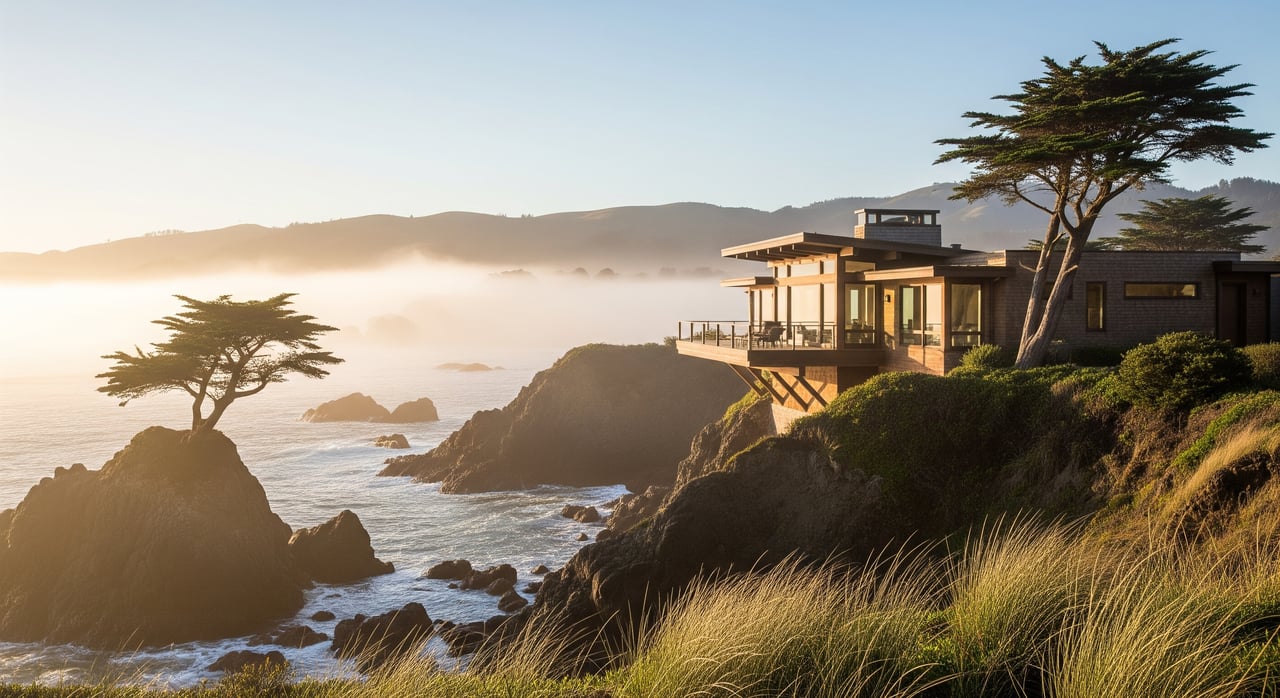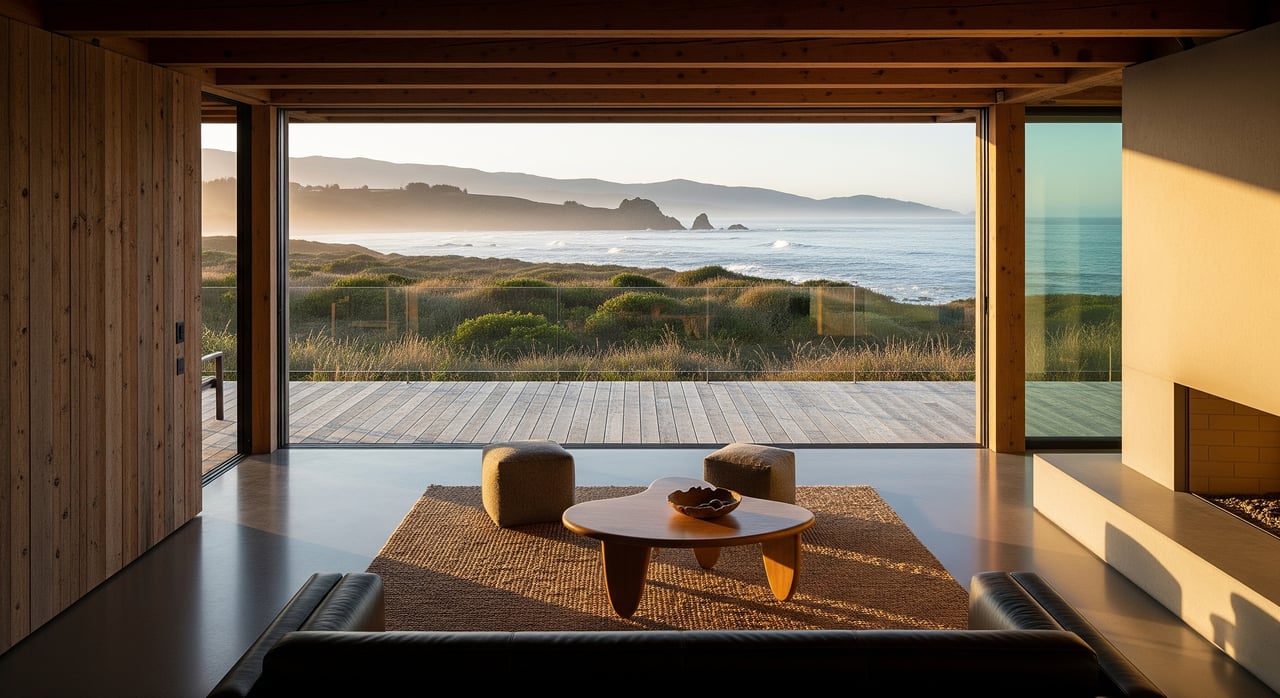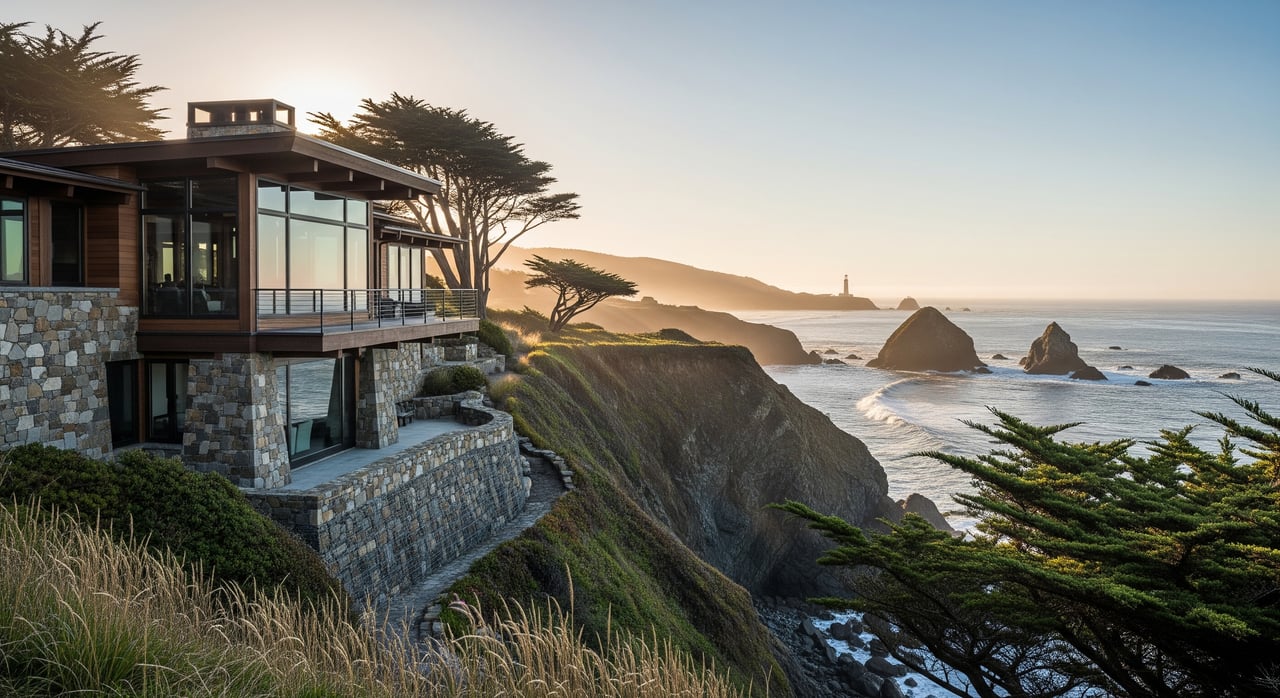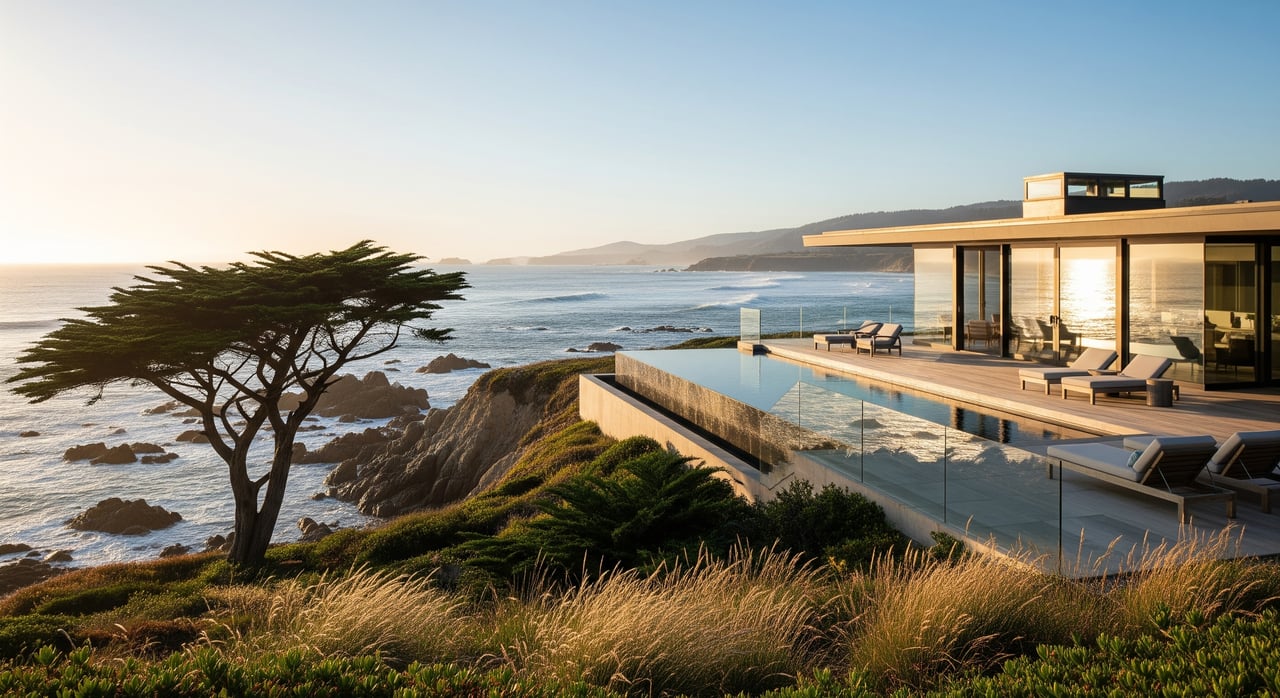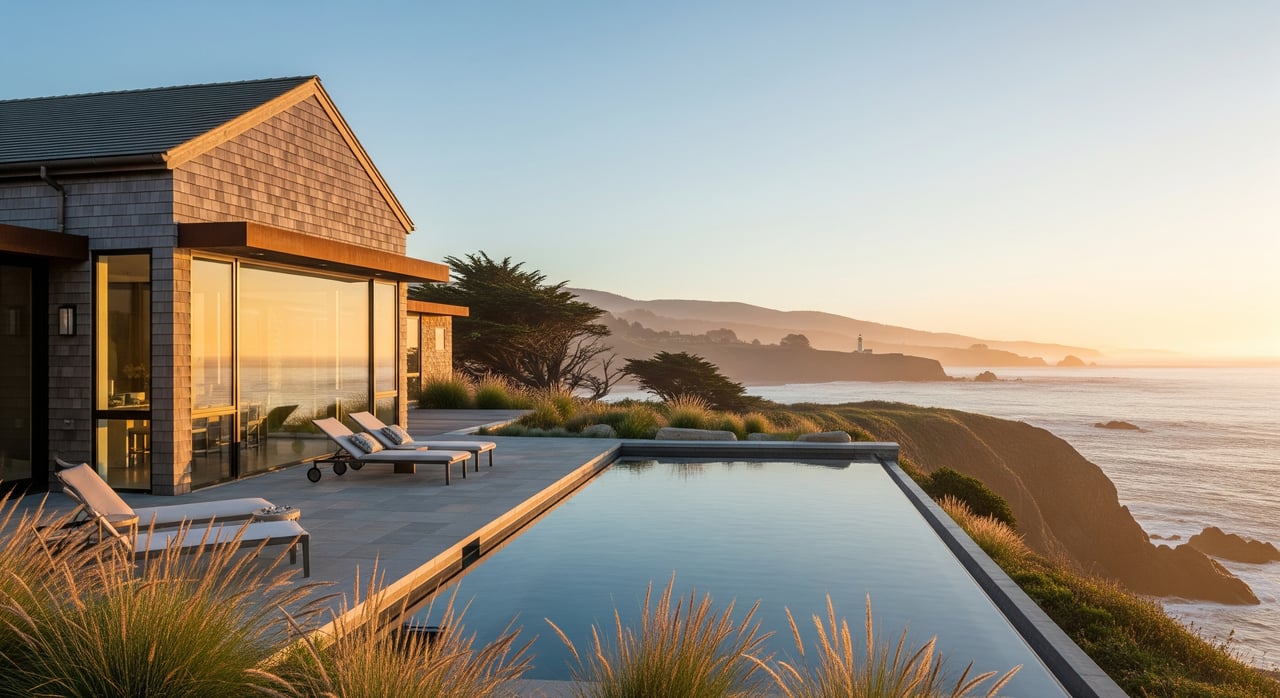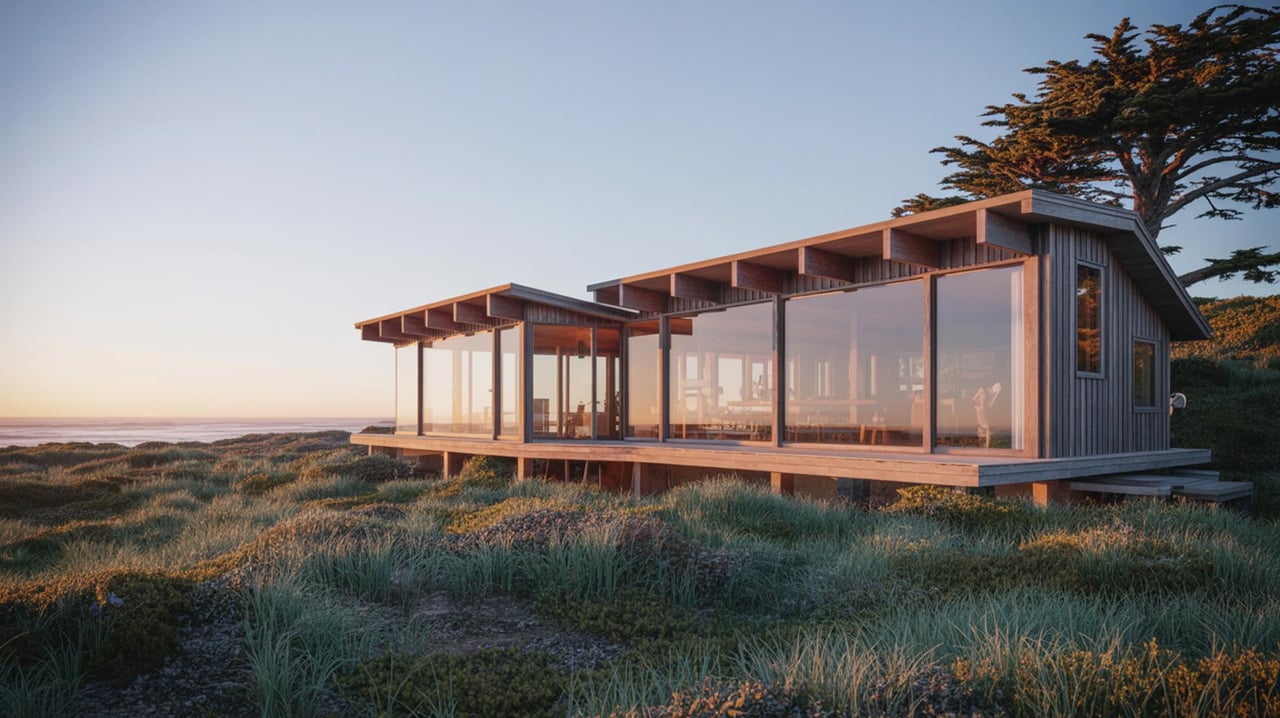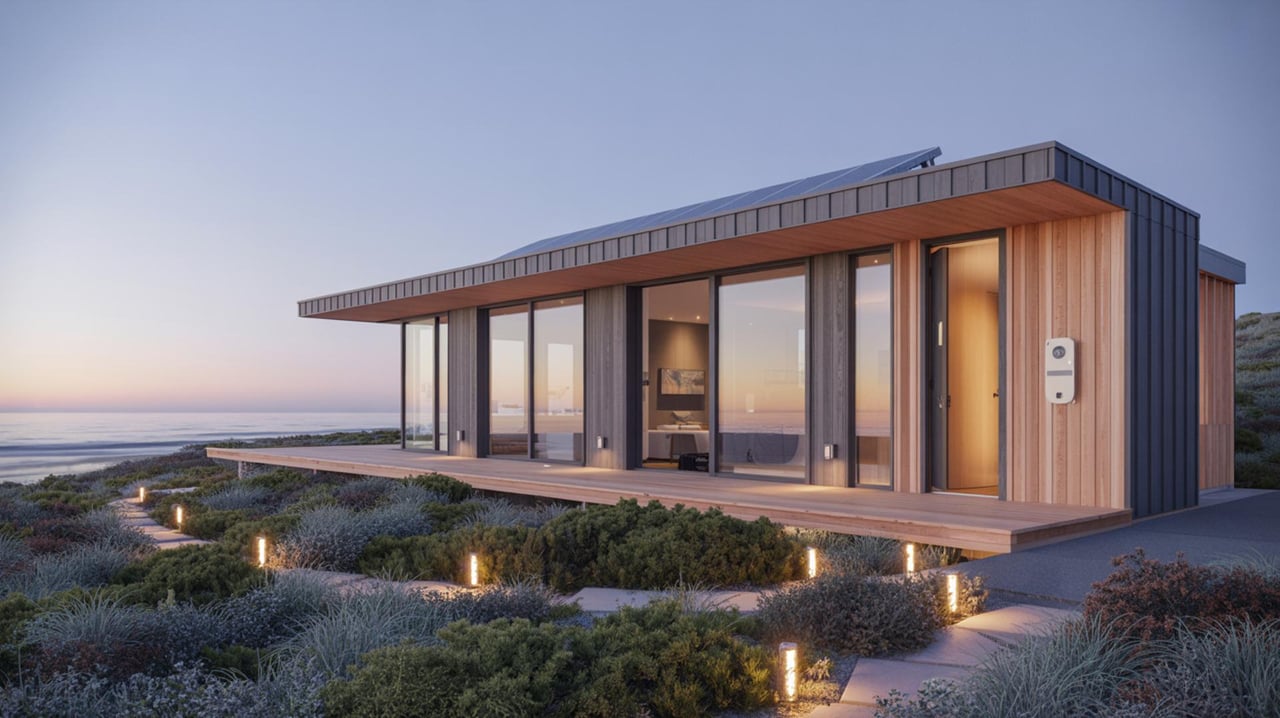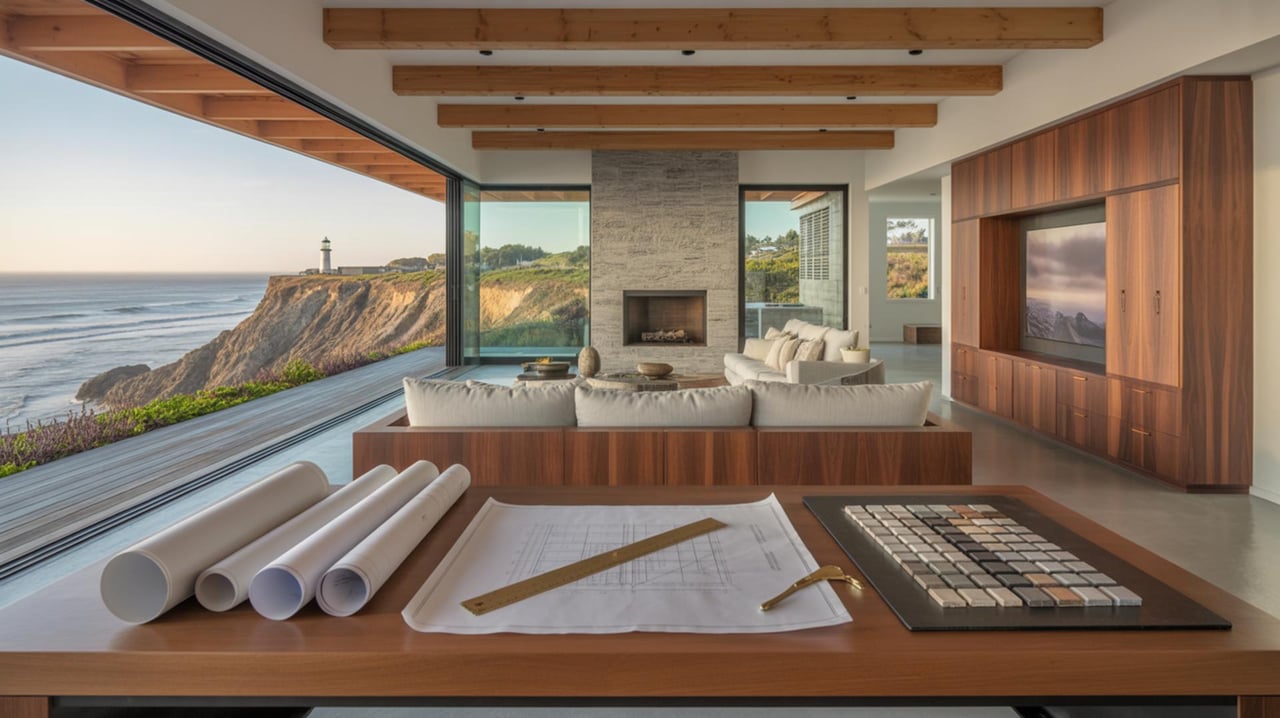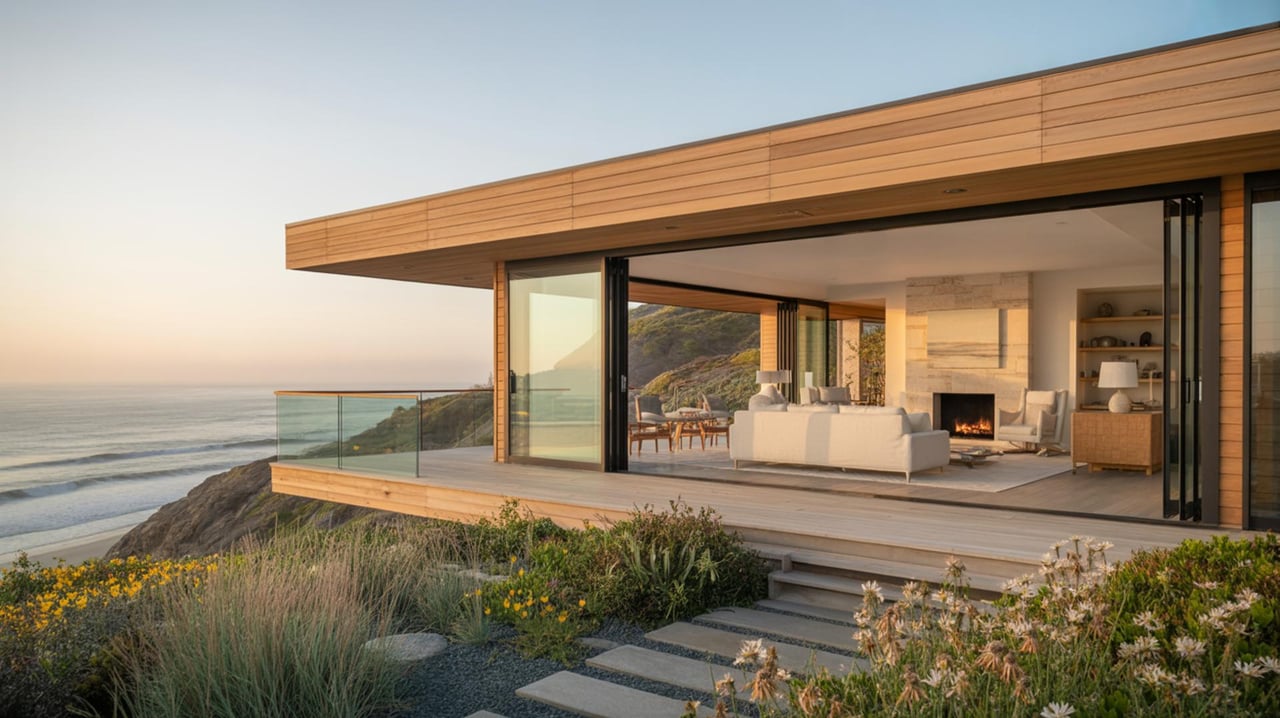
If you have ever looked at a Sea Ranch map and thought, "How is this place actually organized?" you are not alone. Sea Ranch does not read like a typical subdivision, and that is part of what makes it so distinctive for buyers exploring the Sonoma Coast. This guide will help you understand how Sea Ranch is laid out, what people mean by its “neighborhoods,” and how trails, beaches, and owner amenities shape daily life here. Let’s dive in.
How Sea Ranch Is Organized
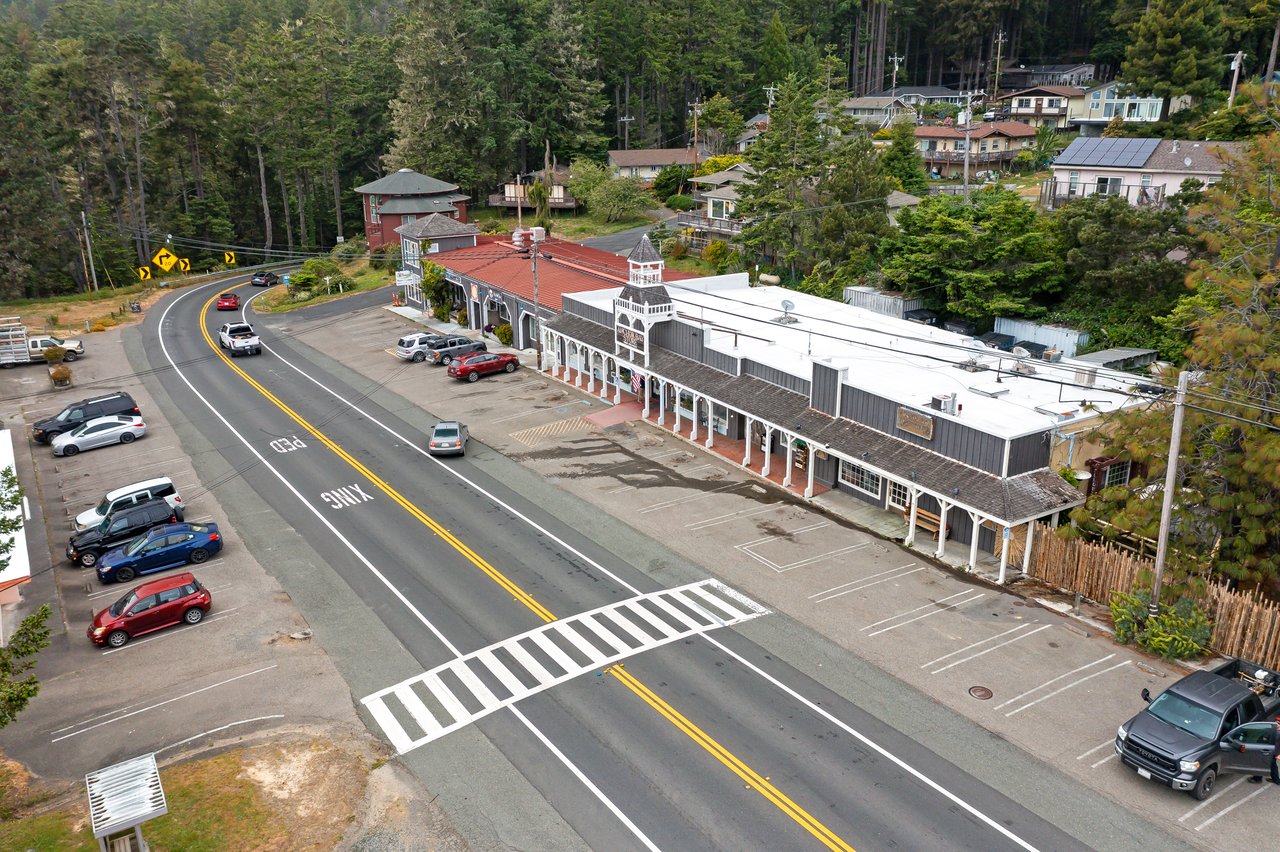
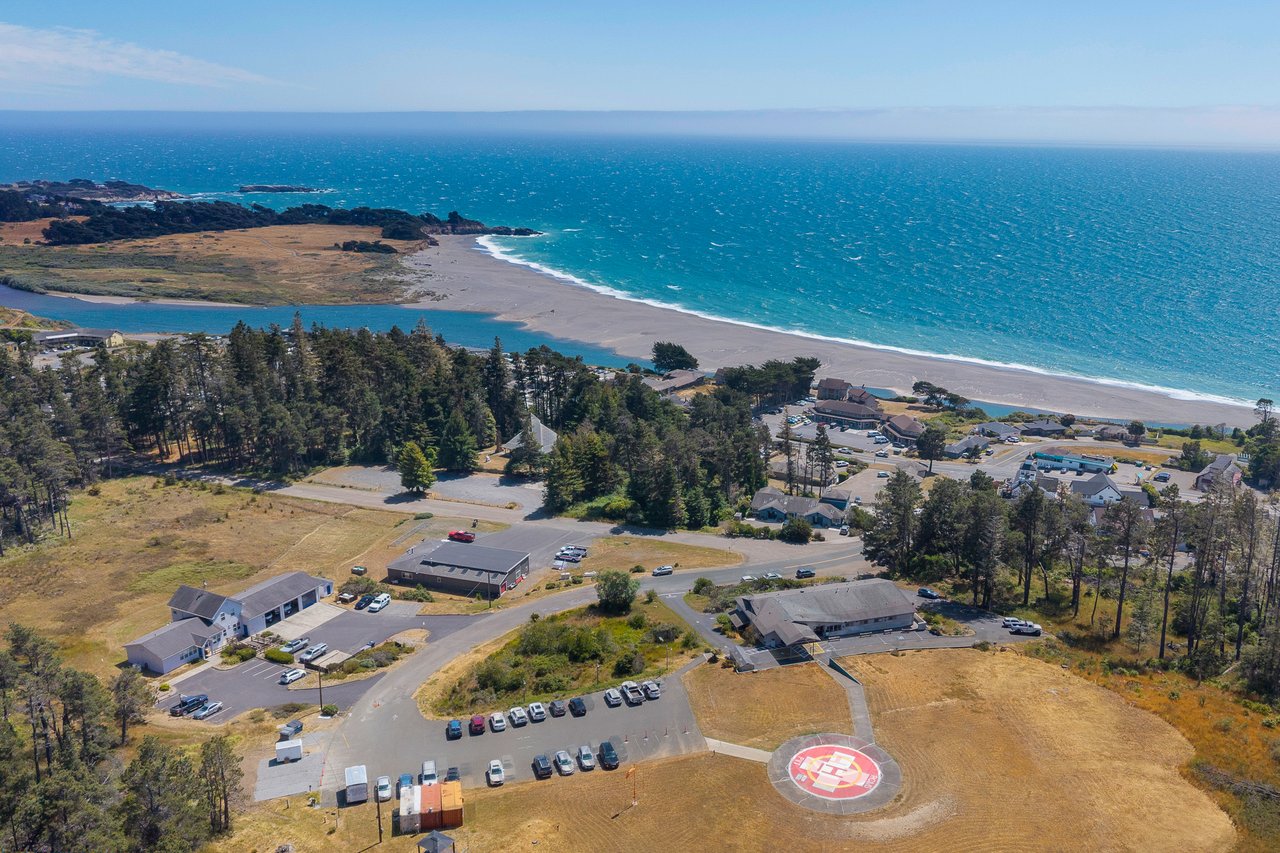
Sea Ranch is a long, narrow coastal community that stretches about 10 miles along the coast and about a mile inland. According to The Sea Ranch Association, the community includes more than 2,200 homes and undeveloped lots.
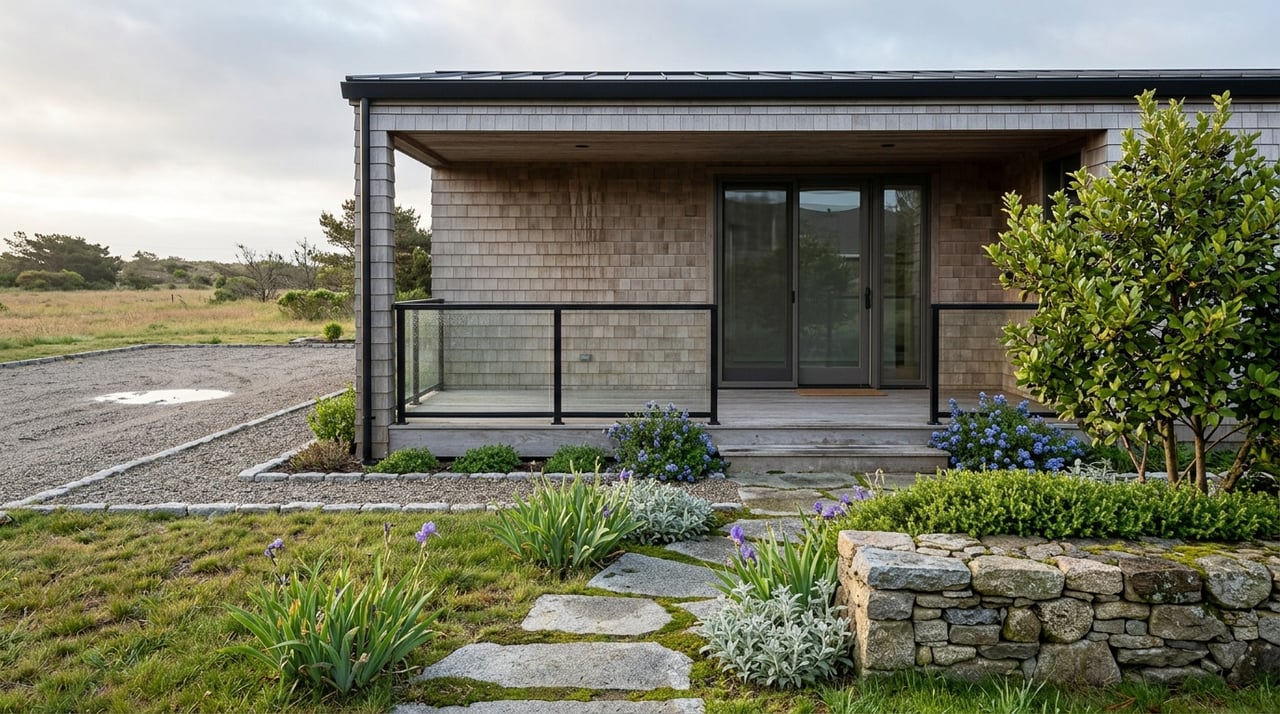
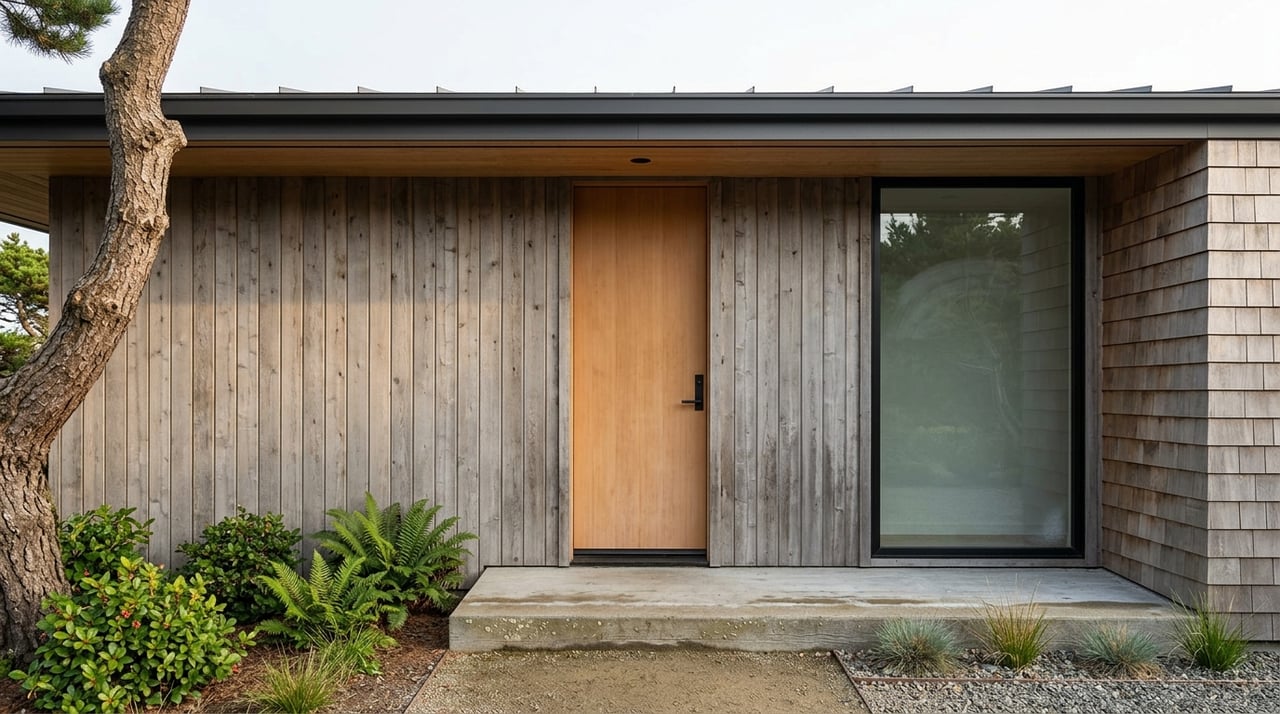
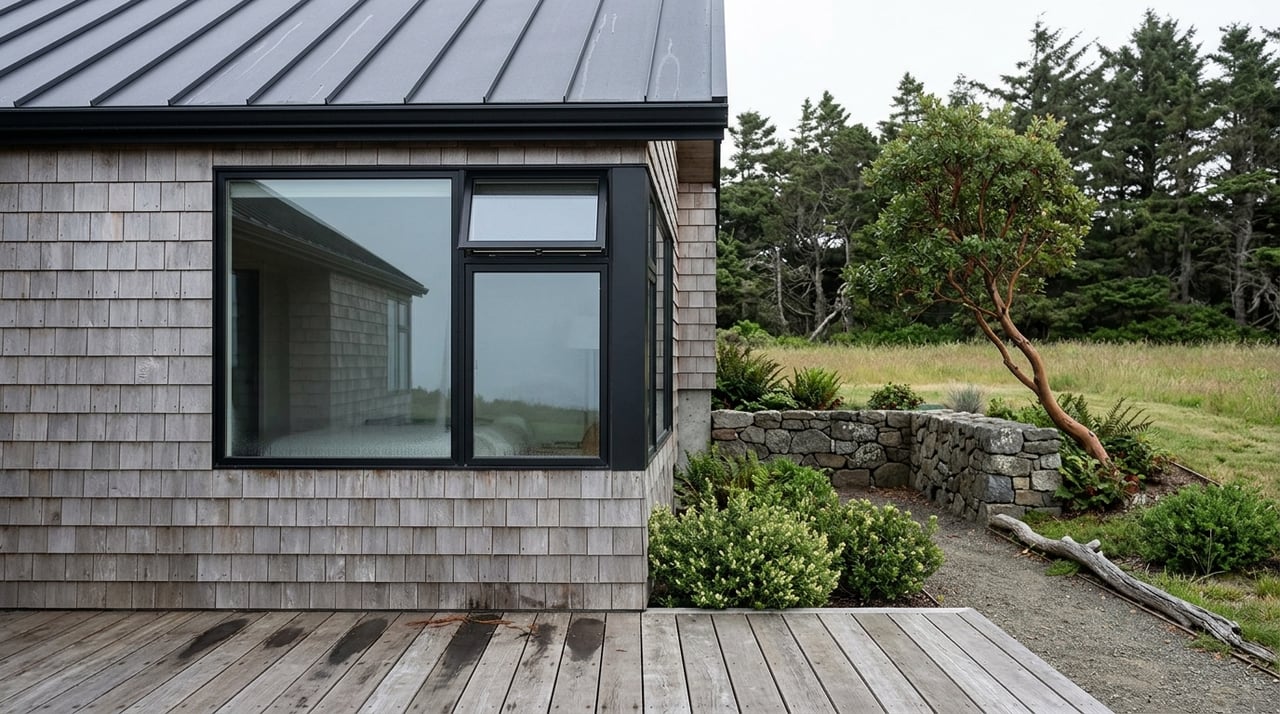
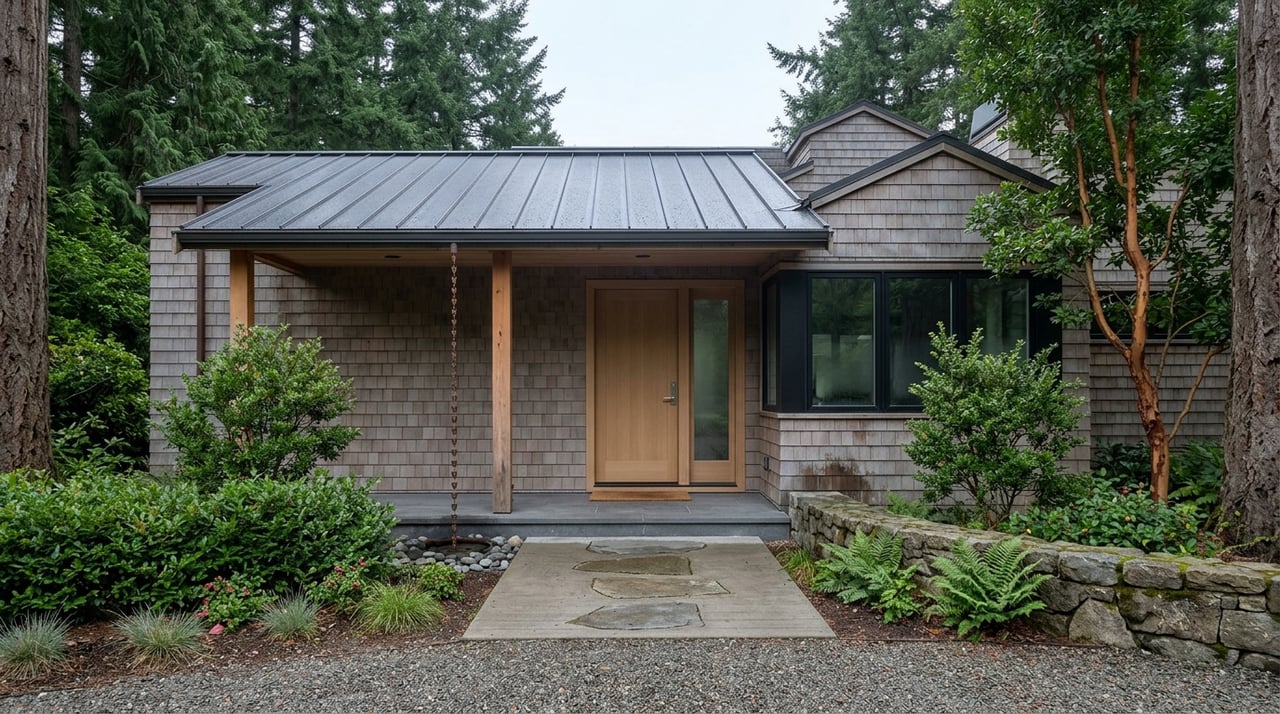
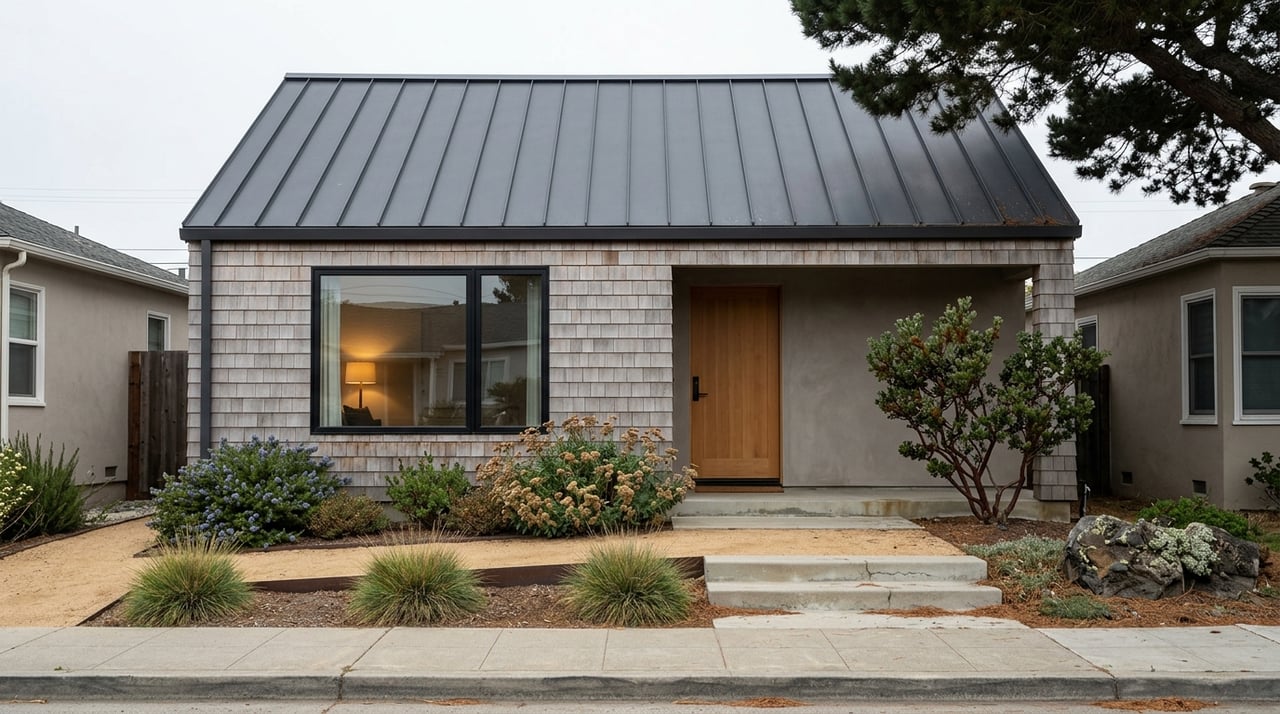
Instead of a standard street-grid layout, Sea Ranch is organized around clustered homes, hedgerows, commons, and open space. The private road system and related infrastructure are maintained by the Association, and the design intentionally avoids a conventional suburban feel with sidewalks, streetlights, and individual mailboxes, as outlined in the Association’s roads and parking overview.
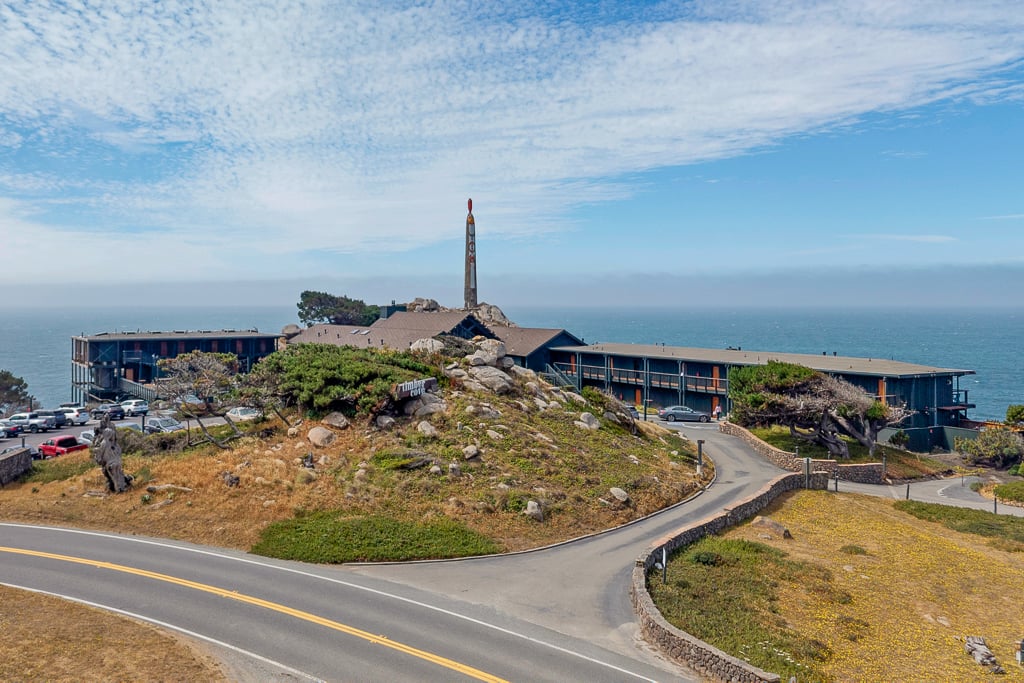
A practical way to read Sea Ranch is north to south along Highway 1, then east versus west of the highway, and then by landscape setting. In the southern half, orientation points often include Moonraker Recreation Center, Brigantine Reach, The Sea Ranch Lodge, Condominium One, and Bihler Point, based on TSRA trail materials.
What “Neighborhoods” Mean Here
At Sea Ranch, “neighborhood” usually means a landscape-based district rather than a traditional subdivision with clearly named streets and uniform housing tracts. The setting around the home often matters just as much as the home itself.
In TSRA’s Area 7 field guide, the Association describes forested slopes, enclosed meadows, highway-adjacent meadows, and west meadows that extend toward the bluffs. Those different settings affect light, wind exposure, and the overall feel of the property.
In practical terms, buyers often think about Sea Ranch homes in four broad ways:
- Forest settings often offer filtered light and more wind protection
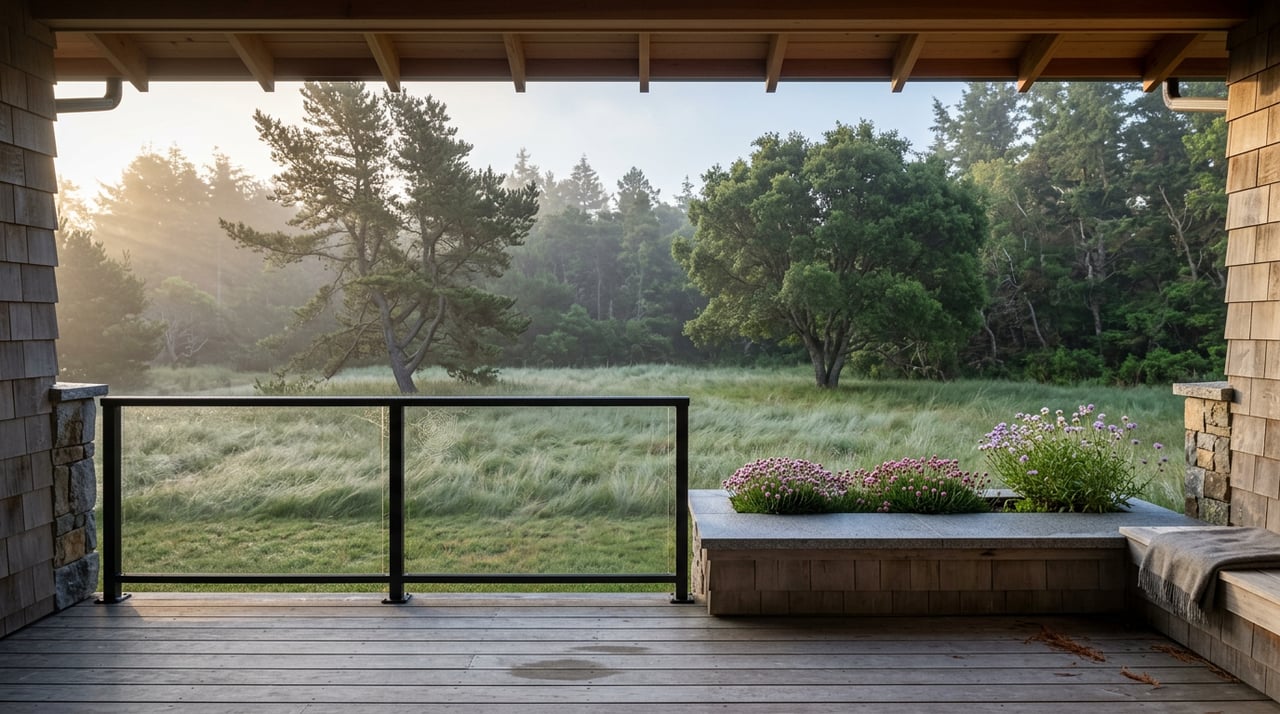
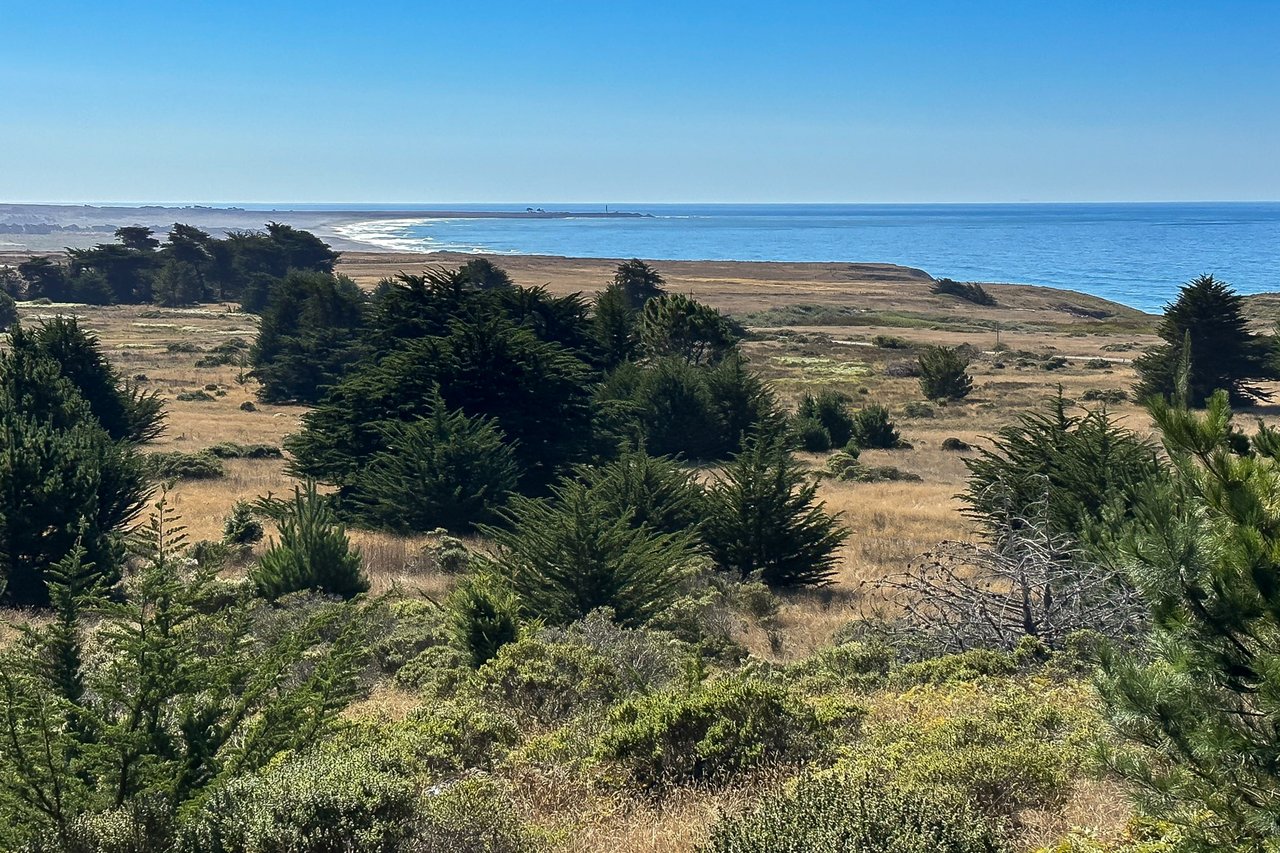
- Meadow settings tend to feel more open and exposed
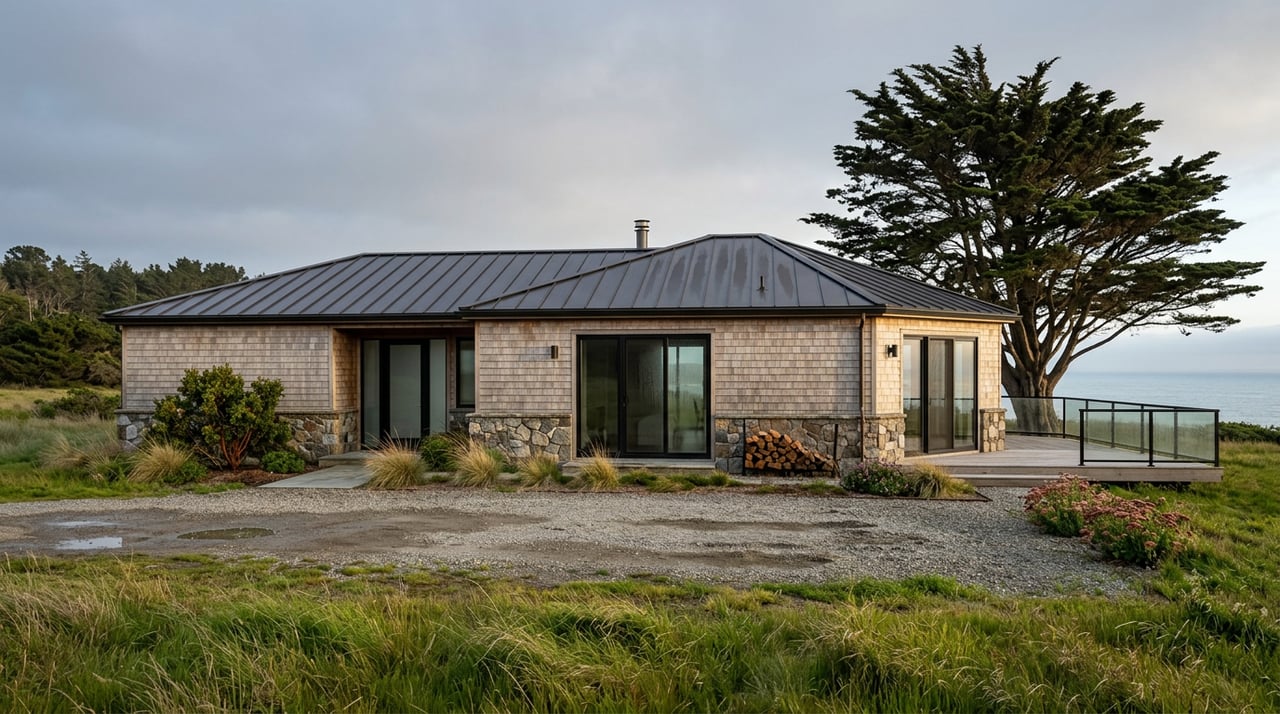
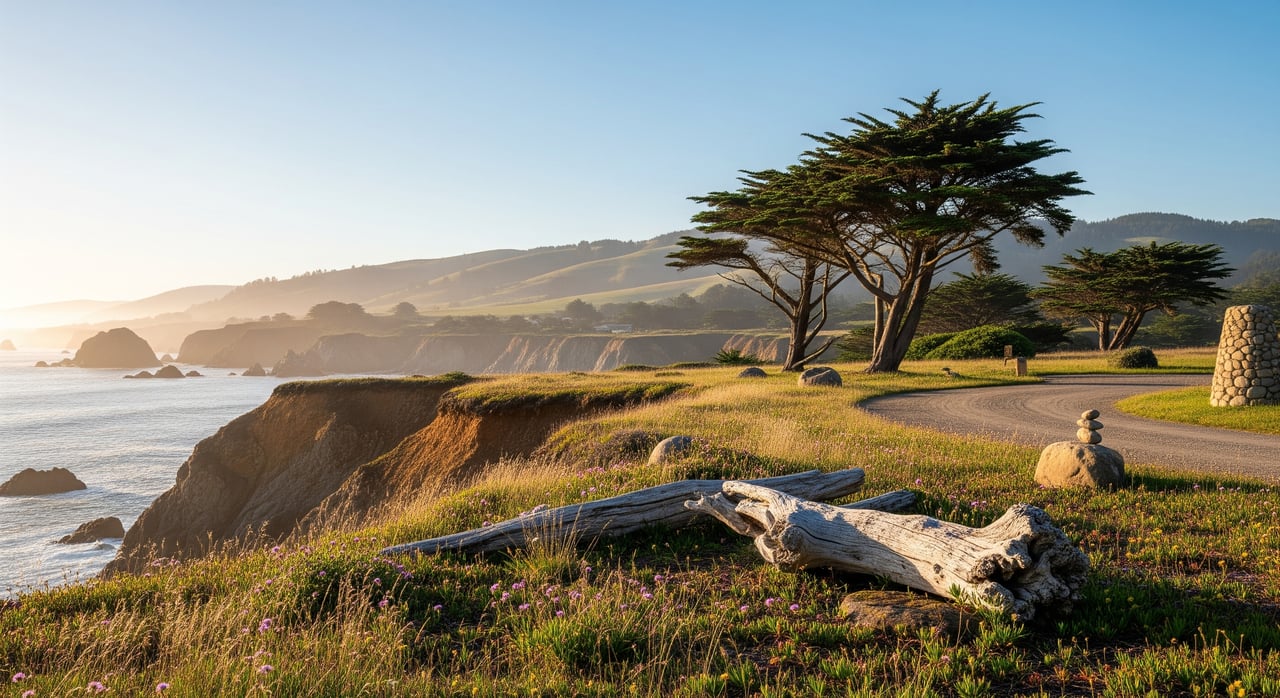
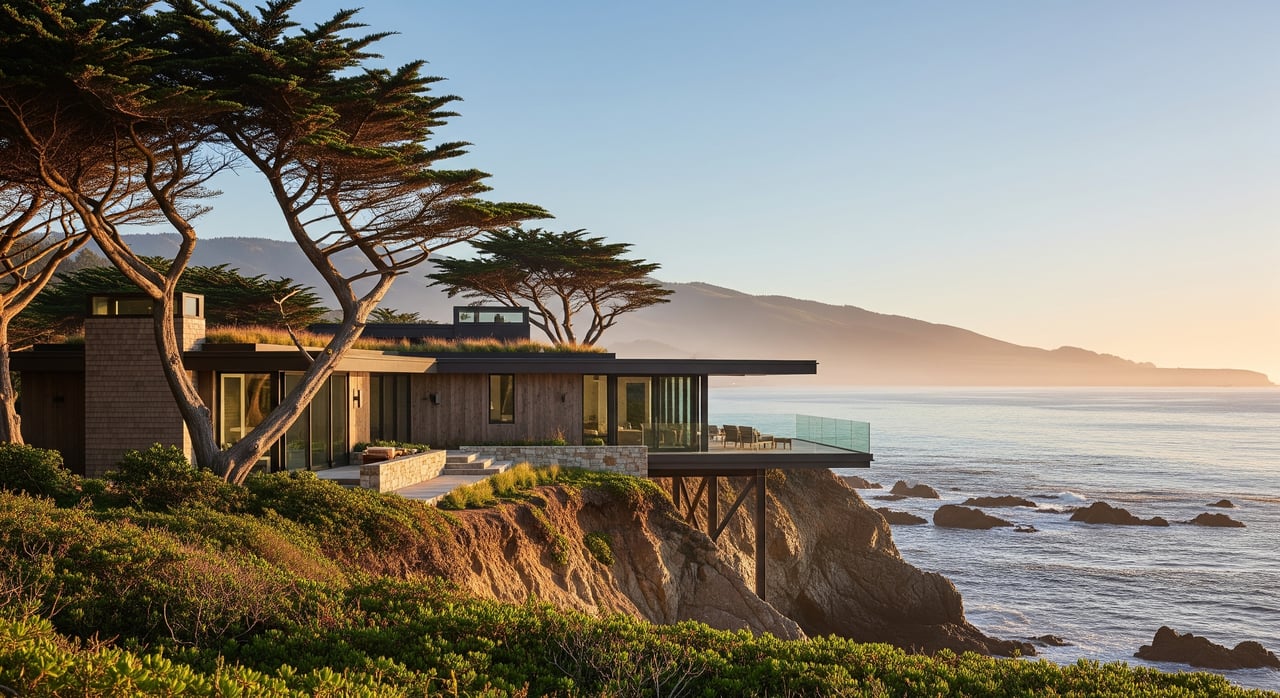
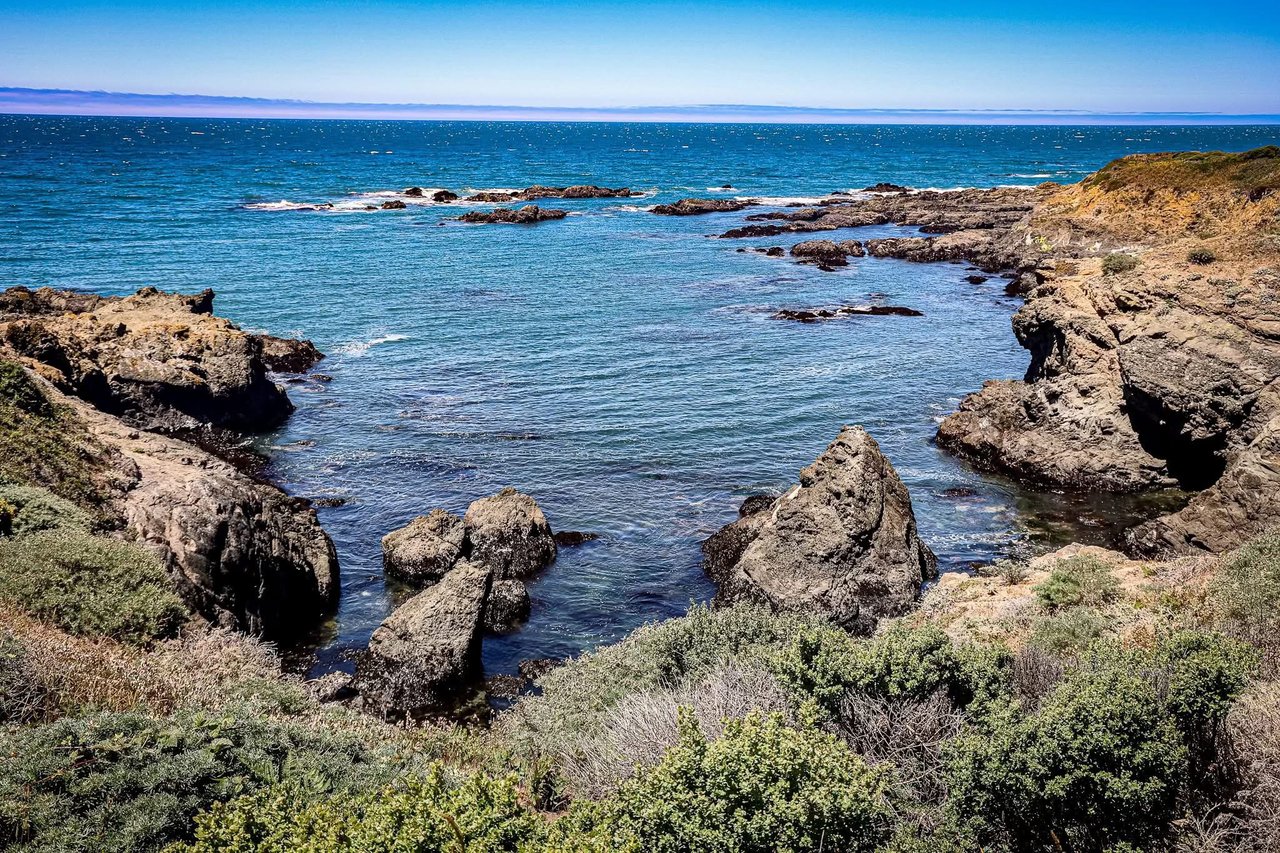
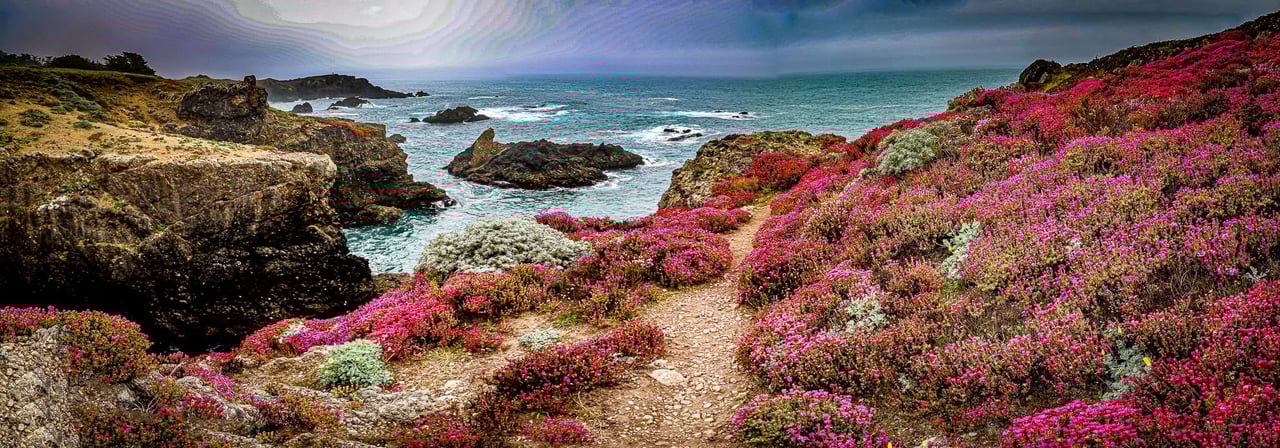
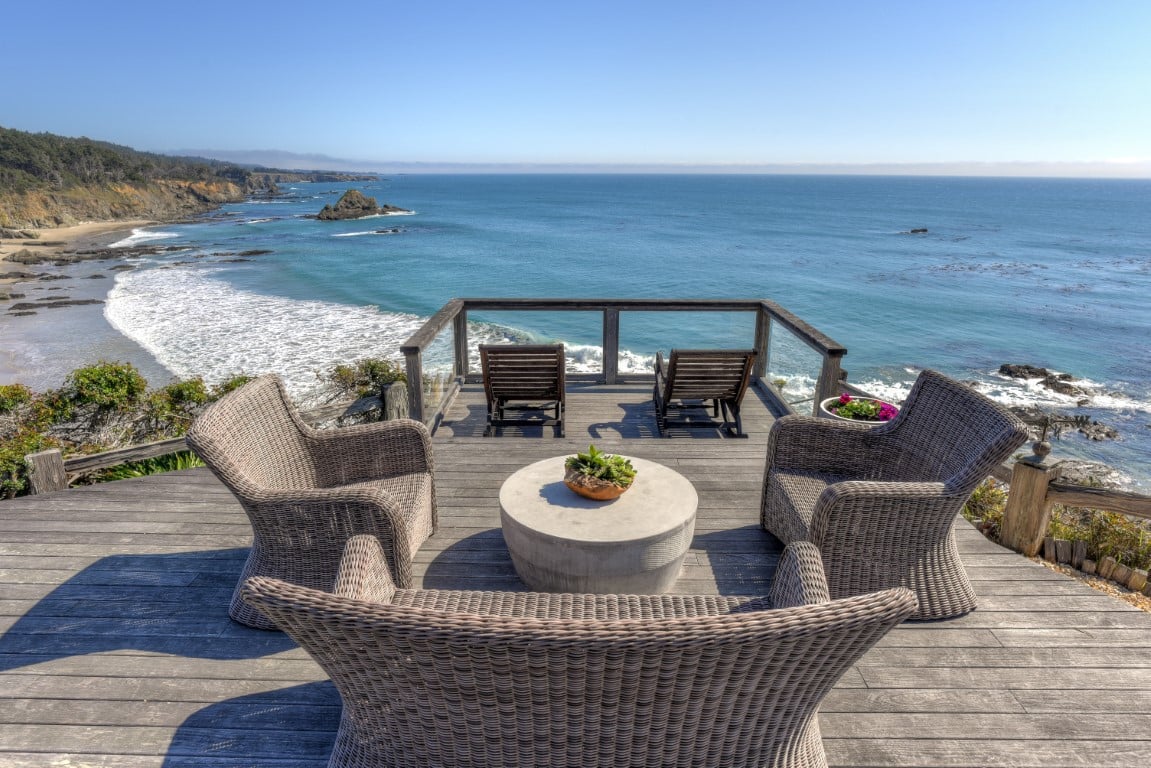
- Bluff settings provide the strongest coastal exposure and direct ocean drama
- Cluster or terraced settings can have a different circulation pattern, shared commons, and parking arrangement
That setting-first mindset is important because Sea Ranch living is shaped by the land itself. TSRA landscape planning materials describe more than 2,000 acres of open space woven through meadows, terraces, forests, hedgerows, riparian areas, and view corridors in the community’s Area 6 field guide.
Forest, Meadow, Bluff, and Cluster Living
Forest Settings
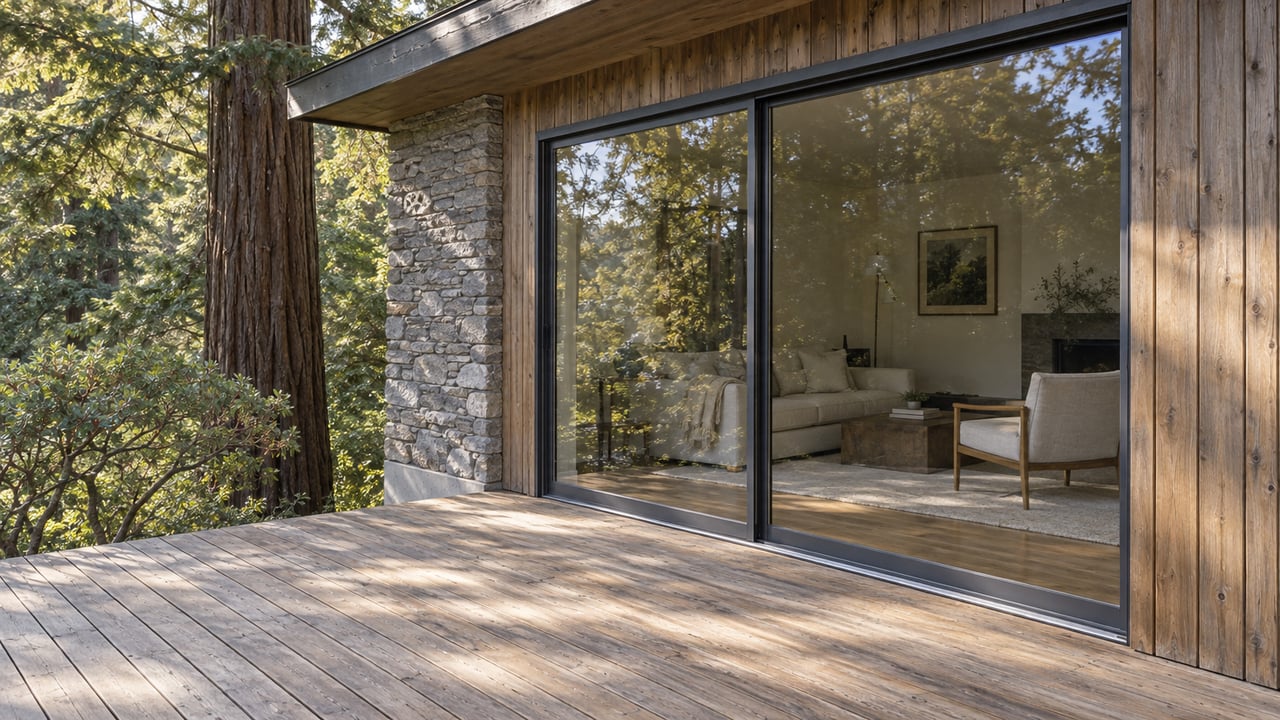
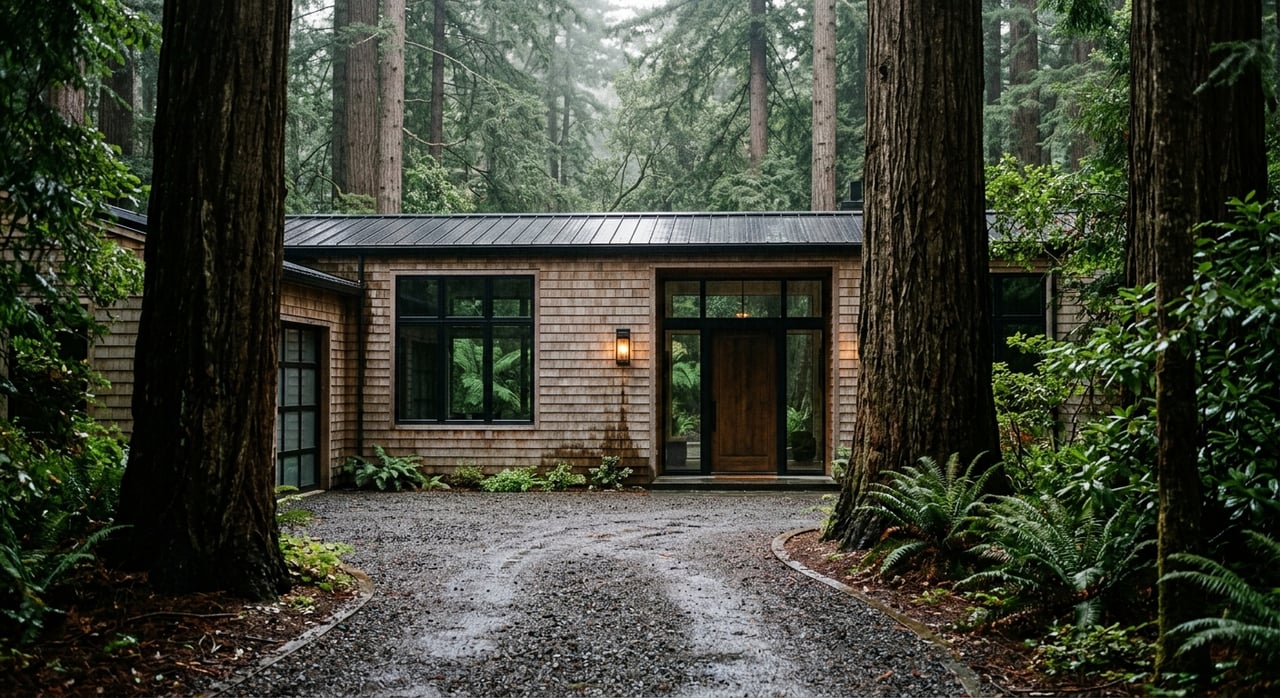
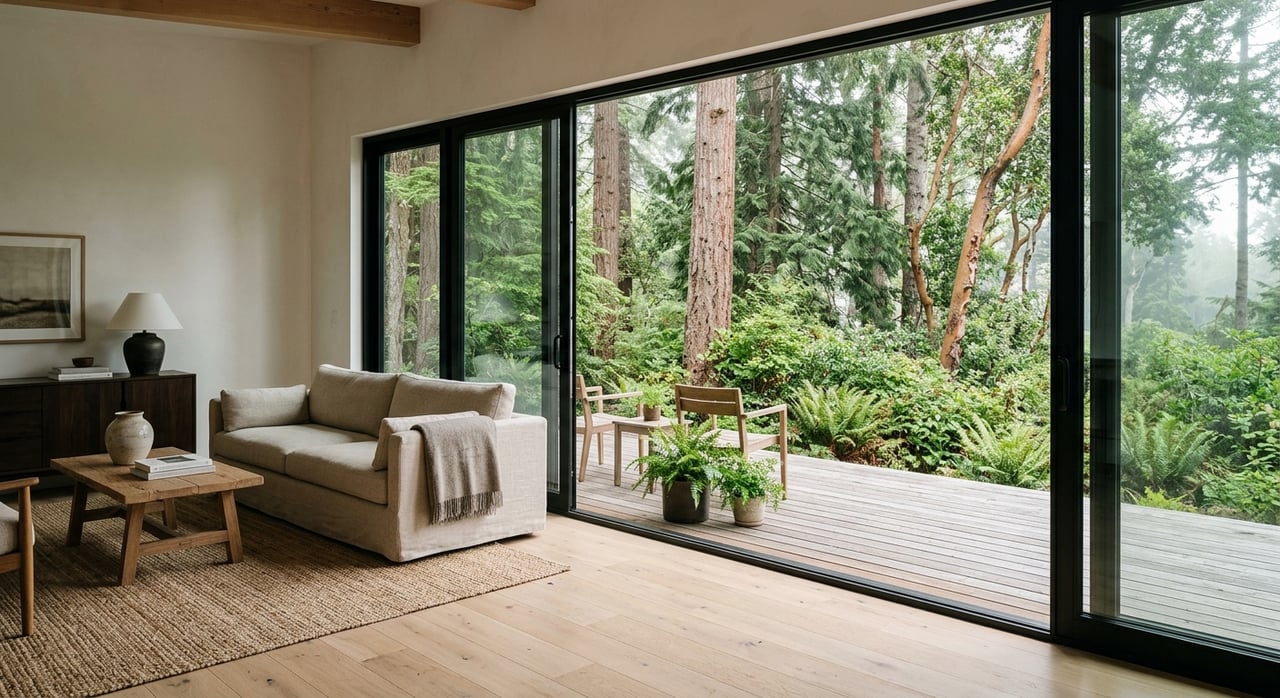
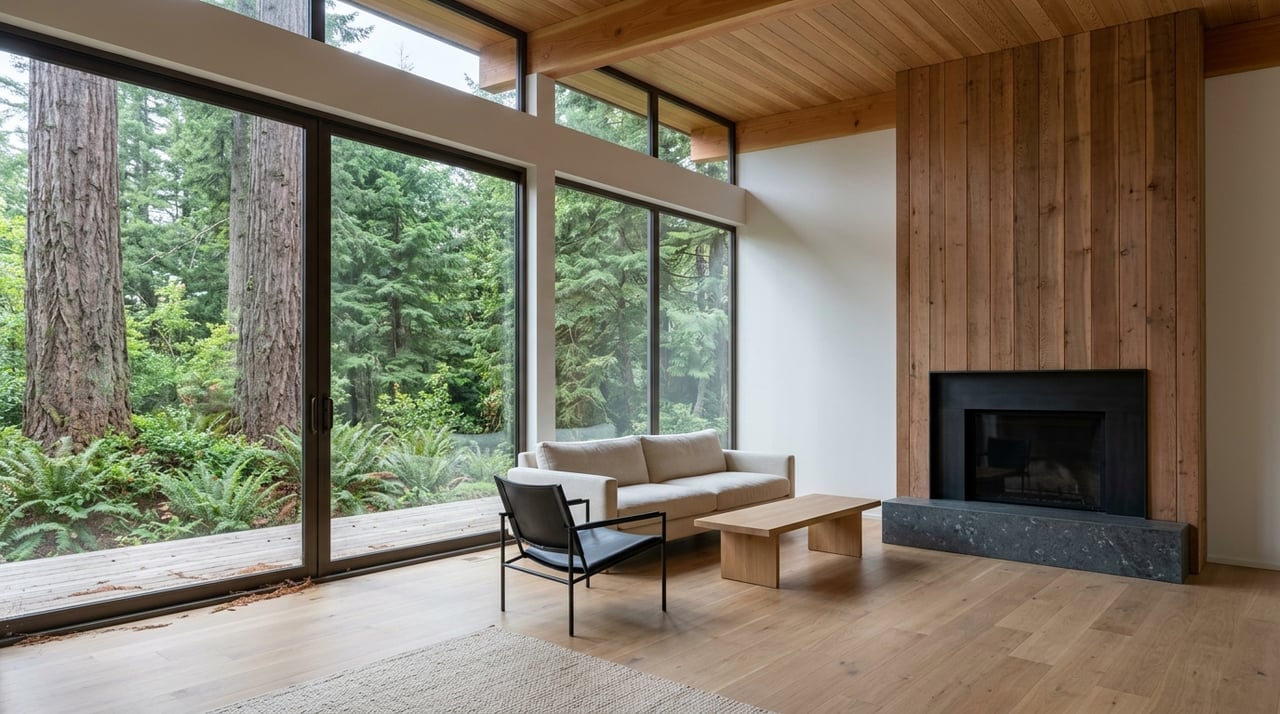
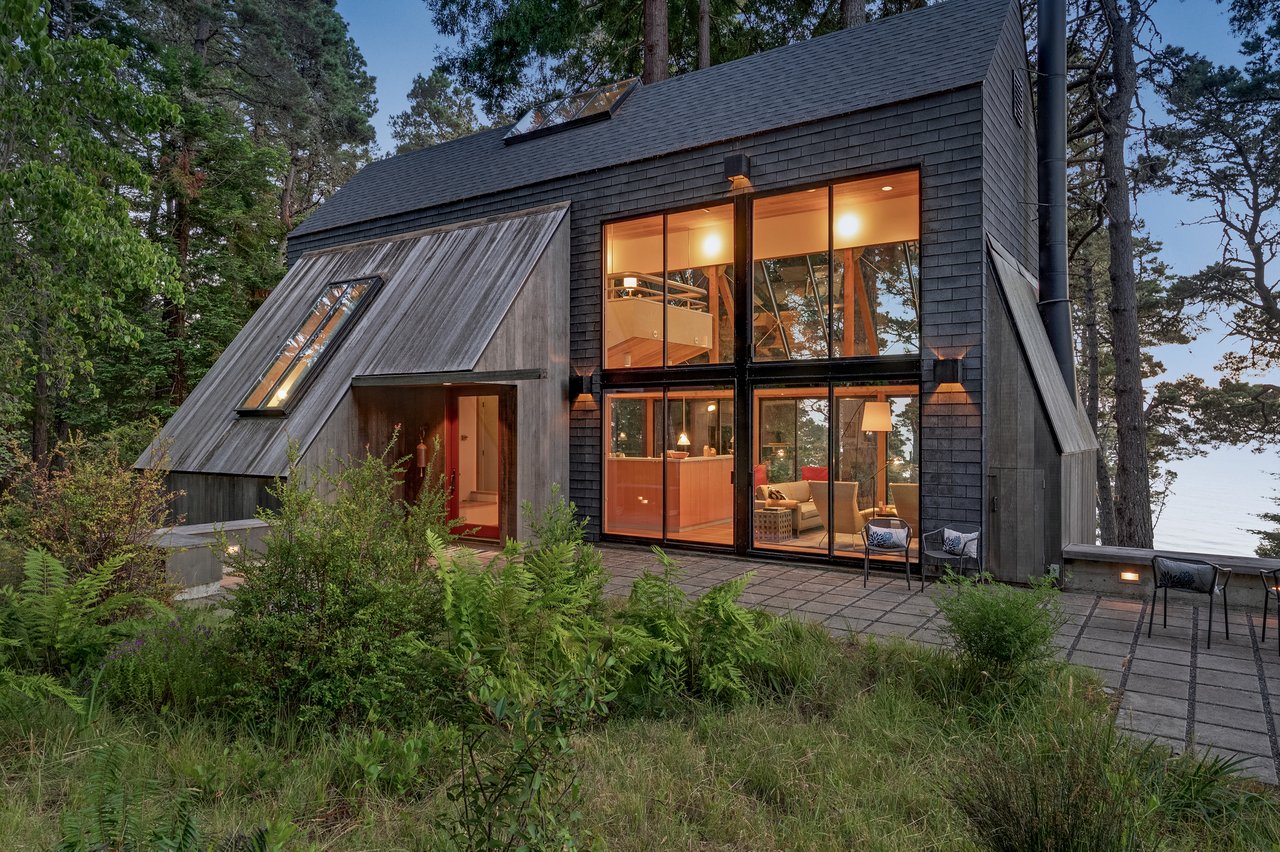
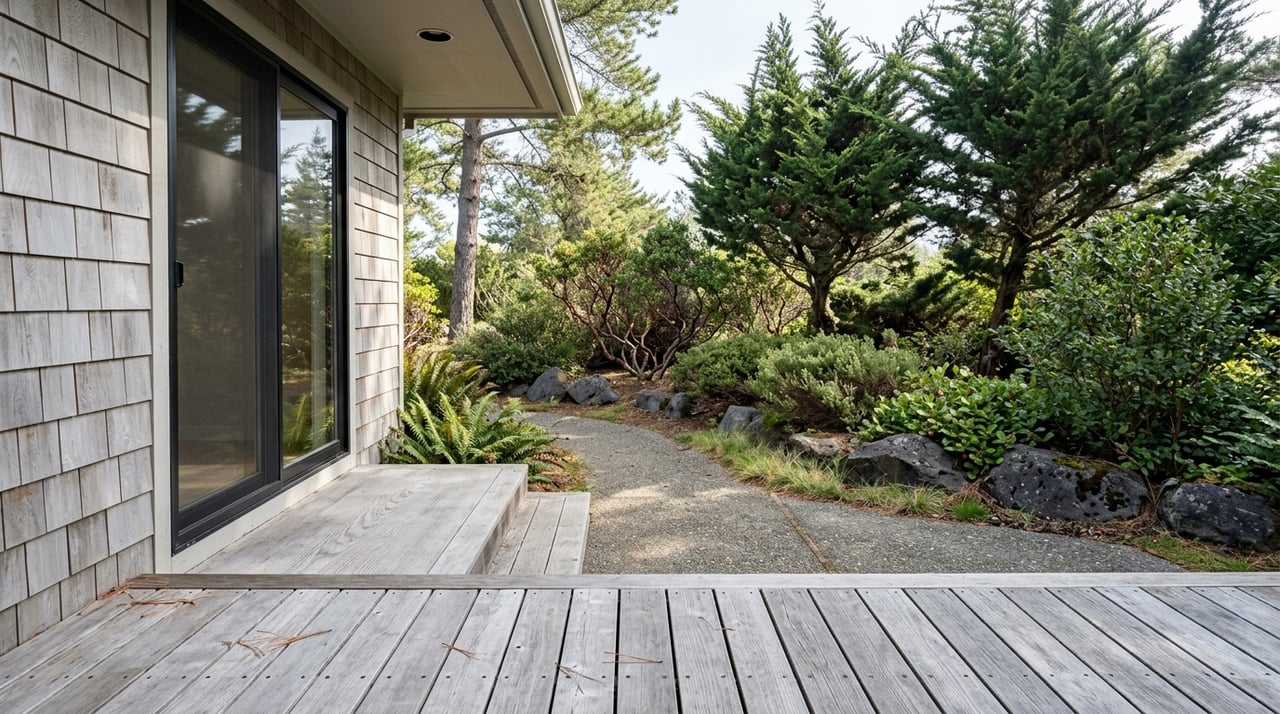
Forest homes are often tucked into redwood or evergreen surroundings where the landscape creates a more sheltered feel. In some areas, that can mean filtered sunlight, more privacy, and less direct exposure to coastal wind.
For some buyers, this setting feels calmer and more enclosed. It can also create a different visual experience from bluff or open meadow homes, with the emphasis placed more on trees and woodland atmosphere than broad ocean views.
Meadow Settings
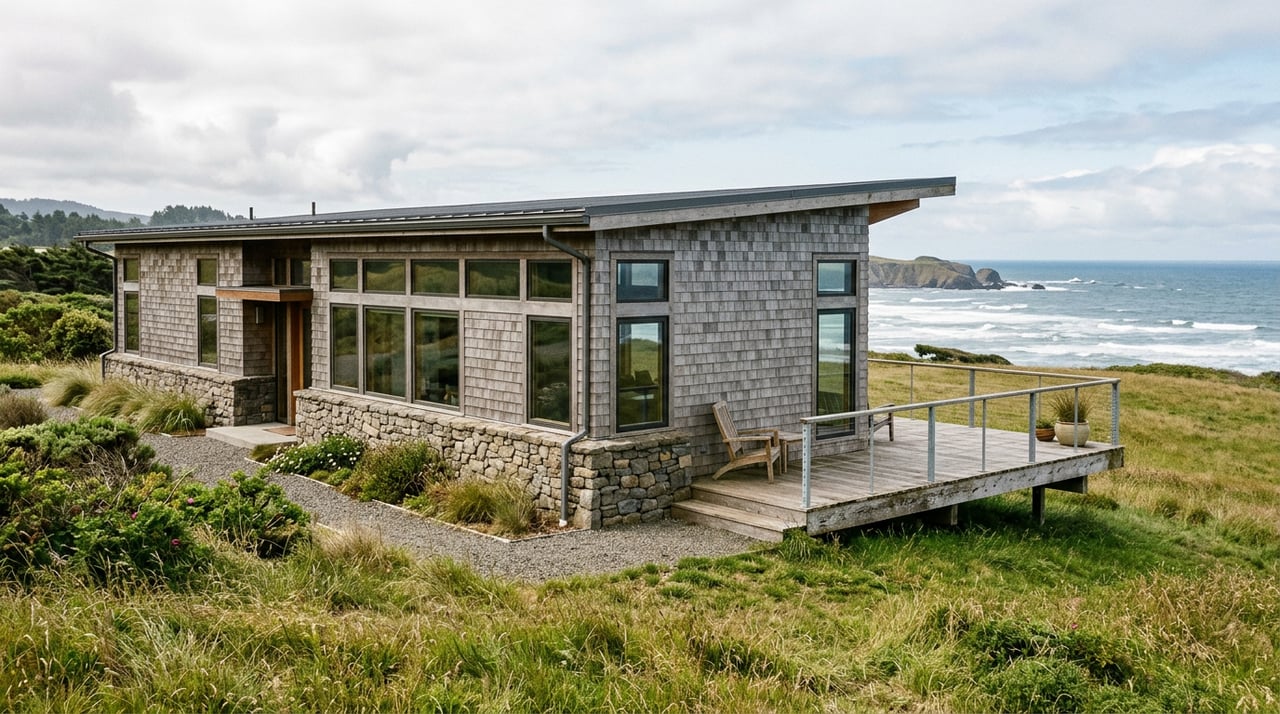
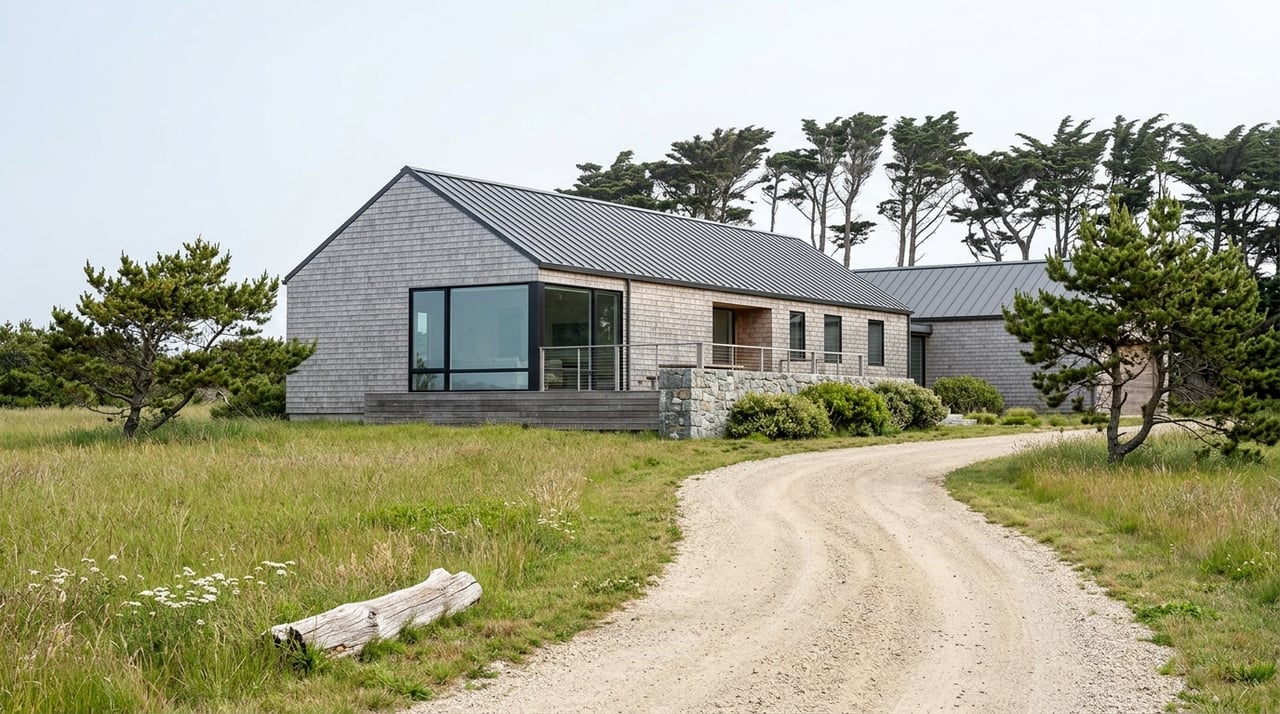
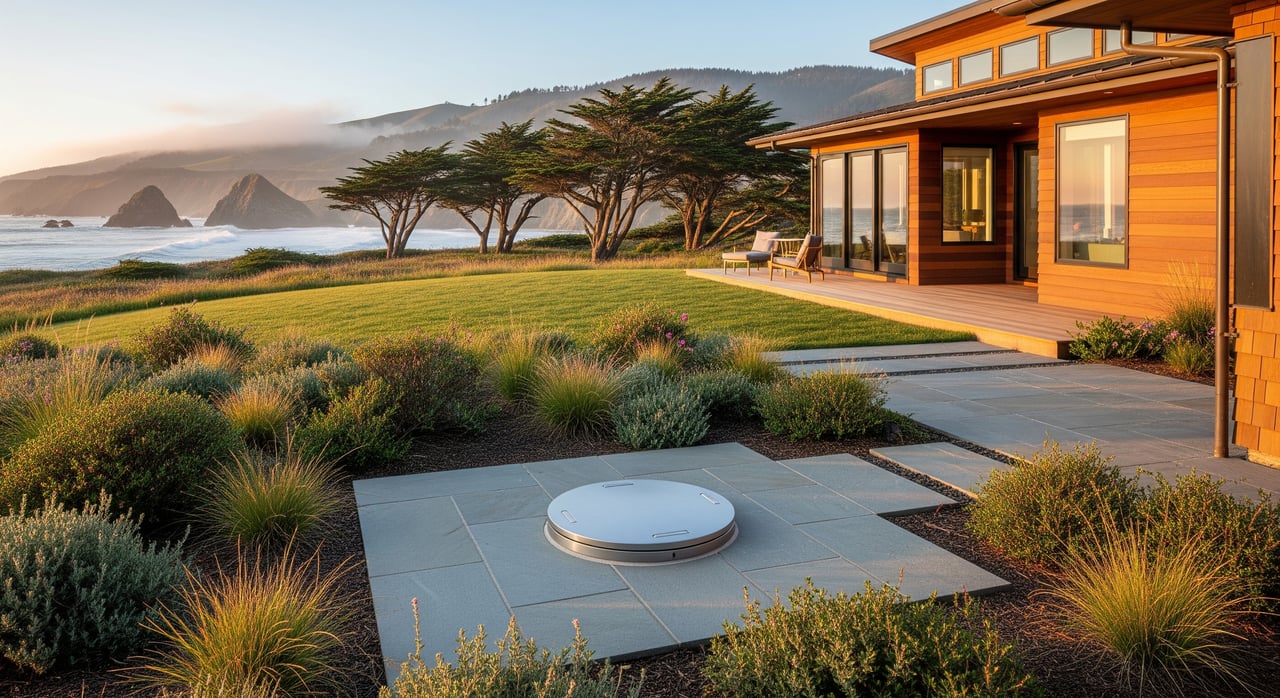
Meadow homes usually feel more open to the sky and surrounding commons. TSRA’s descriptions of west meadows and other open areas make it clear that these homes can be more exposed to fog, wind, sun, and night skies.
If you like openness and a stronger connection to the wider landscape, meadow properties may appeal to you. The tradeoff is that exposure is often part of the everyday experience.
Bluff Settings
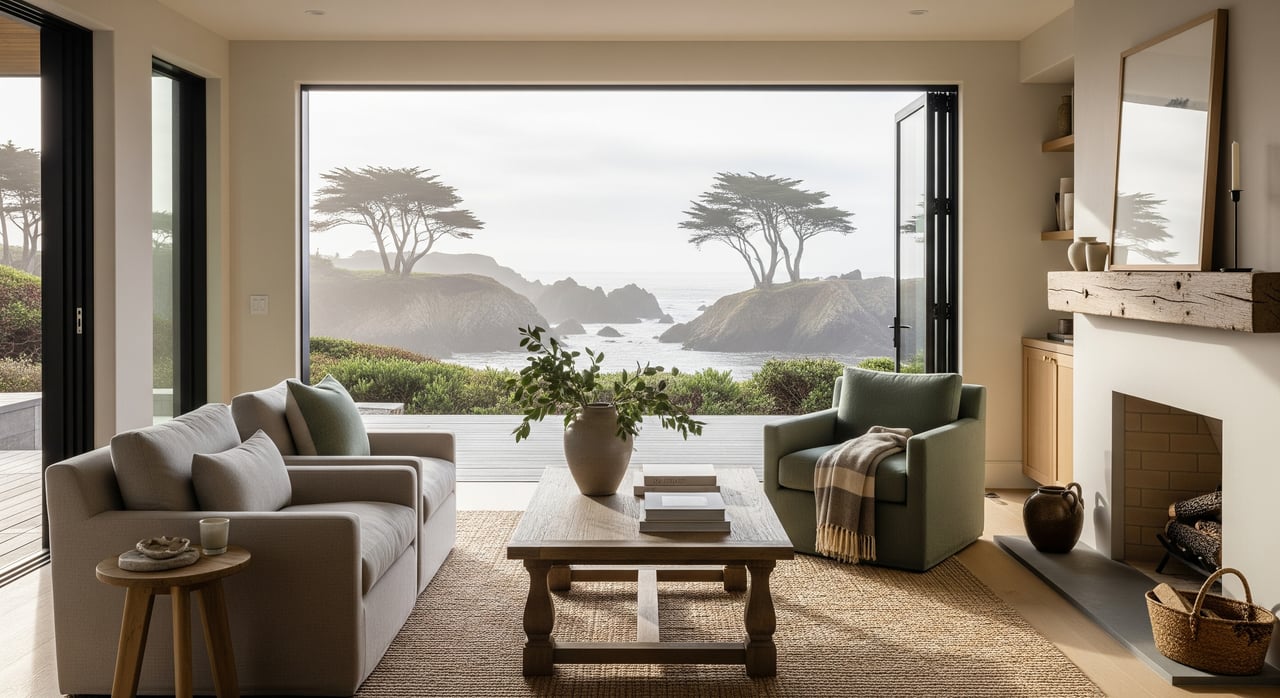
Bluff settings are the most directly coastal. They often offer the most immediate relationship to the shoreline, but they also come with the strongest exposure to ocean conditions.
For buyers, this is often where the setting becomes more important than the floor plan alone. The views and proximity to the coast can be remarkable, but so is the environmental exposure.
Cluster and Terraced Areas
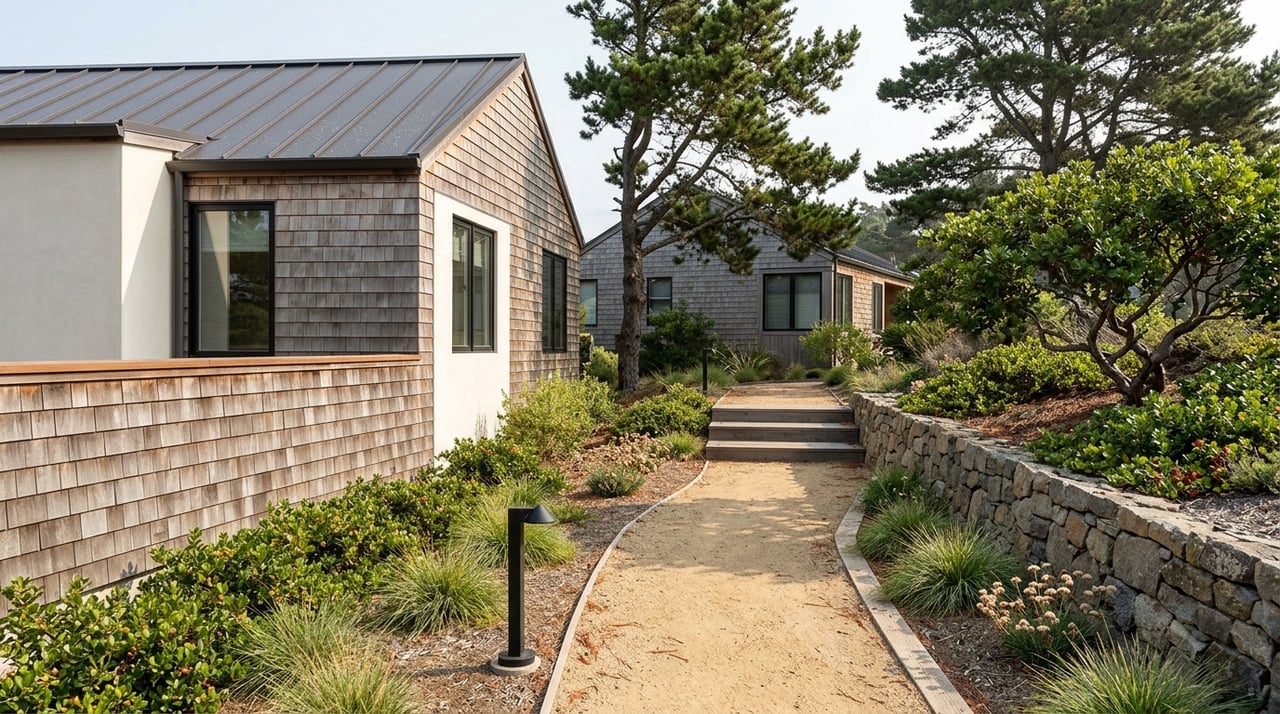
Some parts of Sea Ranch are shaped around commons and clustered design rather than individual lots with familiar front-drive patterns. In Area 8, TSRA identifies Madrone Meadow Clusters, Walk-in Cabins, and White Fir Clusters, each with its own relationship to parking, commons, and the surrounding landscape.
This matters when you tour a home. A walk-in cabin in a redwood setting will feel very different from a bluffside home or a meadow property near Highway 1.
Trails Are Part of Daily Life
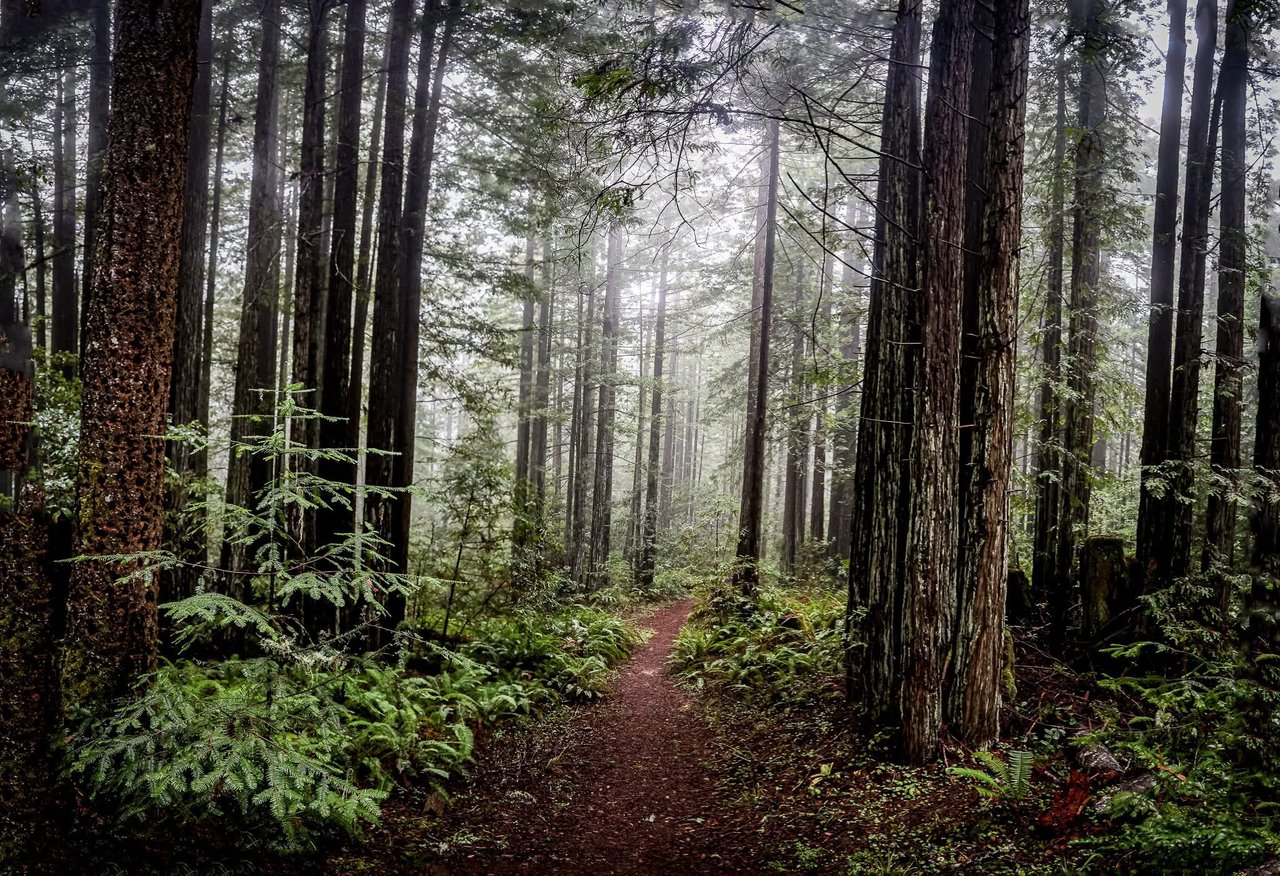
One of the biggest draws of Sea Ranch is how thoroughly the trail system is woven into the community. TSRA says there are more than 50 miles of trails open to hikers, with many routes also open to bikers and equestrians where maps allow.
The trail network is not just for recreation. It also helps connect different parts of Sea Ranch in a way that fits the community’s design. Trail posts guide routes, and TSRA notes simple commons rules: bikes yield to hikers, hikers yield to equestrians, dogs must be leashed, smoking is not allowed on the commons, and visitors should pack out what they bring in.
TSRA also highlights several features that are useful for everyday access and exploration, including:
- Six self-guided interpretive trails
- An audio walking tour
- A barrier-free bluff segment
- Six easy-access trail connections to the Bluff Trail
- Five bicycle-pedestrian links that help people move through the community without using Highway 1
For many owners and guests, the trail system becomes part of the rhythm of the day, whether that means a short bluff walk, a longer inland route, or a connection to recreation areas.
Public Coastal Access and Beaches
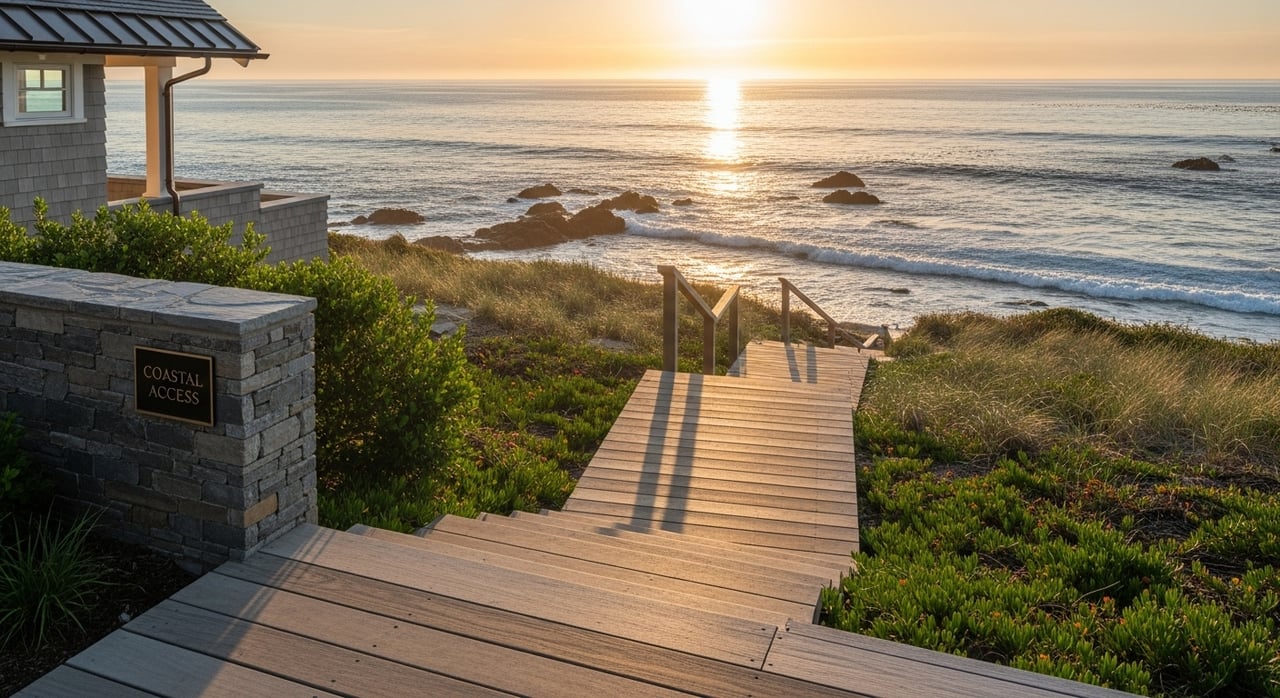
Sea Ranch also has a separate network of county-managed public coastal access trails. These are distinct from the private residential road system.
According to Sonoma County Regional Parks, the county manages six public access trails at Sea Ranch:
- Bluff Top
- Walk On Beach
- Shell Beach
- Stengel Beach
- Pebble Beach
- Black Point
County materials note that five of the six public access points include parking lots with restrooms, trail information, and trash receptacles. These routes cross meadows and forests and lead to beach or bluff-top access from Highway 1 parking areas.
The public trail descriptions also give you a helpful sense of the landscape:
- Walk On Beach follows a cypress-grove route to a bluff-top staircase
- Shell Beach moves through pines and meadow to a sandy beach with rocks and tide pools
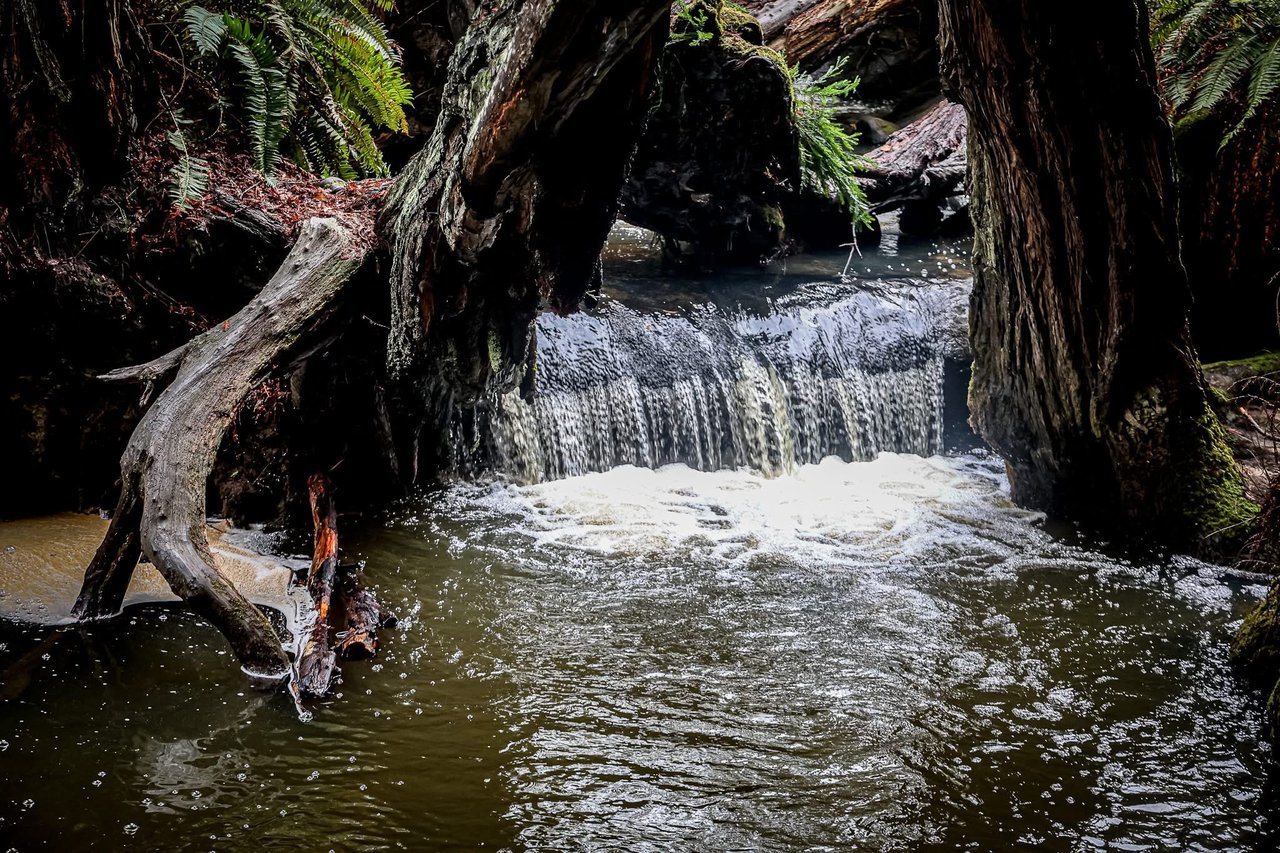
- Stengel Beach is a short cypress-lined path with seasonal waterfalls
- Pebble Beach connects meadow and pines to a sandy cove
- Black Point uses a steep staircase to reach a beach known for surf activity
In addition to those public access points, TSRA identifies Smuggler’s Cove, Tide Pool Beach, and Dune Drift Beach as private beaches for members and guests. TSRA also notes that Tide Pool Beach closes seasonally for seal pupping and birthing.
Owner Amenities at Sea Ranch
Sea Ranch owner amenities center on three recreation hubs: Del Mar, Ohlson, and Moonraker. According to TSRA’s recreation centers page, members, guests, and renters must show passes, and temporary day passes may be purchased at the Del Mar or Ohlson kiosks or through the Association office.
As of March 26, 2026, TSRA notes that Del Mar courts are tennis-only and Moonraker courts are pickleball-only. That kind of detail matters if recreation access is part of your home search.
Del Mar Recreation Center
Del Mar has the largest pool facility in Sea Ranch. It also includes meeting spaces and archive-related rooms.
For buyers who want a larger amenity hub, Del Mar is often a key point on the map to understand.
Ohlson Recreation Center
Ohlson includes a heated pool, tennis, half-court basketball, volleyball, and the Ohlson Ranch House. TSRA says the Ranch House includes a kitchen, dining area, library, and native plant garden.
That broader mix of spaces can be helpful if you are looking for a recreation center that supports both active use and gathering space.
Moonraker Recreation Center
Moonraker is the smaller pool facility and is centered on pickleball. Depending on where a property is located, proximity to Moonraker can be a practical advantage for buyers who plan to use that amenity often.
Equestrian Center
The Sea Ranch Equestrian Center is a distinct owner amenity with 16 stalls and paddocks, turnout areas, pastures, a round pen, a sand arena, and access to more than 40 miles of trails.
If horses or trail riding are part of your lifestyle, this is an important piece of the Sea Ranch amenity picture.
What Buyers Should Notice When Touring
When you tour homes in Sea Ranch, it helps to look beyond square footage and finishes. The setting and access pattern often shape daily life just as much as the house itself.
Here are a few practical things to pay attention to:
Ask About the Landscape Setting
A home’s position in the forest, meadow, bluff area, or a terraced cluster can affect wind, light, privacy, and how the home feels throughout the day. TSRA’s field guides make clear that these settings create very different living experiences.
Check Access, Not Just Views
A strong view does not always tell you how easy it is to reach trails, beaches, parking, or recreation centers. If walkability to the coast or common amenities matters to you, it is worth mapping the property relative to Highway 1, trailheads, and the nearest recreation center.
Understand Design Oversight
Sea Ranch has a well-known design framework, and TSRA states that no exterior work should proceed without Design Committee approval. If you are considering a remodel, addition, or landscape changes, that approval process should be part of your planning.
Treat It as a Coastal Environment First
TSRA notes that weather can change quickly from sun to fog, wind, or rain, and trail conditions can shift after storms. Before a visit, it is smart to verify current trail and facility conditions through the Association or county resources.
Why This Matters for Your Search
Sea Ranch is easiest to understand when you stop trying to fit it into a standard neighborhood model. It is a coastal community shaped by terrain, commons, trails, and carefully planned clusters of homes.
That is why two properties with similar size or price can feel completely different in person. One may be tucked into forest shelter, another may sit in an open meadow, and another may be closely tied to bluff trails or a recreation center.
If you are comparing homes here, local guidance can make the process much clearer. The team at Kennedy & Associates Real Estate knows how to help you evaluate not just the house, but also the setting, access, and day-to-day experience that come with owning in Sea Ranch.
FAQs
What is the best way to understand Sea Ranch neighborhoods?
- The clearest way is to think in terms of landscape settings such as forest, meadow, bluff, and cluster areas rather than traditional subdivision-style neighborhoods.
How many trails are in Sea Ranch?
- TSRA says Sea Ranch has more than 50 miles of trails for hikers, with many routes also open to bikers and equestrians where maps allow.
What public beach access points are available in Sea Ranch?
- Sonoma County Regional Parks manages six public access trails at Sea Ranch: Bluff Top, Walk On Beach, Shell Beach, Stengel Beach, Pebble Beach, and Black Point.
What amenities do Sea Ranch owners and guests use?
- The main shared amenities are the Del Mar, Ohlson, and Moonraker recreation centers, plus the Equestrian Center for eligible users.
What should buyers check when touring Sea Ranch homes?
- Buyers should pay close attention to the home’s landscape setting, trail and beach access, proximity to recreation centers, parking pattern, and any Design Committee approval needs for future exterior changes.