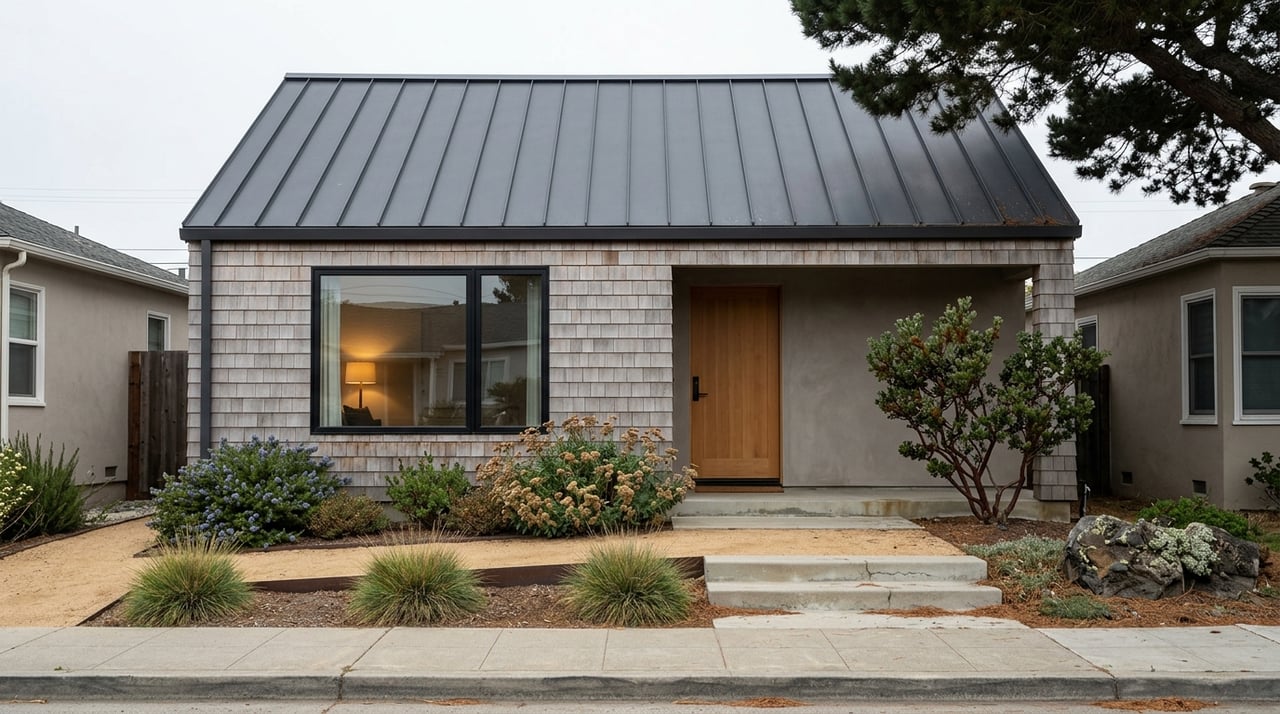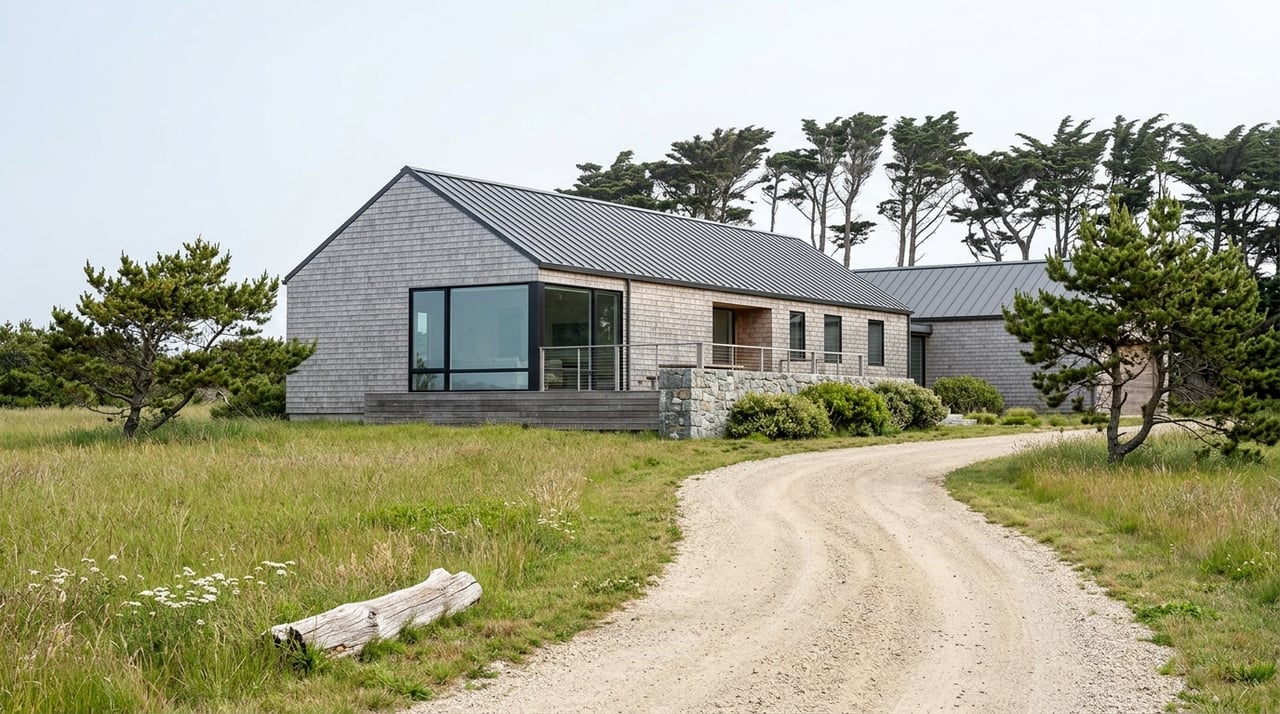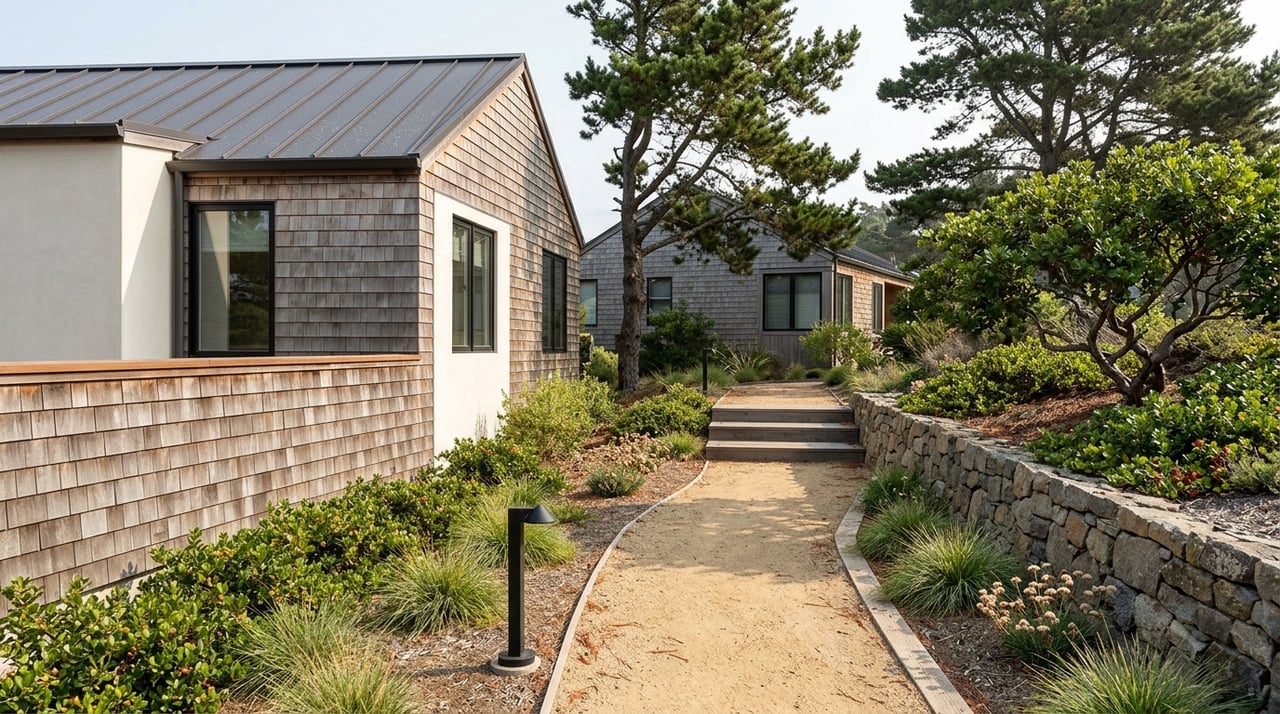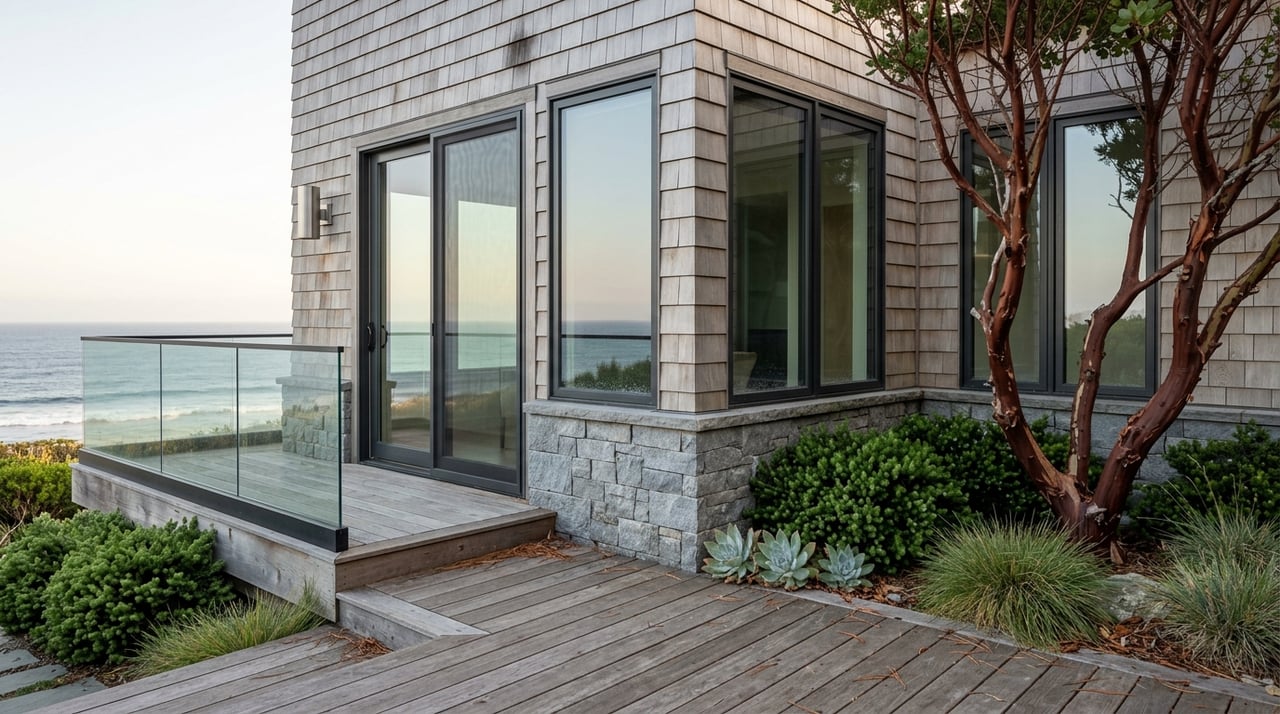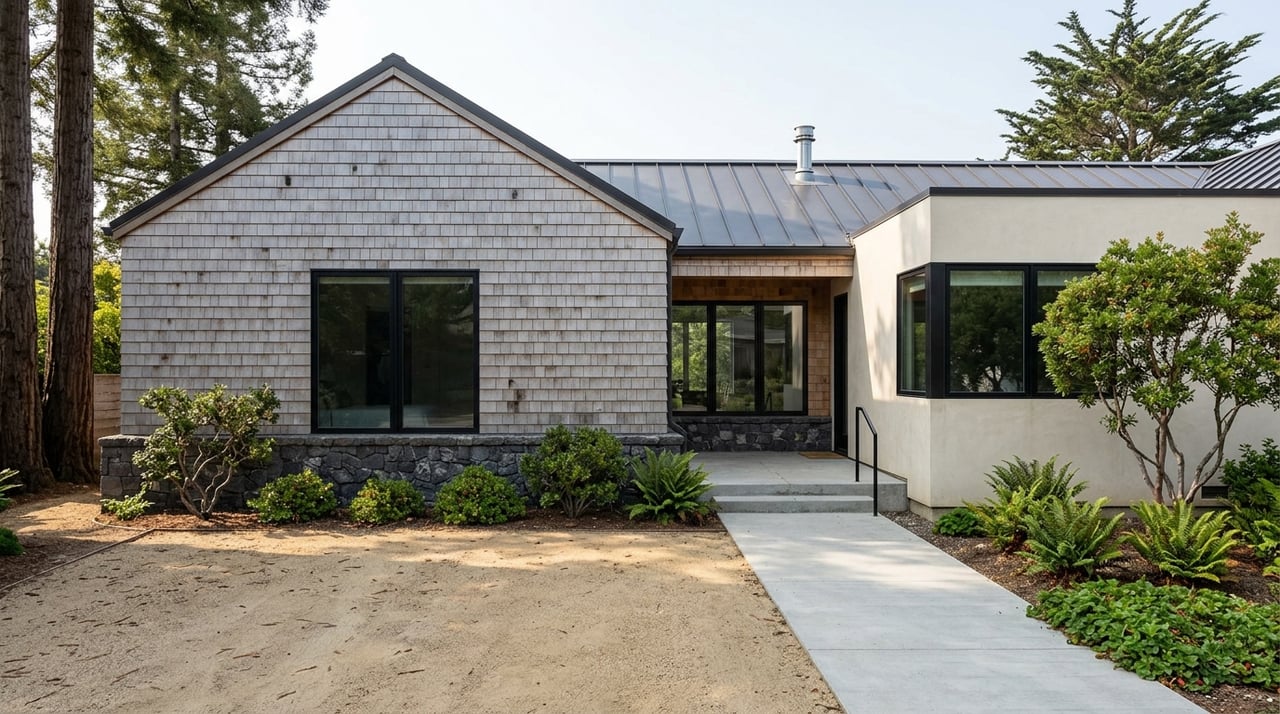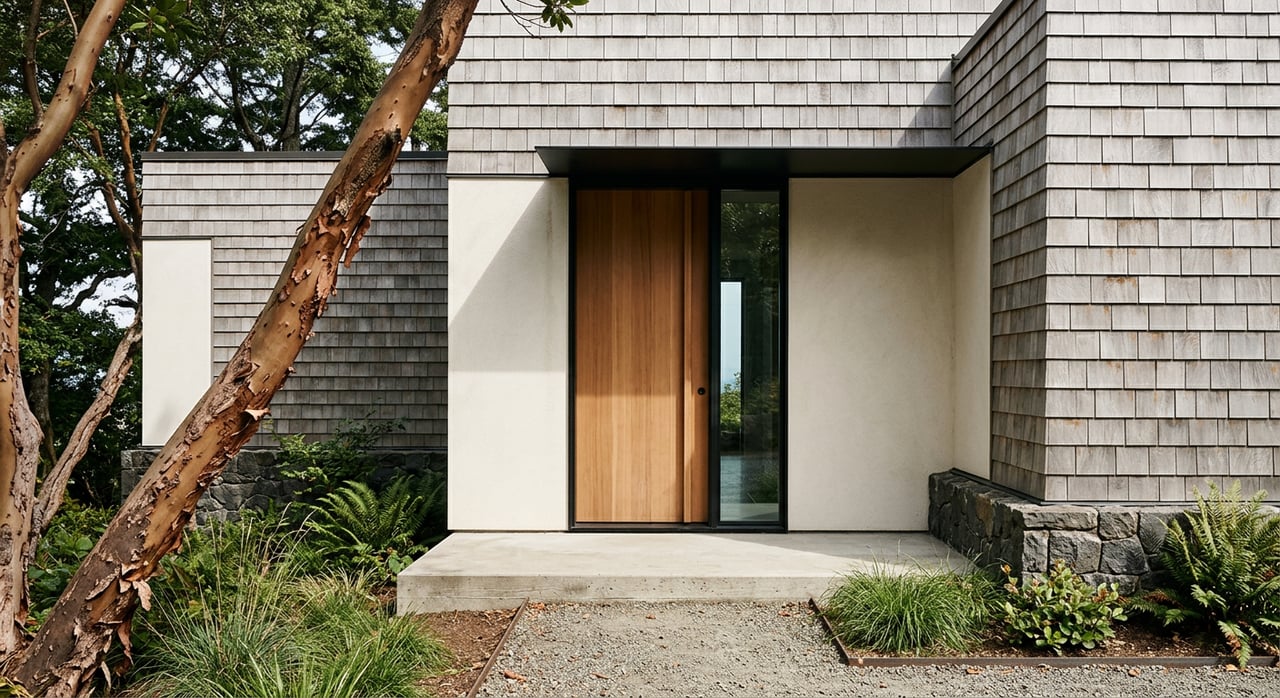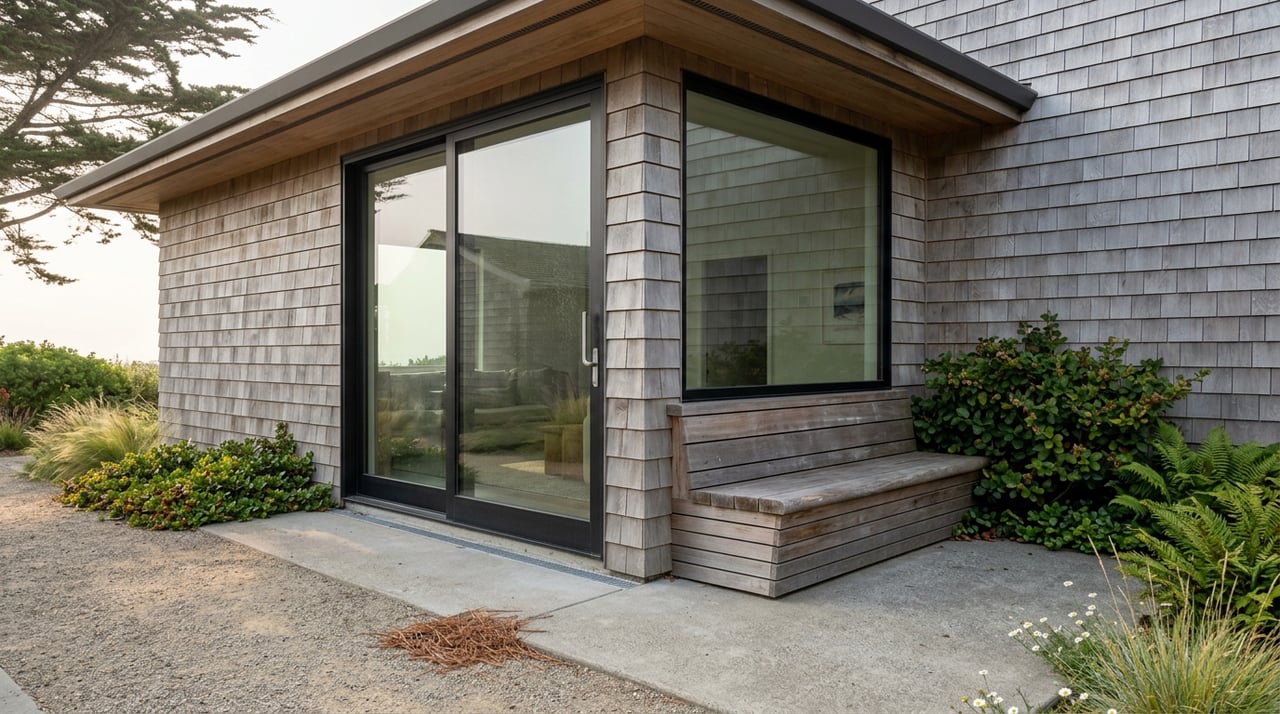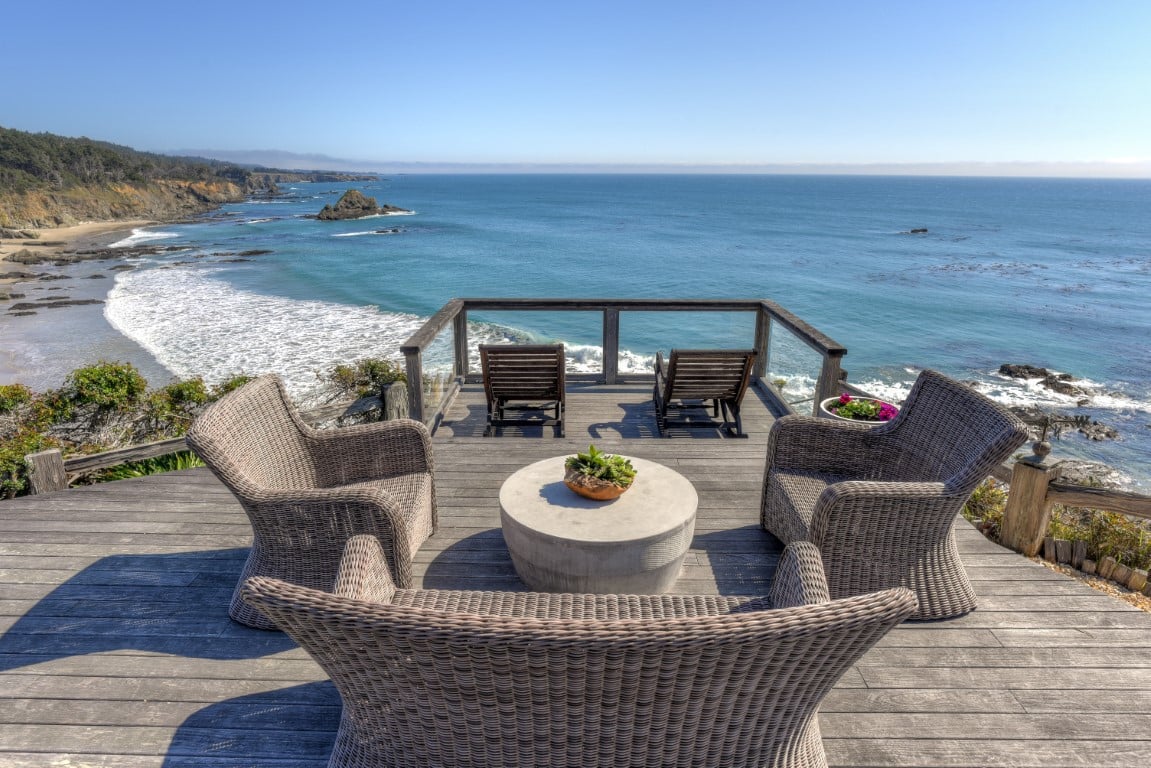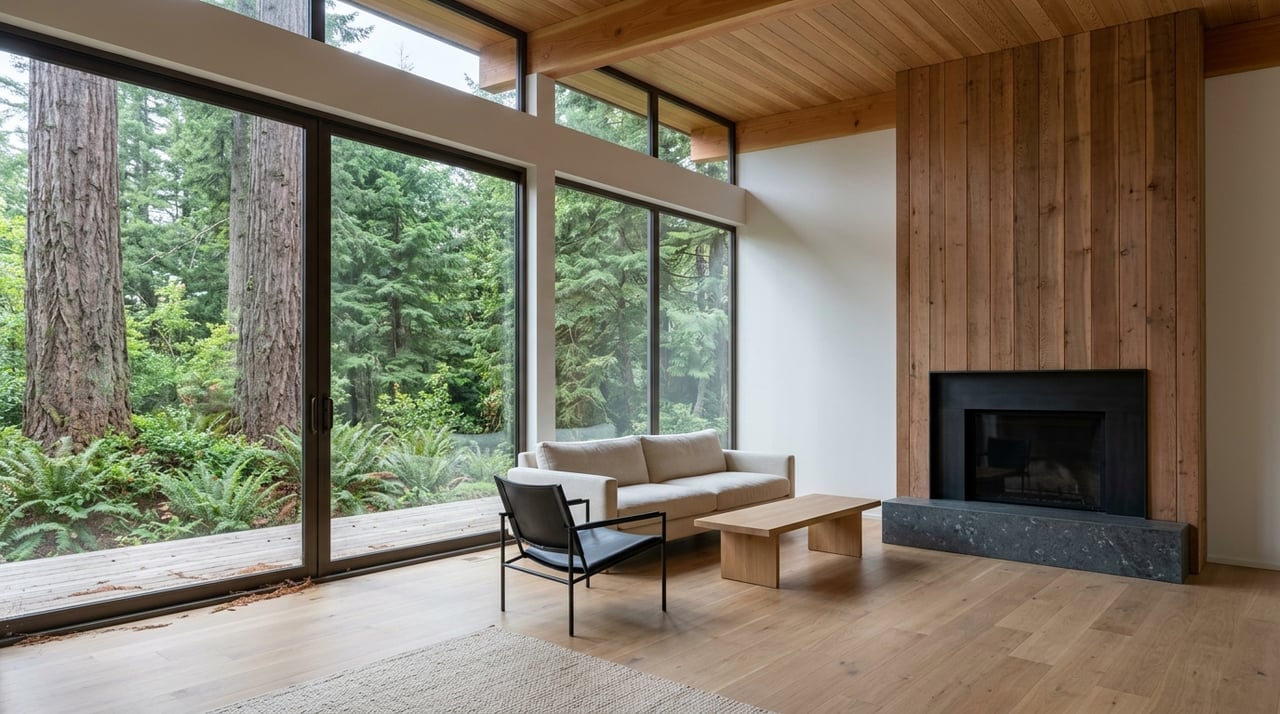
If you are drawn to Anchor Bay, you have probably already noticed that no single home style defines the area. One property may feel like a quiet redwood retreat, while another opens up to big views and wide decks above the coast. If you are deciding between a cabin and a contemporary home, the right answer usually comes down to the land, the utilities, and how you want to live there day to day. Let’s dive in.
Why site matters most in Anchor Bay
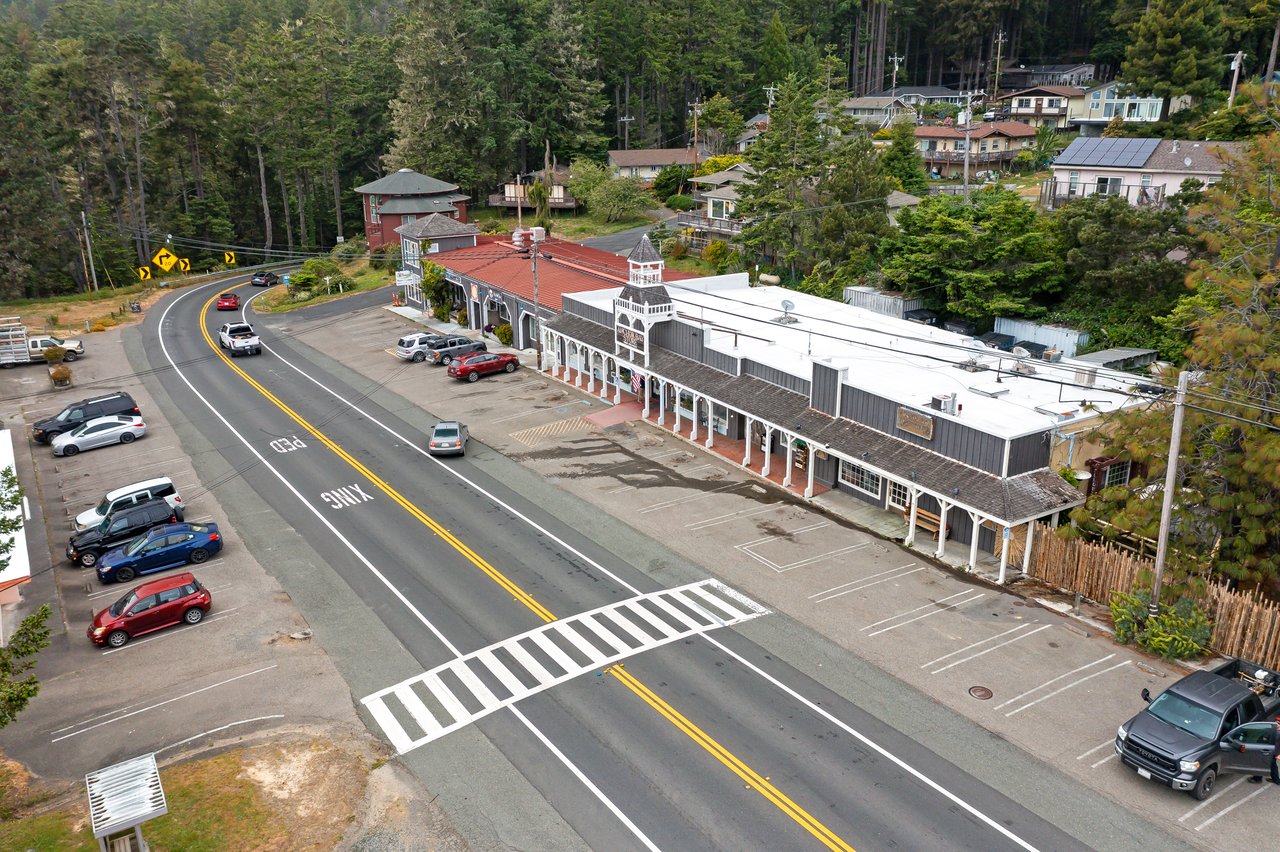
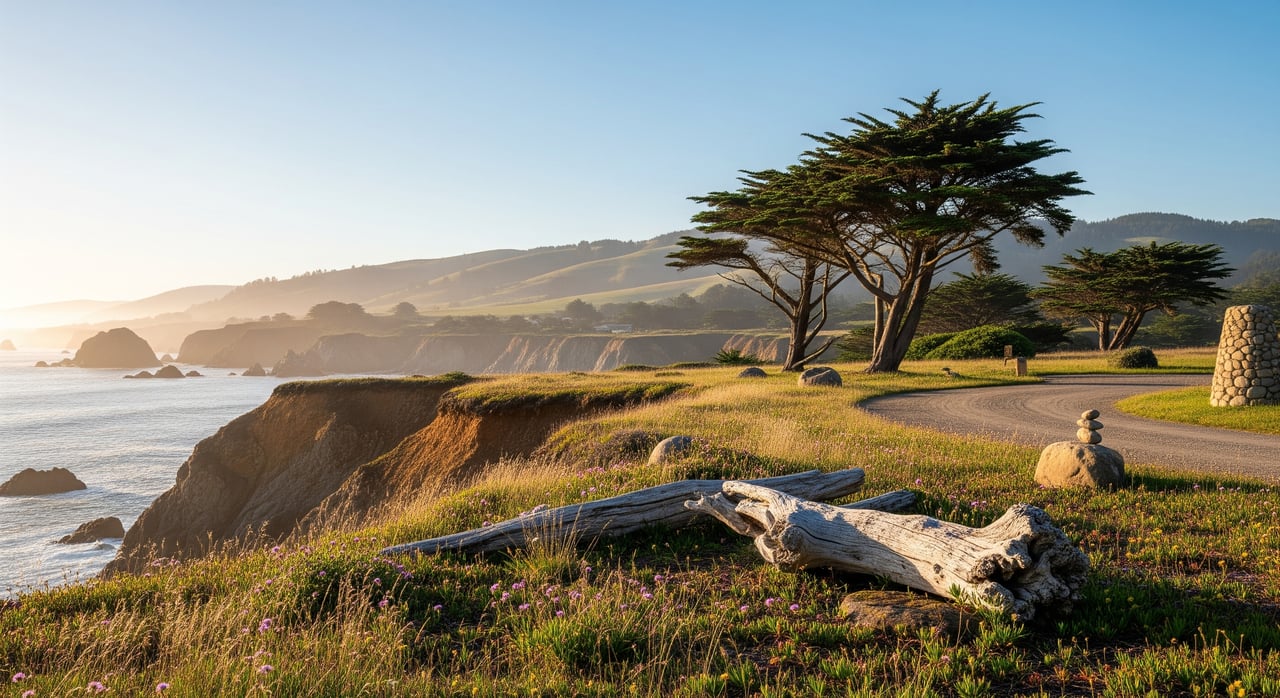
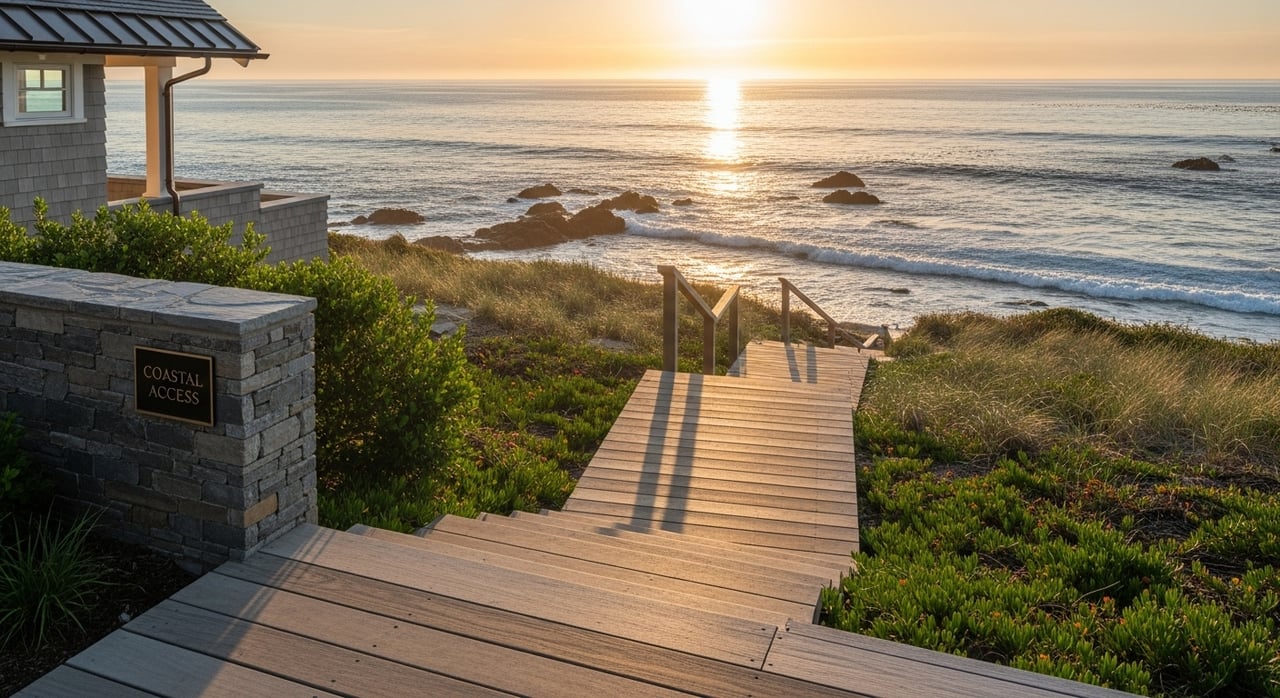
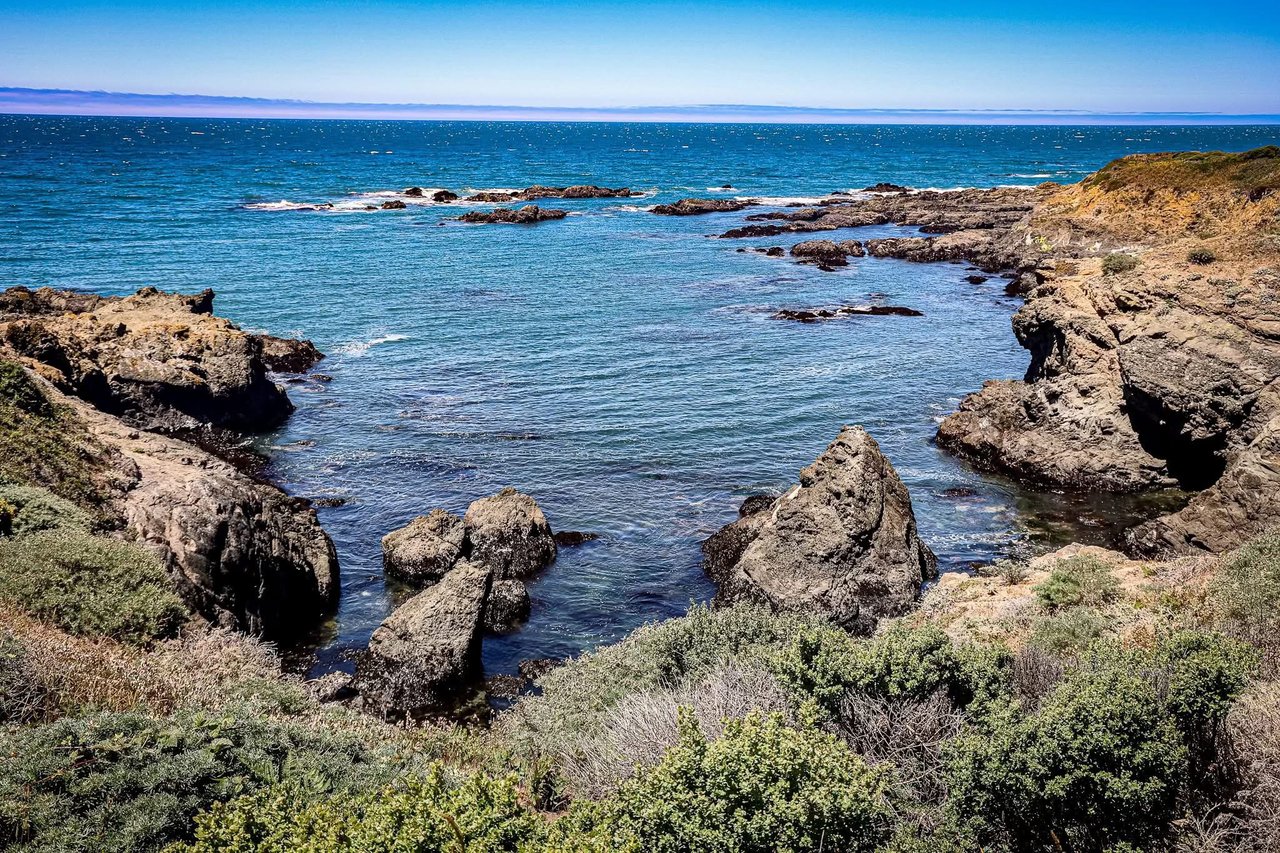
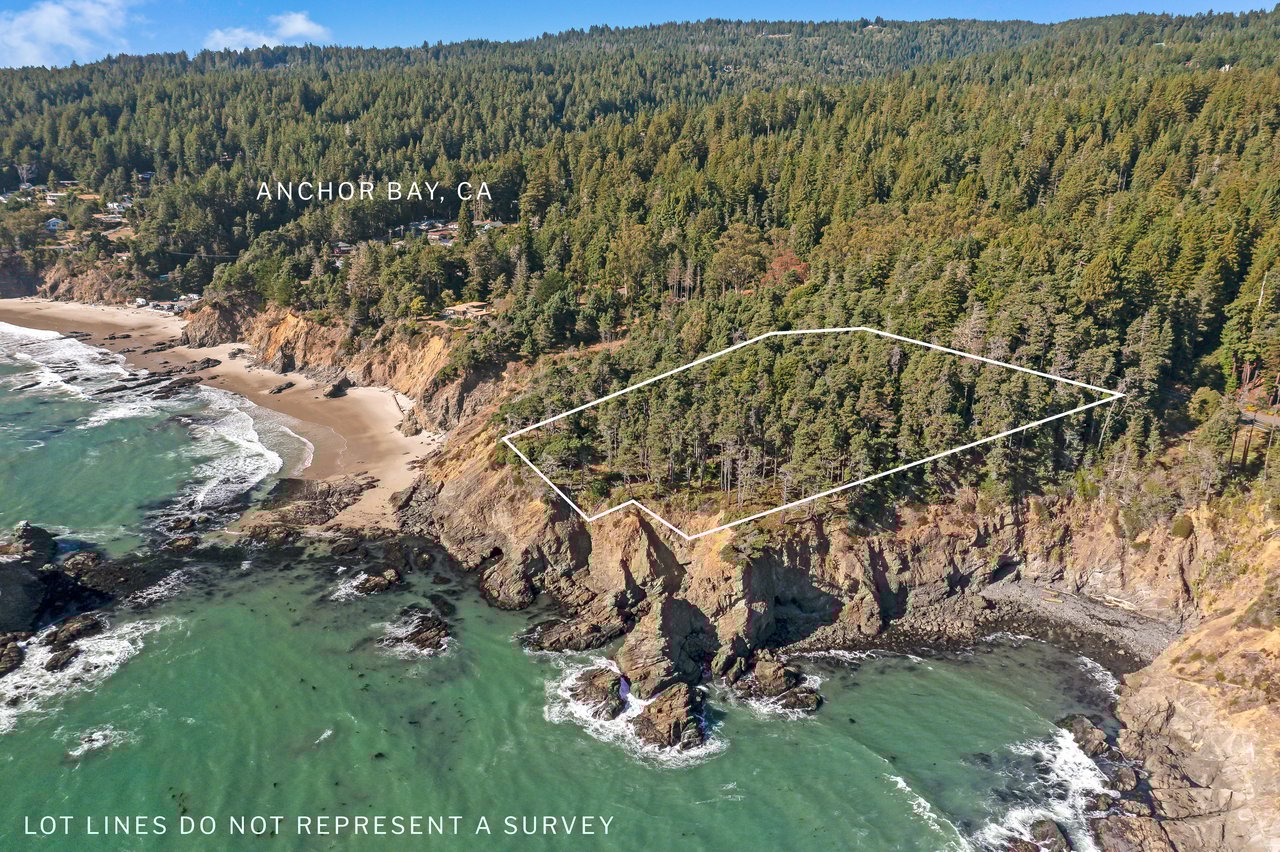
Anchor Bay is a site-driven market. Mendocino County describes this stretch of coast as forested and topographically constrained, with wooded shoreline areas that often block ocean views and blufftop areas around the Anchor Bay subdivision on both sides of Fish Rock Creek.
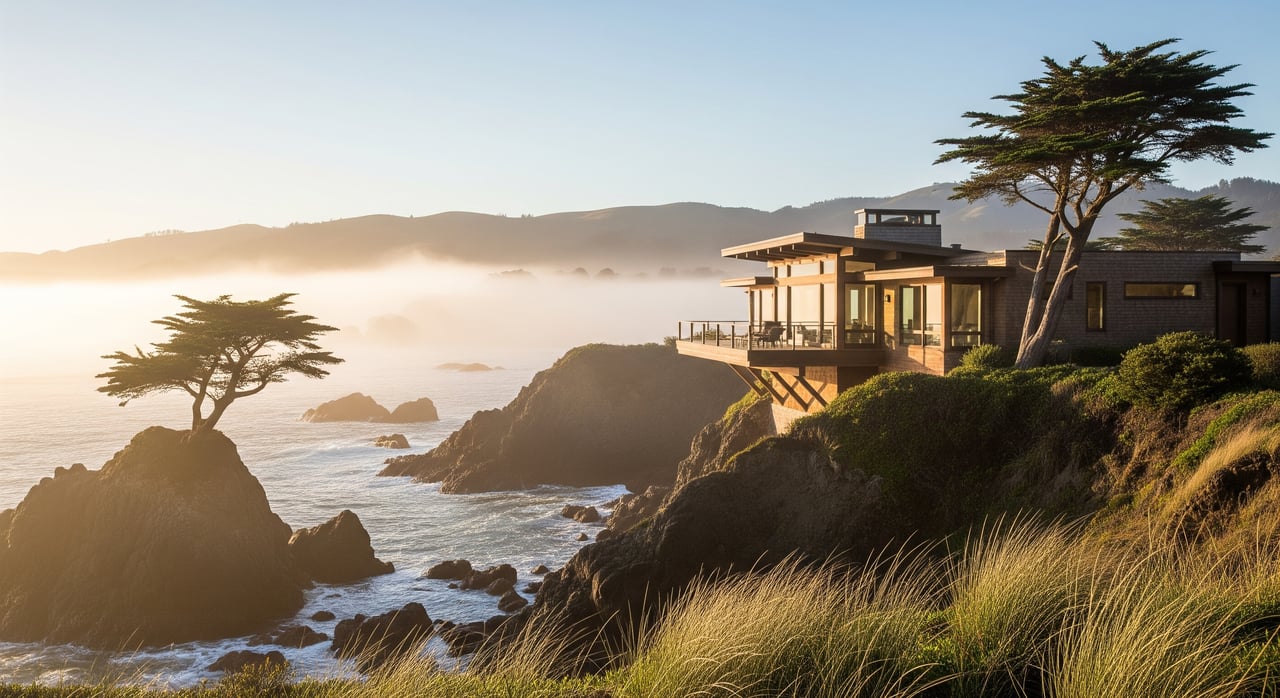
That setting helps explain why both cabins and contemporary homes make sense here. In one pocket, a tucked-in home can feel protected by redwoods and coastal vegetation. On another parcel, a view-oriented design may make better use of a blufftop setting and sightlines toward the water.
In practical terms, style is not just about looks in Anchor Bay. It is about how a home fits the parcel, exposure, access, and long-term upkeep.
What cabin style means here
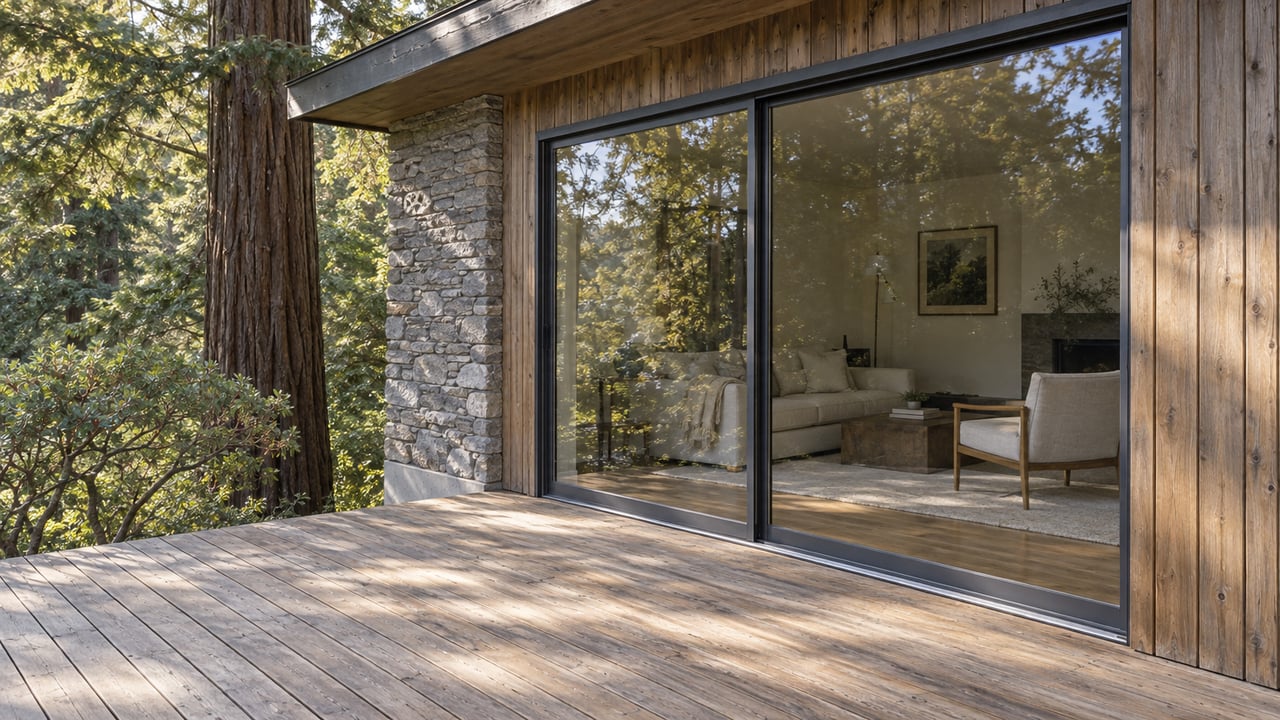
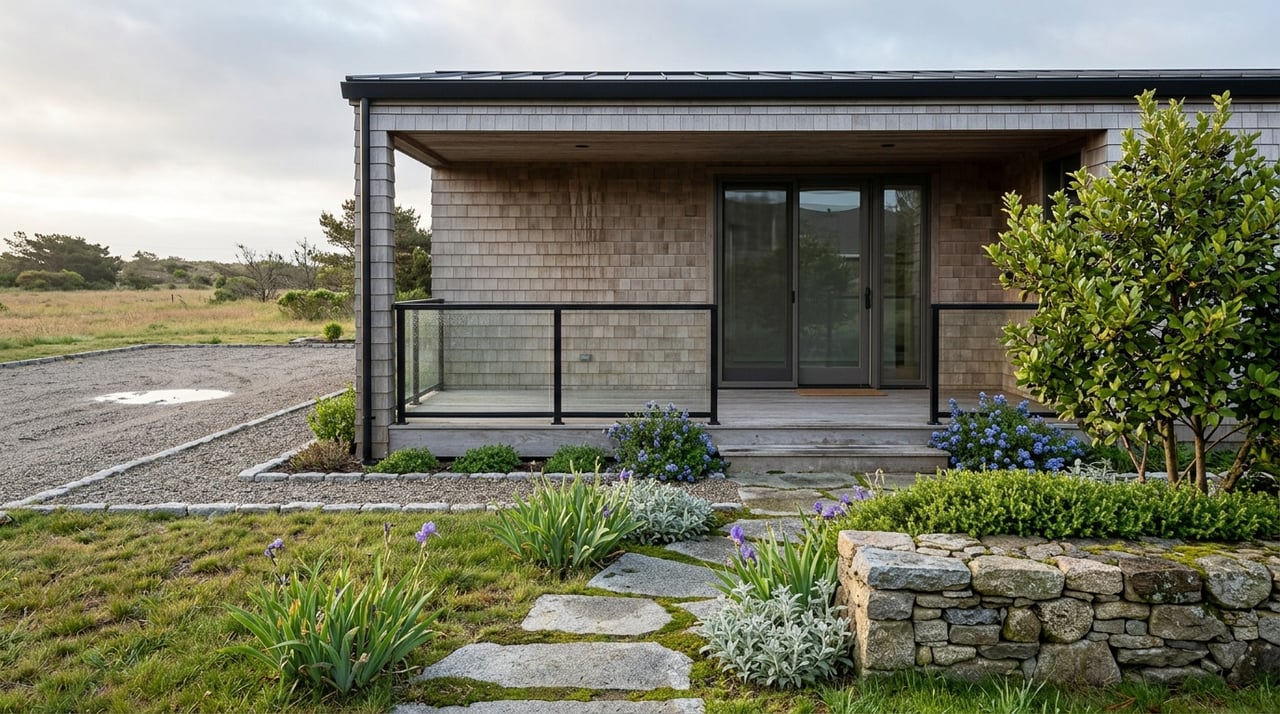
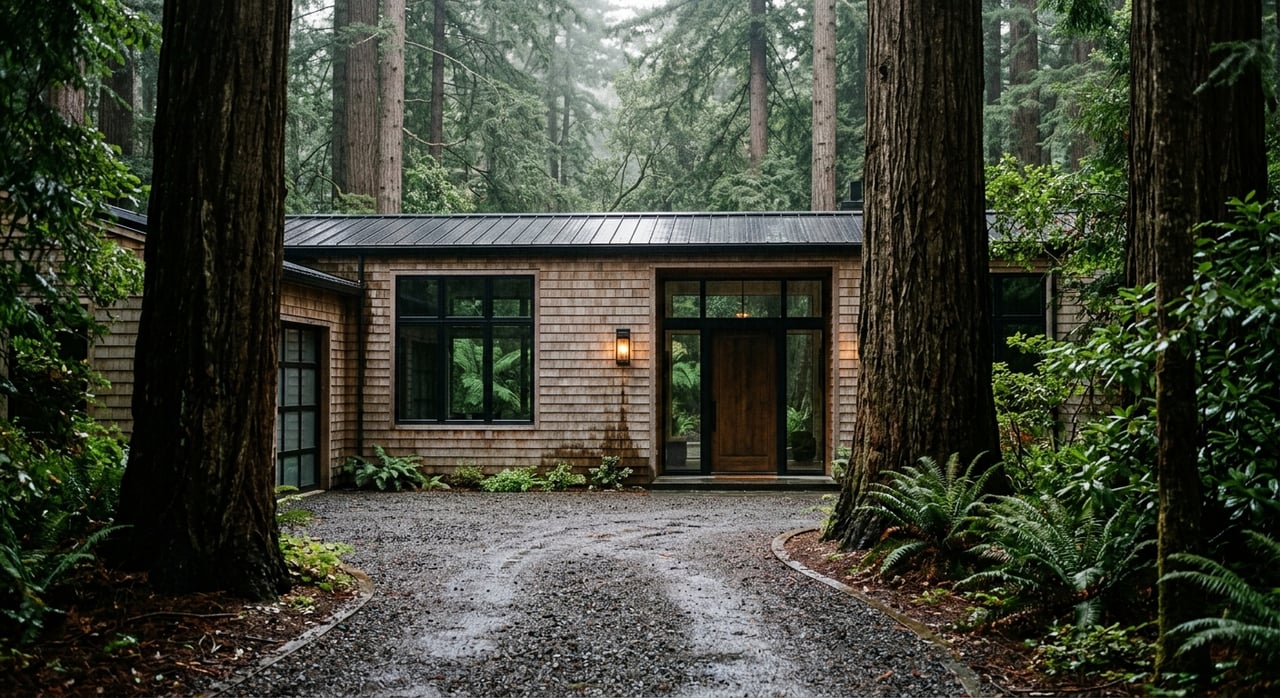
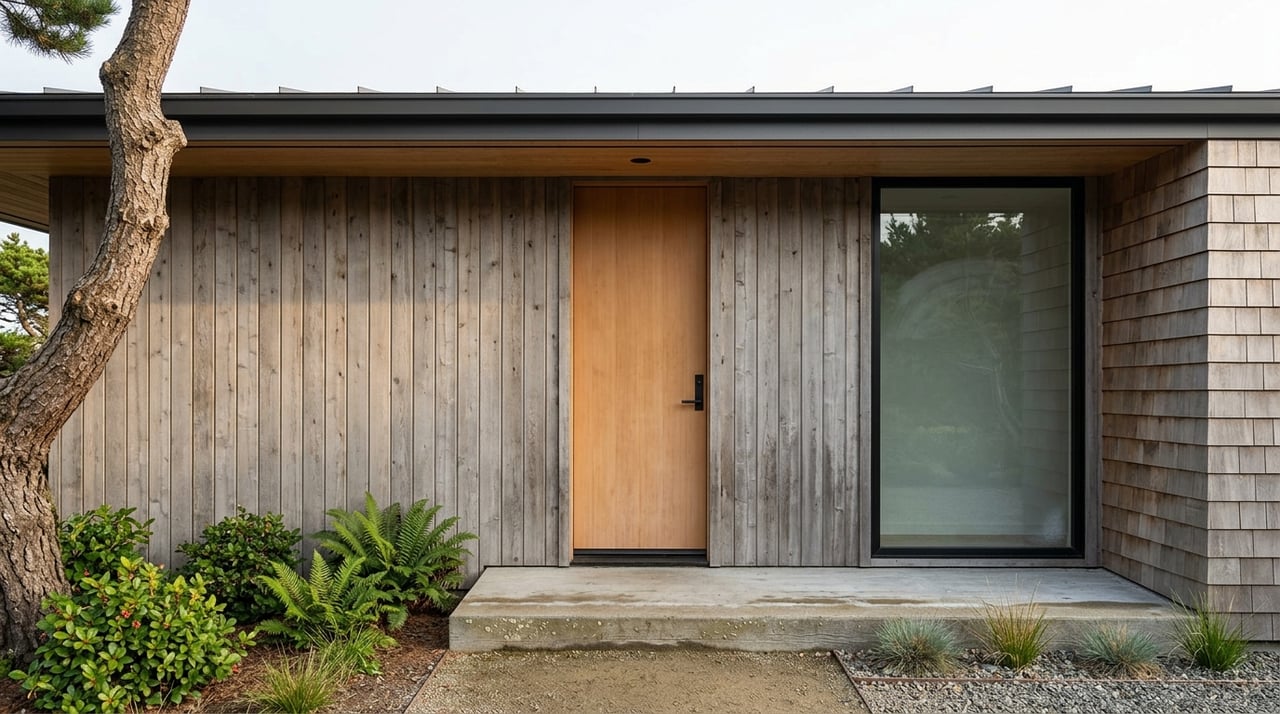
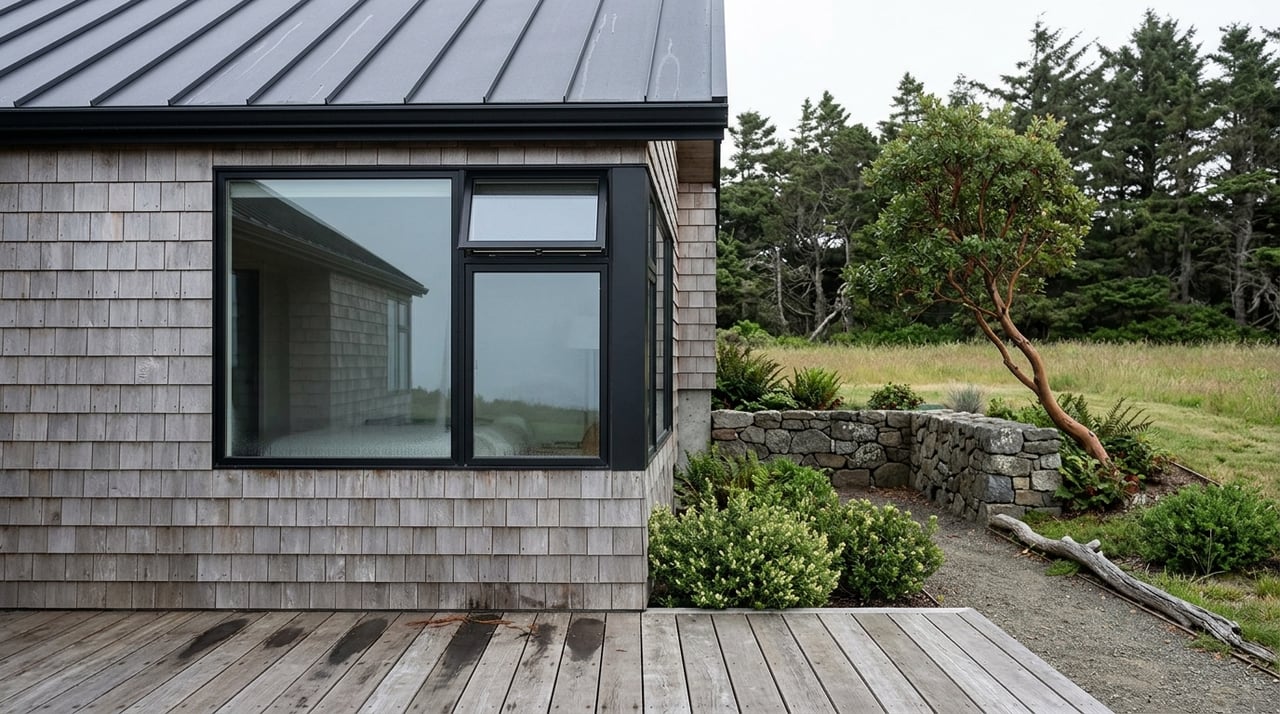
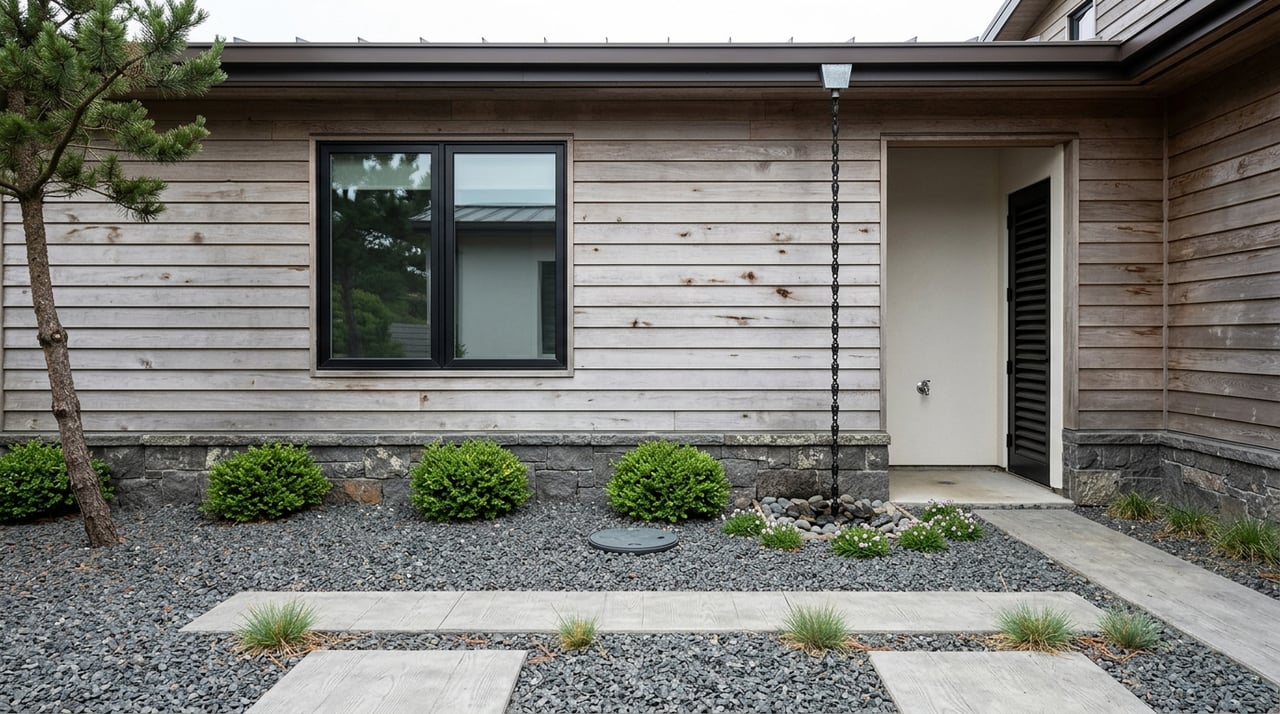
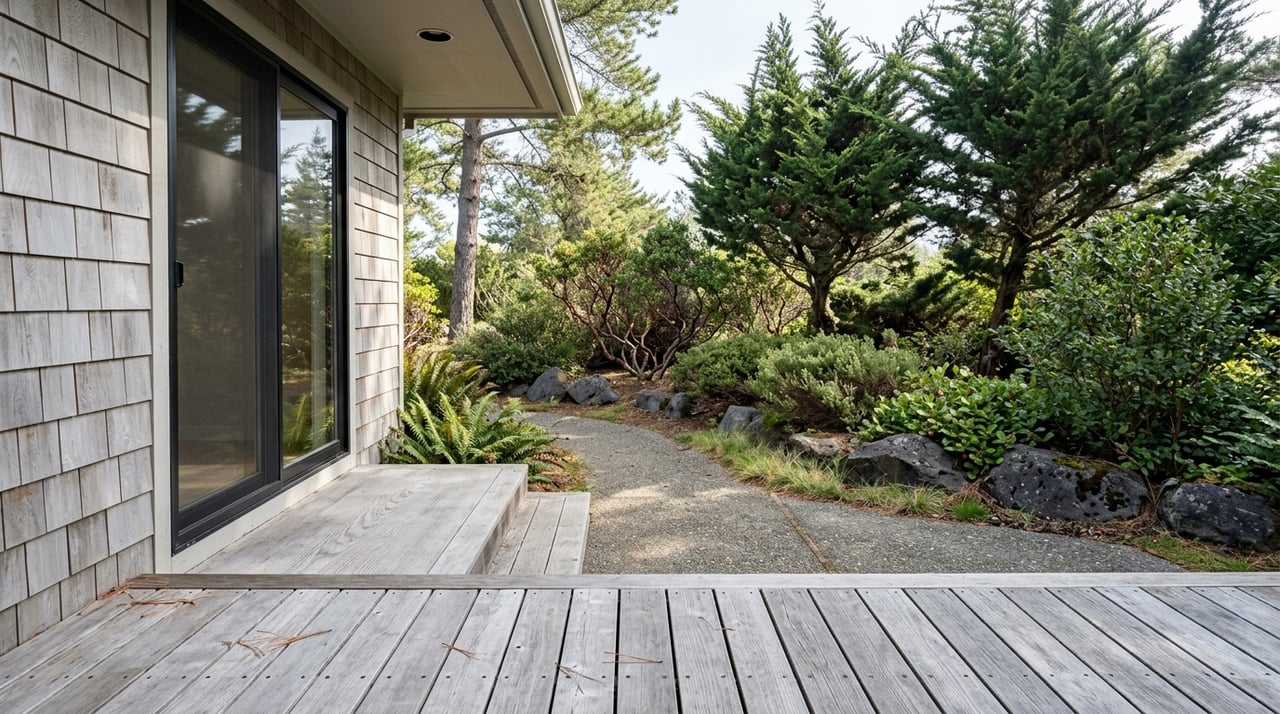
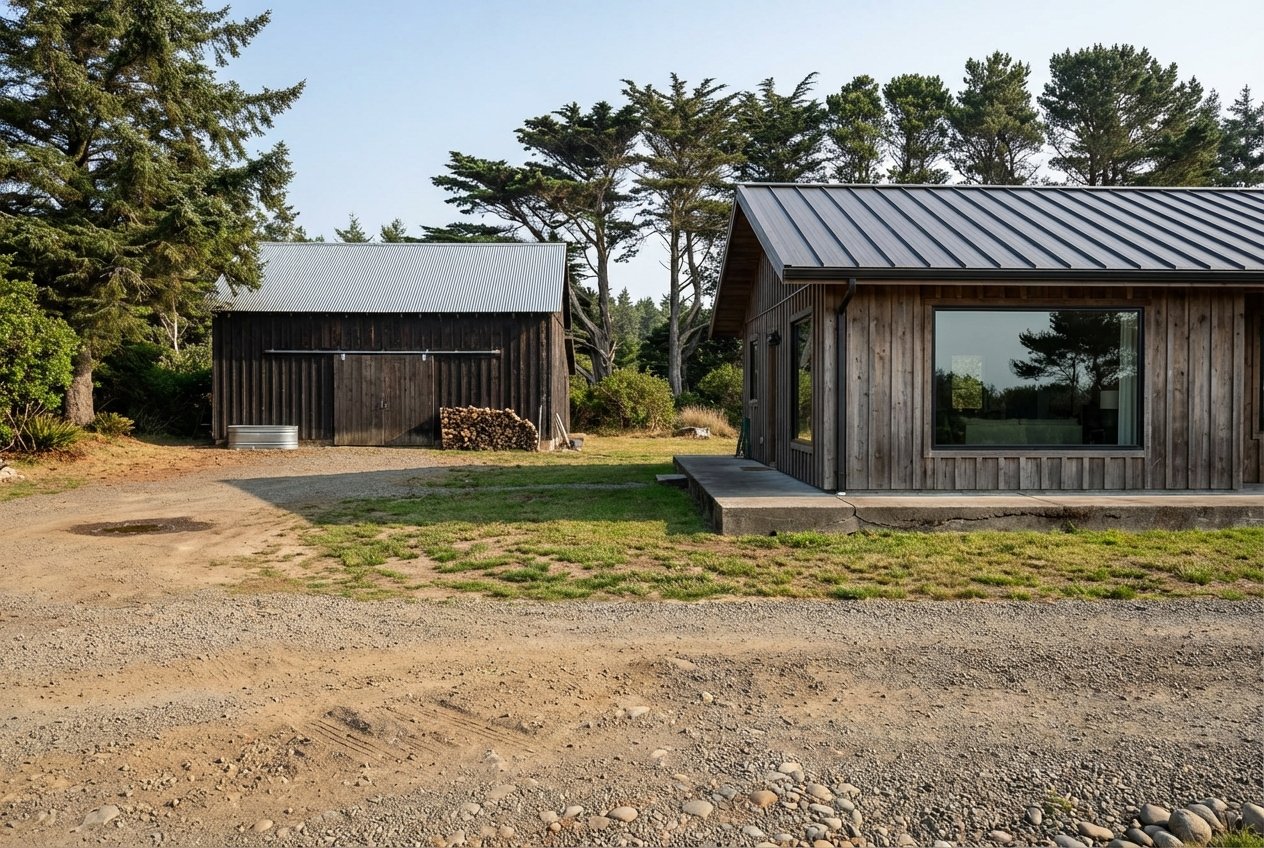
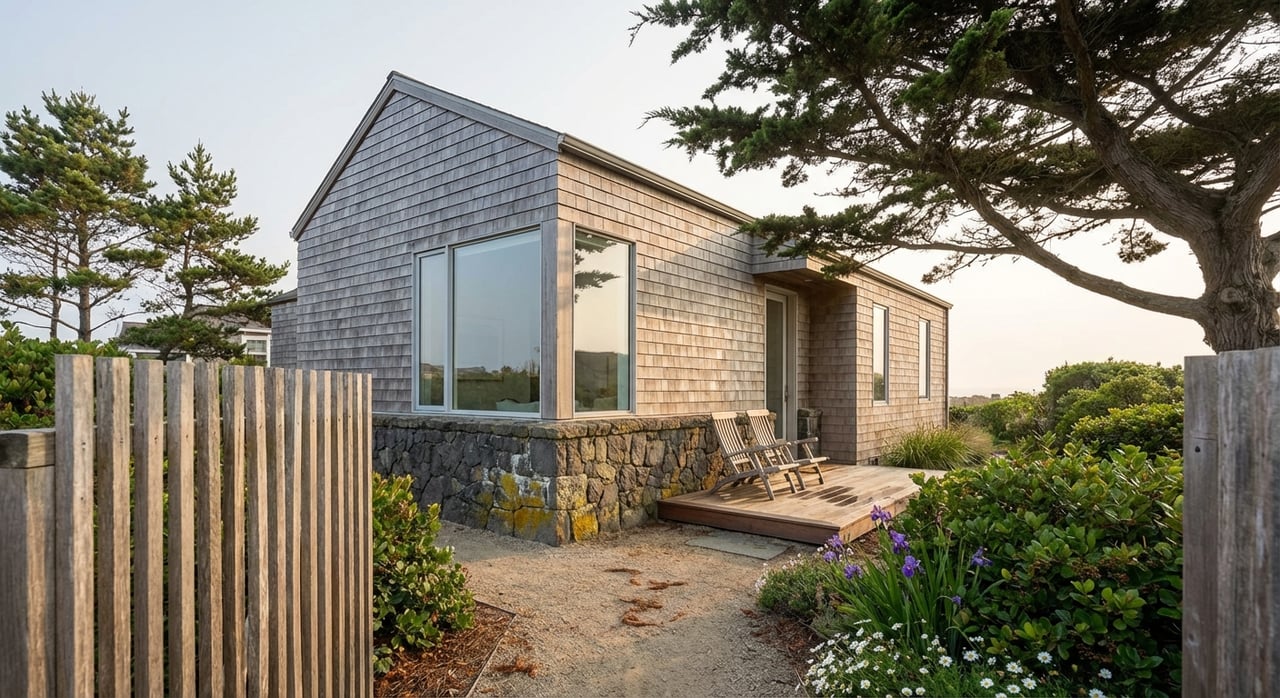
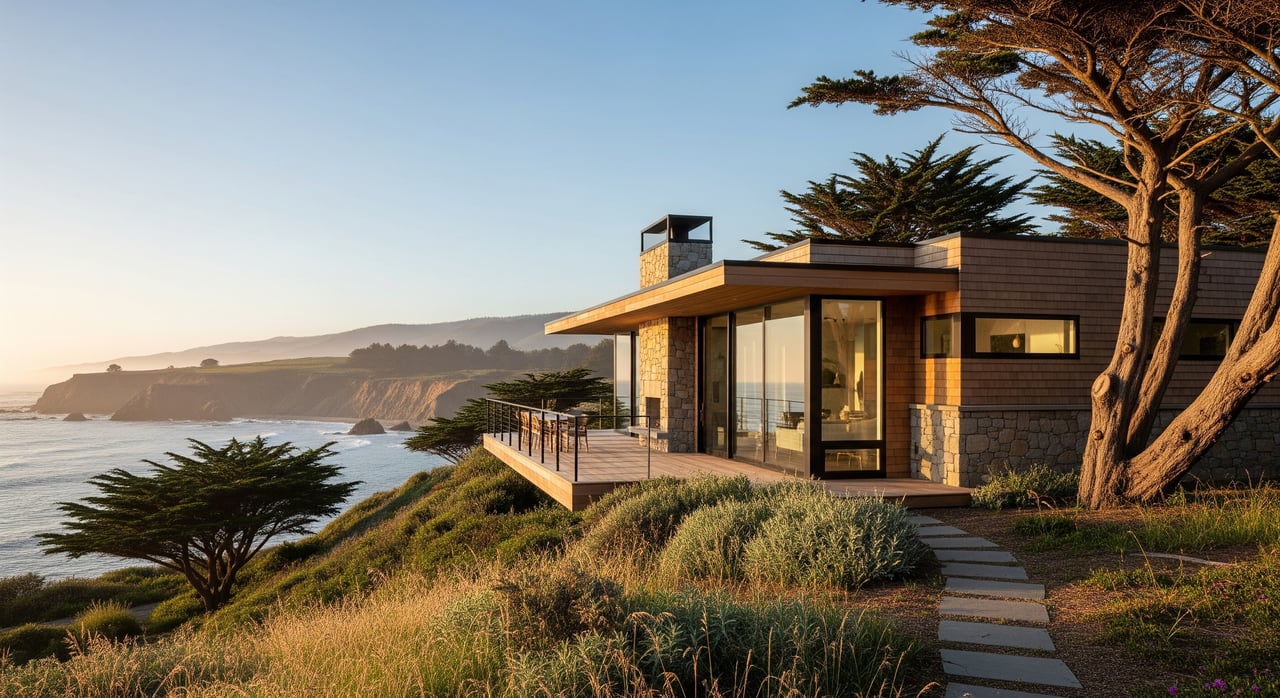
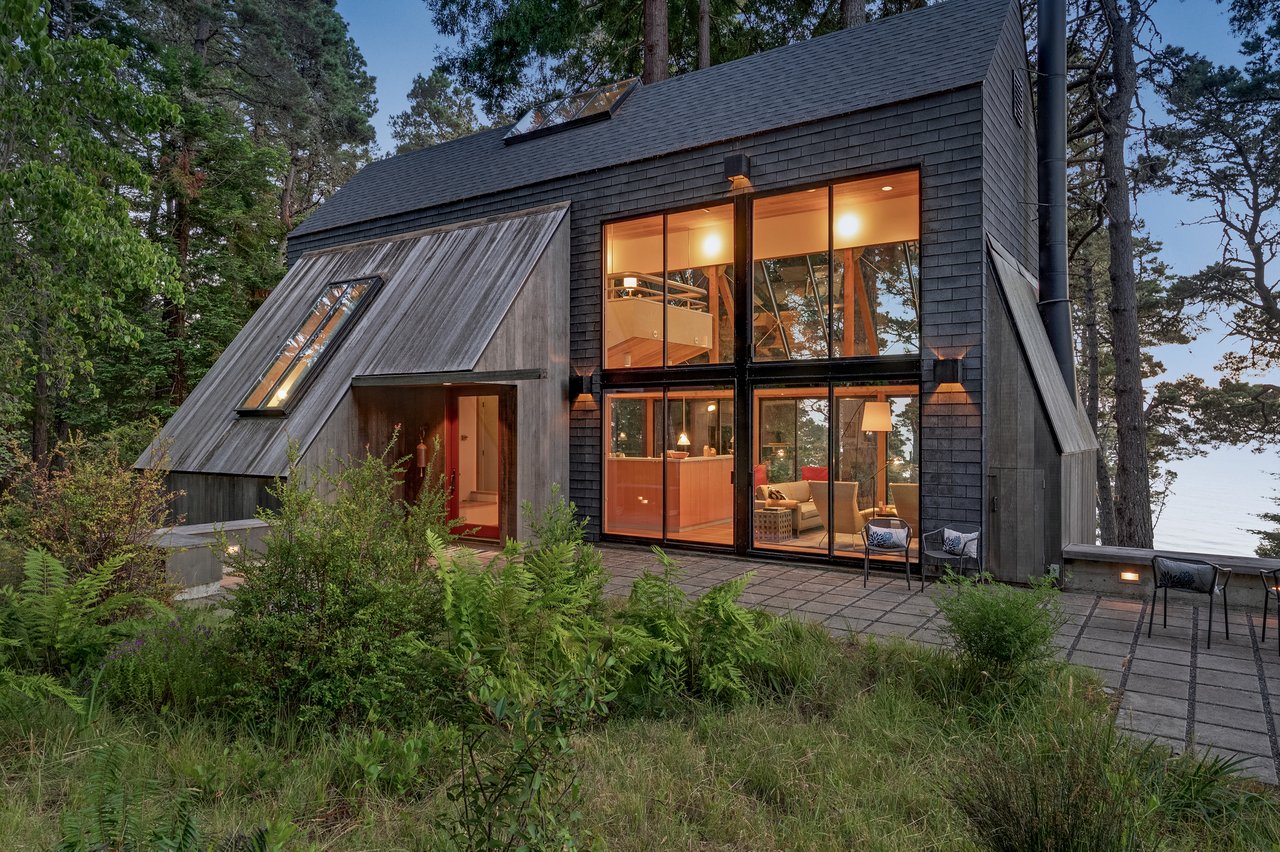
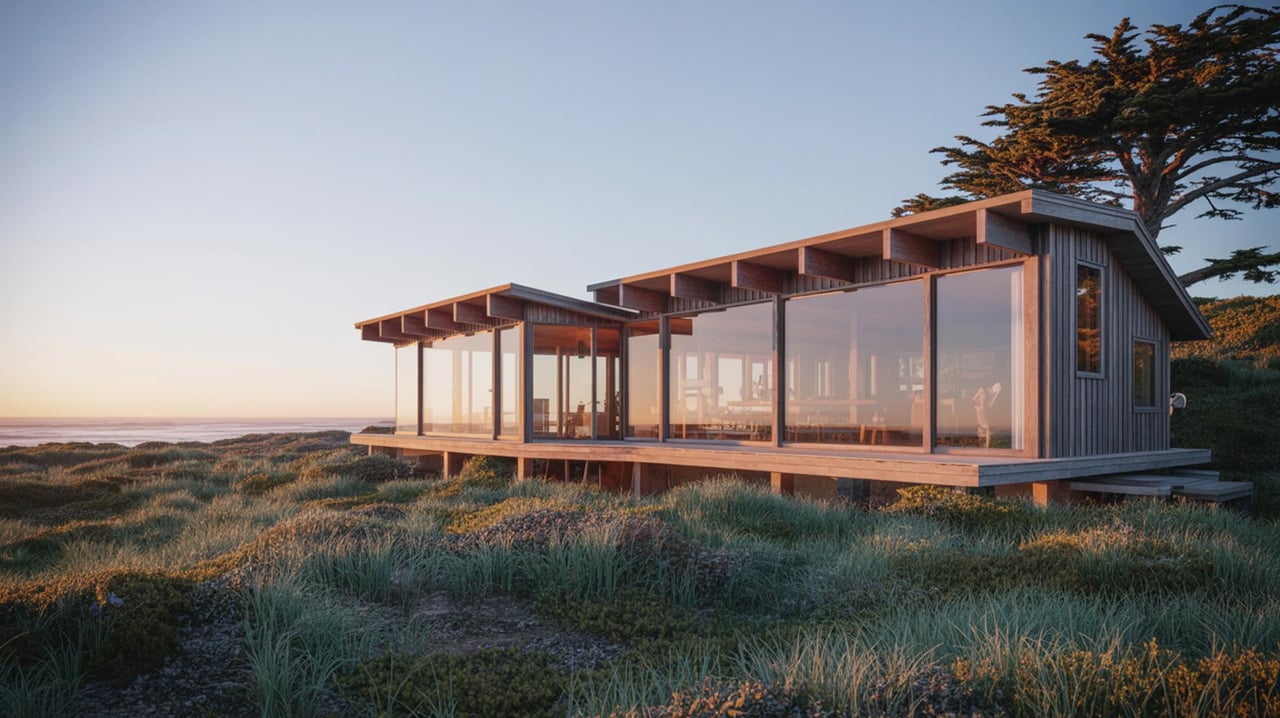
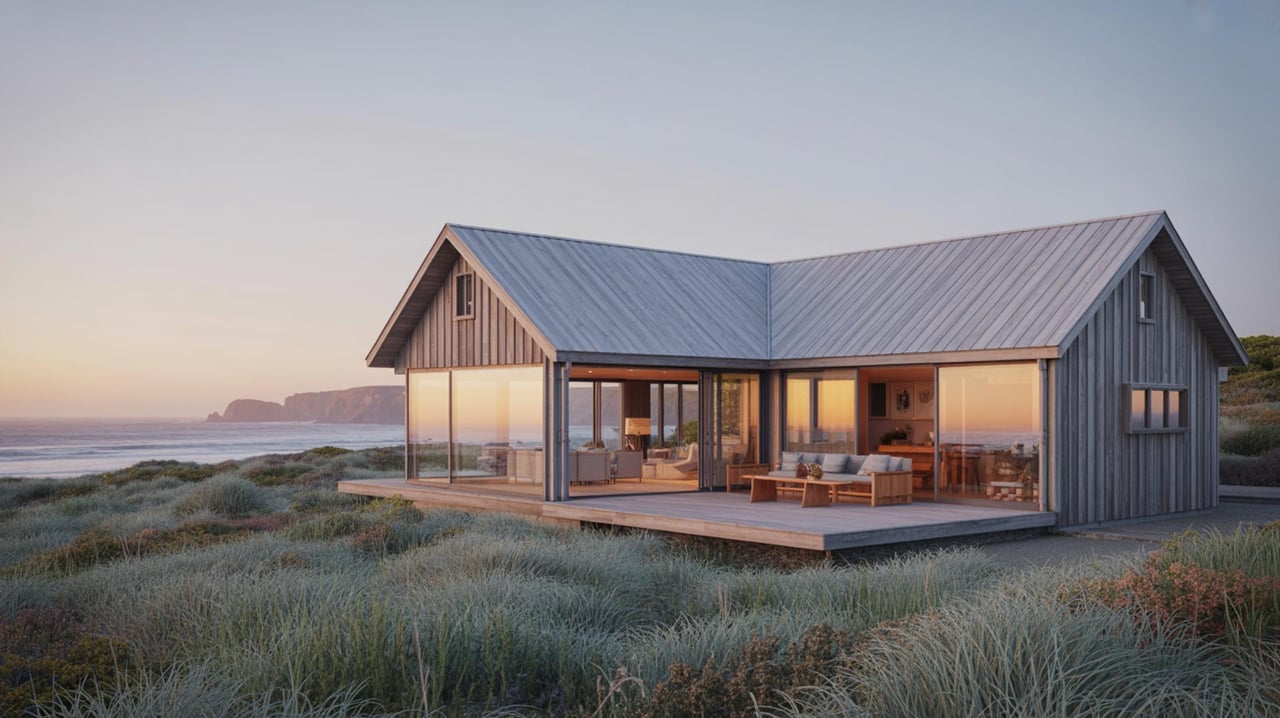
In Anchor Bay, cabin-style homes are still part of the market conversation. Current listing examples include smaller handcrafted coastal homes with redwood materials, decks, and wood stoves, reflecting the rustic and retreat-like side of the local housing mix.
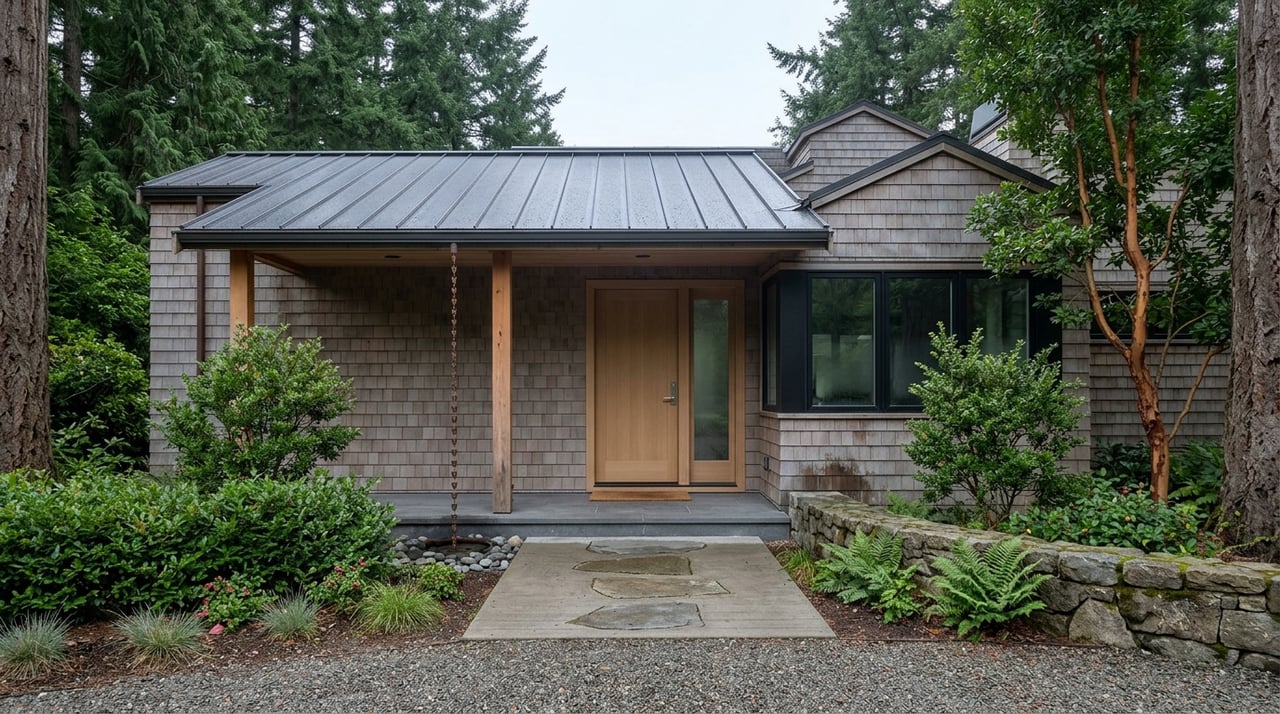
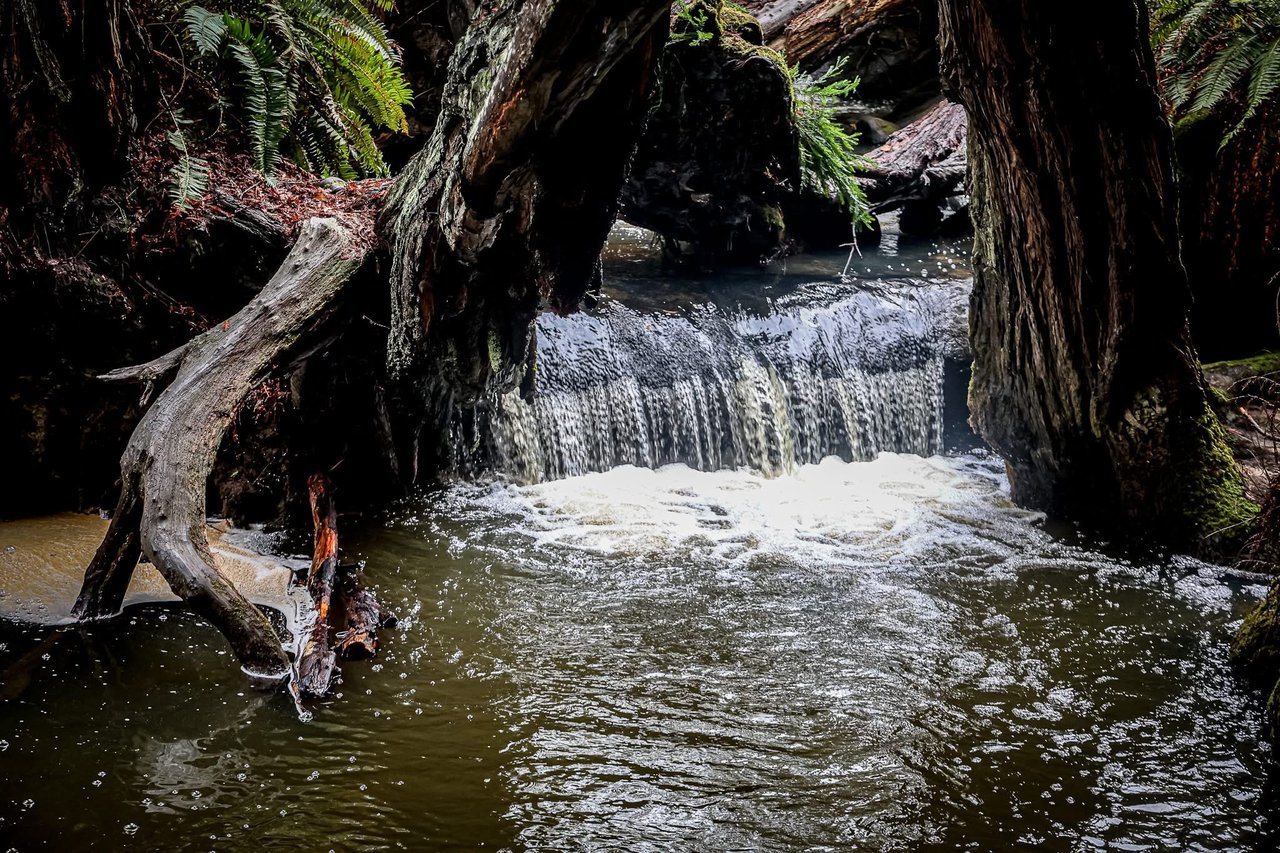
A cabin often makes the most sense on wooded or upslope parcels where privacy, shelter, and a cozy feel matter more than expansive glass or broad ocean views. That is especially true in areas where trees and terrain shape what you see from the home.
For many buyers, the appeal is simple. A cabin can feel grounded in the landscape, easier to settle into as a weekend escape, and more aligned with the quiet, natural character that draws people to this part of the coast.
Cabin benefits to consider
If you are leaning cabin, these are some of the main upsides:
- A strong retreat feel in wooded settings
- Privacy on tucked-in parcels
- A style that often pairs naturally with redwood and coastal materials
- A smaller scale that may suit second-home use or simpler living
Cabin tradeoffs to expect
Cabin ownership on the coast can also mean more hands-on care. Based on local listing features and county fire and coastal guidance, buyers should be ready to think about:
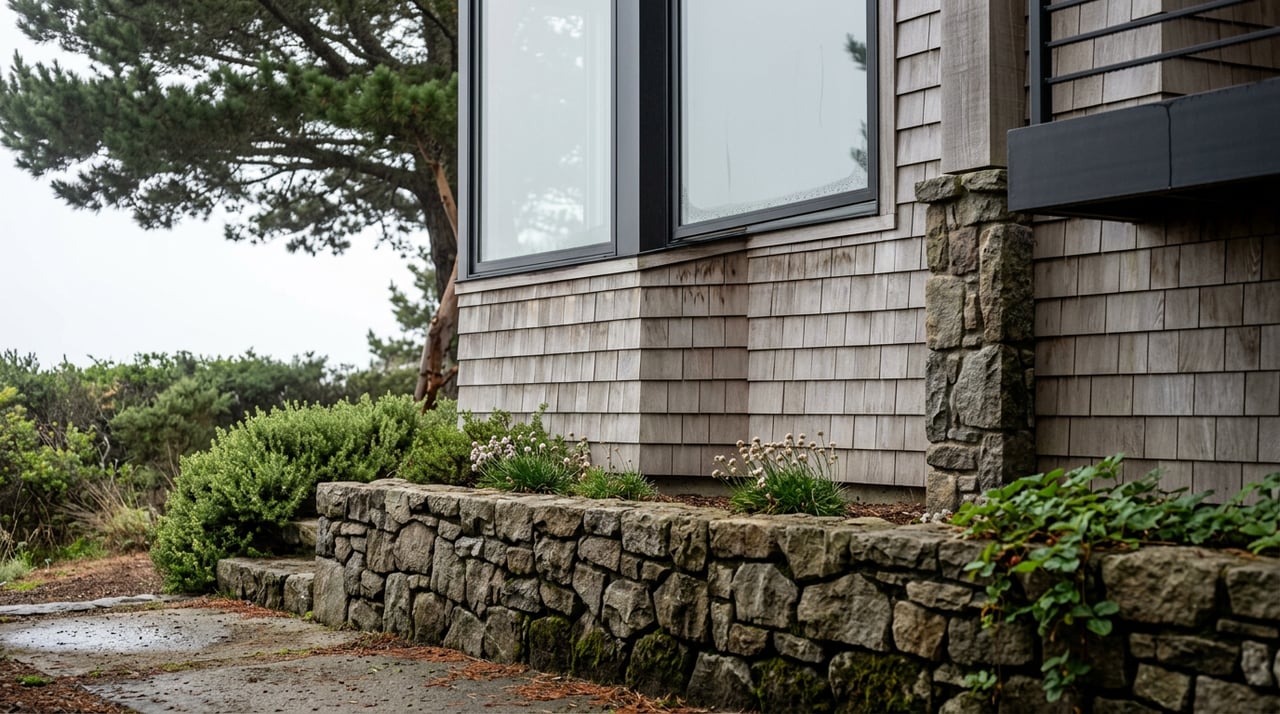
- Exterior wood maintenance
- Moisture management
- Roof and deck upkeep
- Wildfire hardening and defensible space planning
That does not make cabin living less appealing. It just means the charm often comes with a regular maintenance rhythm.
What contemporary style means here
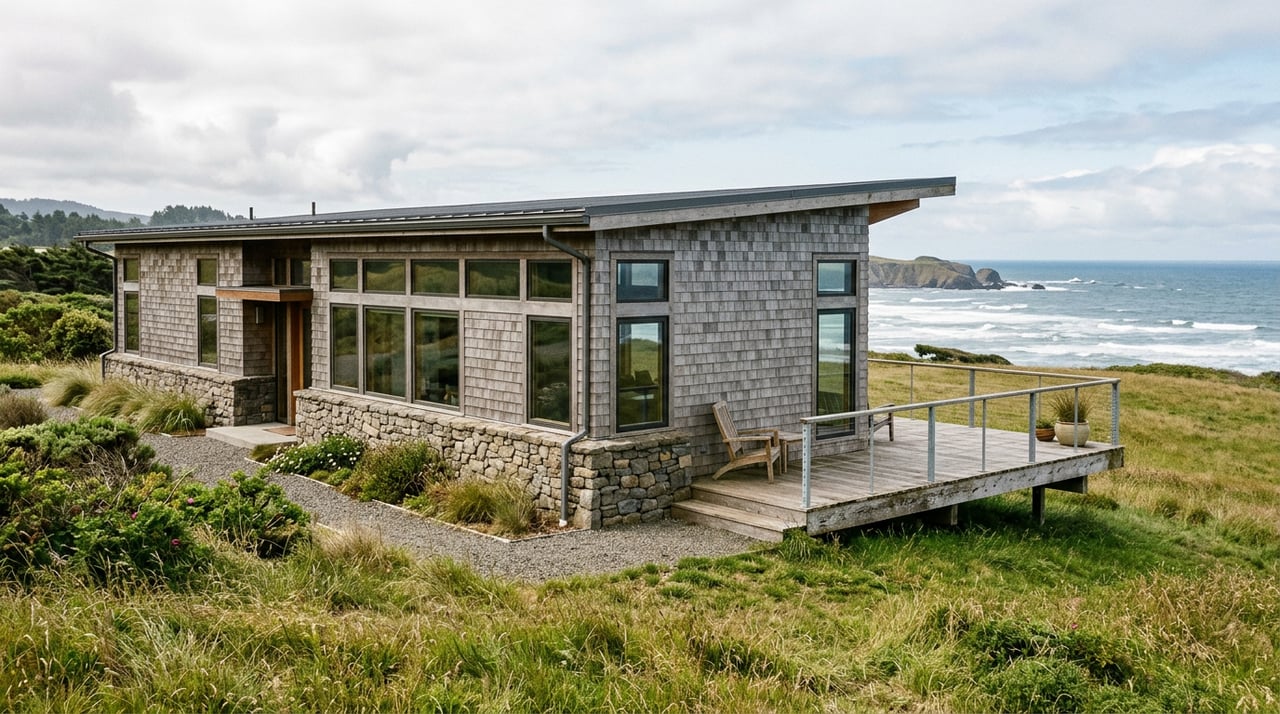
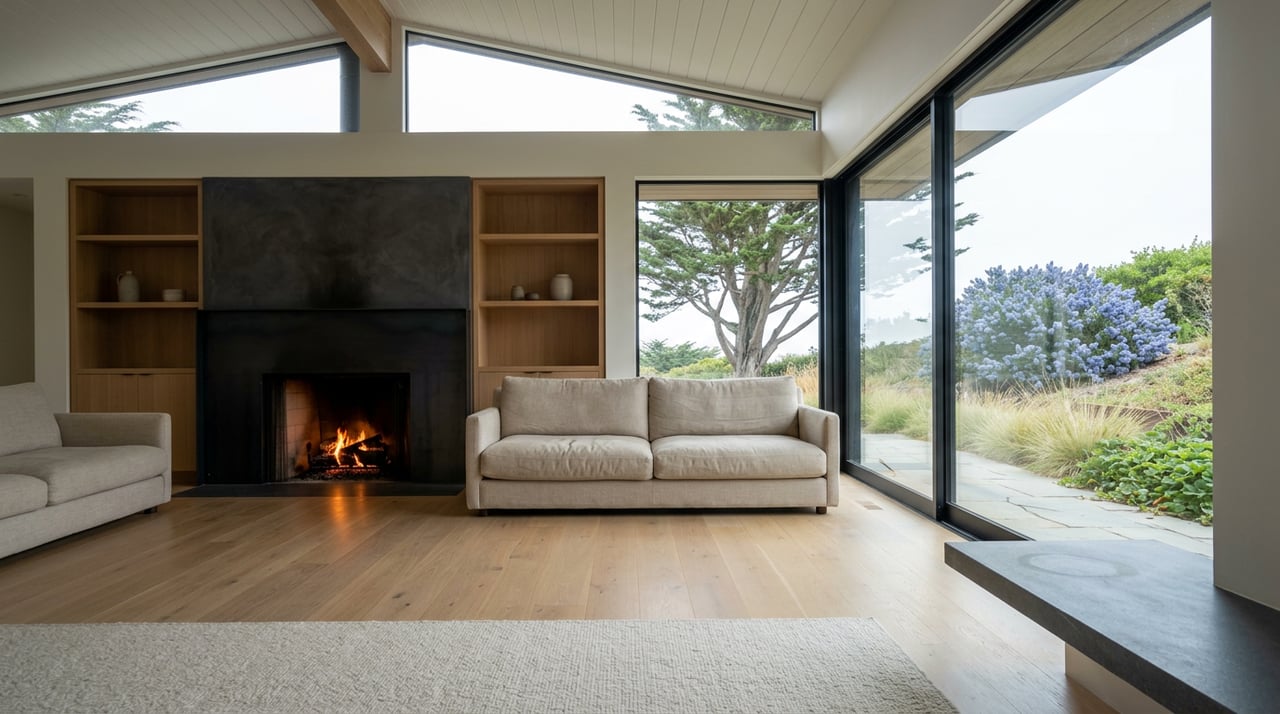
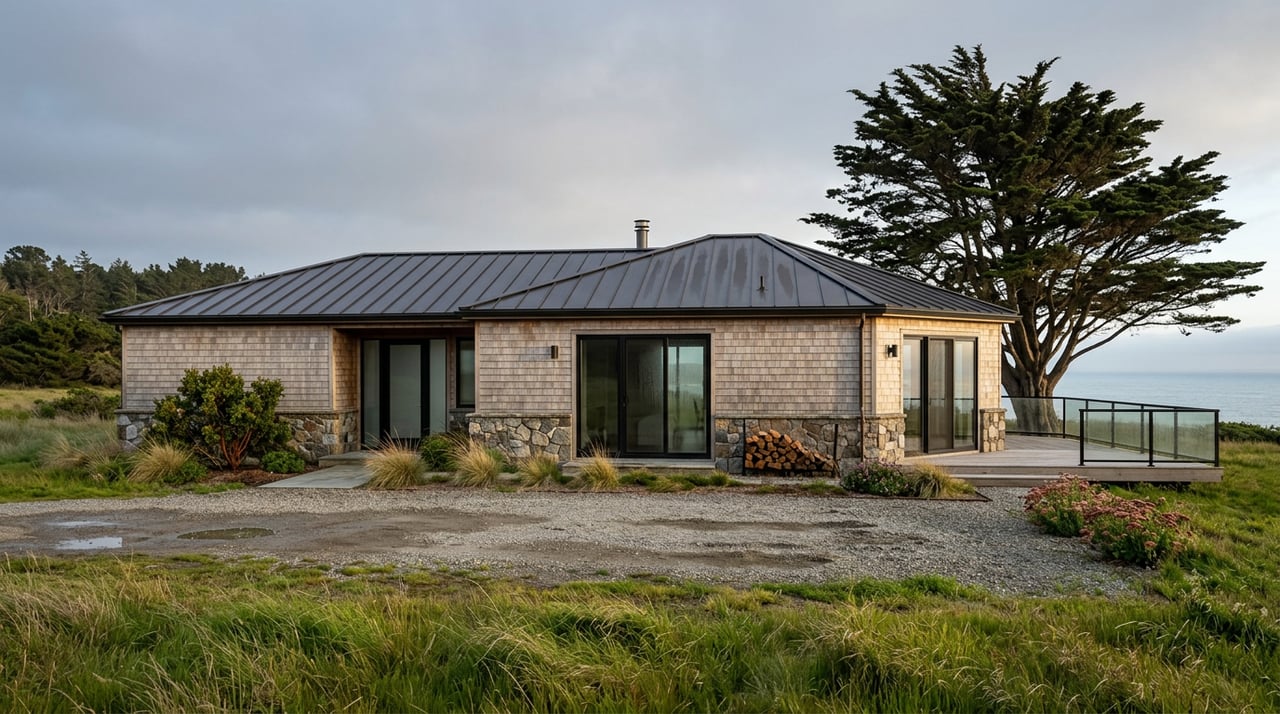
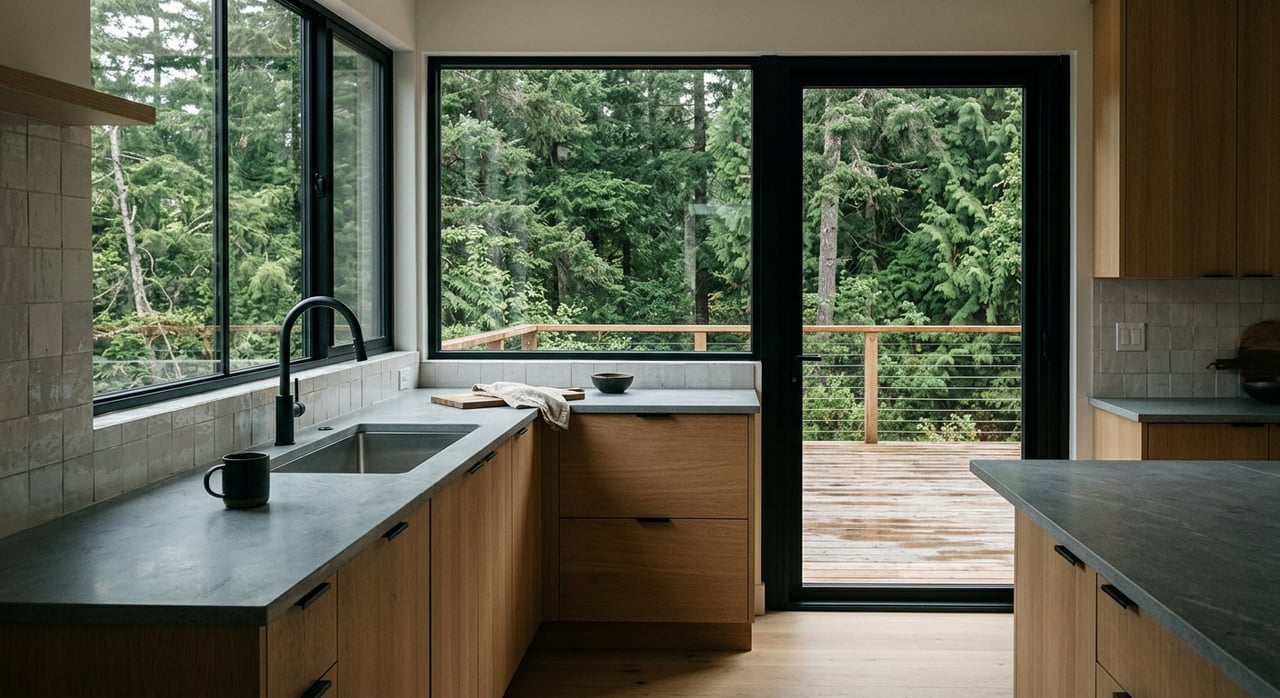
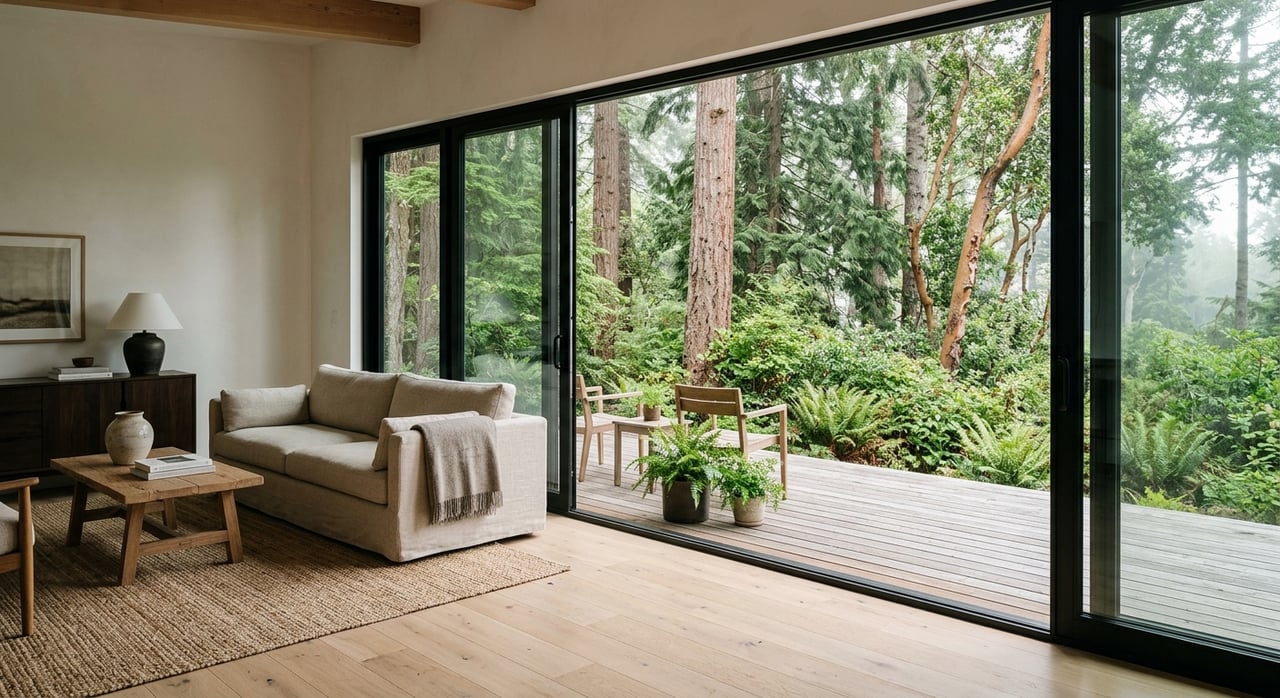
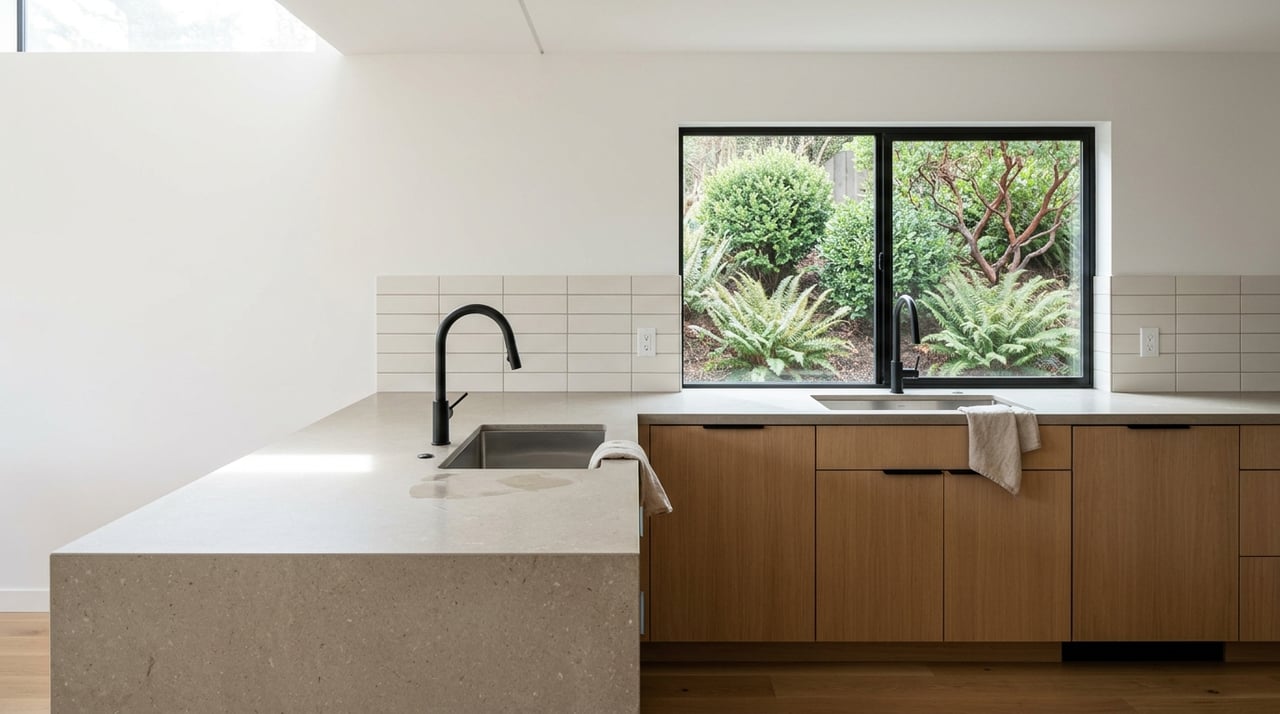
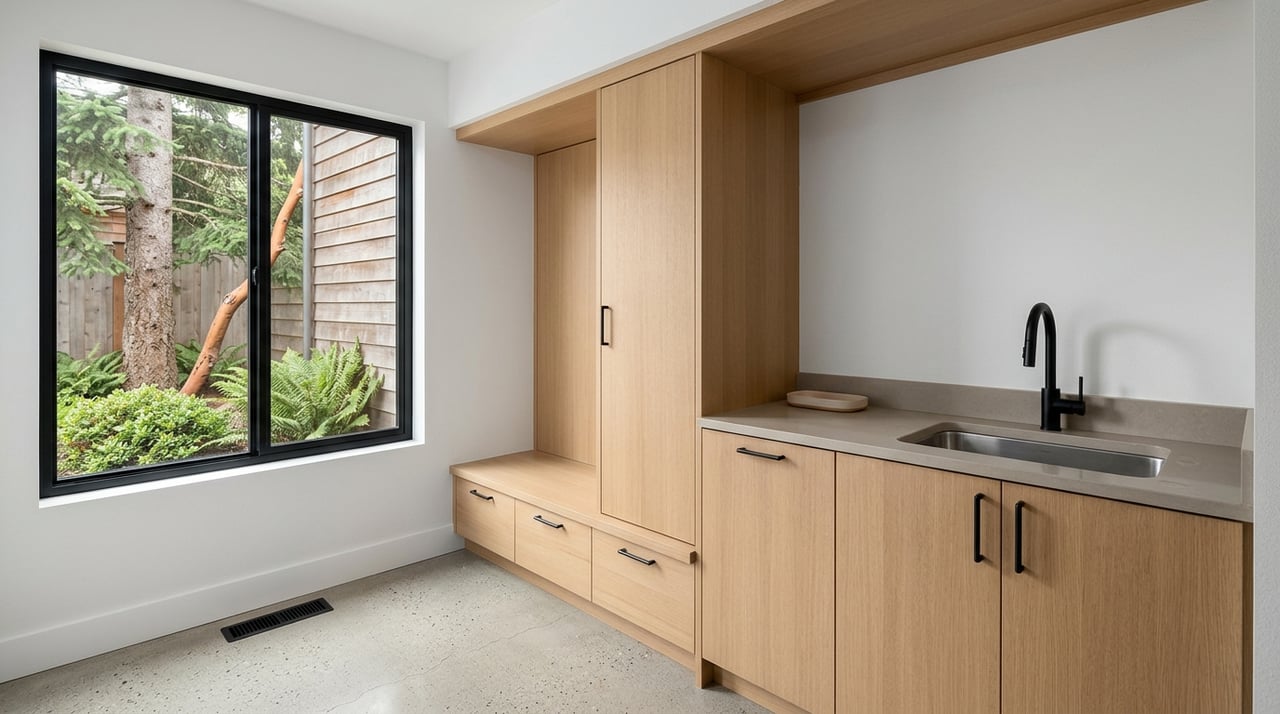
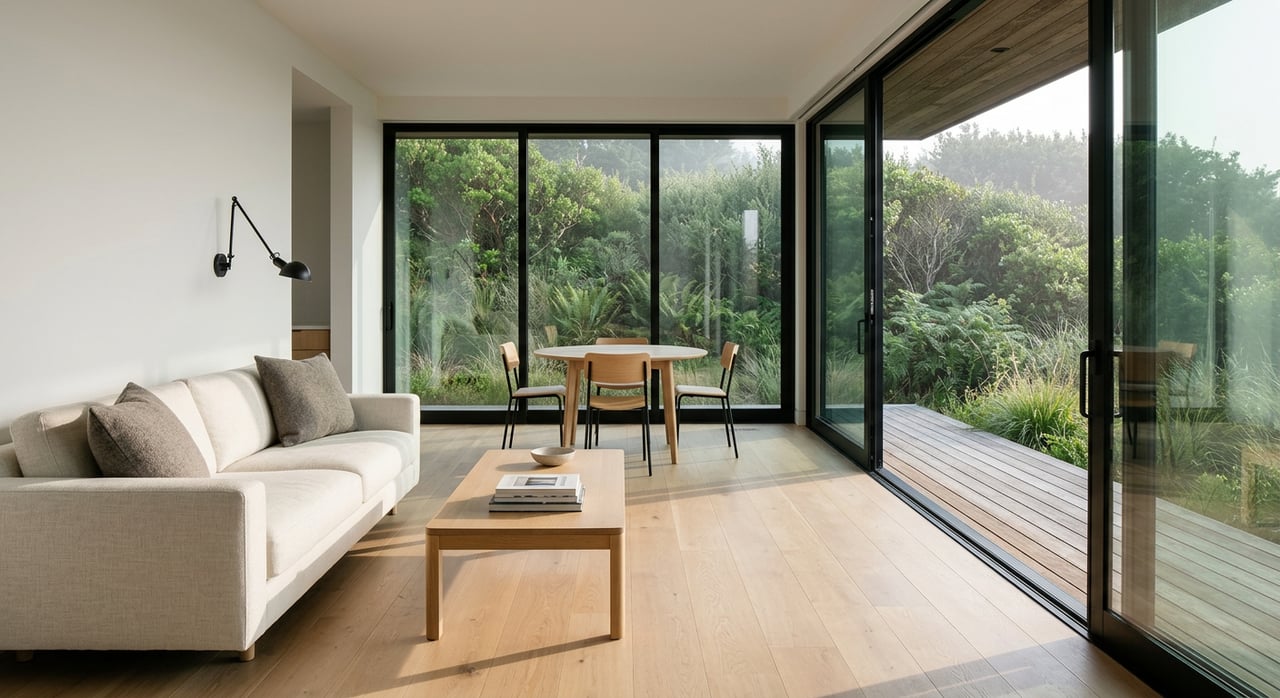
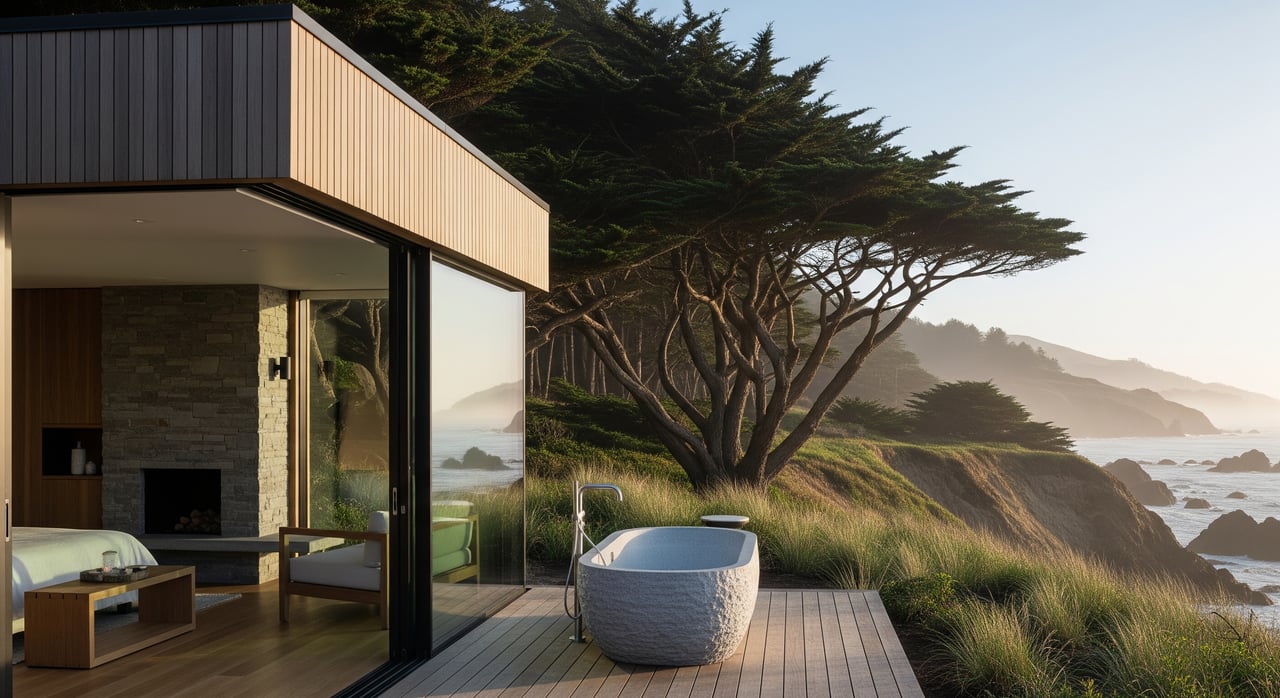
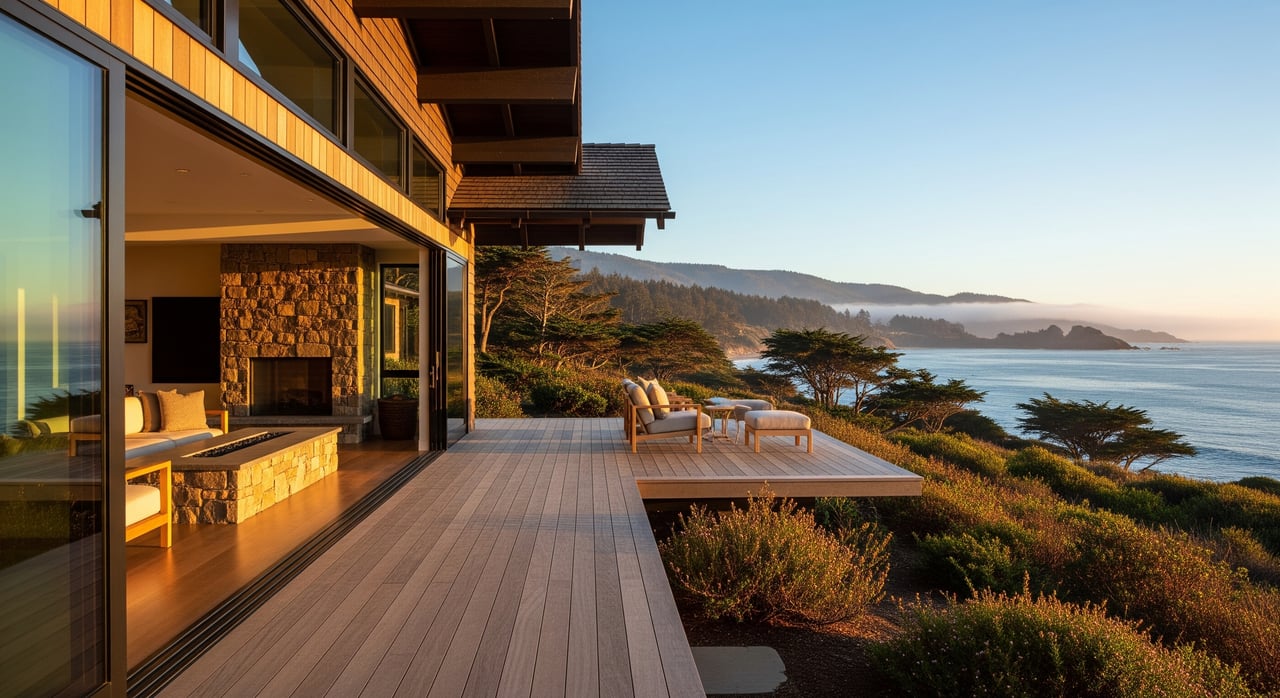
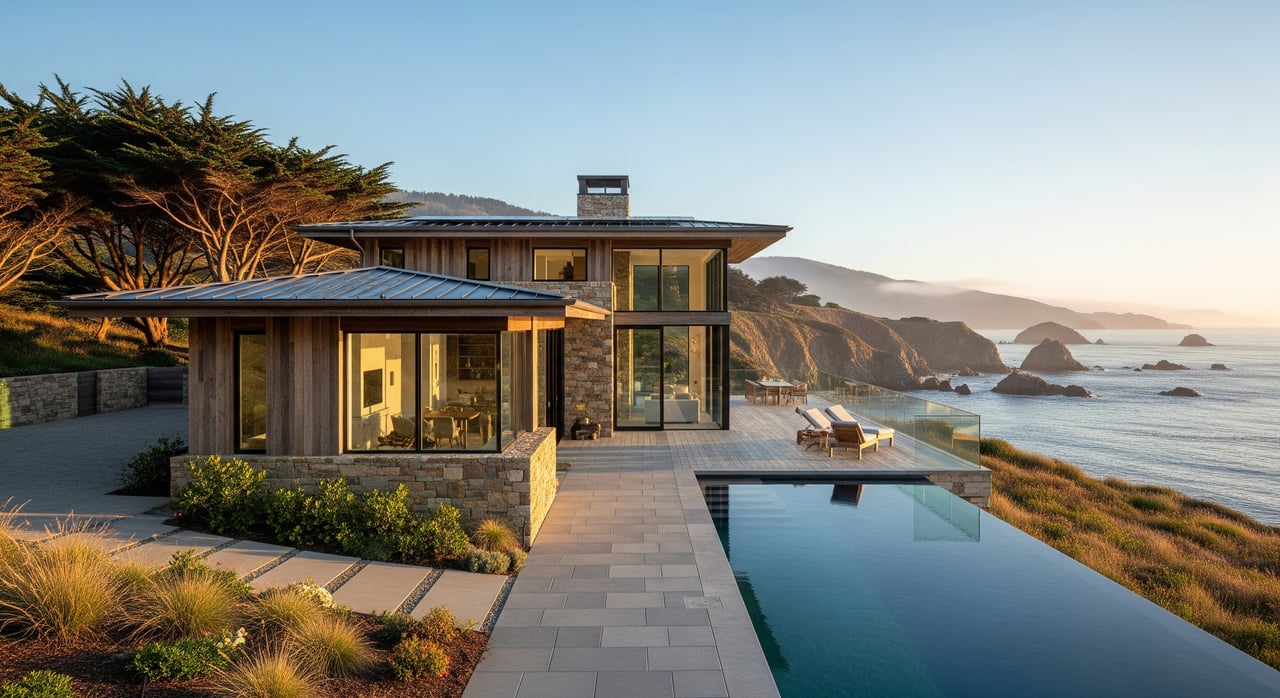
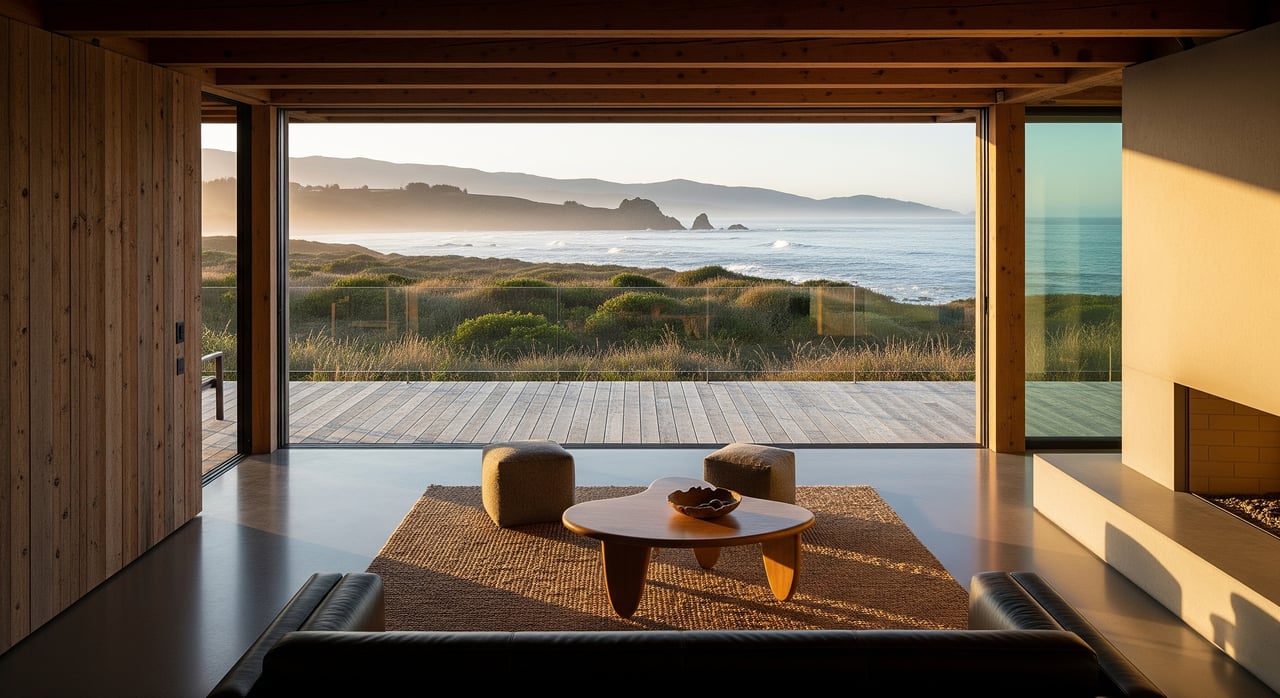
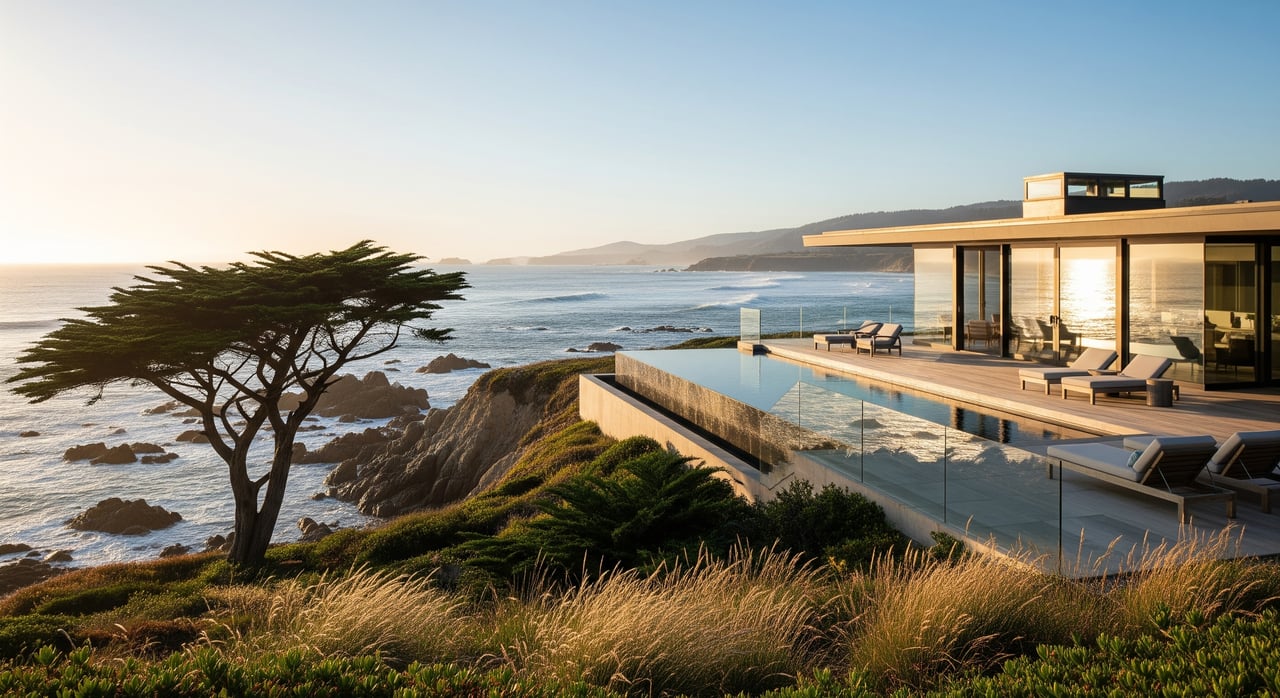
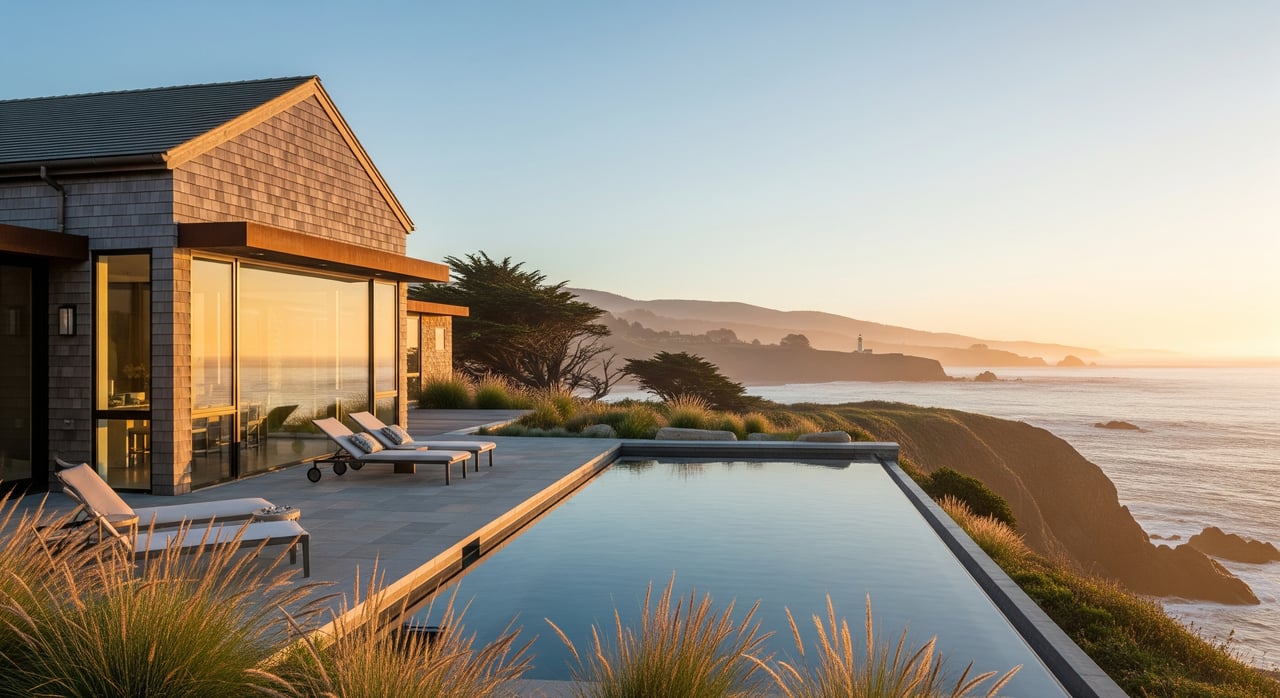
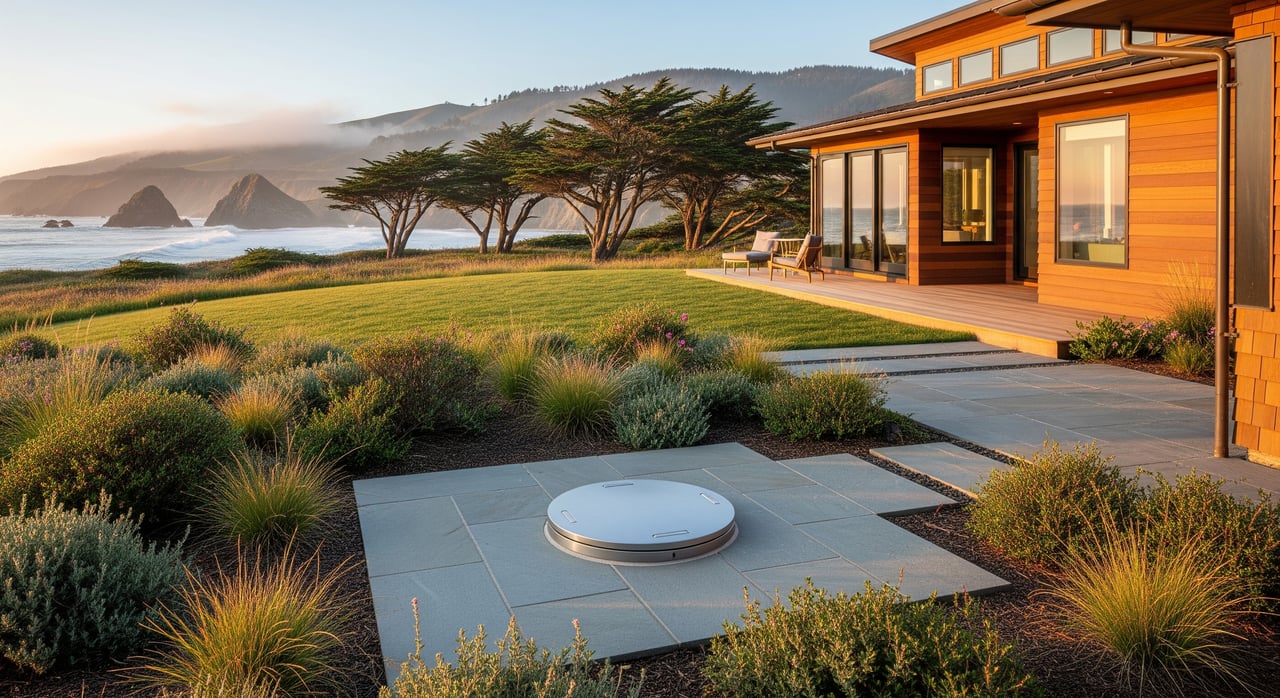
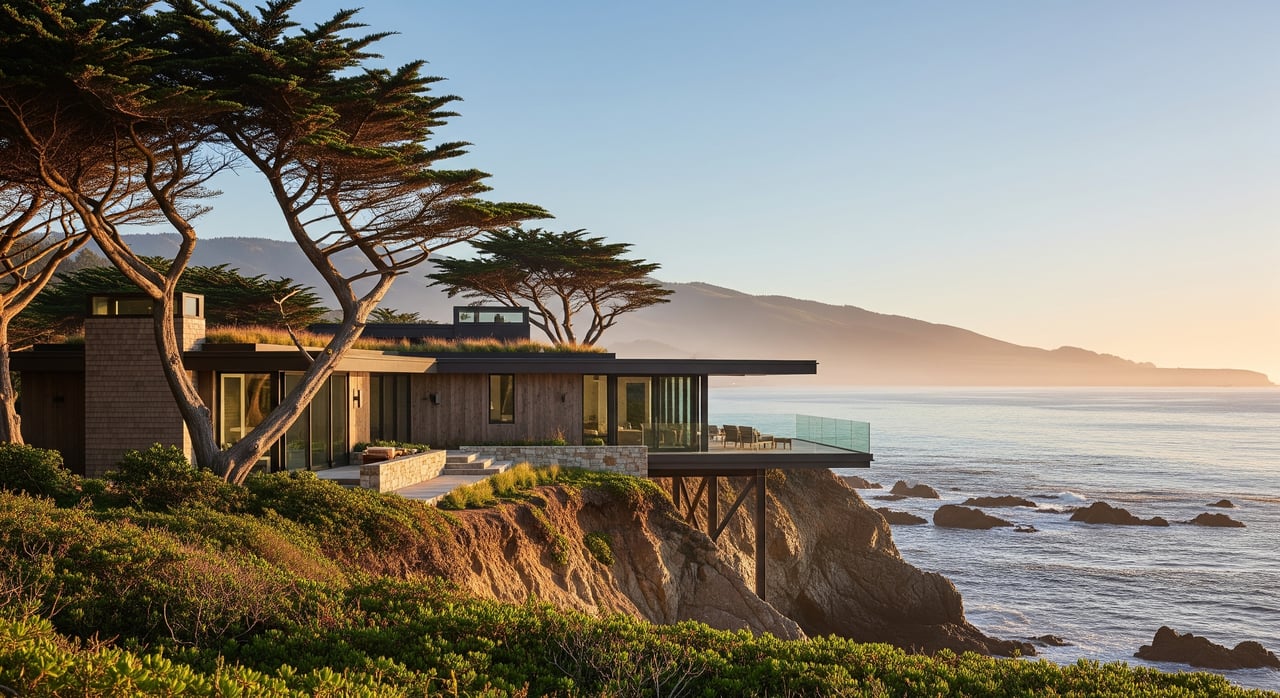
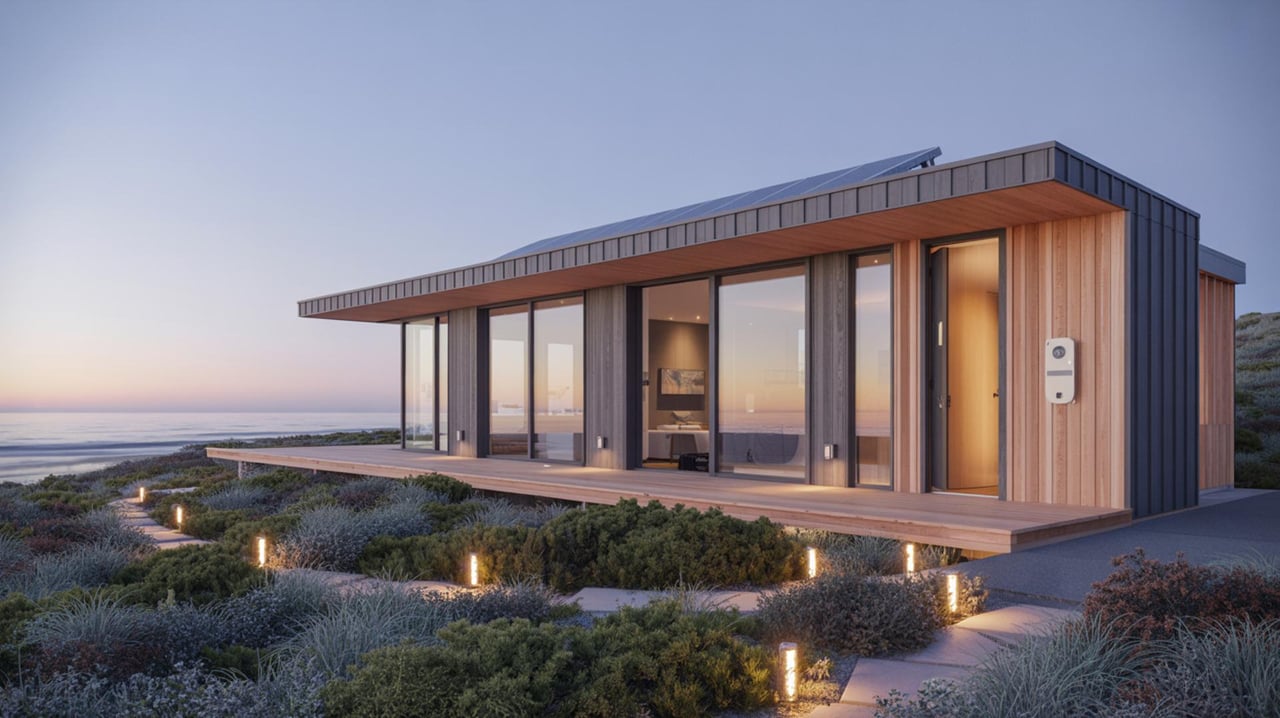
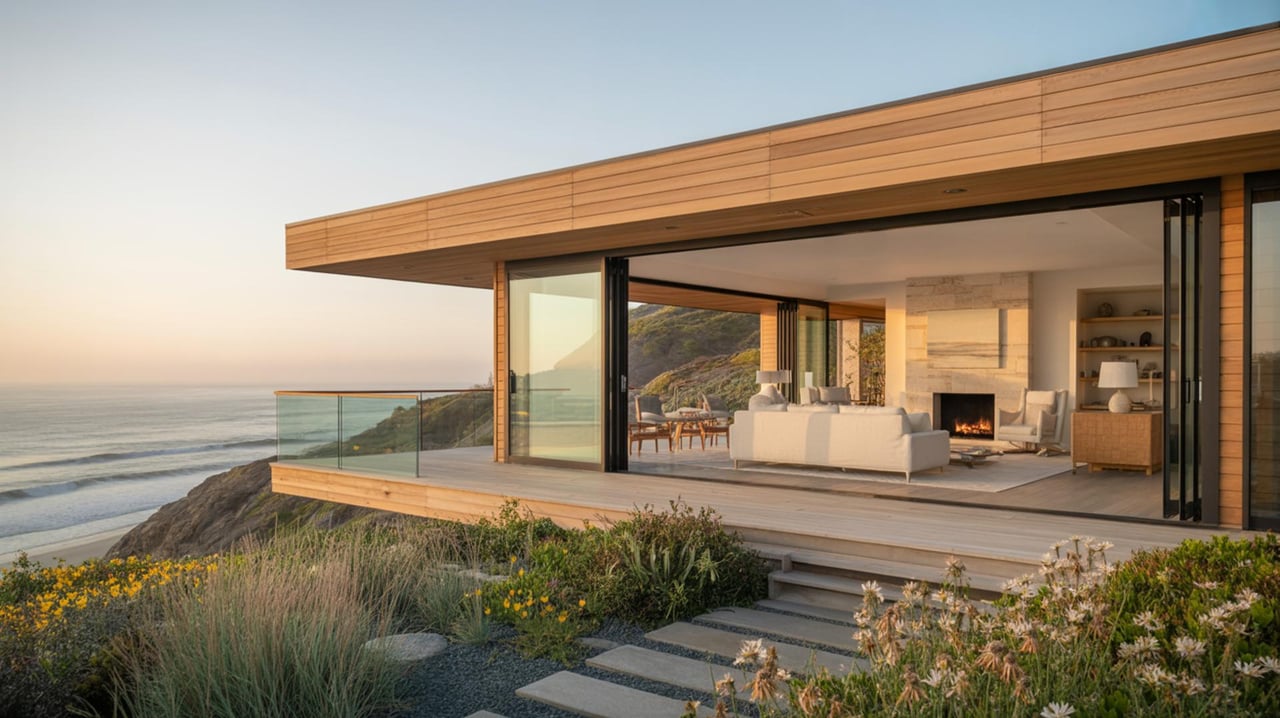
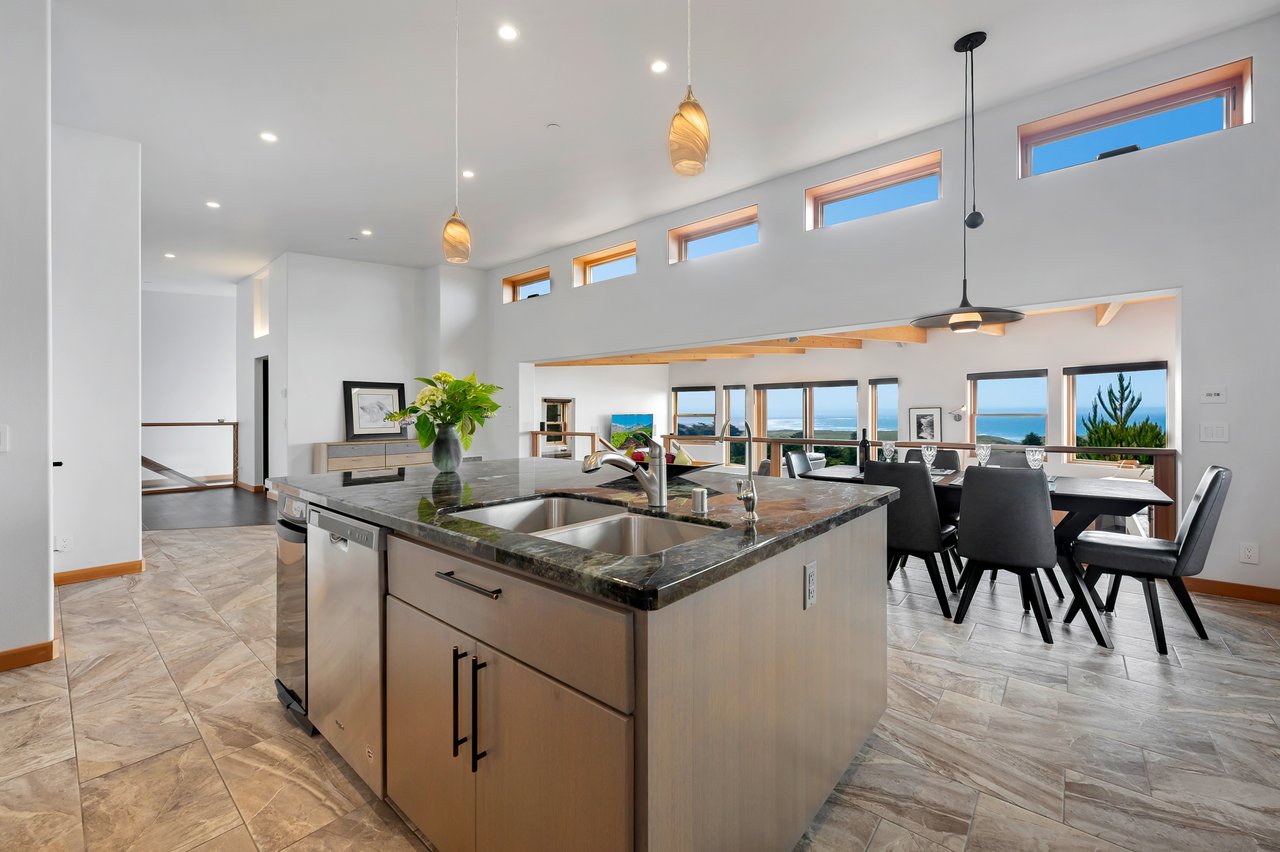
Contemporary homes in Anchor Bay tend to show up on the more view-forward end of the spectrum. Current listing examples include newer or multi-level homes with open layouts, large windows, glass doors, expansive decks, solar features, and spaces that can flex for guests or a home office.
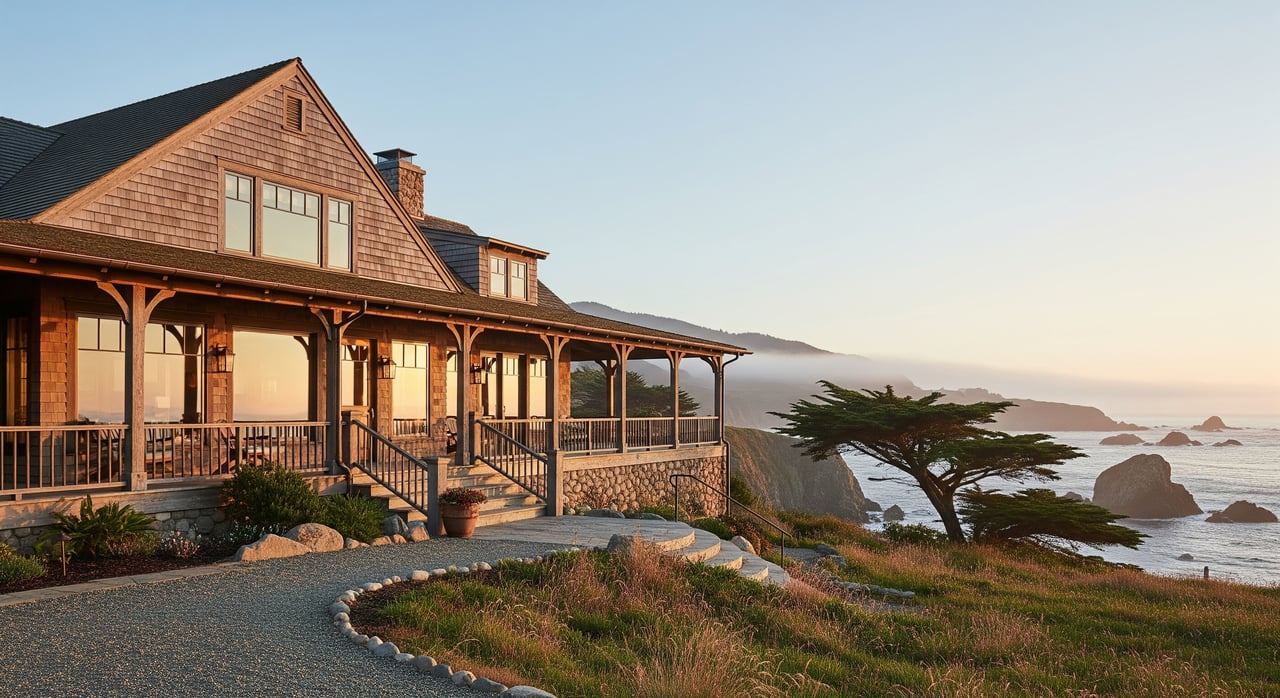
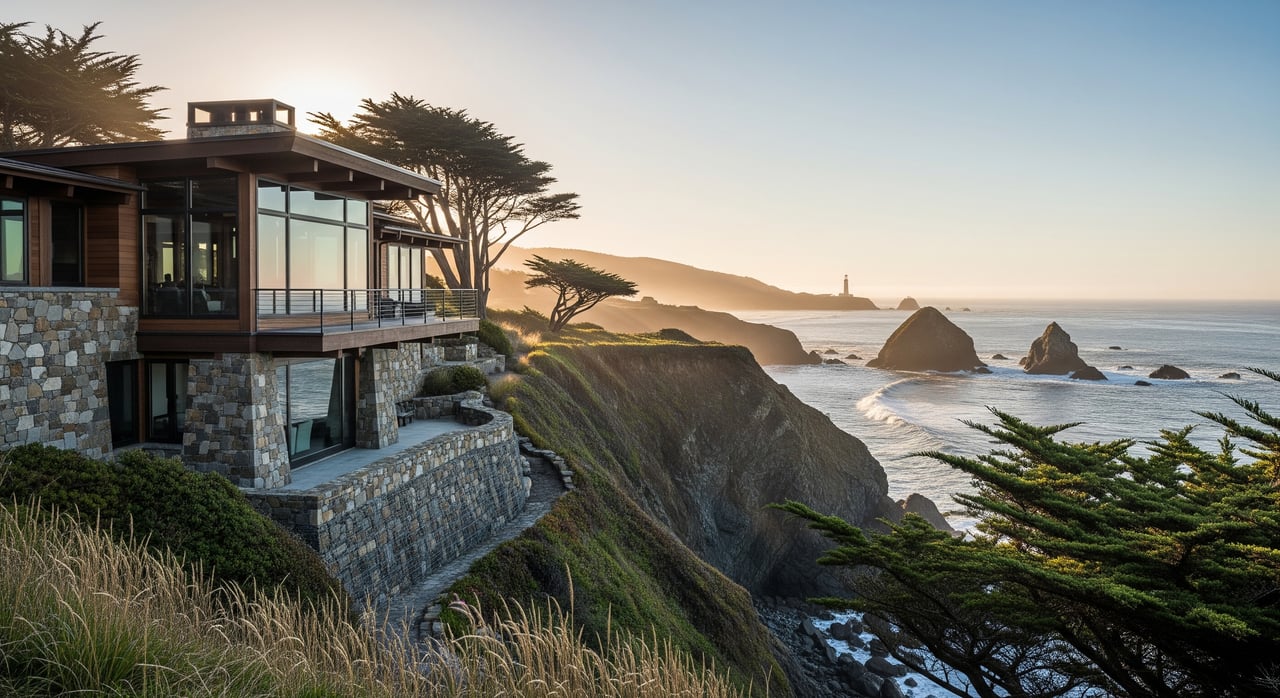
This style often fits blufftop or ocean-oriented parcels particularly well. Mendocino County planning language supports the idea that blufftop development is where view-oriented uses belong, which helps explain why larger windows and indoor-outdoor living features appear in some of the area’s more modern homes.
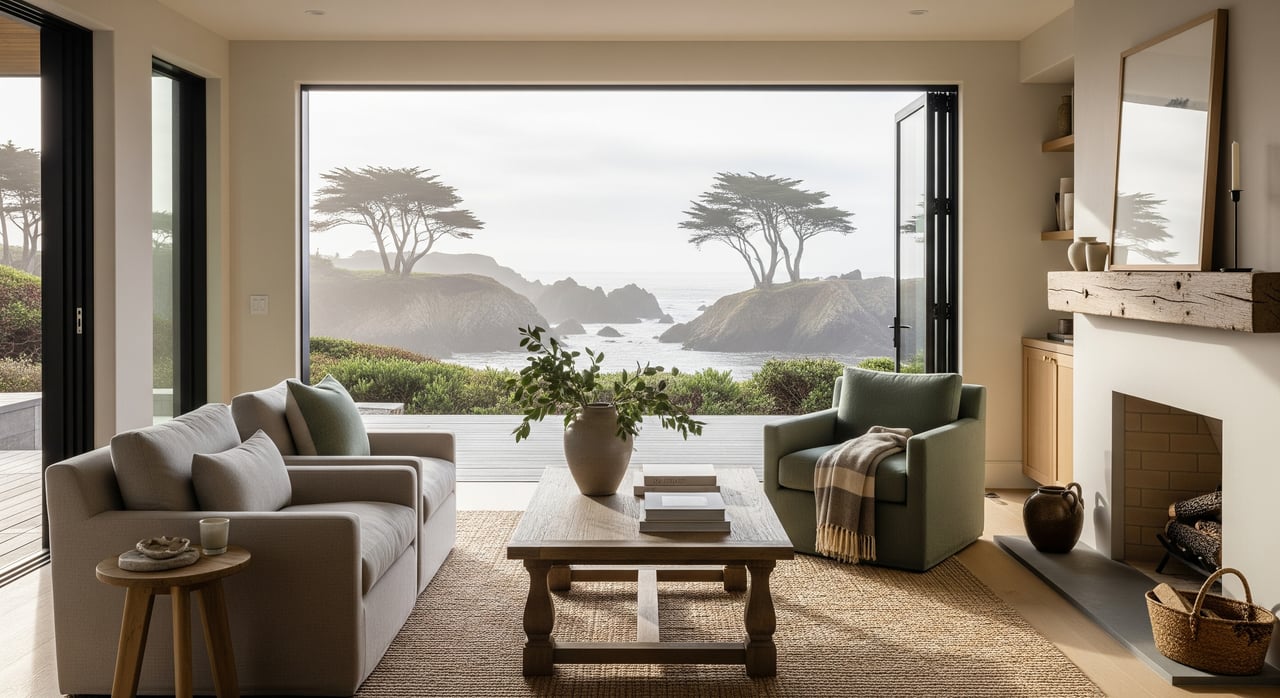
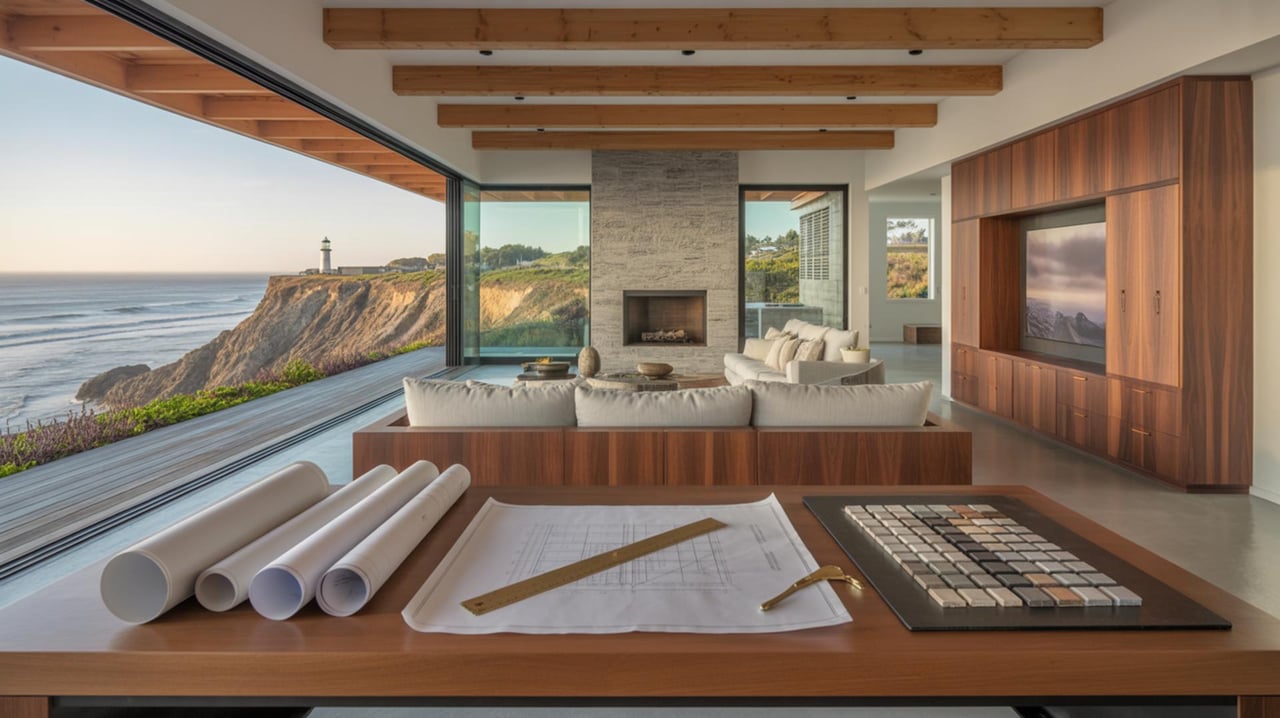
If your goal is to maximize light, entertain easily, or keep the ocean in view from your main living spaces, contemporary design may be the better fit. It can create a very different daily experience than a more sheltered cabin site.
Contemporary benefits to consider
A contemporary home may be the stronger choice if you want:
- Better sightlines on a view parcel
- Open-concept living for gatherings and guests
- More natural light through larger windows and doors
- Easier indoor-outdoor flow with decks and terraces
- Flexible spaces for remote work or visiting family and friends
Contemporary tradeoffs to expect
The same features that make a contemporary home attractive can also increase exposure to coastal conditions. More glass and more deck area usually mean more attention to:
- Wind exposure
- Weathering
- Deck maintenance
- Window and glazing performance over time
On the coast, design choices should support the setting, not fight it. A beautiful view is a real asset, but it often comes with more weather and hazard awareness.
How to match style to your parcel
In Anchor Bay, the lot usually tells you more than the listing photos do. Before you decide which style suits you best, it helps to evaluate how the parcel actually functions.
Wooded parcels often favor cabins
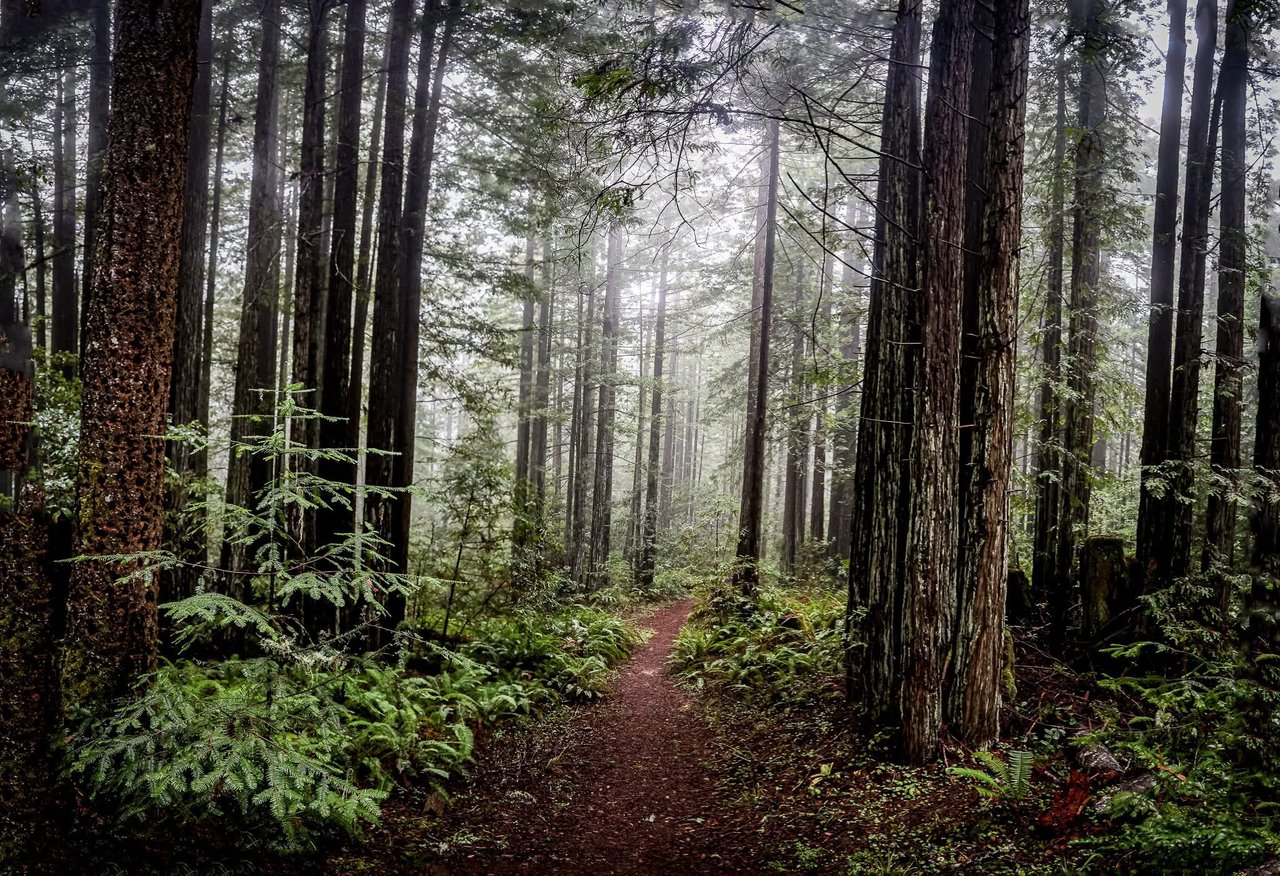
If a property sits in a narrow gulch, among redwoods, or on an upslope lot with filtered light and limited ocean exposure, a cabin may feel more natural there. In those settings, privacy and shelter often matter more than trying to create broad west-facing glazing where the site does not support it.
A cabin-style home can also feel more proportionate on a smaller or more enclosed parcel. Instead of competing with the terrain, it can work with it.
Blufftop parcels often favor contemporaries
If a lot has stronger orientation to the ocean or sits where views are a core asset, a contemporary design may make better use of the site. Larger windows, open living areas, and outdoor spaces can help you enjoy what the parcel offers.
That said, blufftop living should always be considered alongside long-term coastal conditions. Sea-level rise, erosion, flooding, wave impacts, and saltwater intrusion are all part of the broader ownership picture on this coastline.
Utility and permit questions come first
Before you get too attached to a style, confirm what the parcel can support. In Anchor Bay, that step matters as much as design preference.
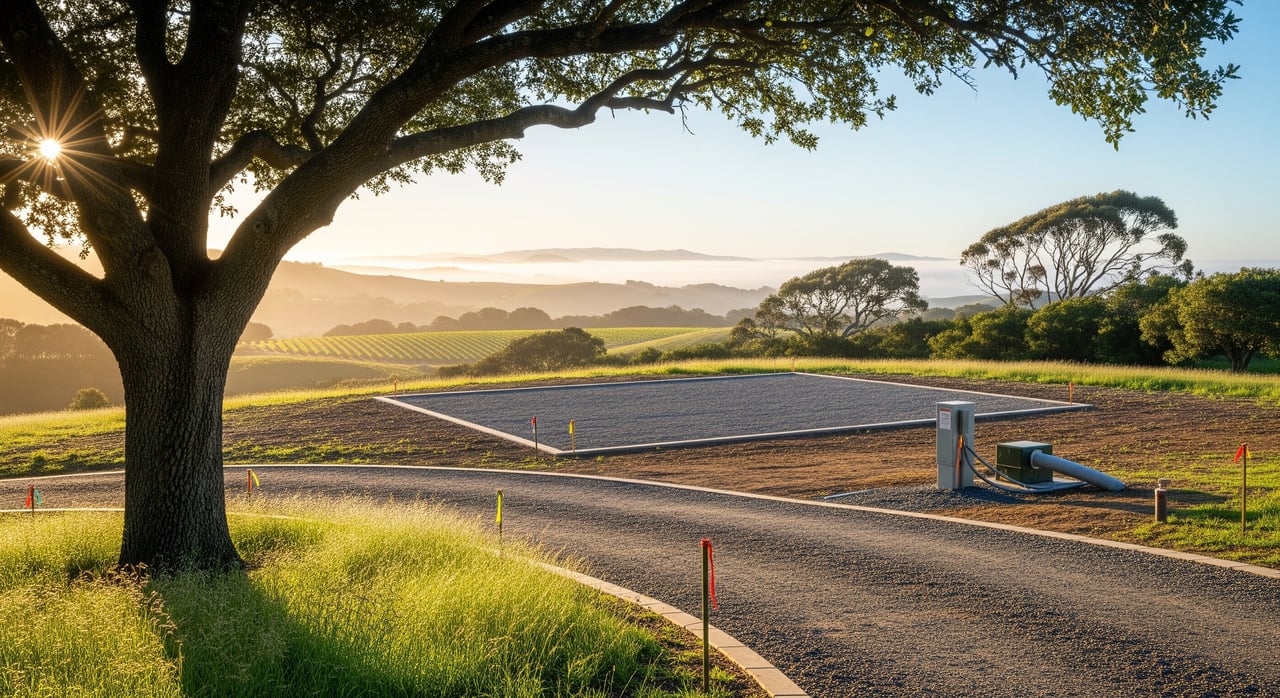
Because the area sits in Mendocino County’s Coastal Zone, new development can trigger County review and may require a Coastal Development Permit. The County also says that new development must show an adequate water supply.
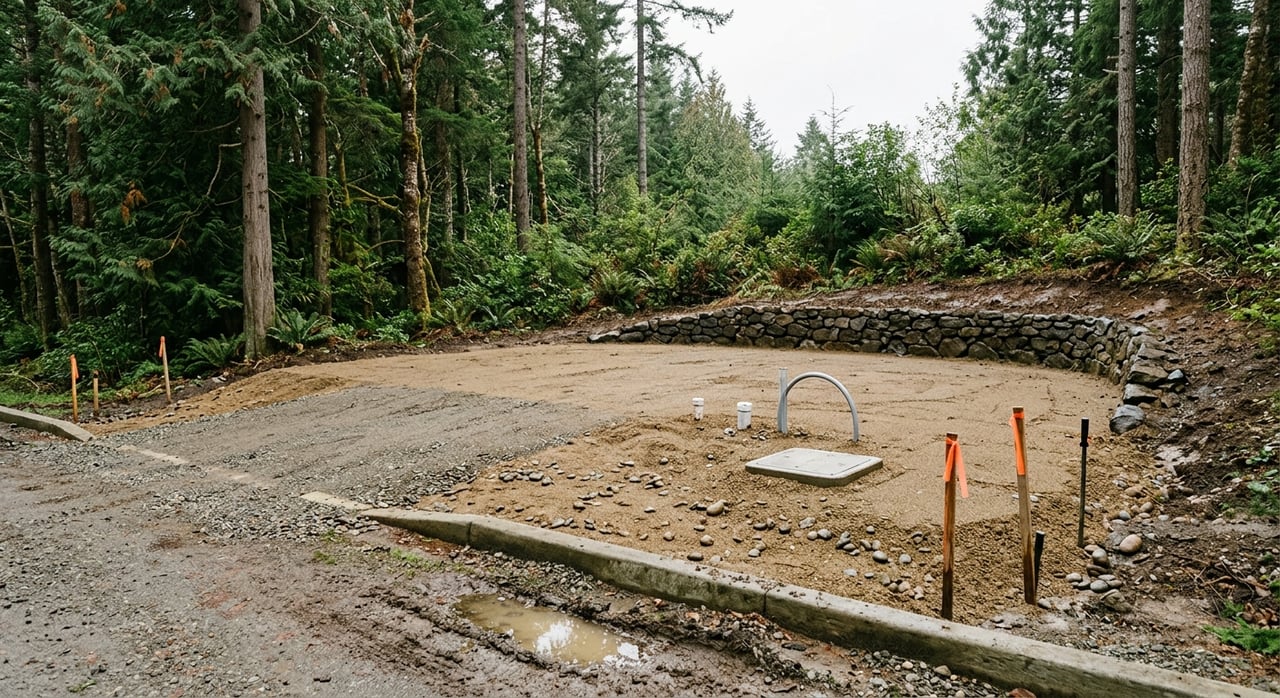
If a parcel is not served by a public water district, the owner may need a private well along with a Coastal Development Permit or a coastal development permit exclusion. State records also show that utility service in the broader area is not something you should assume based on the neighborhood name alone.
The Anchor Bay wastewater treatment facility serves about 68 residences, the campground, and a commercial district, while the state water database lists North Gualala Water Company as an active system in the area. That makes utility fit parcel specific.
Ask these questions before you choose a style
Whether you are buying an existing home or thinking ahead about future changes, ask:
- Does the parcel already have confirmed water service?
- Is sewer service available, or does the property rely on another system?
- Will future construction or remodeling require County Coastal Zone review?
- Is there a realistic path for the style and footprint you want?
- Are there any site limits tied to blufftop location or water availability?
Think about future flexibility
For many buyers, the real question is not only cabin or contemporary today. It is also whether the property can adapt later.
If you hope to add guest space, an office, or an accessory dwelling unit in the future, you will want to check feasibility early. Mendocino County says coastal-zone ADUs may require a Coastal Development Permit, cannot be placed on septic leach fields, and may face added restrictions tied to water availability and blufftop development.
That means future flexibility should be part of your decision from the start. A home that feels perfect today may be less ideal if the parcel limits later expansion.
Maintenance and resilience matter on this coast
Every coastal home asks something of its owner, even when it is well built and well sited. In Anchor Bay, wildfire preparedness and coastal hazard awareness should be part of your decision whether you choose a rustic cabin or a clean-lined contemporary.
CAL FIRE classifies areas by fire hazard, and defensible-space rules apply in State Responsibility Area land and in very high local hazard zones. Mendocino County also advises residents to make homes defensible and notes that some projects may need prior CAL FIRE clearance.
At the same time, County and California Coastal Commission guidance point to sea-level rise, erosion, flooding, wave impacts, and saltwater intrusion as factors in project review. These are not abstract planning ideas. They are part of the long-term ownership equation.
A simple way to compare the two
| Style | Often suits | Main strengths | Main watch-outs |
|---|---|---|---|
| Cabin | Wooded, sheltered, upslope parcels | Privacy, retreat feel, natural fit with forested settings | Exterior upkeep, moisture, decks, wildfire hardening |
| Contemporary | Blufftop, view-oriented parcels | Light, views, open living, indoor-outdoor flow | Wind, weathering, glazing performance, deck exposure |
Which home style fits you best?
If you picture weekends surrounded by trees, a smaller footprint, and a home that feels calm and tucked away, a cabin may be the better match. If you want open living, stronger views, and a design that puts the landscape front and center, a contemporary home may suit you better.
The key is to choose a style that fits both your lifestyle and the parcel itself. In Anchor Bay, the smartest decision usually comes from balancing beauty with site realities like terrain, utility service, permits, hazard exposure, and maintenance.
With a coastal market this nuanced, local guidance matters. If you want help weighing a specific property in Anchor Bay or comparing homes along the Mendocino coast, Kennedy & Associates Real Estate can help you look beyond style alone and focus on what will work best for you over time.
FAQs
Is a cabin or contemporary home better for a wooded Anchor Bay parcel?
- A wooded or more sheltered parcel often pairs well with a cabin because privacy, retreat feel, and fit with the landscape may matter more there than expansive glazing or broad ocean views.
Are contemporary homes in Anchor Bay better for ocean views?
- Often, yes. Contemporary homes tend to work well on blufftop or view-forward parcels where larger windows, open layouts, and decks can make the most of stronger sightlines.
Do Anchor Bay properties need special permit review for future changes?
- They can. Because Anchor Bay is in Mendocino County’s Coastal Zone, new development or later additions may require County review and possibly a Coastal Development Permit.
How should buyers verify water and sewer service in Anchor Bay?
- Confirm utility service parcel by parcel. County and state records show that water and wastewater service in the area is specific to the property, so it should not be assumed from the neighborhood name alone.
Can you add an ADU to an Anchor Bay property later?
- Possibly, but coastal-zone ADUs may need a Coastal Development Permit and must also meet rules related to water availability, leach fields, and site restrictions such as blufftop conditions.
What maintenance should buyers expect from coastal homes in Anchor Bay?
- Buyers should plan for ongoing attention to exterior materials, moisture management, roofs, decks, wildfire hardening, and, for homes with large windows or exposed decks, added weather and wind exposure.