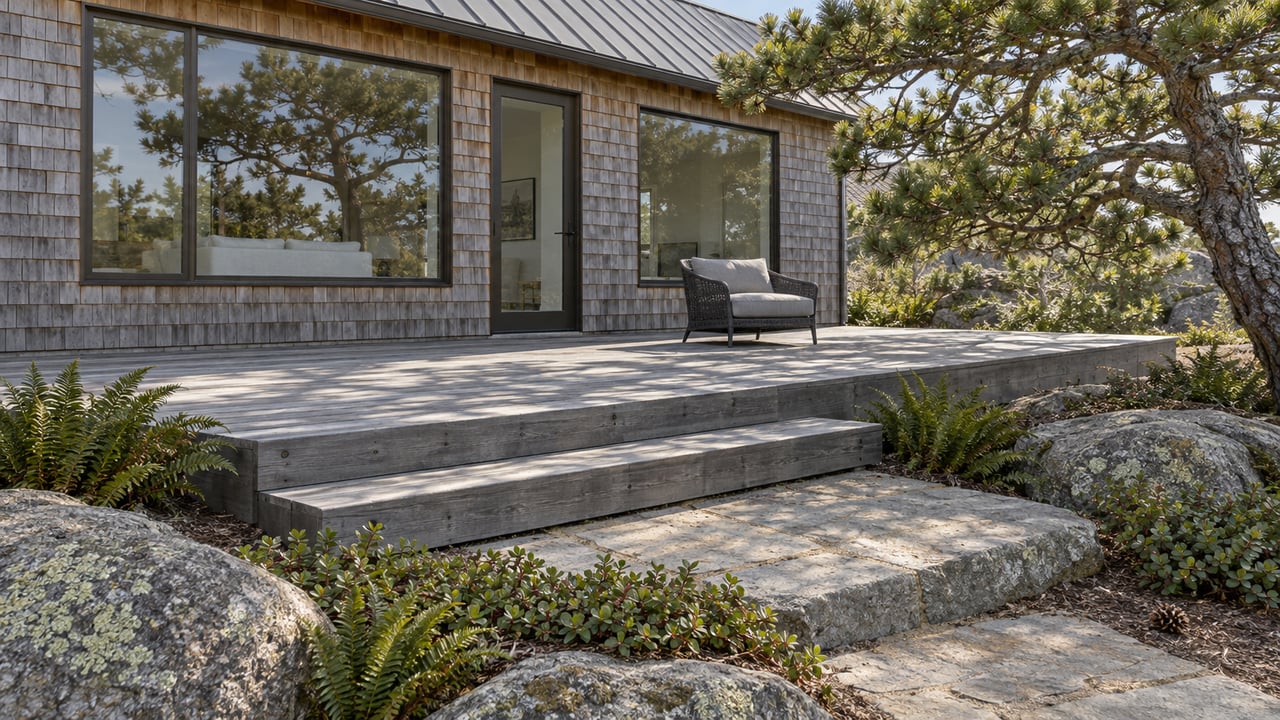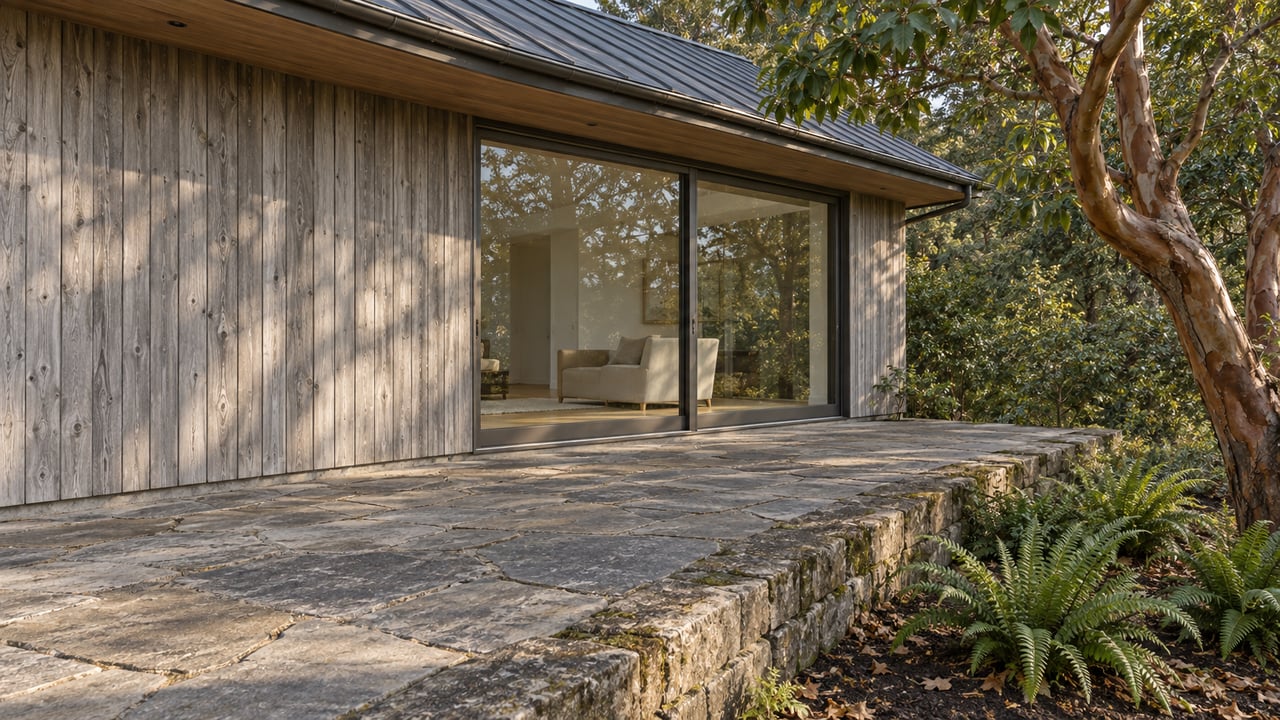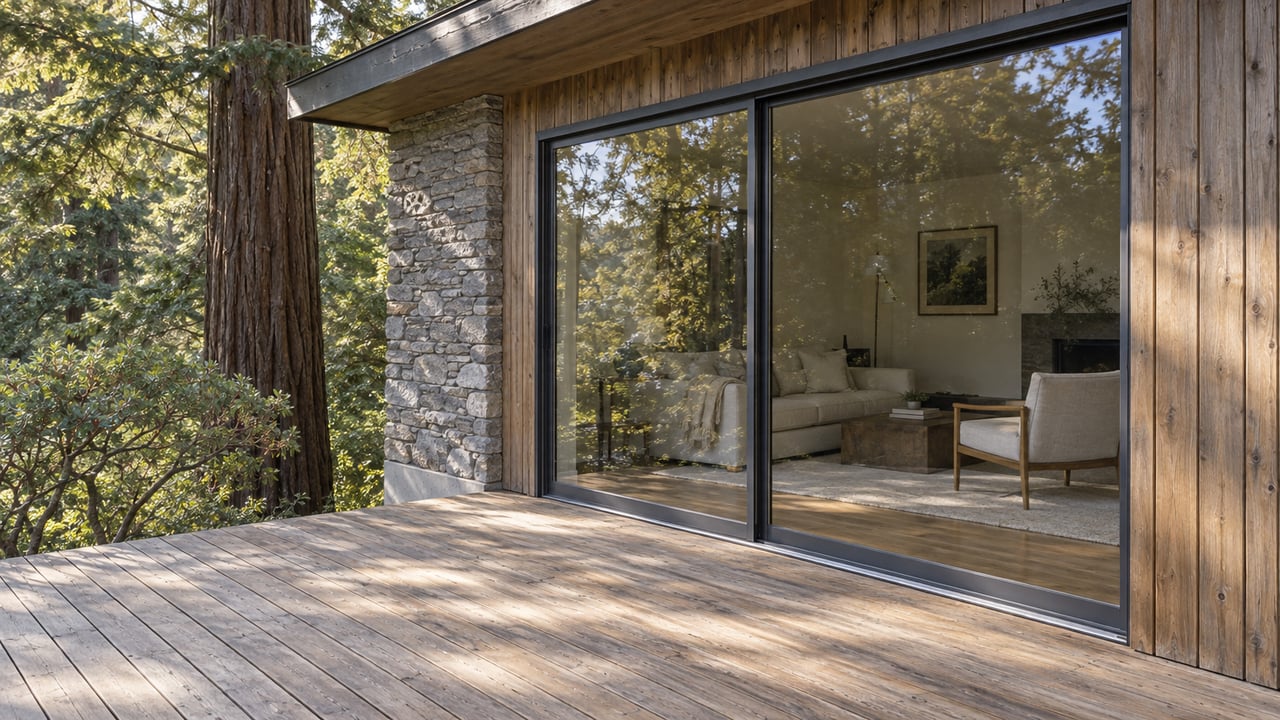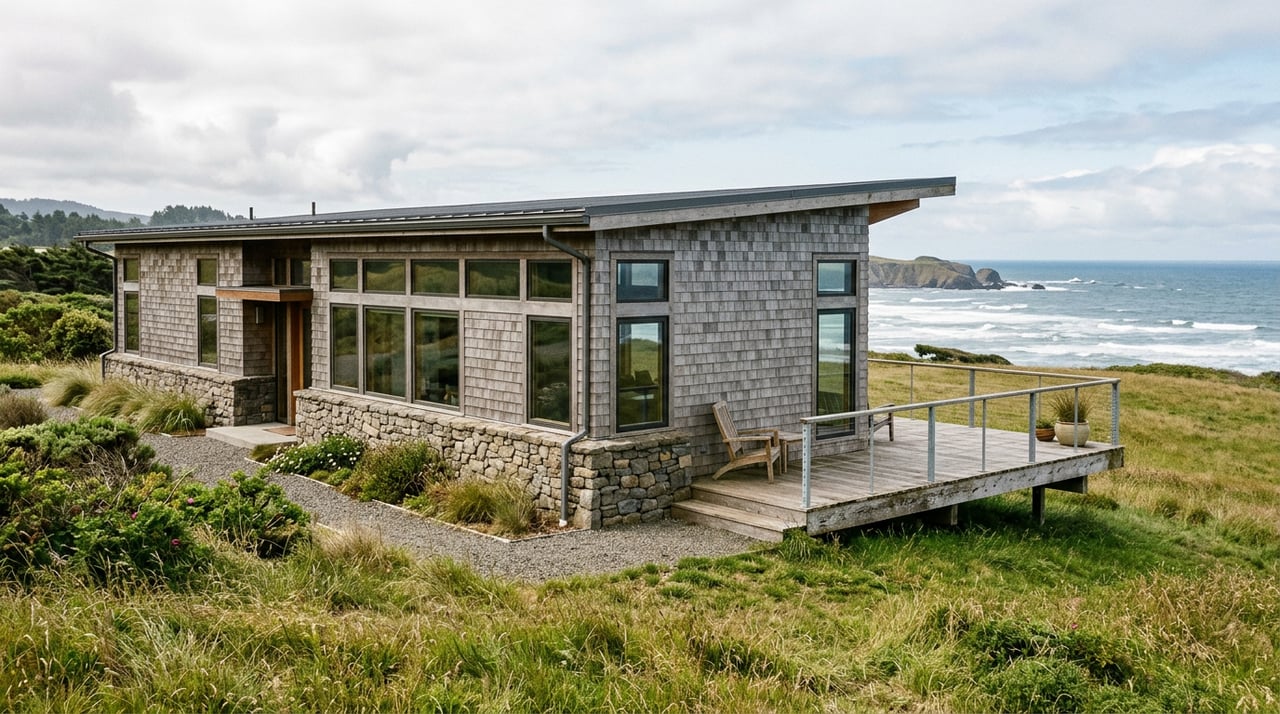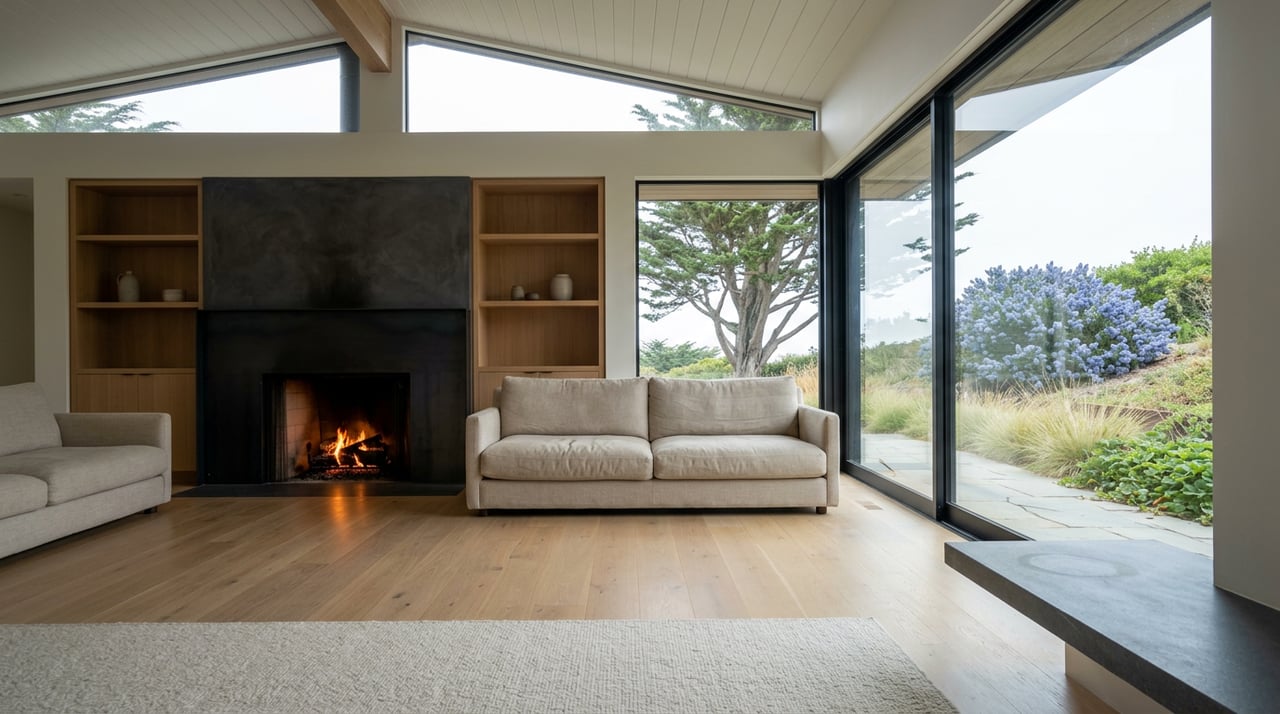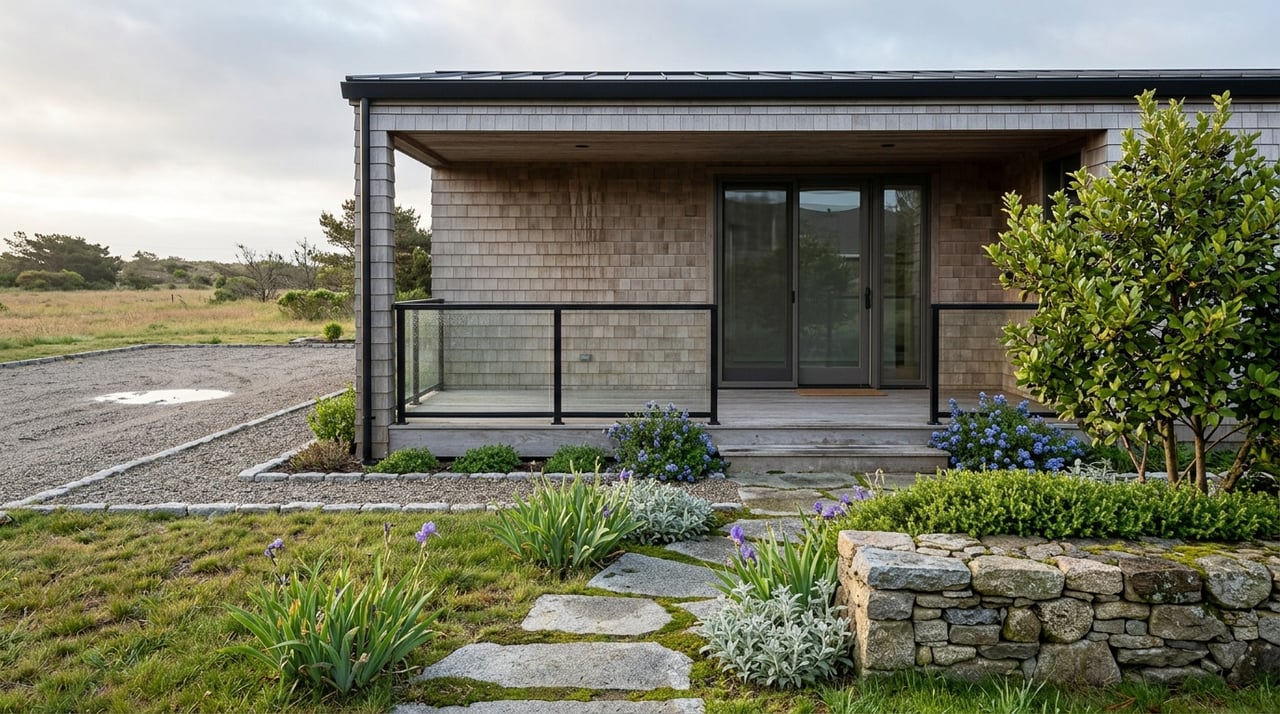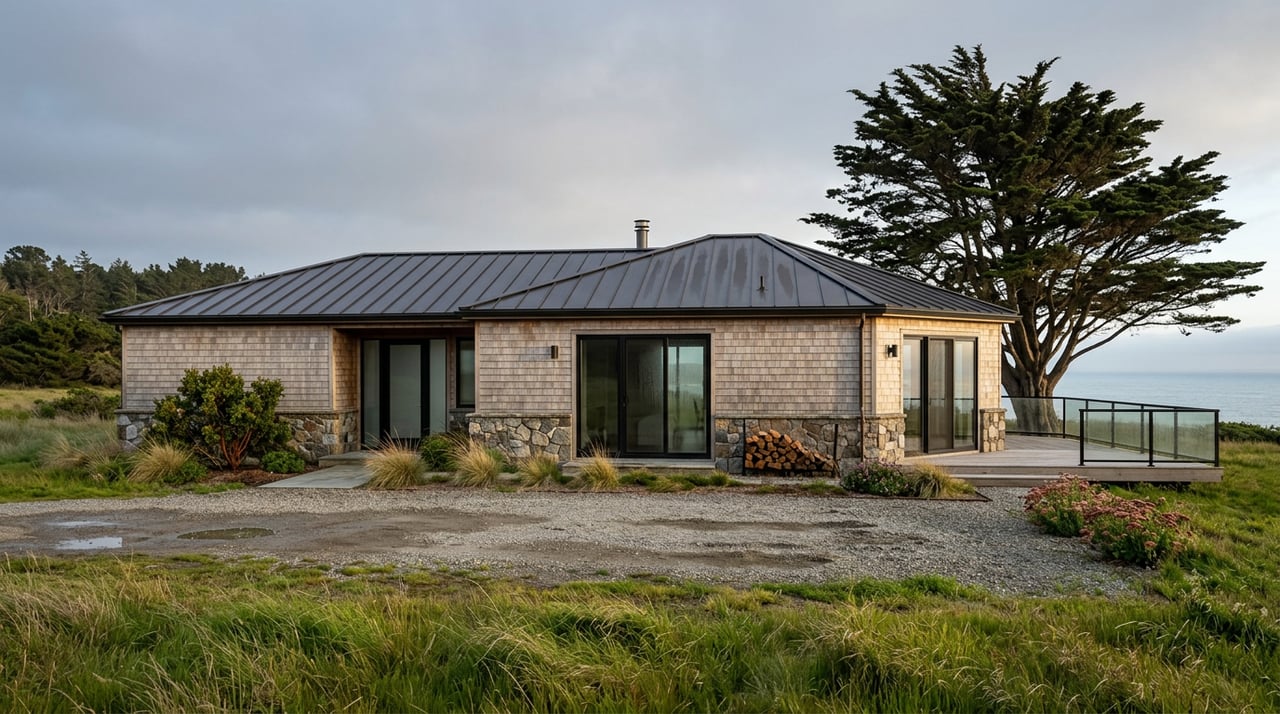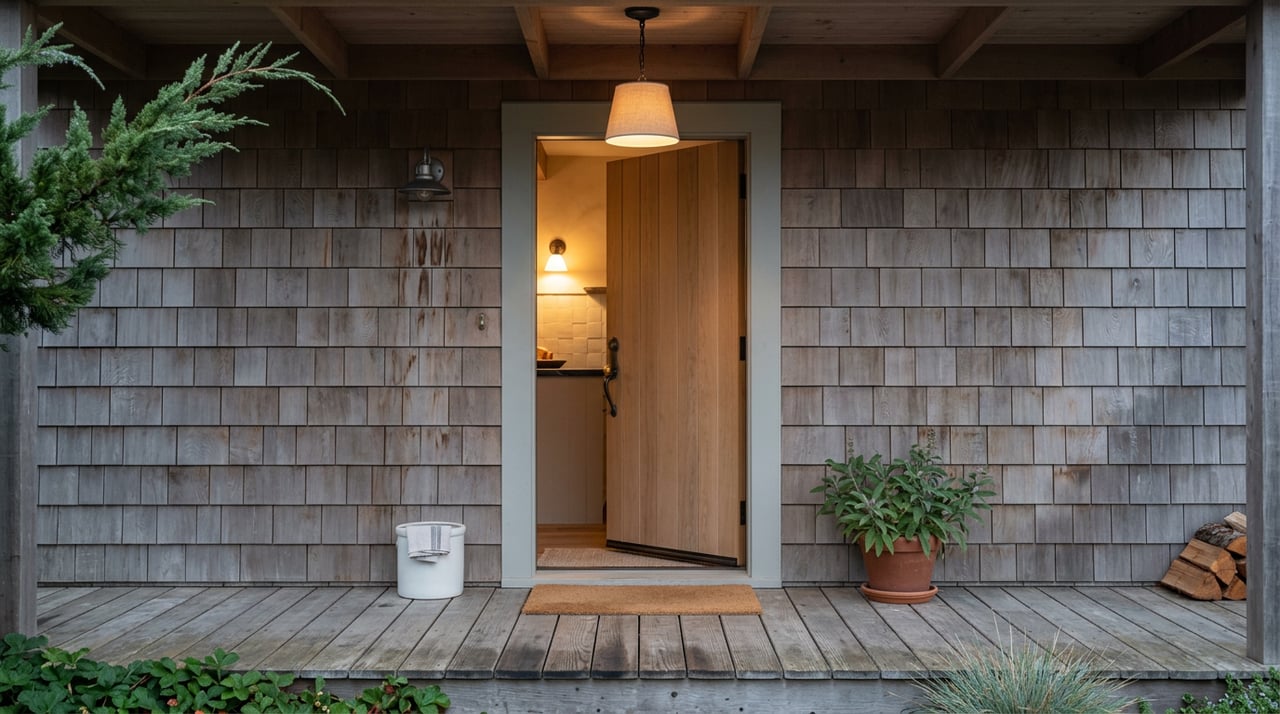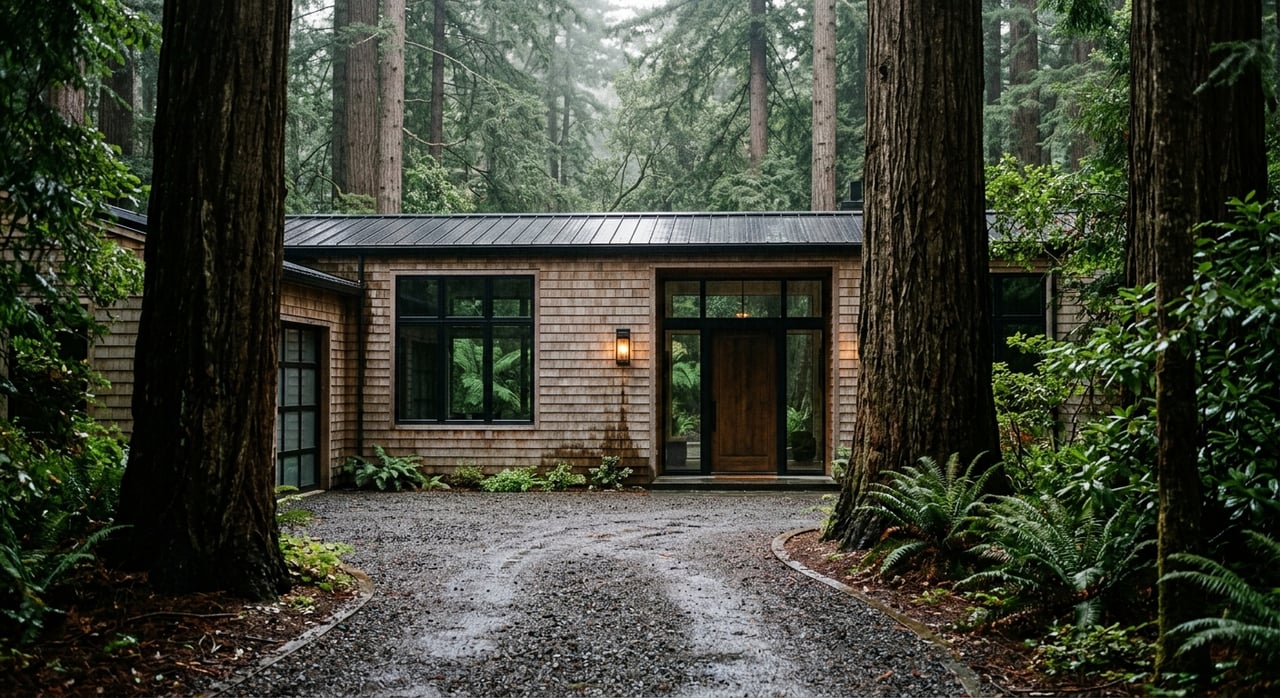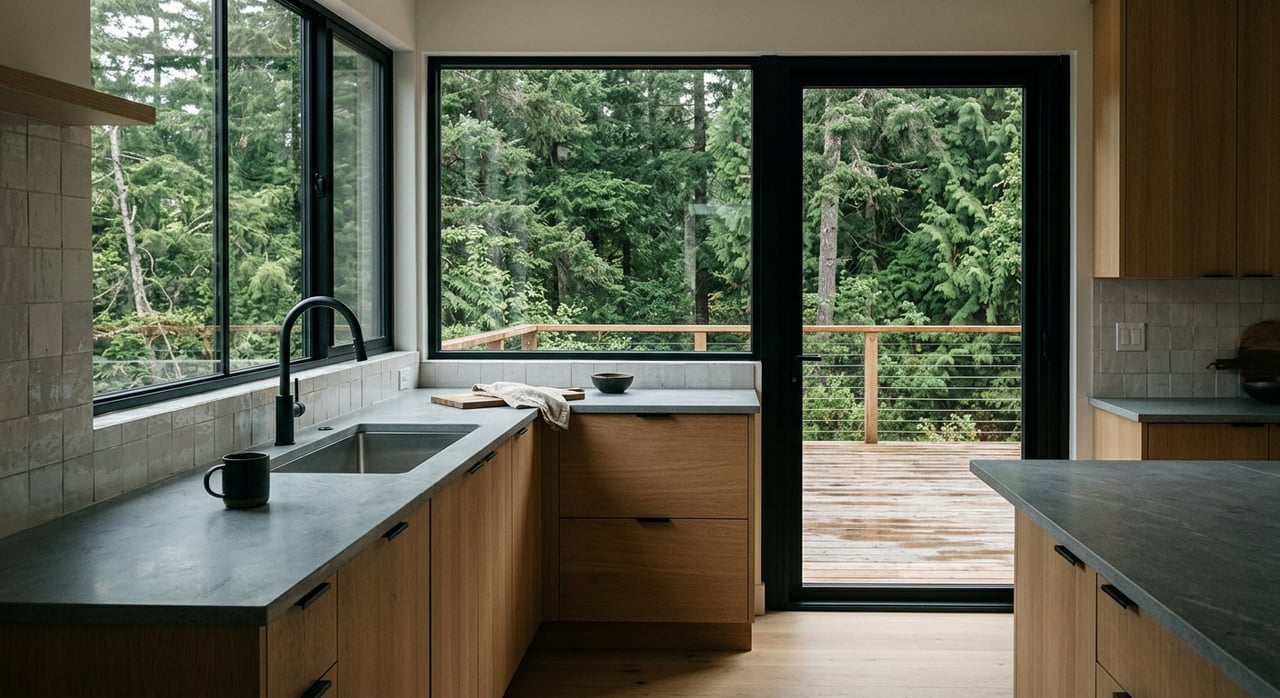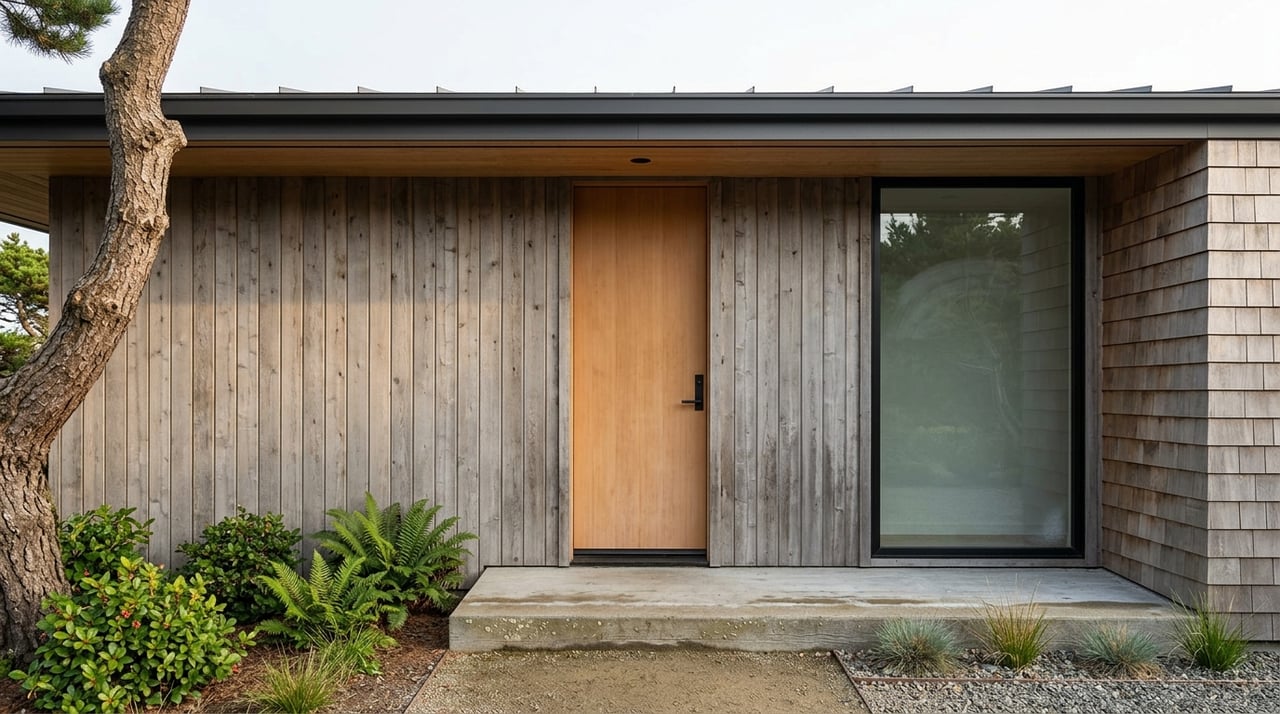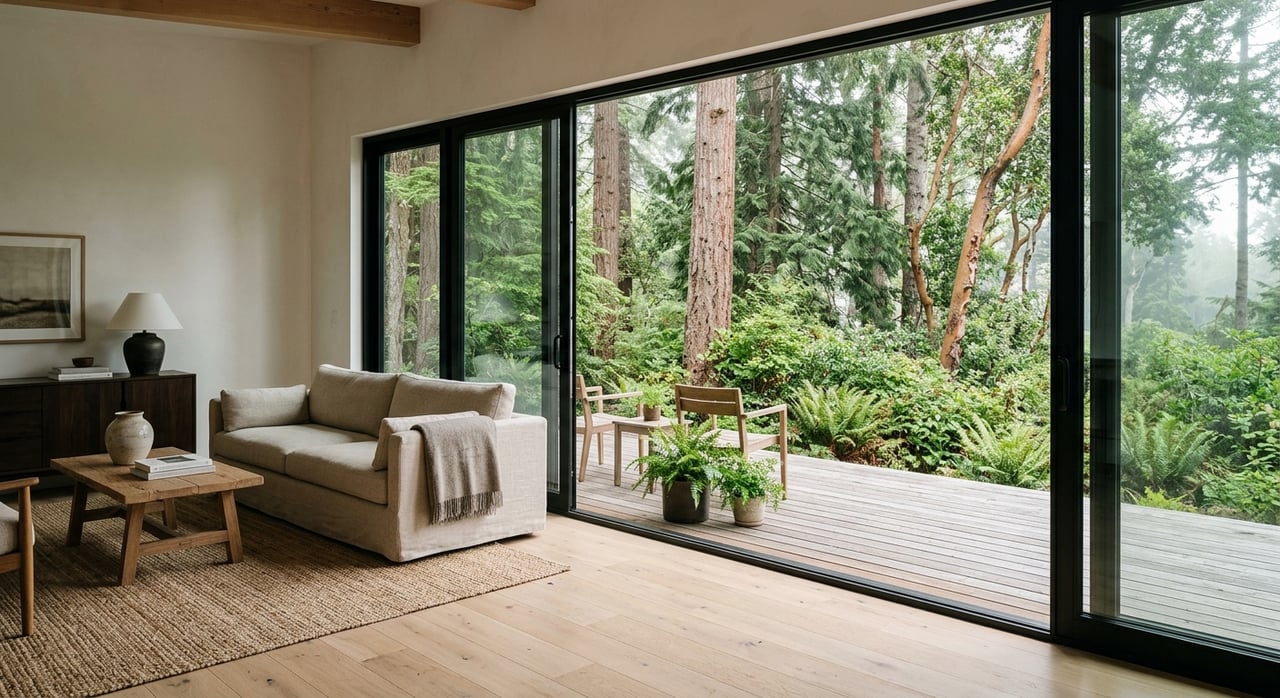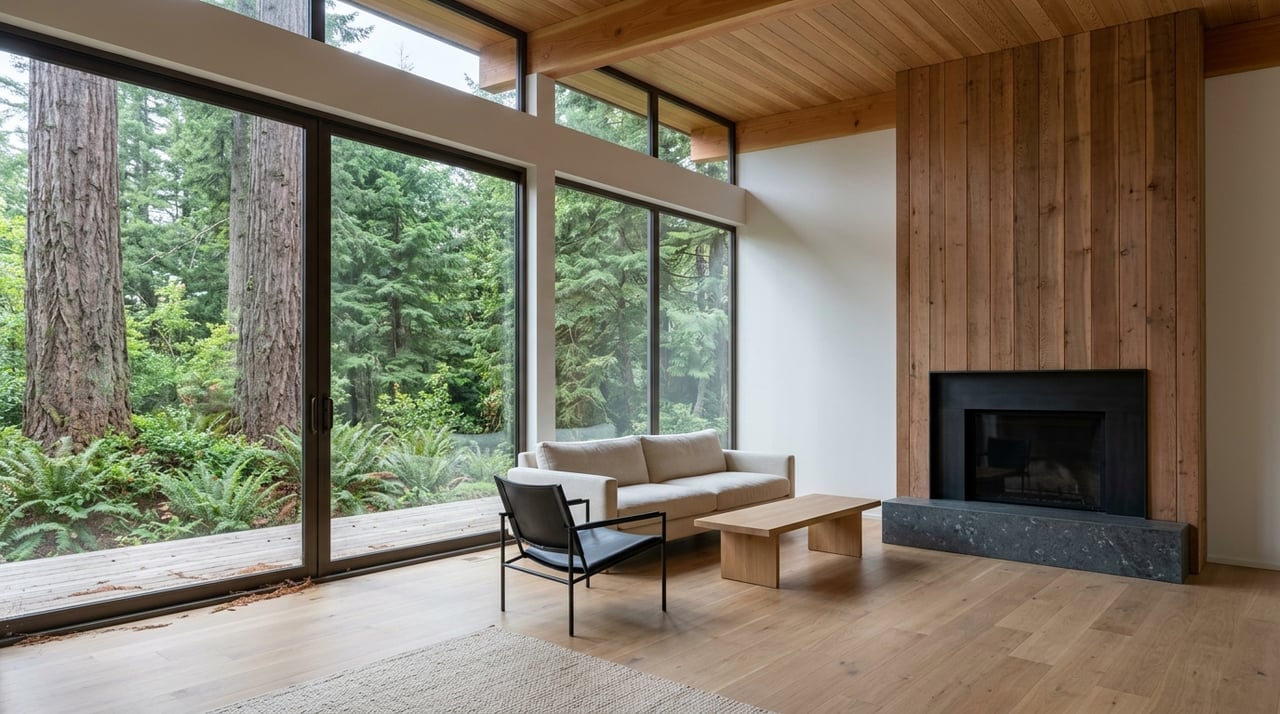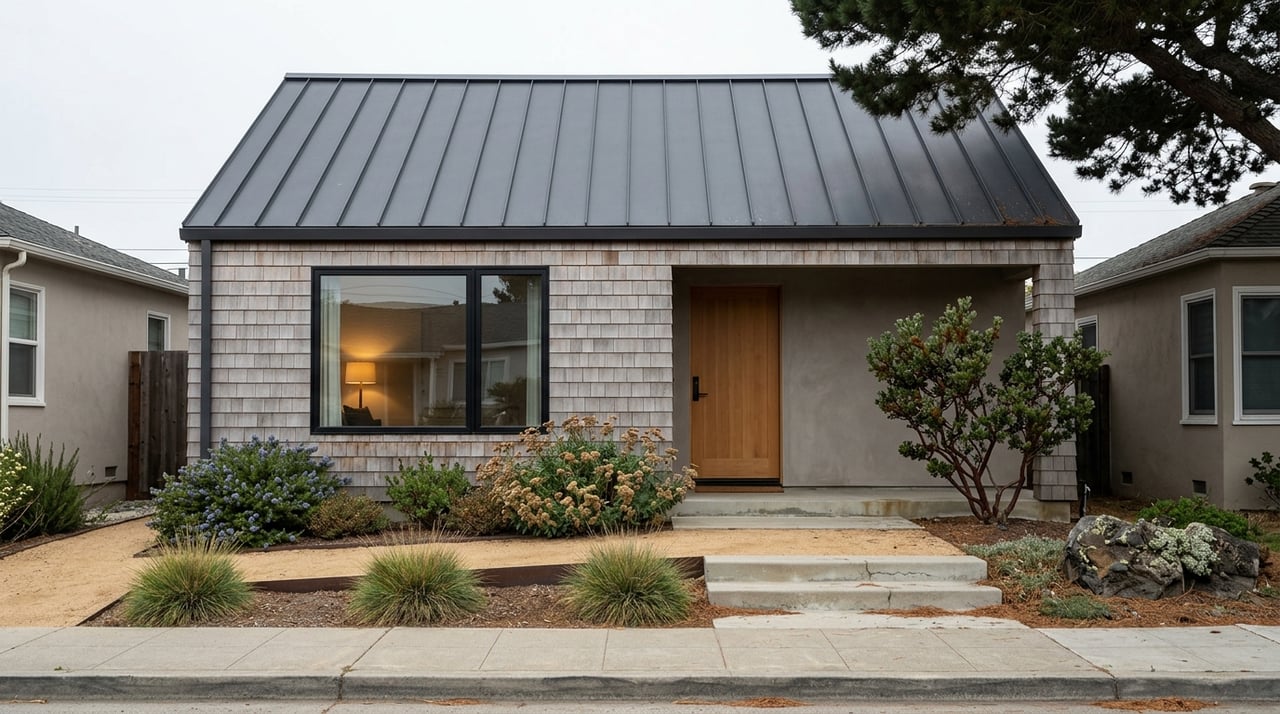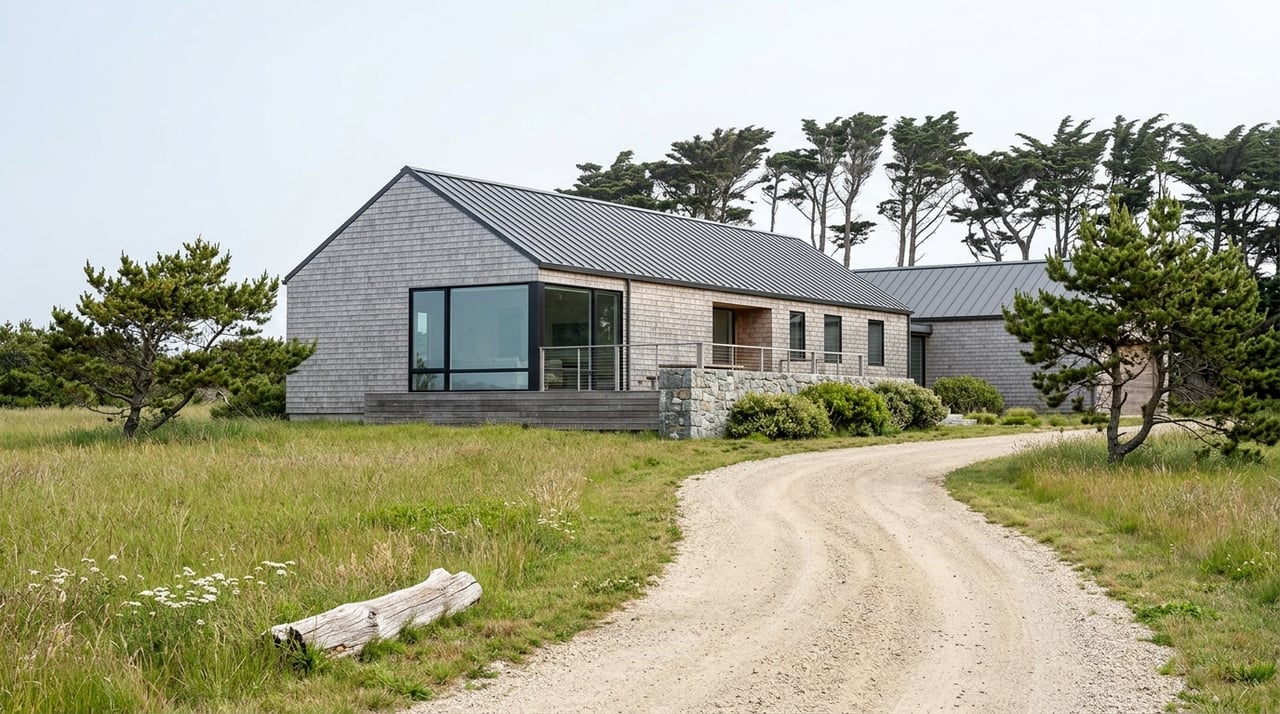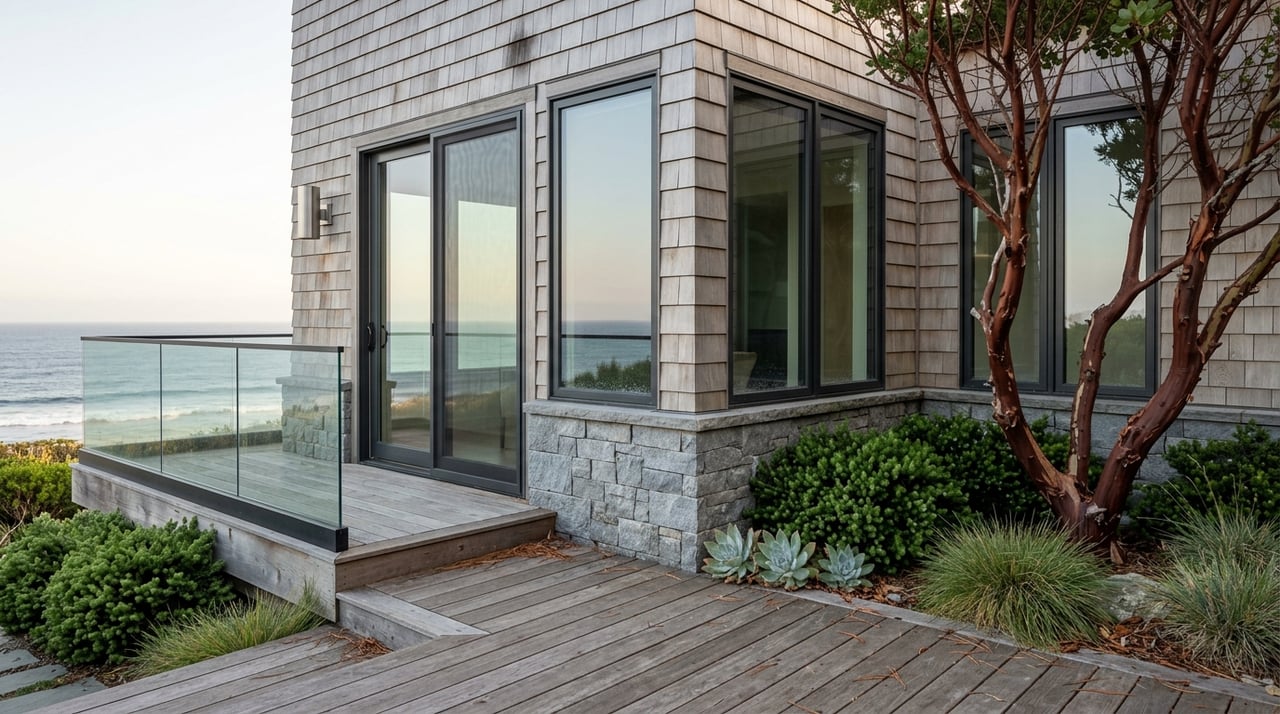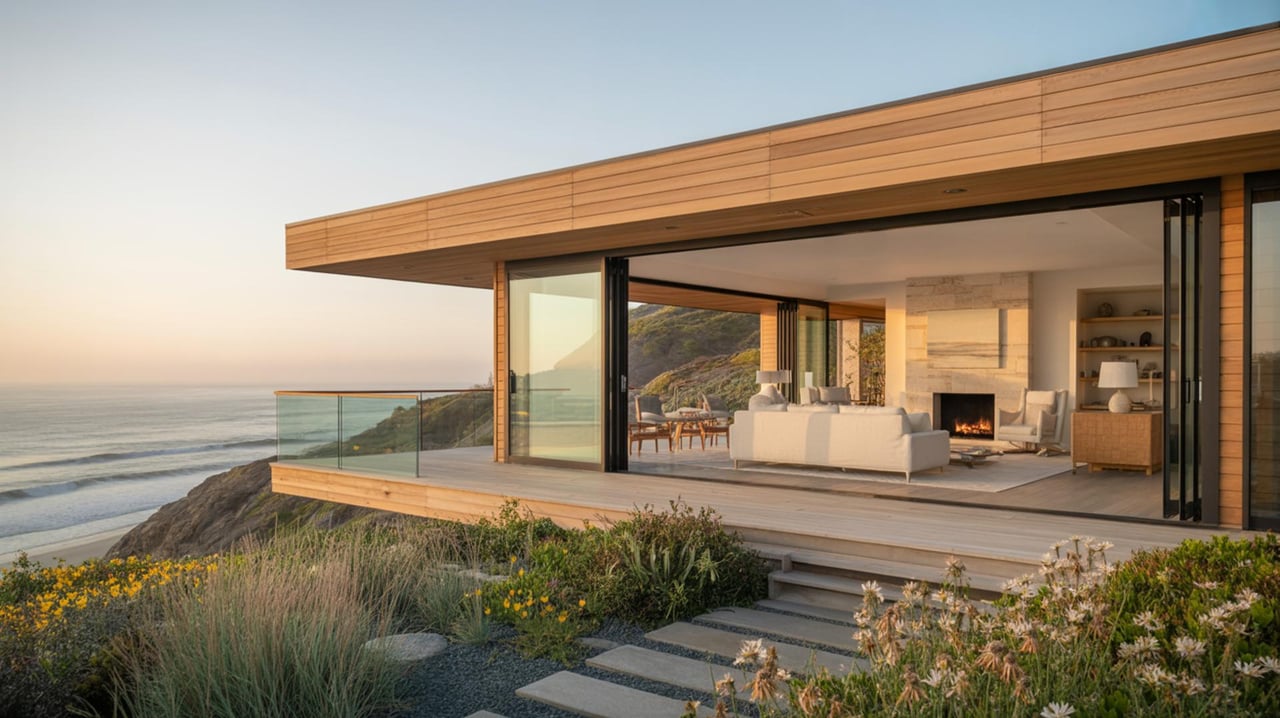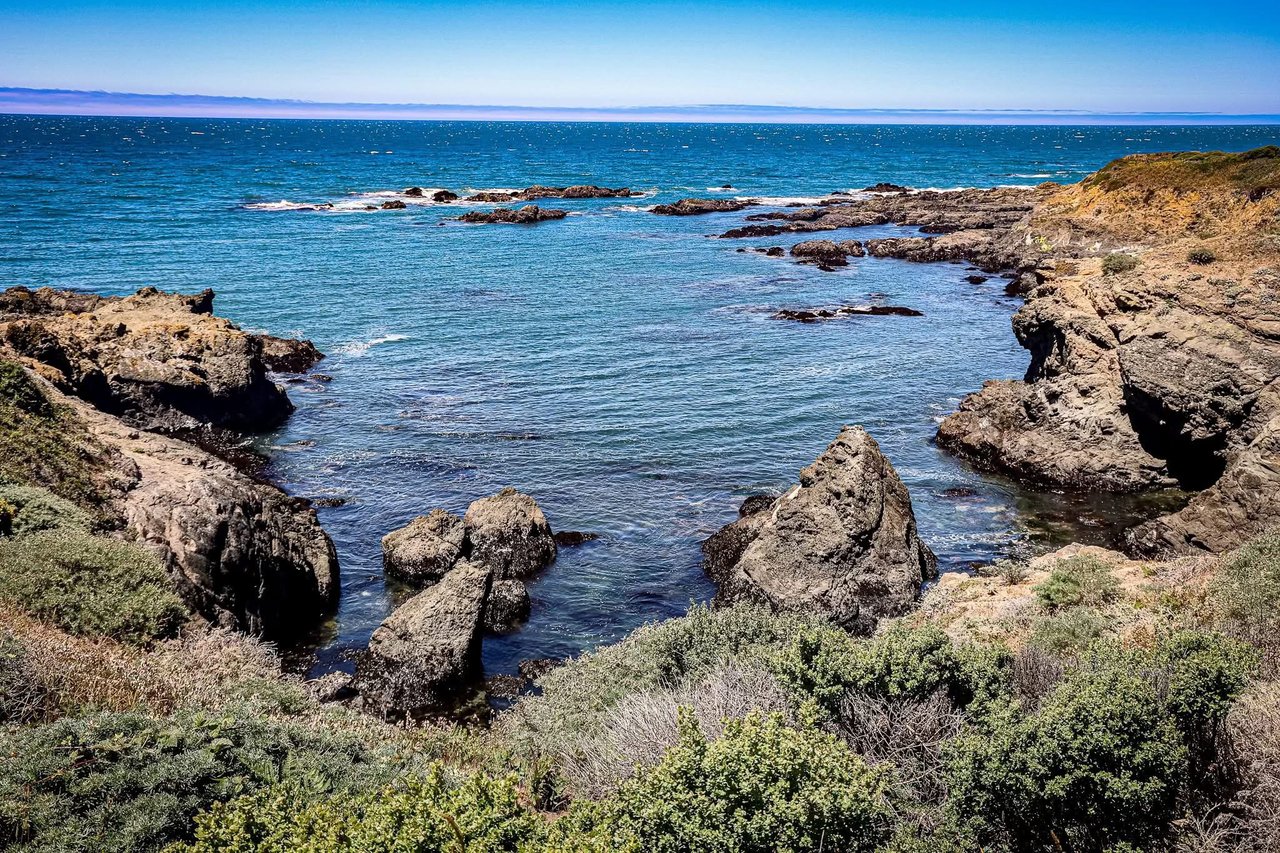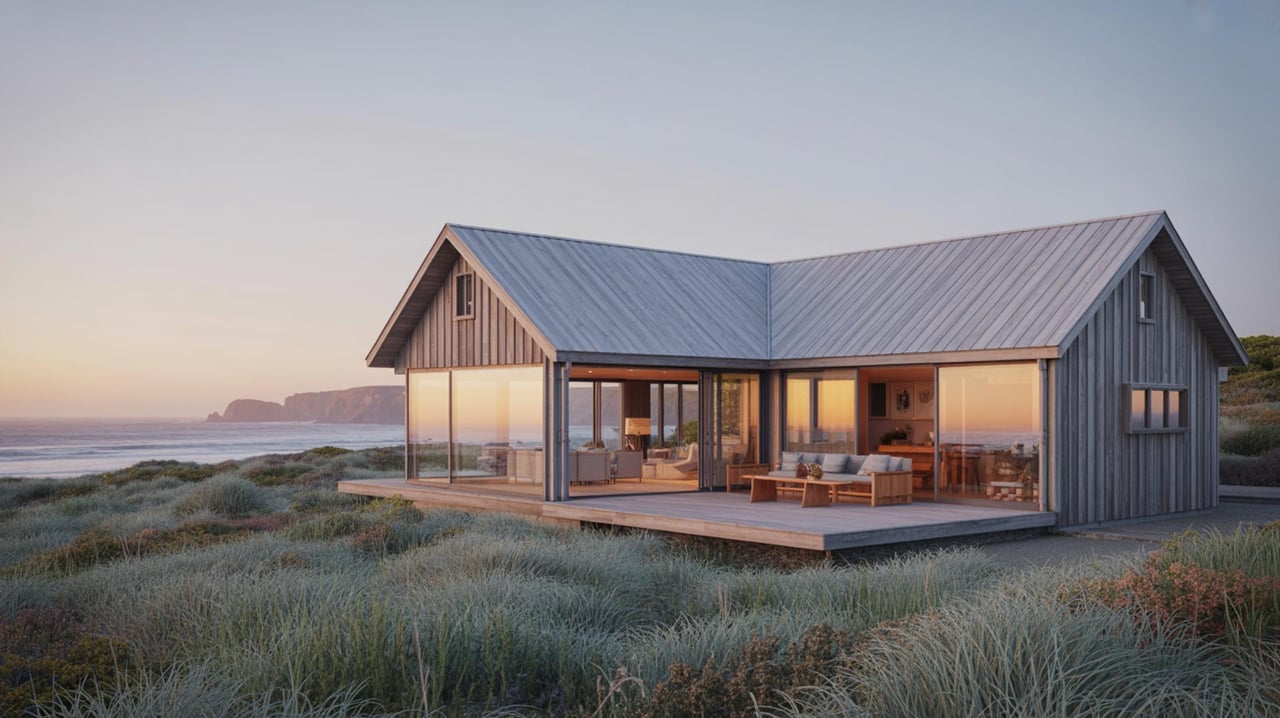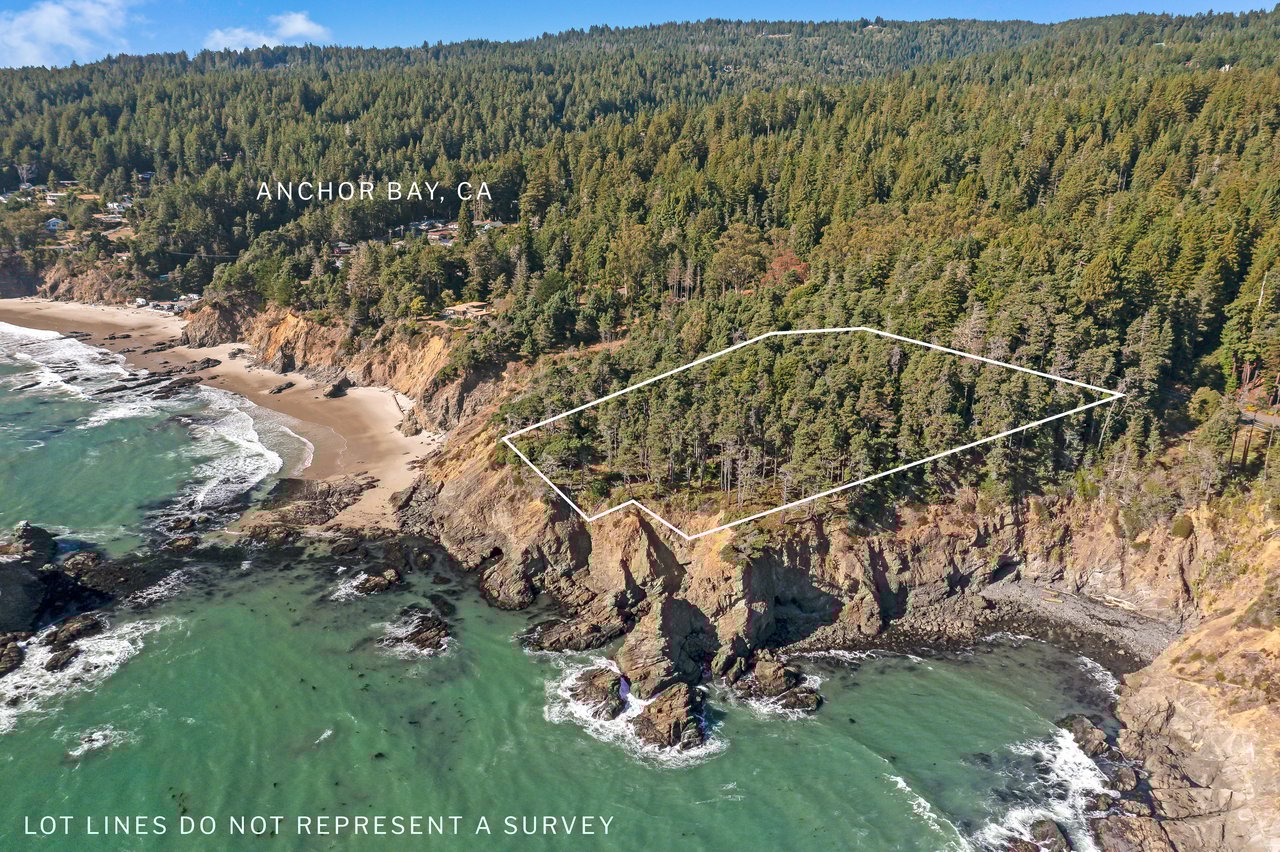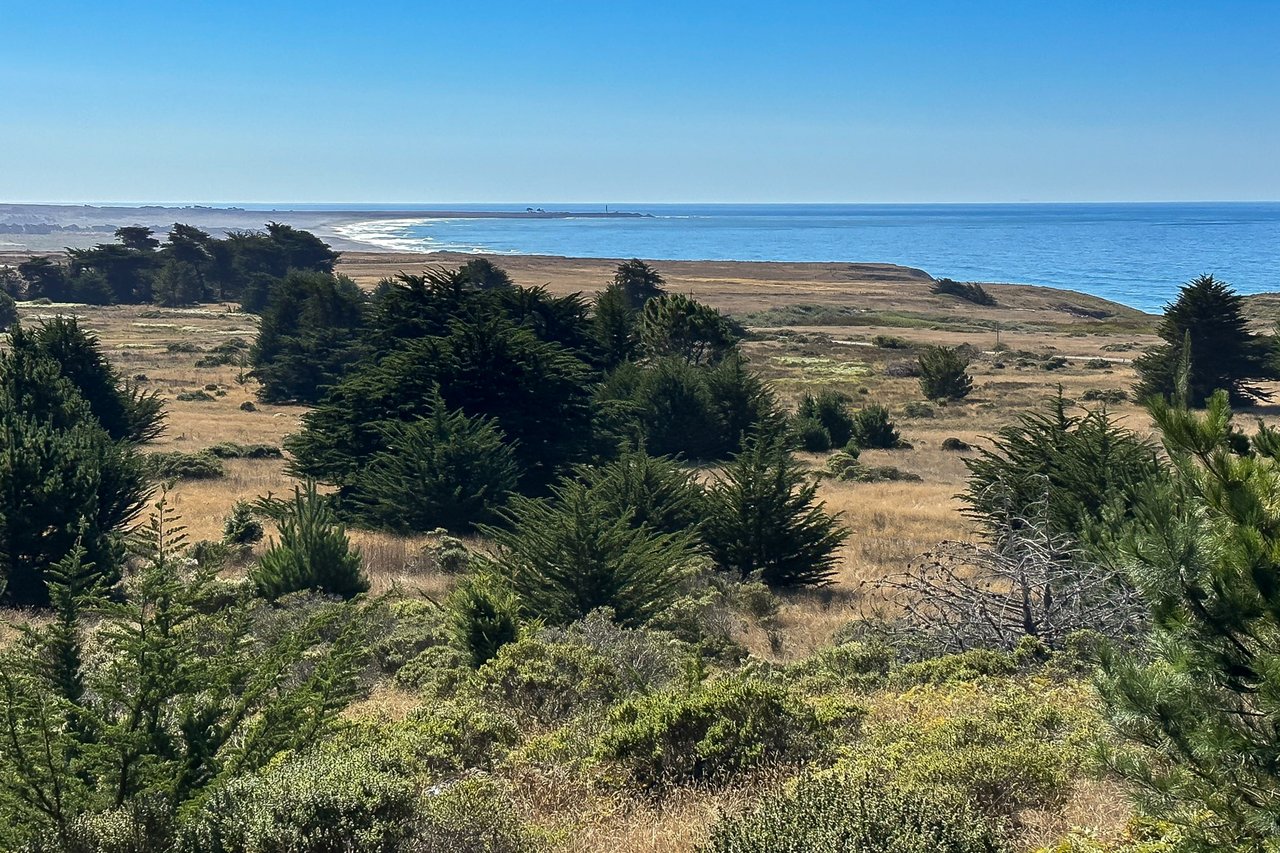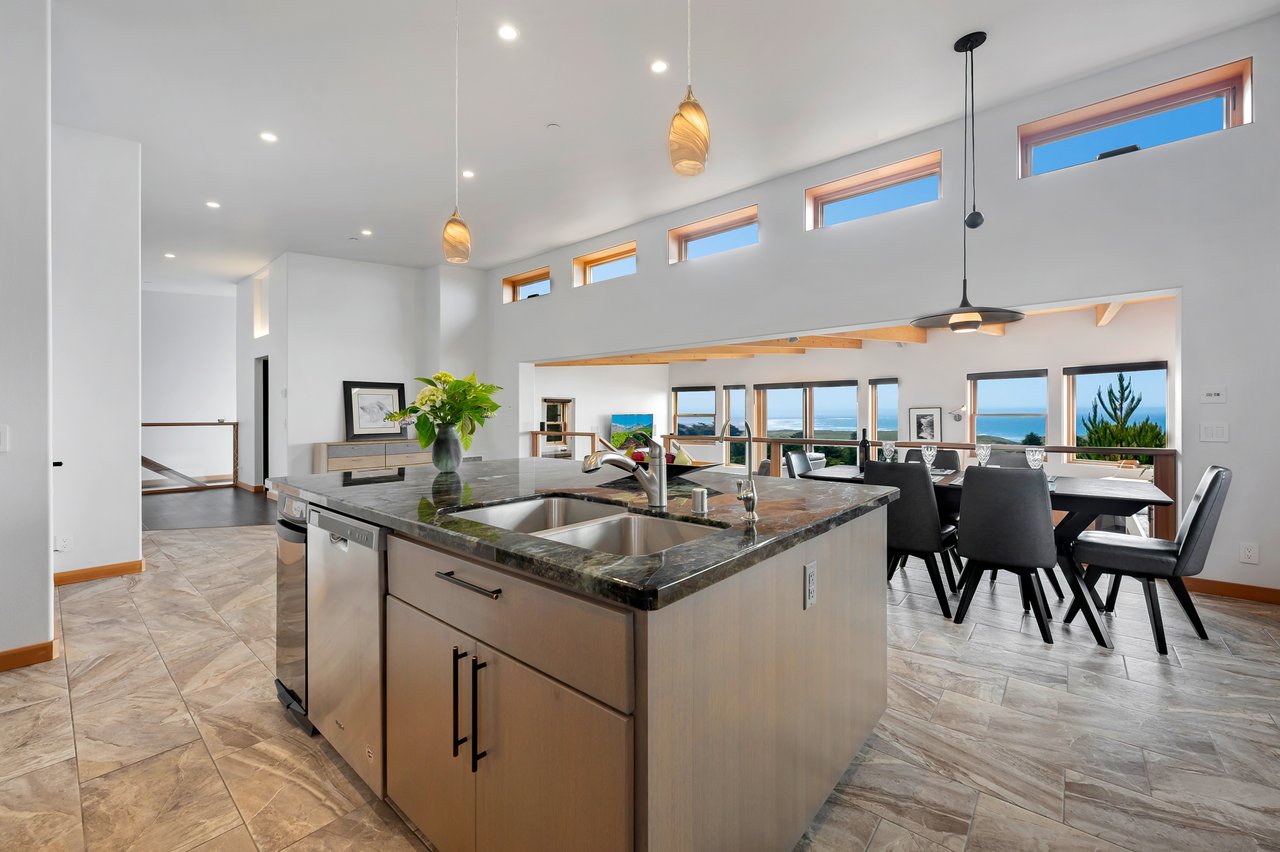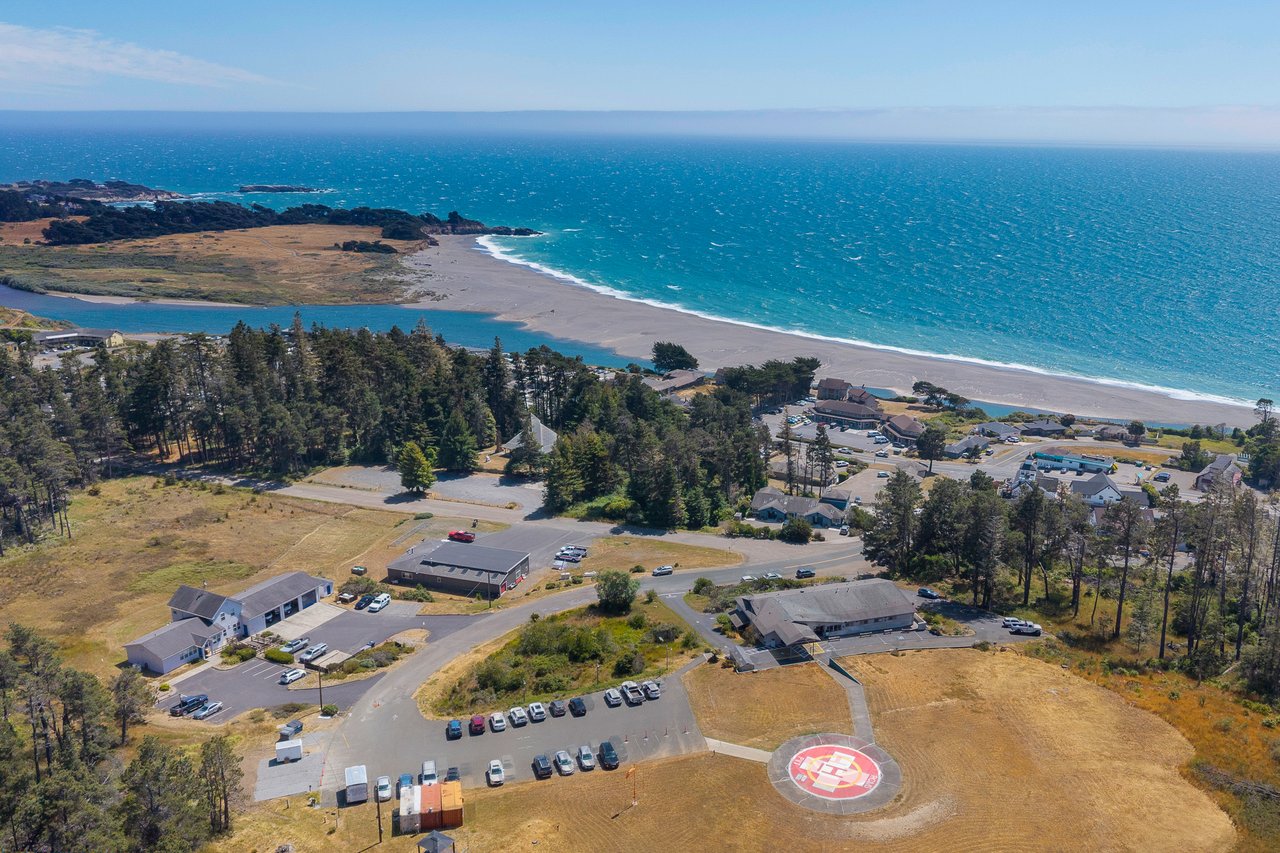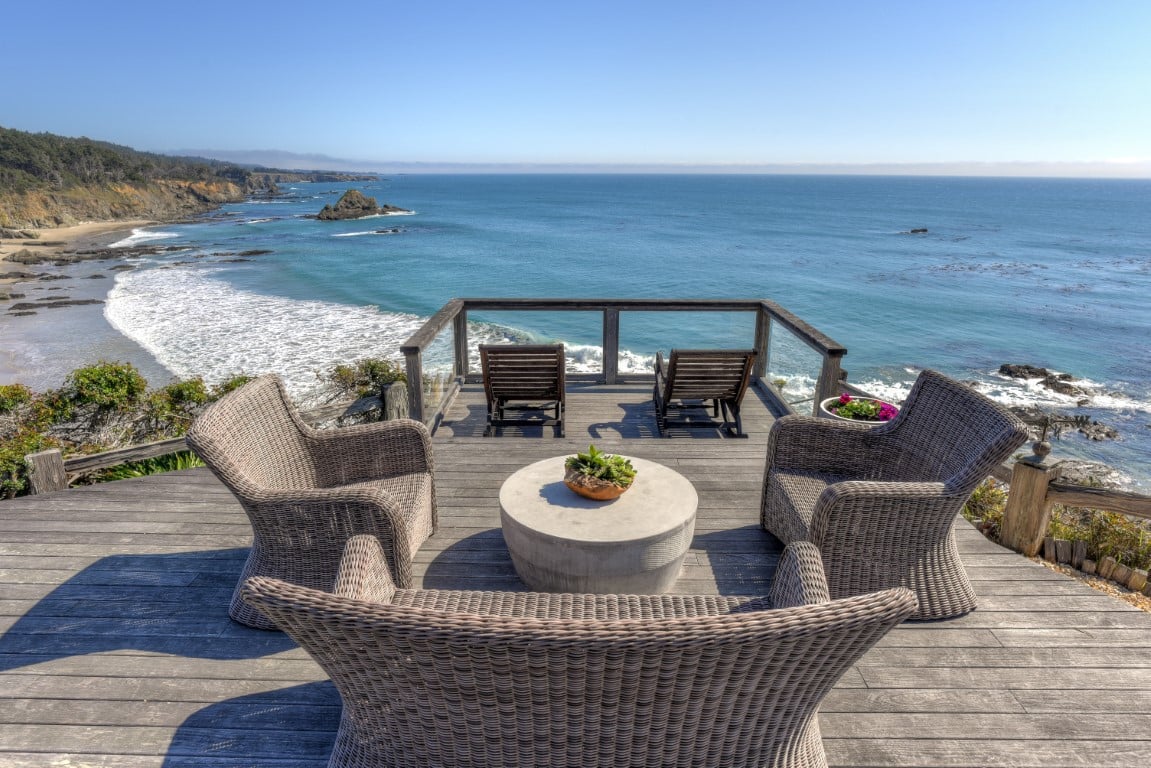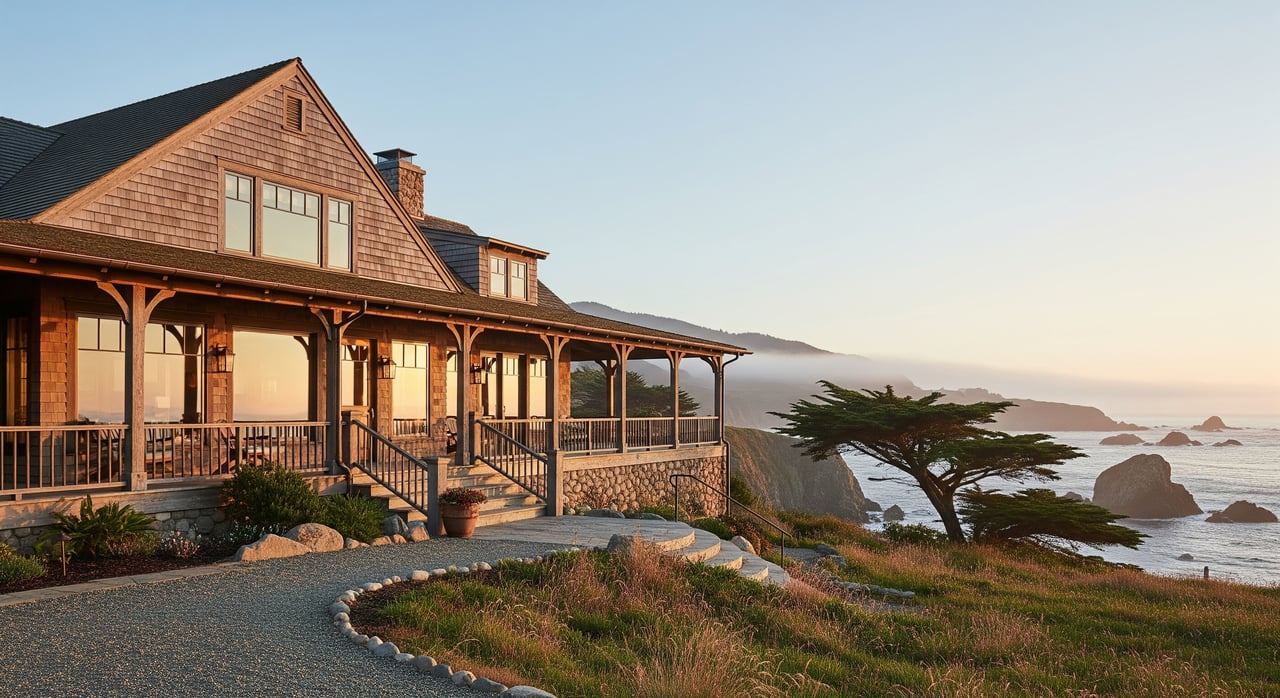
Ever imagine welcoming guests to your own coastal inn in Elk? You are not alone. The village’s ocean views, Highway 1 access, and Mendocino Coast charm make inn-style properties a compelling lifestyle investment. In this guide, you will learn the rules that matter most, what to inspect, how to size up revenue, and the steps that keep your timeline and budget on track. Let’s dive in.
Why Elk appeals to inn buyers
Elk sits on the Mendocino Coast in unincorporated Mendocino County, drawing travelers year-round. Peak seasons often arrive in summer and fall, while whale watching and off-season escapes can support shoulder-month demand. Proximity to scenic drives, nearby parks, and wine and arts destinations helps sustain a steady visitor base. For buyers, that creates a lifestyle-forward investment with real operating potential.
Know the rules first
Coastal Zone and LCP
Much of Elk lies within California’s coastal zone. Any change of use, expansion, or certain repairs may require a Coastal Development Permit under the Mendocino County Local Coastal Program and the California Coastal Act. Confirm whether the parcel is in the coastal zone and which agency reviews your project.
Permits you may need
- Use Permit or Conditional Use Permit for lodging or increasing room count.
- Coastal Development Permit for new construction, expansions, grading, shoreline work, and some changes of use.
- Building Permits for structural work, fire-safety upgrades, and change of occupancy from residential to transient lodging.
- Grading and erosion control permits, often with geotechnical support on bluff or slope sites.
- Environmental Health approvals for septic upgrades, commercial wastewater, and food service if you serve breakfast or operate a kitchen.
- Fire agency approvals for defensible space, access, and water supply or hydrants.
- Business license, Transient Occupancy Tax registration, alcohol license if serving, and signage permits as applicable.
Timeline and strategy
Coastal discretionary approvals often take months and can extend to a year or more with hearings, environmental review, or appeals. Build that time into your underwriting and sequencing. Early conversations with Mendocino County Planning & Building Services, Environmental Health, the fire agency, and a coastal-experienced architect can reduce surprises.
Property types and what to inspect
Building and code upgrades
Older coastal buildings can hide structural settlement, rot, or seismic needs. Changing use to lodging triggers commercial building codes, including Title 24 energy, life safety, and accessibility. Expect requirements for fire detection, alarm and notification, improved egress, and possibly sprinklers based on occupancy and enforcement. Plan for at least one ADA-compliant guest room and accessible routes through public areas.
Water, septic, and drainage
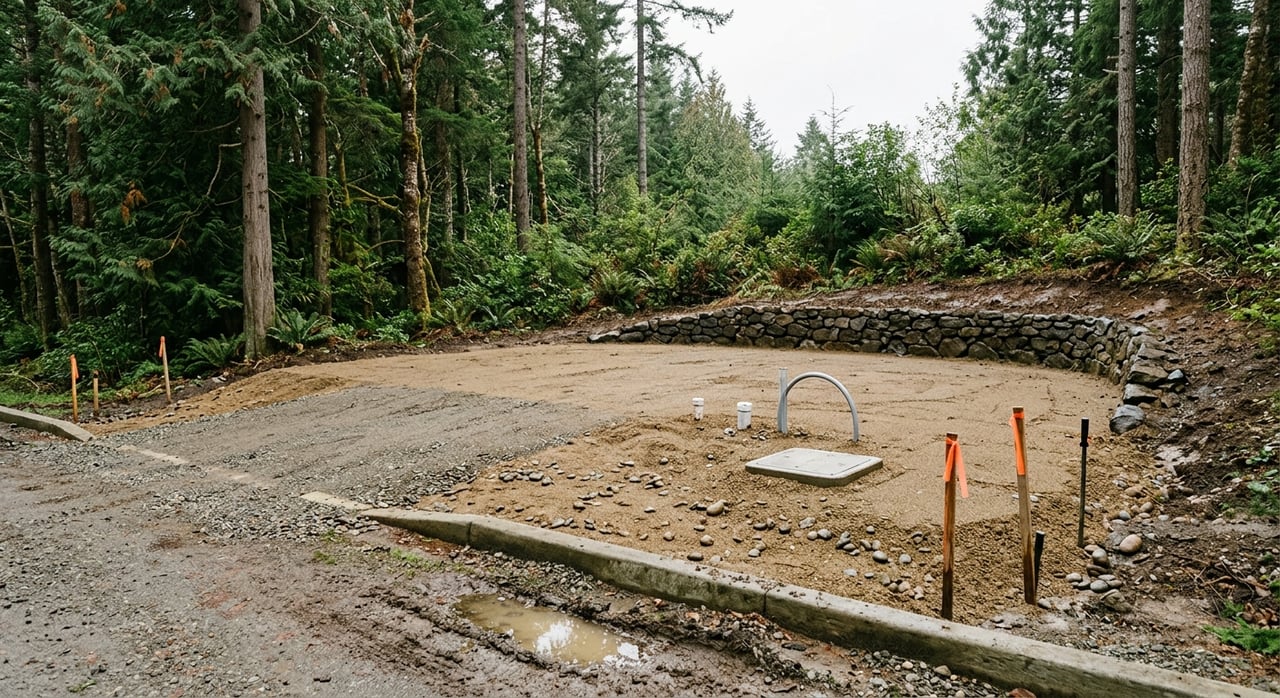
Many Elk properties rely on private wells or small water systems. Verify well yield, drought reliability, and water-quality testing. Most sites use septic systems; commercial lodging and any food service must demonstrate adequate capacity and may require engineered upgrades. On coastal parcels, stormwater and bluff drainage matter for both approvals and long-term stability.
Access, parking, and emergency readiness
County codes typically require a set number of parking spaces per guest room or restaurant seats. Tight coastal parcels can struggle to meet this, so confirm counts early. Ensure safe access, emergency vehicle turning radius, and clear guest arrival routes. These details can become conditions of approval.
Hazard and insurance checks
Wildfire exposure and coastal hazards influence insurance availability and premiums. Review maps for fire hazard severity, bluff erosion, sea-level rise, flood risk, and tsunami inundation. Insurers and lenders will ask about these exposures, so get preliminary insurance quotes during due diligence.
Revenue and operations
Key revenue drivers
- Room nights: your room count, average daily rate, and occupancy drive the base case.
- Food and beverage: a commercial kitchen can elevate experience and ADR, but requires permits, ventilation, and staffing.
- Events and packages: elopements, small weddings, retreats, and partner packages with wineries or local guides can add margin.
- Ancillary services: spa or massage, retail, tours, and transportation add-ons.
Staffing on the coast
Labor is tighter than in urban markets. Expect seasonal hiring, local contractor reliance, and the need for strong payroll and vendor management. Some owners engage a local general manager or management company for boutique hospitality operations.
Marketing and distribution
A healthy mix of direct bookings, OTA distribution, and local partnerships is common. Direct bookings reduce commissions but require a polished website, SEO strategy, and a reliable reservation system. Reputation and guest reviews have an outsized impact on boutique stays.
Taxes and compliance
Register for Transient Occupancy Tax with Mendocino County’s Treasurer-Tax Collector if you host guests. Food service, alcohol, and lodging operations must meet state and county health and licensing rules. If you hire staff, plan for payroll taxes, workers’ compensation, and employment law compliance.
Pro tips for underwriting
- Use short-term rental analytics tools to estimate ADR and occupancy, then cross-check with local comps and seasonal patterns.
- Run scenarios that include permit timelines of several months to 12-plus months and a contingency for appeals.
- Add capital reserves for code upgrades, septic or engineered wastewater, kitchen equipment, and accessibility.
- Model higher insurance premiums and wildfire deductibles, and confirm coverage availability in writing.
- Budget working capital for seasonality, marketing, staffing ramp-up, and unplanned repairs.
Due diligence checklist for Elk inns
- Zoning and coastal status: request a zoning confirmation letter and verify coastal zone designation and permit history.
- Prior approvals: gather copies of past Use Permits, Coastal Development Permits, and building permits, plus any conditions or violations.
- Title and site: review deed restrictions, easements, and Assessor records; order a current survey if needed.
- Hazards: pull FEMA flood maps, tsunami-inundation maps, and coastal erosion or bluff-retreat reports.
- Water and septic: commission well yield and water-quality tests; obtain septic design capacity and history, and confirm suitability for transient occupancy and any restaurant use.
- Building and safety: complete structural and pest inspections; identify life-safety, egress, alarm, and sprinkler requirements; assess ADA public area and at least one accessible unit.
- Access and parking: measure on-site spaces and confirm county minimums; verify emergency access and turnarounds.
- Fire readiness: consult Cal Fire or the local district for defensible space, hydrants or water-supply adequacy.
- Operations: if the inn is operating, review financial statements, occupancy and ADR history, vendor contracts, and TOT registration status and remittance.
- Insurance and lending: obtain insurance quotes that address coastal and wildfire risks; speak with lenders that finance coastal hospitality assets.
Financing and structure
Inns are often financed with commercial or mixed-use loans rather than standard residential products. Lenders may require a larger down payment and a business plan. Seek conditional pre-approval that addresses coastal hazards and the proposed hospitality use.
Risk, resale, and exit
Coastal and climate risks, including sea-level rise, bluff retreat, and stronger storms, can affect long-term viability and insurability. Wildfire exposure can raise premiums or limit coverage. Market demand is seasonal and leisure-driven, so travel disruptions can impact revenue. For resale, documented approvals and compliant operations improve value, while septic limits, parking constraints, or missing permits can narrow your buyer pool.
Your next steps
- Speak with a local land-use planner or attorney to map out zoning, coastal status, permits, and likely conditions.
- Order title, a recent survey, and a full permit history from the county to spot unpermitted work or violations.
- Schedule a septic evaluation and water-supply testing, and collect past records for both.
- Get preliminary fire-safety input from the local fire agency, including defensible space and access.
- Commission structural and building-condition inspections, and price upgrades for code, life safety, and accessibility.
- Underwrite with conservative assumptions for permits, upgrades, insurance, staffing, and seasonality.
- If the deal still pencils, secure lender pre-approval designed for coastal hospitality.
If you want a coastal-savvy partner as you evaluate properties, reach out to the team at Kennedy & Associates Real Estate. Our decades on the Mendocino and Sonoma coast, local vendor introductions, and steady transaction guidance can help you move from idea to confident execution.
FAQs
What permits are typically required to convert a home to an inn in Elk?
- Expect a Use Permit, a Coastal Development Permit if in the coastal zone, building permits for code and safety upgrades, and approvals from Environmental Health and the local fire agency.
How long does coastal permitting usually take in Mendocino County?
- Discretionary coastal approvals often take several months and can extend to a year or more if hearings, environmental review, or appeals are involved.
What should I know about septic systems for an Elk inn?
- Most properties use septic systems, and transient lodging or food service typically requires verified capacity and may trigger engineered upgrades approved by Environmental Health.
How do wildfire and coastal hazards affect insurability near Elk?
- Wildfire exposure and coastal risks like bluff erosion, flood, and tsunami zones can increase premiums or limit coverage, so obtain quotes early and confirm terms in writing.
What revenue streams can a small Elk inn use to improve returns?
- Room nights are the base, with potential lift from breakfast or restaurant service, small events and elopements, and curated packages or ancillary services like spa or tours.
Do I need to collect Transient Occupancy Tax in unincorporated Mendocino County?
- Yes, lodging operators must register, collect, and remit TOT with Mendocino County’s Treasurer-Tax Collector for eligible transient stays.