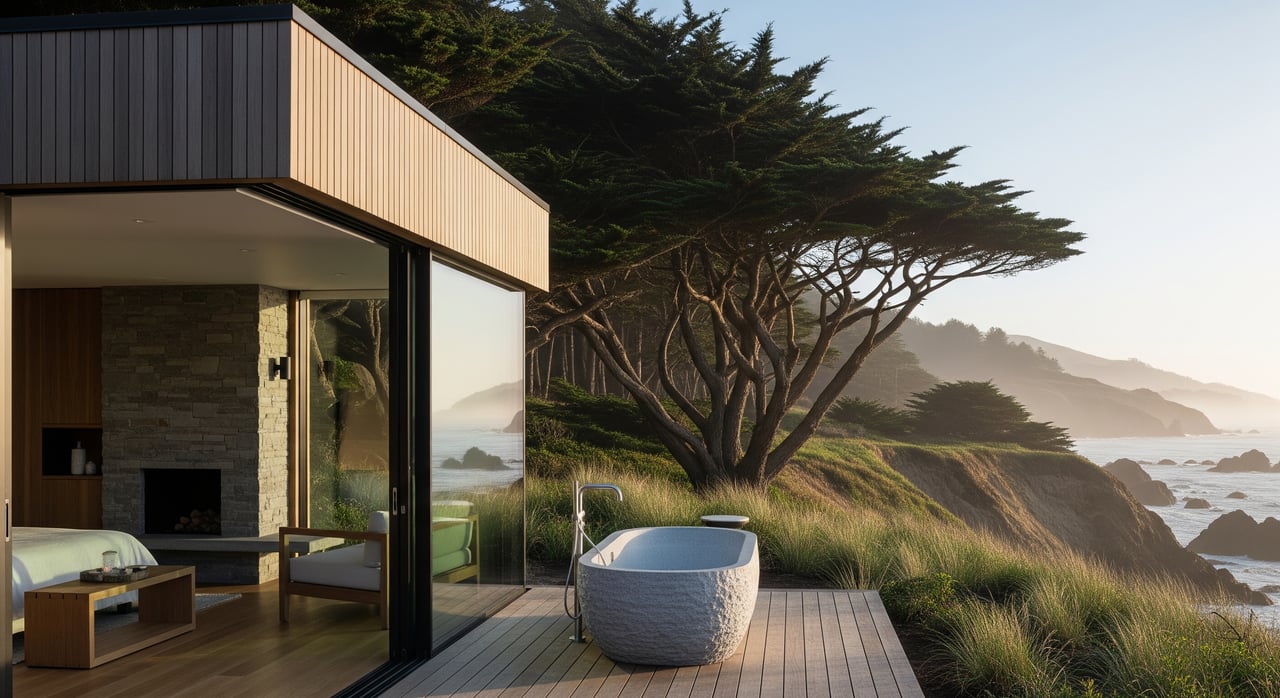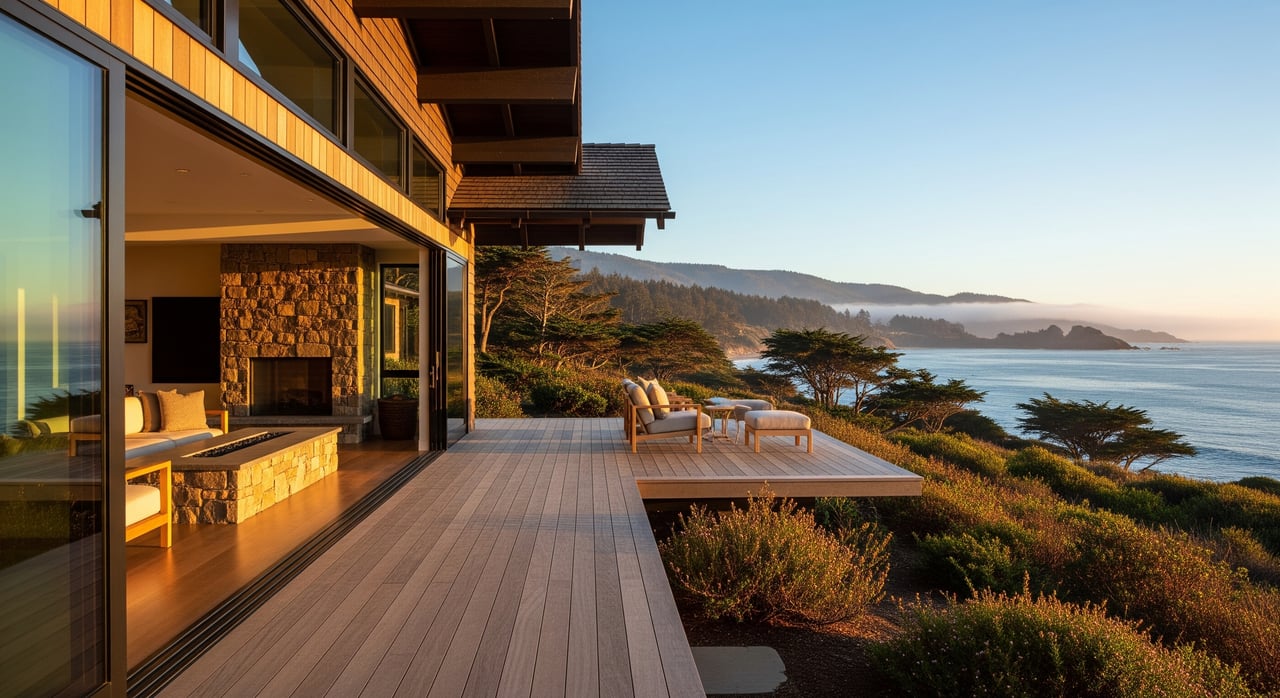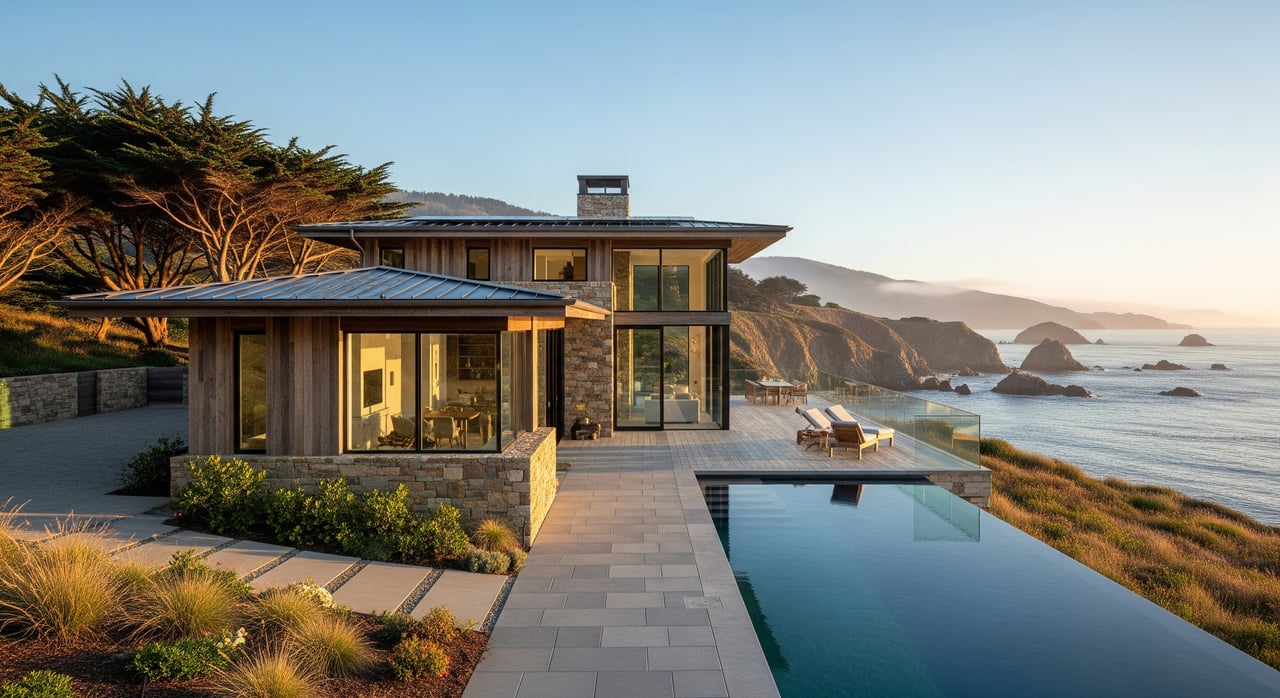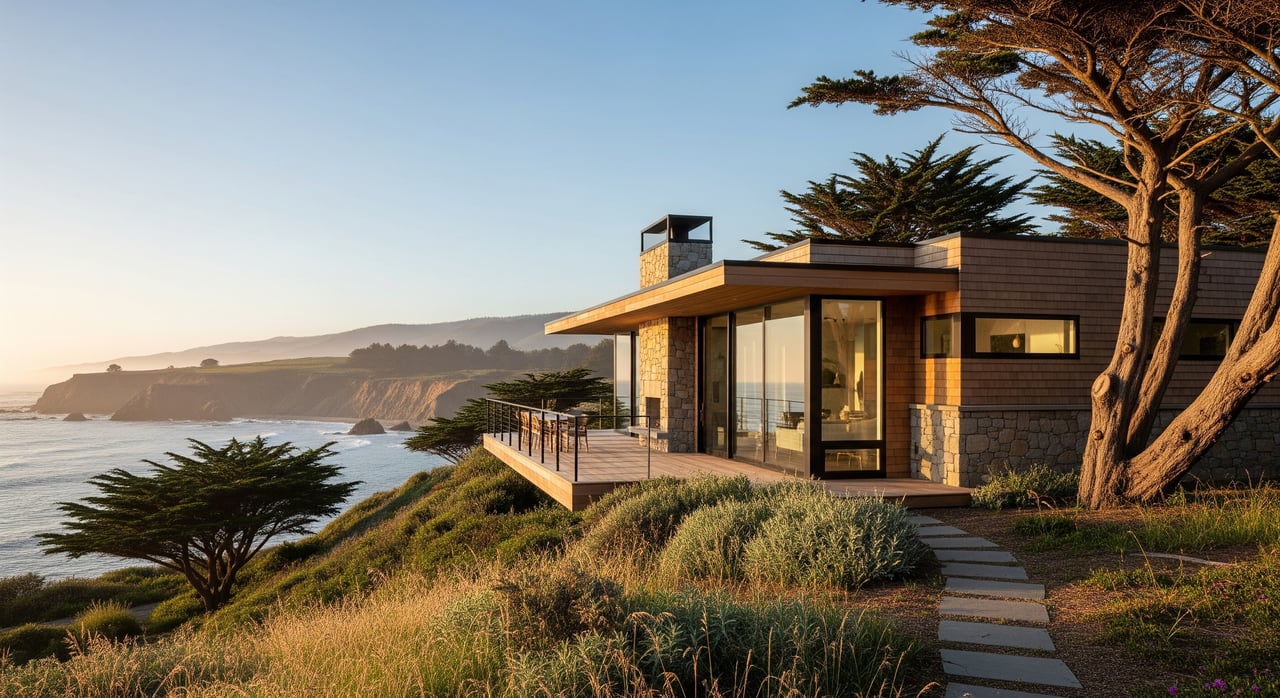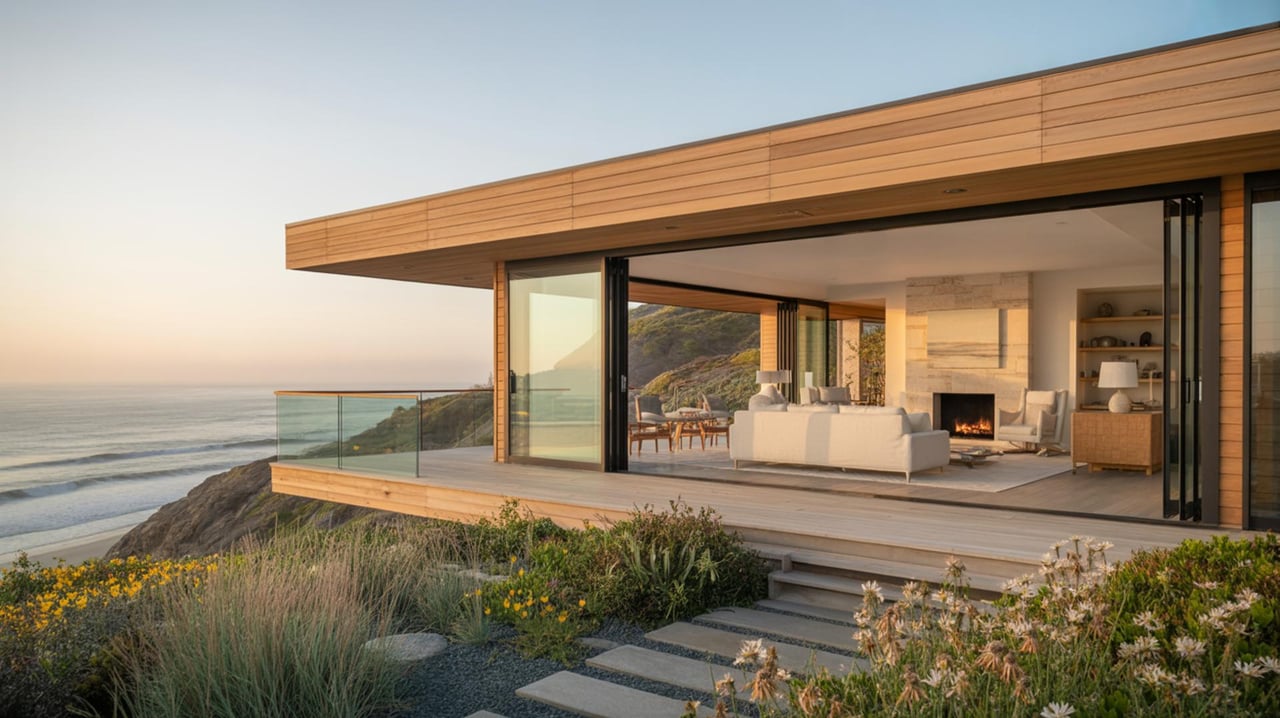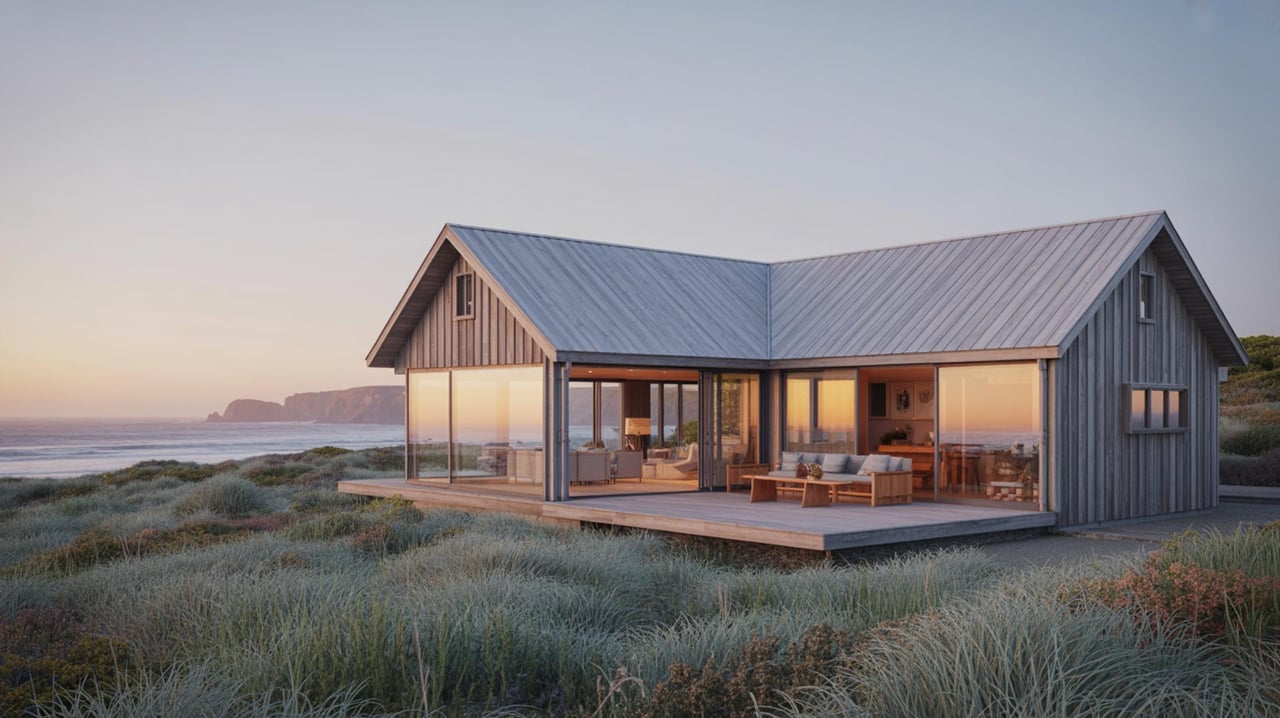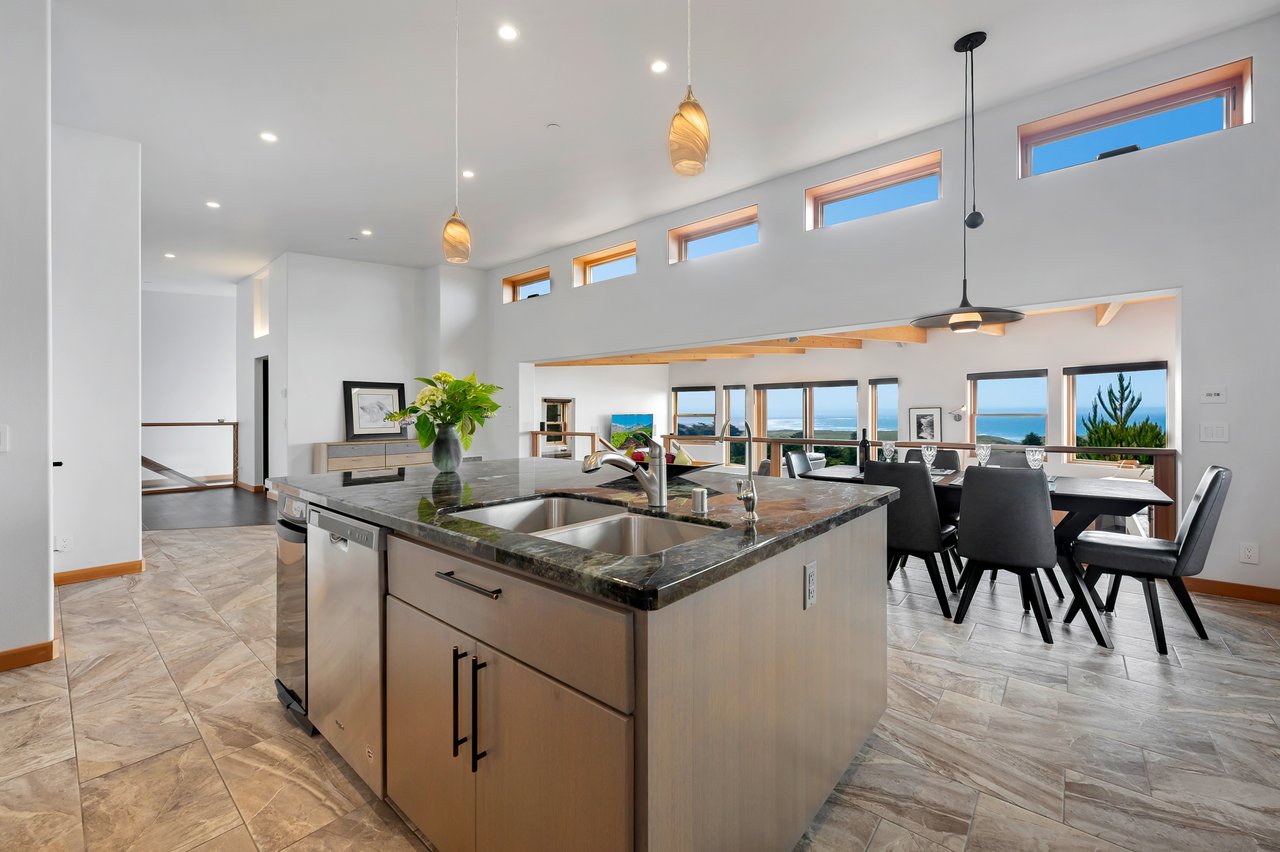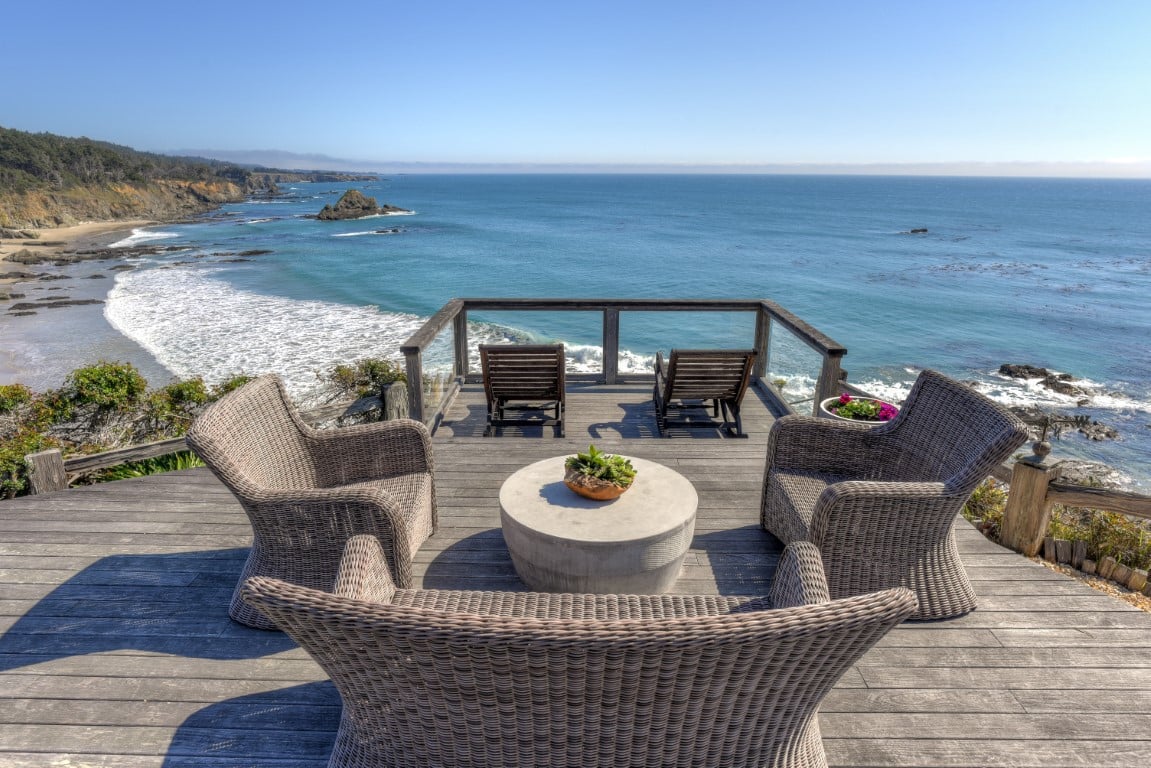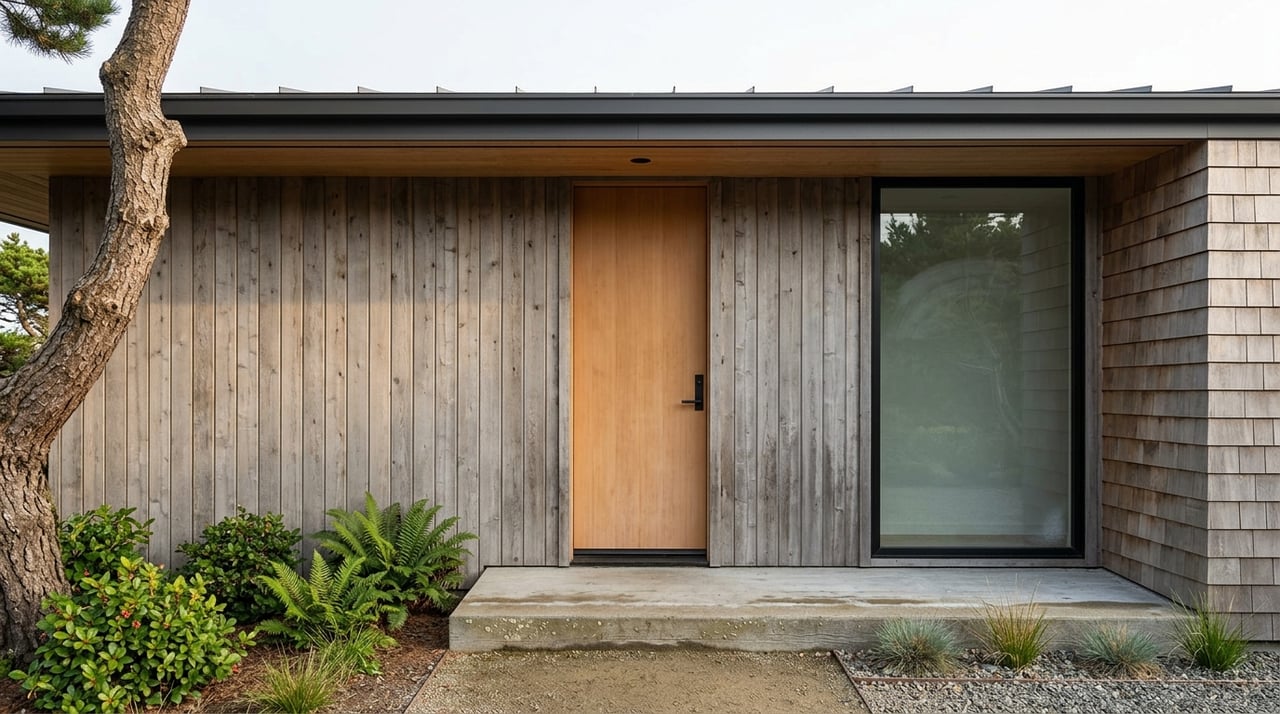
If you are selling in Sea Ranch, you are not just marketing square footage or ocean proximity. You are presenting a home in a place with a strong design identity, and buyers who know Sea Ranch often notice that right away. When you position your home with care, restraint, and a clear sense of place, you can speak directly to the design-savvy buyer this market attracts. Let’s dive in.
Why Sea Ranch Buyers See Design Differently
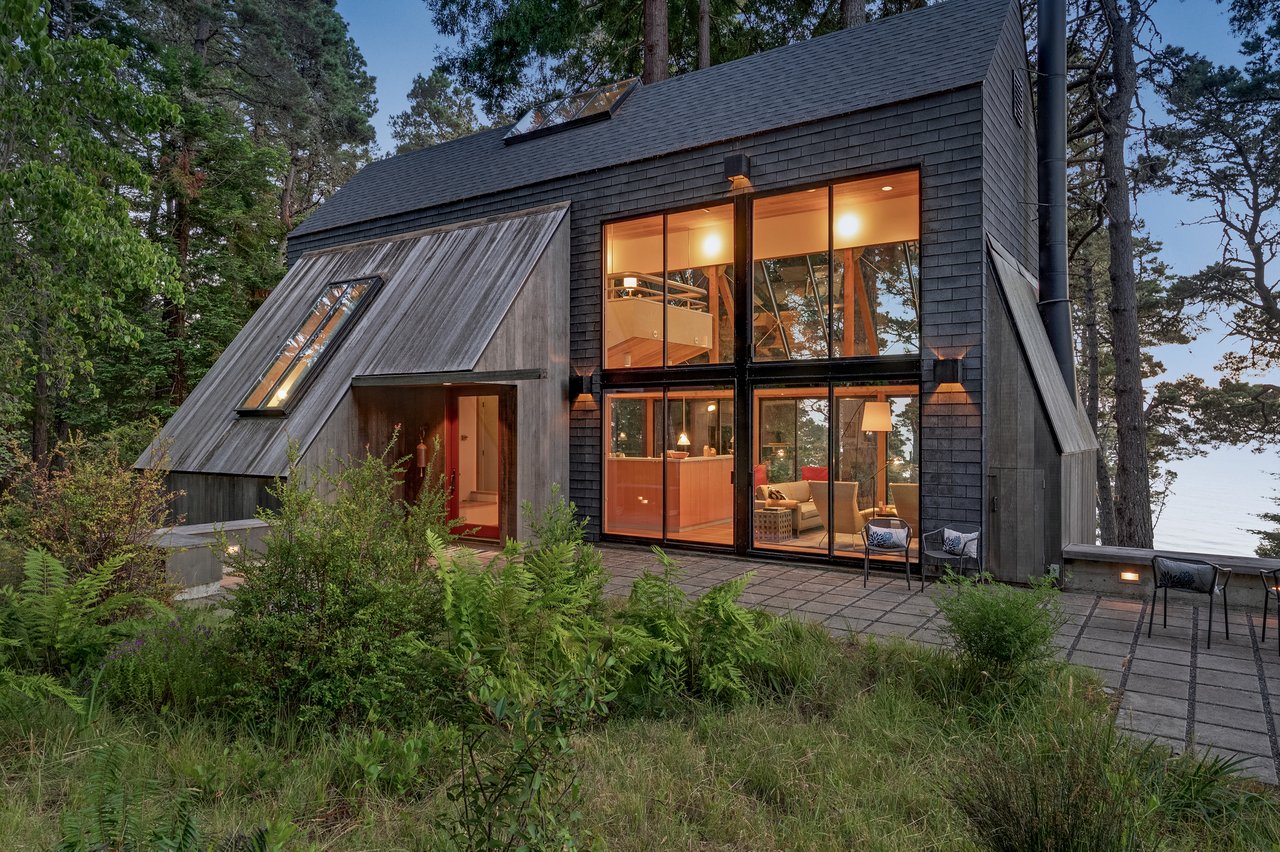
Sea Ranch stands apart because the community was shaped around the land, weather, and coastline rather than around showy architecture. The Sea Ranch Association describes a place where homes are meant to blend into their surroundings, with respect for the natural environment and a thoughtful relationship between building, landscape, and community.
That design mindset still matters today. The Association’s 2026 Design Awards reward clarity, restraint, careful siting, and a strong connection between home and setting, which helps explain what many buyers respond to when they shop in Sea Ranch.
Sea Ranch Style Means Restraint
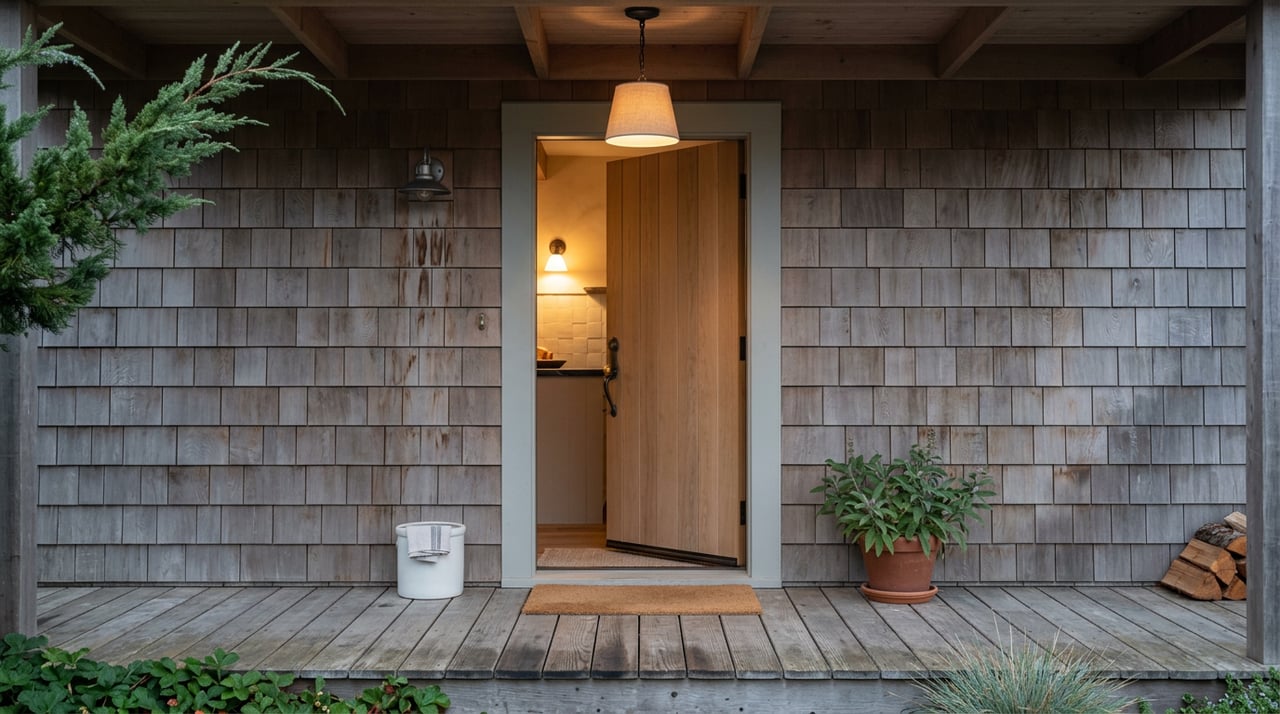
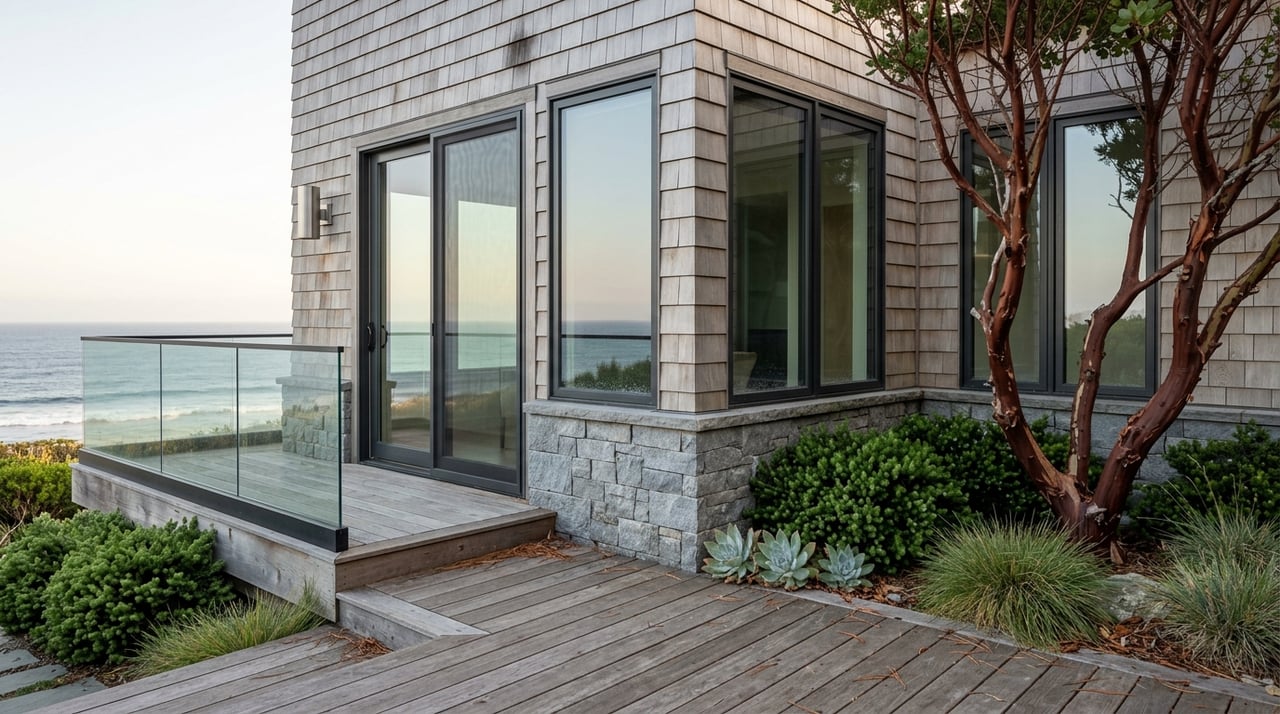
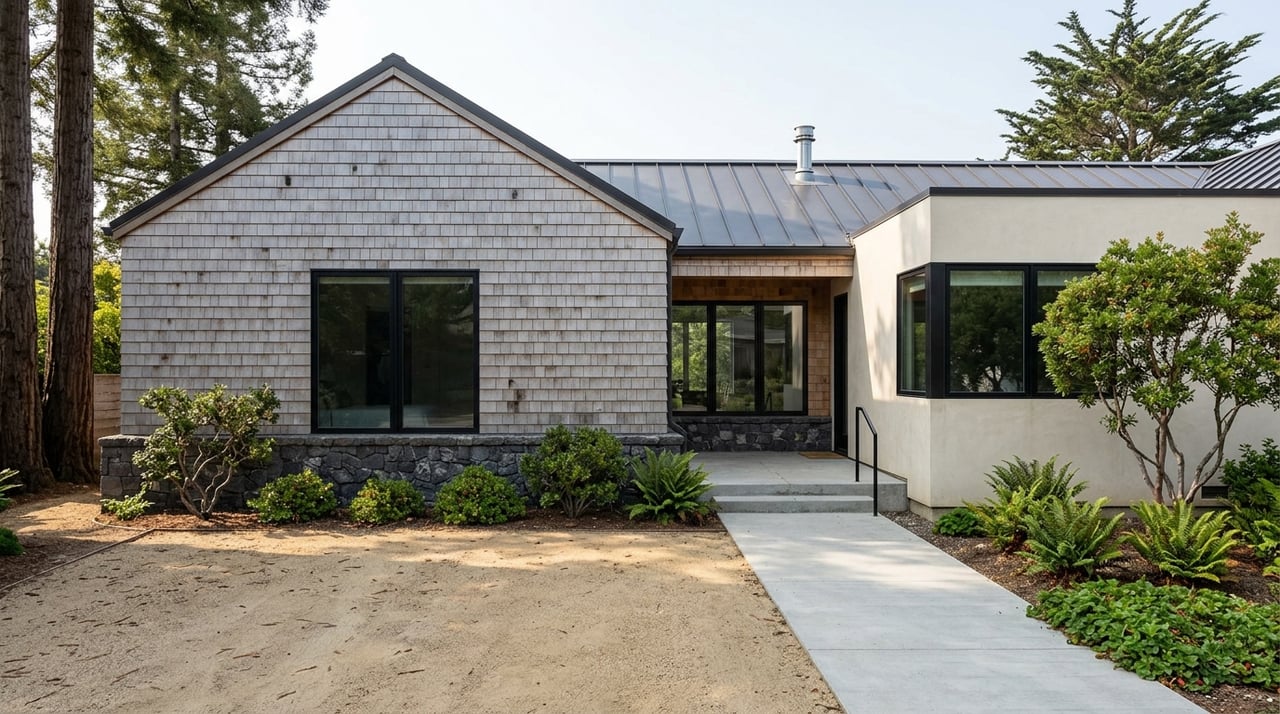
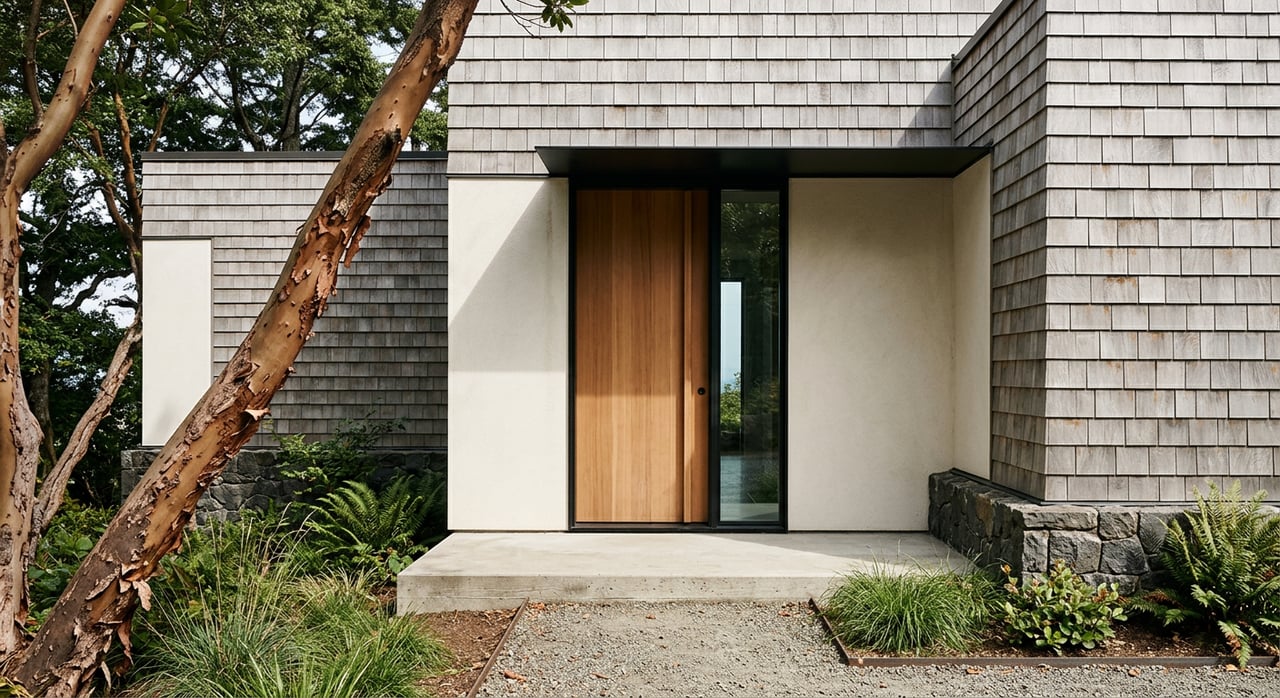
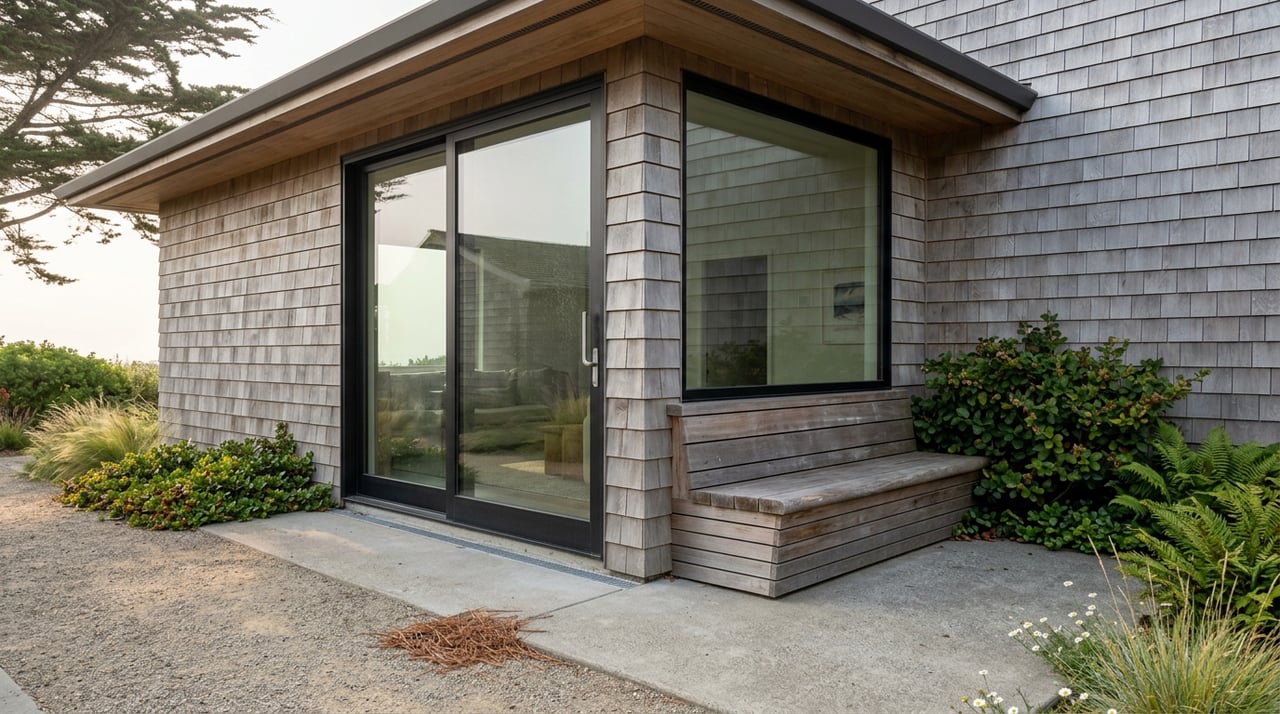
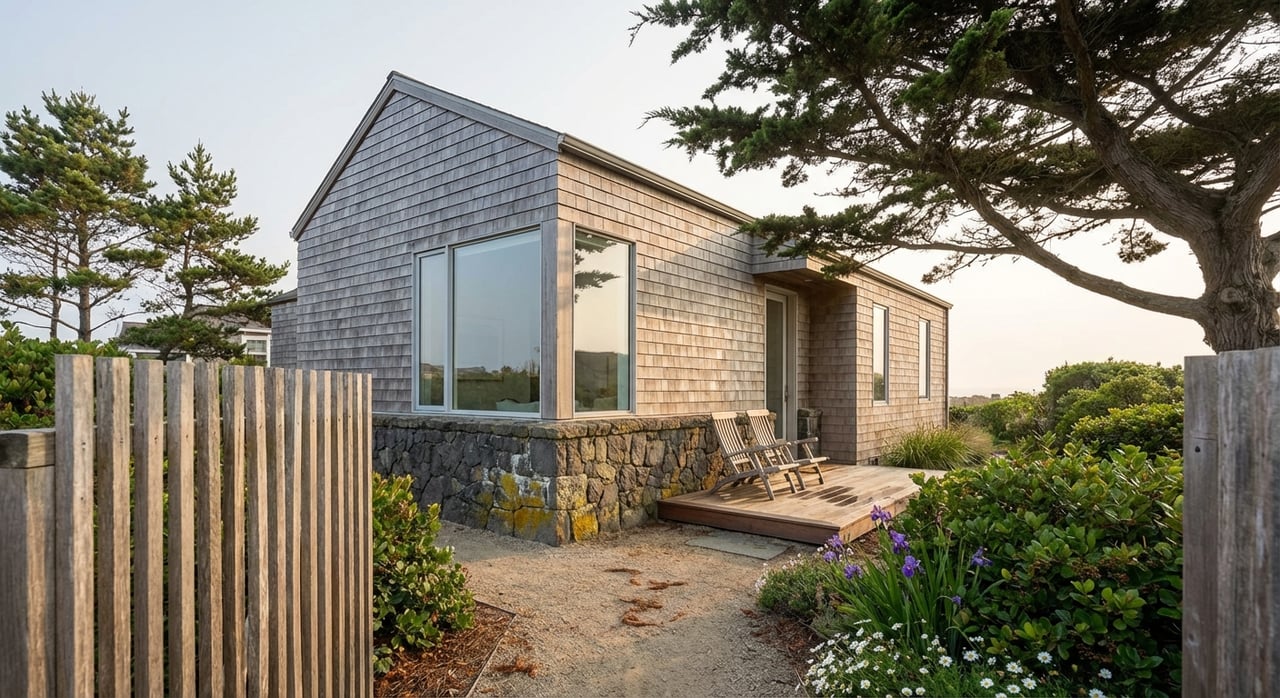
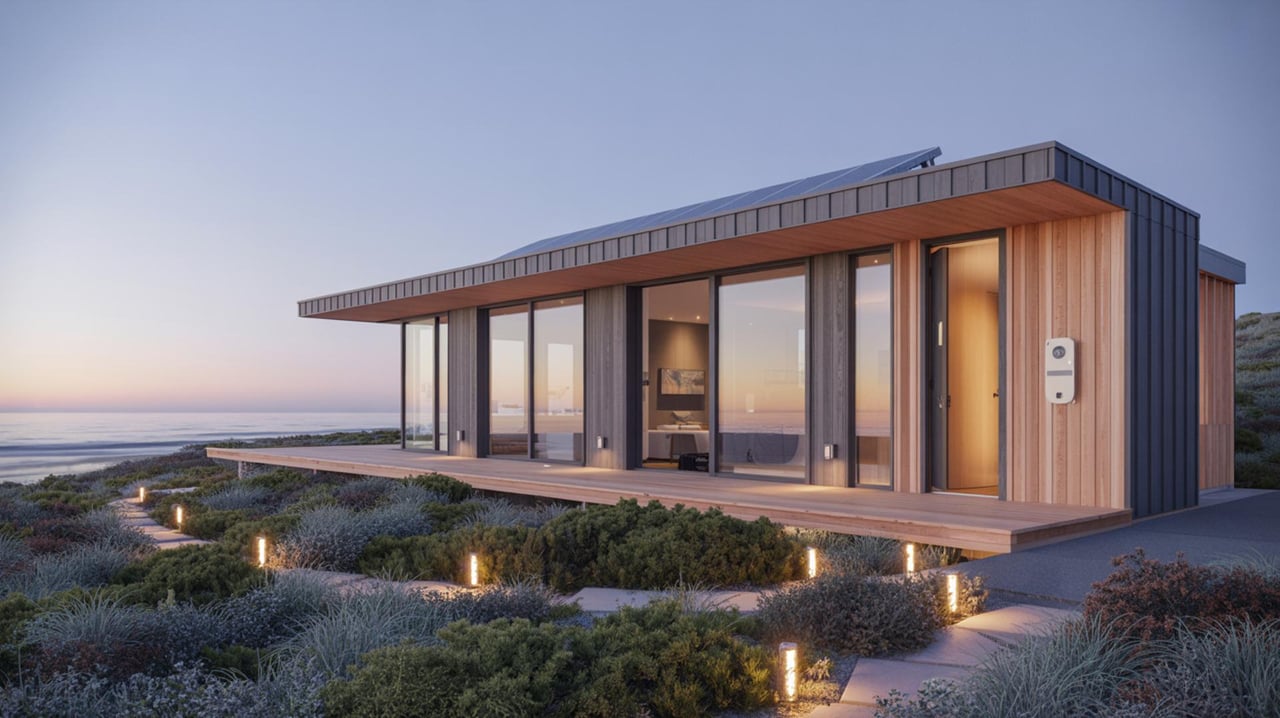
For many buyers, “high end” in Sea Ranch does not mean flashy finishes or dramatic staging. It usually reads as simple forms, natural materials, weather-aware design, and a home that feels like it belongs exactly where it sits.
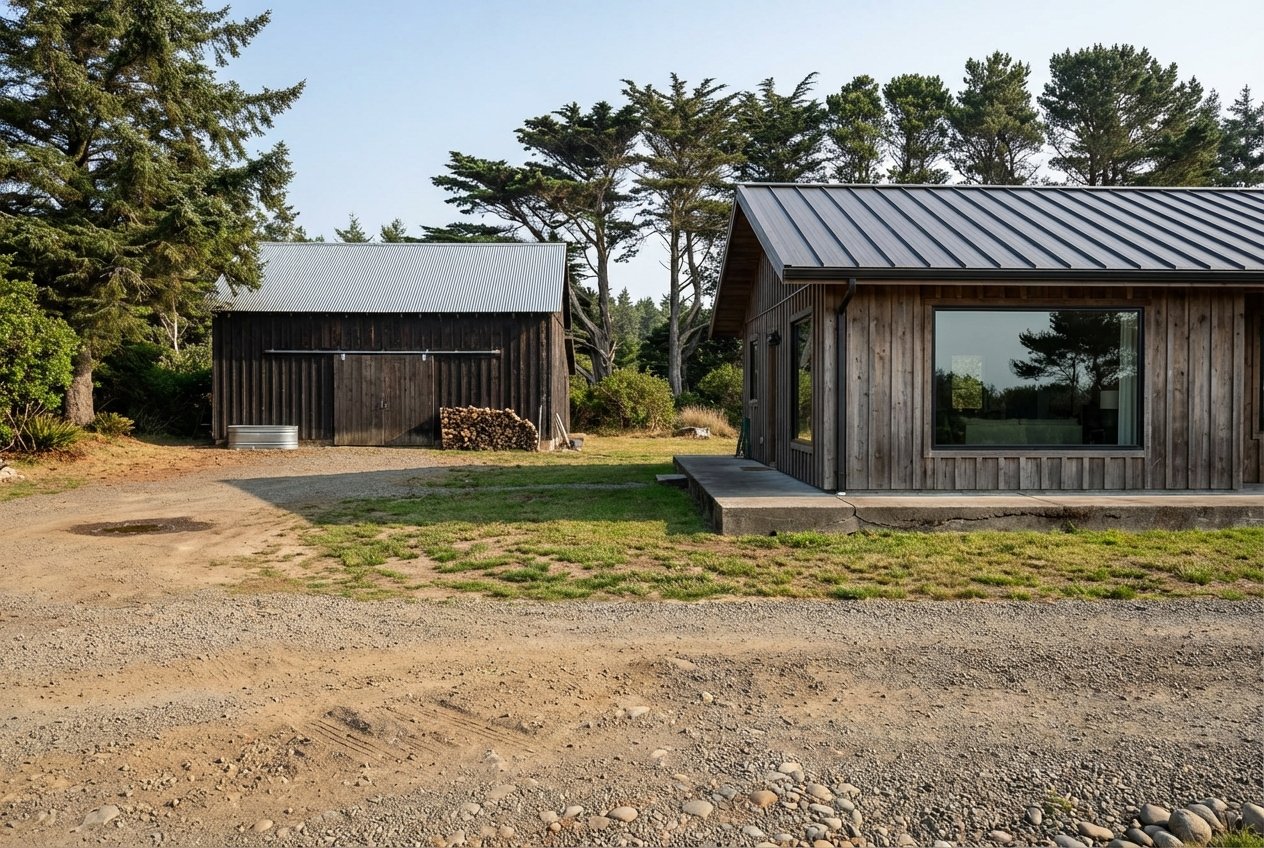
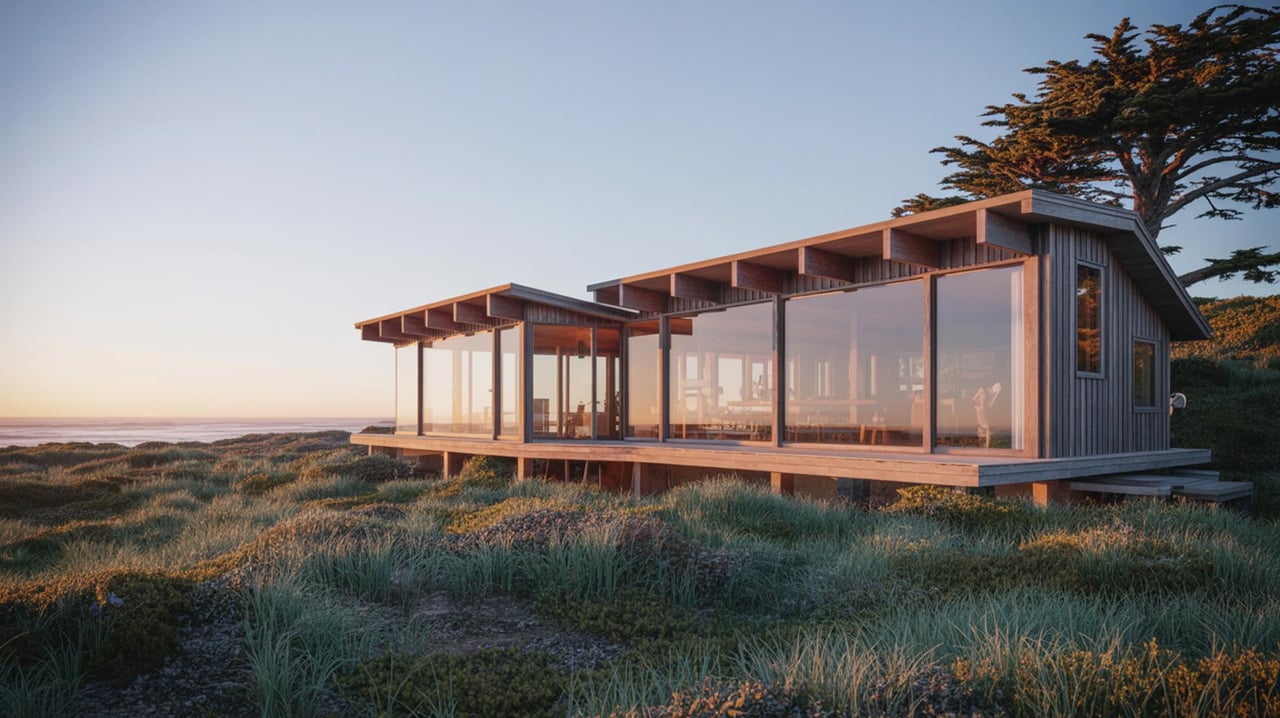
That understanding is rooted in Sea Ranch’s original design language. SFMOMA notes that the development was conceived in the mid-1960s with a vocabulary inspired by regional barns and sheds, unfinished redwood and cypress siding, simple massing, and shed roofs shaped by wind and site conditions.
Show the Home in Context
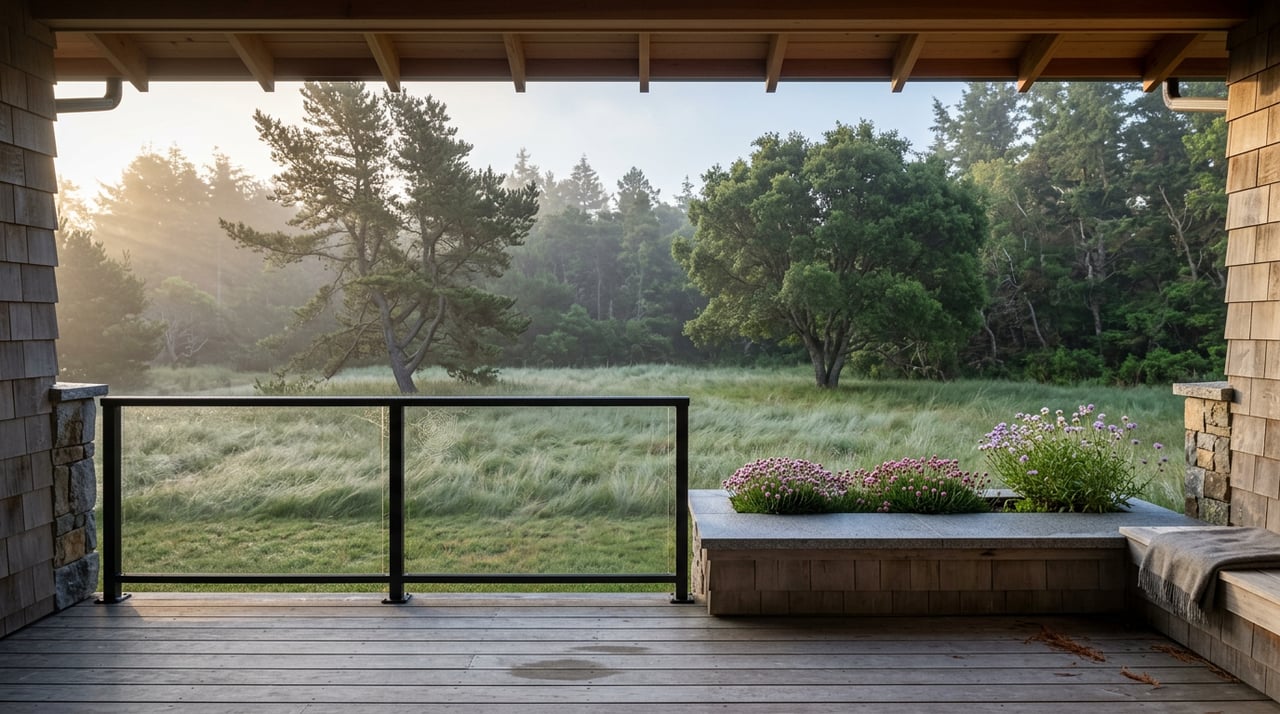
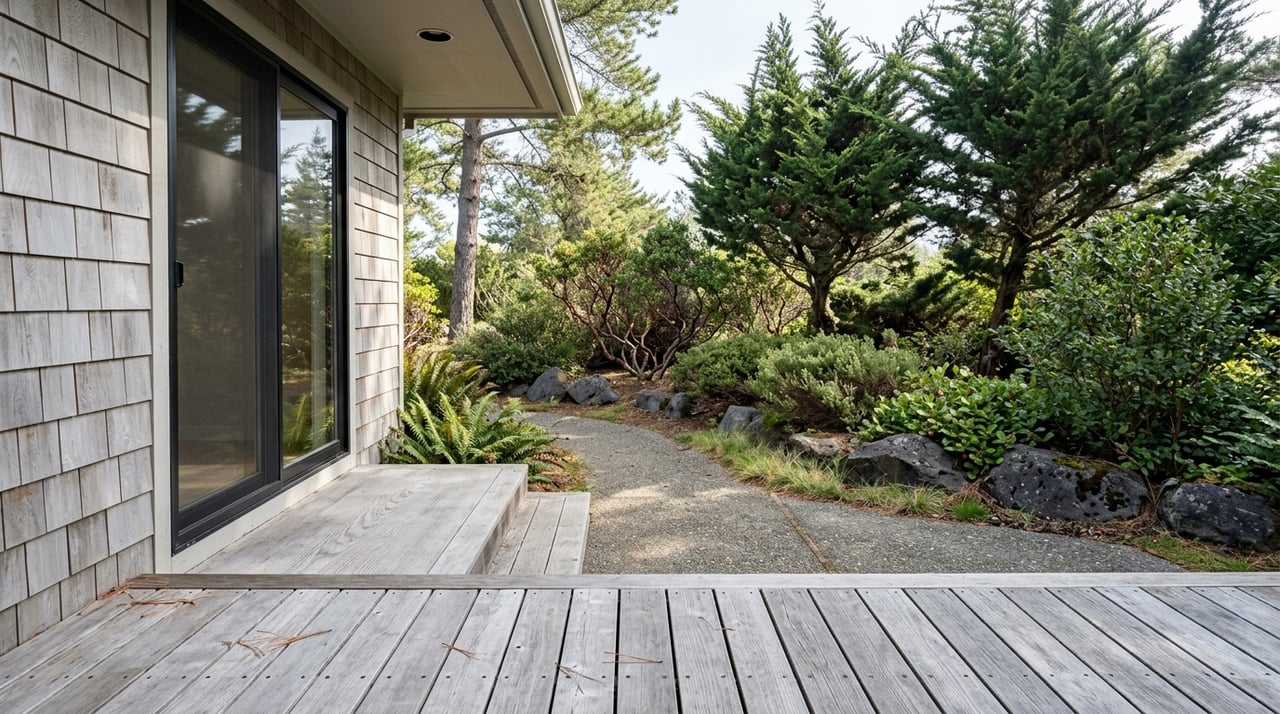
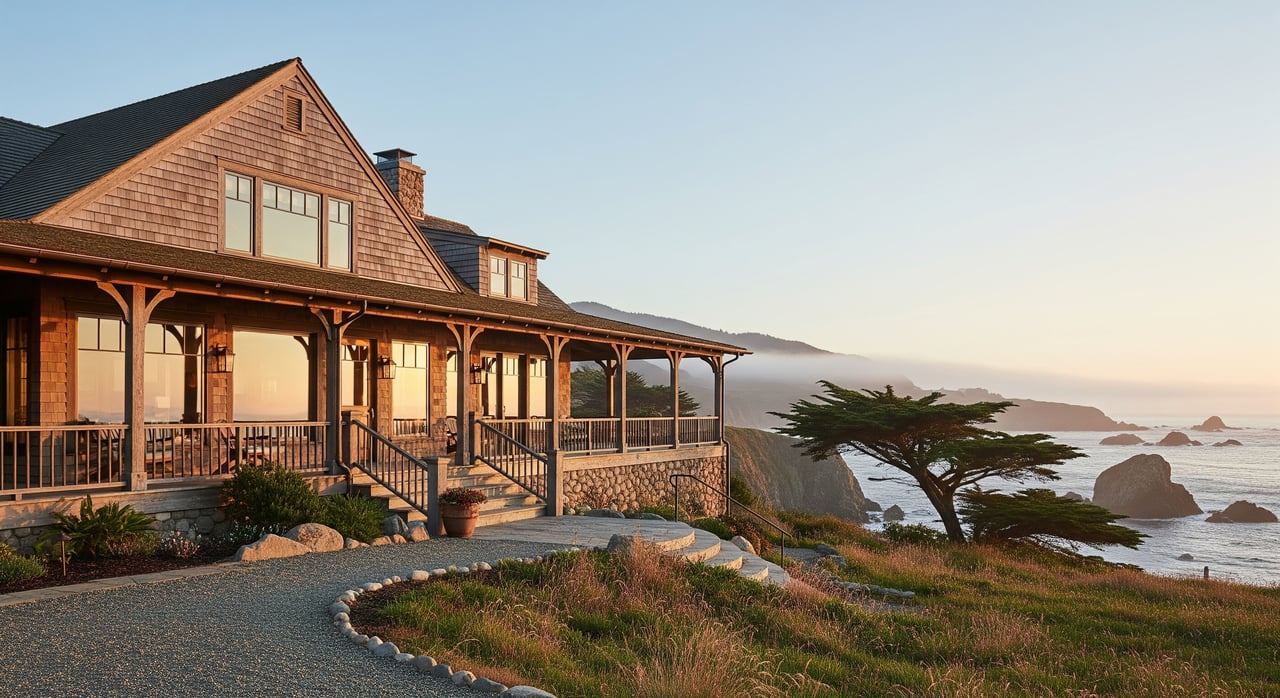
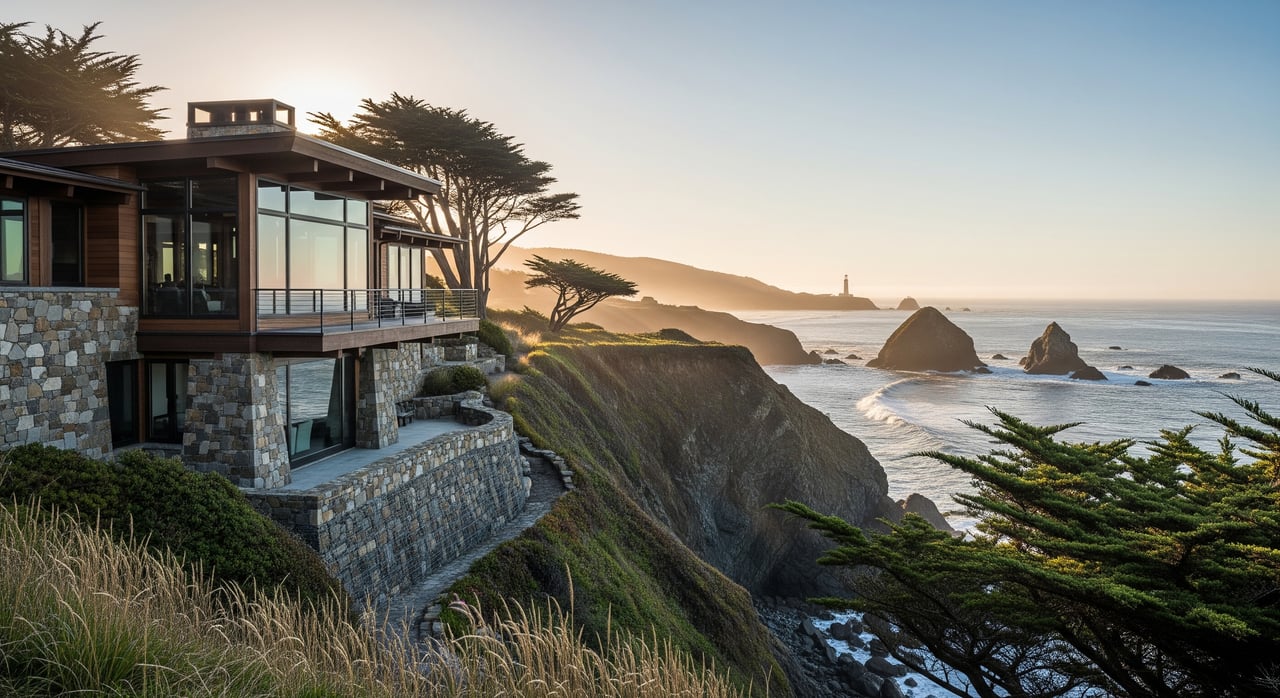
In Sea Ranch, the relationship between the house and the land is part of the home’s value. Photography and presentation should help buyers see that relationship clearly rather than isolating the structure from its setting.
The broader landscape matters here. The Cultural Landscape Foundation describes Sea Ranch as a major designed landscape with 2,310 building sites on 3,500 acres, with half dedicated to common open space, plus a 1,500-acre forest preserve and six public beach access points.
Focus on Siting and Surroundings
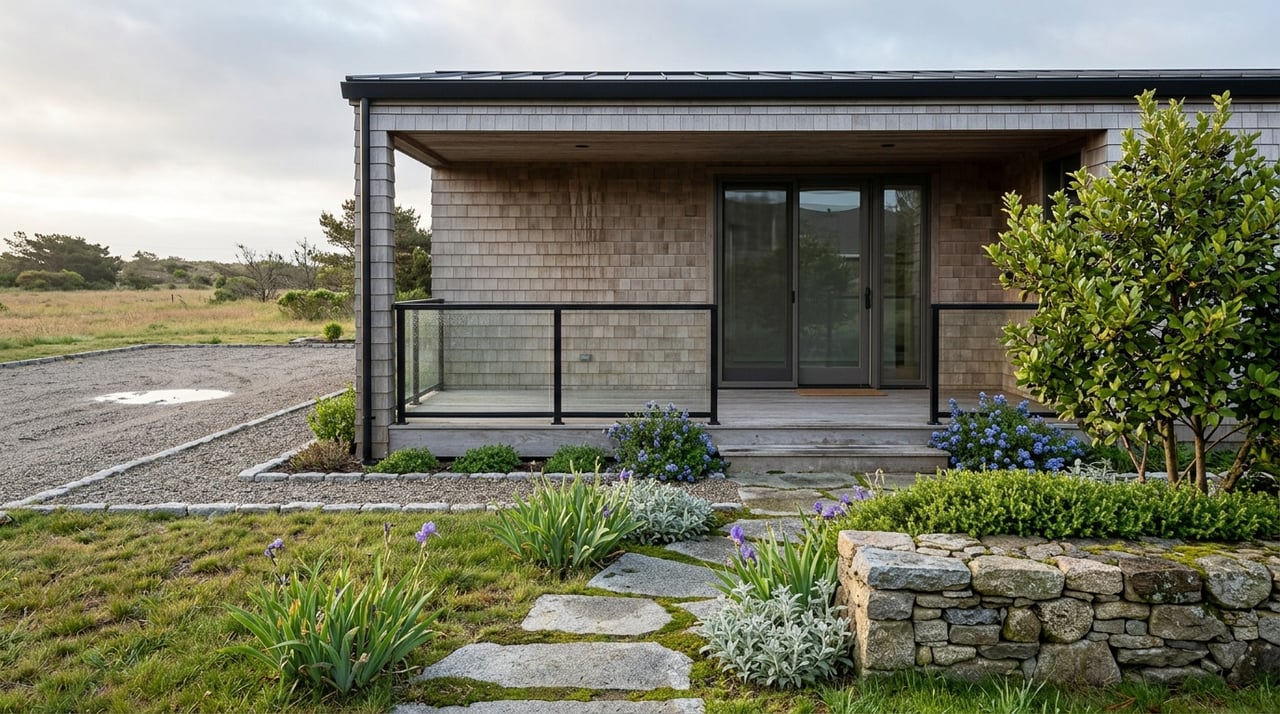
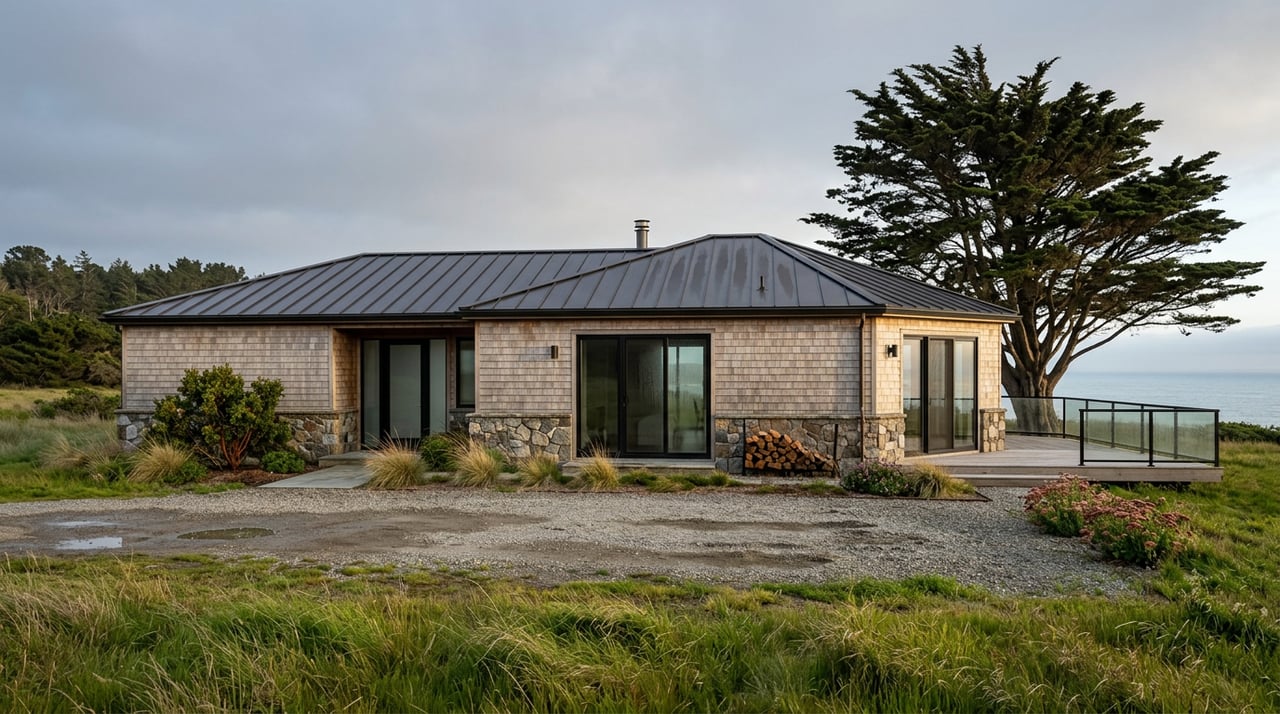
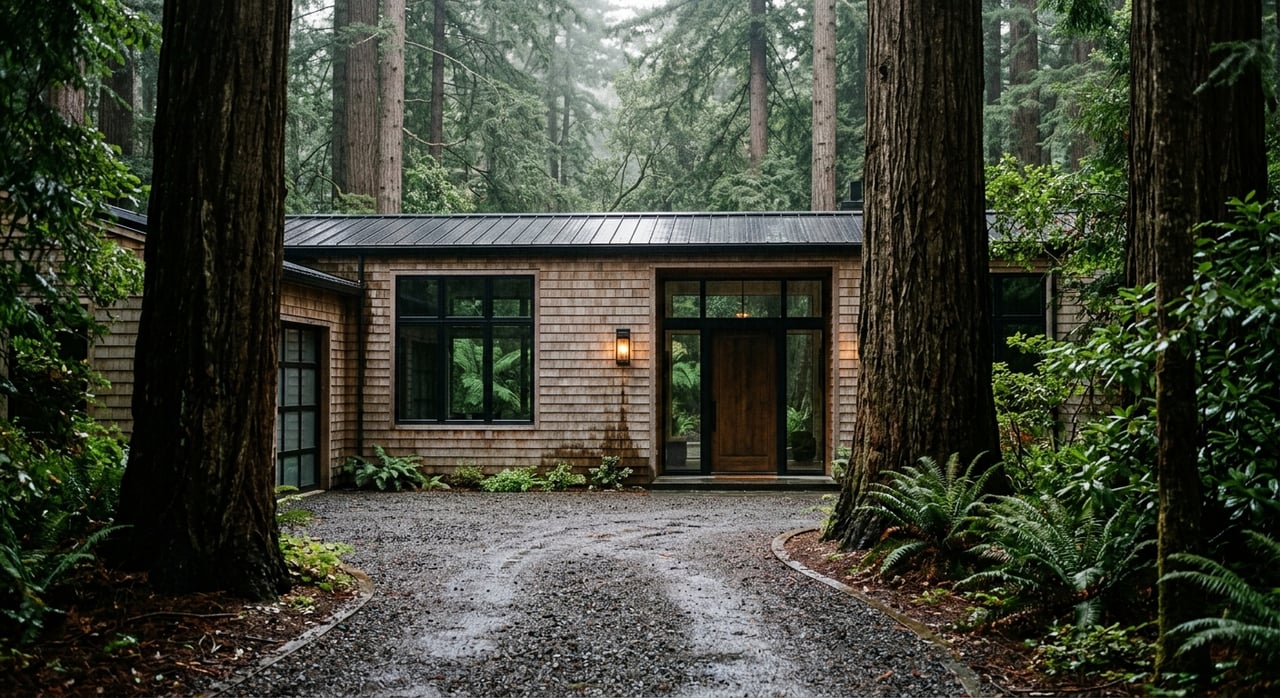
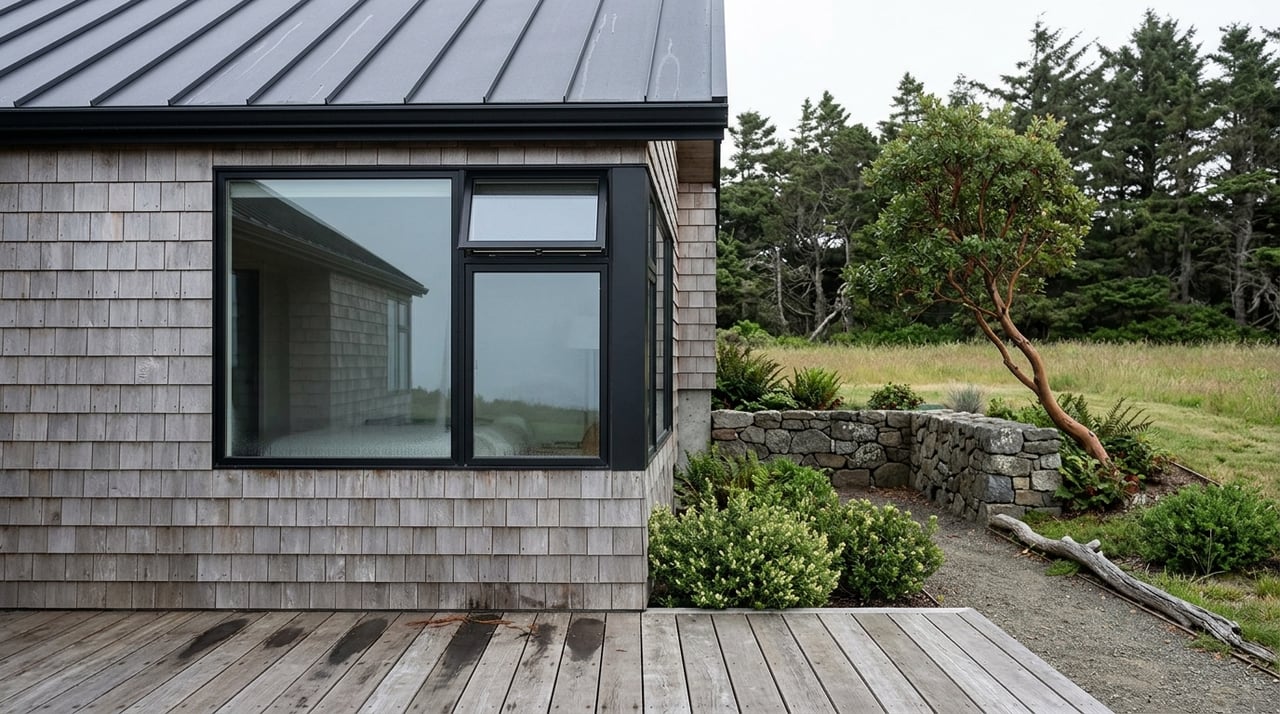
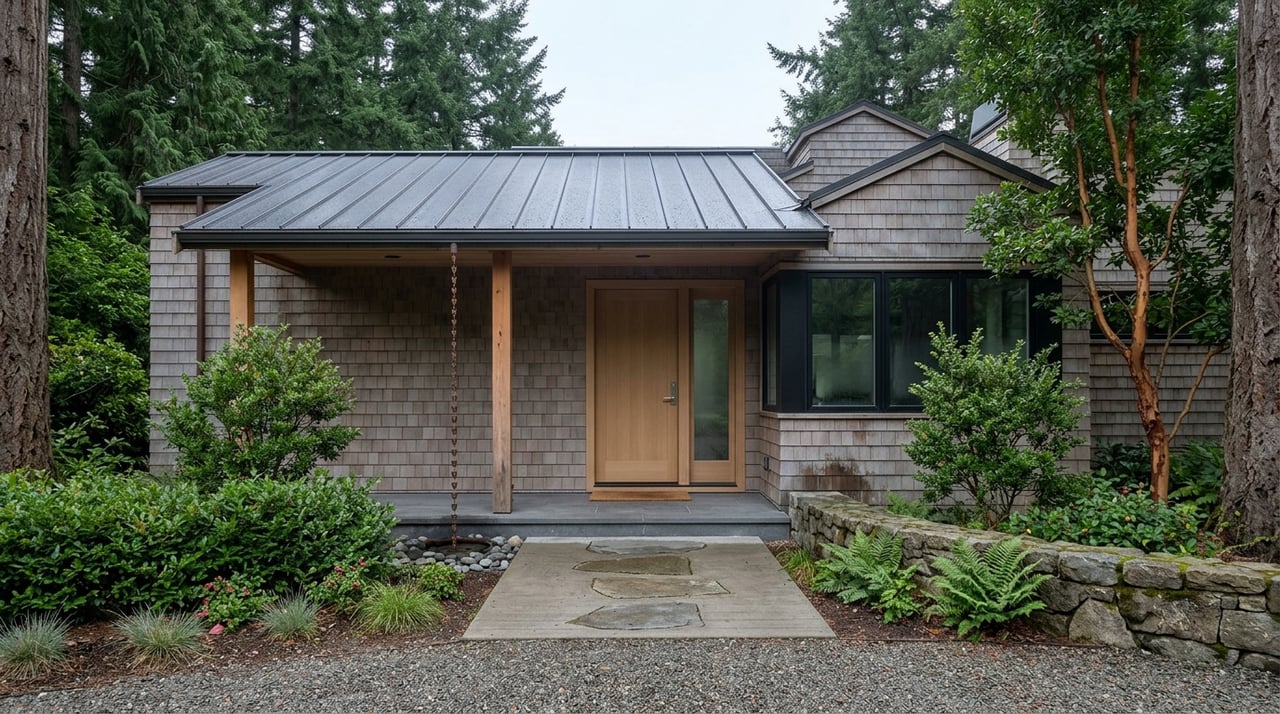
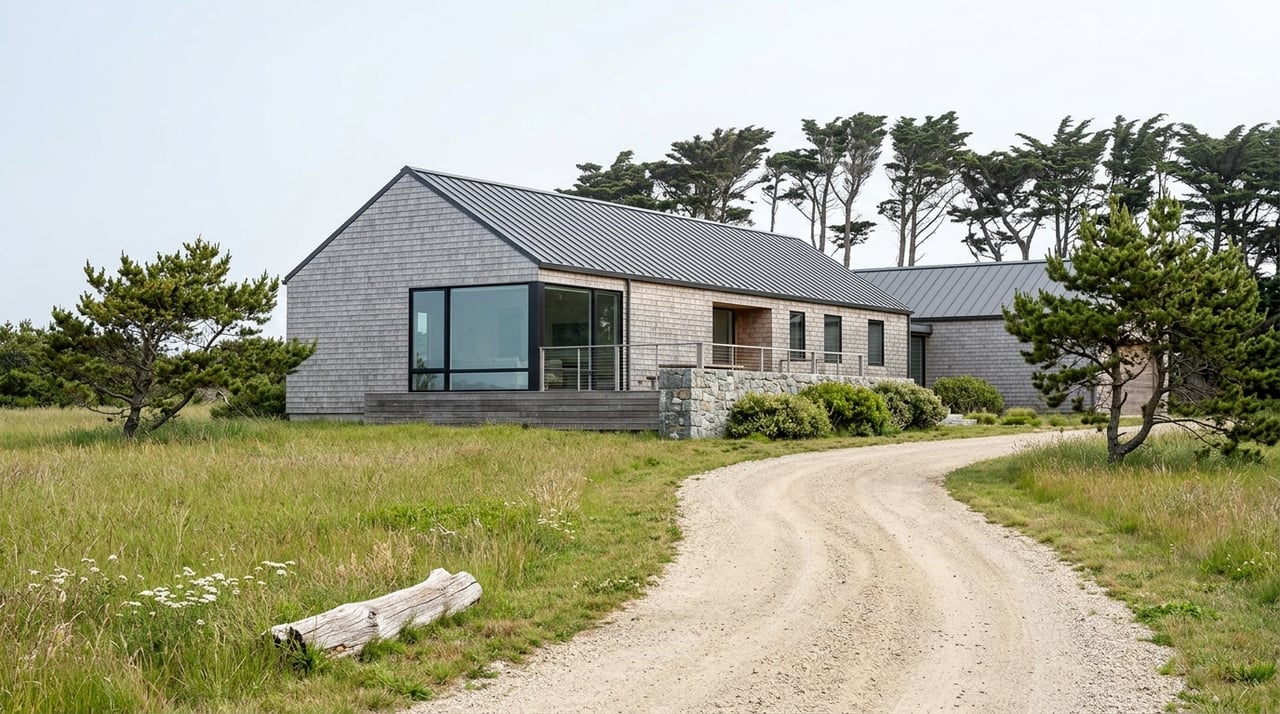
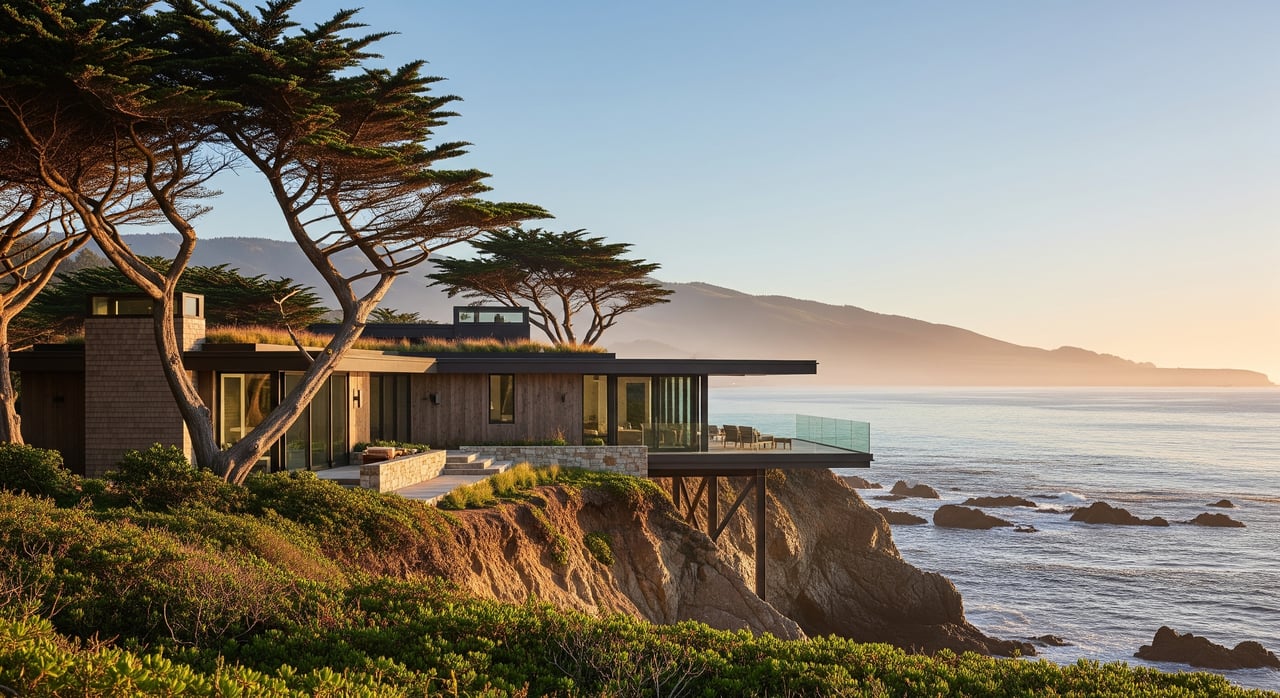
When you prepare listing photography, think beyond standard exterior and interior shots. Images that show approach, rooflines against the sky, hedgerows, meadow edges, and window-to-view relationships often communicate more effectively to a Sea Ranch buyer.
This approach fits the community’s planning legacy, where homes were placed within the natural framework of the hills and grouped between hedgerows for wind protection and views. Buyers who know Sea Ranch often look for signs that a home participates in that larger setting.
Use Coastal Light Well
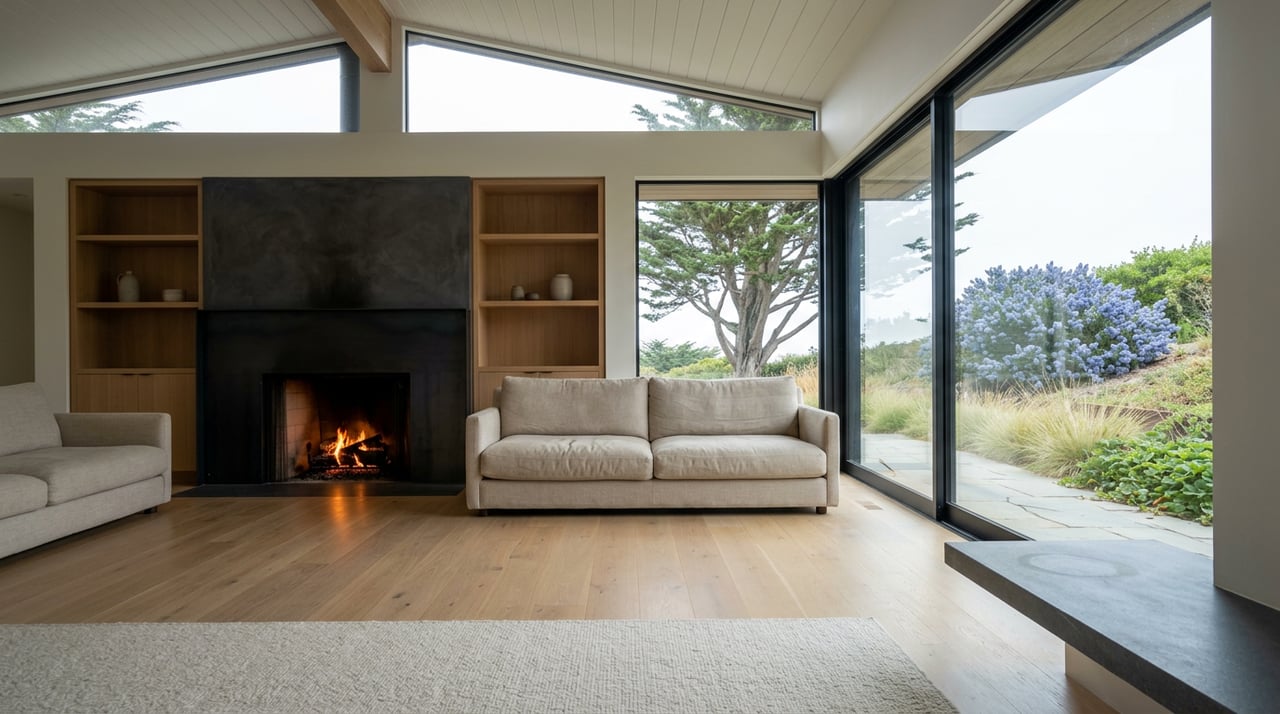
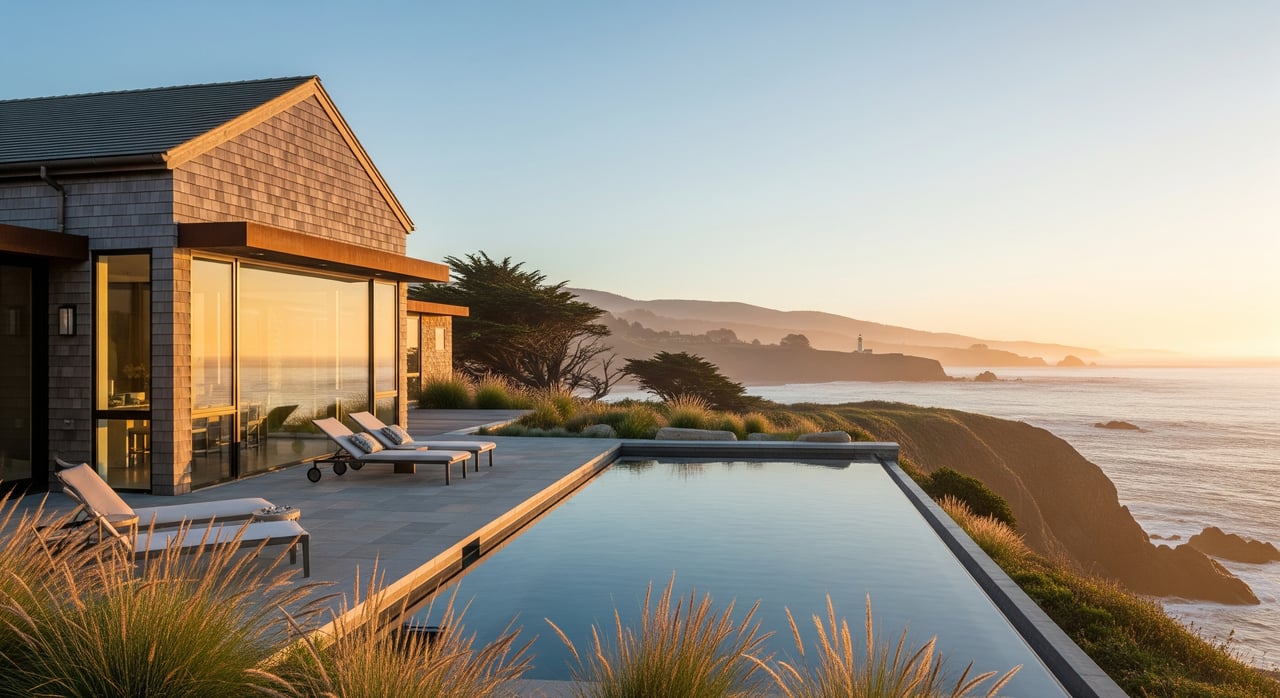
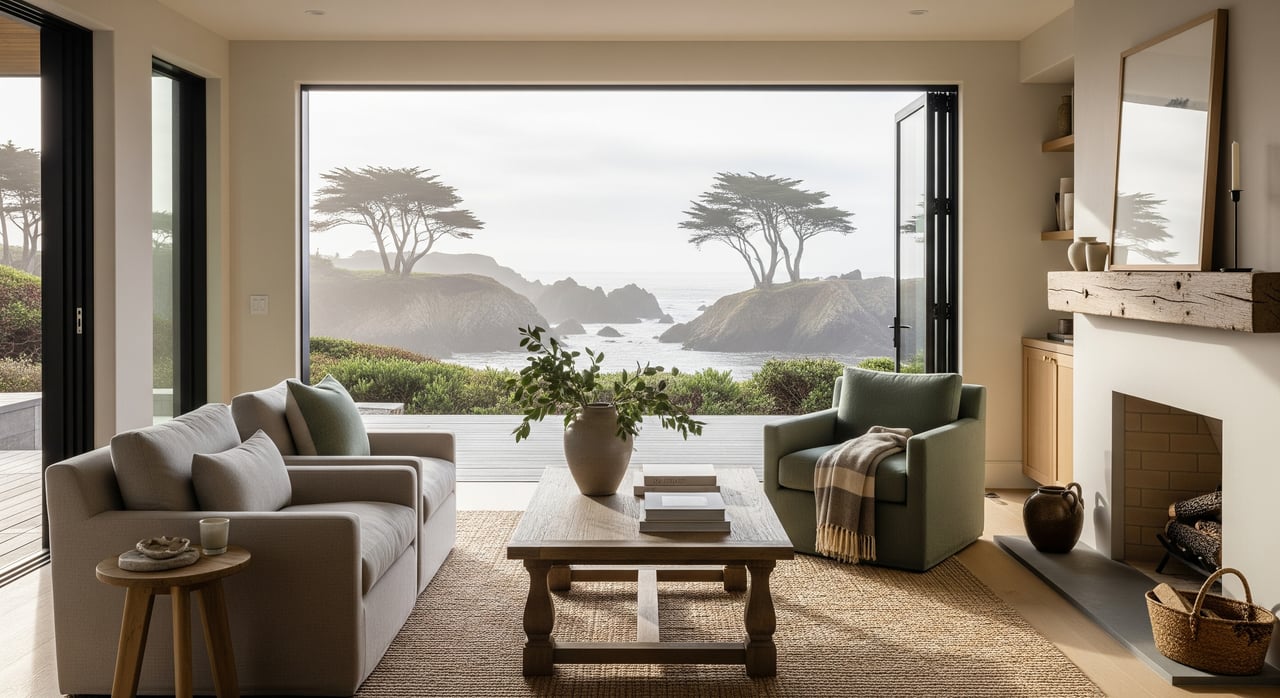
Sea Ranch weather shifts quickly, and that can actually work in your favor. Fog, wind, rain, and soft coastal light are part of the area’s character, and they can flatter weathered wood, textured interiors, and low-profile forms more than harsh midday sun.
That means timing matters. A thoughtful photo schedule that allows for changing light conditions can help your home feel more authentic and more aligned with the Sea Ranch atmosphere buyers expect.
Stage for Quiet Confidence
In many markets, sellers are told to add visual drama. In Sea Ranch, a quieter approach is often more effective because it lets the architecture, materials, and views do the work.
SFMOMA’s Sea Ranch materials note that the original design process aimed to reduce visual clutter and restrain distractions such as flowerbeds, parked cars, and reflective surfaces. That makes a strong case for staging that feels calm, low-profile, and visually clean.
Keep Materials Natural
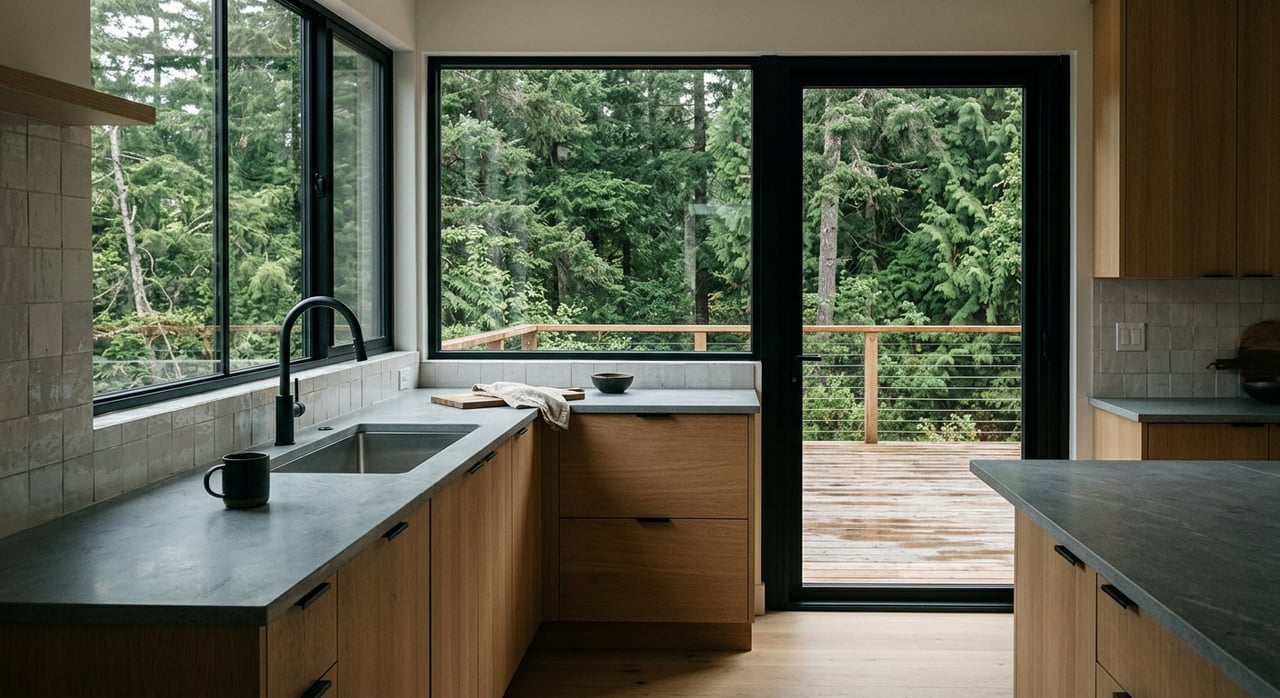
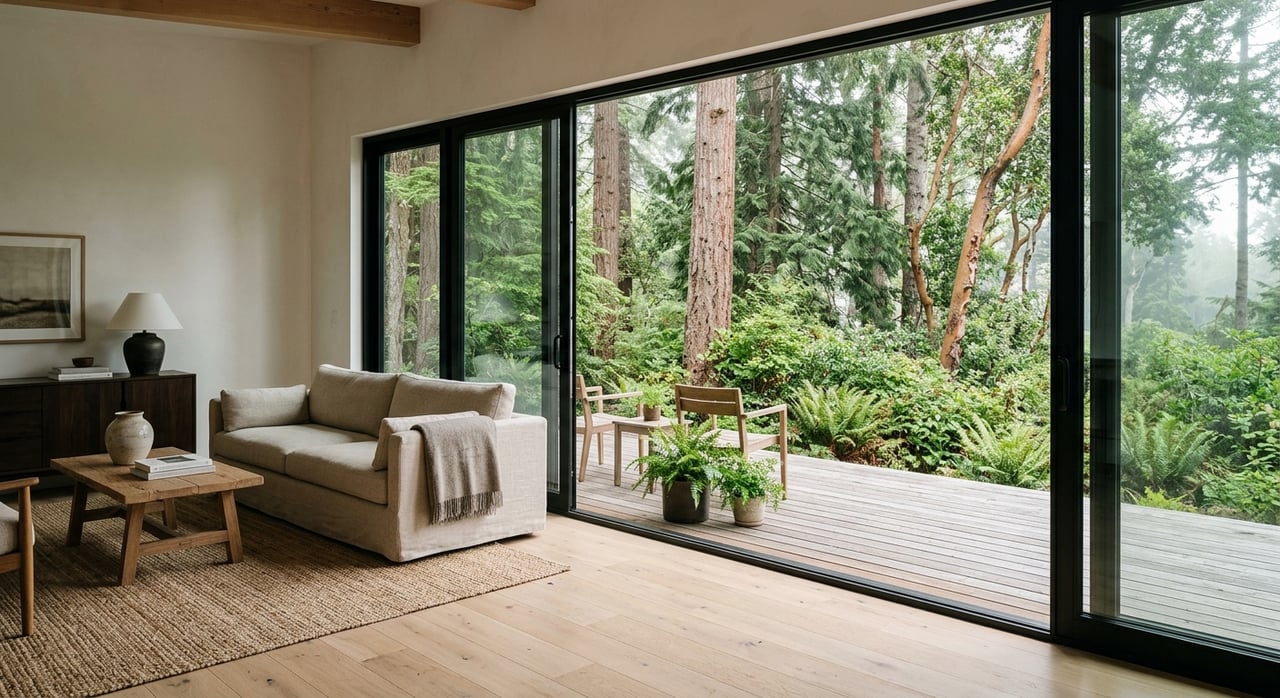
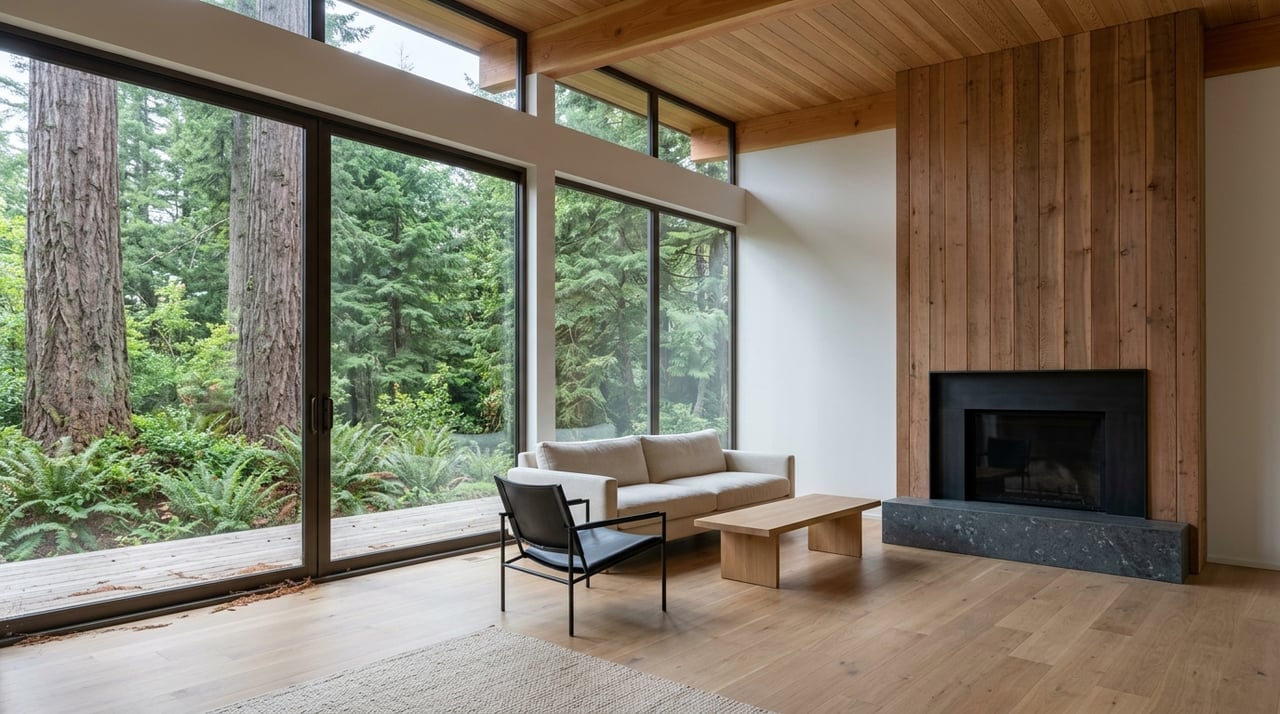
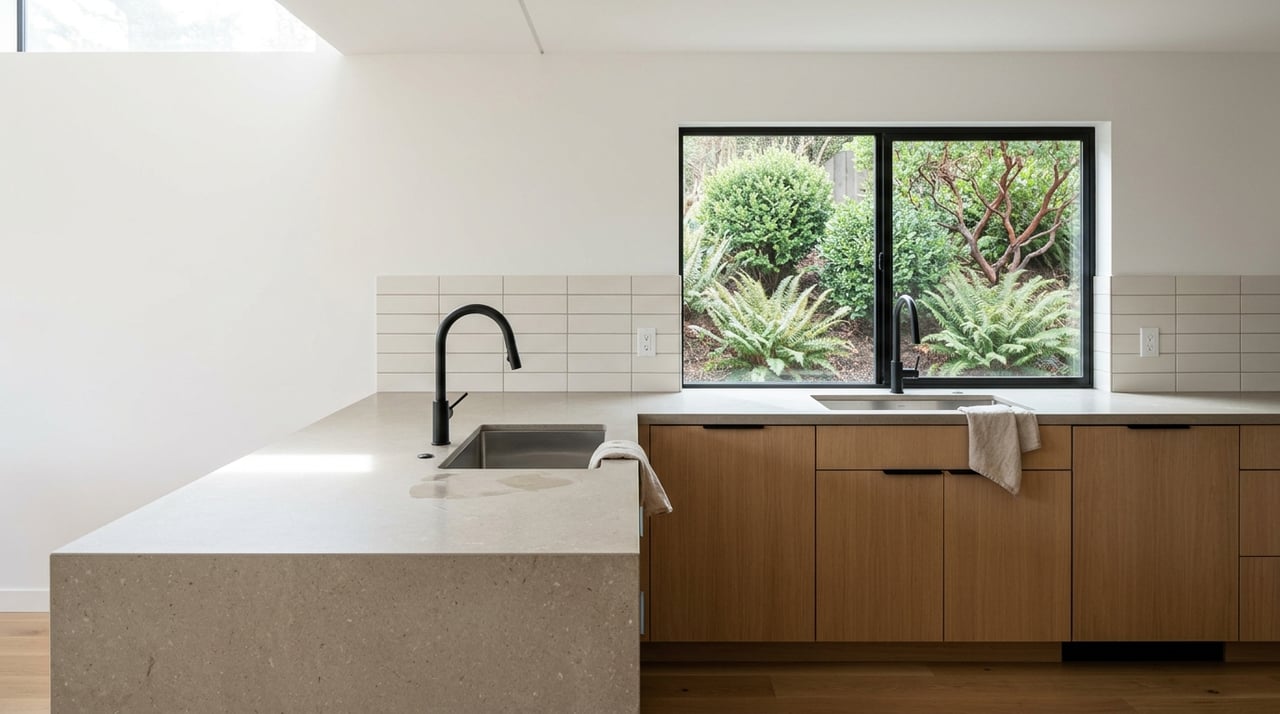
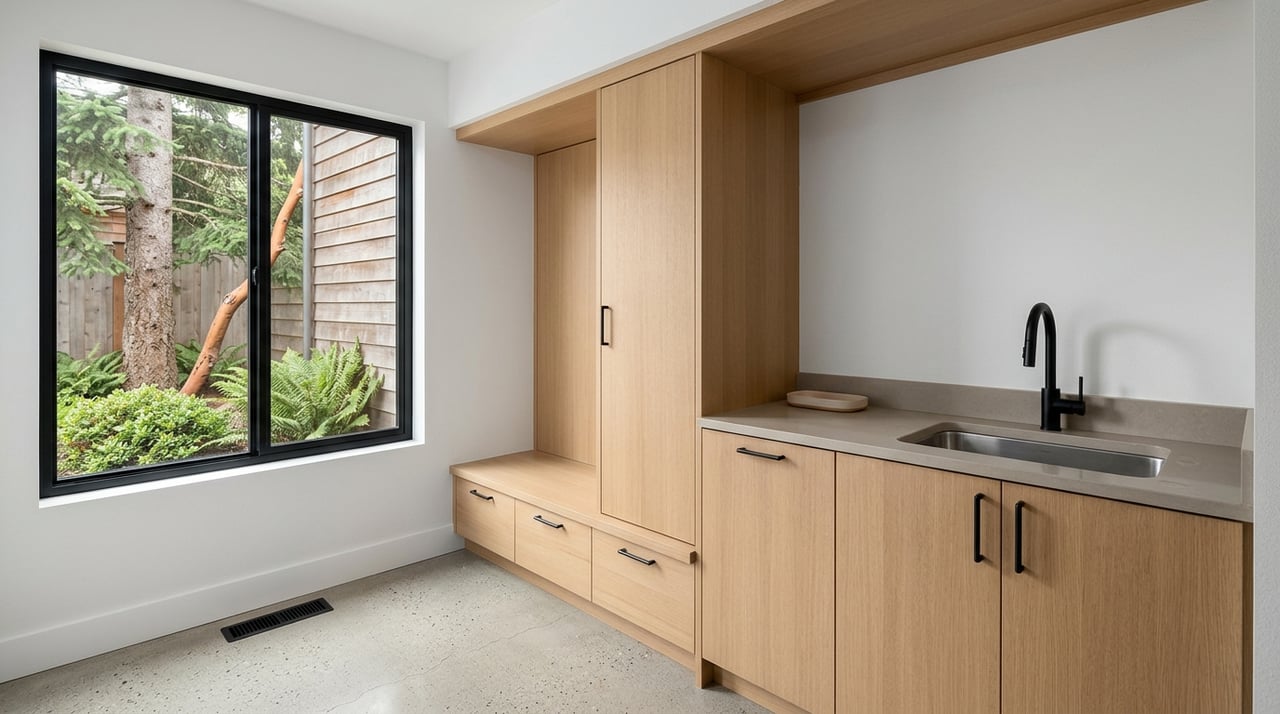
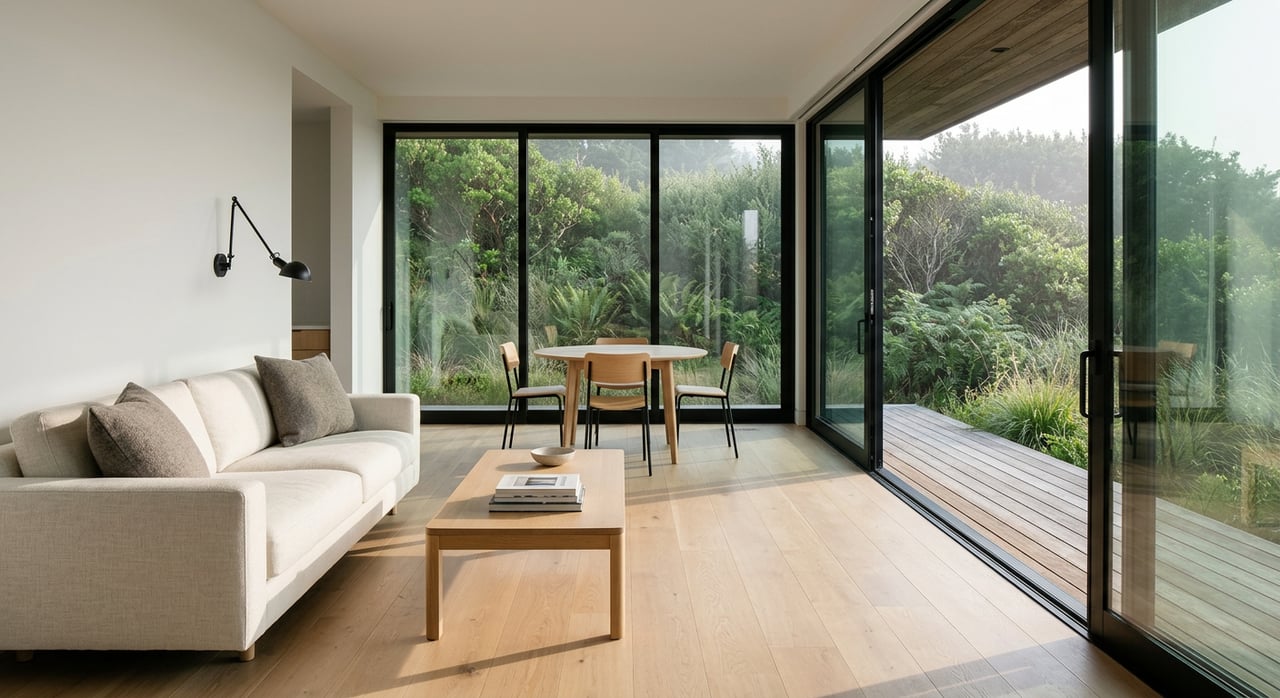
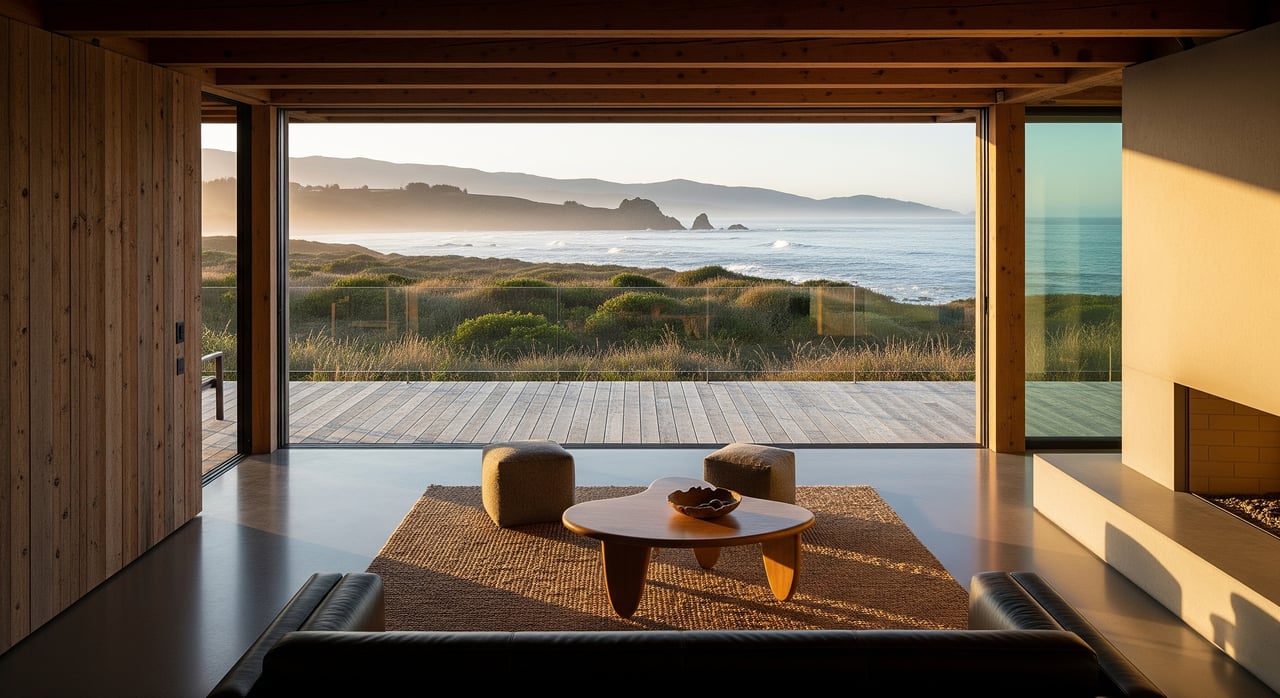
If you are bringing in furniture or accessories, keep the palette simple and textural. Wood, wool, linen, stone, matte finishes, and straightforward furniture silhouettes tend to fit the design language buyers expect to see.
This kind of staging supports the home instead of competing with it. It also helps buyers focus on what often matters most in Sea Ranch: volume, light, material honesty, and connection to the outdoors.
Protect Sightlines
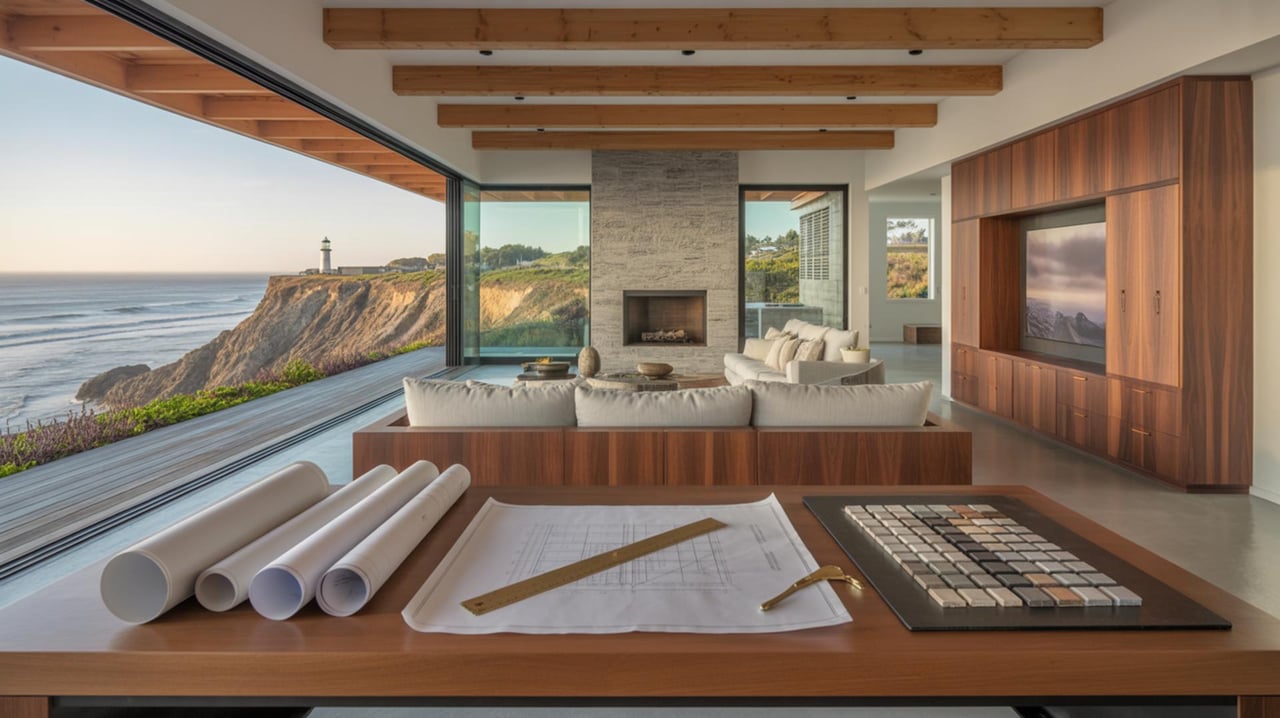
Windows, decks, courtyards, and long views are often central features in a Sea Ranch home. Furniture placement should preserve those sightlines, not block them.
A design-savvy buyer is likely to notice whether the staging highlights the architecture or fights against it. When the room layout keeps attention on the view and the structure, the home tends to feel more resolved and more memorable.
Groom the Landscape, Don’t Overdesign It
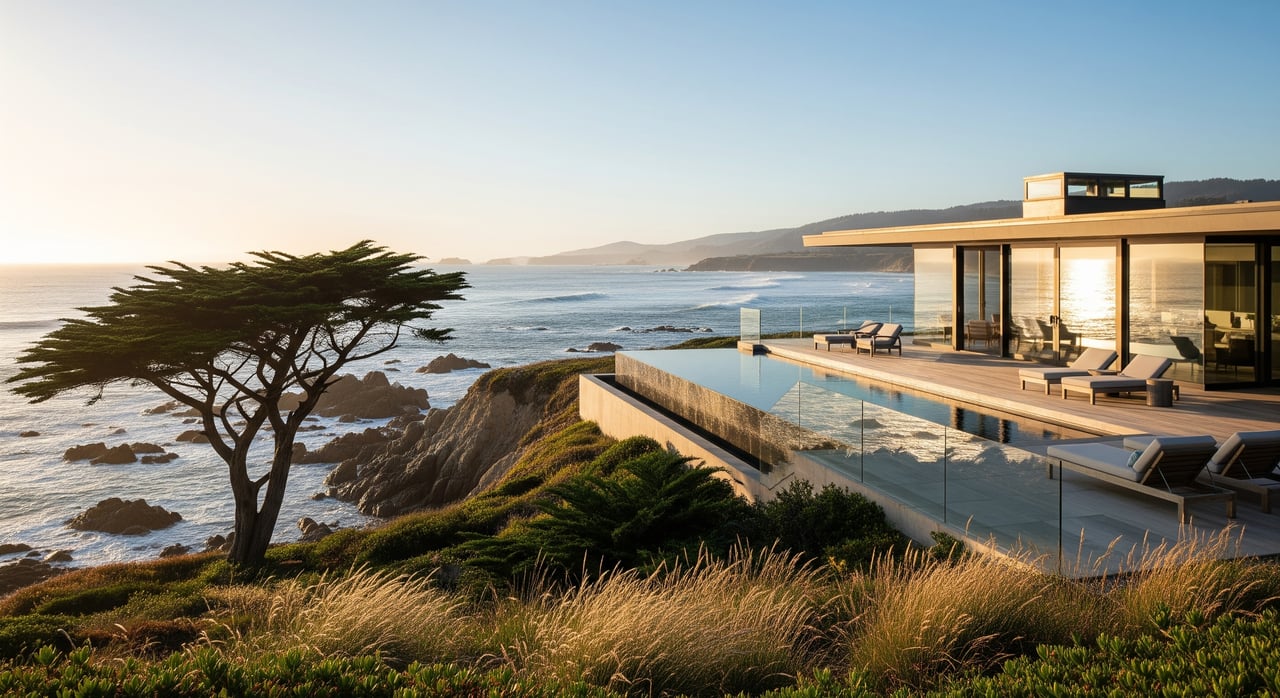
Outdoor presentation matters, but in Sea Ranch it should feel maintained rather than formal. The goal is clarity and care, not a manicured or suburban look.
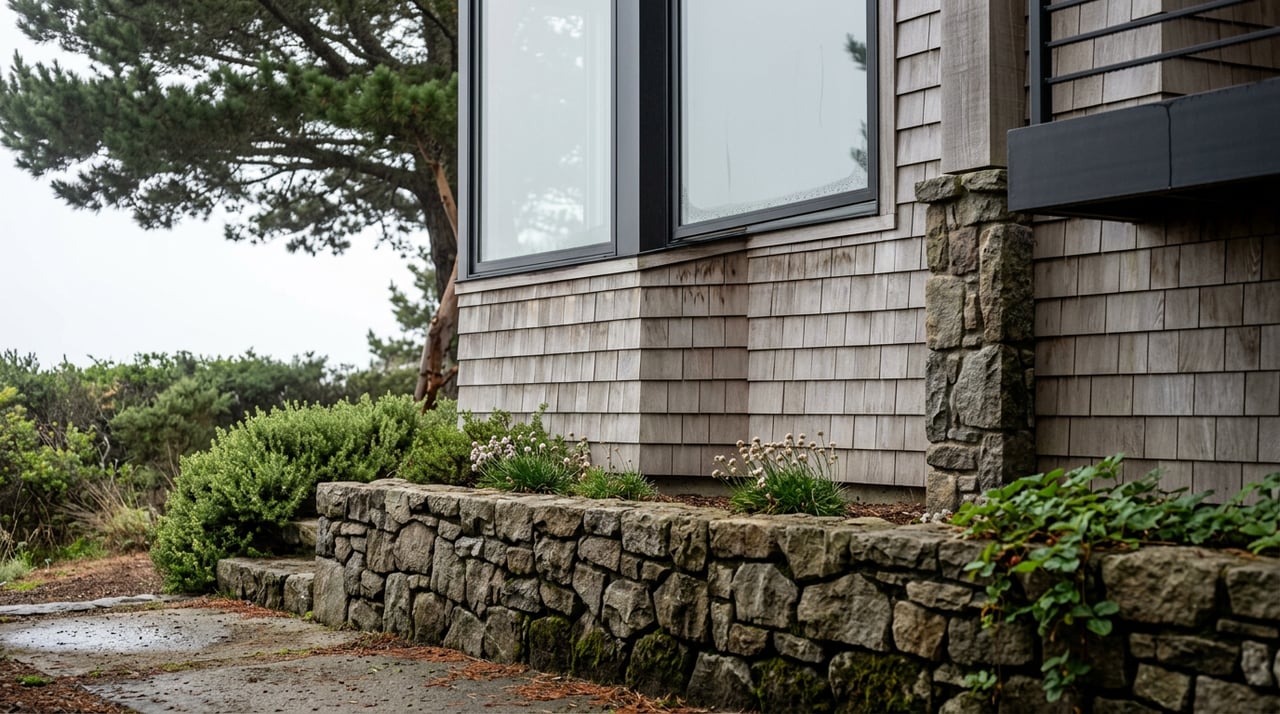
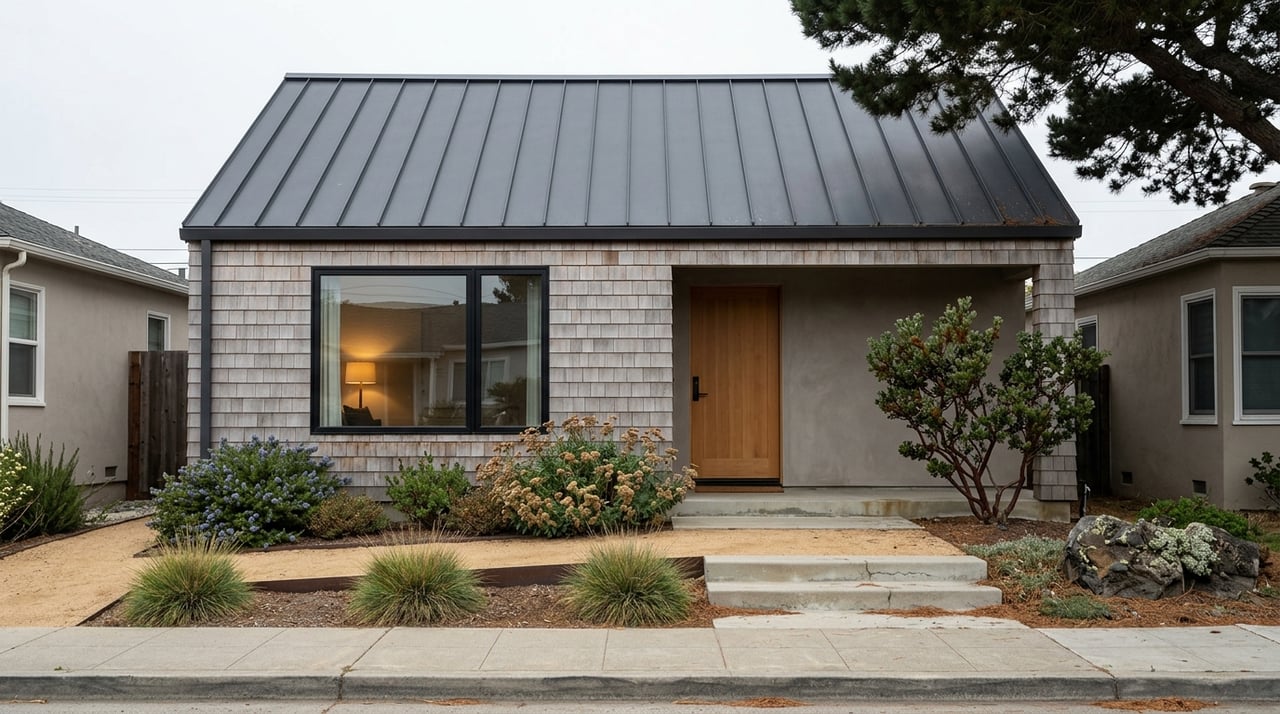
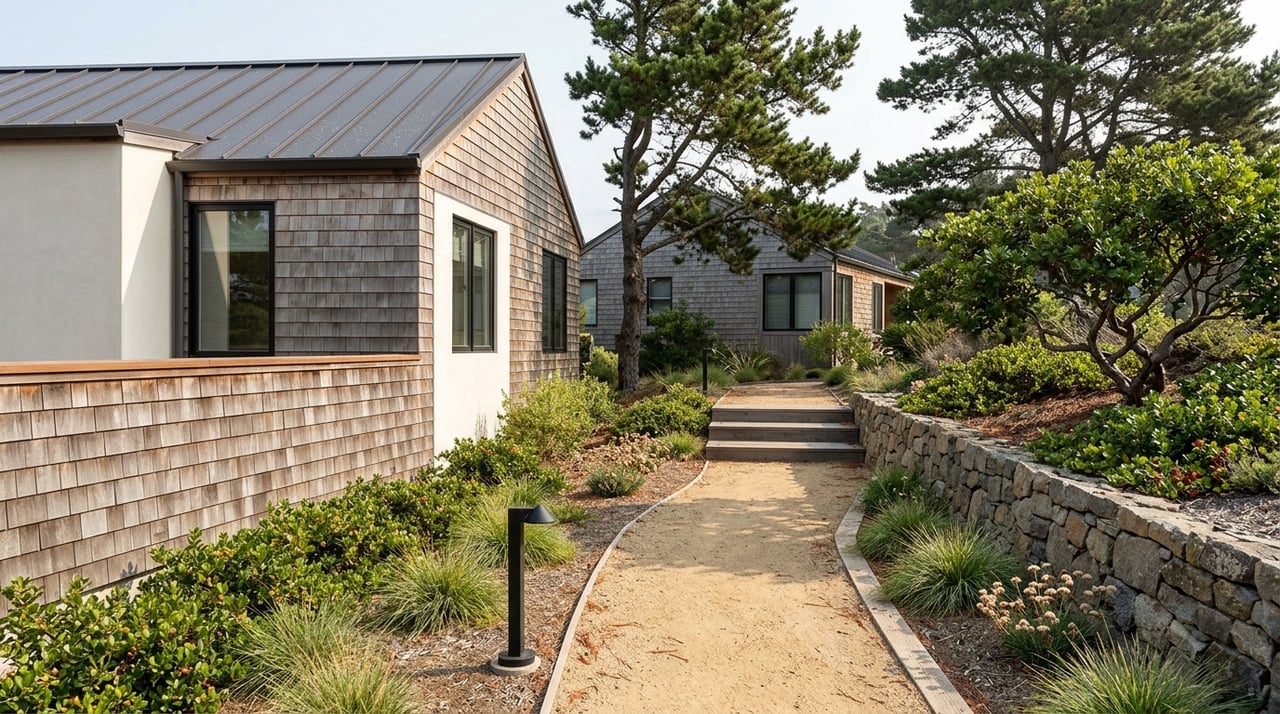
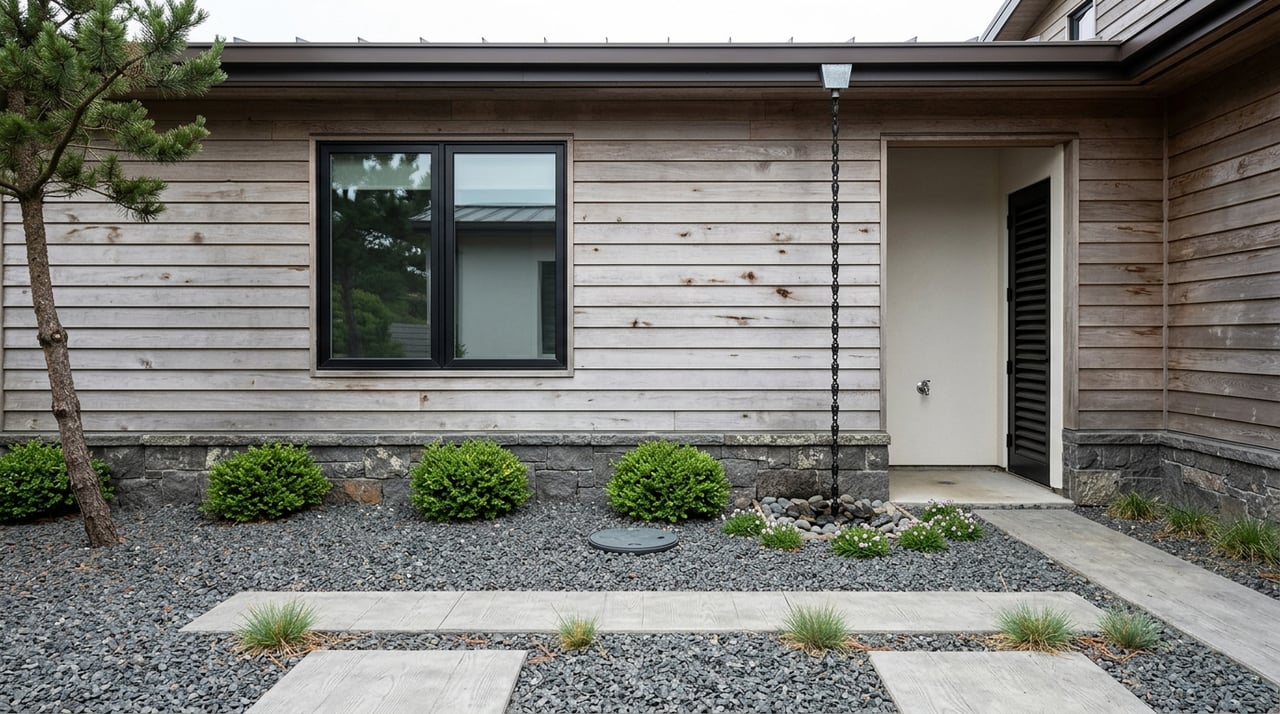
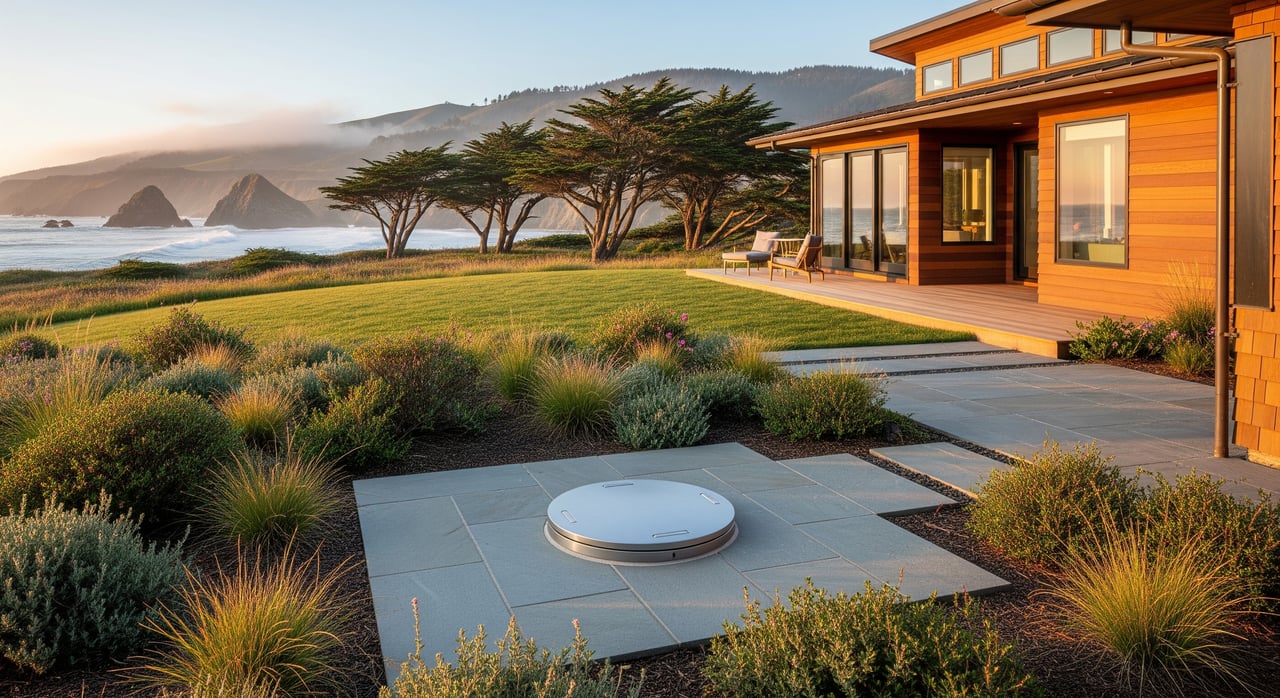
Sea Ranch design guidance emphasizes preserving existing landscape where possible and using informal, simple planting. It also generally favors native or indigenous plantings and discourages eye-catching non-native planting and geometric masses outside enclosed courtyards.
Clean Up Without Changing Character
For sellers, that usually means pruning for clarity, removing visual clutter, and making hedgerows and meadow edges easier to read. It does not mean redesigning the site to look more polished in a conventional luxury sense.
The same design guidance notes that vegetation, fences, walls, and minor structures should be treated as part of one integrated whole, and that property boundaries should not be emphasized. Buyers who appreciate Sea Ranch often respond to that softer, more unified landscape feel.
Check Before Exterior Changes
Sea Ranch’s approval structure is an important practical consideration. The Sea Ranch Association states that its Design Committee reviews construction and landscaping plans, and that no work may proceed without approval.
Before investing in exterior updates, it is wise to confirm whether the work needs review. Even modest changes can affect the site’s character, and a thoughtful seller avoids creating delays or confusion during the listing process.
Tell the Home’s Design Story Clearly
A strong Sea Ranch listing does more than describe finishes. It explains the home’s provenance, what has been preserved, and how any changes relate to the original design intent.
Sea Ranch’s history is unusually well documented, and that matters because many buyers care about pedigree. If your home has a known designer, builder, or documented place in the area’s architectural story, that can be meaningful when presented accurately.
Lead With Verified Details
The most useful details often include:
- who designed the home
- who built it
- when it was completed
- what original features remain
- what renovations were made
- how later work respects the home’s original vocabulary
If there is a documented connection to early Sea Ranch figures such as MLTW, Joseph Esherick, or Lawrence Halprin, that may be important to buyers, but only if the documentation is solid.
Frame Remodels With Continuity
Not every Sea Ranch home is an early architectural landmark, and that is perfectly fine. If your home is a later build or has been remodeled, the best story is usually one of continuity rather than nostalgia.
In other words, show how the home respects Sea Ranch’s established vocabulary of simple forms, natural materials, and landscape integration. That framing is often more persuasive than trying to force a historic narrative that does not fit.
Verify Before You Claim
Accuracy matters in this market. Historic status, publication history, designer attribution, and award recognition should all be verified before they appear in marketing materials.
A practical source checklist can include original plans, old brochures, design-review approvals, permits, renovation records, prior listing descriptions, and archival photos. Careful documentation builds trust and helps sophisticated buyers feel confident in what they are seeing.
Avoid These Common Sea Ranch Mistakes
The fastest way to miss the mark is to make your home look like it could be anywhere. Design-savvy buyers usually notice when a Sea Ranch listing leans too hard into generic luxury cues instead of local architectural character.
Here are some common mistakes to avoid:
- overly glossy finishes
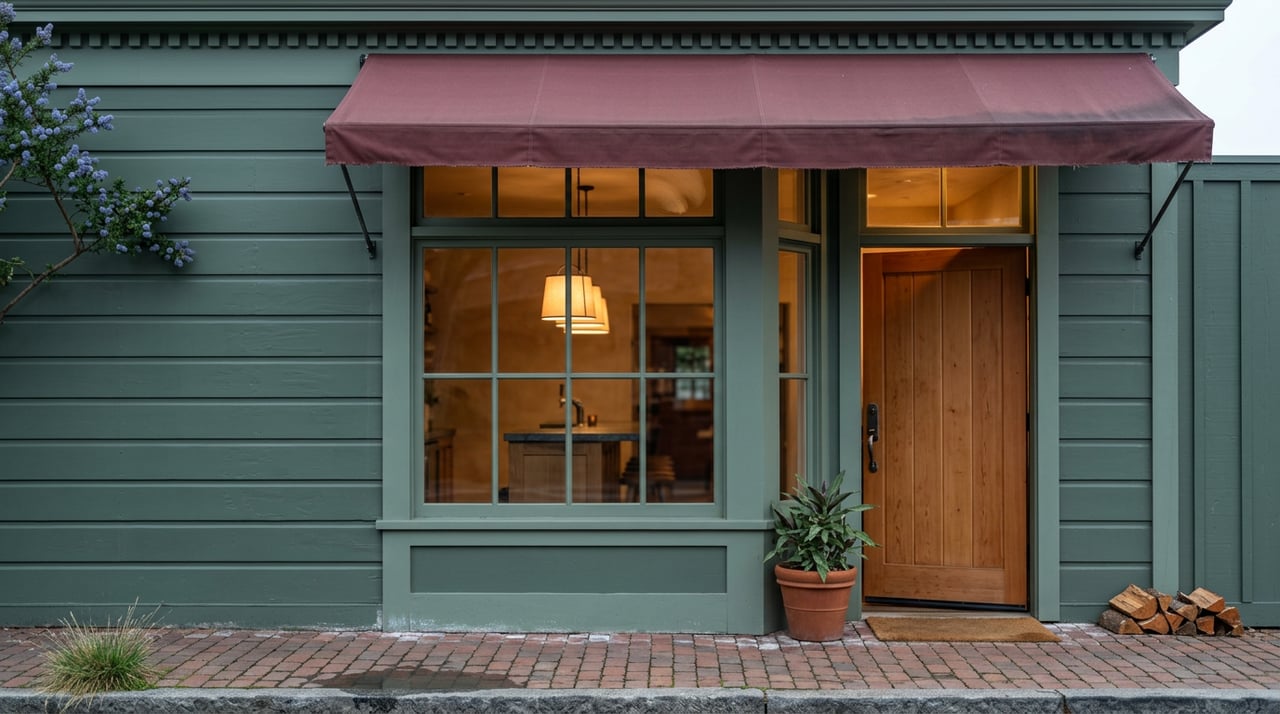
- bright accent colors that overpower the setting
- heavy decorative clutter
- lush non-native landscaping that feels out of place
- staging that blocks windows, decks, or view lines
- exterior changes made without checking Association review requirements
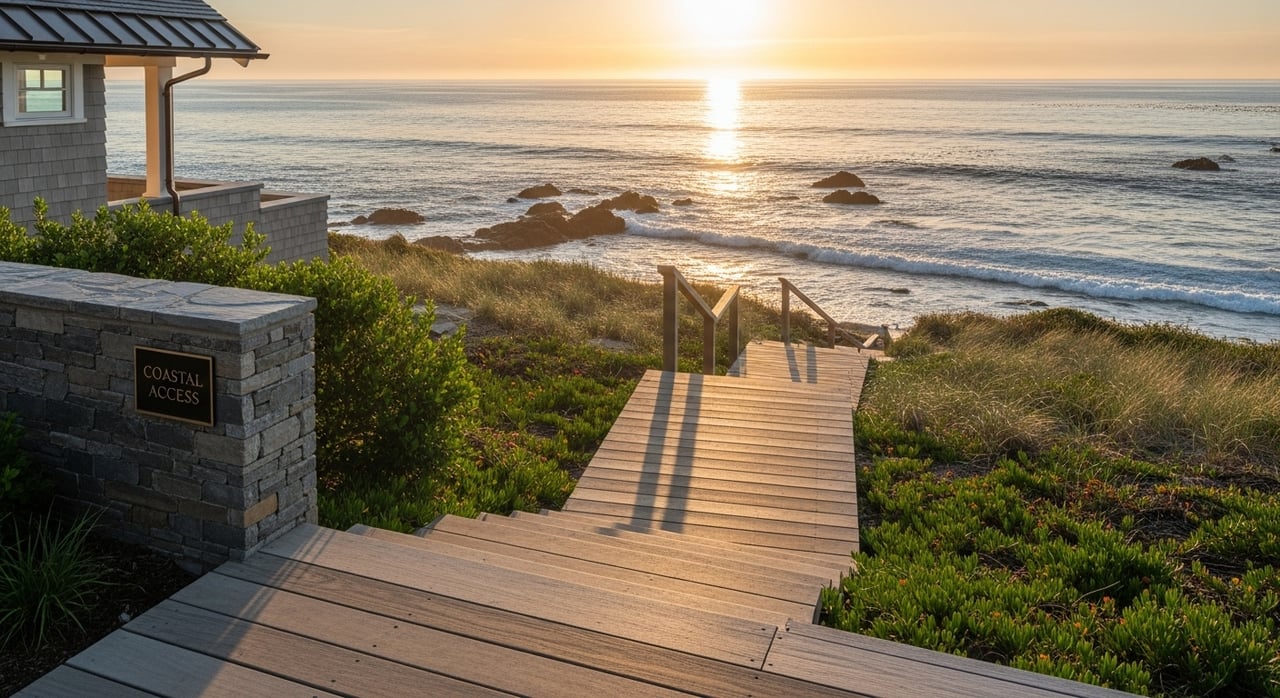
Another common issue is imprecise language about access, views, or recreation. Because Sea Ranch includes both private community elements and public coastal access points, marketing should be clear and specific about what is public, what is managed by the Association, and what belongs to the property itself.
What Subtlety Signals to Buyers
In Sea Ranch, subtlety is not a lack of effort. It is often the clearest signal that a home has been understood and cared for in the right way.
When a listing feels quiet, architectural, and deeply connected to its site, it gives buyers something stronger than flash. It gives them confidence that the home belongs to Sea Ranch and has been positioned with the kind of judgment this market rewards.
If you are preparing to sell a Sea Ranch home, thoughtful presentation can make all the difference. The team at Kennedy & Associates Real Estate brings decades of coastal market experience, local insight, and hands-on guidance to help you present your property with clarity and care.
FAQs
How should you stage a Sea Ranch home for design-conscious buyers?
- Use quiet, low-profile staging with natural materials, simple furniture, and open sightlines so the architecture, light, and landscape stay front and center.
What design features matter most to Sea Ranch buyers?
- Buyers often respond to careful siting, simple massing, natural materials, rooflines shaped by site conditions, and a strong relationship between the home and its surroundings.
Should you make exterior landscape changes before listing a Sea Ranch home?
- You may want basic cleanup and pruning, but major exterior or landscape changes should be approached carefully because the Sea Ranch Association requires Design Committee review for construction and landscaping work.
How do you market a remodeled Sea Ranch home accurately?
- Focus on how the remodel respects Sea Ranch’s design vocabulary through simple forms, natural materials, and landscape integration, and verify all design or historic claims before using them in marketing.
Why is provenance important when selling a Sea Ranch property?
- Many buyers in Sea Ranch care about who designed or built the home, what original elements remain, and whether changes were made thoughtfully, so documented provenance can strengthen buyer interest and trust.